NASA
164 stories · since 2024 · latest, November 18, 2026
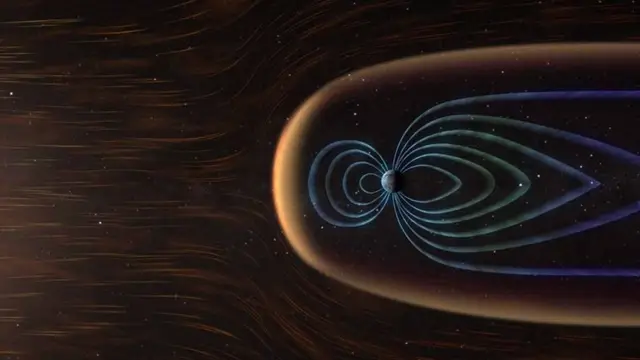
After 14 years in space, a NASA probe is about to return to Earth in the least graceful way possible, but there is no real cause for alarm
A retired NASA spacecraft called Van Allen Probe A reentered Earth’s atmosphere at about 6:37 a.m. Eastern Time on March 11, 2026, over the eastern…
ECOnews Newsroom · May 2, 2026
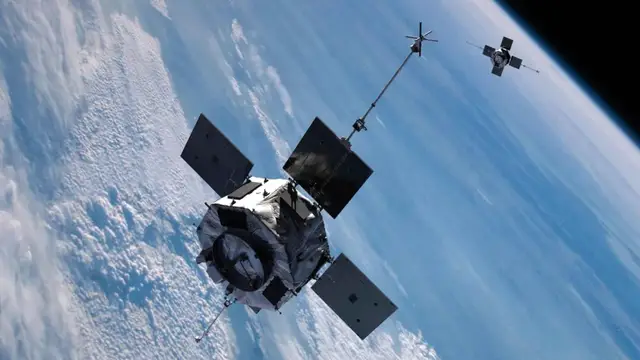
Hubble captured a comet breaking apart in real time purely by chance, and the odds of seeing it happen at that exact moment were remarkably low
The Hubble Space Telescope, a joint mission between NASA and ESA, unexpectedly caught Comet C/2025 K1 (ATLAS) breaking apart in November 2025. Over three…
Adrian Villellas · April 27, 2026
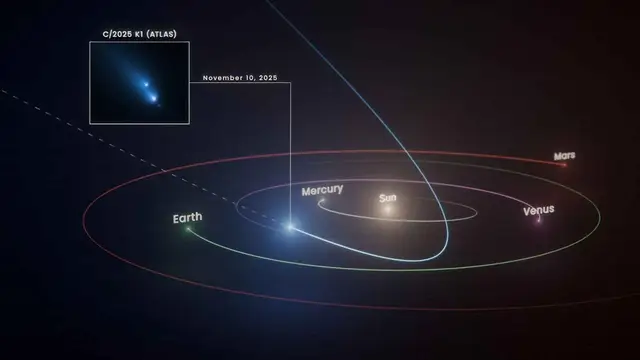
NASA observes the Sahara from the International Space Station and detects a gigantic eye nearly 50 kilometers wide, whose origin is not as cosmic as it seems
NASA Earth Observatory has spotlighted one of the Sahara’s most recognizable sights, the Richat Structure in Mauritania, often nicknamed the “Eye of the…
ECOnews Newsroom · April 26, 2026
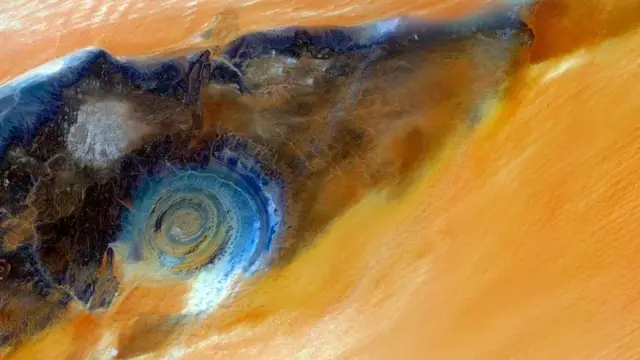
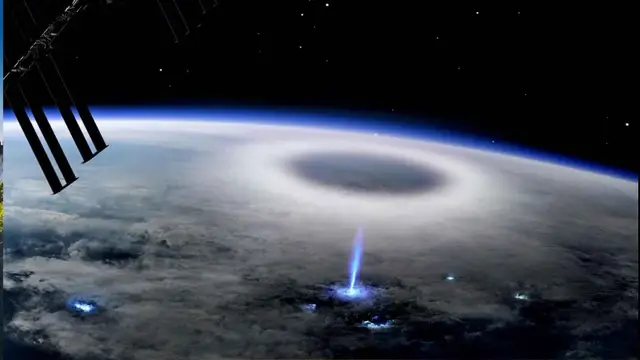
How NASA studies blue jets, sprites and ELVES above storms from the International Space Station
If you have ever watched a thunderstorm roll in, you know the basics. Dark clouds, a sudden downpour, and lightning that seems to stitch the sky together…
ECOnews Newsroom · April 22, 2026
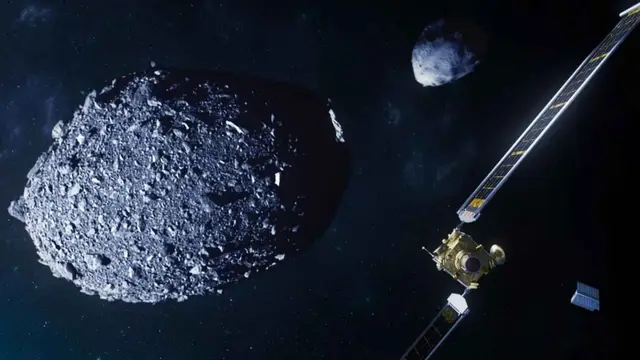
For the first time, humanity significantly altered the orbit of a celestial body
In September 2022, NASA deliberately smashed a spacecraft into a small asteroid called Dimorphos. The goal was simple in theory and huge in consequence:…
ECOnews Newsroom · April 20, 2026
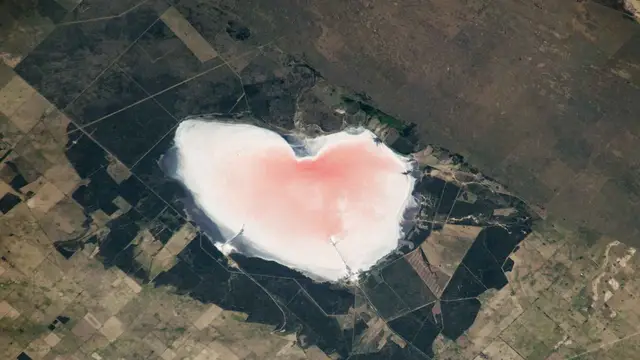
NASA observes Argentina from the International Space Station and detects a gigantic pink heart nearly 10 kilometers wide, whose color does not have as romantic an origin as it seems
NASA just shared a Valentine that doubles as an ecology lesson. An astronaut aboard the International Space Station photographed Salinas Las Barrancas, a…
ECOnews Newsroom · April 20, 2026
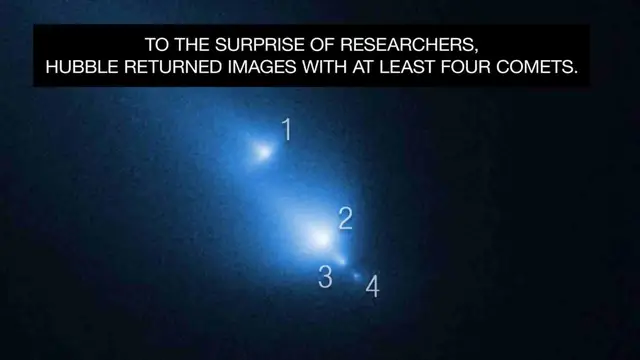
The Hubble Space Telescope is tracking the four icy fragments of Comet C/2025 K1 (ATLAS) as they travel through space, while a puzzling 48-hour delay in the increase in brightness is forcing theorists at Auburn University to rethink all their hypotheses about the timeline of its disintegration
What are the odds of pointing a space telescope at a comet right as it starts to fall apart? In an official report, NASA says the Hubble Space Telescope…
Adrian Villellas · April 19, 2026
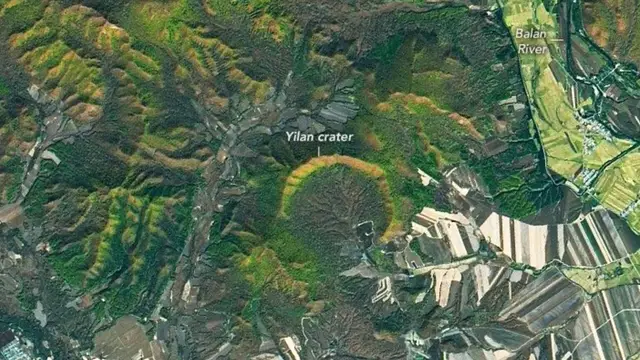
NASA observes China from space and discovers a giant structure hidden in plain sight that not even an entire forest has managed to conceal from the crater
What looks like a quiet green arc in northeastern China is, in fact, the mark of a violent collision from space.
ECOnews Newsroom · April 18, 2026
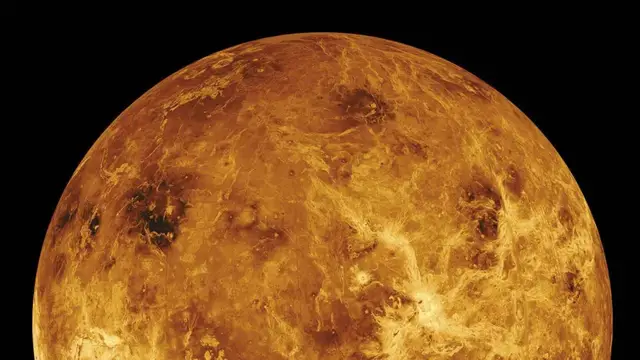
What appeared to be an old, forgotten file from the Magellan probe, launched in 1990, has turned out to reveal one of the strangest discoveries about Venus: an empty underground tunnel approximately 1 kilometer wide
What can a 30-year-old radar image still reveal about Venus? Quite a lot, apparently. Scientists reexamining data from NASA’s Magellan spacecraft say they…
ECOnews Newsroom · April 16, 2026
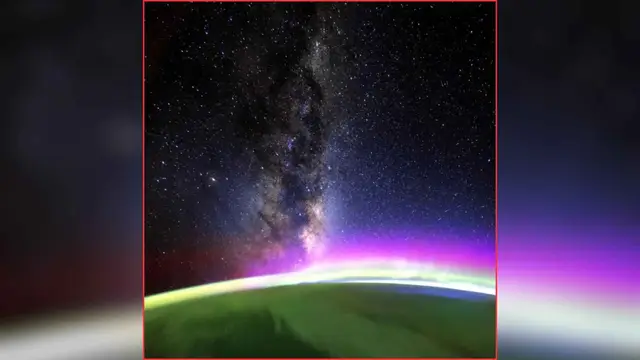
A NASA astronaut points his camera from the Space Station and turns in-orbit experiments into images so strange they look like art from another world
A photo from space can look like a screensaver. Swirls of cloud, a thin blue edge of atmosphere, the dark ocean catching a flash of sun. Pretty, sure. But…
ECOnews Newsroom · April 16, 2026
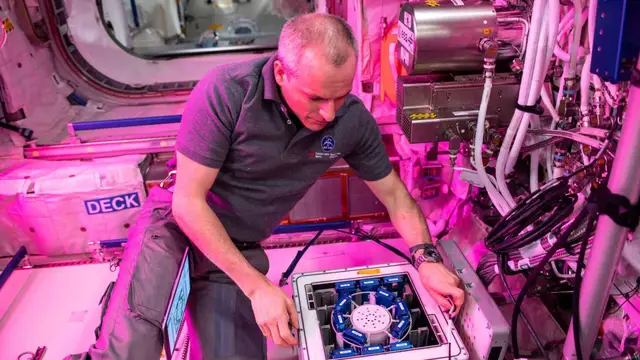
NASA is testing an idea in orbit that once seemed like science fiction and has discovered that a fungus can extract valuable metals from space rocks 400 kilometers above Earth
What if the next big “mining tool” is not a drill or a laser, but a living organism the size of a speck of dust? A new experiment on the International…
Adrian Villellas · April 15, 2026
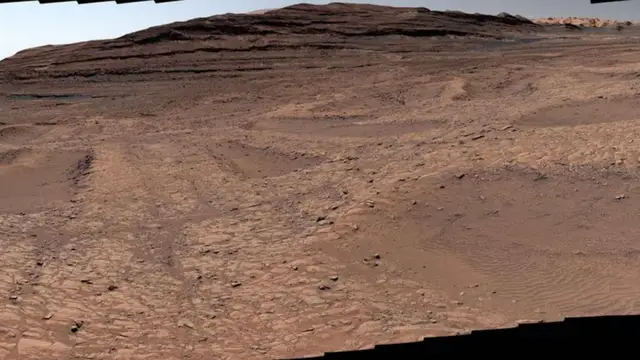
NASA has finally solved the mystery of the giant spiderwebs observed on Mars since 2006, and Curiosity’s findings have reignited the big question of how long water remained underground
A strange, web-like pattern spotted from orbit in 2006 has finally been explained on the ground. NASA’s Curiosity rover is exploring these formations on…
Adrian Villellas · April 13, 2026
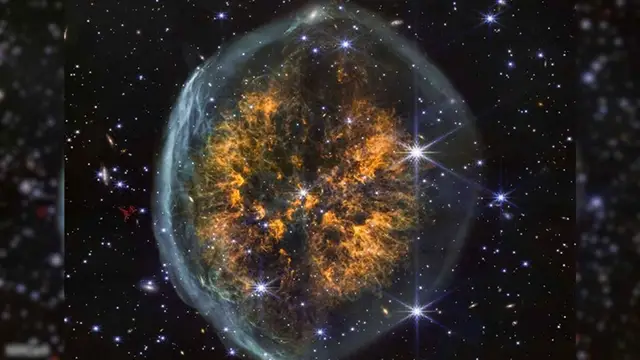
James Webb images show the “Exposed Cranium” nebula PMR 1, a dying star 5,000 light-years away
At first glance, it looks like a transparent skull drifting through deep space. But NASA’s new James Webb Space Telescope images show that PMR 1,…
Adrian Villellas · April 9, 2026
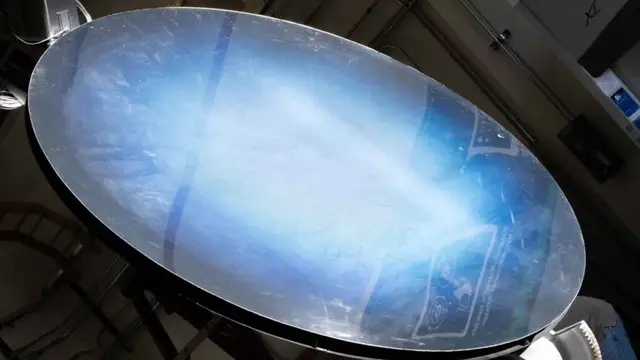
What astronauts step on could end up in their oxygen tanks, and NASA’s new experiment with concentrated sunlight makes the idea of living on the Moon for months without relying so heavily on Earth seem much more plausible
What if the air future astronauts breathe starts as dust under their boots? NASA says a new integrated test of its Carbothermal Reduction Demonstration,…
ECOnews Newsroom · April 9, 2026
NASA detects a 500-million-year pattern between Earth’s magnetic “shield” and oxygen in the air… and the question posed by the article is crazy
Take a breath and imagine the invisible forces that made that gulp of oxygen possible. A new study led by NASA researchers suggests that the strength of…
Adrian Villellas · April 5, 2026