Plants and fungi
81 stories · since 2024 · latest, 8 h ago
Norway lowered a 22-ton desalination pod 1,640 feet below the sea, where natural ocean pressure helps it produce up to one million liters of drinking water a day while using far less energy than conventional plants
Desalination is a very specific method used to generate freshwater where rainfall, rivers, and reservoirs fall short, but there can be a problem: this…
ECOnews Newsroom · September 5, 2026

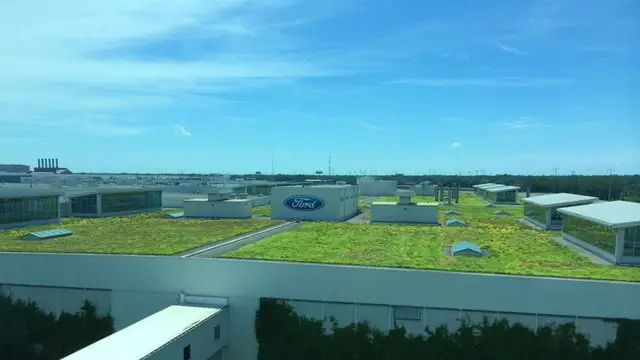
Ford covered the roof of its enormous Rouge factory with living plants instead of conventional roofing, and years later the industrial site has become an unlikely habitat for birds above one of America’s most famous car plants
Ten-and-a-half acres of colorful flowering plants is not usually associated with heavy industrial activity. A giant Ford plant in Dearborn, Michigan…
ECOnews Newsroom · August 29, 2026
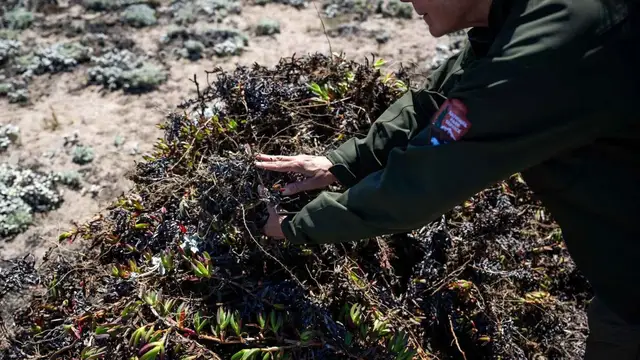
California’s iceplant from South Africa spreads three feet a year across bluffs and dunes, crowding native plants, and pulling it out turns out to be only the first step
California once treated highway iceplant as a practical answer to loose soil. Brought from South Africa in the early 1900s to stabilize railroad tracks…
ECOnews Newsroom · August 22, 2026
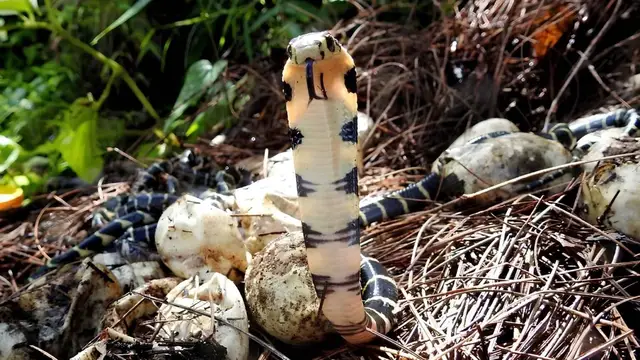
Mushroom gatherers walked into a Nepalese forest and found a nest built by the only snake known to make one, and officials have now restricted access to the site
A routine search for wild mushrooms turned into an unexpected wildlife protection effort in Nepal when community forest users found a king cobra nest near…
ECOnews Newsroom · August 15, 2026
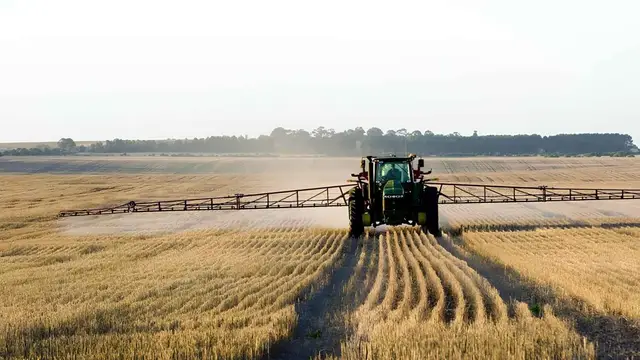
Syngenta is leaving Australia’s paraquat market after an 80 percent spraying cut, but the weed killer linked in studies to Parkinson’s concerns will remain
Following an 80% slash to the maximum legal application rate of paraquat, Syngenta announced on July 24, 2026, that it will stop selling all herbicides…
ECOnews Newsroom · August 13, 2026
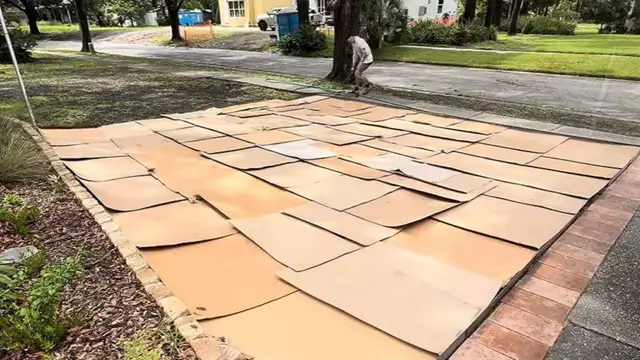
It all started when a Florida homeowner had some old cardboard boxes he was going to throw away and ended up transforming a withered lawn into a garden full of butterflies, bees, birds, and edible plants that requires almost no maintenance
Can old shipping boxes really become the first layer of a living front yard? A Florida homeowner soaked cardboard over a struggling lawn, covered it with…
Adrian Villellas · August 4, 2026
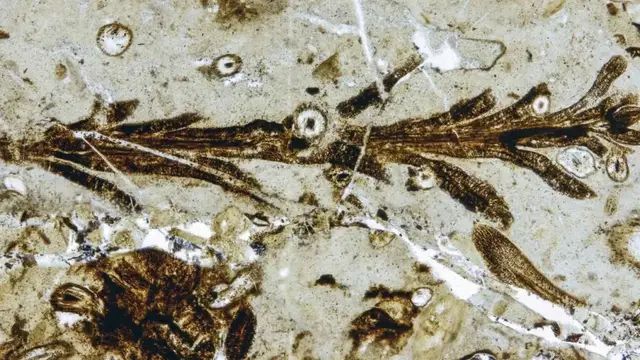
In Santa Cruz, scientists found a 150-million-year-old fossil plant with such rare preservation that it seems to freeze a piece of the plant world that existed when dinosaurs ruled Earth
A fossil plant found in southern Argentina is giving scientists a rare look at life in Patagonia when dinosaurs still moved through Jurassic forests. The…
Adrian Villellas · July 17, 2026
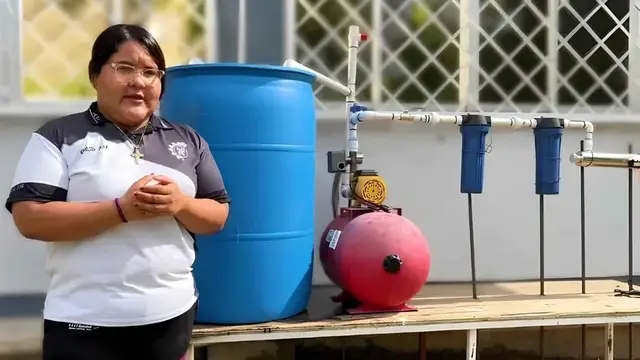
A student from Nuevo Laredo noticed something that we all see but that almost no one pays attention to: the water dripping from the air conditioner. She turned it into HidroAC+, a system for growing plants in a city where temperatures can exceed 104 °F for months on end
In Nuevo Laredo, the same machines that make summer heat bearable may now help grow food. Dania Yasaret Saldaña Martínez, a student from CBTis 234 in…
ECOnews Newsroom · July 14, 2026
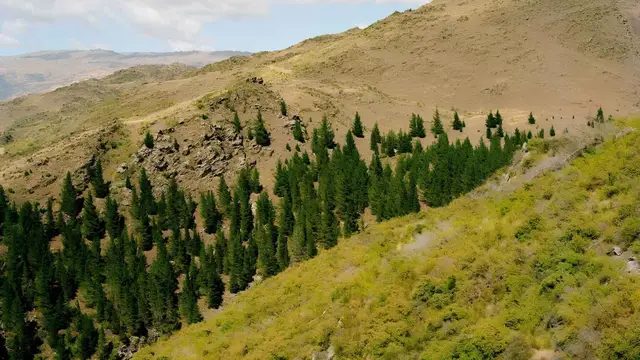
What appeared to be a simple tree growing on a hillside can turn into a dense stand of invasive pine trees capable of depleting watersheds, displacing native plants, and altering an entire landscape
New Zealand spent decades planting pine trees to grow its forestry industry, stabilize land, and cover open landscapes with fast-growing trees. Today,…
ECOnews Newsroom · July 12, 2026
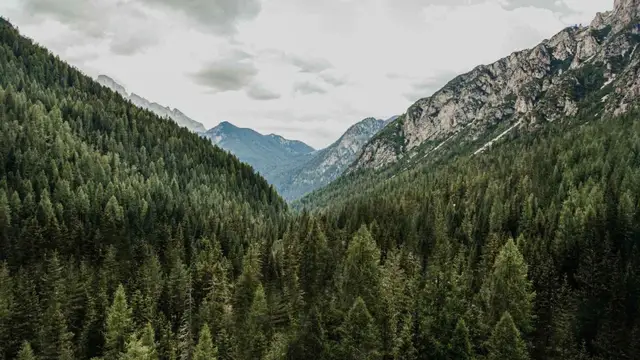
The Italian forest, which appeared healthy from a distance, concealed ecological degradation dating back nearly 100 years, and scientists discovered that its fir trees harbored 50.3% less plant diversity than native forests
A forest can look healthy from a distance. Green slopes, tall trunks, cool shade, and a sense of order can all make a plantation seem like proof that…
ECOnews Newsroom · July 11, 2026
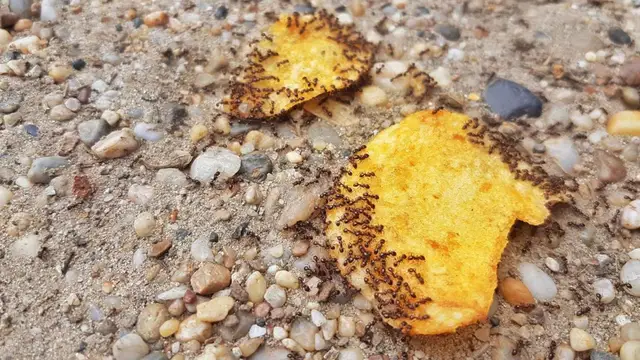
A few cookie crumbs on a trail may seem insignificant, but a new study conducted in Panama suggests that they can distract ants from a task that is key to a plant’s expansion
A few cookie crumbs on a hiking trail may not look like much, but a new study suggests that processed food leftovers can pull ants away from seed- moving…
ECOnews Newsroom · July 1, 2026
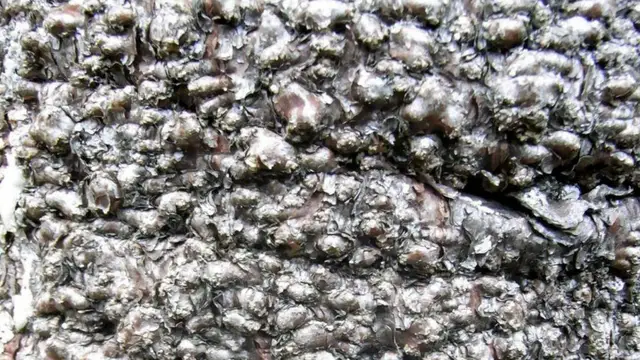
Rangers near Sydney found living trees thought extinct for 90 million years – basically botanical zombies
In 1994, a New South Wales (NSW) park ranger named David Noble lowered himself into a remote rainforest canyon in Wollemi National Park, about 93 miles…
ECOnews Newsroom · June 25, 2026
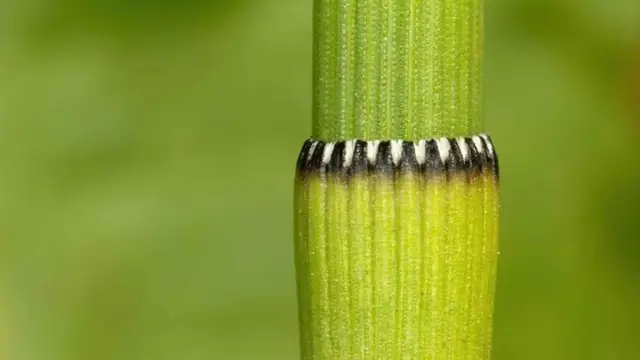
Horsetail plants pull “space water” isotopes into their stems, baffling chemists who thought they’d seen it all
A plant that looks almost too simple to notice has just pushed scientists into strange chemical territory. Researchers studying smooth horsetail, a…
Adrian Villellas · June 24, 2026
Scientists analyzed more than 30,000 measurements of bacteria, plants, and animals and discovered a pattern that repeats throughout life: heat helps for a while, but then pushes living organisms toward biological collapse much faster than expected
Scientists have identified what they describe as a universal temperature pattern shared across life on Earth, from bacteria dividing in a lab to animals…
Adrian Villellas · June 24, 2026
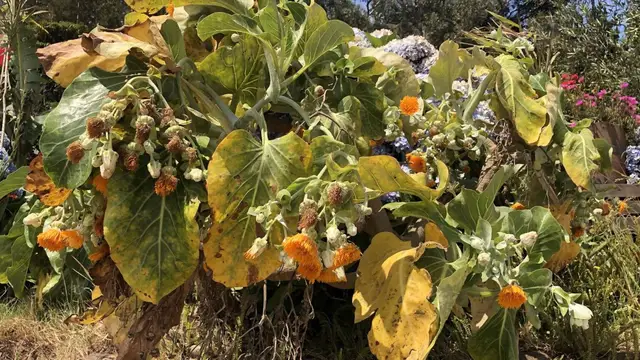
From a Chilean cliff to a British vault: the tree daisy that sustains the fire hummingbird travels 11,000 km in an aluminum capsule and proves that a seed bank is more powerful than a destroyed habitat
A single wild tree, tied to a cliff on Robinson Crusoe Island, may now have a real shot at survival. The species, Dendroseris neriifolia, has been reduced…
ECOnews Newsroom · June 24, 2026