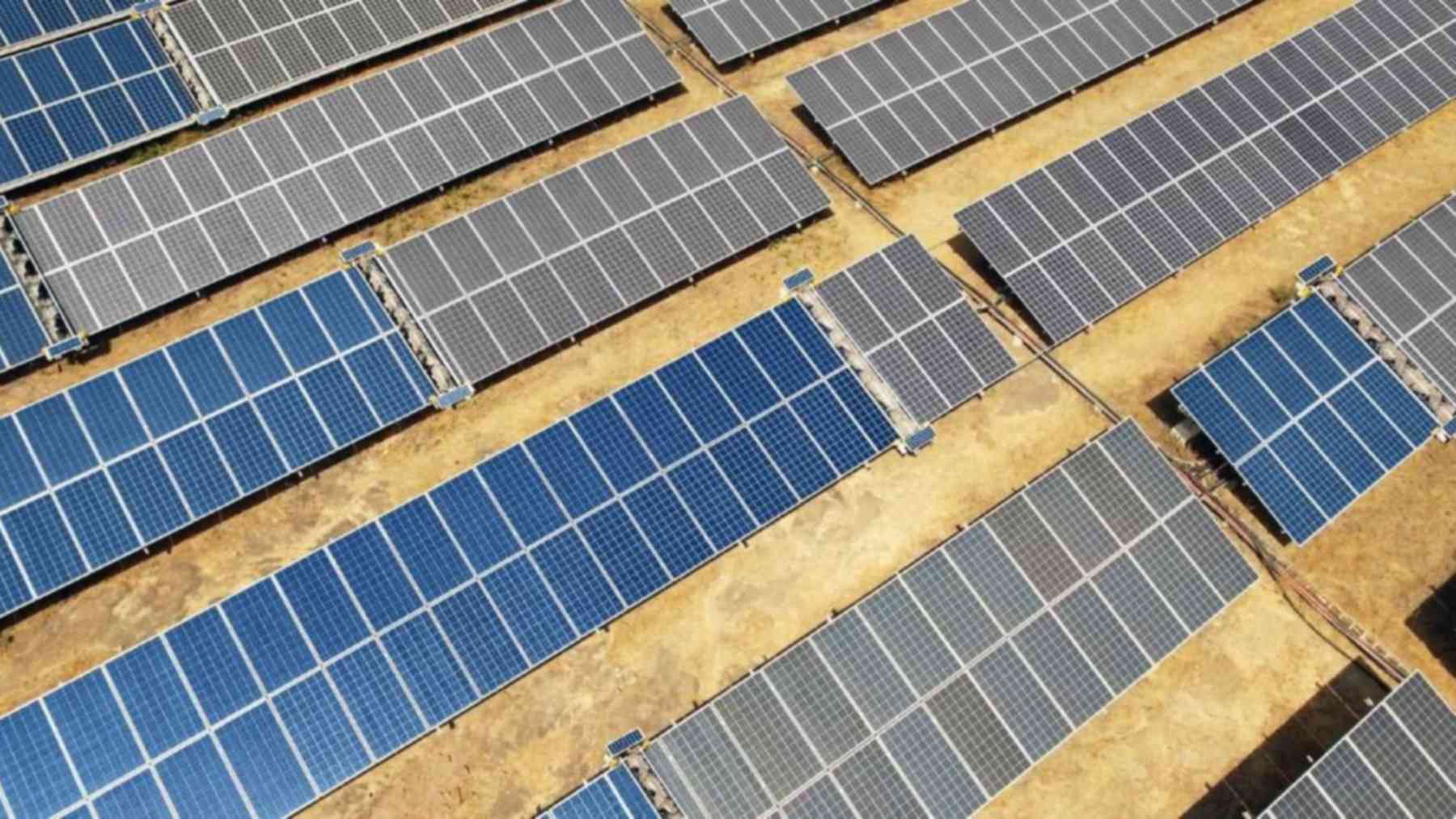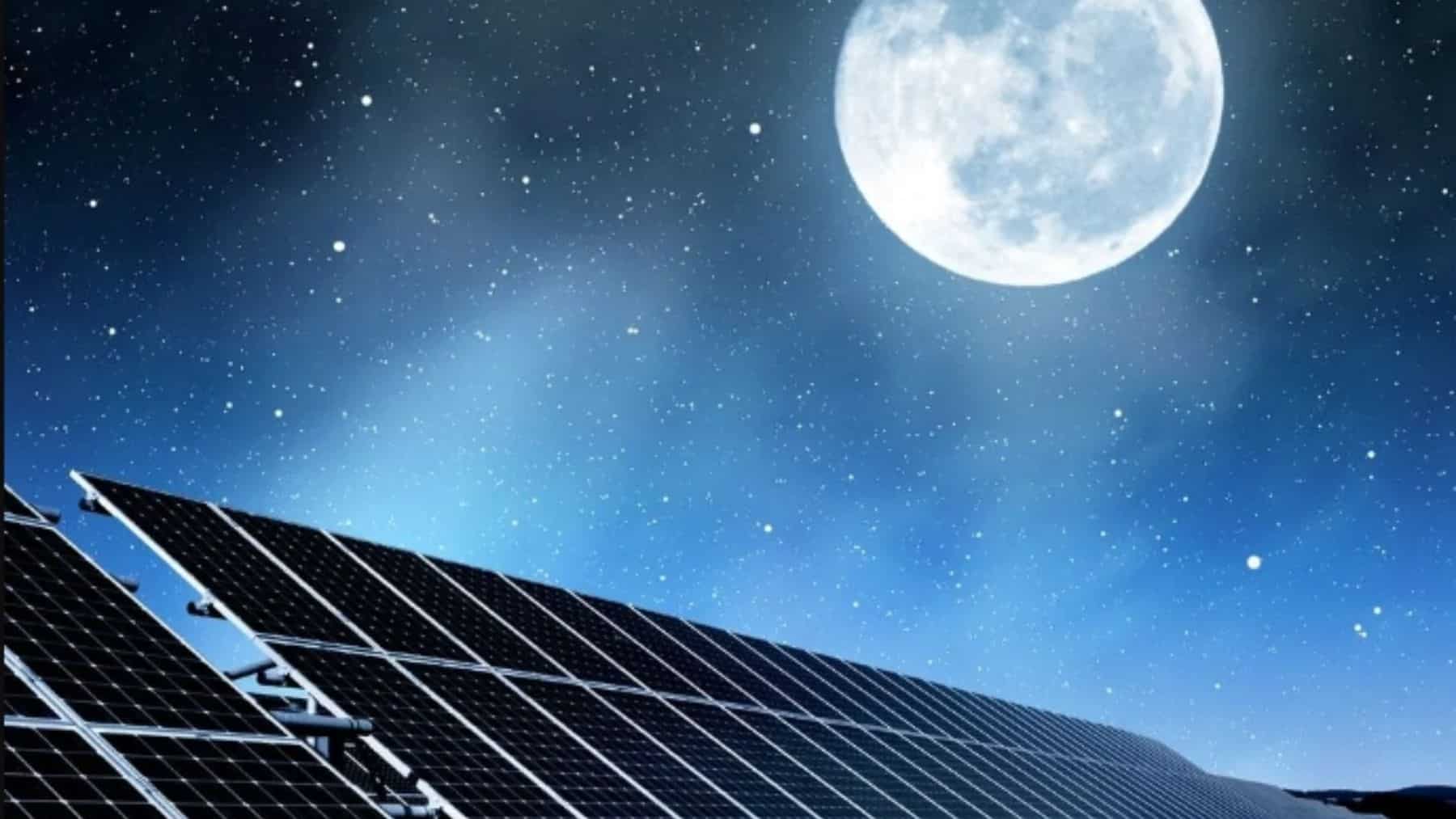
Perhaps the future of solar panels entails relying on panels that work at night, however, not in the way that might be expected. Standford University researchers can now be credited for developing a solar-adjacent technology meant to generate power after the sun has set. This moonlight solar panel does not work by harnessing the moonlight, but by radiative cooling, the principle that assisted desert dwellers to keep food cool overnight.
This moonlight panel has the power to transform the way we provide energy to communities promising panels that work when everyone else stops working.
Using the power of cold nights
The researchers at Standford University used the assumption that while traditional solar panels stop working when the sun goes down, the earth continues radiating heat. Furthermore, on clearer nights, the surfaces release infrared radiation into the sky thus cooling down below the temperature of the surrounding air. The temperature gradient was what researchers saw as the key component that could be converted into electricity once a thermoelectric generator was attached to a modified solar panel.
The entire process is called radiative cooling and while it has been known for centuries, Stanford’s innovative team was able to turn this well-known concept into a modernized power source. The current output is about 50 milliwatts per square meter making the solar panel capable of powering small devices like LED lights, communication systems, or environmental sensors.
The radiative cooling technique is powerful as it not only works at night, but it has already outperformed other energy harvesting technologies including that of wind and radio frequency harvesting, albeit under similar conditions. Perhaps this moonlight solar panel is able to work when all others don’t.
Moving towards energy independence
Researchers like those at Standford should be acknowledged for going beyond principles of science. The sole focus is on providing electricity in remote and rural areas where approximately 770 million people globally still do not have electricity. An energy source like the moonlight solar panel could provide a backup source of power when more traditional solar panels stop working.
The cost that would be incurred when producing these solar panels would be far less than that of building battery storage systems or more traditional panels with added infrastructure. This system by the Stanford team requires only the thermoelectric generator occupying less than 1% of the solar panel’s footprint and thus making this system rather compact.
All in all, this solar panel works on addressing renewable energy’s toughest challenge, storage. Battery systems, however, do have a limited lifespan so by generating electricity at night, the nighttime tech can minimize the demand for batteries, specifically for always-on applications like IoT devices, perimeter lighting, or agricultural sensors. This nighttime solar panel works not through principles of photovoltaics like other traditional panels.
Stepping towards radiative cooling
While radiative cooling has been searched on the internet and has already been used by some startups to manufacturer zero-energy cooling systems, the core principle of radiative cooling remains important in a world that is warming up drastically due to global warming. Start-up company SkyCool Sytems uses the same concept as Standford researchers while ETH Zurich, researchers have created systems that make use of radiative cooling to extract clean drinking water from the air for drought-stricken regions.
Standford’s moon panels are working by leveraging the night sky’s cold with an end goal of providing a 24-hour solution in climates that are inconsistent. This moonlight panel offers something rather powerful and stable in comparison to its counterpart- the more traditional daytime panels.
By letting the night work for us, Standford researchers have created something efficient and affordable. This solar panel that works even with moonlight can be seen as one that competes with rival Tesla’s Lunaroof.