Two rare earth metals crucial to low-carbon shift facing scarcity
· 1 min de lectura
A large-scale shift from coal-fired electric power plants and gasoline-fueled cars to wind turbines and electric vehicles could increase demand for dysprosium and neodymium, two already scarce metals found almost only in China.
A study in the American Chemical Society’s journal Environmental Science & Technology said demand could go up by 600 to 2,600 percent over the next 25 years even though production of the two metals has been increasing by only a few percentage points per year.
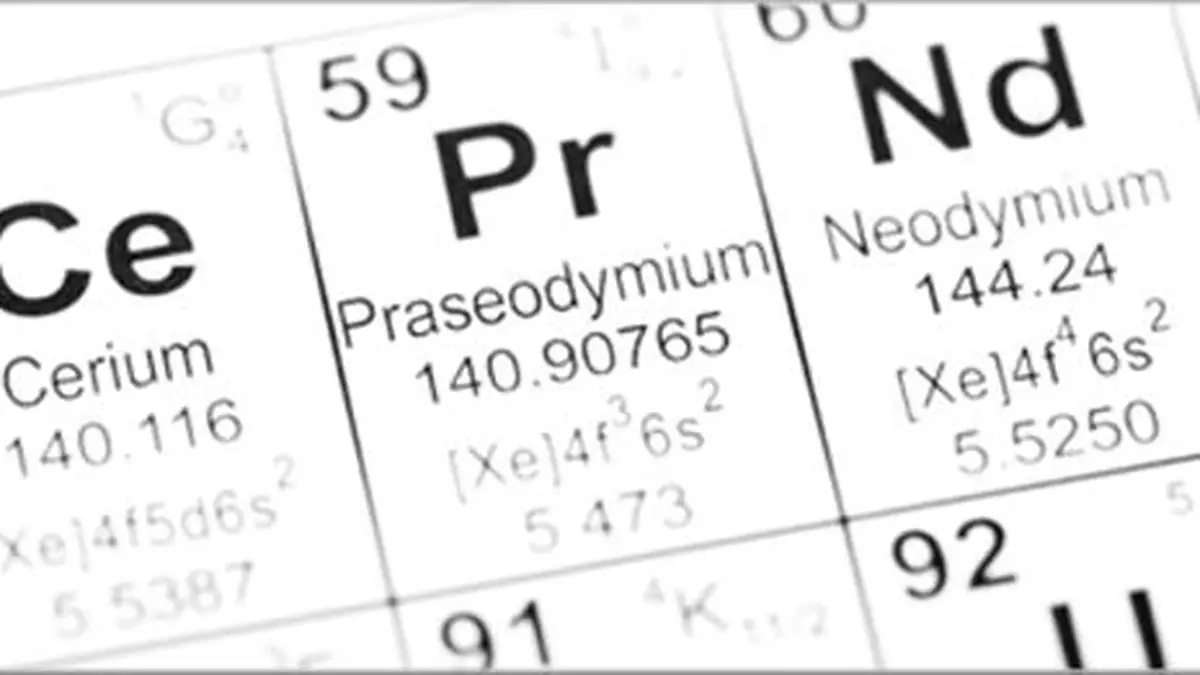
Randolph E. Kirchain, Ph.D., and colleagues explain that there has been a long-standing concern about a secure supply of the so-called rare earths, 17 elements adjacent on the periodic table.
These metals are used to make airplane components and lasers for medical imaging, among many other uses. But two of the rare earths, dysprosium and neodymium, are critical for current technologies for manufacturing wind turbines that generate electricity and electric vehicles.
Green technologies, Mr. Kirchain notes, would be essential in carrying out a proposed stabilization in atmospheric levels of carbon dioxide, the main greenhouse gas, at 450 parts per million.
Mr. Kirchain’s team analyzed the supply of lanthanum, cerium, praseodymium, neodymium, samarium, europium, gadolinium, terbium, dysprosium and yttrium under various scenarios.
Their estimates set the demand for these 10 rare earth elements up through 2035. In one scenario, demand for dysprosium and neodymium could be higher than 2,600 and 700 percent, respectively.
To meet that need, production of dysprosium would have to grow each year at nearly twice the historic growth rate for rare earth supplies.
«Although the [rare earth] supply base has demonstrated an impressive ability to expand over recent history, even the [rare earth] industry may struggle to keep up with that pace of demand growth,» the authors said.
But they also point out that shortfalls in future supply could be mitigated «through materials substitution, improved efficiency, and the increased reuse, recycling and use of scrap.» – EcoSeed Staff
Comentarios · 0
Normas ›Todavía no hay comentarios. Sé el primero en opinar.