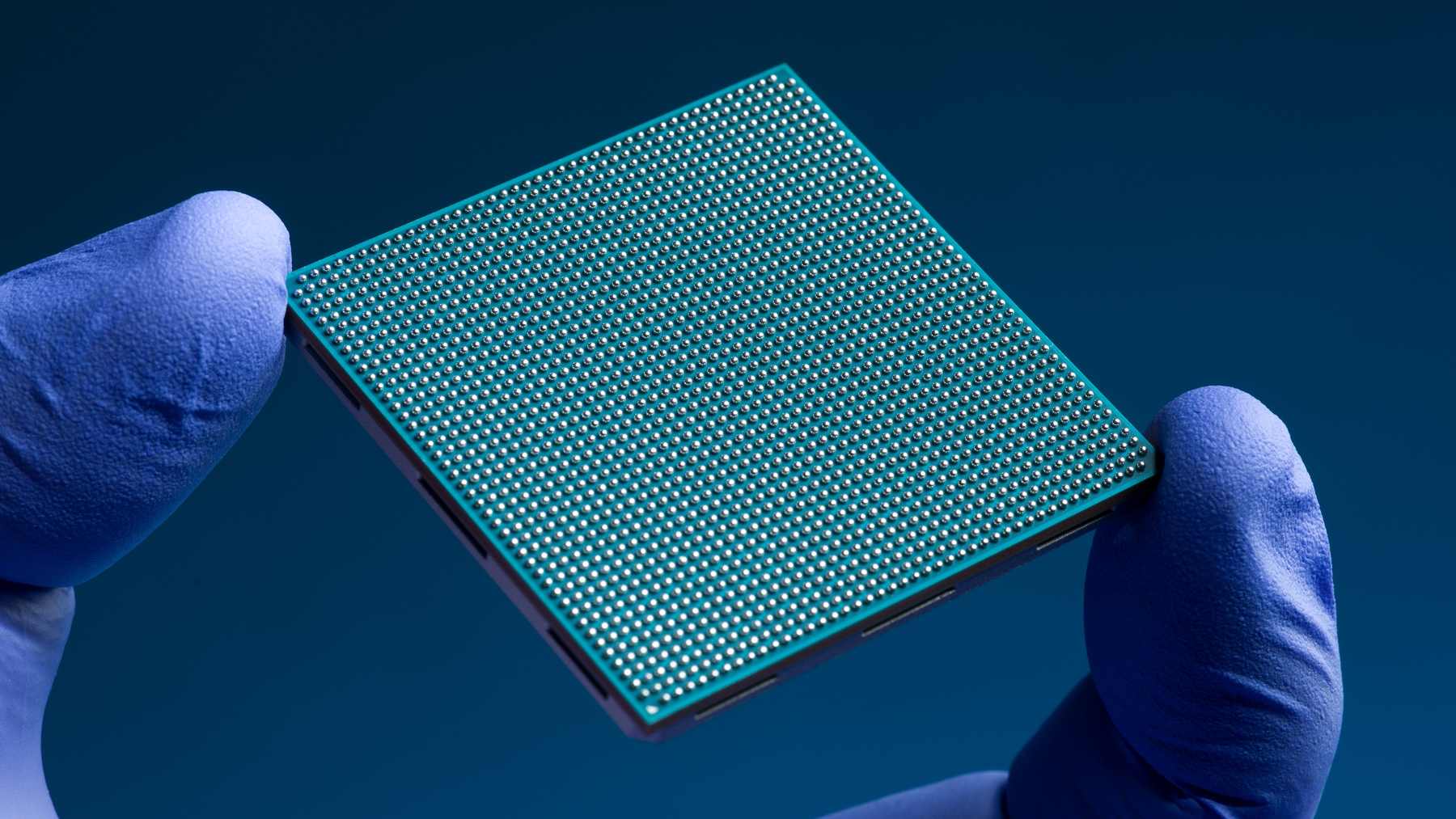
A processor small enough to sit in a gloved hand is producing results that could change how spacecraft act and react far far from Earth. During testings at NASA’s Jet Propulsion Laboratory (JPL), the High Performance Spaceflight Computing processor, nicknamed as HPSC has shown what it came for: its operating 500 times faster than radiation-hardened chips that are currently used in spaceflights.
That’s just a preliminary scenario though. The chip is not ready to fly yet. Everything that surrounds spatial technology has to be tested through and through. When a simple radio exchange (with Mars) can take up to 45 minutes that could pose a risk to a distant rover or lander and leave it alone to handle on its own what could be an urgent problem.
The 500-times result is impressive, but it is not a flight certificate
When NASA launched the HPSC they wanted it to provide at least 100 times the computing capacity of the current processors. The 500-times figure came as a surprise and can not be viewed as guaranteed, since future tests could show different results.
The JPL project manager Jim Butler said that he and his team were “putting these new chips through the wringer”, testing it with radiation, different temperatures and even shocks. The campaign that began in February 2026 with a symbolic “Hello Universe” message still needs to prove that the processor can keep up with all the possible stress it’s going to eventually face.
Why spacecraft computers lag behind the phone in your pocket
It’s a simple difference: while computer hardware is protected inside a box the spacecraft chips have to survive a harsher environment, and because of that they have to give up on speed in exchange for a stronger defense. Since the high-energy particles can interfere by flipping stored bits and interrupt calculations, the extreme temperature swings and years without any repairs make it so that reliability is a million times more important than performance.
The HPSC was built to narrow that exchange gap. It’s meant to give more computing power while still having stronger stamina now that new technological pathways open up for the engineers to try new combinations. If we may get technical, the commercial microchip PIC64-HPSC design uses eight 64-bit RISC-V CPU cores and power controls that can shut down unused functions if electricity becomes scarce.
Palm-sized chip doesn’t mean palm-sized computer
These new central processors have several supporting functions integrated into one package. That does not mean all the other equipment is gonna be tinier though. The spacecraft still needs a lot of stuff, such as: circuit boards, external memories, power regulators, connectors, softwares, interfaces for cameras, antennas and all the scientific instruments. The flight unit designers may even add redundant hardware just for volume.
The act of packing lots of capabilities into one chip can reduce complexity and allow the data to be processed closer to the sensor that collected it in the first place.
The AI will not be a chatbot flying the spacecraft
With all the AI shenanigans and talks that are flying around these days we sometimes end up forgetting its more realistic applications are narrow and practical. With its stored data the HPSC should be able to recognize terrain, detect dangerous obstacles, classify observations, spot unusual readings, select through safe responses and even decide which measurement images are worth the limited radio link back to Earth.
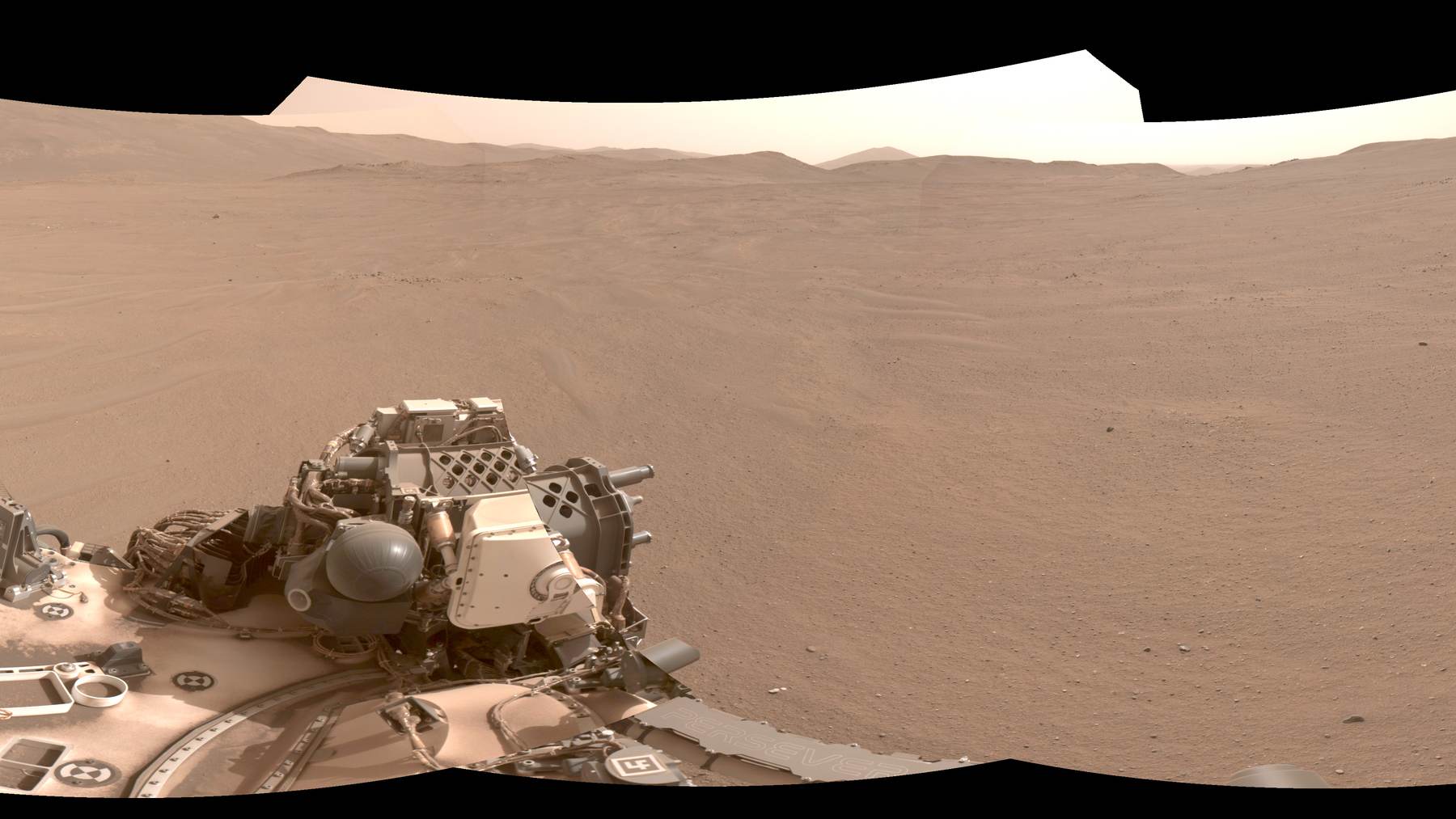
Our old friend Perseverance has already shown us a glimpse of that future on Mars. A commercial smartphone-era processor left in the rover’s former Ingenuity base station now is used to run an AI algorithm that correlates ground panoramas with orbital maps to locate the rover with a precision of around 10 inches while also operating 100 times faster than the older programs.
Mars local decisions are unavoidable
By NASA’s calculations one-way light time between Earth and Mars ranges from roughly 3 to 22.4 minutes as the planets move through their orbits. That translates to a 45 minutes delay between the planets, ruling out any possibility of working through joystick or human inputs.
A landing hazard, or any sudden equipment fault or really anything promising may be gone before controllers even receive the first alert. That means more onboard computing is needed for the spacecraft to “choose” among its already programmed options and work alone before Earth receives the signal and can send different commands.
The last challenge is surviving space
Survival is the name of the game since speed alone will not earn HPSC a seat on a mission. Engineers and developers still need to show that bad boy can handle all the hazards it will most likely have to face during all the years it’s going to work.
A recent NASA safety notice published on August 26 described some new risks that could happen across the HPSC wafer supply chain, proving how the reliability checks are distributed over the whole chain of production, even tracing back to the transport of it. NASA’s current material available to the public does not specify when the first mission carrying the processor will take place though. What we know now is that if the tests keep going like before the chip will shorten the gap between detecting a problem and acting on it.
The latest official HPSC reliability study was published on NASA’s Office of Safety and Mission Assurance.