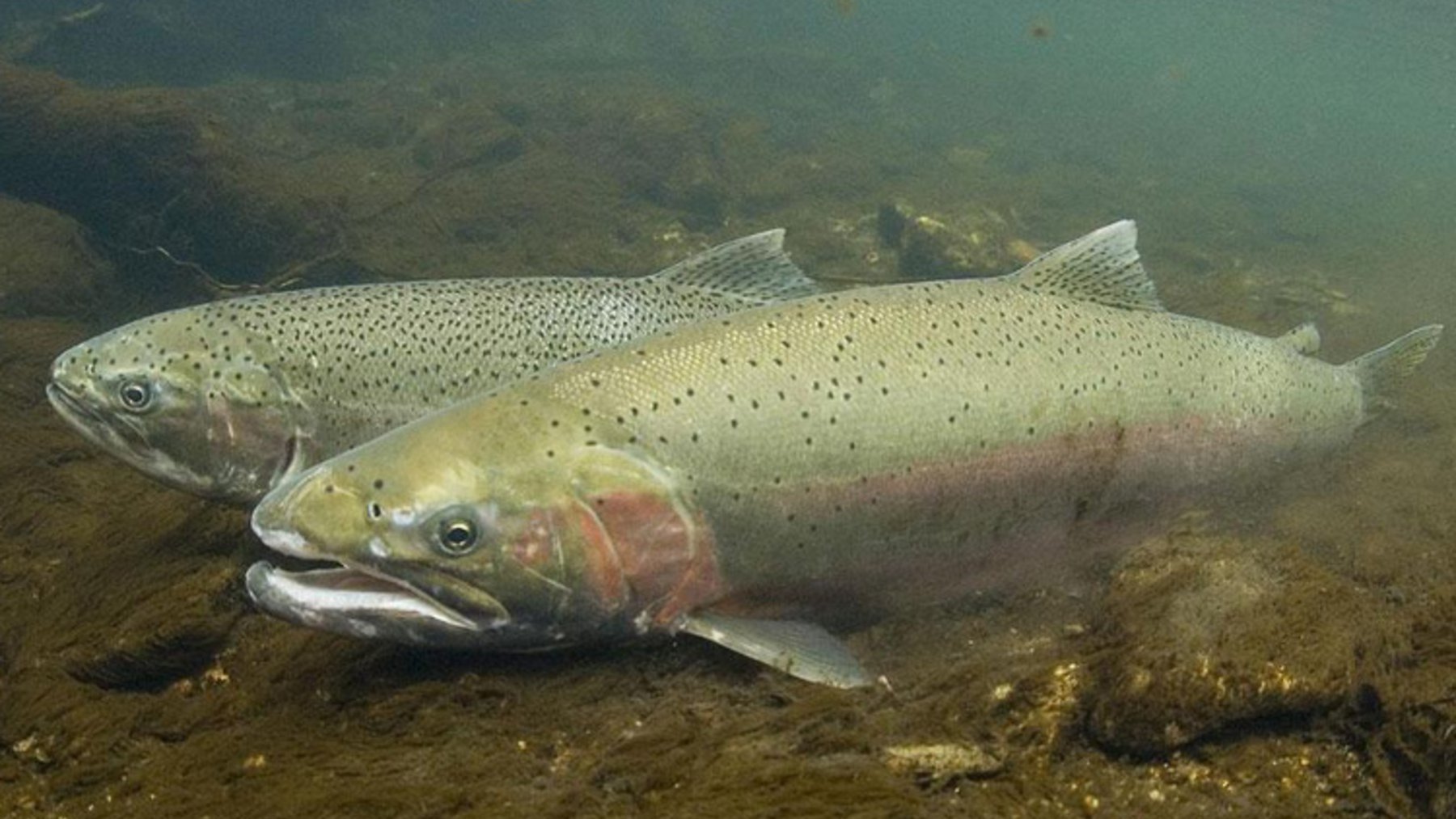
After about two years in the Pacific, hundreds of steelhead made it back to Oregon’s Deschutes River, completing a roughly 600-mile freshwater round trip. Their return helped bring the 2024–25 total moved above Round Butte Dam to more than 950 adults.
The comeback has continued, though recovery is not complete. In an April 30, 2026, update, Portland General Electric (PGE) reported more than 900 adults moved upstream during the following season, the second-highest tally in decades, while describing restoration as a generational effort.
Steelhead, rainbow trout and the real fish count
Steelhead belong to the same species as rainbow trout, Oncorhynchus mykiss. The difference is their ocean-going life cycle, which takes them from freshwater to saltwater and back to spawn. Unlike most Pacific salmon, steelhead can survive spawning and make that trip again.
The record season’s total combined two groups. PGE’s breakdown listed 675 returning fish that had passed through the project as juveniles, plus 275 hatchery-origin adults released upstream to support reintroduction.
Those are adult passage totals, not the results of tracking one release of 950 young fish. Dividing 675 by 950 would therefore produce a misleading survival rate.
Reopening a route blocked for half a century
The Confederated Tribes of Warm Springs and PGE co-own the three-dam Pelton Round Butte hydropower complex. Their fish-collection facility began operating in 2010, helping reconnect waters where migration had been interrupted for about 50 years. By April 2026, it had passed more than 1.7 million juvenile fish toward the ocean.
At Lake Billy Chinook, the Selective Water Withdrawal facility creates currents that draw juveniles toward a collection point. Crews then transport them downstream around the dams, providing a detour rather than an uninterrupted swimming route.
Most of the record-season returnees traveled about 100 miles down the Deschutes and another 200 miles through the Columbia to reach the ocean. The journey back added roughly 300 more miles, excluding their travels at sea.
Small changes can matter along a long migration
Building the facility was only the beginning. PGE says teams added a guidance net to direct fish toward the collector and a stress-relief pond where they can recover after handling.
Another adjustment happens before young fish leave their home waters. Working with the Oregon Department of Fish and Wildlife, the partners expanded “smolt acclimation,” holding juvenile steelhead in place for 10 to 30 days before release to help them adjust to local conditions.
How do fish find their way home?
The wider research on migratory salmon offers clues. NOAA Fisheries describes how young salmon learn odors associated with their home streams, then use those retained memories when they return as adults. Think of scent as a remembered address rather than a landmark they can see.
Magnetic information may help with the bigger map. The U.S. Geological Survey describes Earth’s magnetic field as a compass for migration before fish use smell closer to home. These are explanations from broader research, not proof of which cues each returning Deschutes fish followed.
The river needs more than a fish bypass
PGE and the Tribes reported investing more than $25 million in basin restoration by April 2026. Projects include restoring streamflow, planting streamside vegetation and removing migration barriers in tributaries such as the Crooked River and Whychus Creek.
The collection facility also blends surface and deep water from Lake Billy Chinook to manage downstream temperatures. PGE says the aim is to approximate seasonal conditions without the dams while saving limited cold-water reserves for late summer, when fish need them.
NOAA Fisheries identifies migration barriers, degraded habitat and altered stream conditions among the threats steelhead face. A route around a dam addresses one obstacle, but cannot by itself guarantee the well-oxygenated spawning streams and suitable conditions these fish need throughout their lives.
A promising comeback, not a finished recovery
The 2025–26 total included 475 reintroduction-origin adults, supplemented by surplus hatchery broodstock. Project scientists attributed the strong returns to both improved management and ocean conditions, so the results cannot be credited to river engineering alone.
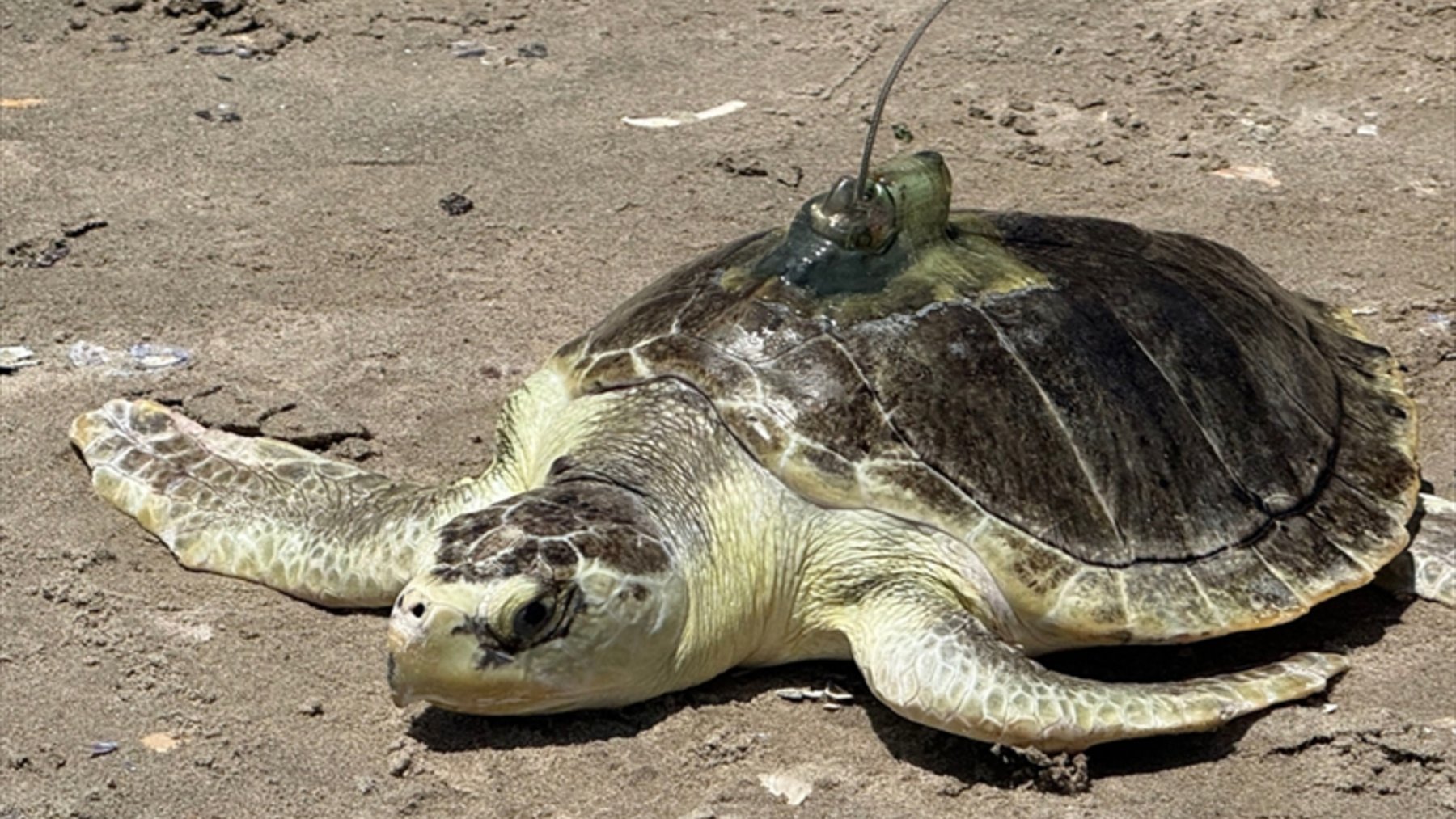
“We are building a better future for ourselves and the river,” Austin Smith Jr. of the Confederated Tribes of Warm Springs said in the April statement. Biologists are using radio tracking to follow the movement and spawning activity of adults released upstream.
The longer-term goal is sustainable fish populations in both the upper and lower basin, not simply a large annual count. That makes the next generations central to judging whether improved passage and healthier habitat can support a lasting recovery beyond these encouraging seasons.
The official update was published on Portland General Electric on April 30, 2026.