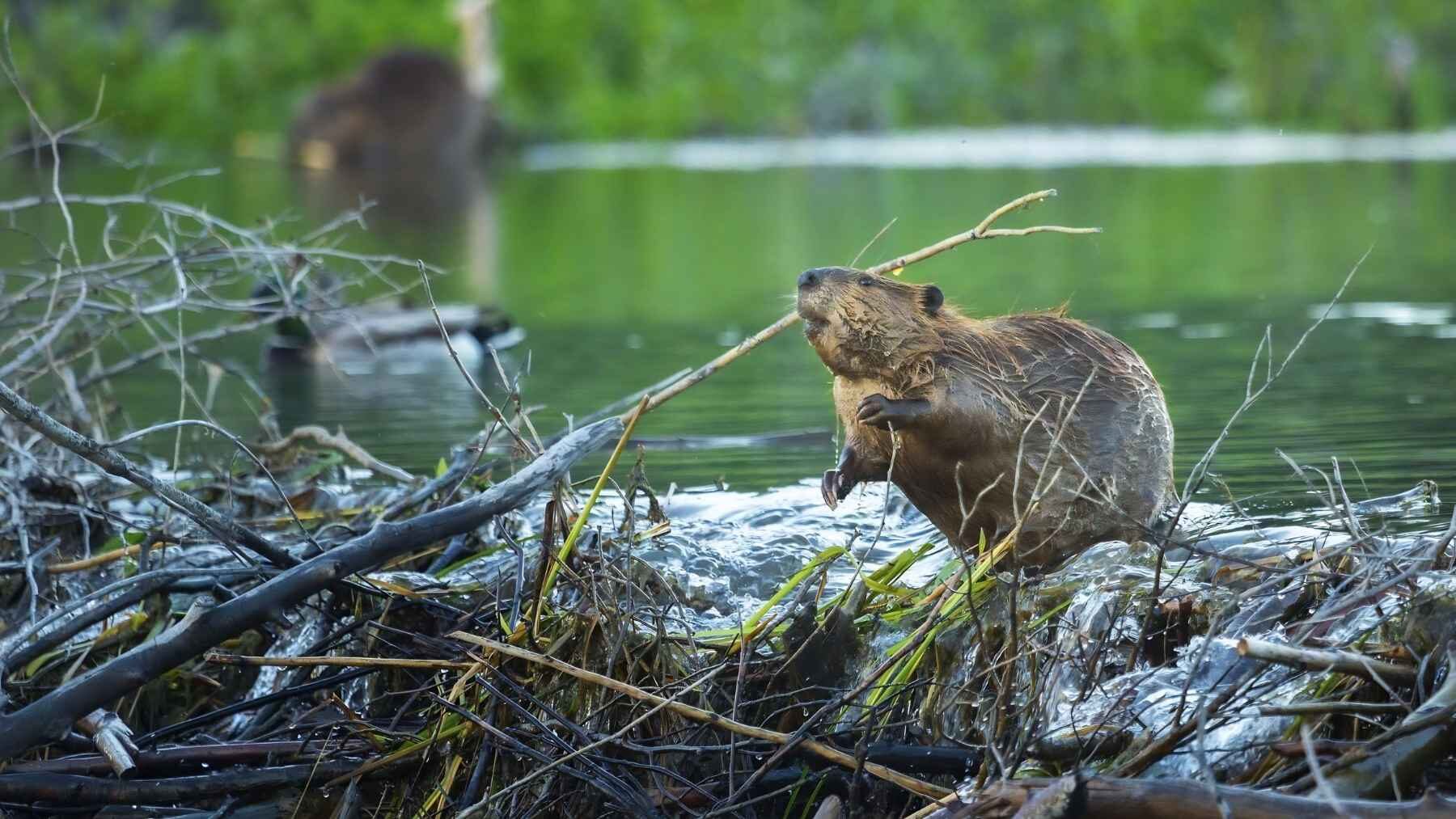
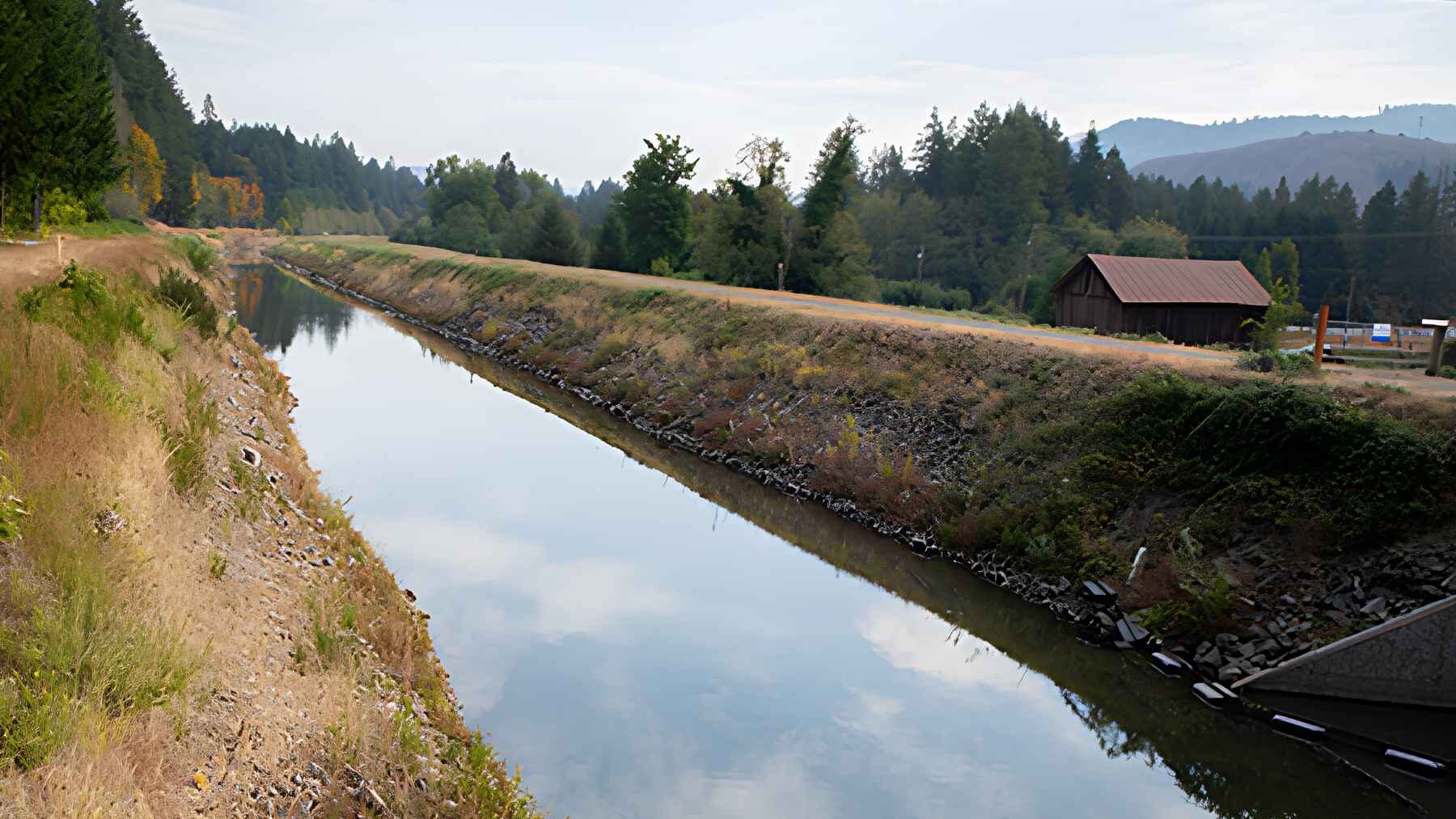
What if I told you that beavers found a waterway along the McKenzie River, east of Springfield, Oregon and that this brought an enormous problem? And why is this? Because we are talking about the Leaburg Canal. It is an almost old structure of around 100 years held by soil embankments, where small changes in the water flow can bring serious safety problems. It was not until 2025 that many beavers were repeatedly removed by different crews. Also the Eugene Water & Electric Board took the lead removing specifically three beavers and one nutria between November 2025 and January 2026. Since then, they found no choice but to keep keeping an eye on the area.
This totally sounds like a fight between human engineers and wildlife engineers over canal design. Of course, the engineers in charge of managing the canal needed water to flow under control, while on the other hand, the animals, by instinct and trying to create a safer habitat, tried to slow it down to the point of stopping the expected normal flow.
An old canal with little room for error
It is also important to contextualize the Leaburg project. It was built at the end of the 1920s. A dam diverted McKenzie River water into a canal that kept it at around five miles constantly, before an 80-foot drop at the powerhouse powered two turbines. As a result, the system generated electricity for approximately 90 years.
But this ended in October 2018, when the Federal Energy Regulatory Commission ordered it to stop generation. This was because an increase in seepage and internal erosions in the canal embankments were detected. Since then, the canal has carried tributary water and storm runoff back toward the river. And it was in 2023that, with the new compliance regulations, the commissioners decided to decommision the project instead of spending an estimated $250 million.
Why beaver dams became a safety issue
A beaver dam can be really useful in a natural creek, but an old canal supported by soil banks is different. Dam material can collect debris, redirect water, or to unfortunately bring flooding during strong storms or snowmelts.It is important to understand that these structures already have weak points, these things could bring erosion or flooding.
But that is not the only concern. The tunnels made by beavers or nutria can leave empty spaces inside an embankment, allowing water to work through the soil and weaken it from the inside. That is why the canal is still classified as a “high hazard” facility. And why is this? Because of the possible consequences it can cause if the structure fails.
The dams kept coming back
According to the information provided, it was not an isolated event that had only an isolated pile of branches. For you to have an idea, no matter how many structures were taken away, that did not prevent new structures from being built. And of course each new structure changed water movement again, restarting the same problems we discussed above.
Research led by Tessa Plint and published in Scientific Reports notes that the sound of running water alone can trigger dam-building behavior. Slowing the current “allows” the creation of deeper water that can be a great opportunity for these animals to find shelter from predators and also to protect their food during extreme freezing conditions. And this lets us think that the animals at Leaburg were not attacking infrastructure.They were just following their instinct and survival mode.
Helpful in wetlands, risky in infrastructure
Here is where all these stories about beavers can be confusing. A U.S. Geological Survey report shows that the beaver dams can really change the whole context. They can trap sediment and make the water flow go slow. And they can even reconnect streams with floodplains, and change habitats for fish, amphibians, and birds. So what these previous studies show can bring the effects that restoration teams want.
The detail here is that Leaburg is the wrong place for this kind of free-form engineering. Remember that this canal is federally regulated and in terms of structure super vulnerable, and it must remain stable while decommissioning happens. So, the key here is that what can actually revive a wetland can, on the other hand, be a real danger by pushing the water against an old embankment.
Why the animals were removed
Sometimes the most appropriate response in these cases, according to the Oregon Department of Fish and Wildlife, is to remove them from areas like this one. They sustain this idea because they say that relocating beavers can result in poor survival rates and can spread disease. It was then that a licensed wildlife control operator took action in this way, of course under the state regulations. And after this, officials did not take a lot of time to say that they did not expect that the removal would affect the broader beaver population in the McKenzie Valley.
What happens next at Leaburg
Supposedly, officials say that the “the situation is resolved”. Similarly, there should not be any more removals, although monitoring is essential to continue. But do not think that because of that still there is not still a lot of work to be done in relation to safety. The canal must remain stable through wet seasons and storm events until its long-term conversion or removal is complete.
And what about the future plans? The general plan is to remove the Leaburg Dam, restore the McKenzie River to a free-flowing condition in the project area, and to restructure the canal so tributary streams can reach the river safely. It is expected that the decommissioning starts in 2032. And yes… that timing is pretty much slower than how fast a beaver can build.
The lesson here is not to judge animals for just being animals. They do this by instinct. At Leaburg, the animals saw flowing water and did what beavers have done for generations, while engineers saw an old embankment that could not be allowed to leak or overflow.
The official press release by Ashley Cissna was published by the Eugene Water & Electric Board.