When researchers lowered a camera system into Antarctica’s Weddell Sea, circular fish nests kept appearing on their screens. The seabed survey revealed a breeding colony estimated to contain 60 million active nests across at least 93 square miles (240 square kilometers). At depths reaching 1,755 feet (535 meters), the team had found a vast nursery hidden from view.
The discovery happened in February 2021, and the findings were published online in Current Biology on January 13, 2022. Its significance goes beyond the astonishing number of nests. The colony offers evidence of how reproduction, ocean currents, and the Antarctic food web connect, strengthening the scientific case for protecting this remote region.
The nests kept coming
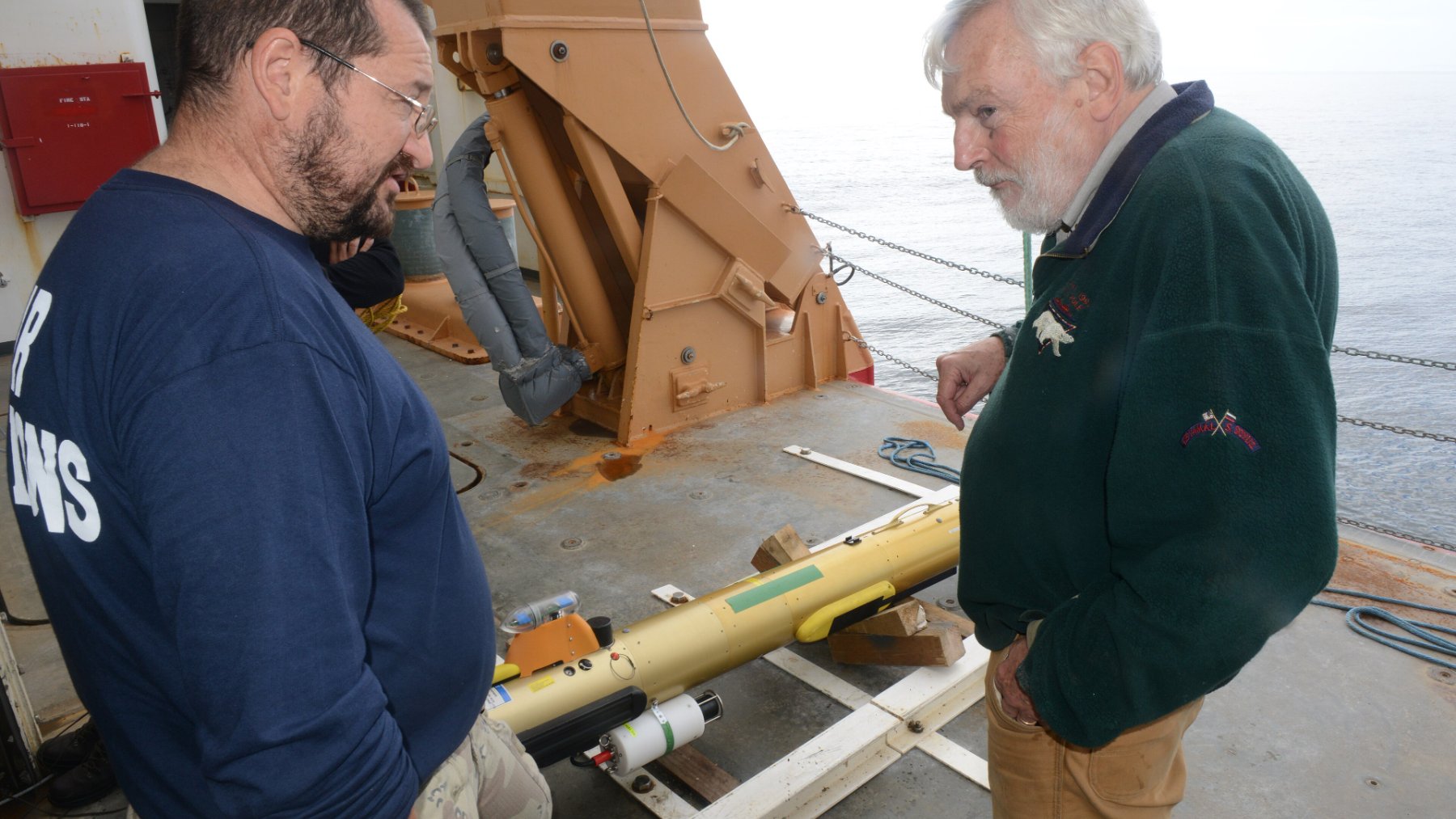
Marine biologist Autun Purser and colleagues aboard the German research icebreaker Polarstern used the Ocean Floor Observation and Bathymetry System, known as OFOBS. Towed above the seabed, its cameras and sonar allowed the team to investigate waters near the Filchner Ice Shelf. As the survey continued, the scale of the breeding ground became increasingly clear.
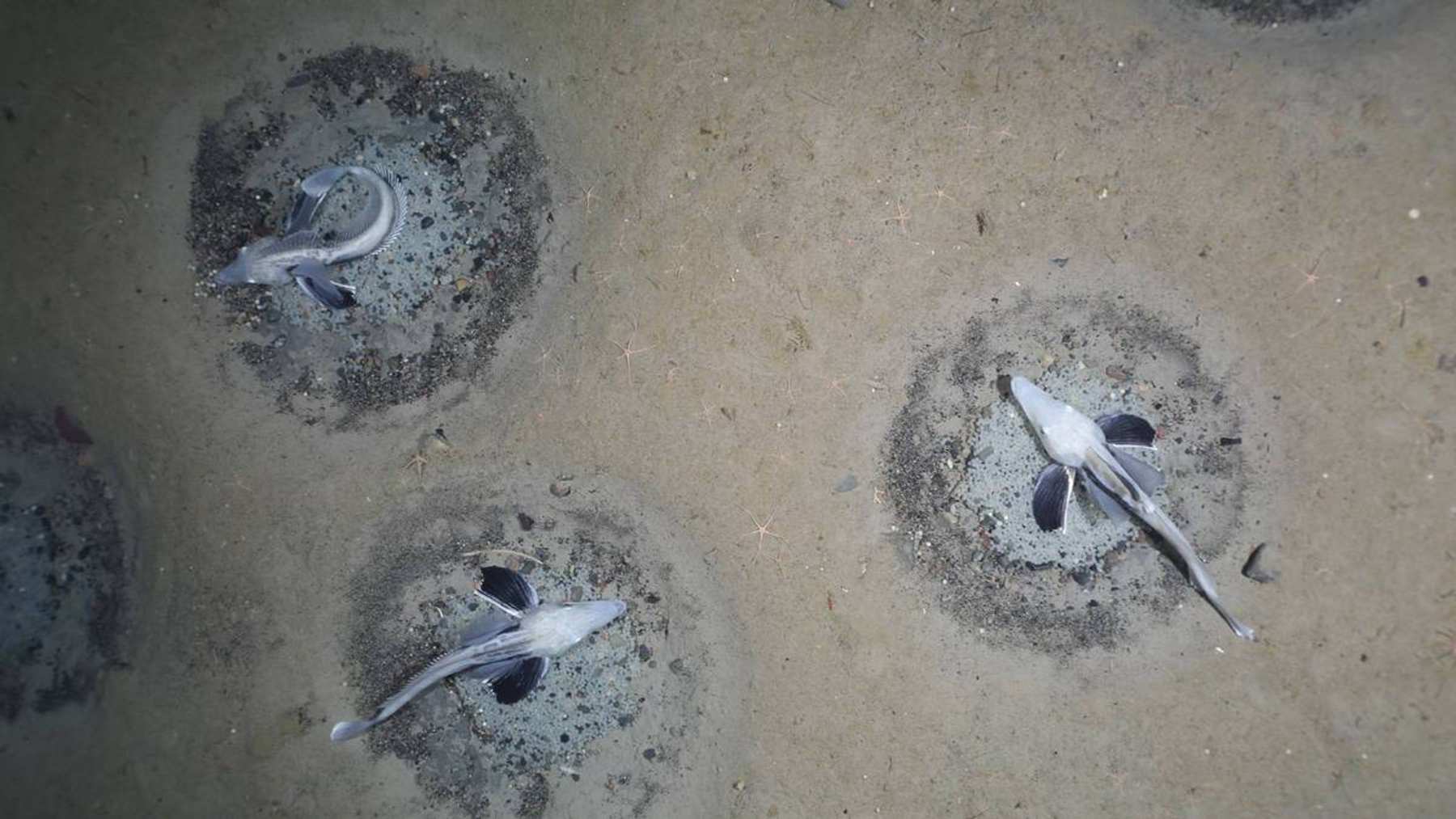
“There was literally no end in sight,” Purser said in the Alfred Wegener Institute’s account. Researchers counted 16,160 nests in photographs and video covering about 45,600 square meters, then combined observations of nest density with broader mapping. The resulting estimate of 60 million active nests describes the wider colony, rather than an individual count of every nest.
Thousands of eggs in a shallow bowl
Each nest measured roughly 30 inches across and six inches deep, with small stones forming a central patch against the muddy seabed. Picture a shallow bowl on the ocean floor, large enough to be recognizable as the camera passed overhead. Inside, the fish tended their developing eggs.
The study reported an average of about 1,735 eggs per occupied breeding nest, with adults guarding many of them. Other images showed eggs without an attending fish, unused nests, and dead fish nearby. These differences matter because a single survey captures only a moment in a breeding cycle, leaving questions about how nest occupancy changes over time.
Fish with an unusual way of carrying oxygen
The residents were Neopagetopsis ionah, commonly called Jonah’s icefish. They belong to an Antarctic fish family whose adults lack functional hemoglobin, the protein that carries oxygen and gives our blood its red color. Their blood instead transports oxygen dissolved directly in its liquid component, or plasma.
How can that work? Cold Antarctic water can hold abundant dissolved oxygen, while icefish have circulatory adaptations that help deliver it around their bodies. Even so, their blood carries far less oxygen than that of related fish with hemoglobin, an important limitation explained in research on icefish physiology and evolution.
A warmer current may help explain the location
The colony’s position offered another clue. Water near the nests was up to 3.6 degrees Fahrenheit (2 degrees Celsius) warmer than surrounding bottom waters, and the nesting area overlapped with an inflow of relatively warm deep water onto the continental shelf. A small temperature difference may matter greatly in such a cold environment.
The researchers suggested that these conditions could help make the area suitable for reproduction. But the overlap establishes an association, leaving the precise benefits and the role of other environmental factors open to further investigation. It also does not establish how the colony would respond to sustained changes in ocean temperature or circulation.
A nursery that may feed other Antarctic animals
The researchers estimated the colony’s fish biomass at more than 60,000 metric tons. Tracking data showed that Weddell seals visited the nesting region, suggesting the fish could provide a concentrated food supply. The movements support that possibility, although they do not document every feeding event or establish exactly how much icefish the seals consumed.
Dead fish also connect the colony to the surrounding ecosystem. Carcasses observed on the seabed can supply scavengers and microorganisms with food, transferring organic material into the sediment and local food web. That gives the nursery an ecological role extending beyond the eggs sheltered in its nests.
The case for protection is still being made
The original research supported establishing a marine protected area in the Weddell Sea. Its conservation argument rests partly on the concentration of breeding fish and the connections between those fish, predators, and seabed organisms. Protecting the habitat could help preserve several linked parts of the ecosystem.
That proposal should not be confused with an approved protected area. A 2026 conservation planning study described the Weddell Sea Marine Protected Area Phase 1 as still under negotiation by the Commission for the Conservation of Antarctic Marine Living Resources. The discovery supplied evidence for protection, while the international decision remained unresolved.
For scientists, the colony also raises a practical question about how best to safeguard a breeding habitat whose seasonal dynamics call for continued observation.
The 2026 conservation planning study was published in Conservation Science and Practice.