If Earth ever needed a “Hail Mary” backup, where would we even look? A new study published on March 19, 2026, cuts through more than 6,000 known exoplanets and spotlights 45 rocky worlds where surface water could be possible, plus a stricter list of 24.
The research was led by Lisa Kaltenegger at the Carl Sagan Institute at Cornell University, with coauthors Abigail Bohl, Lucas Lawrence, and Gillis Lowry. The key takeaway is simple – the list is not proof of life, but a practical guide for where astronomers should aim their limited observing time next. And yes, it sounds a bit like science fiction.
A shortlist, not an escape route
In a press briefing about the work, Kaltenegger argued that “life might be much more versatile than we currently imagine.” The same briefing compares the idea to Project Hail Mary, but the science is about prioritizing targets for telescopes, not booking tickets to another star.
Even the most tempting candidates are staggeringly far away. Some of the planets the authors call especially interesting sit around 40 to 48 light-years from Earth, which is roughly 235 to 282 trillion miles, so studying them means reading faint signals in starlight rather than sending probes.
The habitable zone in plain English
An exoplanet is a planet that orbits another star, and a “rocky” one is closer to Earth in makeup than to Jupiter. These are the worlds with solid ground, where lakes or oceans are at least possible.
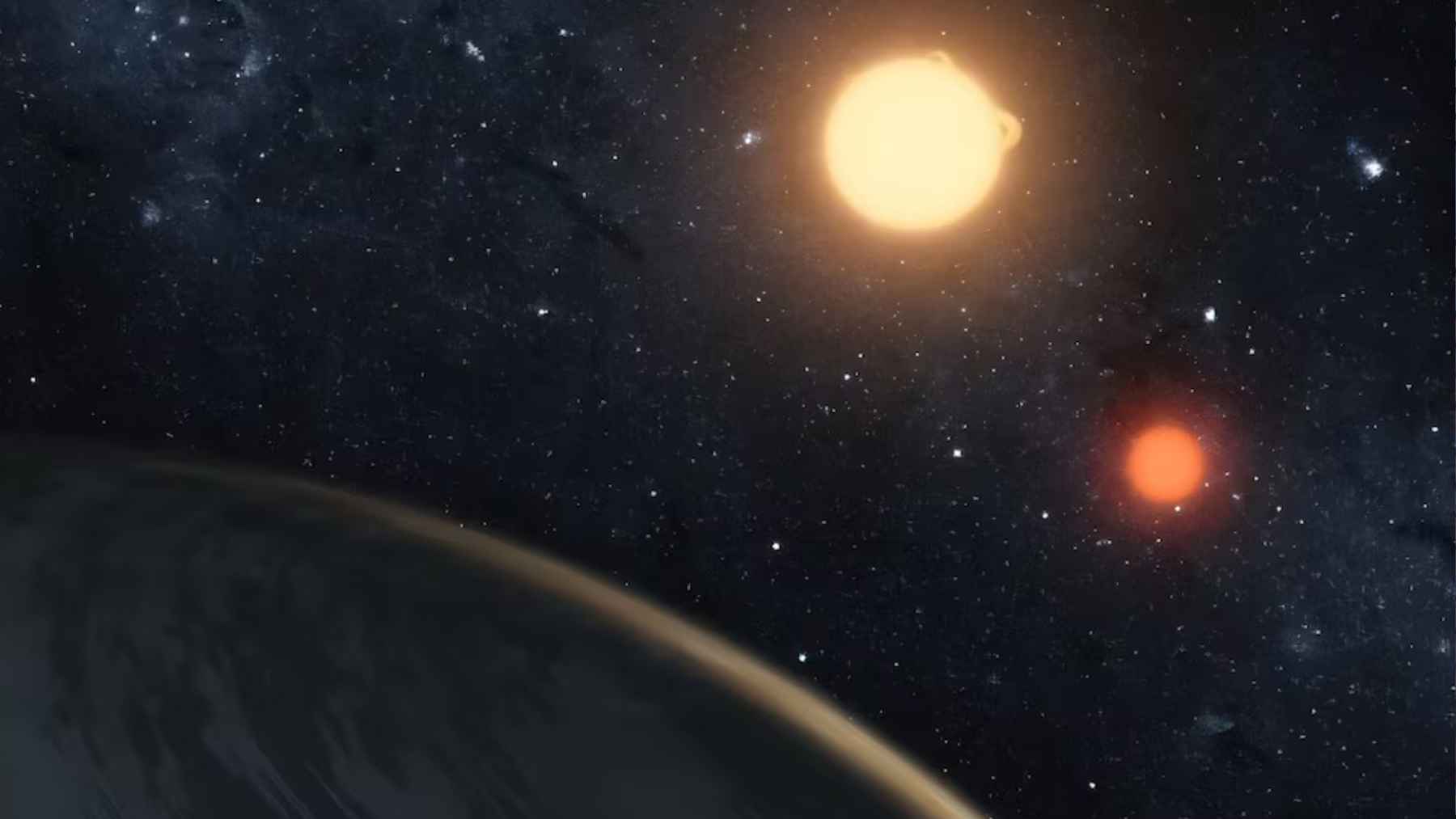
The “habitable zone” is the Goldilocks region around a star. Too close and a planet can overheat, too far and it can freeze, so the sweet spot is where liquid water could exist if other conditions cooperate.
That last part matters. A thick atmosphere can trap heat, a thin one can let it escape, and a stretched-out orbit can swing a planet through warmer and colder stretches over and over. So the habitable zone is more like a starting clue than a final verdict.
How the list was built
The official exoplanet count reached 6,000 in September 2025, and it keeps climbing as surveys add new confirmations. That flood of discoveries is exciting, but it also creates a new problem – which worlds are actually worth the most expensive follow-up observations.
To answer that, the team combined star measurements from the European Space Agency’s Gaia mission with planet records in the NASA Exoplanet Archive. Gaia helps refine basic facts about stars, and those star details affect how much energy a planet receives over time.
In the journal paper, the researchers describe how they filtered for worlds likely to be rocky and then organized targets by how they can be observed, such as studying atmospheres during transits or planning for future direct imaging. At the end of the day, it is a catalog built for real telescope schedules, not just curiosity.
Which worlds stand out
The shortlist includes famous nearby candidates like Proxima Centauri b, along with multiple planets in the TRAPPIST-1 system. TRAPPIST-1 is about 40 light-years away, and its seven small planets are packed in so tightly that they would fit well inside Mercury’s orbit in our own solar system.
The list also highlights less familiar targets, including TOI-715 b, because the goal is not just to repeat the biggest names. New discoveries keep arriving, and a “best places to look” list needs room for newcomers that fit the right conditions.
Another focus is Earth-like starlight. The authors point to several planets that receive energy from their stars in a way that is closer to what Earth gets from the Sun, including TRAPPIST-1 e and a handful of Kepler worlds. That makes comparisons cleaner when scientists try to connect a planet’s temperature and clouds to what telescopes can actually measure.
What astronomers will look for next
The next step is atmosphere hunting. By measuring small changes in starlight as a planet passes in front of its star, researchers can infer what gases might be present, which helps them narrow down surface conditions and possible chemistry.
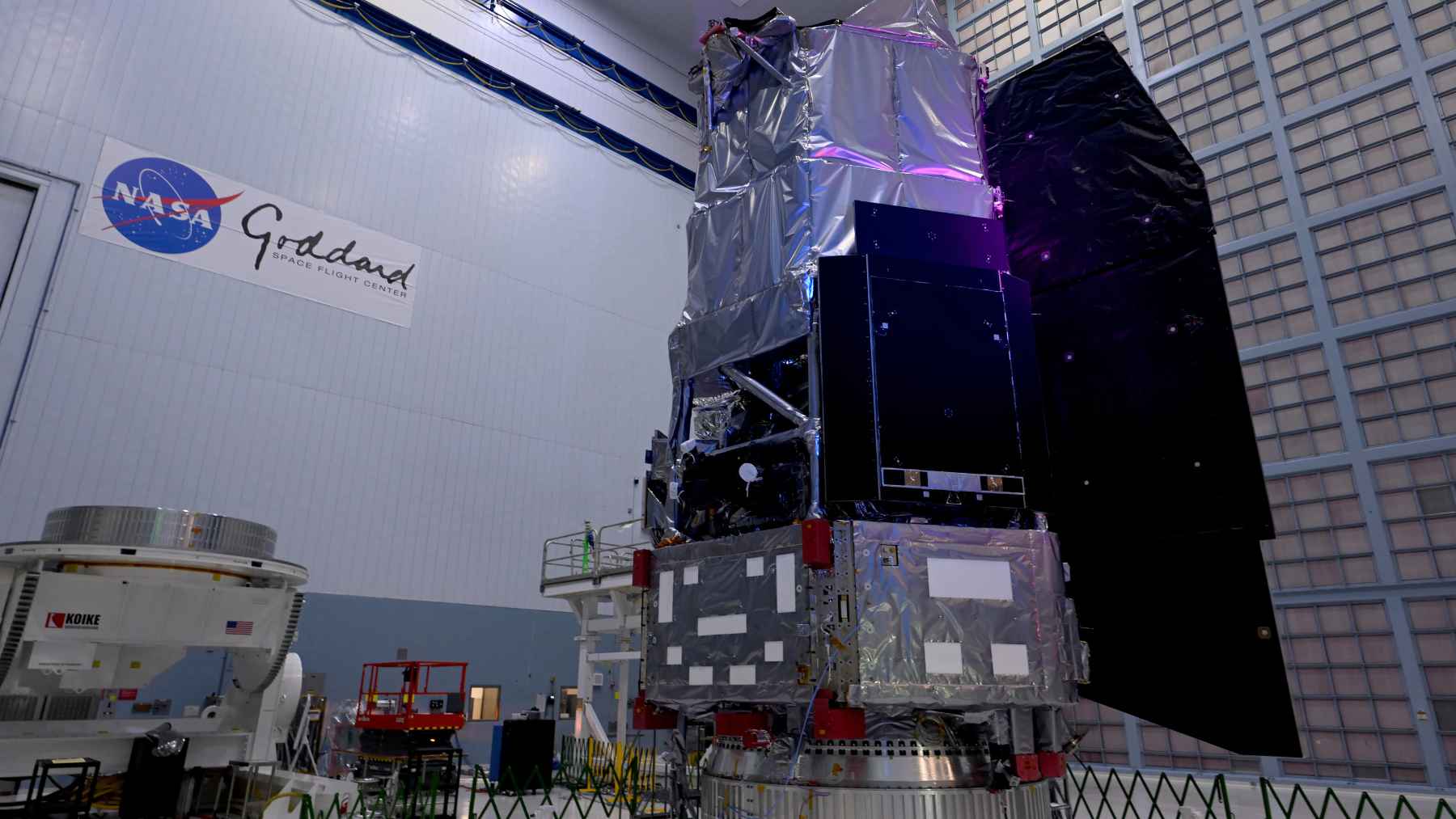
Soon, more hardware will add momentum. The Nancy Grace Roman Space Telescope is now targeting an early September 2026 launch, and the European Southern Observatory has said its Extremely Large Telescope is aiming for first light in March 2029, bringing new ways to study faint planets around nearby stars.
Farther out, the Habitable Worlds Observatory concept is being shaped around directly imaging potentially habitable planets and checking their atmospheres for chemical “biosignatures,” possible signs of life that still need careful interpretation. If the new shortlist is a compass, missions like these are the vehicles that could finally follow it.
The main study has been published in Monthly Notices of the Royal Astronomical Society.