The discovery of the largest lithium deposit in the world below an American supervolcano triggered widespread waves among environmental researchers and scientists. This world-ranking lithium discovery has a $400 billion commercial potential. Potential exploitation of this resource entails various complicated dangers and challenges. The comprehensive analysis of this groundbreaking discovery reveals significant reasons behind the recommendation against exploiting the resource.
If America taps this supervolcano, it could rewrite the lithium playbook.
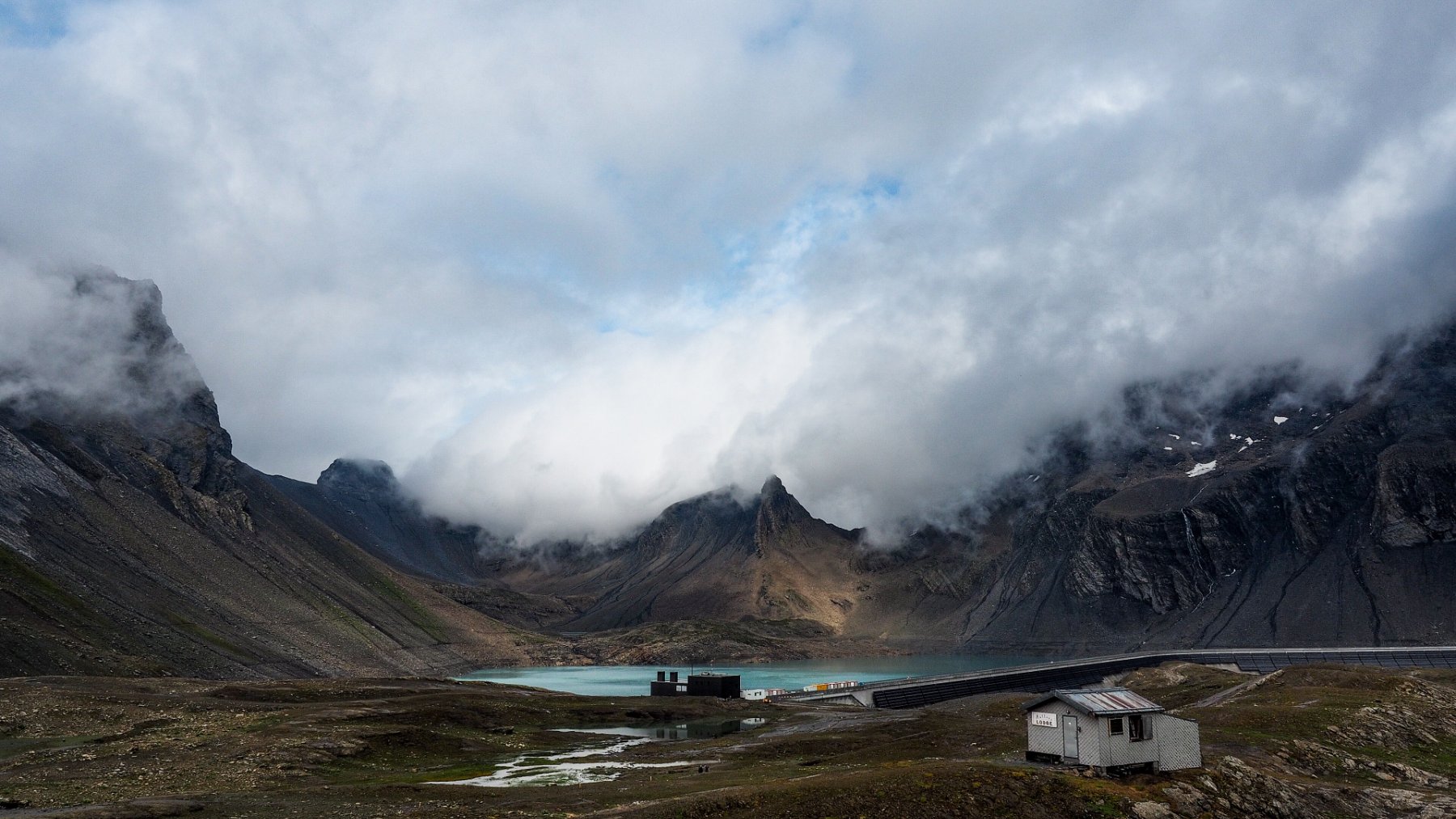
The McDermitt Caldera supervolcano base in southeastern Oregon holds the largest known lithium resource discovery in history. The scientific community assesses this discovery as containing lithium worth 413 billion euros, ready to supply electric vehicle batteries and renewable energy storage system production. This enormous lithium reserve shows promise to modify worldwide lithium supply levels, which will generate cost reductions and speed up the adoption of clean energy technologies.
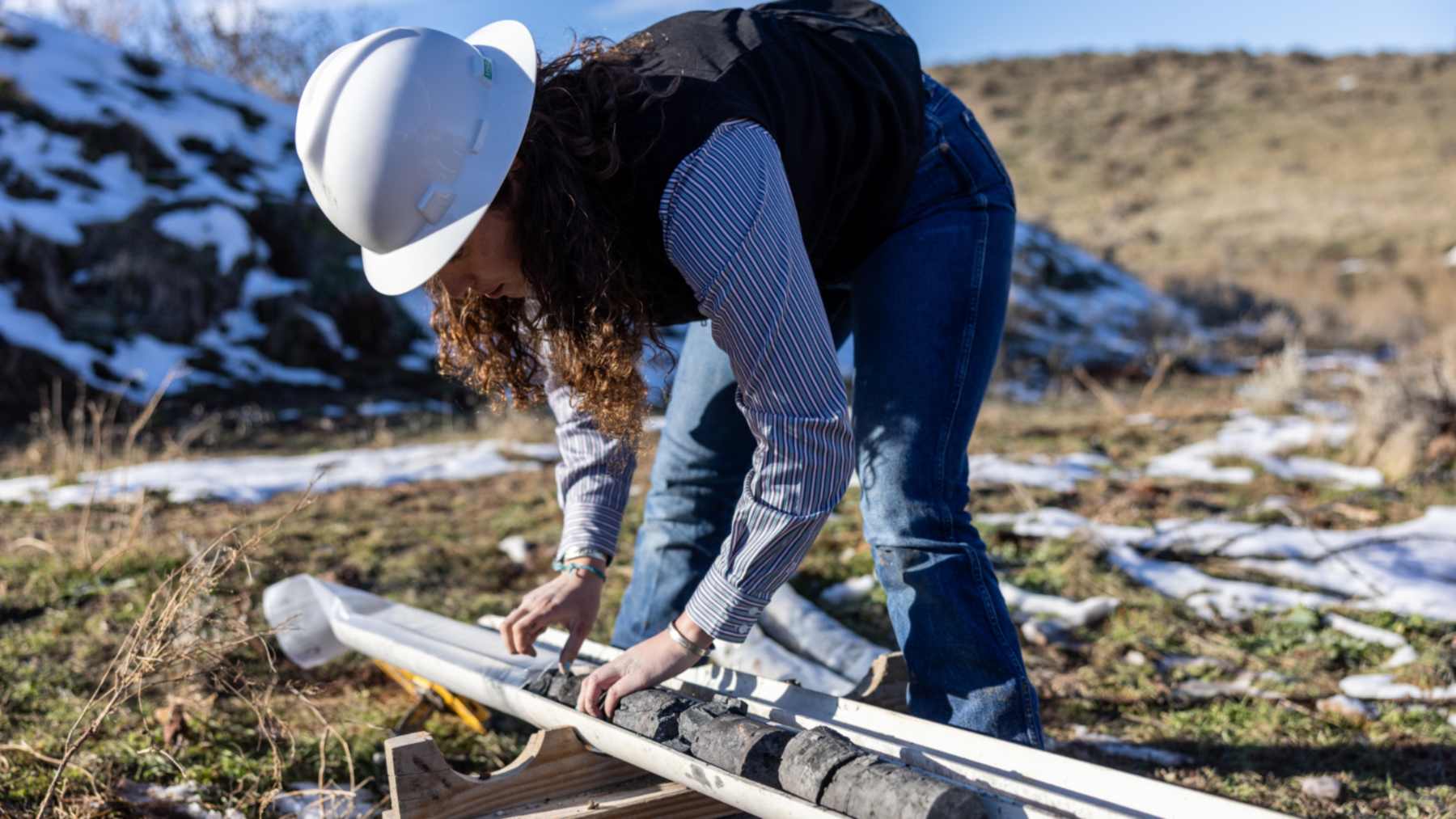
Since volcanic activity erupted in the McDermitt Caldera many years ago, scientists have recognized this geological region’s valuable mineral content. The scientific community expressed surprise upon discovering this large lithium store. Following this discovery, the United States may achieve forefront status in the worldwide lithium industry, which reduces reliance on overseas suppliers while ensuring national security. The discovery can establish the United States as a top global critical mineral distribution power.
Here’s why mining this treasure could cause irreversible environmental damage
This lithium deposit guarantees undeniable economic potential, yet extracting in such a delicate environment poses significant environmental hazards. The McDermitt Caldera contains an uncommon geological structure and a unique, fragile ecosystem, which would face grave dangers from extensive mining operations. Lithium extraction requires chemical processing and heavy water consumption, leading to potential water source contamination and soiling degradation of the surrounding area.
The natural system in this area supports numerous plant and animal species whose existence would be threatened by mining operations. Destroying their normal habitat space would reduce biodiversity and create permanent environmental damage. According to environmental conservationists, the natural environments demand concentrated attention.
Fast-tracking lithium mining may bypass crucial environmental safeguards.
The discovery of lithium at this location has created enormous economic value for the United States. The ongoing lithium market expansion due to rising electric vehicle adoption and renewable power technology requires the United States to establish domestic lithium production facilities. Such domestic lithium reserves would enable the United States to decrease its dependence on erratic political lithium-exporting nations.
Developing internal lithium mining operations will result in multiple thousands of employment opportunities and enhanced regional economic performance. The economic advantages of mining operations should be evaluated against environmental consequences and the project’s sustainable operation duration. The McDermitt Caldera development requires policymakers to evaluate various factors before making decisions regarding mining operations.
Federal agencies worked toward accelerating lithium mining exploration in southeastern Oregon after the discovery. The Biden administration has declared lithium an essential critical mineral that supports security interests and economic stability for the nation. Government agencies actively work to speed up regulatory approvals and simplification to support the development of new lithium extraction facilities.
A balance must be formed to evaluate current benefits in opposition to the continued maintenance of our environment.
Policymakers face complex difficulties when dealing with the world’s biggest lithium reserve, located at the McDermitt Caldera sedimentary basin. The domestic lithium resource offers major financial advantages that combine increased national resource supplies with employment opportunities and security enhancements. Despite other considerations, the environmental dangers and ecological harm factors demand our attention.
The massive lithium discovery promises economic benefits for the United States, but strict caution is essential for its development. The strategic assessment of economic potential should integrate environmental hazards and long-term sustainable practices in mining operations. Future generations need proper protection because of essential planning.