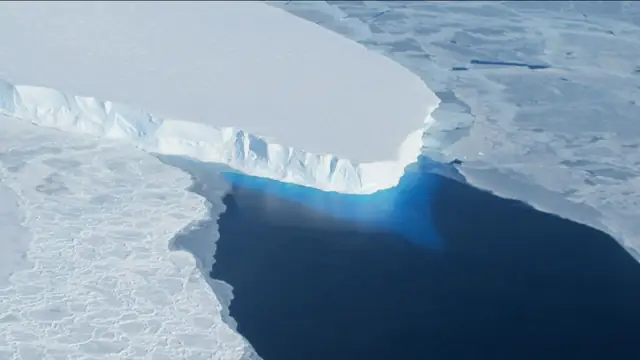
Antarctica
Antarctica is one of the coldest places on Earth and heavily studied. Discover what is hidden beneath the ice, record cold temperatures, ice caves being carved out to store samples for climate change research in the future, and what the melting of ice could mean for the rest of the world.
71 stories · since 2025 · latest, November 19, 2026
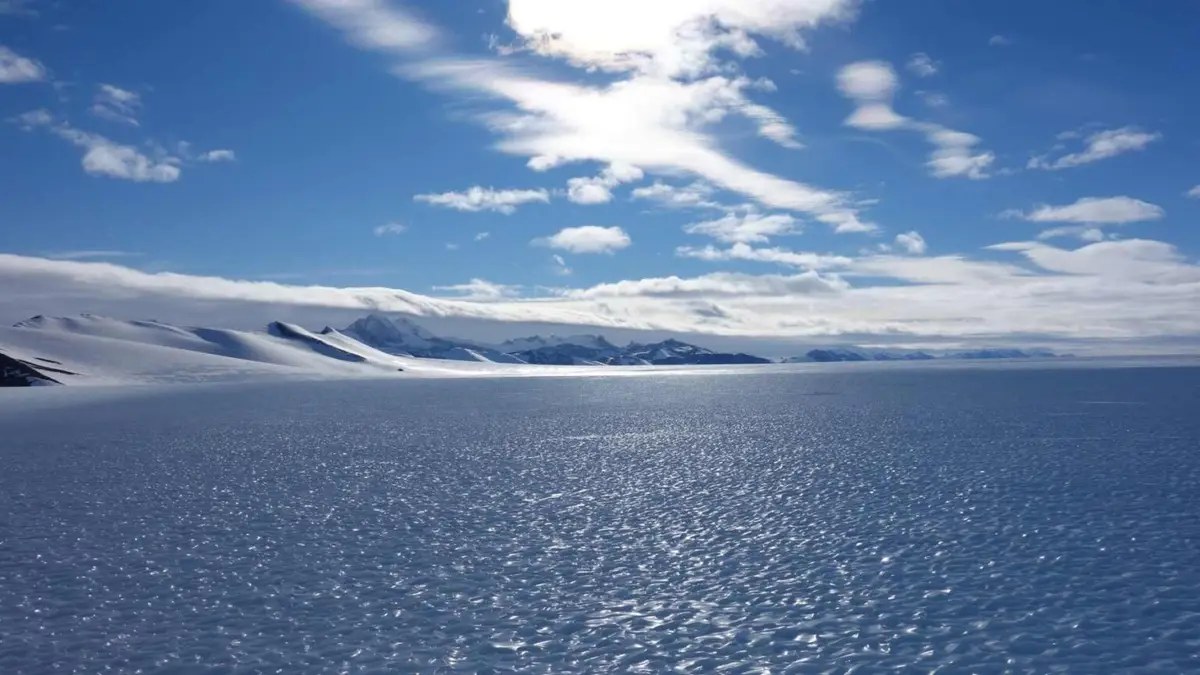
Scientists warn that parts of the West Antarctic and Greenland ice sheets and the Subpolar Gyre ocean current may already be past their tipping points as warming nears 1.5°C
Crucial tipping points in Earth’s frozen regions may already have been crossed, researchers warn. The warning comes from a new report by authors at the…
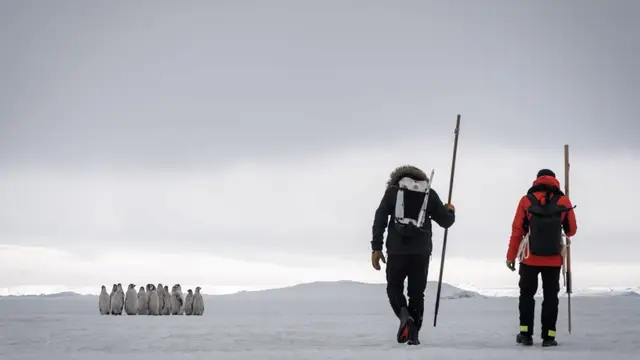
Tracking of 48 young emperor penguins shows their first year at sea crosses Antarctic krill fishing grounds, and one colony’s juveniles spent over 60% of their time in recently fished zones in February and March
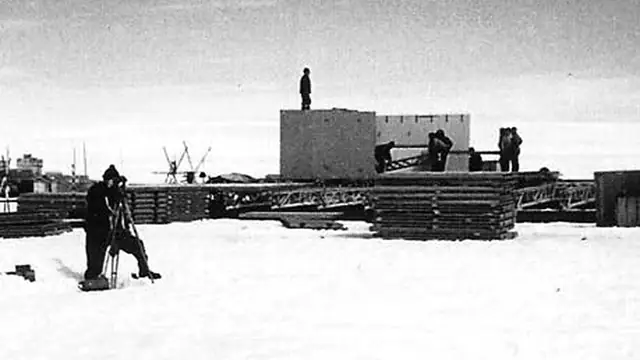
Belgium walked away from its Antarctic base in 1967 with the station buried under meters of snow, and the official records still do not say what remains beneath the moving ice
A hole almost as big as Portugal opened in Antarctic sea ice in midwinter, something satellites had never seen there since 1979, and what kept it from freezing came from above and below
A hole in Antarctic sea ice covering 34,410 square miles (89,121 square kilometers) opened in Breid Bay, East Antarctica, in August 2024. Portugal is only…
Adrian Villellas · November 6, 2026
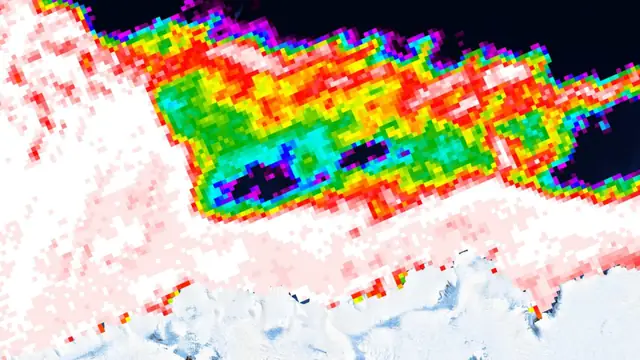
Chinstrap penguin droppings across Antarctica release an estimated 540,000 tons of methane a year, and the bare ground between the guano patches gives off almost nothing
Chinstrap penguin droppings across Antarctica release an estimated 490,000 metric tons of methane a year. That is about 540,000 U.S. tons, according to a…
Adrian Villellas · November 3, 2026
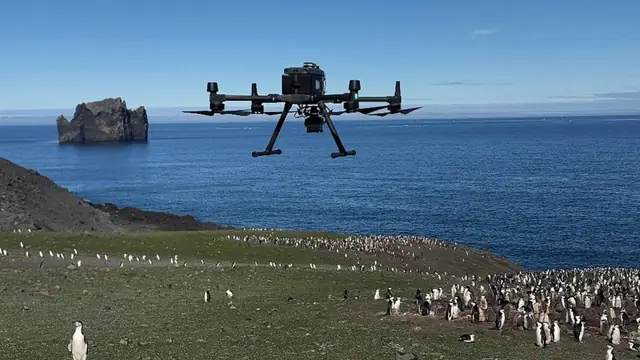
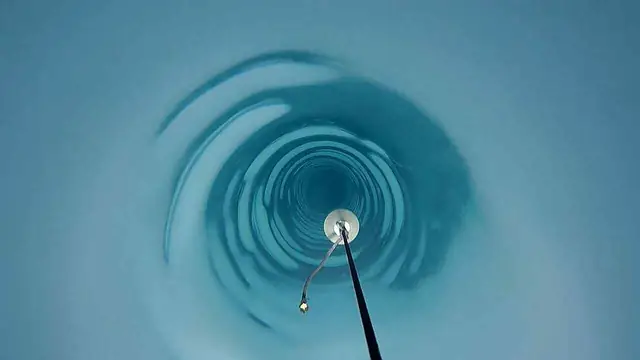
Geologists drilled through 2,860 feet of Antarctic ice shelf hoping to bring up mud and their camera found sponges living on a boulder in total darkness, and the team could not say what they eat
British Antarctic Survey geologists drilled through the Filchner-Ronne Antarctic ice shelf to collect seafloor mud. Their camera found a boulder covered…
ECOnews Newsroom · November 2, 2026
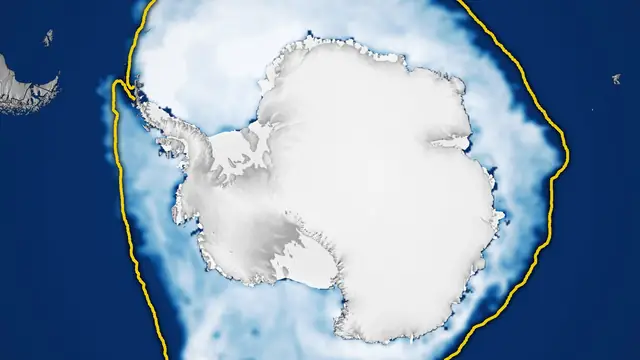
Antarctic sea ice spread across 6.79 million square miles this winter, its third-lowest peak since satellites began watching, and less than three weeks later it was setting record lows for the date
Antarctic sea ice reached its largest extent of 2026 on September 14. It covered an estimated 6.79 million square miles (17.59 million square kilometers)…
ECOnews Newsroom · November 2, 2026
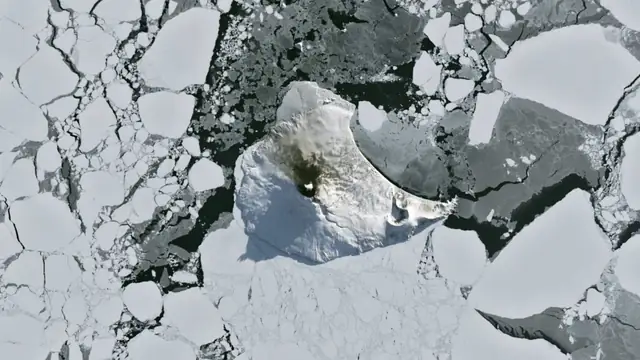
A volcano near Antarctica keeps a lava lake about 360 feet wide alive as the southern winter ends, and when the clouds finally parted in August a satellite caught more than just its heat
A lava lake inside Mount Michael showed up as a red speck of heat in a satellite image taken on August 24, 2026. Mount Michael is the stratovolcano in the…
Adrian Villellas · October 31, 2026
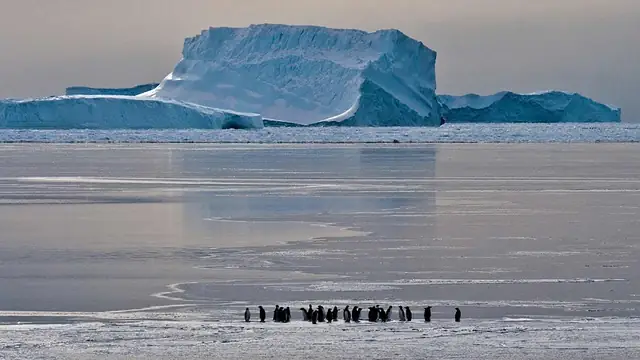
Satellites counted 39,619 icebergs stuck in place around Antarctica, and the small grounded icebergs that surveys usually overlook may be holding coastal sea ice together like posts in a picket fence
Australian scientists have built the first high-resolution map of grounded icebergs around the whole of Antarctica. Working from satellite radar images…
Adrian Villellas · October 30, 2026
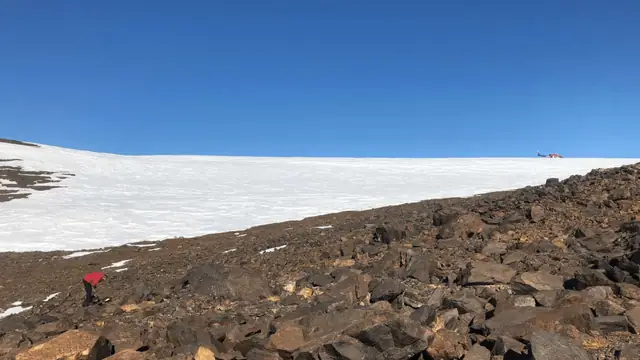
Antarctica has its own soil bacteria just as it has its own penguins, with 90 percent of the strains scientists tracked found nowhere else on Earth, and lab tests revealed something odd about them
Antarctica has its own soil bacteria, say researchers at the University of Colorado Boulder. Of the strains of one common microbe found in its soils, 90…
ECOnews Newsroom · October 30, 2026
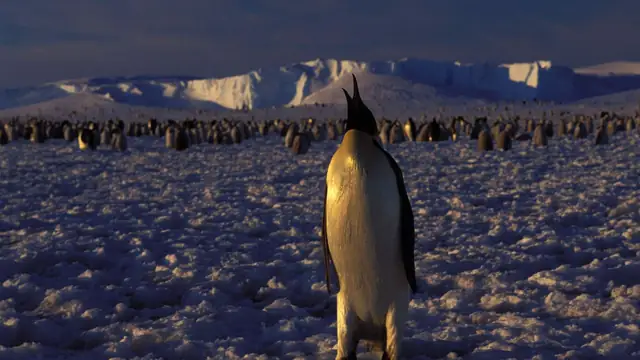
Emperor penguins vanish from satellite photos every Antarctic winter, so scientists followed them with radar for 8 years and found colonies walking away from the sea while the ice around them showed no visible change
Emperor penguins spend the darkest months of the year on Antarctic sea ice, hidden from optical satellites. A study published September 2, 2026, shows…
ECOnews Newsroom · October 30, 2026
Scientists have finally seen inside living Antarctic fish cells at nearly 32°F, and the tiny energy factories inside them are far busier than anyone assumed
Antarctic fish grow slowly, but the machinery inside their cells does not necessarily follow the same pace. Researchers at the University of Cambridge and…
Adrian Villellas · October 29, 2026
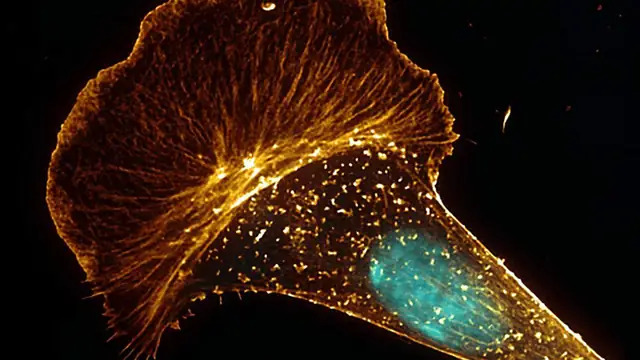
Dust buried more than 2,300 feet down in an Antarctic ice core grew new iron minerals inside the ice, and its researchers say the same chemistry could explain why Martian dust is red and magnetic
Dust buried more than 2,300 feet (700 meters) deep in an Antarctic ice core has grown new iron minerals inside the ice. The study, published September 24,…
ECOnews Newsroom · October 25, 2026
42 satellite surveys show 11.3 trillion metric tons of polar ice loss across Greenland and Antarctica since 1979, and 84 percent of it came from glaciers flowing faster into the ocean rather than surface melt
Greenland and Antarctica lost 11.3 trillion metric tons of ice between 1979 and 2023, roughly 12.5 trillion US tons, according to a new record built from…
ECOnews Newsroom · October 23, 2026
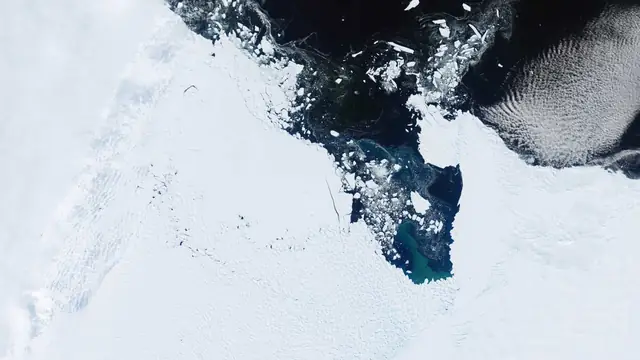
In West Antarctica, a Thwaites Glacier model checked against 27 years of satellite records projects it could add up to about 1.2 inches to global seas by 2100, and that is roughly double earlier estimates
From March to June of 2023, Finland’s ICEYE radar satellites passed over Thwaites Glacier in West Antarctica day after day. They watched the ice near its…
Adrian Villellas · October 18, 2026