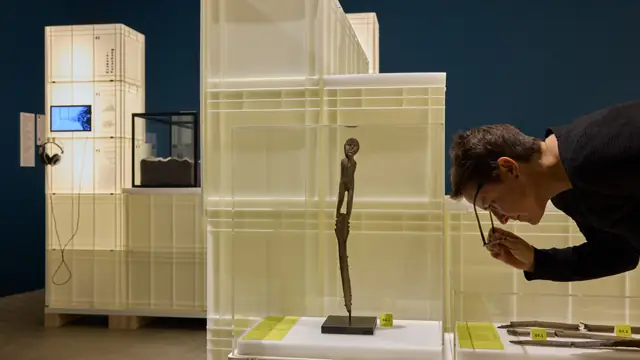
Archaeology
147 stories · since 2025 · latest, November 20, 2026
A 9-year-old boy touring a Polish castle spotted a 400-year-old silver coin on his own, and heritage officials say what looks like pocket change can still show how ordinary people paid
Silver coin from 1624 found by a 9-year-old at Poland's Czersk Castle shows how everyday money moved, heritage officials say.
Adrian Villellas · November 10, 2026
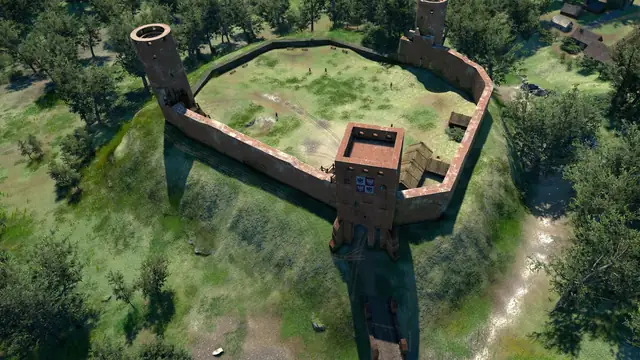
Emperor Trajan died in a harbor town on Turkey’s coast in AD 117, and archaeologists flying drones over its ruins are now mapping around a temple that one scholar says may mark where his body was burned
Emperor Trajan died at Selinus in AD 117, and a 2026 drone survey on Turkey's coast mapped its tombs and walls near a temple one scholar links to his pyre.
ECOnews Newsroom · November 8, 2026
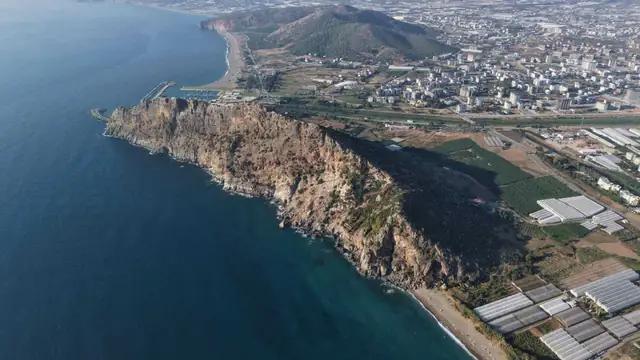
English anglers found a skeleton in a stone coffin by a Norwegian mountain lake, and new tests reveal a 4,000-year-old Stone Age grave so rare that archaeologists almost doubted the date
Stone Age grave by Norway's Lake Aursjøen dates to about 2000 B.C., the first confirmed one in southern Norway's mountains, after a diet test.
ECOnews Newsroom · November 7, 2026
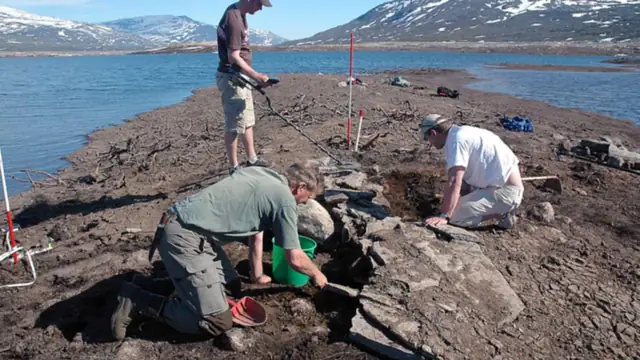
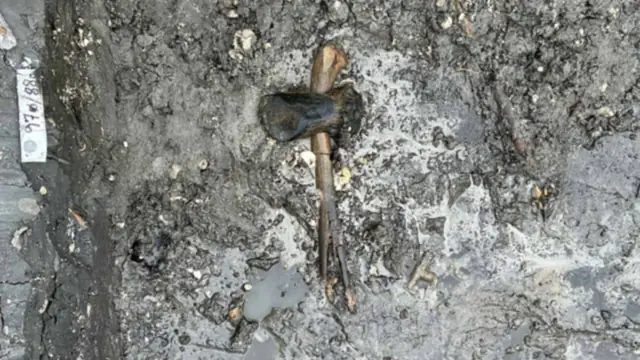
Archaeologists digging the route of a new Danish motorway pulled an 8,400-year-old Stone Age axe out of the mud with its wooden handle still attached, and the island’s wet ground may still be hiding more
Stone Age axe about 8,400 years old found on Denmark's Egholm island with its wooden handle still attached, a rarity among Maglemose antler tools.
Adrian Villellas · November 6, 2026
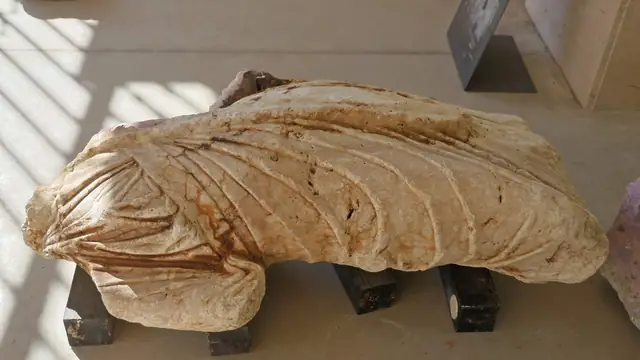
Hungary’s Danube dropped so low that divers working almost blind pulled a 1,100-pound Roman marble statue from the riverbed, and archaeologists still cannot say whether she was an empress or a goddess
Roman marble statue of a woman, about 1,100 pounds and 1,700 years old, pulled from Hungary's low Danube at Dunaújváros by divers working almost blind
ECOnews Newsroom · November 6, 2026
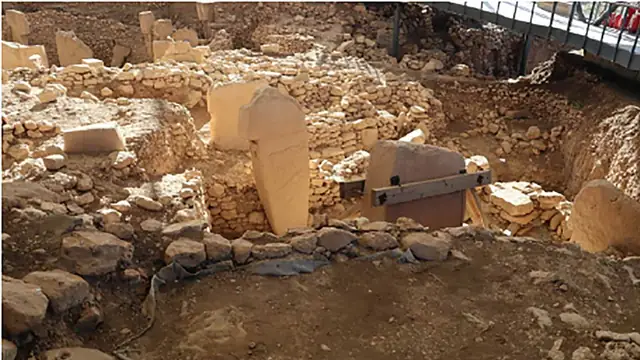
Archaeologists finally found graves at Göbekli Tepe after decades of digging, and they suggest many of the 928 human bone fragments scattered among its giant pillars may have slid downhill with the soil
Göbekli Tepe's first two intact graves, about 10,500 years old, suggest many of 928 scattered human bone fragments slid downhill with collapsing soil.
Adrian Villellas · November 4, 2026
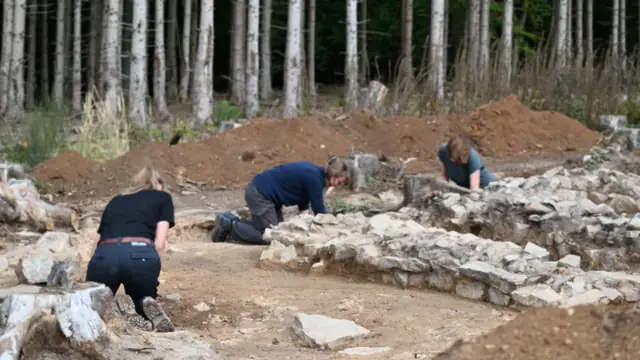
Roman soldiers guarded a German forest fort for 150 years, and archaeologists digging just inches below the forest floor have found a temple of Mars and a pin hinting at who came after
temple of Mars found beside a Roman fort in Germany's Taunus forest, with 2 votive stones, a Victoria statuette and a brooch hinting at later use
ECOnews Newsroom · November 4, 2026
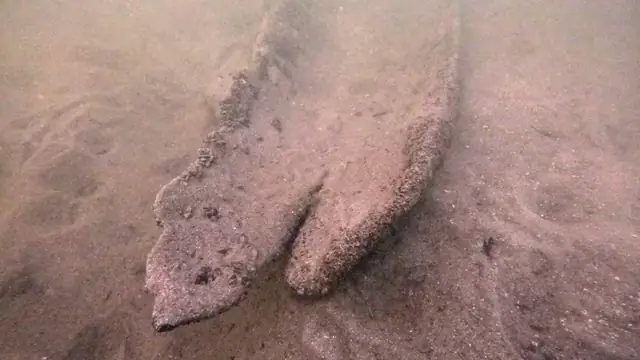
A volunteer diver picking up trash at the bottom of a Wisconsin lake found a 1,000-year-old dugout canoe, and the Wisconsin Historical Society has decided the safest place for it is exactly where it lies
Dugout canoe about 1,000 years old, found by a volunteer diver in Wisconsin's Pewaukee Lake, will stay 15 feet underwater, where its oak is safest.
Adrian Villellas · November 4, 2026
Norway’s largest Viking coin hoard has grown to 5,550 coins since two metal detectorists found it in a field, and an archaeologist cataloging them spotted one struck for a king who became a saint
Viking coin hoard at Mørstad, Norway, now counts 5,550 silver coins, and cataloging turned up a rare penny of Olaf Haraldsson, later Saint Olaf.
ECOnews Newsroom · November 3, 2026

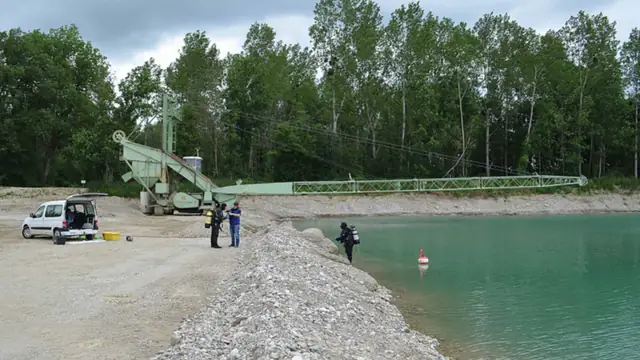
Gravel workers in Austria reported a heap of rusty metal that could have ended up as scrap, and its 500 Iron Age iron bars probably went down in a Danube shipwreck
Iron Age iron bars from an Austrian gravel pit, at least 500 of them, form Europe's largest trove and likely sank in a Danube shipwreck 2,100 years ago
Adrian Villellas · November 2, 2026
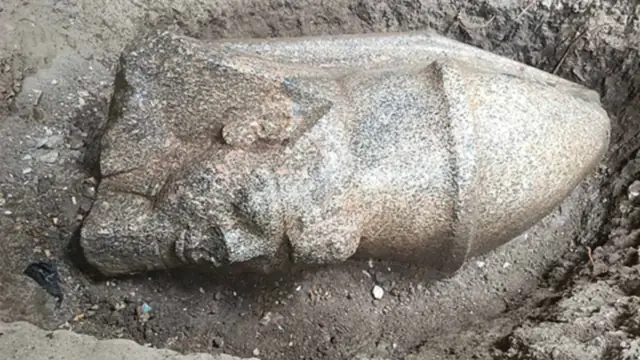
A man reported a carved stone on his land in Egypt, and archaeologists dug up the head of a Ramses II statue once about 28 feet tall and a second royal face awaiting a name
Ramses II statue head found in Egypt's Nile Delta measures 5 feet 3 inches, and officials estimate the full monument once stood about 28 feet tall.
Adrian Villellas · November 2, 2026
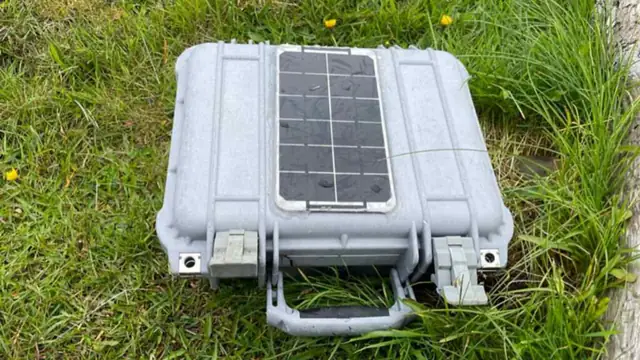
An archaeologist in Iceland found a battered suitcase 2 years after scientists left it on the Arctic sea ice, and its memory card held something they had never been able to confirm
Arctic sea ice data survived inside a buoy case found in Iceland 2 years later, and its 142 files caught waves driving ice floes into each other
Adrian Villellas · November 2, 2026
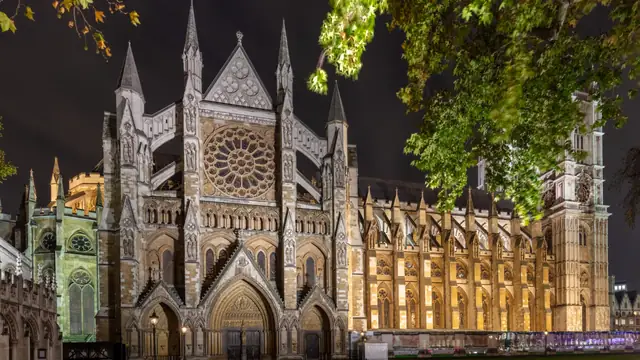
Westminster Abbey’s Roman stone coffin was made for a Londoner named Valerius Amandinus in the fourth century, yet the man inside died between 987 and 1052, and the Abbey’s archaeologist has narrowed him down to two Saxon abbots
Bones found in a Roman sarcophagus at Westminster Abbey belong to a late Saxon man, very probably an abbot, who died between A.D. 987 and 1052, about 700…
Javier Niño · October 31, 2026
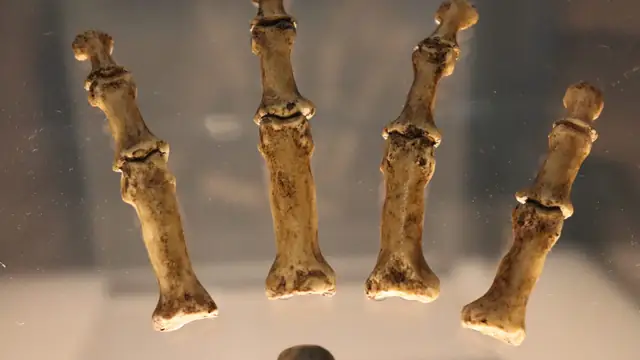
In Abauntz Cave in northern Spain, archaeologists have found the first Neanderthal remains ever identified in Navarre, six bones from a man’s right hand dated to about 46,000 years ago, and at first nobody realized they were human
An adult Neanderthal man who lived about 46,000 years ago has become the first Neanderthal in Navarre, in northern Spain, to be identified from his own…
Javier Niño · October 30, 2026
A museum in Lucerne is showing what Switzerland’s melting glaciers have given up, from 8,000-year-old deer antler to a crushed mayonnaise tube, in a year when the country’s glaciers lost 5.5% of their volume, the second-worst loss on record
A museum in Lucerne, Switzerland, is showing objects that came out of the ice as the country’s glaciers melted. The oldest are deer antler and pine wood…
Javier Niño · October 30, 2026