Plastic
38 stories · since 2024 · latest, November 13, 2026
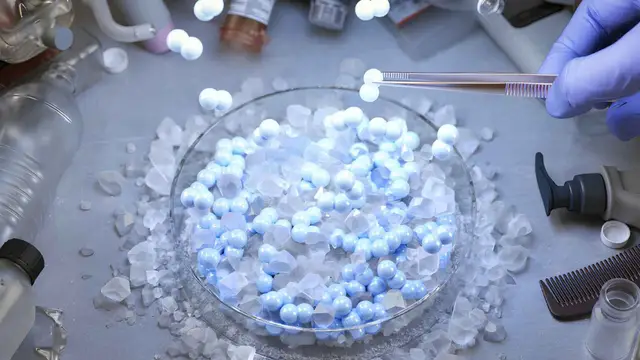
Scientists turned mixed plastic waste into hydrogen fuel without sorting it first, and the carbon problem did not escape the reactor
A water bottle, a grocery bag, and a broken car part may look like one pile of plastic, but recycling plants see materials with very different chemistry.…
ECOnews Newsroom · July 30, 2026
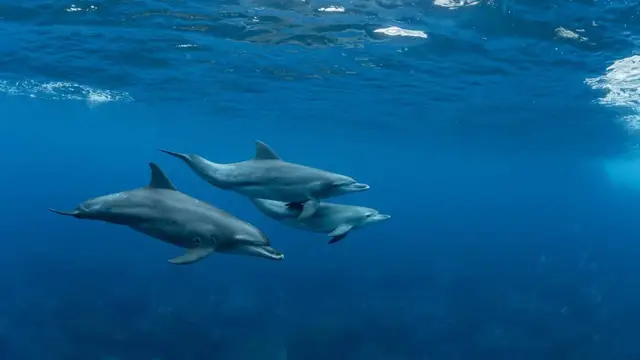
Recycled plastic bottles could reduce accidental dolphin bycatch in fishing nets by up to 88%, a pretty wild twist for a waste material usually linked to pollution
A discarded drink bottle may look like one more piece of plastic headed for a landfill or beach. In a fishing trial off southern Brazil, however, sealed…
Adrian Villellas · July 20, 2026
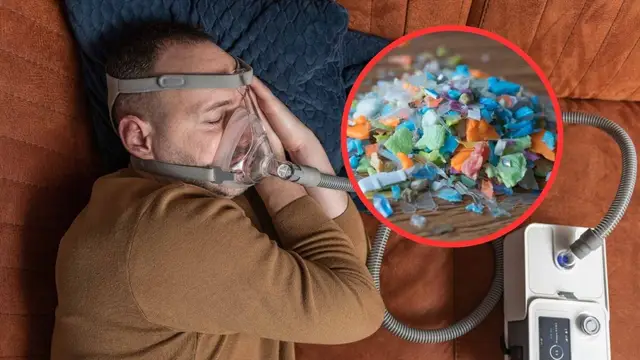
Researchers at a Brazilian University are looking for microplastics in the airways of sleep apnea patients, raising an uncomfortable question about how much plastic we may be breathing in while we sleep
Microplastics were detected in the upper airways of every sleep apnea patient examined in a new pilot study conducted by researchers at the University of…
ECOnews Newsroom · July 20, 2026
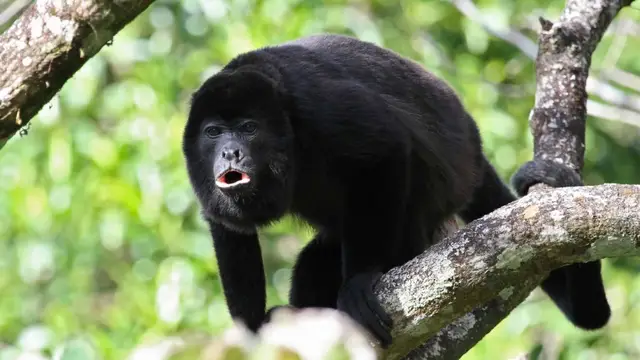
Plastic is no longer just on beaches and in rivers, scientists found microplastics in howler monkeys in Los Tuxtlas, Veracruz, a strange warning that pollution has reached the treetops
The deep roar of a Mexican howler monkey can carry about 1.2 miles through the forests of Los Tuxtlas in Veracruz. Now, scientists have detected something…
ECOnews Newsroom · July 20, 2026
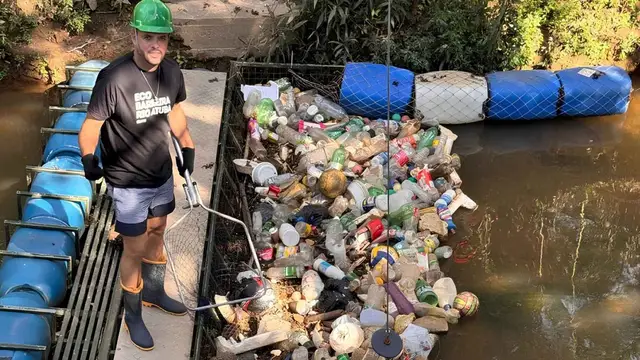
For years, he watched as bottles, furniture, and plastic floated past the back of his house, as if the river were a floating landfill, until this Brazilian father built a homemade barrier that has already removed more than 40 metric tons of trash
For years, Diego Saldanha watched trash float past the back of his home in Colombo, in Brazil’s Paraná state. It moved with the current of the Atuba…
ECOnews Newsroom · July 14, 2026
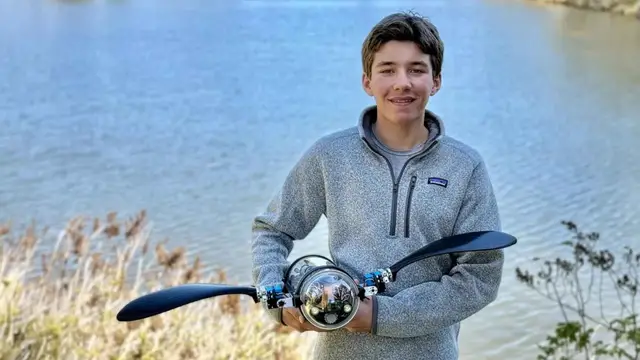
A 15-year-old in Ontario built a bionic underwater “robot turtle” that swims like a snapping turtle instead of using loud propellers, and its onboard AI can flag coral bleaching, invasive species, and plastic waste with 96% detection accuracy
A 15-year-old Canadian student has built a robotic turtle that may point to a quieter, gentler way of watching over underwater ecosystems. The device,…
ECOnews Newsroom · June 7, 2026
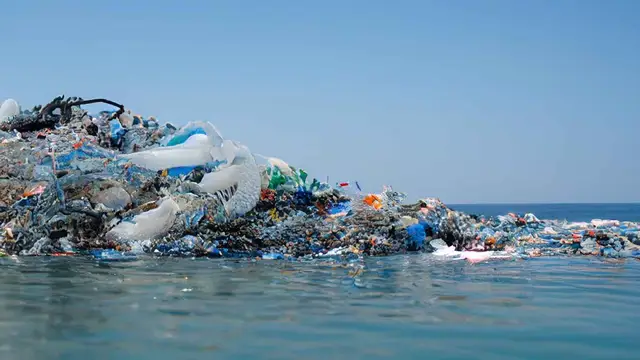
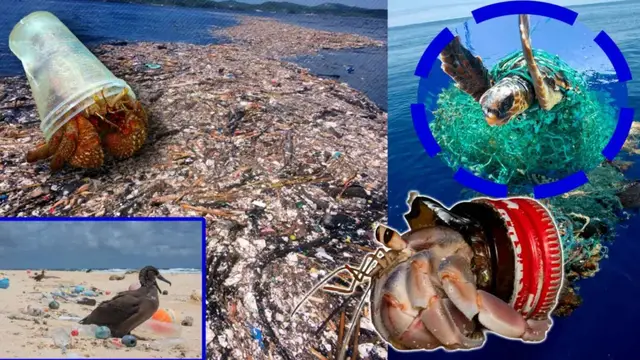
The Great Pacific Garbage Patch is so large it now hosts dozens of species, and the plastic “island” is turning into a new and deeply uncomfortable ecosystem
The Great Pacific Garbage Patch has long been treated as a symbol of what humanity throws away. Scientists, however, are now warning that it is also…
ECOnews Newsroom · June 4, 2026
Plastic headed for landfills is being turned into gasoline, diesel, and jet fuel in Mexico, and Petgas is sparking an uncomfortable debate about what “recycling” really means
Plastic that might have ended up in a landfill, on a beach, or floating through a river is being turned into gasoline, diesel, kerosene, and other fuel…
ECOnews Newsroom · May 31, 2026
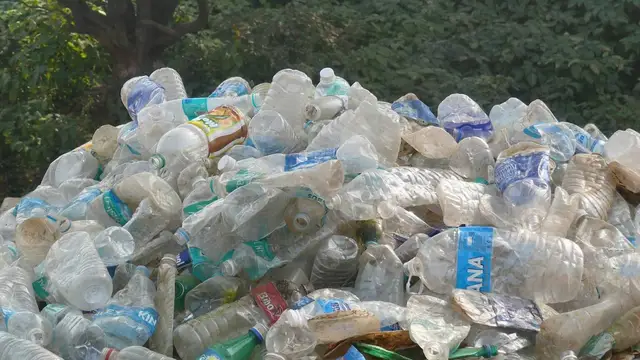
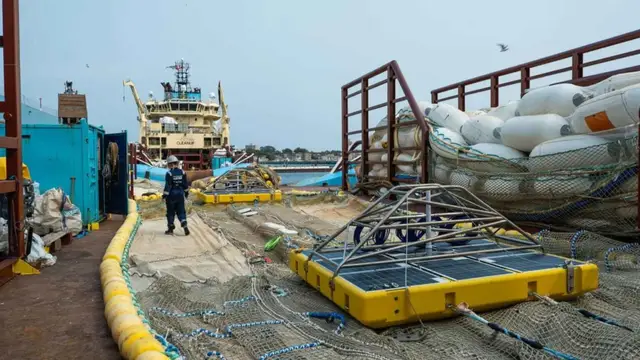
Giant ships are already collecting tons of plastic per hour in the Pacific while river systems capture 50 tons a day and robots separate 98% of the waste
For a long time, “cleaning the ocean” sounded like a slogan, not a plan. Today, large machines are running in real waterways, scooping up trash with…
ECOnews Newsroom · May 6, 2026
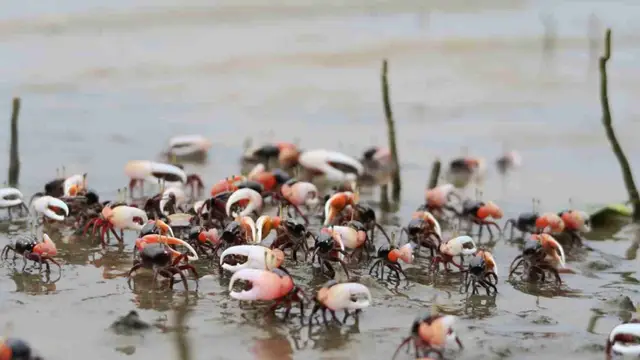
A study published on December 17, 2025, on mangroves in the Colombian Caribbean reveals that small crabs measuring just 1.2 inches can accumulate up to 13 times more microplastics than the mud and convert some of them into nanoplastics
Microplastics are turning up in places most people never see, like mud under mangrove roots. A field study suggests fiddler crabs can scoop up those tiny…
ECOnews Newsroom · April 26, 2026
Ian Emmanuel González Santos, the Mexican teen studying bacteria that break down PET plastic
What if the plastic water bottle in your backpack did not have to live forever in a landfill or drift into a river? That question sits behind a new wave…
ECOnews Newsroom · April 20, 2026

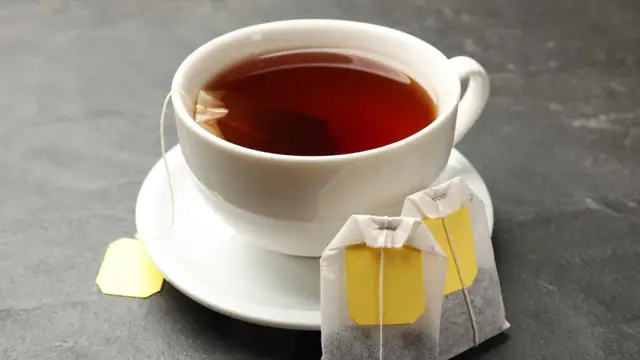
What seemed like the most innocent routine of the day—boiling water and letting a tea bag steep for a few minutes—has become a major cause for concern, as some studies now estimate that a single cup of tea contains up to 14.7 billion microplastics and nanoplastics
Tea feels like one of the simplest daily rituals. You boil water, drop in a bag, wait a few minutes, and get something warm that smells familiar. But a…
Adrian Villellas · April 11, 2026
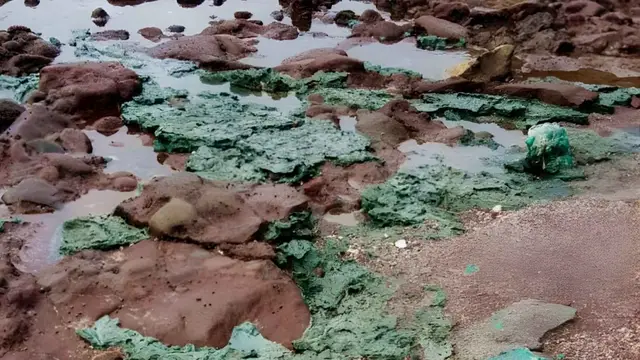
It is no longer floating trash: “rocks” made of plastic have been discovered that could remain on Earth as fossils of the future
On a tiny volcanic outcrop in the South Atlantic, green turtles are quietly turning human trash into part of Earth’s future rock record. A new study of…
ECOnews Newsroom · March 18, 2026
The Great Pacific Garbage Patch is not an island you could stand on but a loose spread of plastic between Hawaii and California, and a 2018 study estimated at least 87,000 tons of it across 618,000 square miles
Updated November 12, 2026, with where the patch sits, how big it is and what it is made of, based on NOAA and a 2018 Scientific Reports study, plus why it…
Adrian Villellas · February 25, 2026
A review of 140 studies finds people who drink bottled water ingest tens of thousands more plastic particles a year
Every time you twist open a plastic water bottle, you are not just reaching for a quick sip. You are also likely swallowing tiny fragments of the bottle…
Adrian Villellas · February 22, 2026