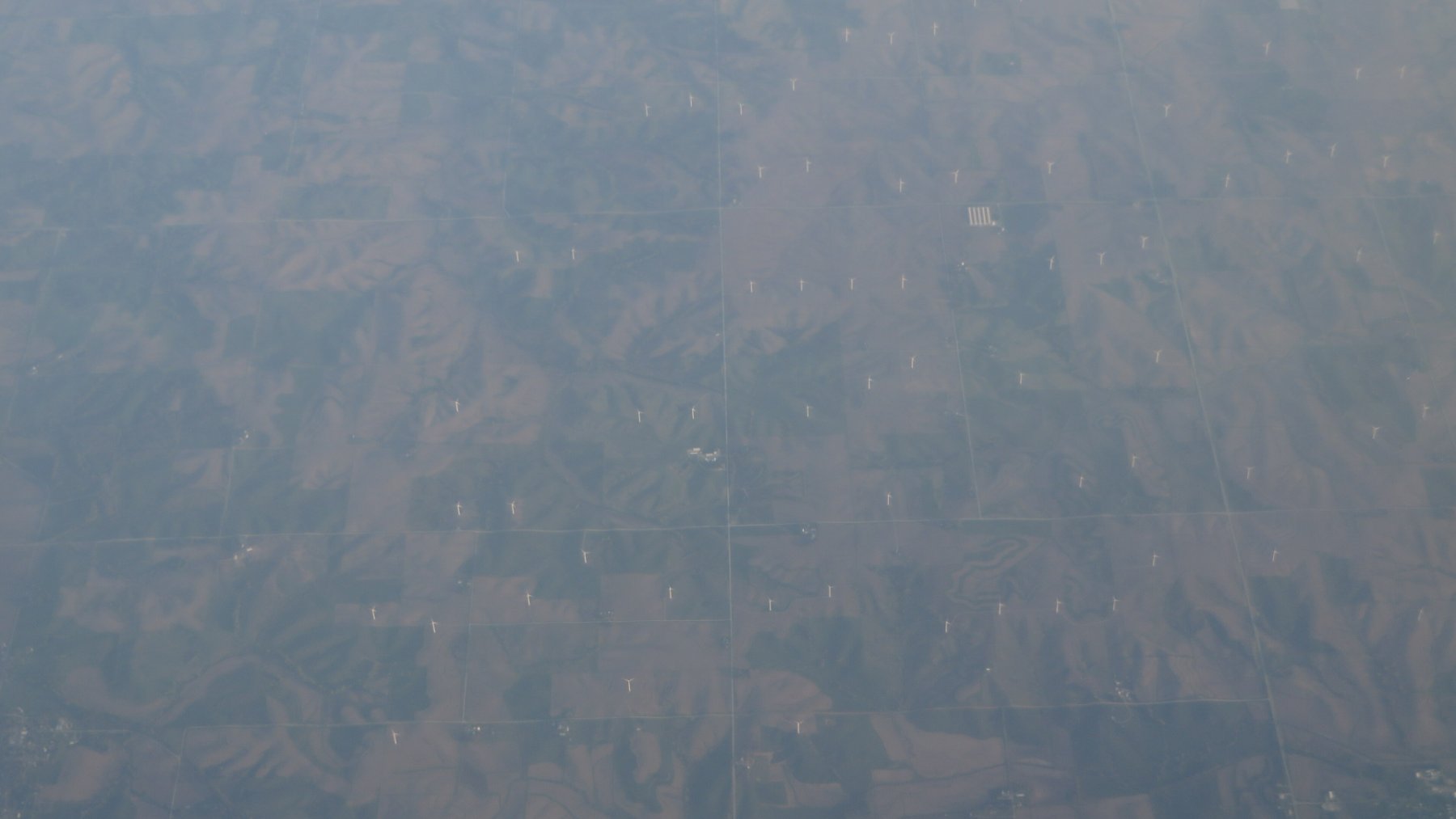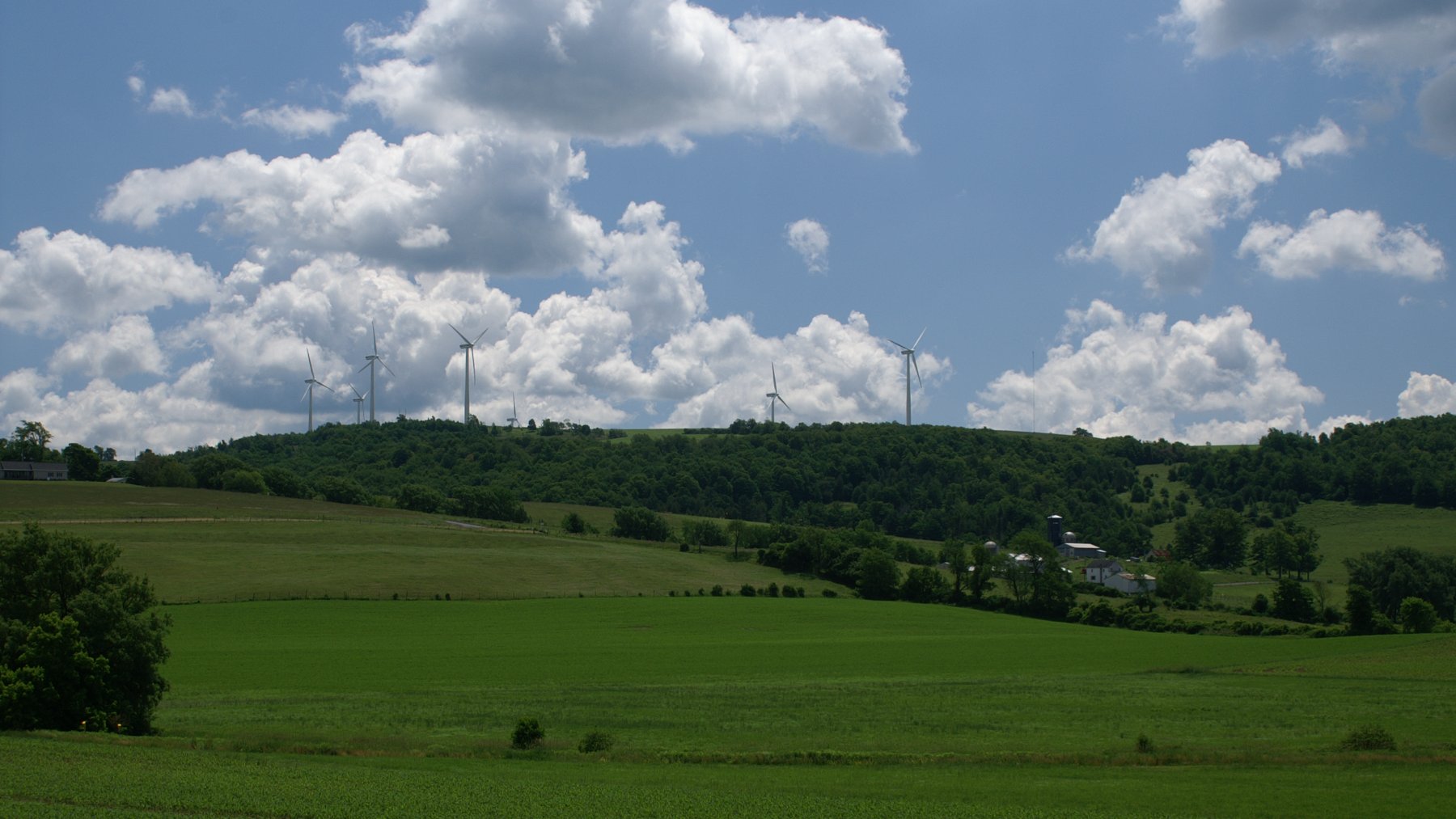
Seven turbines at New York’s first commercial wind farm came down in controlled blasts in Madison County on September 17, 2025. The demolition at Madison Wind Power took about 30 seconds, ending a quarter-century chapter in the state’s renewable energy history.
But the story does not end with falling towers. EDP says the old site has been restored, while its much larger neighboring proposal, Rolling Upland, faces questions raised by a newer grid-connection record.
Why the pioneering turbines came down
Madison opened in 2000 with seven turbines and about 11.5 megawatts of generating capacity. Their hubs stood 220 feet above the ground, and the project attracted national attention, with then-Energy Secretary Bill Richardson attending its groundbreaking.
The project’s expected lifespan was 20 to 25 years, according to EDP. By 2025, its turbine models were out of production, and obtaining replacement parts had become increasingly difficult and expensive.
Project manager Rachel Smith told CNYCentral that “it was just really hard to find the parts to refurbish them.” Anyone who has kept an aging car on the road will recognize the problem, because repairing equipment and repairing it economically are not always the same thing.
A bigger proposal, not an automatic replacement
EDP’s Rolling Upland project webpage lists 79.8 megawatts, almost seven times Madison’s original capacity. Its 2025 fact sheet gives a different figure, 76.2 megawatts, although either would represent a substantial increase in rated generating capacity.
The developer places the project in Madison and Sangerfield, across Madison and Oneida counties, adjacent to the retired wind farm. It also describes lease payments that could provide income for participating landowners, separate from their agricultural earnings.
There is an important catch. The New York Independent System Operator’s 2026 project dashboard lists Rolling Upland’s grid-connection application C24-322 as “withdrawn.” That does not establish permanent cancellation, but it means an assured replacement cannot be inferred from the developer’s promotional materials alone.
Thirty seconds of demolition, weeks of cleanup
Knocking down the towers was only the most visible part of decommissioning. EDP outlined a six-to-eight-week process covering preparation, removal, and cleanup, including collecting small debris by hand and with a magnetic sweep.
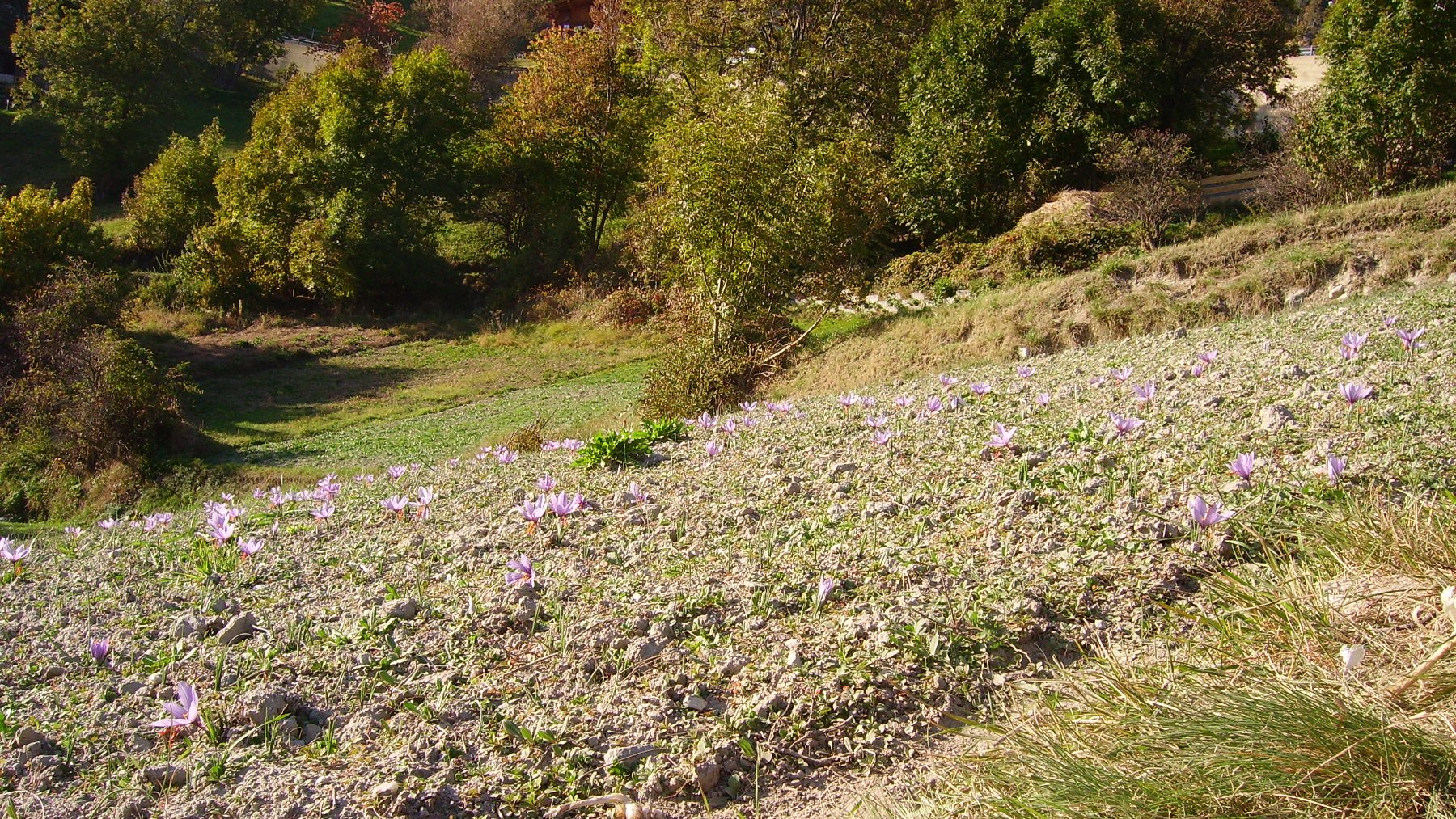
The company reports that the land was restored by October 2025. Smith described the intended outcome to CNYCentral as a return to agricultural use, with the original parcel remaining separate from other development plans nearby.
Recycling has an important limit
EDP’s published waste plan assigned steel and metal to recycling, but described separate handling and disposal arrangements for fiberglass and concrete. That distinction matters, because removing every component from a field does not mean every component becomes a new product.
The broader challenge is documented by the Department of Energy, which reported in January 2025 that existing U.S. infrastructure could process about 90% of decommissioned turbine mass. Blades and some other components are harder to recover than steel structures. That national estimate is not a verified recycling rate for Madison.
For communities hosting wind farms, the useful questions are what materials were recovered and what remained for disposal. A clean-looking field and a high theoretical recycling percentage answer different questions.
Open farmland is not proof of wildlife protection
In its project materials, EDP says wind turbines leave 98% of leased land available for farming or wildlife habitat. That describes land availability, not evidence that birds and bats experience no disturbance or collision risk.
For Rolling Upland, New York siting officials recommended surveys of breeding grassland birds and wintering raptors. Their June 2024 review also discussed limiting turbine operations to reduce impacts on northern long-eared bats, showing why wildlife assessment must go beyond the amount of open space.
For a farmer, keeping fields usable and receiving lease income could be meaningful benefits. For wildlife, the relevant questions include where turbines stand and how animals use the surrounding habitat, questions that cannot be answered by a percentage alone.
What Madison’s retirement really shows
Madison’s demolition illustrates an often-overlooked side of renewable energy, the need to plan for aging equipment as well as new construction. The proposed increase in capacity is striking, but restoration, material recovery, and a workable development path are separate parts of the story.
The old towers are gone, and the next project should be judged on what is actually documented rather than what a larger megawatt figure promises.