Tiny plastic fragments were detected in blood supplying the heart in 84% of patients experiencing a serious heart attack, according to a new Italian study. That compared with 40% of people with chronic coronary disease and 32% of patients whose coronary arteries appeared normal.
The numbers are striking, but the study included only 61 people, captured a single moment during hospital care, and used detection methods that some independent scientists say may confuse plastic signatures with natural blood fats. The finding is a warning light, not proof that microplastics trigger heart attacks.
What researchers found
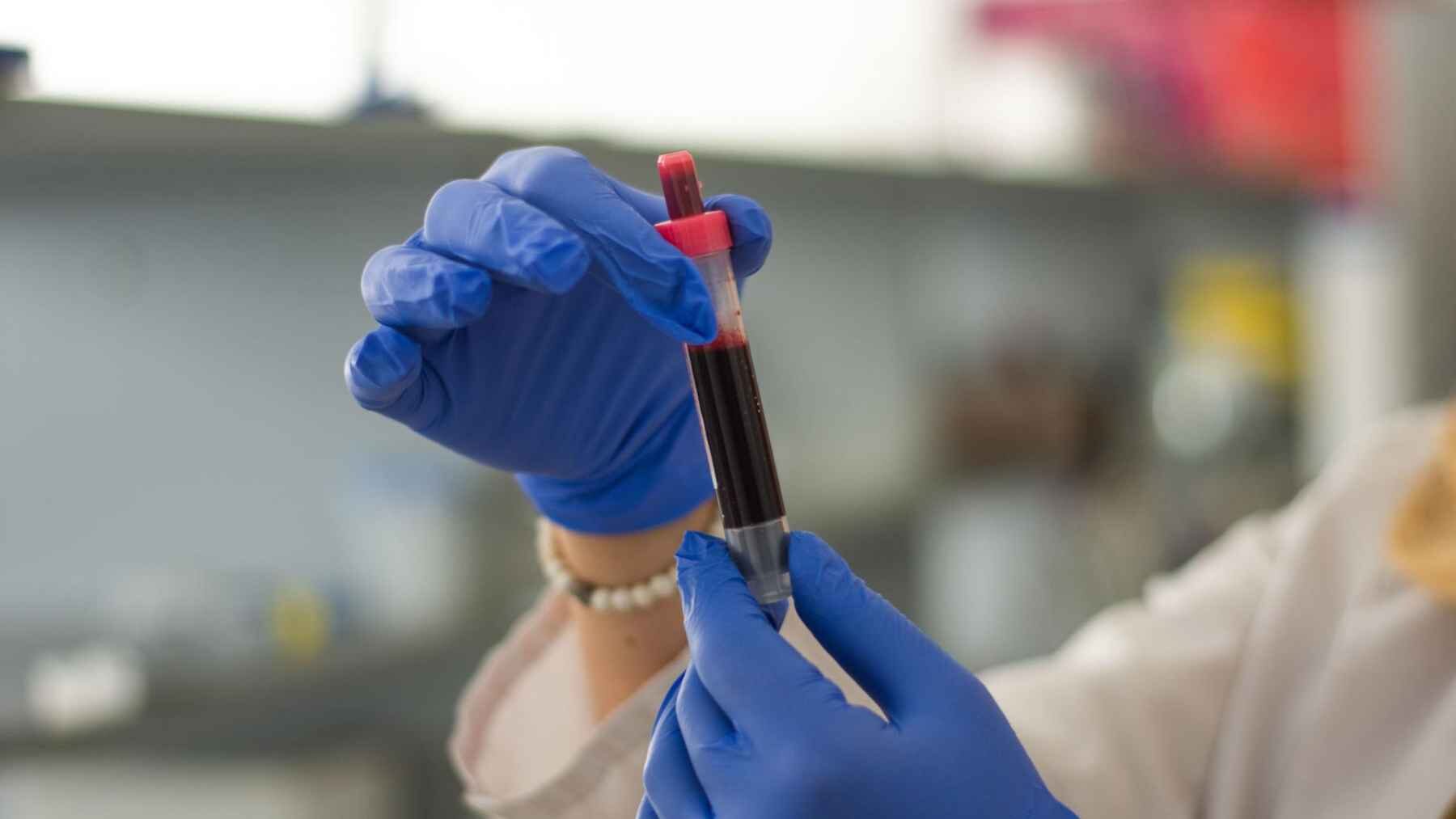
The multicenter team included scientists from Sapienza University of Rome, the University of Verona, and the University of Campania “Luigi Vanvitelli.” Researchers enrolled 19 patients with STEMI, a serious type of heart attack, 20 with chronic coronary syndrome, and 22 whose coronary arteries were normal.
They collected blood from the coronary circulation, which directly supplies the heart, and from elsewhere in the body. Microplastics are fragments smaller than about 0.2 inch, while nanoplastics can be smaller than roughly 1/25,000 of an inch.
Using two analytical techniques, the team reported more frequent detection and a greater variety of polymers among heart attack patients. Polyethylene, widely used in packaging and consumer products, appeared in 97% of patients whose samples contained detectable plastic.
Professor Emanuele Barbato, who led the research, stressed the boundary of the result. “These findings do not prove that microplastics cause heart attacks,” he said. An association can point researchers toward a possible problem without showing what came first.
Inflammation, smoke, and dirty air
The heart attack group also had higher levels of interleukin-6 and tumor necrosis factor alpha, two proteins associated with inflammation. Patients with detectable plastics tended to have stronger inflammatory signals, but the study could not show whether the particles produced that response or whether another process affected both.
Smoking stood out. After the researchers adjusted for several measured factors, smoking history was the only independent predictor of plastic detection, with about 5.7 times higher odds. However, the statistical range surrounding that estimate was wide, reflecting considerable uncertainty.
People exposed to more PM2.5 also had plastics detected more frequently. PM2.5 refers to fine airborne pollution particles around 1/10,000 of an inch wide or smaller, including particles associated with traffic, industry, fires, and other combustion sources.
That link might sound plausible to anyone who has waited beside a traffic jam breathing exhaust fumes. Still, real life is messy. Tobacco smoke, dirty air, diet, occupation, indoor dust, and plastic exposure can overlap, making it difficult to separate one strand from the rest.
A small snapshot cannot show cause
The main limitation is simple. Sixty-one patients are not enough to settle a question that could affect nearly everyone, and the cross-sectional design measured disease and suspected exposure at the same time. Researchers cannot know whether the plastic was present before the heart attack, increased during it, or appeared because of hospital treatment.
Independent experts also said that the analysis did not fully capture exposure from food, drinking water, workplaces, medication, or medical devices. Air pollution estimates were based on monitoring stations near patients’ home addresses, often several miles away, rather than personal monitors following them throughout the day.
Hospital care creates another complication. Intravenous fluids, tubing, catheters, and other equipment may release tiny particles, raising the possibility that treatment influenced the samples. The researchers tried to reduce that risk by testing procedural materials, analyzing blank samples, processing blood in glass tubes, and limiting airborne contamination in the laboratory.
Those precautions strengthen the study. They do not erase every uncertainty.
The test itself is under debate
One technique used in the research, known as pyrolysis gas chromatography mass spectrometry, heats a sample and identifies the molecules released as it breaks apart. It can be useful for measuring polymers, but blood is difficult to analyze because natural fats may produce some of the same chemical fragments as certain plastics.
Professor Kevin Thomas of the University of Queensland put the concern bluntly. “It is just as plausible that endogenous lipids in the blood are being misidentified as plastics,” he said. That question is particularly important because polyethylene was the most frequently reported polymer.
On the other hand, the researchers also used laser direct infrared spectroscopy and extensive contamination controls. Other experts described this combination as a strength. However, there is still no internationally standardized method for collecting, extracting, identifying, and measuring microplastics in human blood, while the smallest nanoplastics remain especially hard to characterize.
This is not a minor technical footnote. It goes to the heart of the headline. Did the test reliably measure plastic particles, or did it sometimes detect molecules that merely resembled them?
What the result means now
The study adds to growing research reporting plastic-related material in human blood and cardiovascular tissue. It also fits a broader environmental picture in which people may encounter tiny plastic particles through food, drinking water, indoor dust, synthetic clothing, packaging, and tire wear. Exposure is difficult to avoid completely.
This paper, however, does not justify telling patients that plastic caused their heart attack, nor does it create a medical test for personal risk. A more convincing answer will require much larger populations, repeated samples collected before disease develops, better tracking of individual exposure, and several validated laboratory methods applied to the same samples.
For now, the environmental message is cautious but clear. Reducing unnecessary plastic pollution, tobacco smoke, and dirty air already has strong reasons behind it, and future research may determine whether cardiovascular protection belongs on that list too. The signal is worth following, but it is not yet a verdict.
The full study was published in the European Heart Journal.
Most read
- US scientists poured 16,500 gallons of lye into the Gulf of Maine and dyed the water bright pink to track it, the first federally approved try at reversing ocean acidity
- Britain is dropping 20 concrete reef cubes and 44 tons of scallop shells into the sea, and the goal is to bring back oysters down more than 95% since the 1800s
- Soviet scientists released giant red king crabs into the Barents Sea in the 1960s to build a fishery, but decades later those invaders are still changing the seafloor
- New Orleans is collecting thousands of used Christmas trees and dropping them from helicopters to slow the loss of land, which has already exceeded 5,000 square kilometers
- The U.S. will pay up to $65 million to leave Colorado River water in Lake Mead, and Hoover Dam explains why