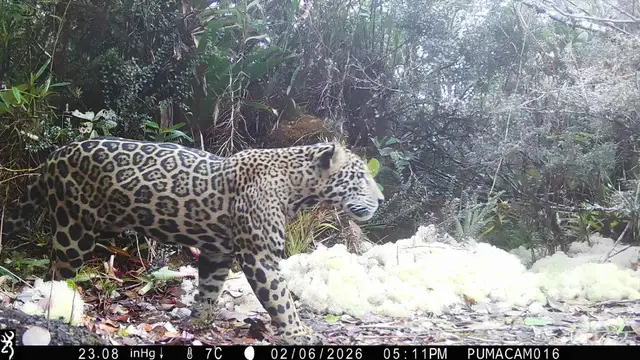
Big cats
Camera traps have been used to capture large cats. In India, researchers setting up cameras to count tigers at a forest stream got a surprise. After many years of being elusive, a jaguar has been captured on camera! We also have information on lynx taking over areas abandoned by humans, such as the Chernobyl Exclusion Zone.
21 stories · since 2026 · latest, November 20, 2026
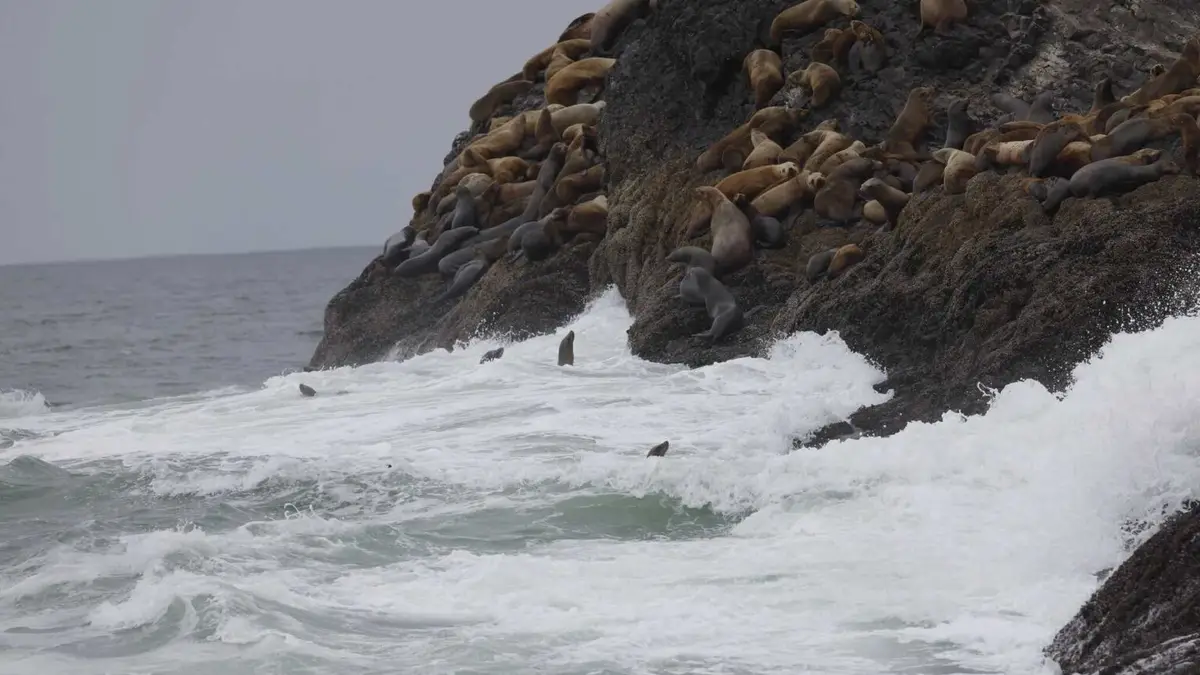
Culling seals and sea lions at sea is unlikely to help West Coast salmon, NOAA and Oregon State researchers find, because hake and other fish could fill the gap
Seals and sea lions eat salmon, so removing them should help salmon recover. A new study says indirect effects across the ocean food web can undo that gain.
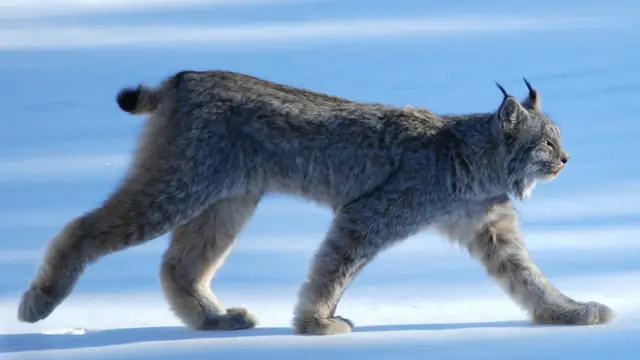
A camera set up to study forests in New Mexico’s Carson National Forest photographed a Canada lynx in June, the first confirmed in the state in about 25 years according to New Mexico State University, and it lives in the kind of forest crews thin to fight wildfires
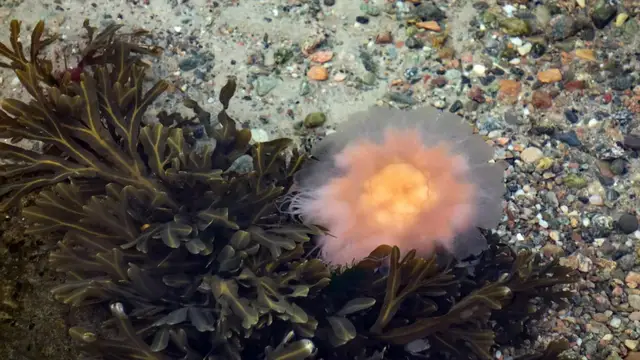
Hundreds of pink lion’s mane jellyfish washed up on a Baltic beach near Germany’s Fehmarn island, and a marine biologist warns that their stinging venom can stay active for some time after they die
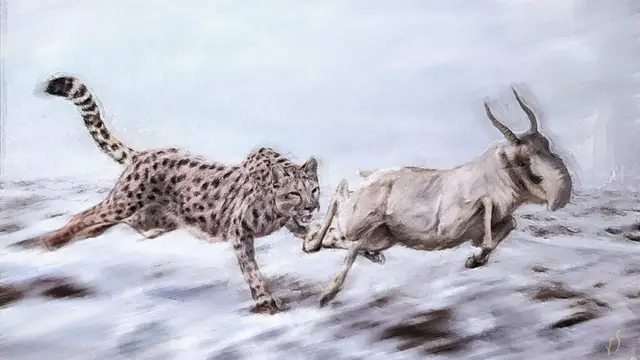
The Ice Age American cheetah was a close cousin of the puma, and fossils from Canada’s Yukon suggest northern populations ate salmon before the species faded through a slow decline, not a sudden collapse
A cat nicknamed the “American cheetah” may have spent part of its Ice Age history eating fish in the Arctic. New research on Miracinonyx trumani suggests…
Adrian Villellas · September 29, 2026
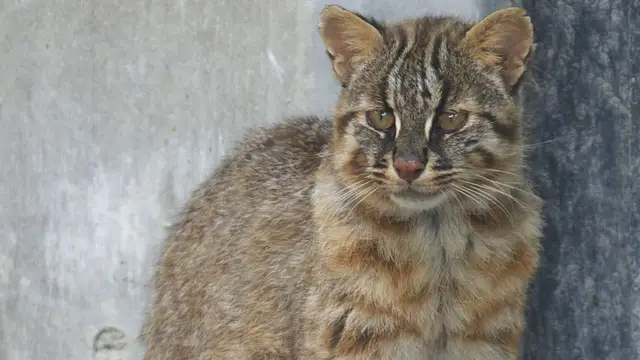
On Japan’s Tsushima Island, researchers found leopard cats with short tails and feared domestic cats had crept into their family tree, but genome tests of 16 animals found no trace of that ancestry
An unusually short tail can be a small detail with serious consequences for an endangered animal. On Japan’s Tsushima Island, researchers investigated…
ECOnews Newsroom · September 28, 2026
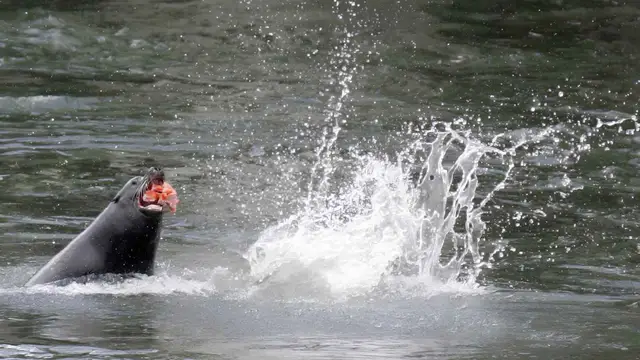
Sea lions learned to wait below Bonneville Dam, and the fish ladder meant to help salmon became a dinner bell
At Bonneville Dam on the Oregon-Washington border, the sea lions from California learned that they can “wait for dinner” below the hydroelectric…
Adrian Villellas · September 12, 2026
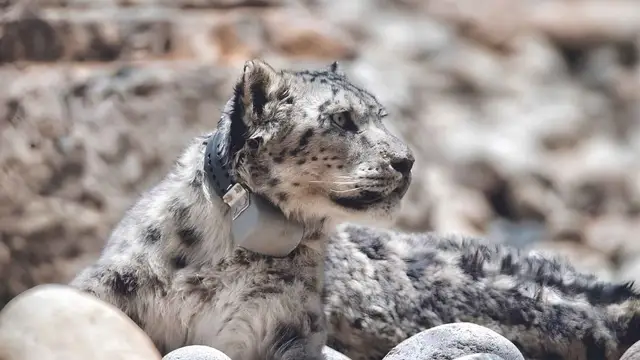
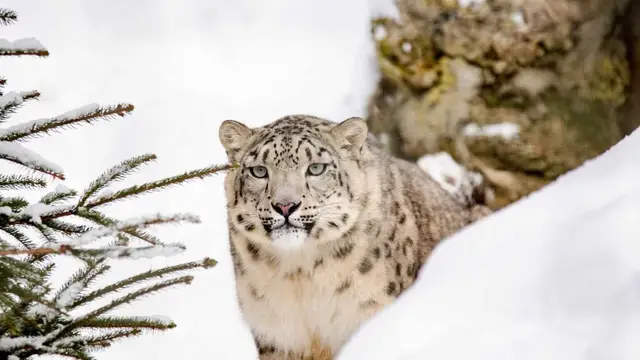
Four GPS collars tracked snow leopards across the Himalayas for 1,239 days and revealed home ranges up to 97 times larger than earlier estimates, with three cats repeatedly crossing between Nepal, India, and China as if the borders did not exist
Four GPS locations collars followed the trail of snow leopards in the Himalaya during many days, and it showed how these animals repeatedly crossed into…
Adrian Villellas · September 4, 2026
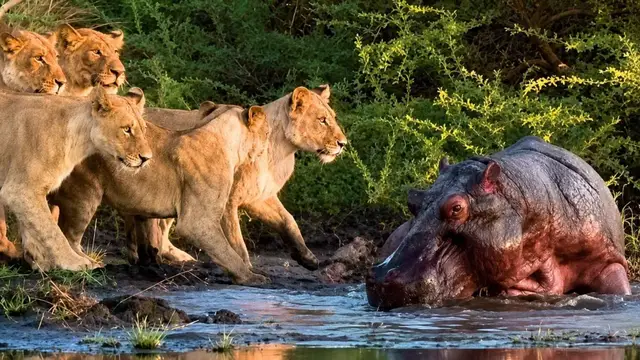
About seven young lions surrounded a massive hippo at a Botswana waterhole and even chased it into the water, but one intimidating turn from the several-ton animal was enough to make the entire pride reconsider its plan
Have you ever seen a group of expert hunters regret their actions in a matter of seconds? Well, that was exactly what happened when seven young lions…
ECOnews Newsroom · August 28, 2026
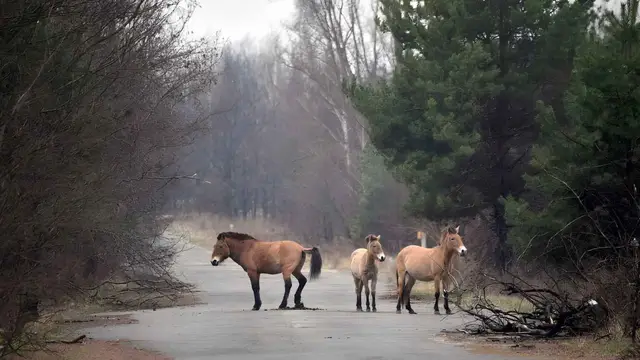
Forty years after Chernobyl, wolves, lynx, Przewalski’s horses, and wild boar now use the exclusion zone at sevenfold density, showing how quickly large mammals benefit when human pressure vanishes across vast connected areas
Forty years after the catastrophic Chernobyl reactor explosion, the surrounding exclusion zone has transformed into something no one expected: an…
Adrian Villellas · August 21, 2026
Four snow leopards wearing GPS collars in Nepal sent back 4,707 signals, and three of them crossed into China and India so often that the conservation map no longer fits
High in the Himalayas, GPS tracking collars fitted to four snow leopards revealed that the elusive cats command home ranges up to 97 times larger than…
ECOnews Newsroom · August 14, 2026
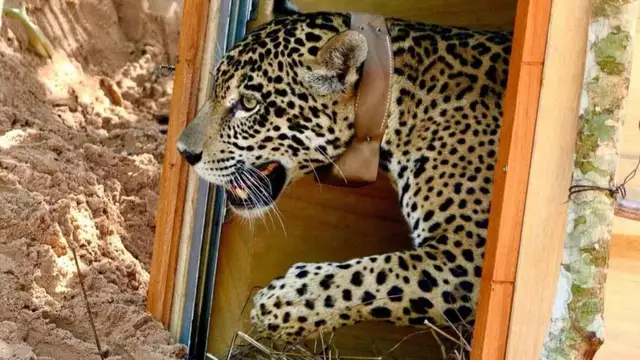
Bolivia has just released a rehabilitated jaguar into its natural habitat for the first time, but Yaguara’s story does not end when the cage is opened: now the toughest test begins, deep in the jungle
Yaguara, a female jaguar rescued after Bolivia’s 2024 wildfires, is back in the forest. After almost two years of rehabilitation with no direct human…
ECOnews Newsroom · July 14, 2026
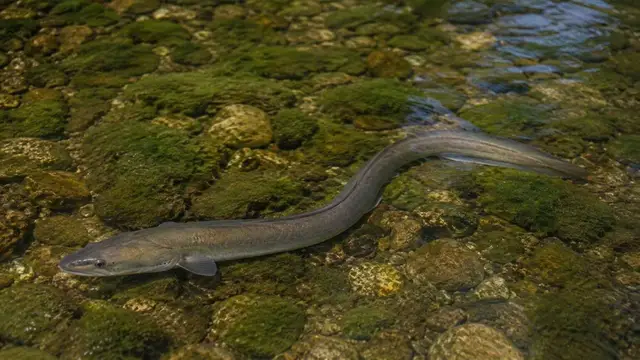
It isn’t the Iberian lynx or the polar bear closest to extinction in Spain, but a fish you can still legally catch as summer dries its rivers to stagnant pools
When a river dries out, the damage does not always arrive with drama. First come broken stretches of water, a few shallow pools, and oppressive summer heat.
ECOnews Newsroom · July 13, 2026
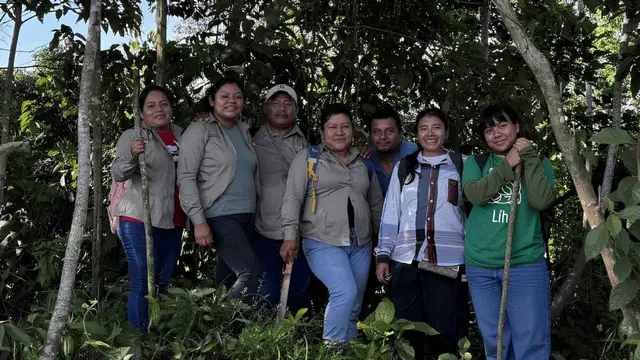
In Oaxaca, some women walk up to 10 hours through the jungle to check camera traps that have captured images of jaguars, pumas, ocelots, and 24 other species of mammals
Across Latin America, some of the most important conservation work is happening far from conference rooms and glossy climate pledges. In Ecuador, Mexico,…
ECOnews Newsroom · July 12, 2026
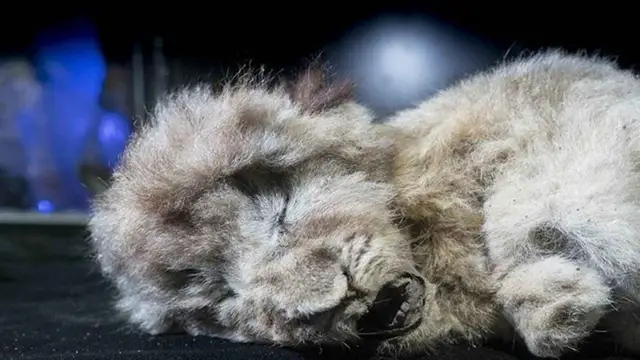
A cub named Sparta, which remained frozen in the permafrost for 32,000 years, provides virtually intact DNA and confirms that cave lions constituted a distinct lineage, with brain, visual, and circulatory traits, that never set foot on the African savanna
For years, scientists often pictured cave lions as oversized versions of the lions that live today — bigger, tougher, and built for ice — but new genome…
ECOnews Newsroom · June 26, 2026
The legendary cloud jaguar finally showed up on camera after a decade of hide-and-seek in the jungle canopy
Have you ever walked through a mountain forest and wondered what slips past after dark, unseen and almost silent? In Honduras, a hidden camera has…
ECOnews Newsroom · June 25, 2026