Health
41 stories · since 2025 · latest, November 20, 2026
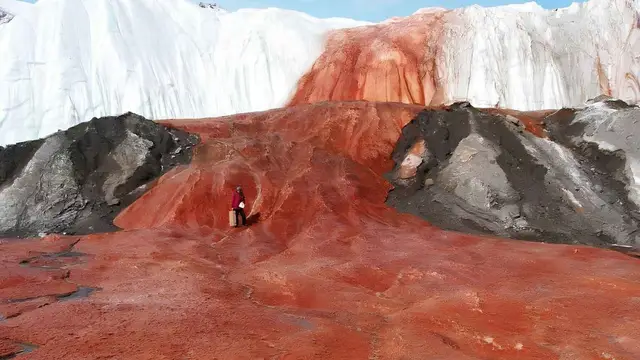
For the first time, researchers found that Antarctica’s mysterious red falls are not blood but ocean, trapped for millennia beneath ice with a microbial ecosystem that could transform glacial science
Antarctica’s Blood Falls looks like a wound in the ice. But there’s nothing bloody about it.
ECOnews Newsroom · August 9, 2026
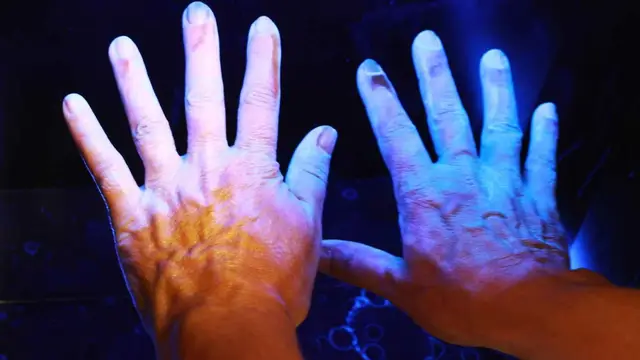
Scientists found a way to turn visible sunlight into ultraviolet light, a kind of energy trick that could open unusual doors in chemistry, medicine, and solar technology
Scientists have created an organic crystal that converts lower-energy visible light into higher-energy ultraviolet light at an intensity comparable to…
ECOnews Newsroom · July 22, 2026
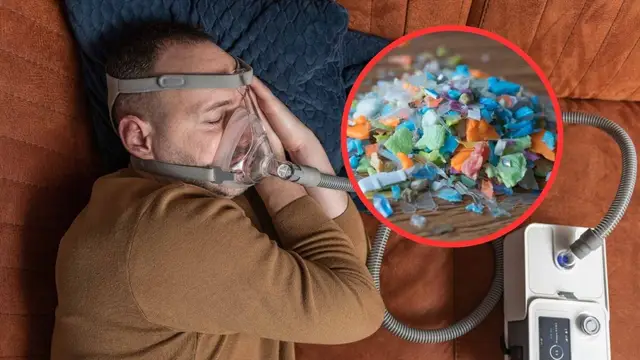
Researchers at a Brazilian University are looking for microplastics in the airways of sleep apnea patients, raising an uncomfortable question about how much plastic we may be breathing in while we sleep
Microplastics were detected in the upper airways of every sleep apnea patient examined in a new pilot study conducted by researchers at the University of…
ECOnews Newsroom · July 20, 2026
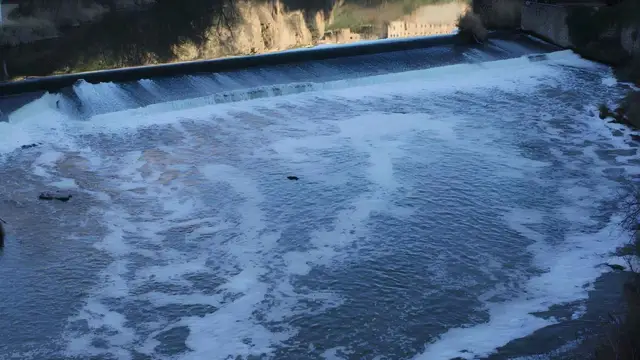
The Tagus River has just issued a silent warning in Spain: at the 19 monitoring sites analyzed over the course of nearly a year, antibiotic-resistant bacteria and signs of fecal contamination have been detected along some 300 kilometers of the rive
Antibiotic-resistant bacteria have been detected throughout the middle stretch of Spain’s Tagus River, raising fresh concerns about what is flowing…
ECOnews Newsroom · July 15, 2026
An electric car’s used battery does not stop working when the car is no longer in use, and a megafactory in Vancouver wants to give it a second life to power hospitals, data centers, and microgrids
An electric vehicle battery is not dead the day it stops being ideal for the road. In many cases, it still has enough life left to store solar power, back…
ECOnews Newsroom · July 12, 2026

Researchers believe they have identified one of the most dangerous aspects of antibiotic use: a point at which bacteria are more likely to develop resistance
A new mathematical study looks at one of medicine’s most frustrating problems, the moment bacteria stop being easy targets. It suggests that antibiotic…
ECOnews Newsroom · July 9, 2026
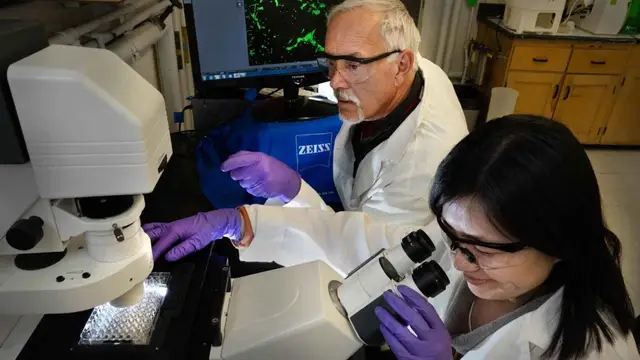
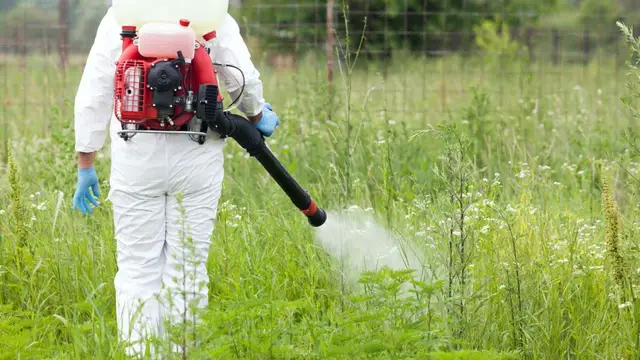
Glyphosate may be grooming superbugs outside hospitals, turning farm fields into antibiotic-resistance gyms
A common weedkiller used on farms may be helping some dangerous bacteria survive in places far beyond crop fields. A new study from Argentina found that…
Adrian Villellas · June 25, 2026
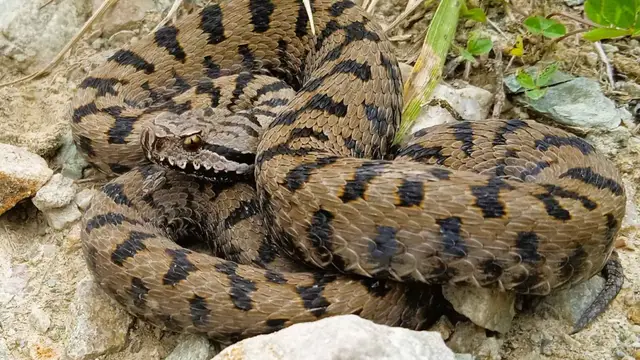
Viper or harmless snake? One glance at the eyes, head, and tail could save you from panic – or a hospital trip
Warm weather brings people back to trails, riverbanks, gardens, and mountain paths. It also increases the chance of crossing paths with a snake, which can…
ECOnews Newsroom · June 23, 2026
Forty years after Chernobyl, its legacy still echoes across health, politics, and the land itself, and the disaster’s long tail has not stopped reshaping lives
Forty years after reactor No. 4 exploded at Chernobyl, the disaster still feels painfully present. It lives on in evacuated towns, contaminated land,…
Adrian Villellas · June 16, 2026

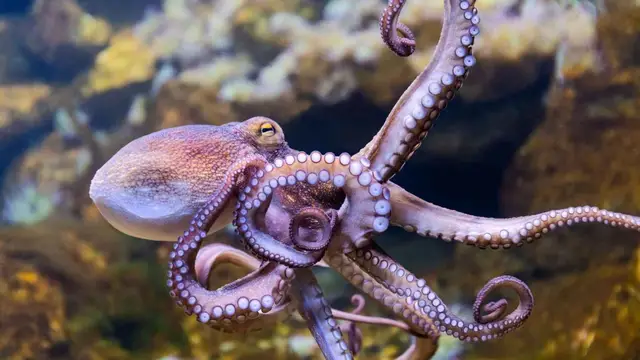
An octopus has three hearts, NOAA says, plus blue copper-based blood and one central brain, and its eight arms carry about two thirds of its neurons, which is why the popular ‘9 brains’ line is too simple
Updated November 17, 2026, with what each of the three hearts does, why ‘9 brains’ is a figure of speech, why octopus blood is blue, whether an octopus is…
ECOnews Newsroom · June 15, 2026
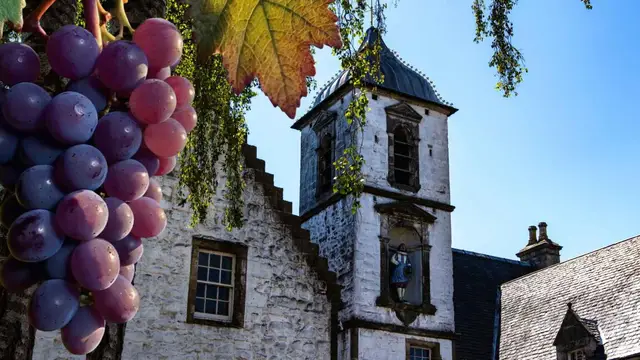
A Pinot Noir grape seed is found in the latrine of a medieval hospital: it sounds trivial… until you understand what it reveals about diet and power
A grape seed recovered from a 15th-century hospital toilet in Valenciennes, northern France, has turned out to be far more than a strange archaeological…
Adrian Villellas · May 22, 2026
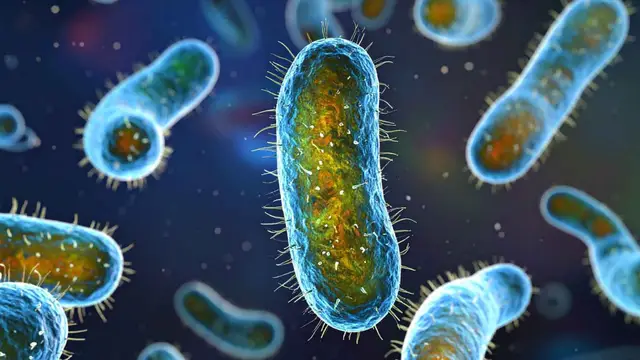
Scientists warn that synthetic mirror bacteria could slip past natural defenses, and the threat is not a virus but a form of life built backwards
Could a microbe built from biology’s “wrong-handed” building blocks slip through nature’s defenses like a ghost? A recent MIT Technology Review article…
Adrian Villellas · May 12, 2026
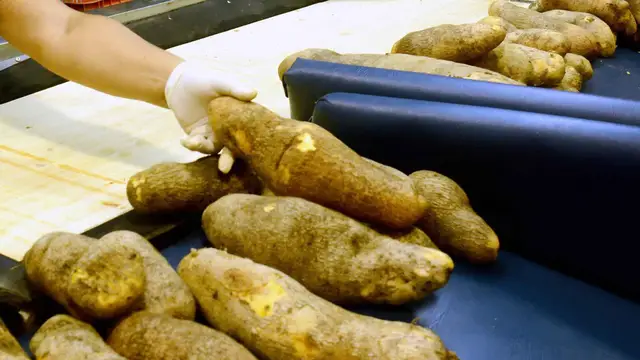
Yams could support memory and brain health, according to early studies on the compound diosgenin
Yams have been sitting in the produce aisle for generations, often overlooked. So why are scientists talking about them now? Researchers are testing…
ECOnews Newsroom · May 4, 2026
Scientists extract a bacterium over 5,000 years old from the ice and discover something disturbing: it was already resistant to ten modern antibiotics long before our medicine existed
Antibiotics can feel like a modern fix, the kind you pick up after a doctor visit. So why would a bacterium that has been frozen since around 3000 BC…
Adrian Villellas · April 20, 2026

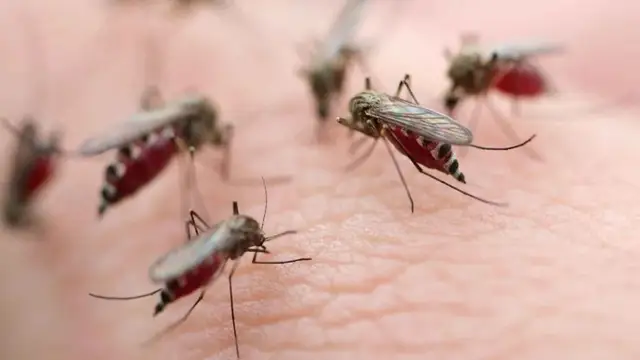
Mosquitoes are drawn by exhaled CO2 and clothing contrast, not “sweet blood”, a Georgia Tech and MIT study shows
If you have ever watched mosquitoes ignore your friend and go straight for you, it can feel weirdly personal. Is it “sweet blood,” bad luck, or something…
Adrian Villellas · April 17, 2026