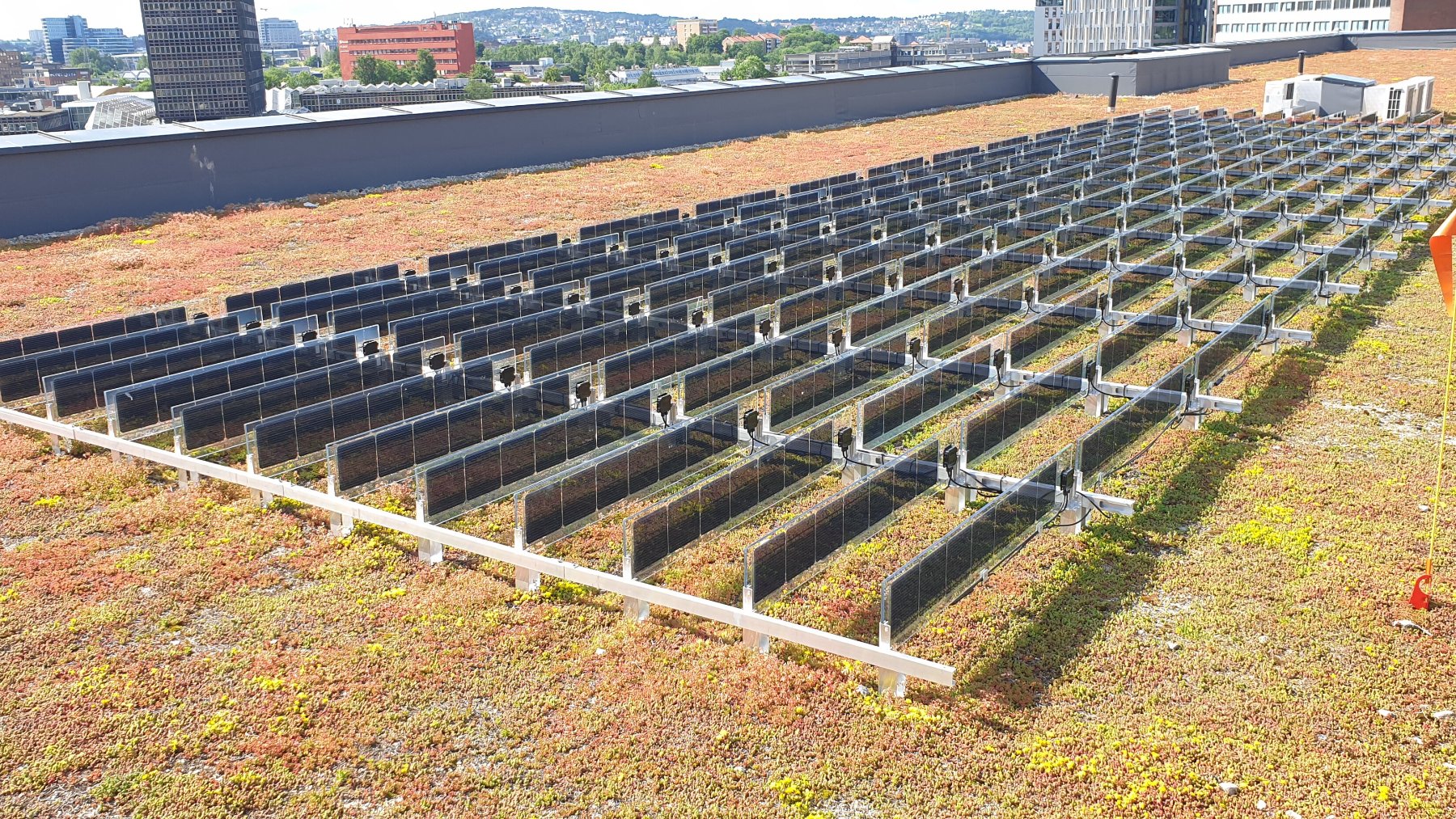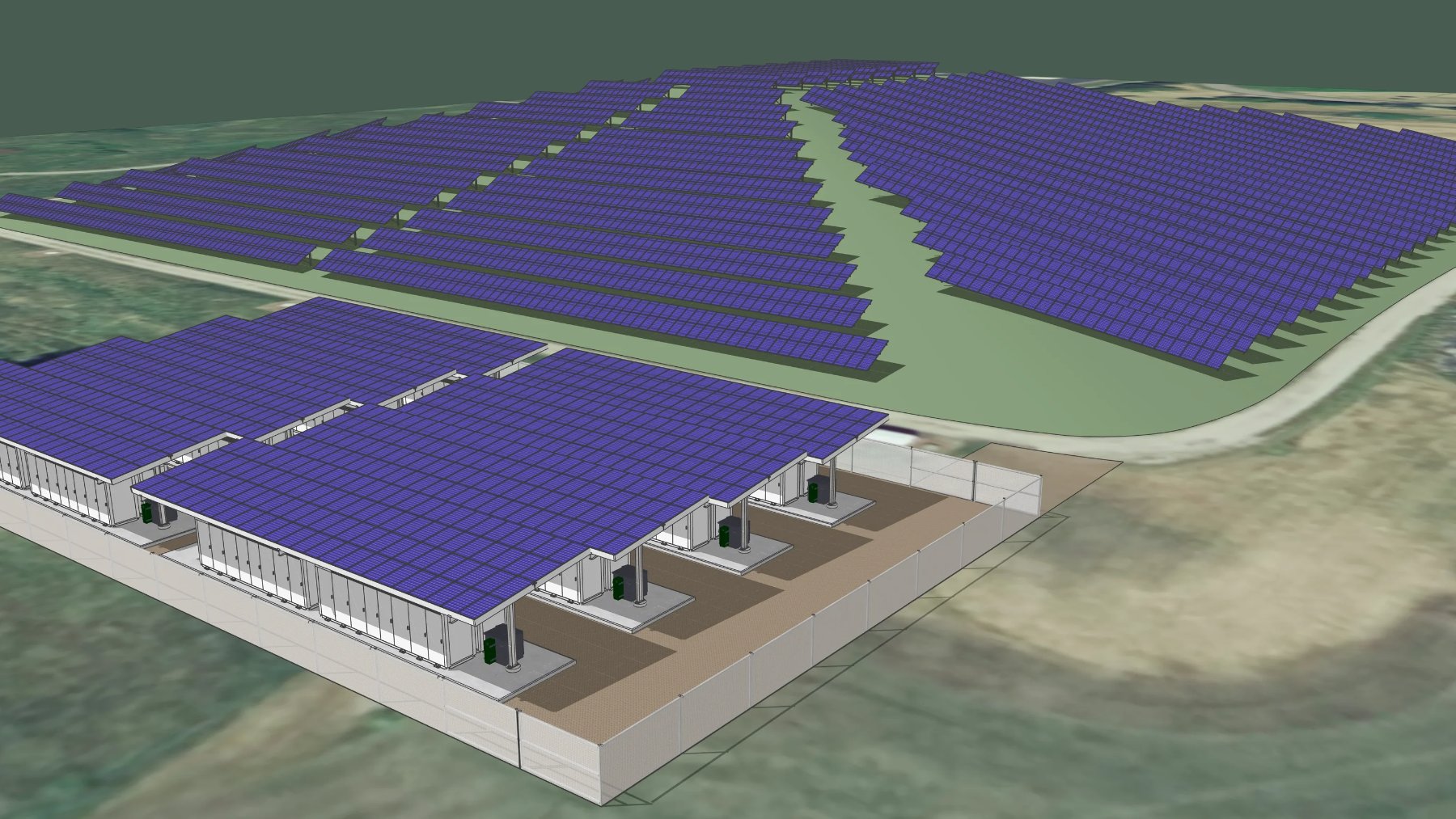
A landfill in New Haven, Connecticut, stopped accepting trash more than two decades ago, but its working life is not over. More than 1,900 solar panels now occupy the capped site, with expected annual production exceeding 1.4 million kilowatt-hours (roughly the electricity use of 200 homes).
The city also receives $72,000 a year in rent under a 20-year agreement with Greenskies Clean Energy, equivalent to $6,000 a month. The bigger lesson goes beyond electricity, showing how land with limited redevelopment options can become useful again without finding an entirely new site.
Solar power, not power from trash
The array began sending electricity to the local grid on July 9, 2026, ahead of a July 20 completion celebration. “On July 9th, we flipped the switch,” said Steve Winter, the city’s climate and sustainability director. Greenskies built the installation in less than a year, despite what it described as a “tough winter.”
Despite the setting, the new installation gets its energy from sunlight, not the garbage underneath it. Photovoltaic panels convert sunlight directly into electricity, while the landfill’s buried waste remains beneath its protective cover.
Greenskies operates the installation and sells its electricity to United Illuminating, where it joins the wider grid serving homes and businesses. So the 200-home figure expresses estimated annual production, not a promise of dedicated power lines to 200 selected households. Output changes with daylight and weather, so annual totals should not be mistaken for round-the-clock supply.
Where the $6,000 a month comes from
For New Haven, the direct financial return comes from leasing the land, not selling the electricity itself. At the reported annual rate, 20 years of rental payments would add up to $1.44 million.
Does that mean everyone’s electric bill will fall? Not necessarily, because rental income for the city and household utility charges are different things. Officials have discussed more predictable energy costs, but the lease payment is not a guaranteed discount for individual customers.
Why a sealed landfill needs special care
A closed landfill is not just an empty building lot. Its cap helps keep rainwater from entering the buried waste, and solar construction must accommodate drainage, gas management, and environmental monitoring systems.
Guidance from the Environmental Protection Agency describes weighted mounting systems that can hold panels in place without driving foundations through that cap. Think of a sturdy base resting on the surface, although engineers still need to account for wind, settlement, and the weight the cover can safely support.
Even with those options, not every landfill is a good candidate. Site conditions, access to the electrical grid, and the cost of construction and maintenance all influence whether a proposal makes sense. Regular access for inspections and repairs must remain available long after construction crews leave.
Reusing a landfill can protect land elsewhere
For communities trying to add renewable electricity, location matters alongside the equipment. The Department of Energy identifies previously developed sites, including landfills, as opportunities for solar where housing or other uses may be unsuitable.
The EPA also lists protecting open space among the advantages of putting renewable energy on previously used or contaminated properties. In practical terms, that can mean less pressure to develop another piece of land simply to find room for panels.
There is a climate benefit to consider, too, although “clean energy” does not mean an installation has no environmental footprint. Solar panels generate electricity without direct air pollution during operation, but manufacturing their materials still requires energy and resources. Reusing a landfill addresses the land-use part of that footprint, not every impact of making and operating a solar system.
Could more closed landfills follow?
This is already more than a one-city experiment. In its December 2024 tracking report, the EPA identified 332 solar projects on former landfills, a historical snapshot rather than a live count of every installation operating today.
At the July celebration, Greenskies reported that city facilities hosted 4 megawatts of solar capacity, with another 3.5 megawatts in development. Officials were also exploring additional panels at the landfill, although that was a possibility rather than a completed expansion. Earlier collaborations brought solar parking canopies to L.W. Beecher Museum Magnet School and Hill Central School.
For this property, the new use adds electricity and rental income without changing its status as a closed landfill.
The project’s completion press release was published on Greenskies Clean Energy.