


ECONEWS

A team of journalists specializing in socio-environmental news, sustainability, climate change, the environment, responsible consumption, and innovation. At EcoNews, we provide clear, reliable, and relevant coverage of the environmental and social challenges shaping our era.
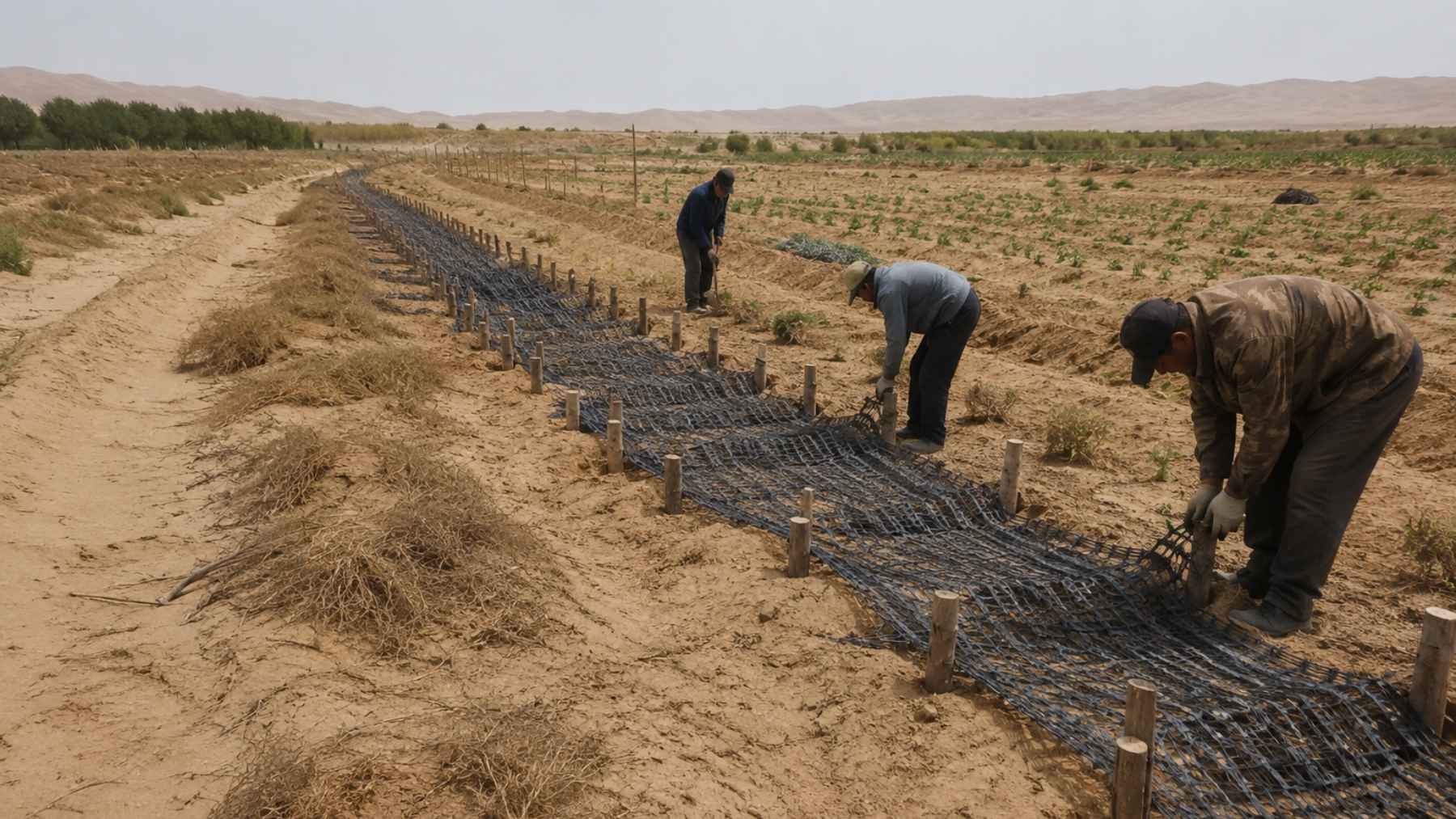
Workers installing a mesh barrier in a desert-edge field to control sand and protect crops using fiber-based materials.

It sounds like space tech but it is already farm defense: China uses lunar-tested basalt fibers to protect crops, and the material promises toughness where climate and pests hit hardest

—
June 9, 2026 at 10:16 AM
Woman looking out a window, reflecting on emotional distance, guarded relationships, and childhood harm.

Psychology: many adults who keep others at a distance learned in childhood that openness was risky

—
June 9, 2026 at 10:13 AM
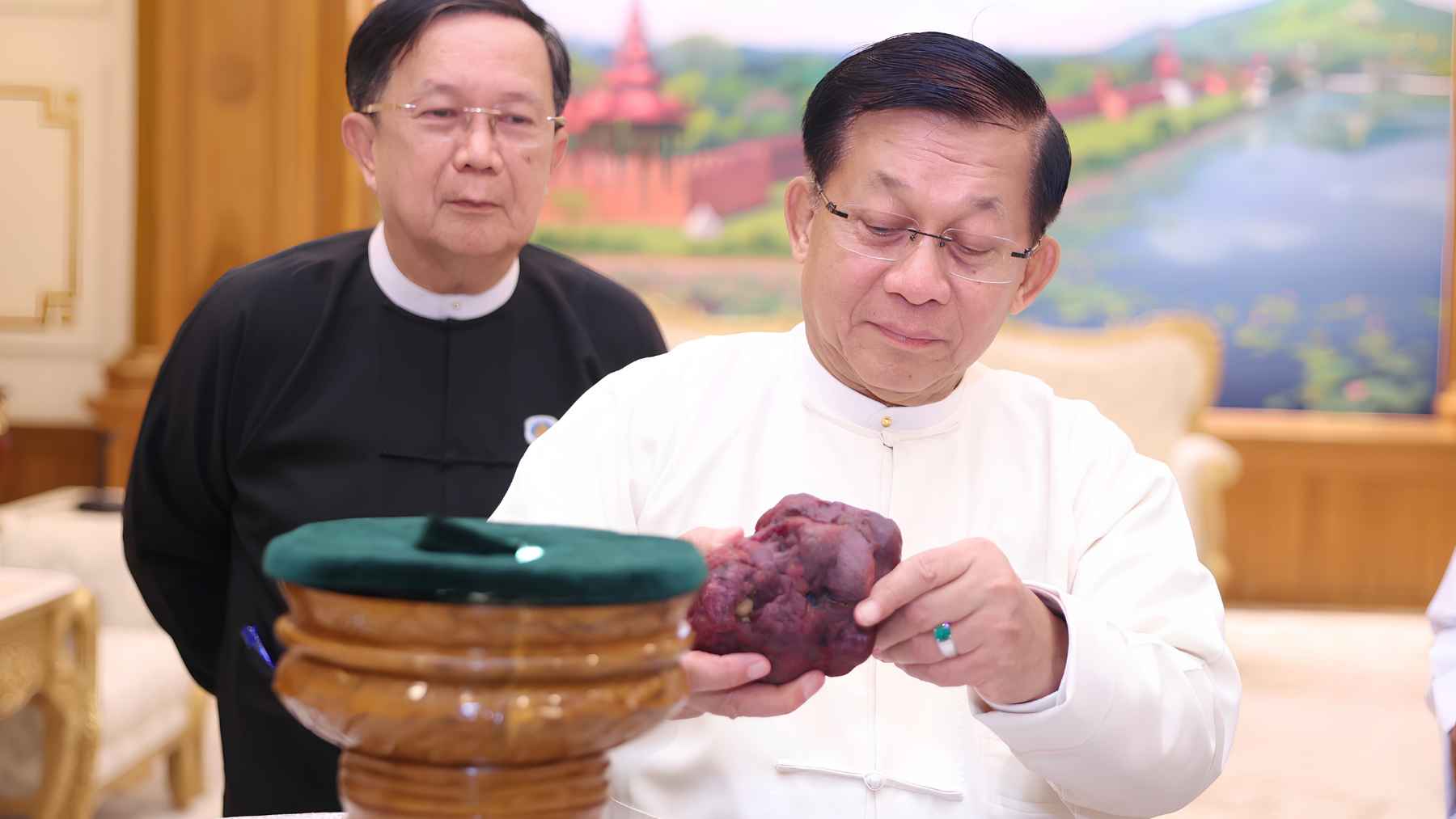
Myanmar officials examine a massive rough ruby discovered in Mogok, highlighting the scale of the 11,000-carat gemstone.

An 11,000-carat ruby find (about 4.85 pounds) reshapes mining in Myanmar, and the giant stone reopens the debate over value, traceability, and the real price of gemstones

—
June 9, 2026 at 6:30 AM
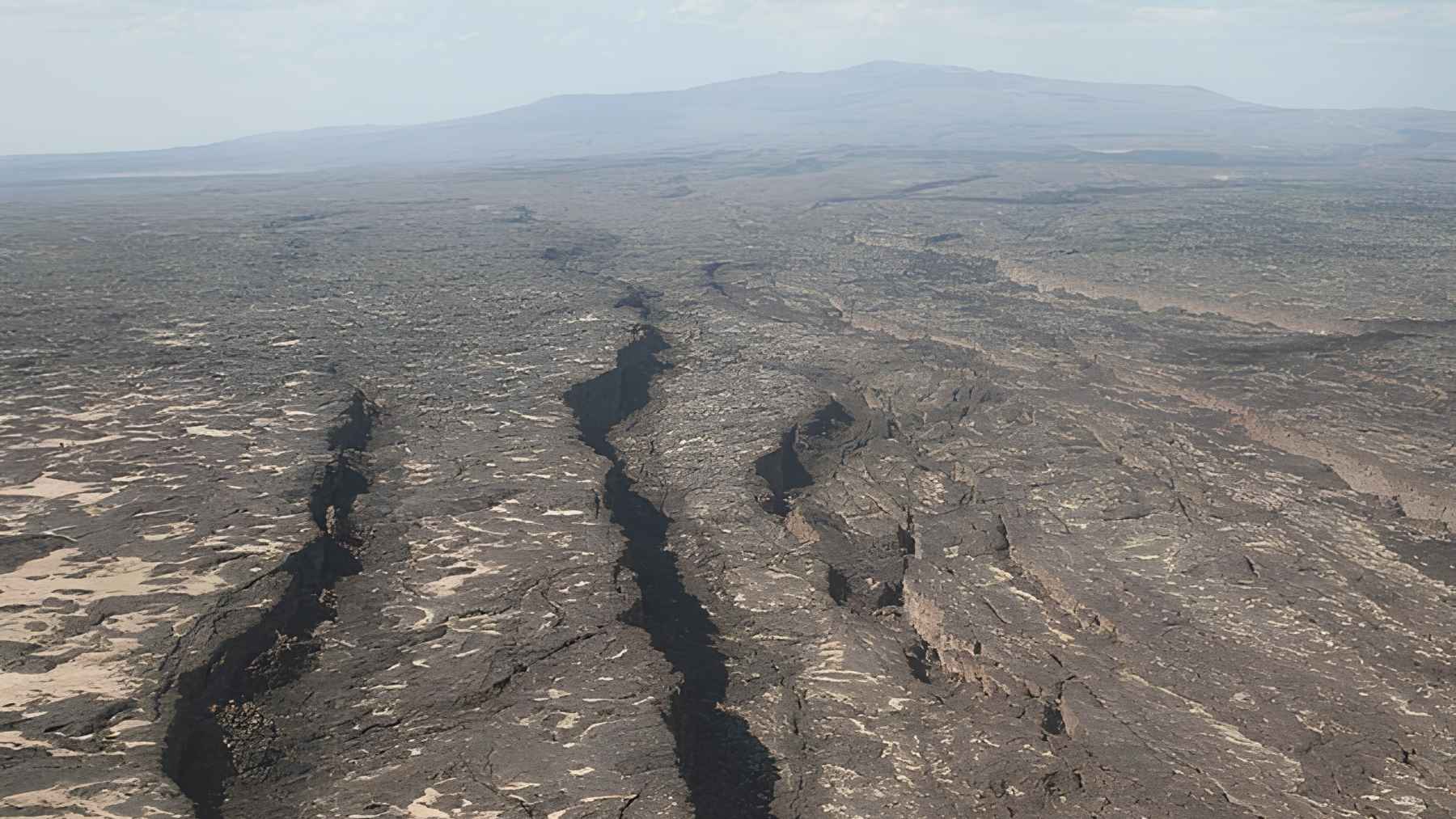
Large ground crack in a tectonic rift landscape, illustrating how Earth’s crust is pulling apart in East Africa.

Ethiopia is tearing toward a new ocean, and geologists explain how the rift is pulling the crust apart millimeter by millimeter until the map of East Africa changes

—
June 8, 2026 at 6:30 PM
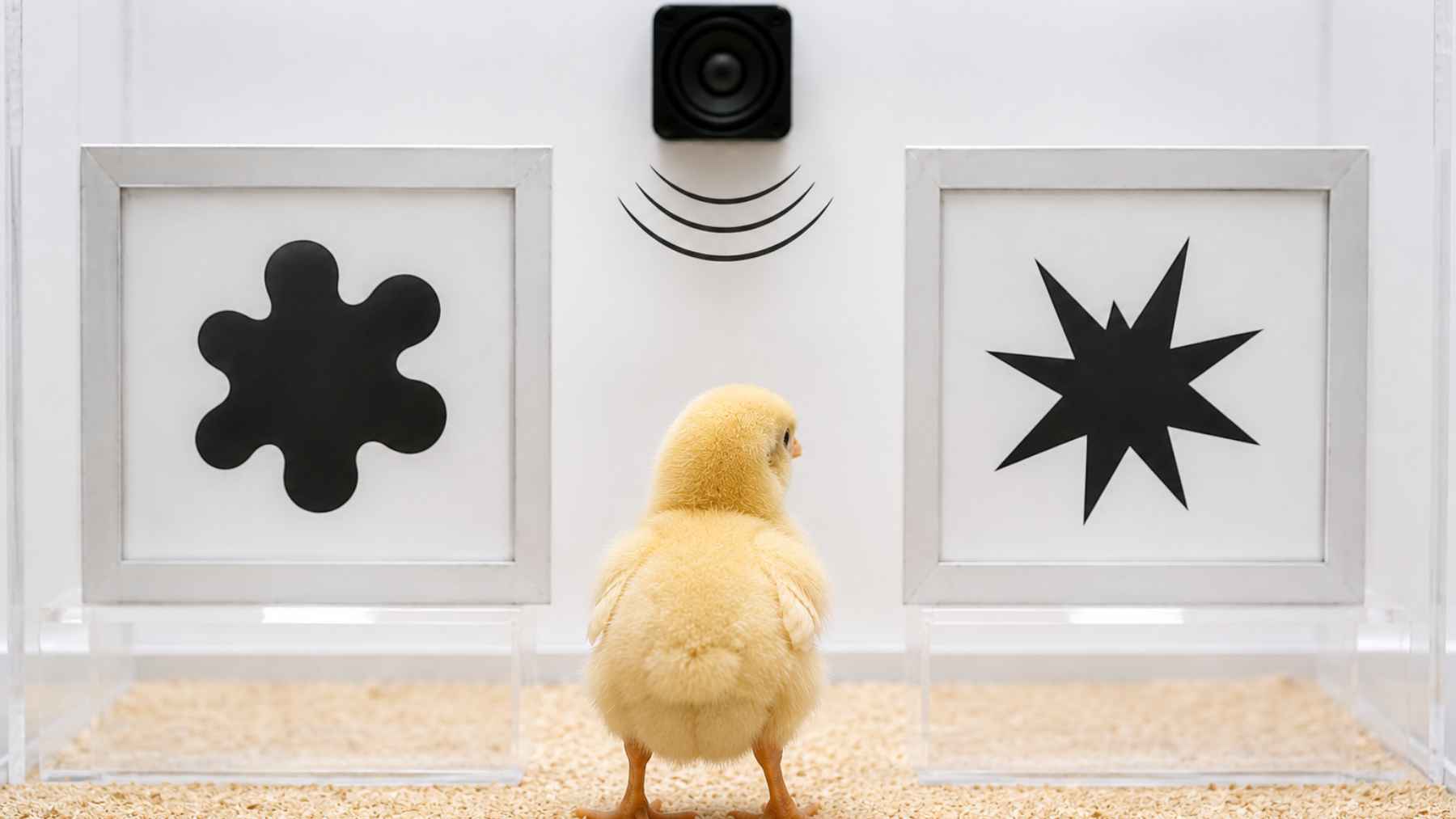
Chick in a lab experiment choosing between round and spiky shapes, illustrating sound-shape associations linked to early language perception.

A chick experiment strengthens the bouba-kiki effect, and the surprise is that a biological root of language may start long before words

—
June 8, 2026 at 5:00 PM
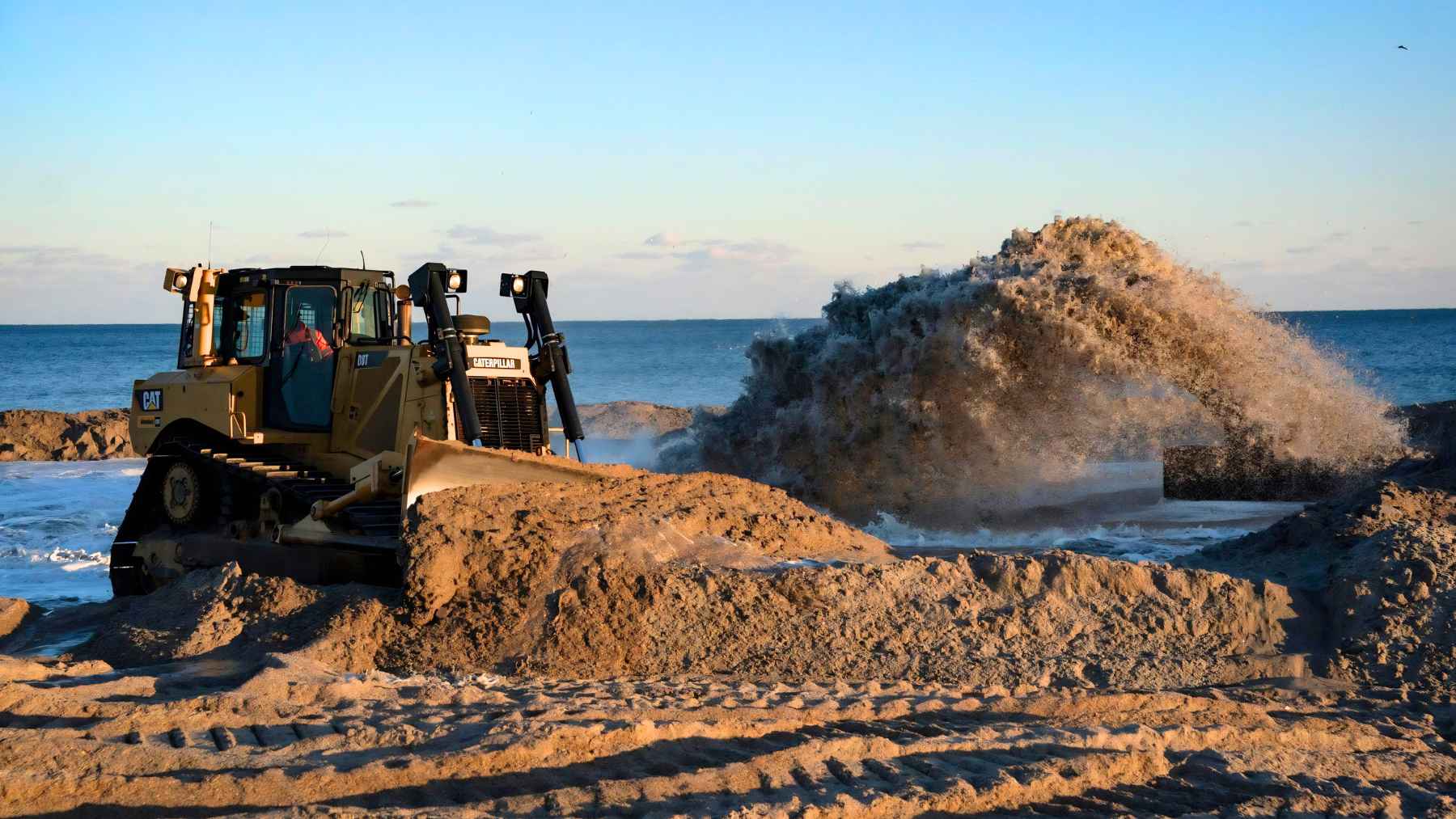
Bulldozer pushing sand on a beach as waves crash nearby, illustrating coastal restoration work in Portugal’s Algarve region.

Portugal moves about 2.2 million U.S. tons of sand in a mega-operation to save about 121 feet of Algarve beaches, and the plan shows the real cost of holding a coastline when the sea won’t negotiate

—
June 8, 2026 at 3:00 PM
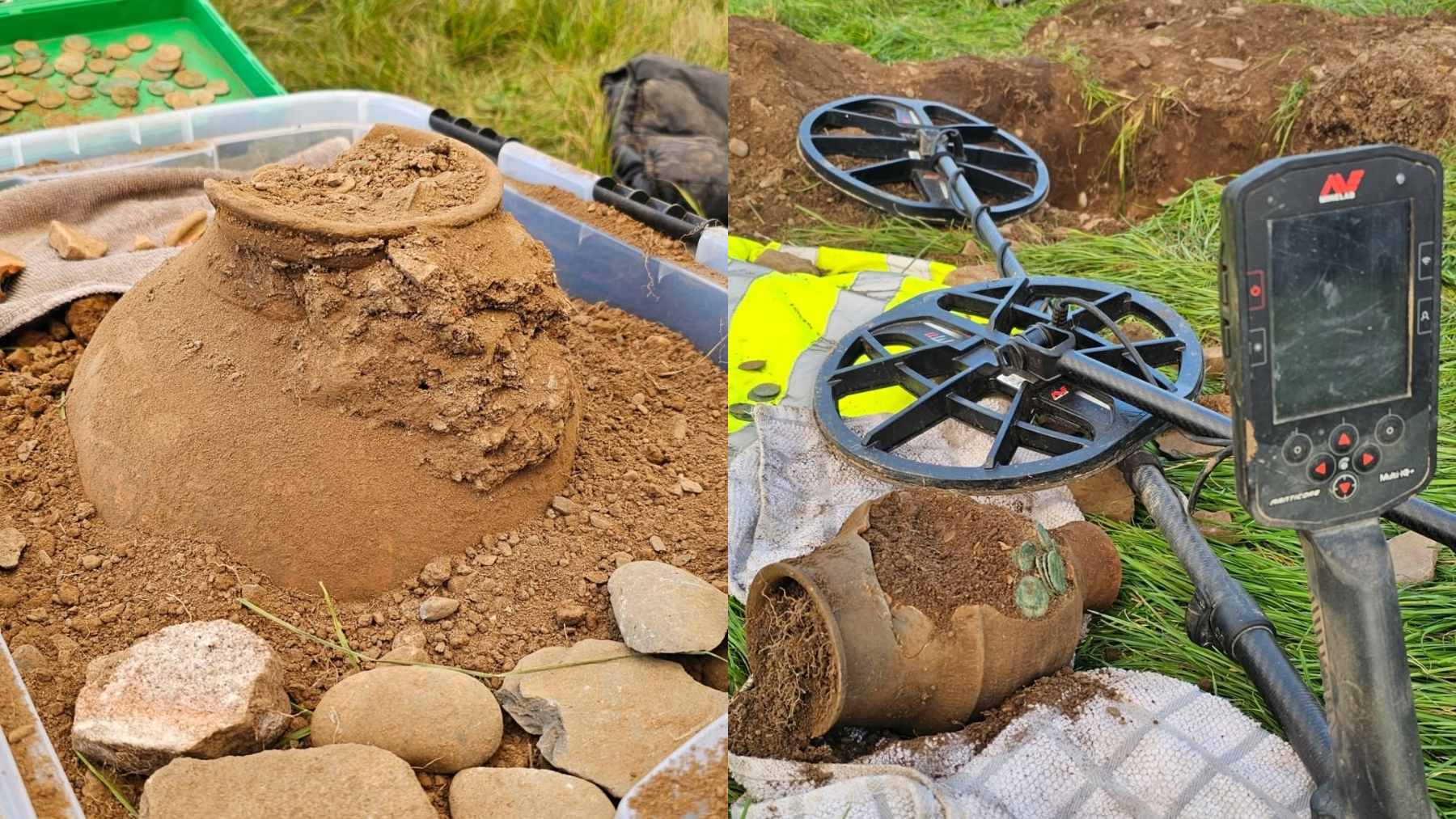
A collection of ancient Roman denarii and silver-washed radiate coins unearthed from clay vessels in North Wales.

A metal detector hobbyist finds 15,000 Roman coins in a field, and the hoard triggers the obvious question: who hid that much wealth and never came back?

—
June 8, 2026 at 6:30 AM
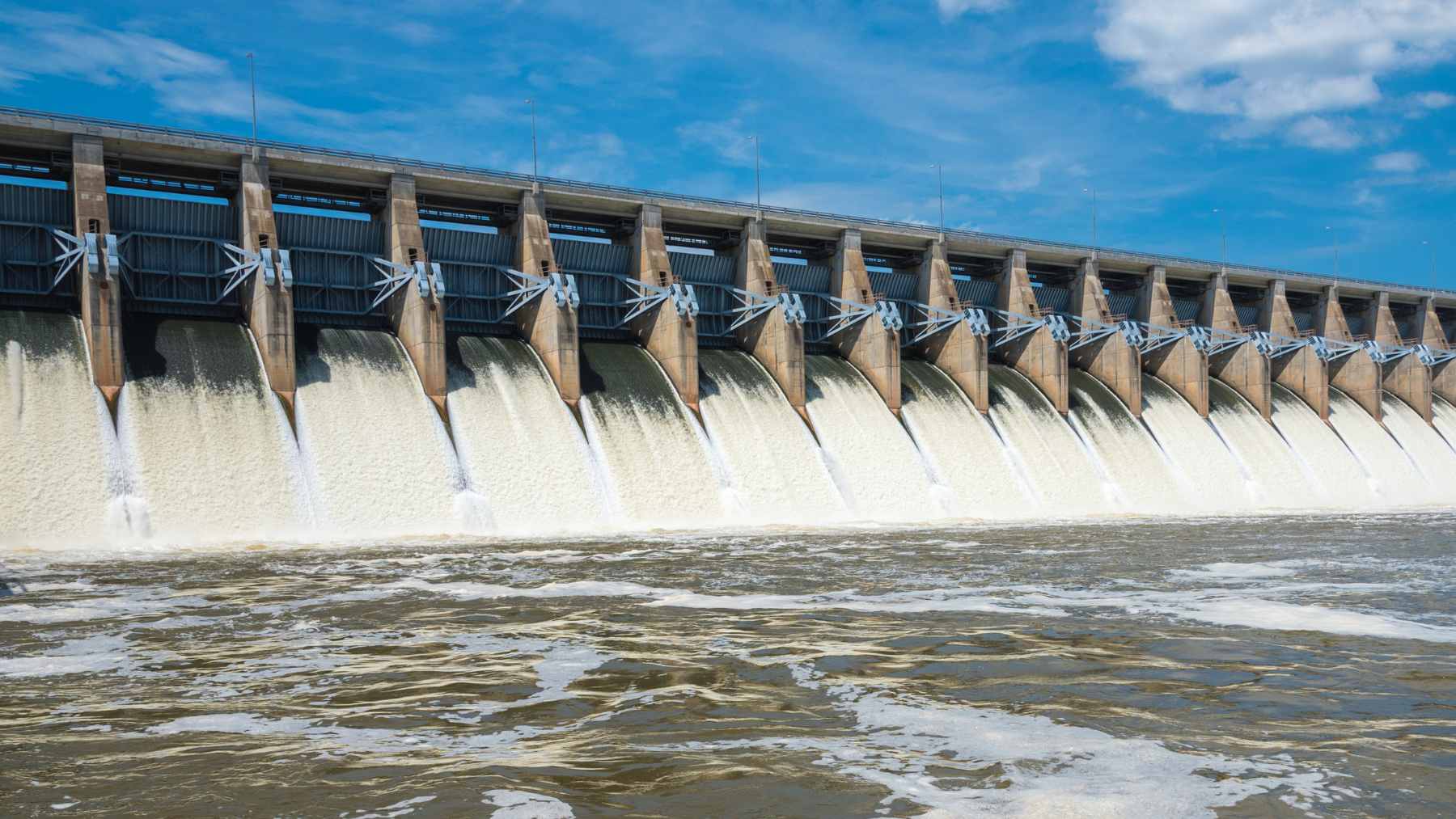
An aerial rendering of the proposed Padma Barrage construction site near Pangsha, highlighting the 1.3-mile infrastructure spanning the river.

Bangladesh approves the Padma River barrage to store water for the dry season and benefit 70 million people

—
June 7, 2026 at 5:00 PM
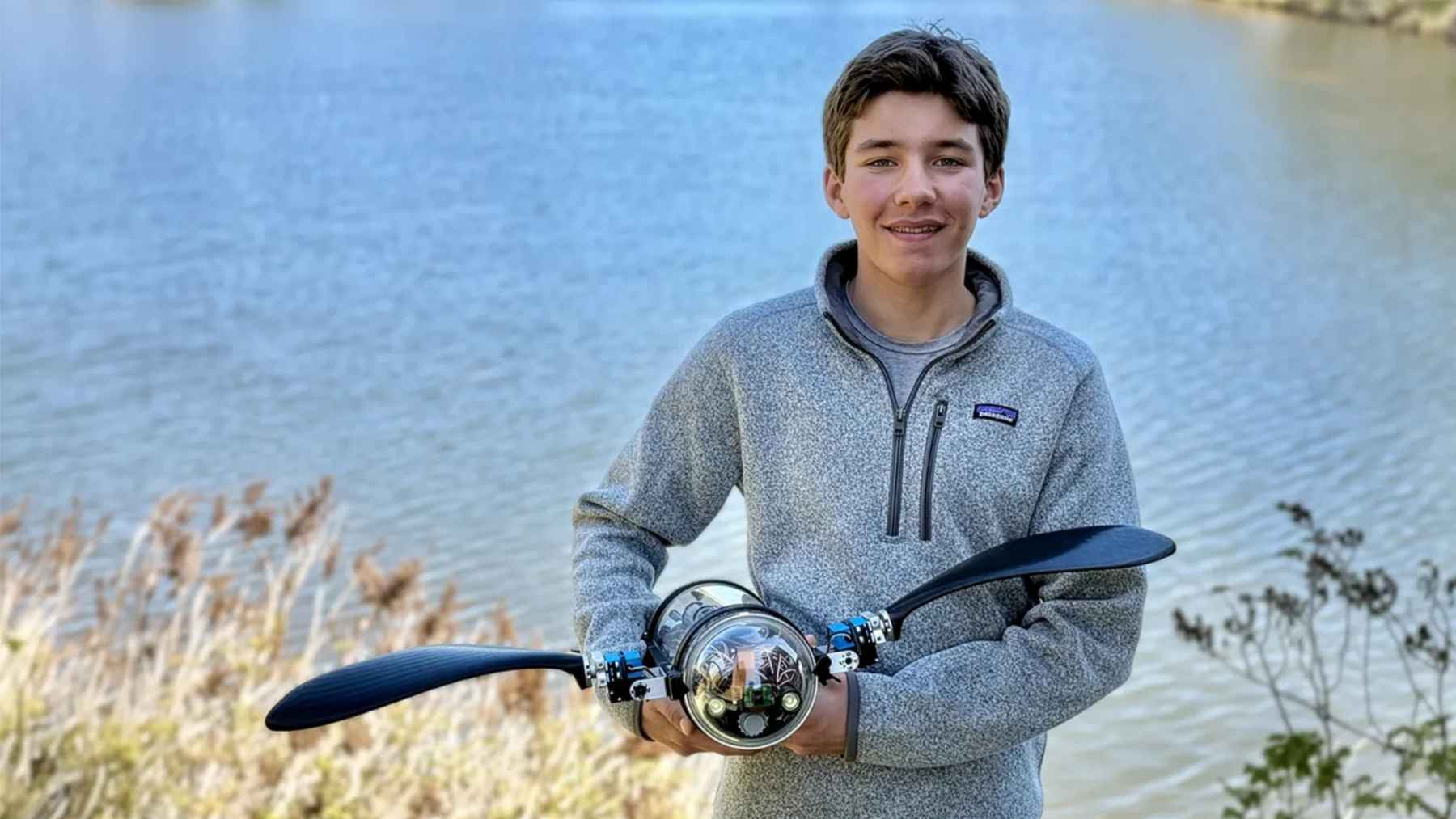
BURT, a bionic underwater robotic turtle powered by AI, designed to detect coral bleaching, invasive species, and plastic pollution.

A 15-year-old in Ontario built a bionic underwater “robot turtle” that swims like a snapping turtle instead of using loud propellers, and its onboard AI can flag coral bleaching, invasive species, and plastic waste with 96% detection accuracy

—
June 7, 2026 at 12:30 PM
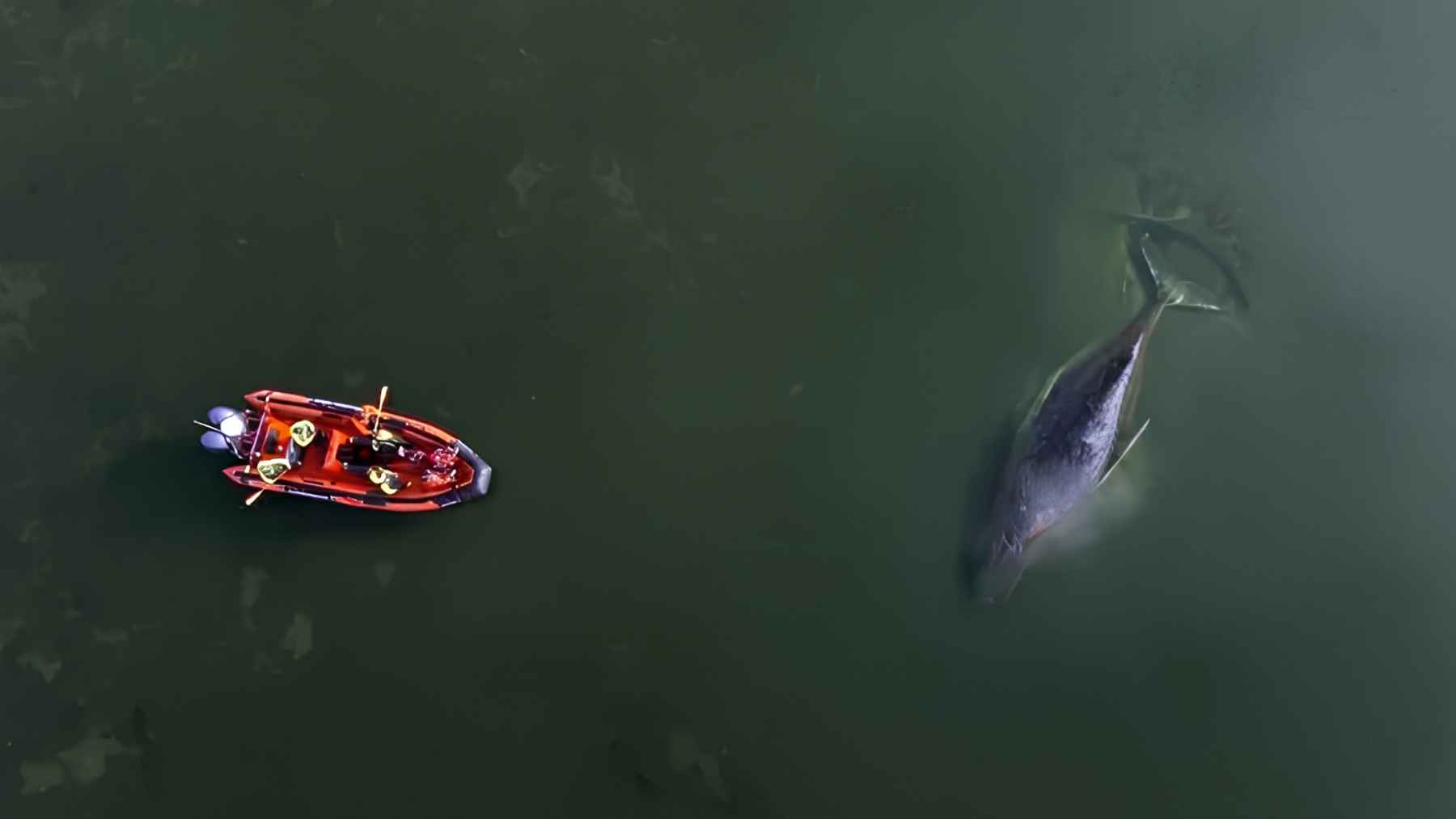
Timmy the stranded humpback whale during rescue efforts after repeated strandings in shallow Baltic Sea waters.

Germany let a last-ditch rescue try to save “Timmy,” a humpback stranded on a sandbank, and after a privately funded operation costing about $1.6 million to tow him toward the North Sea, Danish authorities confirmed the whale was found dead near Anholt

—
June 7, 2026 at 8:45 AM
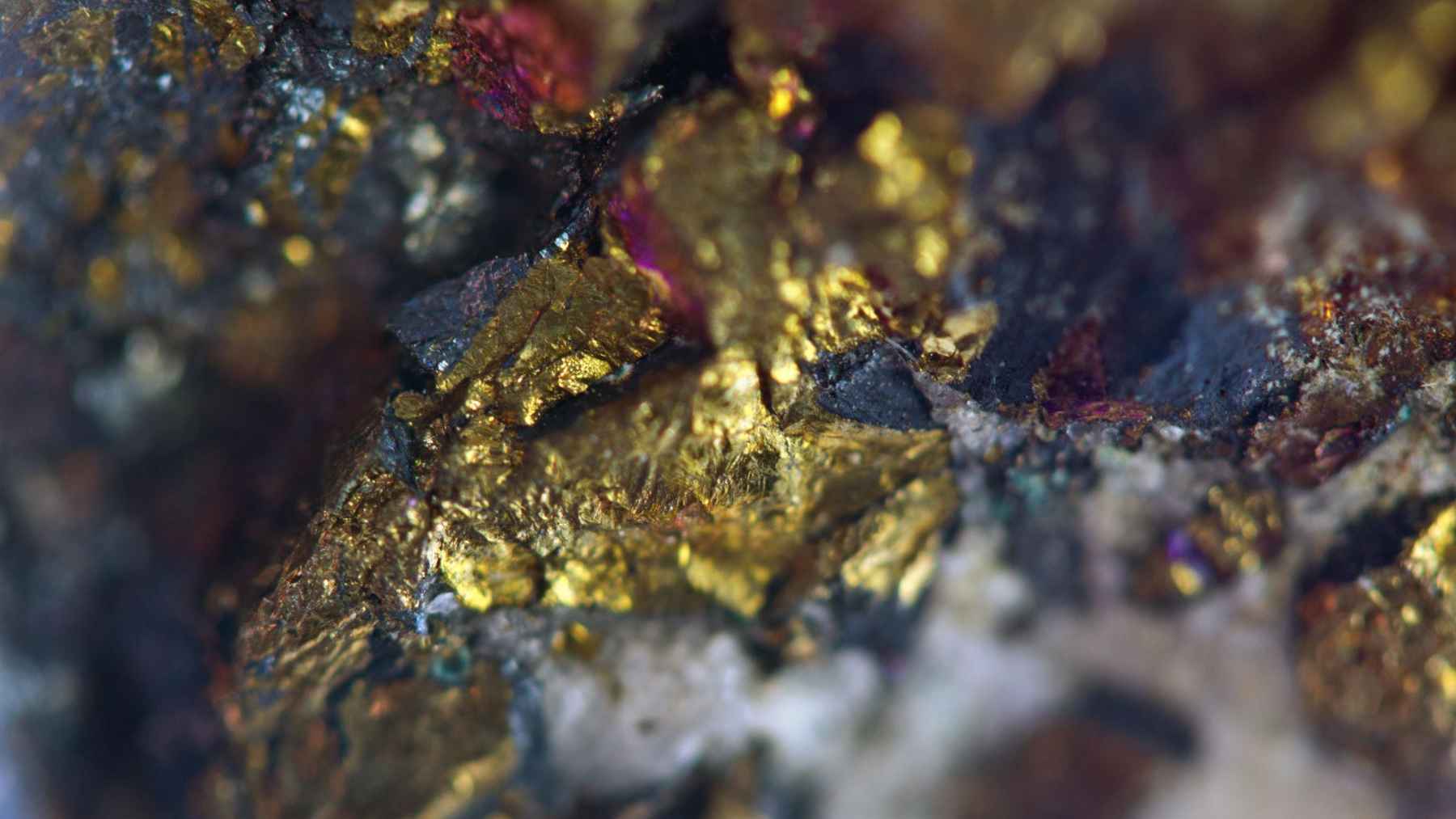
Close-up of gold crystals with metallic shine and textured surface, representing gold under experimental conditions.

Scientists accidentally discover gold can be chemically reactive by creating gold hydride, and the experiment cracks the myth that gold is always inert

—
June 6, 2026 at 6:30 PM
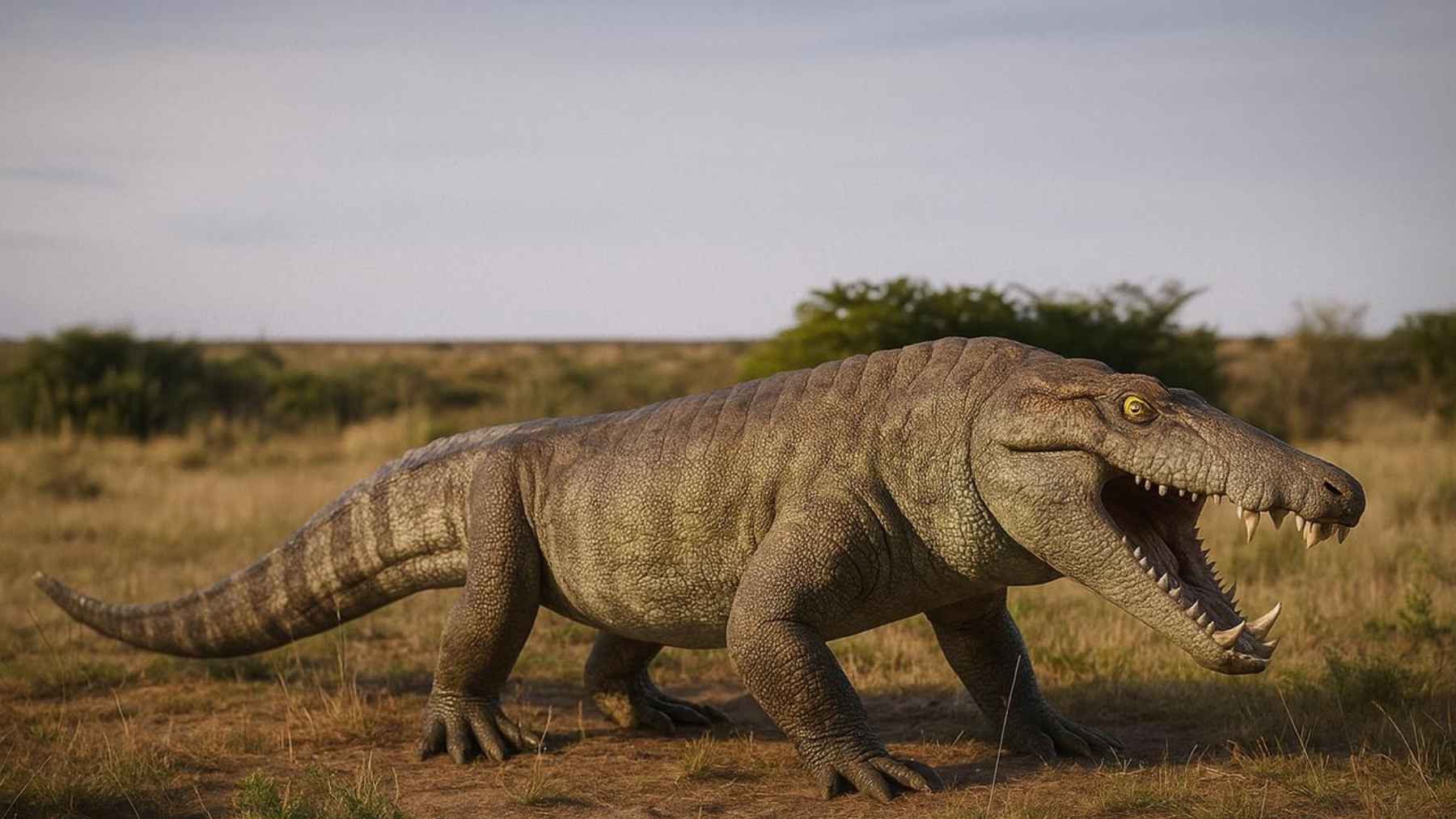
Illustration of a large prehistoric crocodile-like predator with open jaws in a dry landscape, representing a dinosaur-hunting species.

Scientists find the skeleton of a killer crocodile that hunted dinosaurs 70 million years ago, and its anatomy tells the story of predators that ruled without permission

—
June 6, 2026 at 5:00 PM
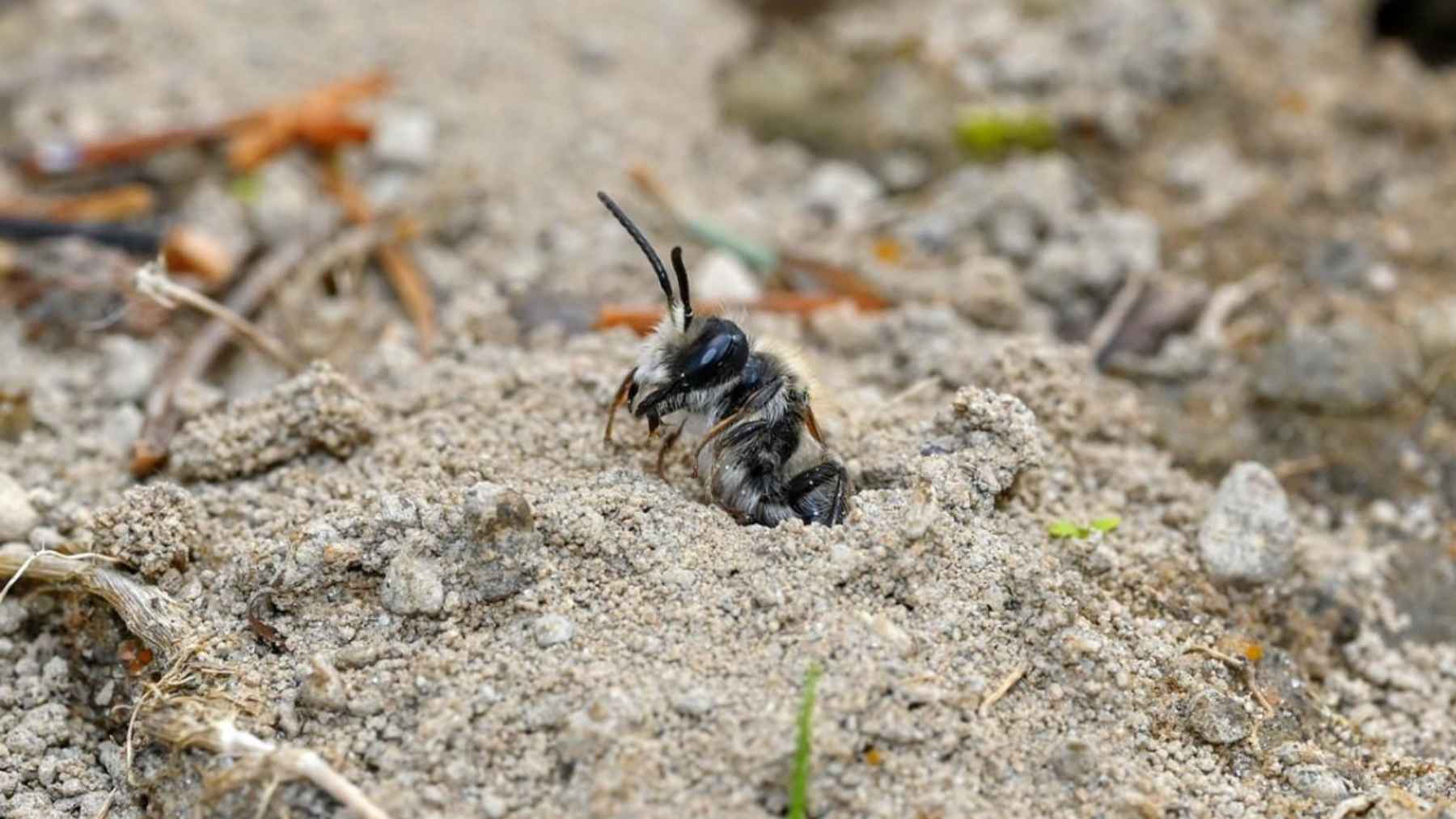
A ground-nesting mining bee emerging from a small burrow in sandy soil.

Millions of bees are found nesting underground in a massive colony, and the scale forces a rethink of how we protect pollinators beyond hives

—
June 6, 2026 at 12:30 PM
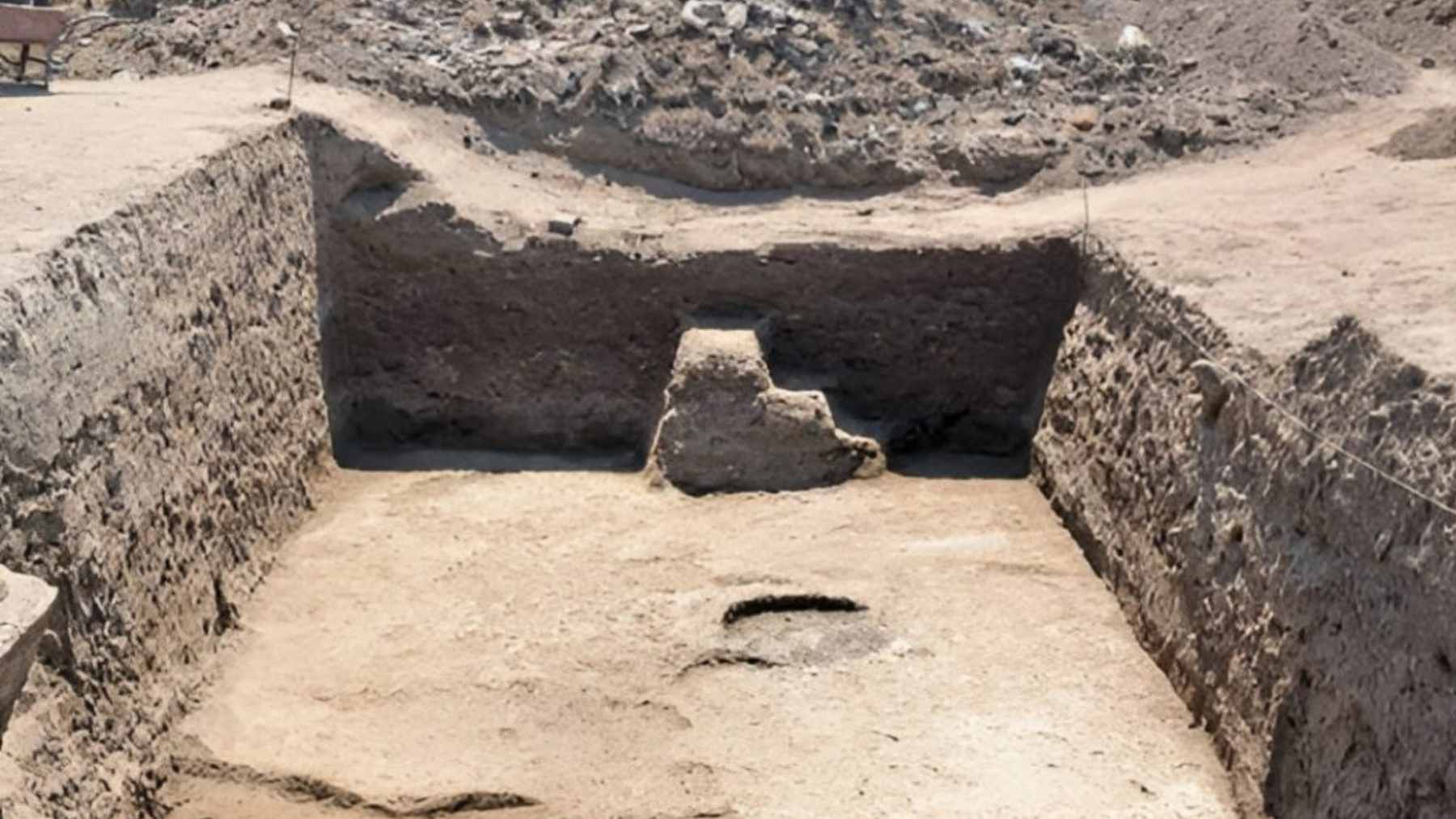
Archaeologists excavating the mudbrick walls of multi-story tower houses in the ancient city of Imet.

Archaeologists rediscover Egypt’s 2,500-year-old “ghost city” of Imet, and the find brings streets and buildings back from under the desert

—
June 6, 2026 at 8:45 AM
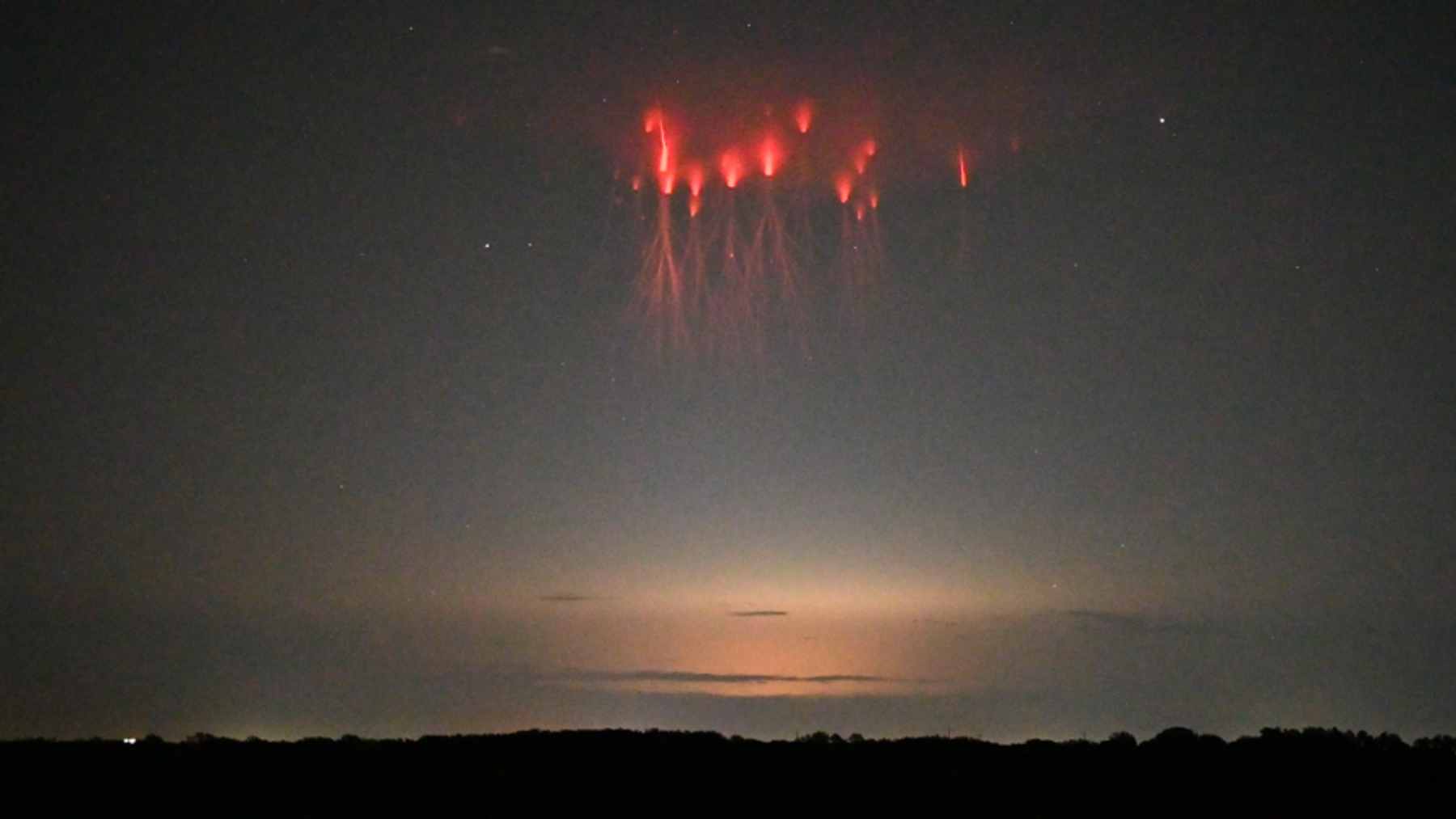
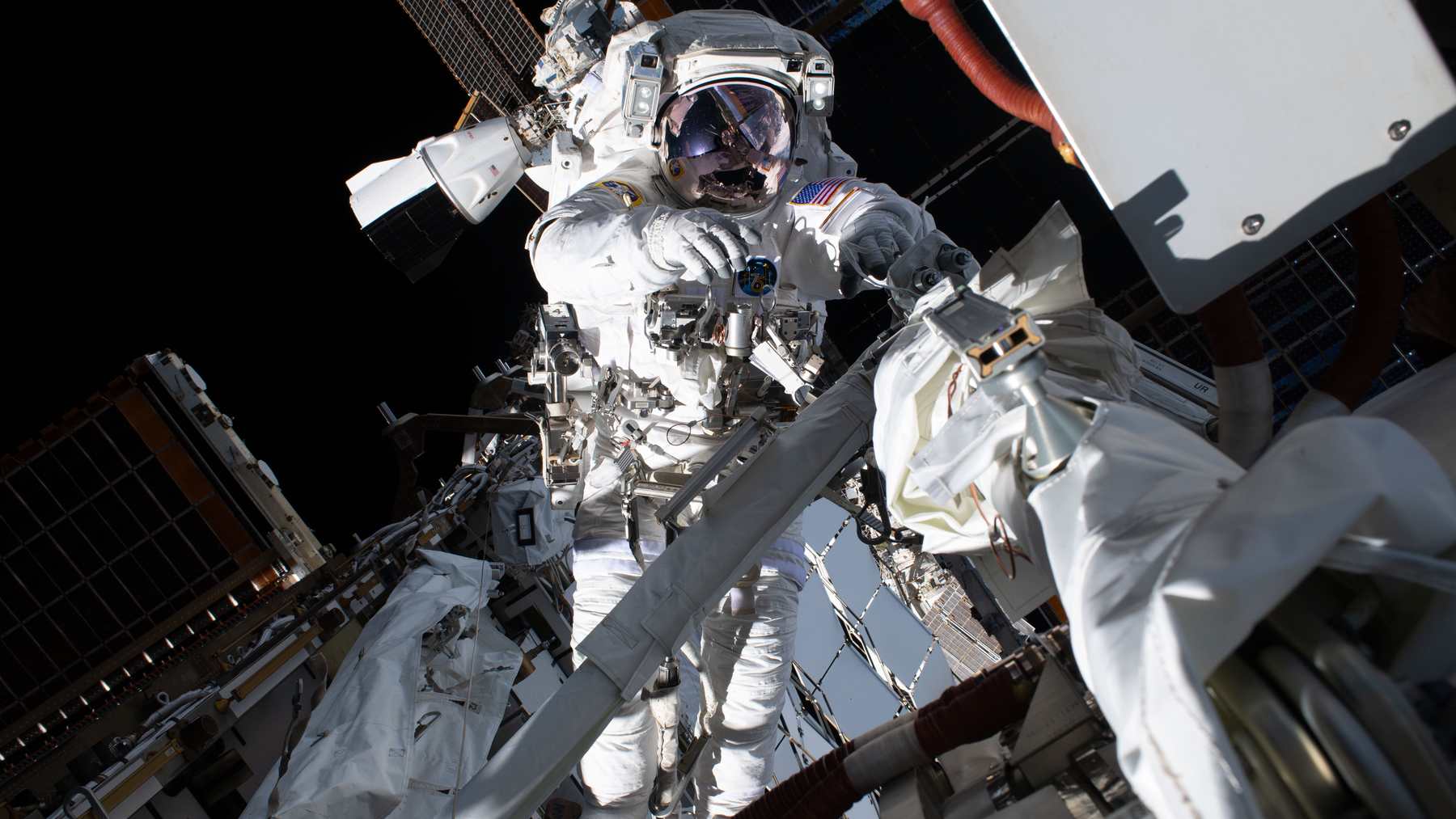
A view from the International Space Station showing a vibrant red gigantic jet lightning event discharging above a thunderstorm.

NASA astronauts capture rare red “sprites” above storms from the space station, and the scene reveals a kind of lightning so high and elusive we usually miss it

—
June 6, 2026 at 6:30 AM
A modular bloc terracotta wall structure designed to cool urban transit stops using water evaporation and solar-powered airflow.

Two young inventors design a brick that can cool cities using electricity, and the idea points to buildings that stop being part of the heat problem

—
June 5, 2026 at 6:30 PM
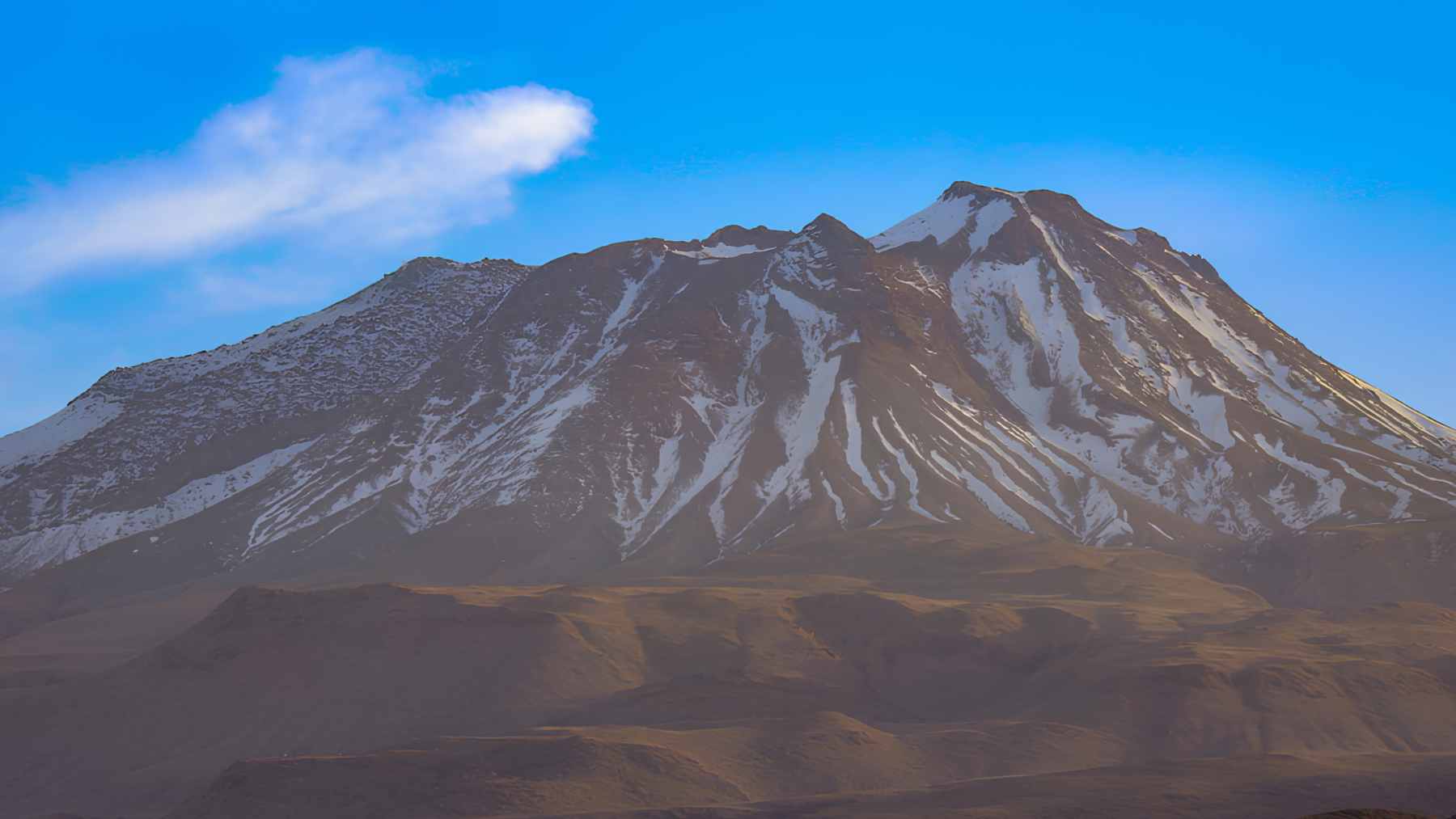
A satellite radar image overlay showing ground elevation changes at the summit of Taftan volcano in southeastern Iran.

Iran’s remote Taftan volcano stirs after 700,000 silent years, and the return of activity is a reminder Earth keeps longer clocks than human memory

—
June 5, 2026 at 5:00 PM
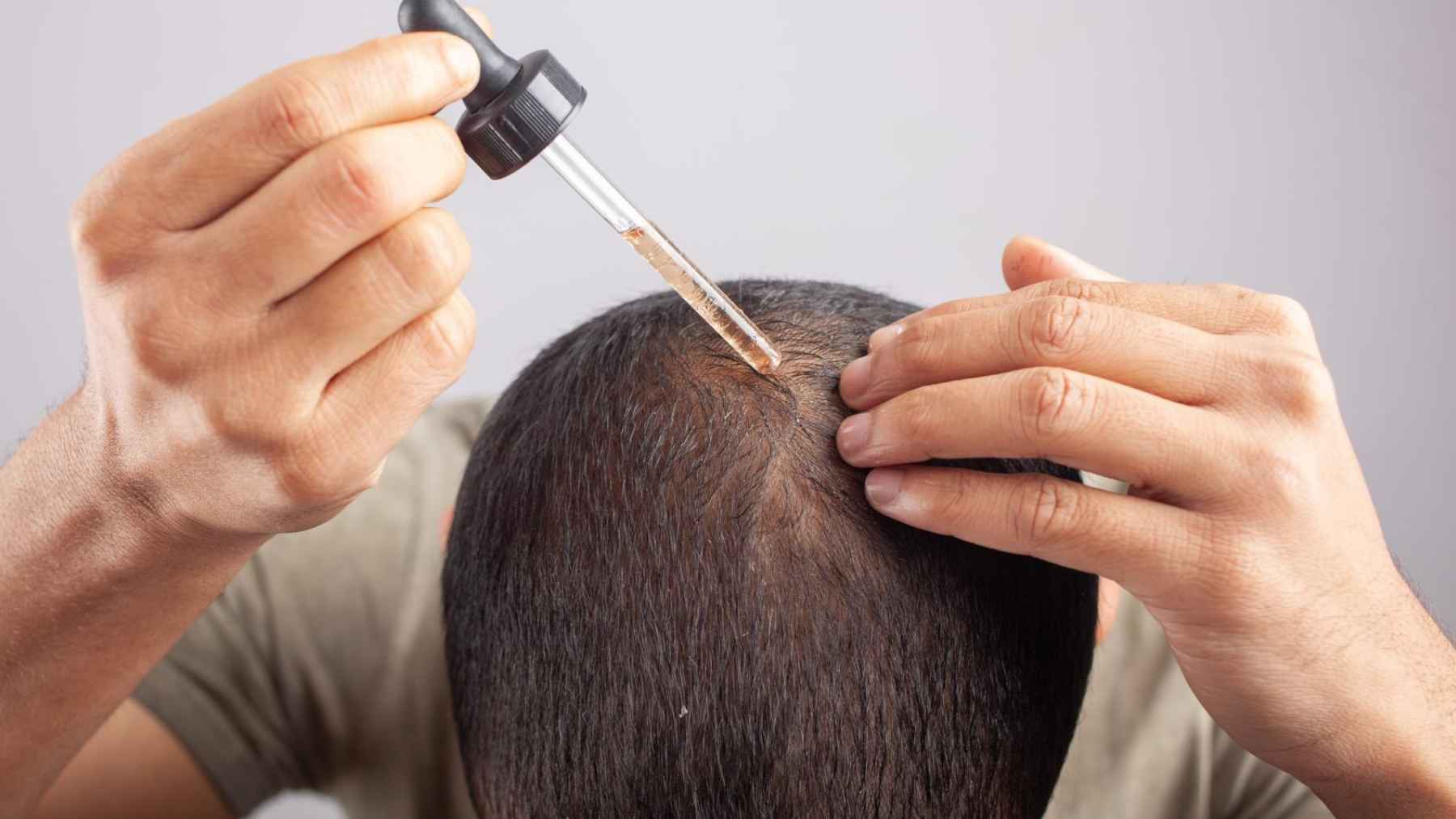
Applying a hair growth serum with a dropper to thinning areas on the scalp.

Scientists develop a plant-based serum that regrows hair in lab tests within weeks, and the results spark equal parts hope and caution

—
June 5, 2026 at 12:30 PM
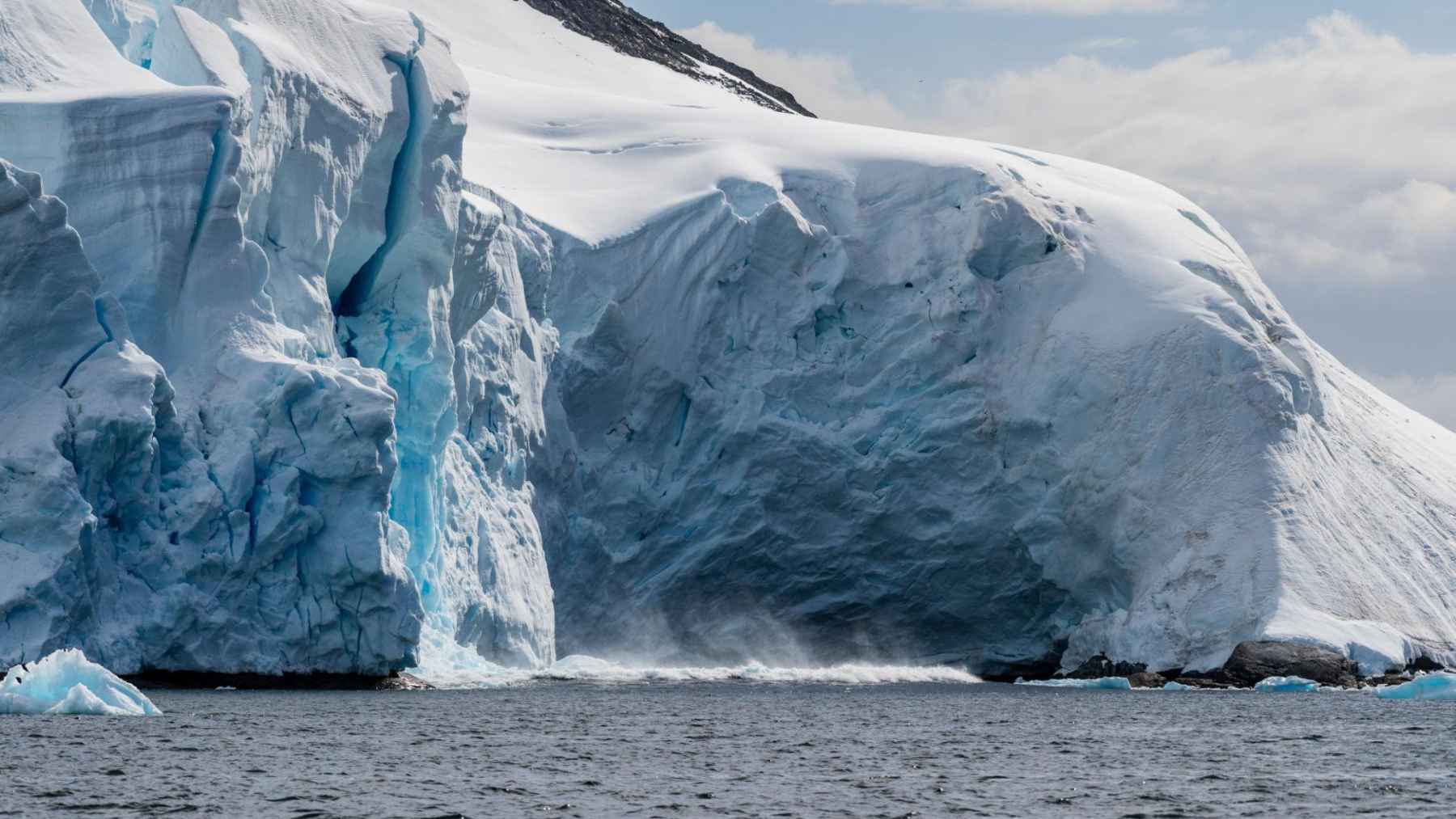
Large Antarctic glacier breaking into the ocean, illustrating ice shelf instability and melting processes.

Researchers find that the more Antarctic ice melts, the more warm water reaches the underside of ice shelves, and that feedback loop can accelerate a melt that’s hard to stop

—
June 5, 2026 at 10:15 AM
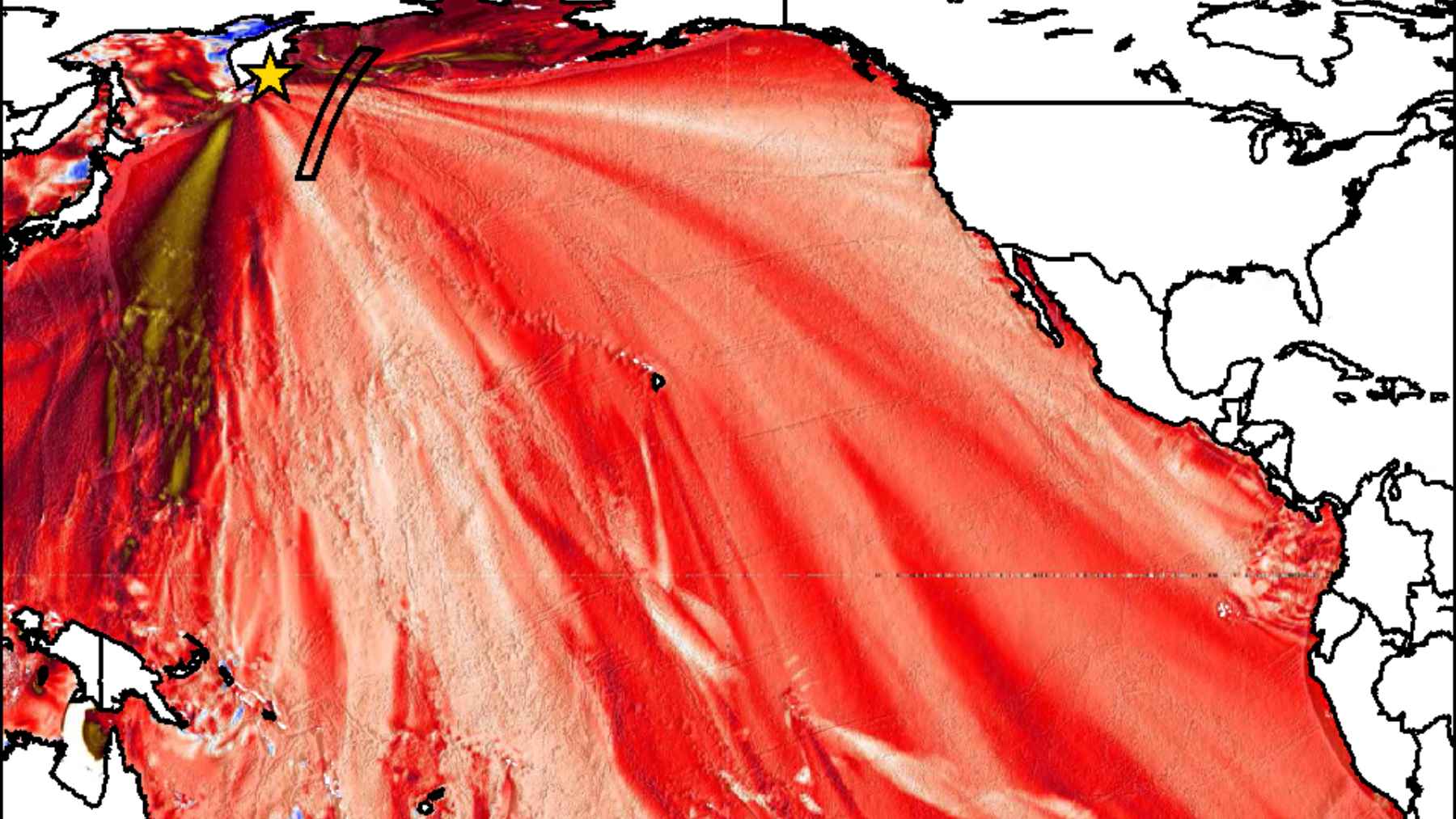
High-resolution map showing tsunami wave propagation across the Pacific Ocean captured by satellite data.

The SWOT satellite captures the first detailed high-resolution view of a massive Pacific tsunami, and the imagery helps explain how an ocean-crossing wave actually travels

—
June 5, 2026 at 8:45 AM
Previous Next

ECOnews alerts

Get the most relevant environment stories as soon as we publish them

ECOnews is the English-language edition of ECOticias.com, focused on environmental and sustainability news for a global audience: mobility, energy, economy, technology, science, environment and trending stories.
© 2026 ECOnews · ECOticias.com, the green newspaper since 2004 ↑ Top