

ECONEWS
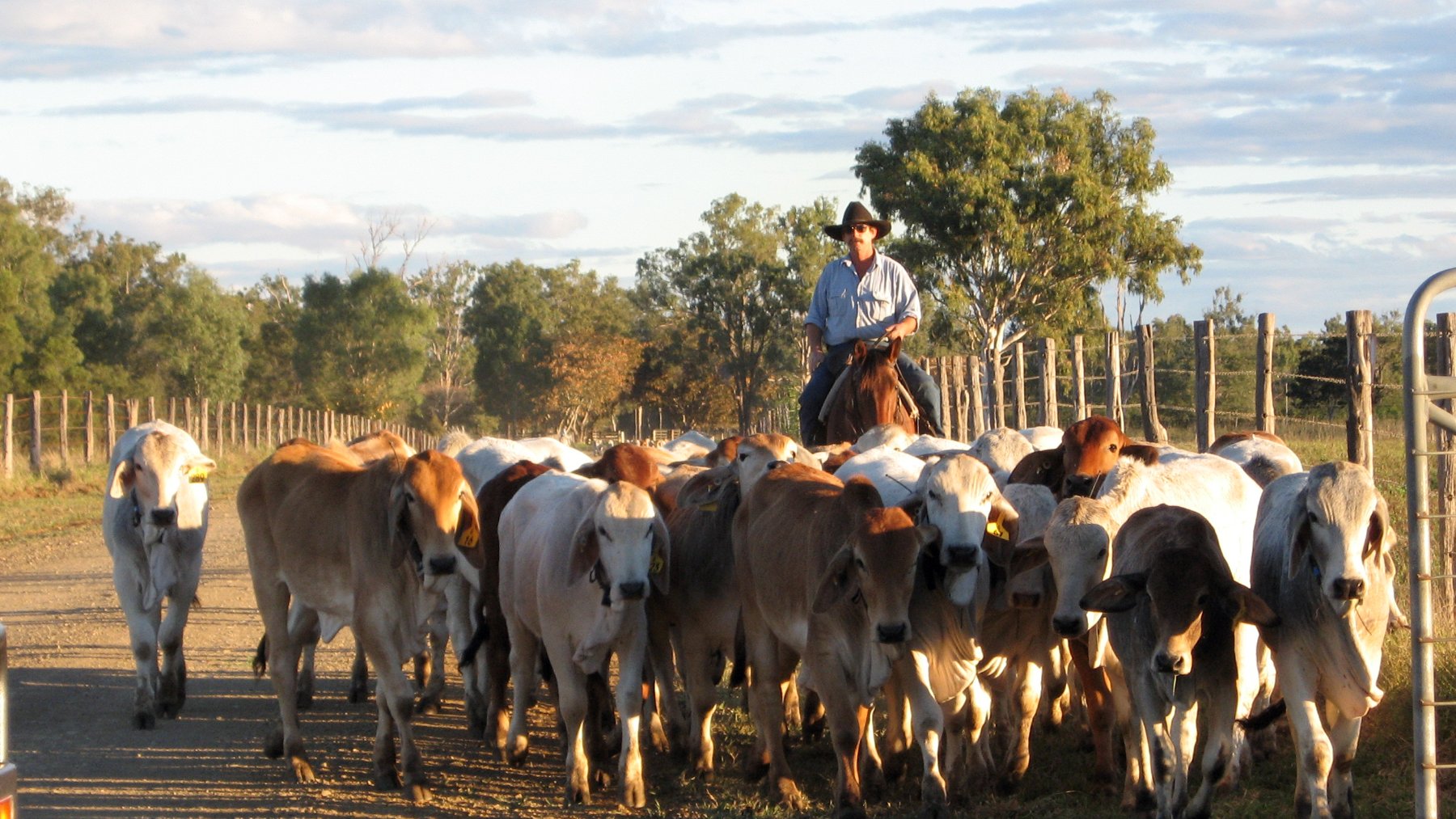
The world’s largest working cattle station spans about 6,080 square miles and holds 17,000 cattle, yet its headquarters runs mainly on just 49 kW of rooftop solar and batteries, with careful planning essential because forgetting one critical part can mean a 1,120-mile round trip
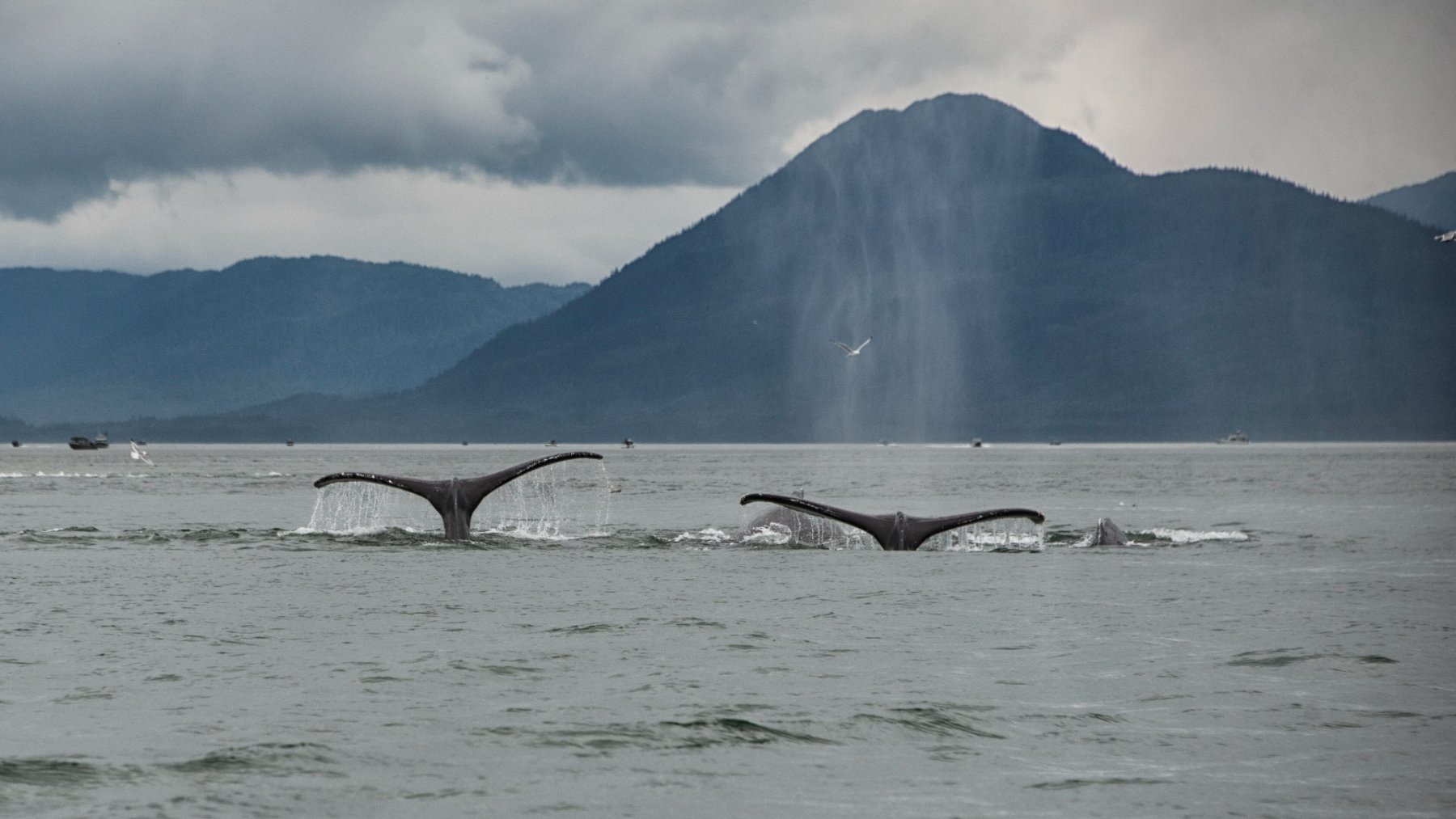
A juvenile humpback whale in Alaska was trapped by two 800-pound crab pots anchored to the seafloor, and after five hours rescuers made four carefully placed cuts that freed the animal to swim away, although a piece of rope remained threaded through its mouth
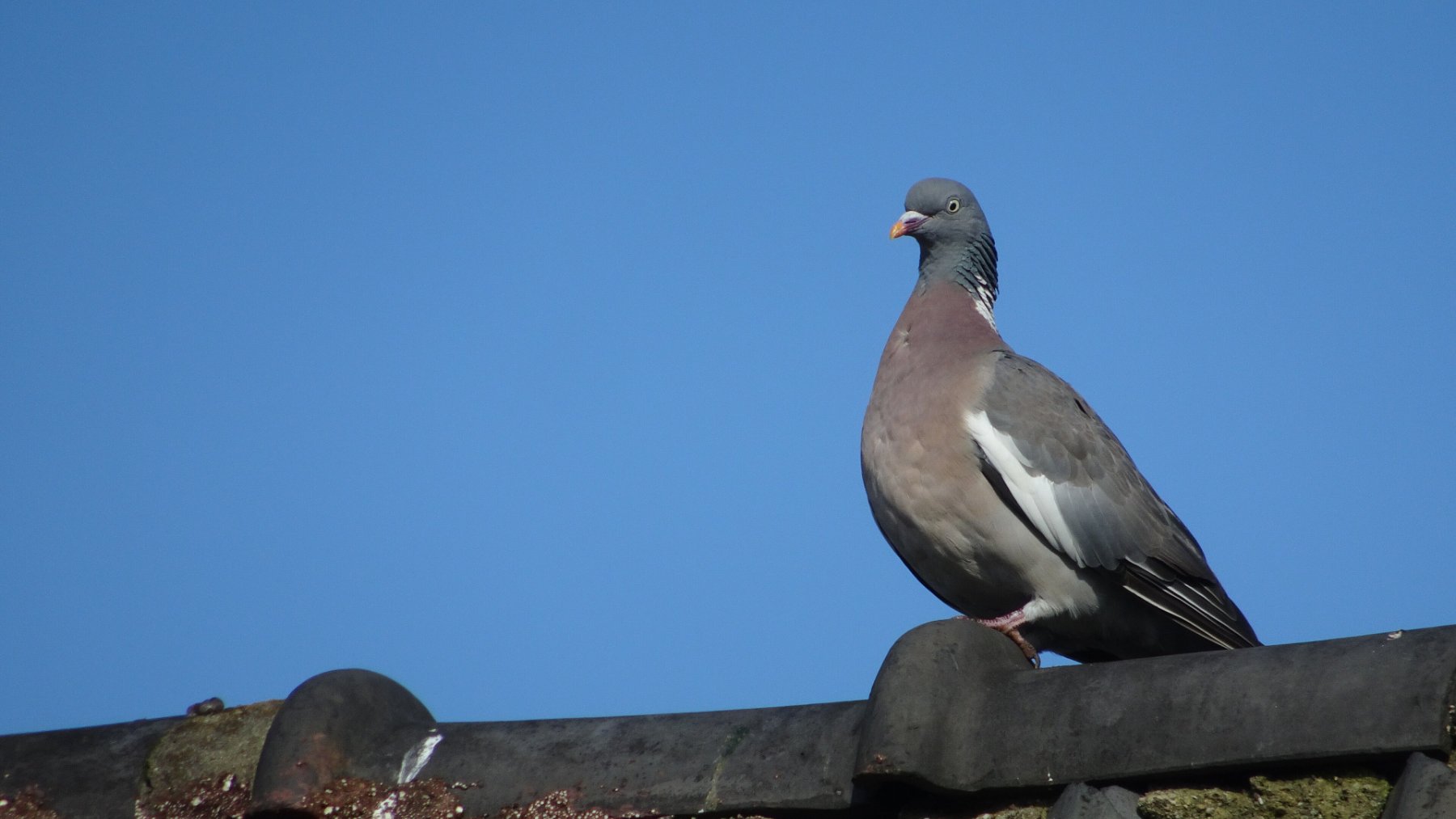
Phoenix homeowners are discovering that the shaded gap beneath rooftop solar panels can become a nesting spot for pigeons, and experts say a simple mesh barrier may work better than ultrasonic gadgets while protecting airflow and keeping droppings from reducing solar output
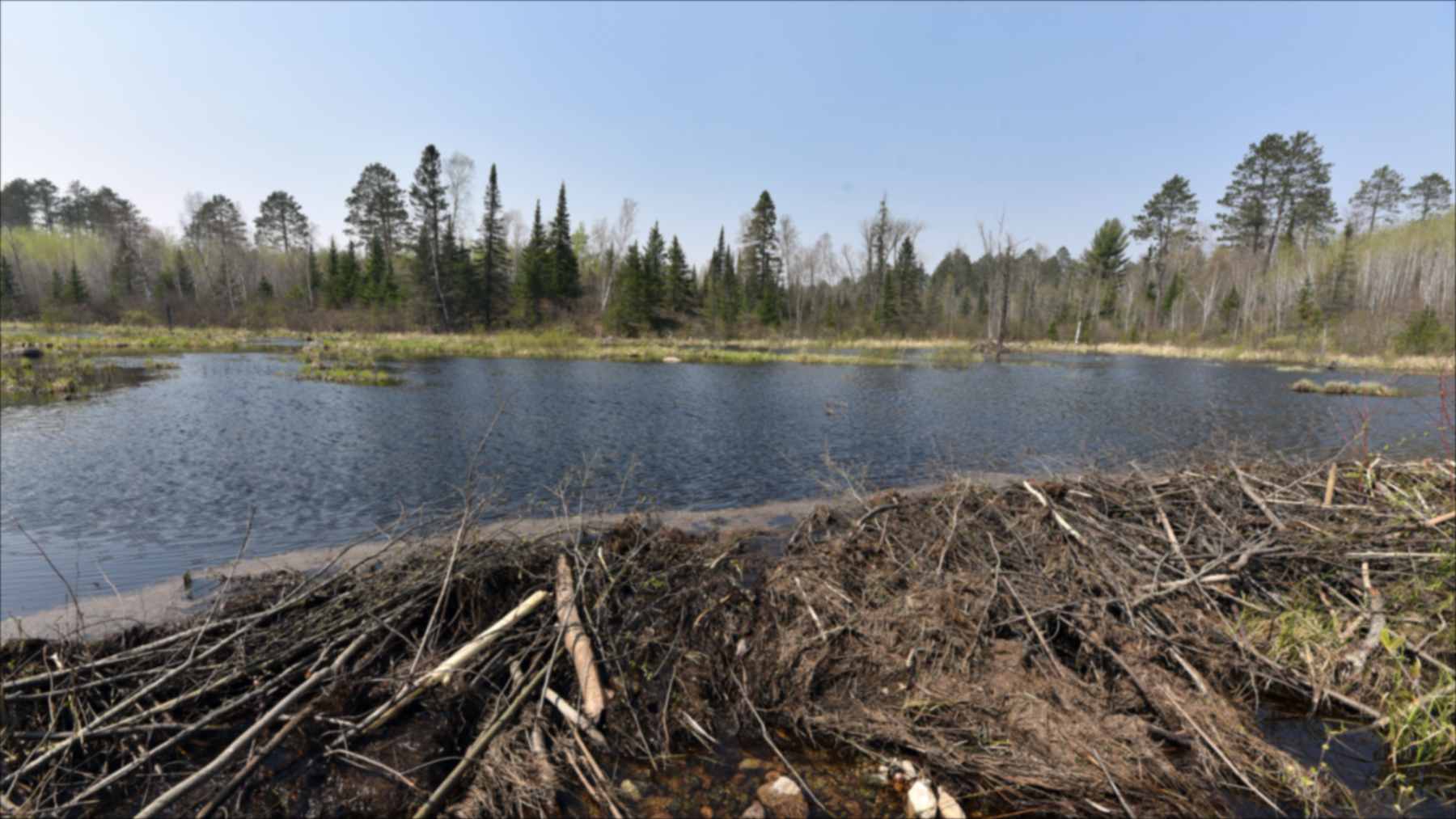
Two beavers released in Dorset built a 115-foot dam in a single year and turned a shaded wood into a wetland where an otter fishes and a barn owl hunts, and the dam is still holding water through the drought
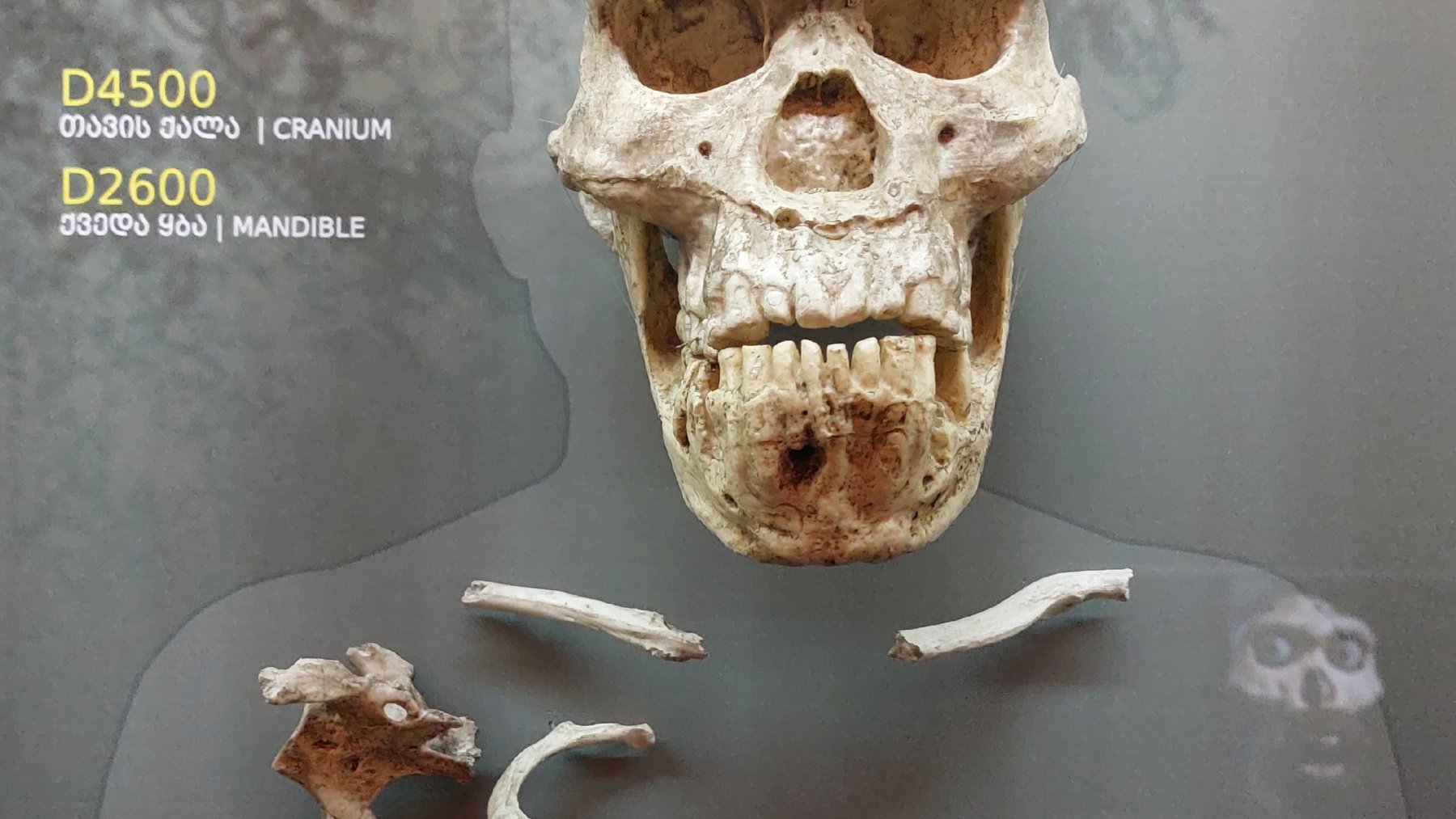
Scientists compared 87 human skulls spanning multiple Homo lineages and found that our bigger brains and smaller faces may not have emerged through a steady evolutionary push, but through long periods of anatomical stability interrupted when biological and environmental constraints finally loosened
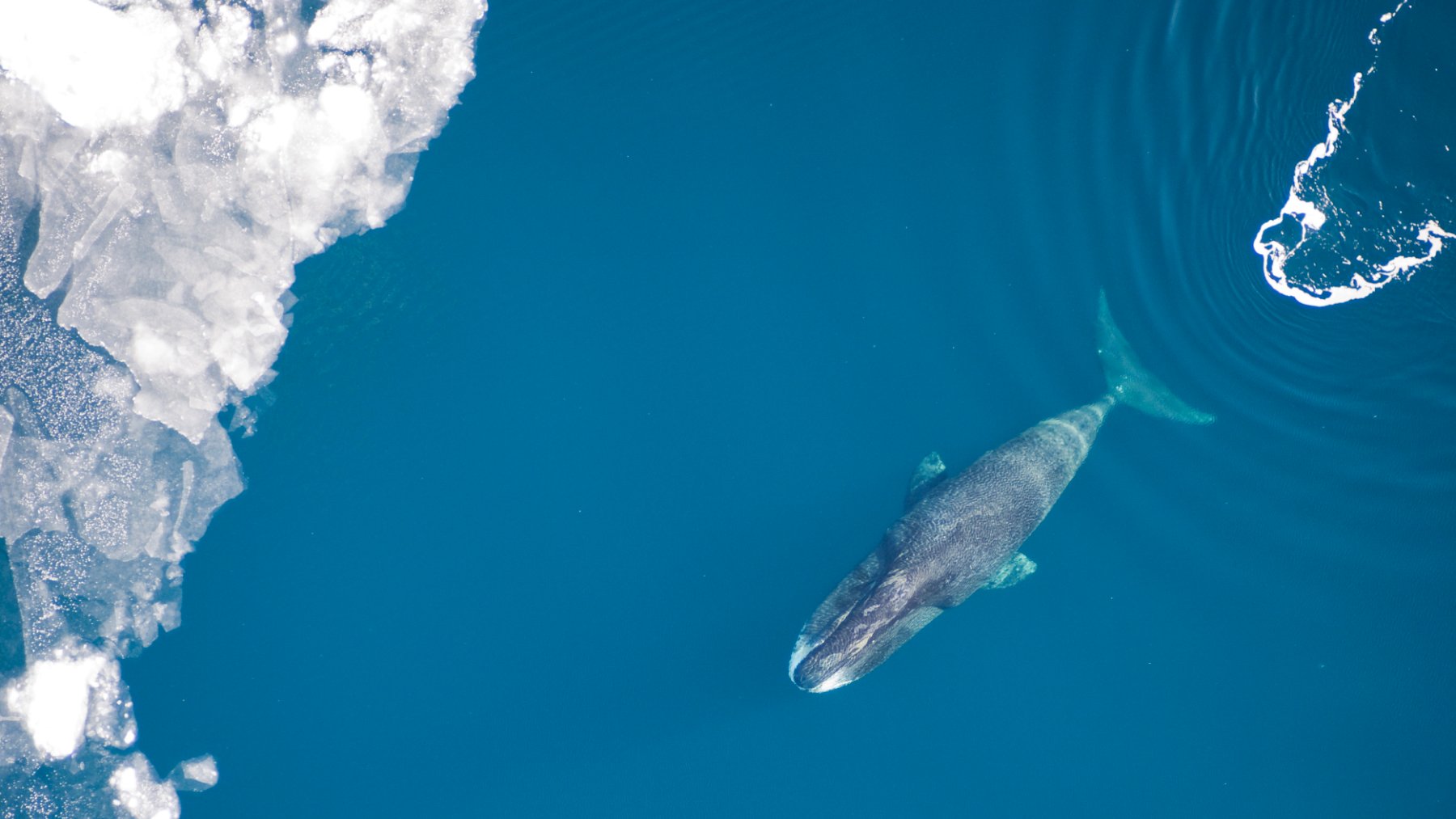
Bowhead whales can live for more than 200 years despite weighing up to 200,000 pounds, and scientists found their cells repair dangerous DNA breaks unusually well, with one protein even improving DNA repair in human cells and extending lifespan in fruit flies
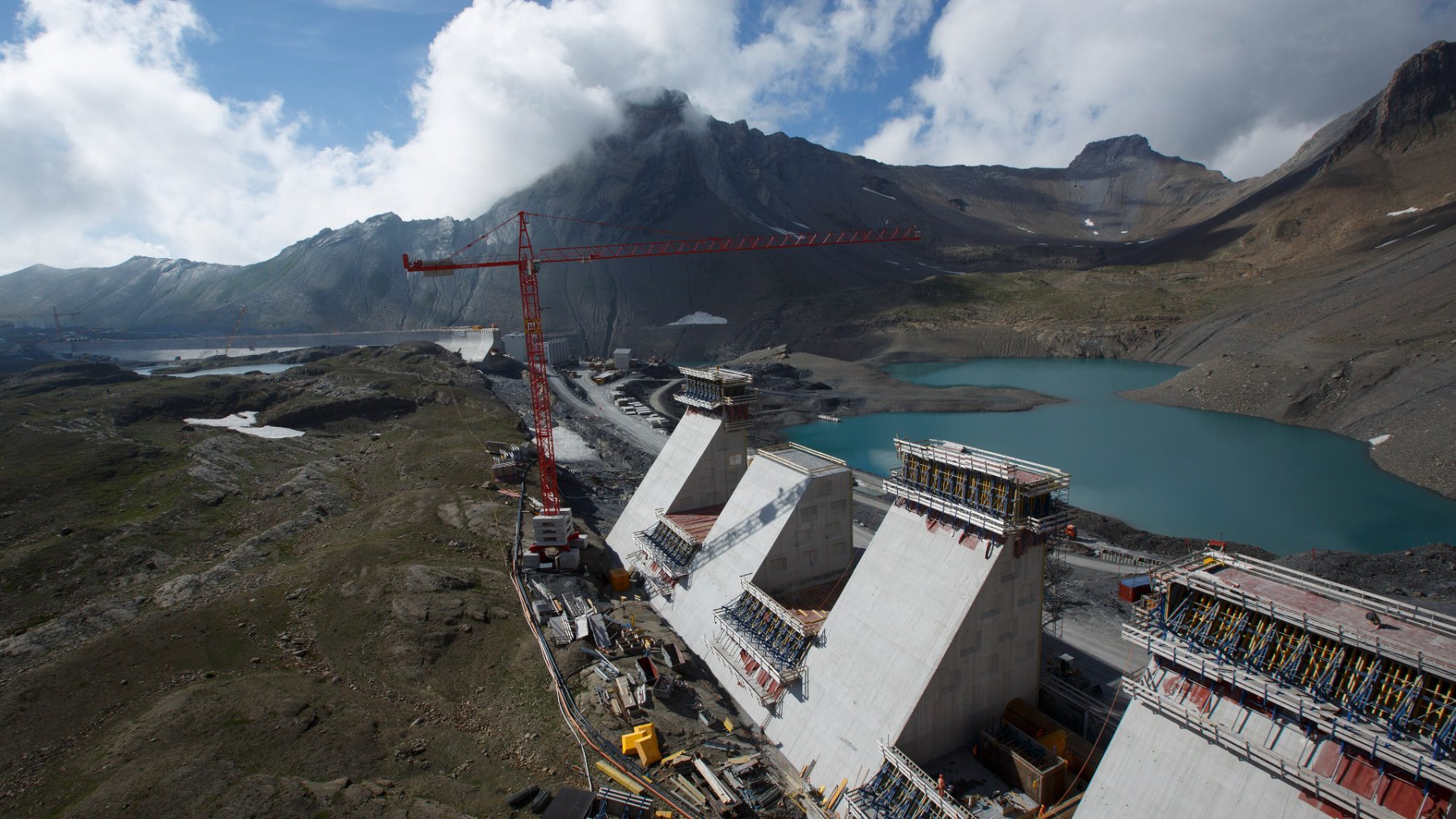
Engineers hung 4,872 solar panels on a Swiss dam 8,200 feet above sea level while leaving a five-foot corridor behind them for inspections, and the first measured year showed the mountain installation produced 43% of its electricity during the winter half of the year
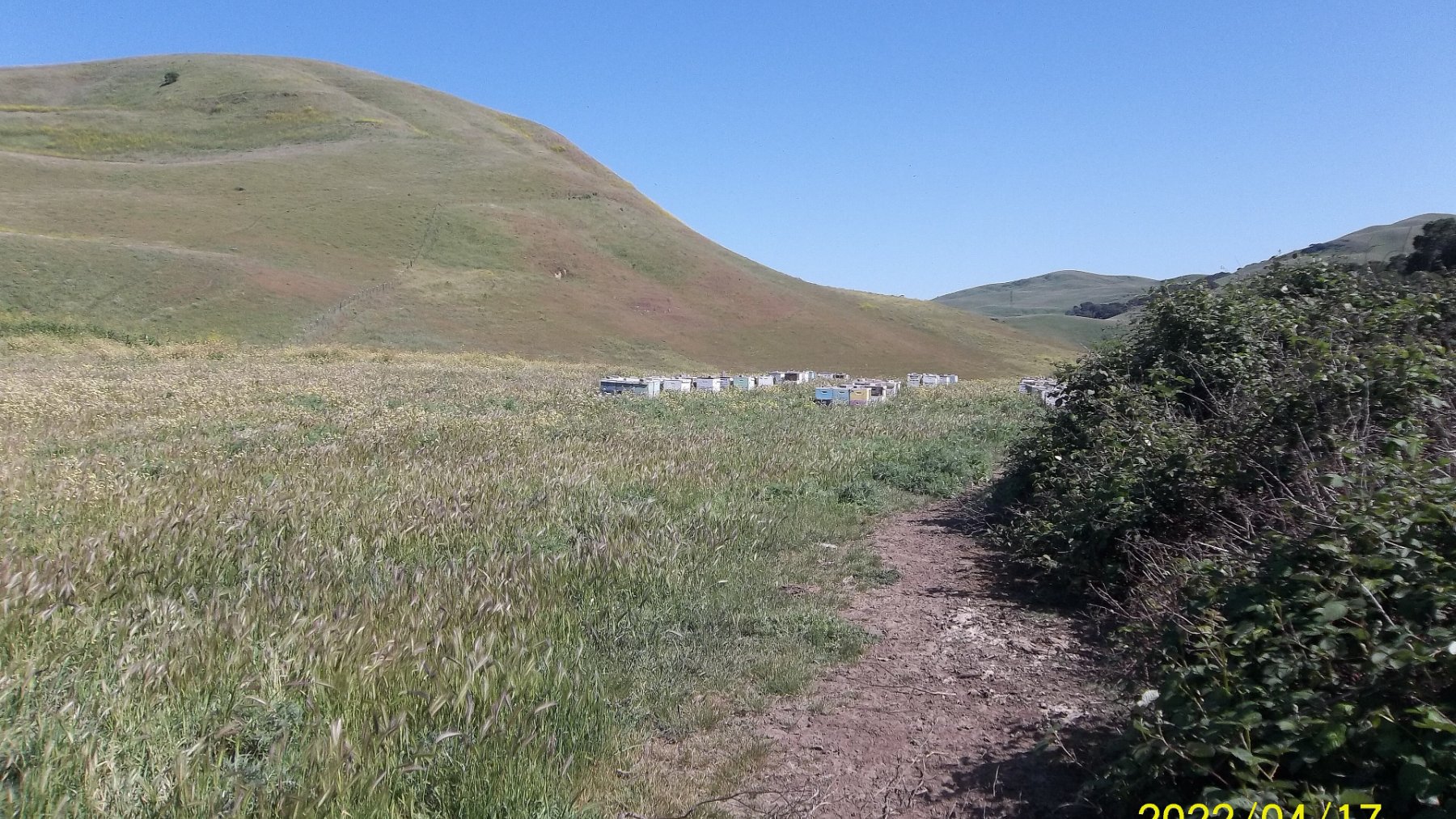
An Ohio solar farm now shares its 196-megawatt site with more than 50 beehives and nearly 3 million honey bees, turning land around the panels into pollinator habitat while veteran beekeepers use the project to train other veterans and first responders in caring for colonies
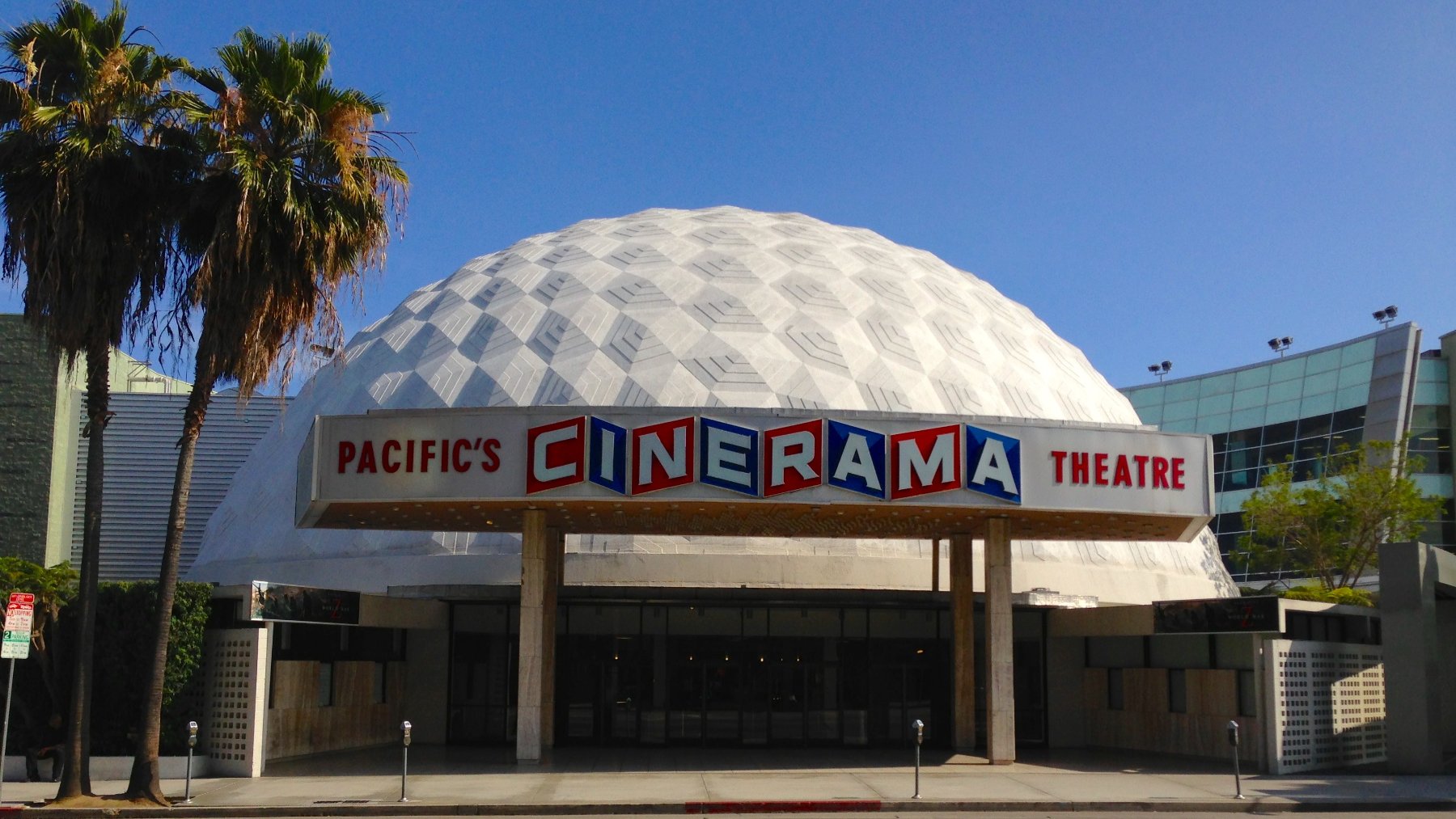
Hollywood’s iconic Cinerama Dome closed during the pandemic in 2020, but Sony is now restoring the 1963 landmark built from 316 interlocking concrete panels and plans to reopen it in early 2028 with its famous curved screen and midcentury character intact
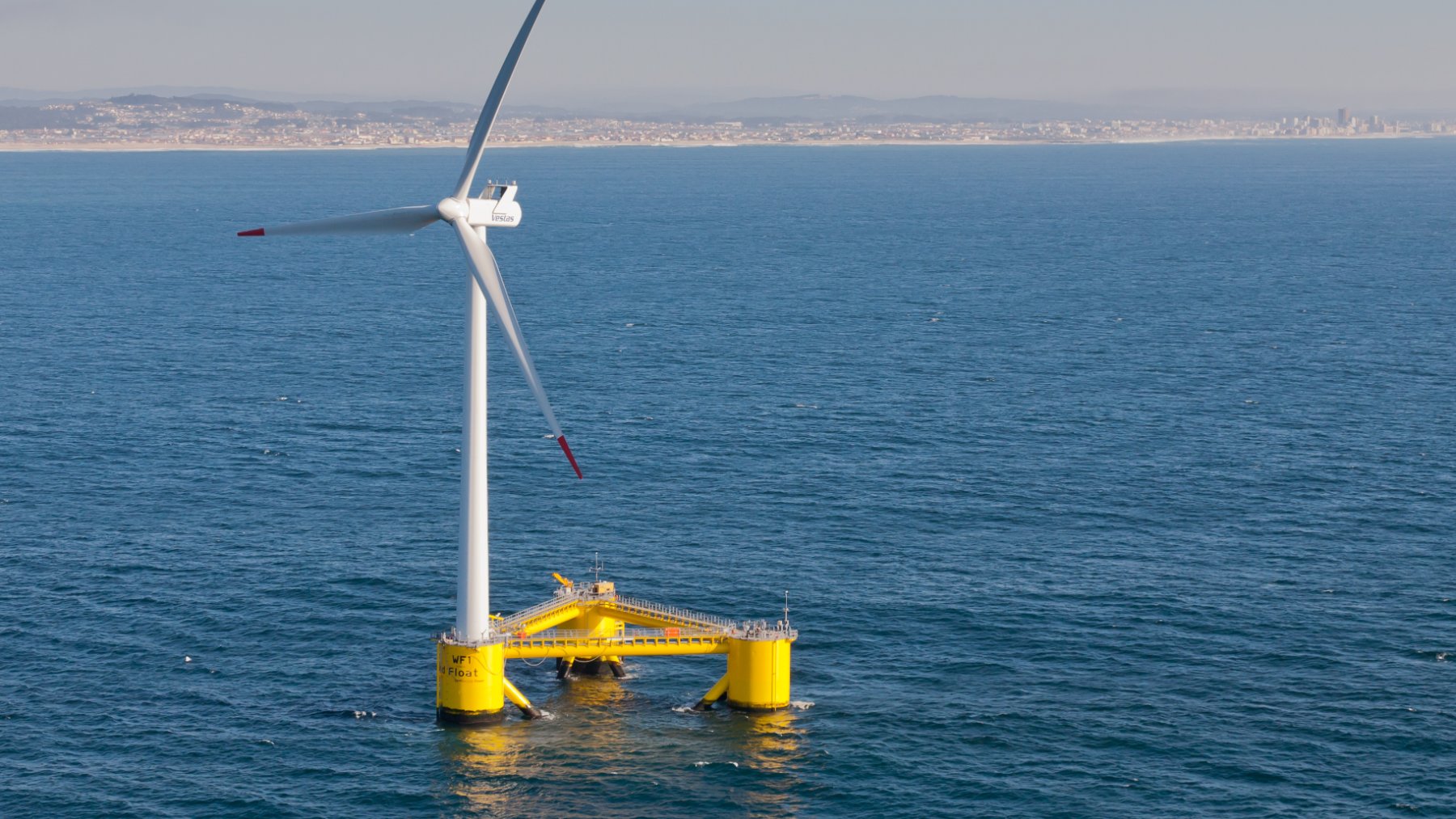
California approved $3 million to turn the mooring lines of floating wind turbines into underwater “nervous systems” that could listen for whale calls, detect snagged fishing gear and monitor structural strain along more than half a mile of cable
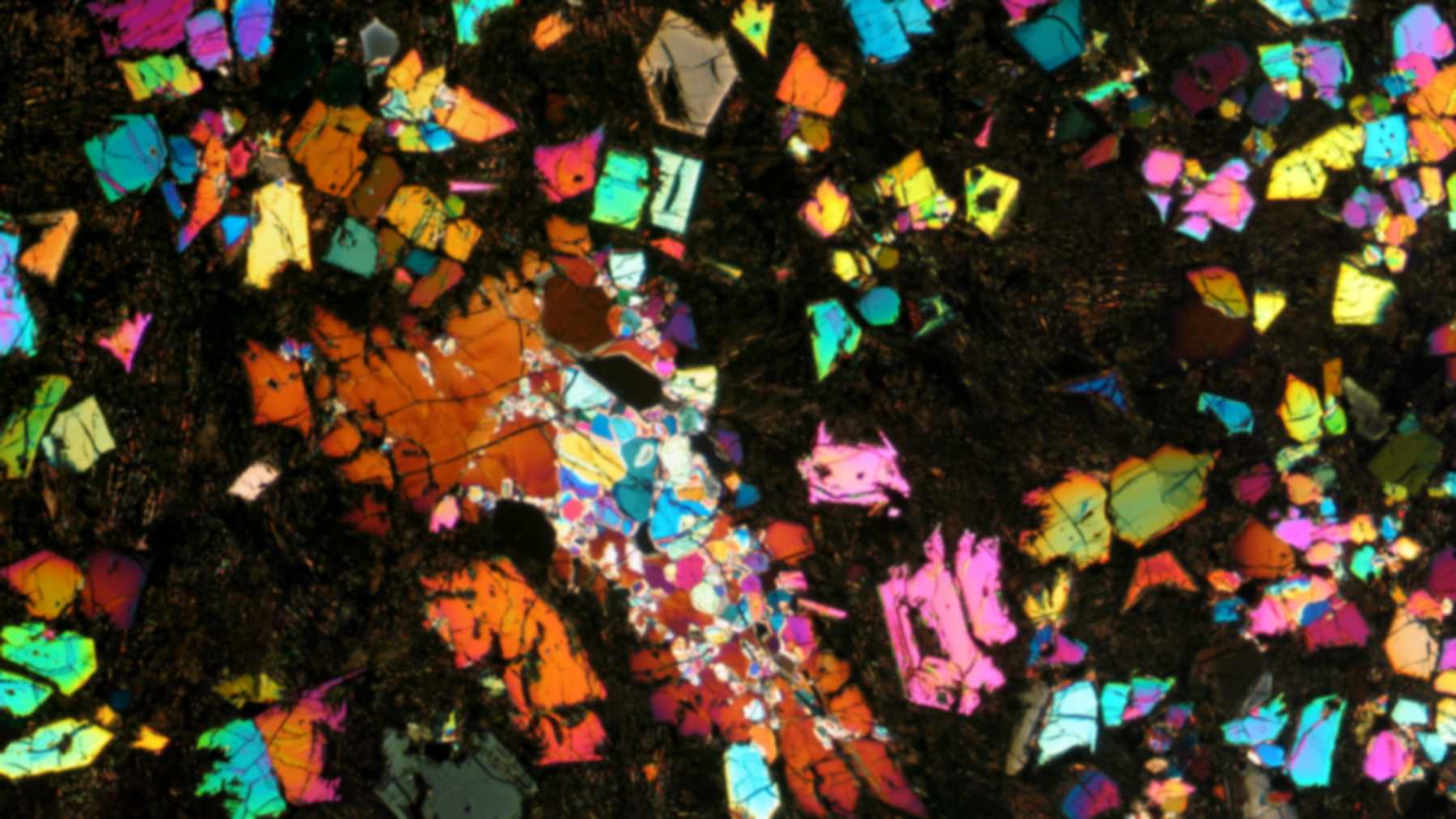
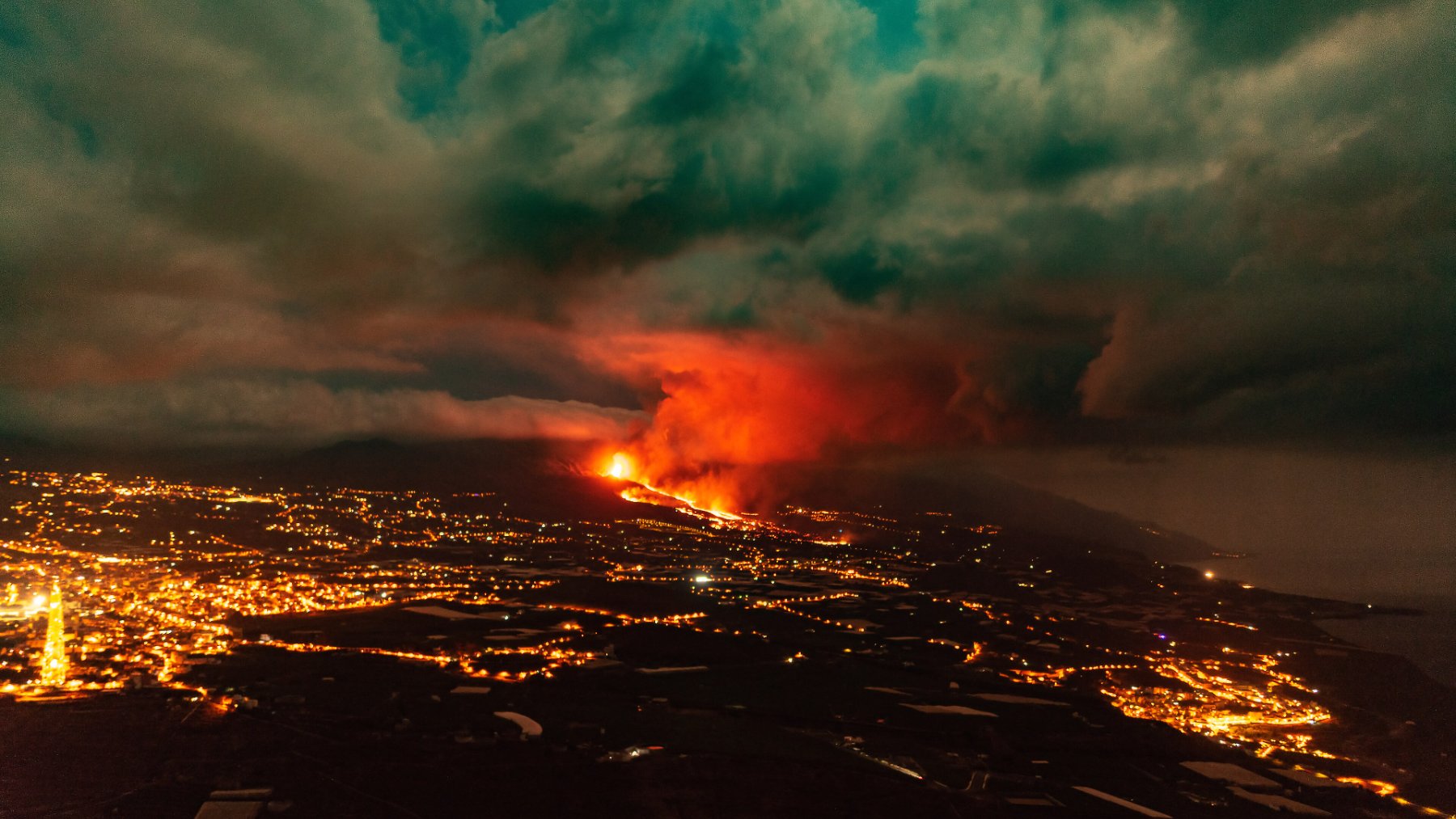
Scientists recreated magma from La Palma’s 2021 Tajogaite eruption and found that extreme heating could delay crystal formation from about 20 minutes to more than eight hours, keeping the magma fluid for longer and potentially helping produce towering lava fountains
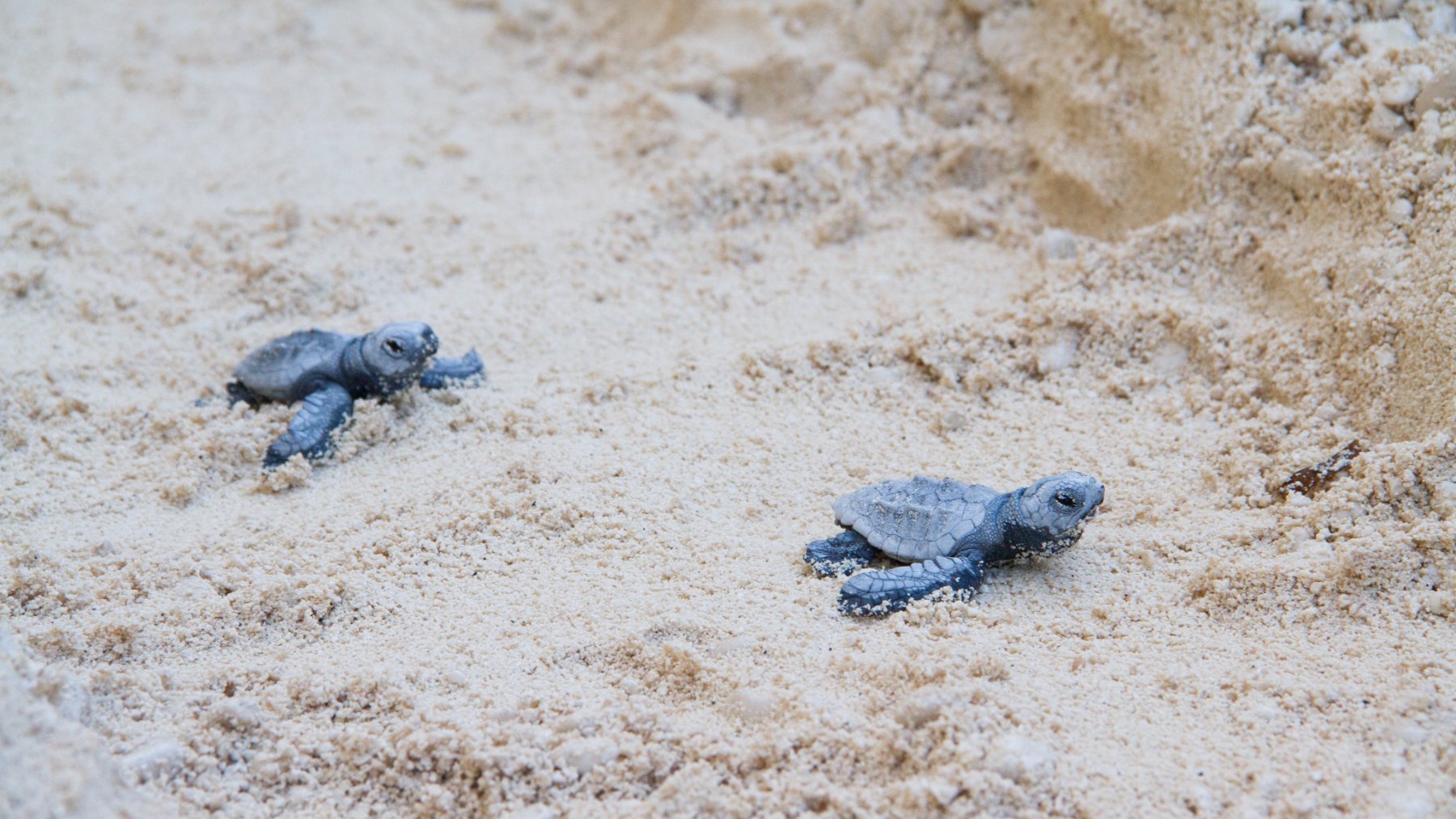
Homeowners in the Florida Keys looked into their backyard swimming pool and found 64 baby sea turtles trapped in the chlorinated water after artificial lights led them away from the ocean, but every hatchling survived treatment and was later released into the Gulf Stream
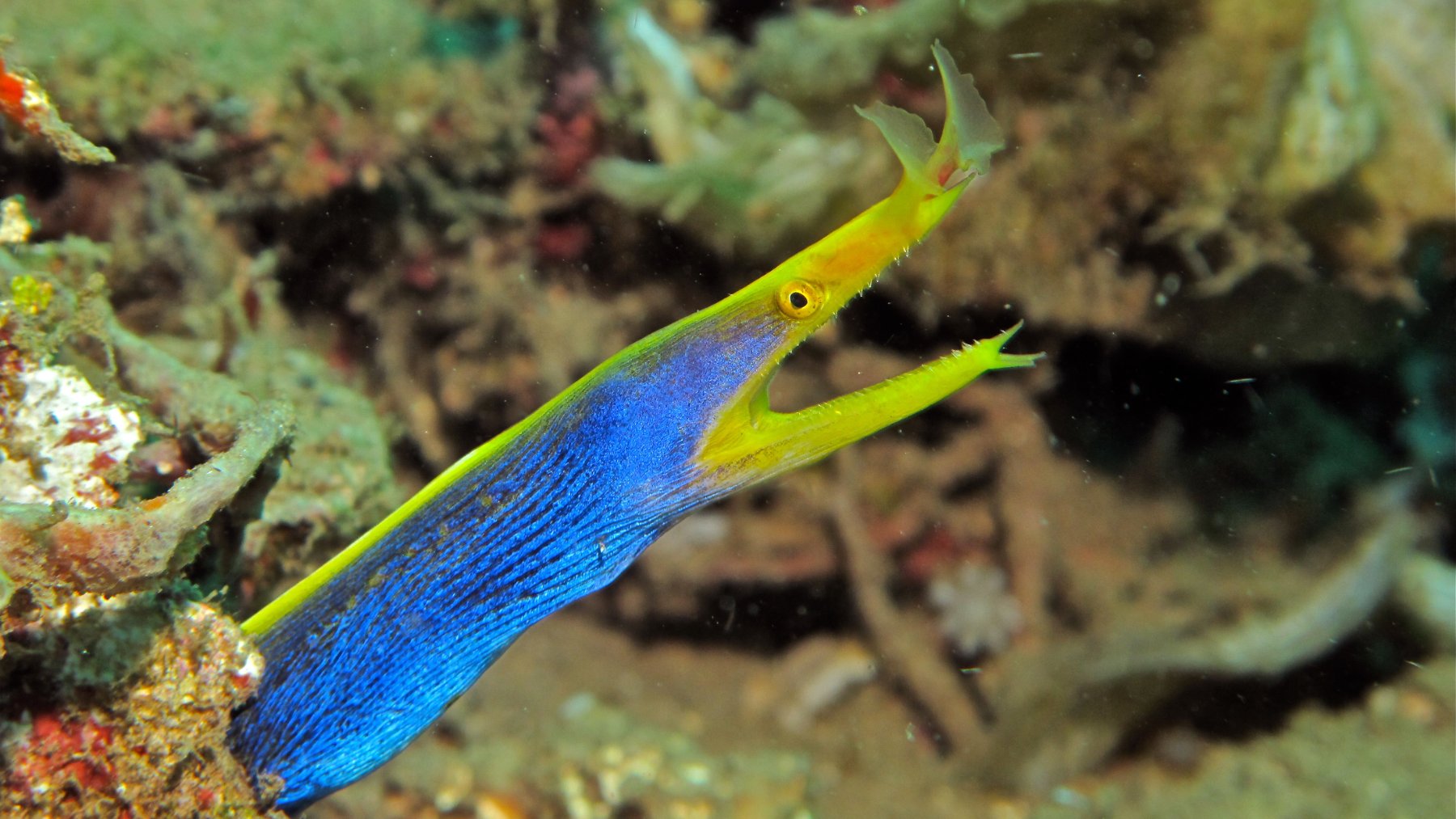
An underwater photographer in Mauritius spotted a ribbon eel outside the sandy burrow where these reef predators usually hide, capturing the blue-and-yellow fish swimming like a “silk scarf” and revealing the flowing body that divers rarely get to see in the open
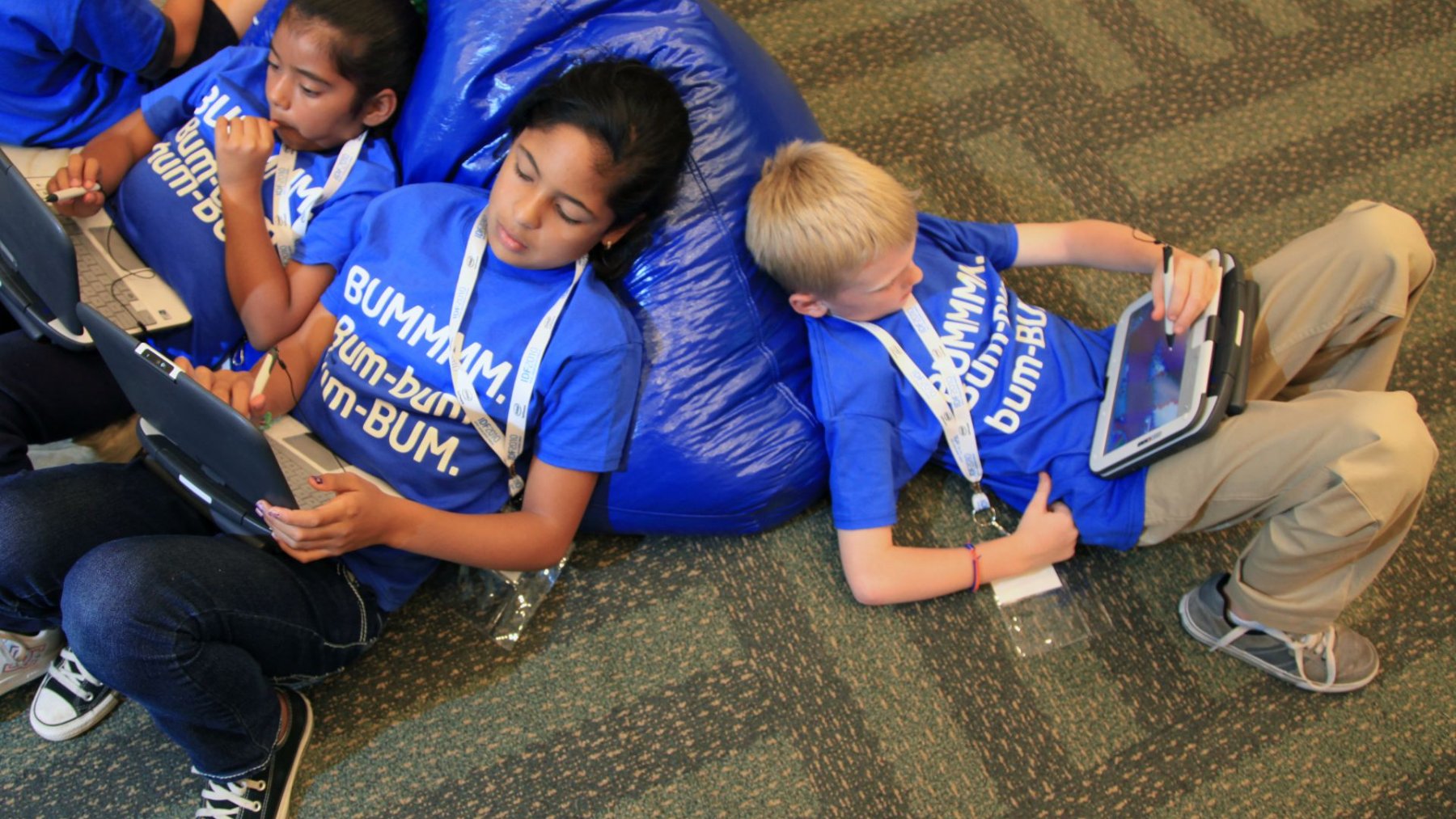
Researchers followed 260 Finnish children for eight years expecting more screen time to signal weaker thinking skills, but by age 15 those reporting greater use actually showed better overall cognitive performance, although the study could not prove screens caused the difference
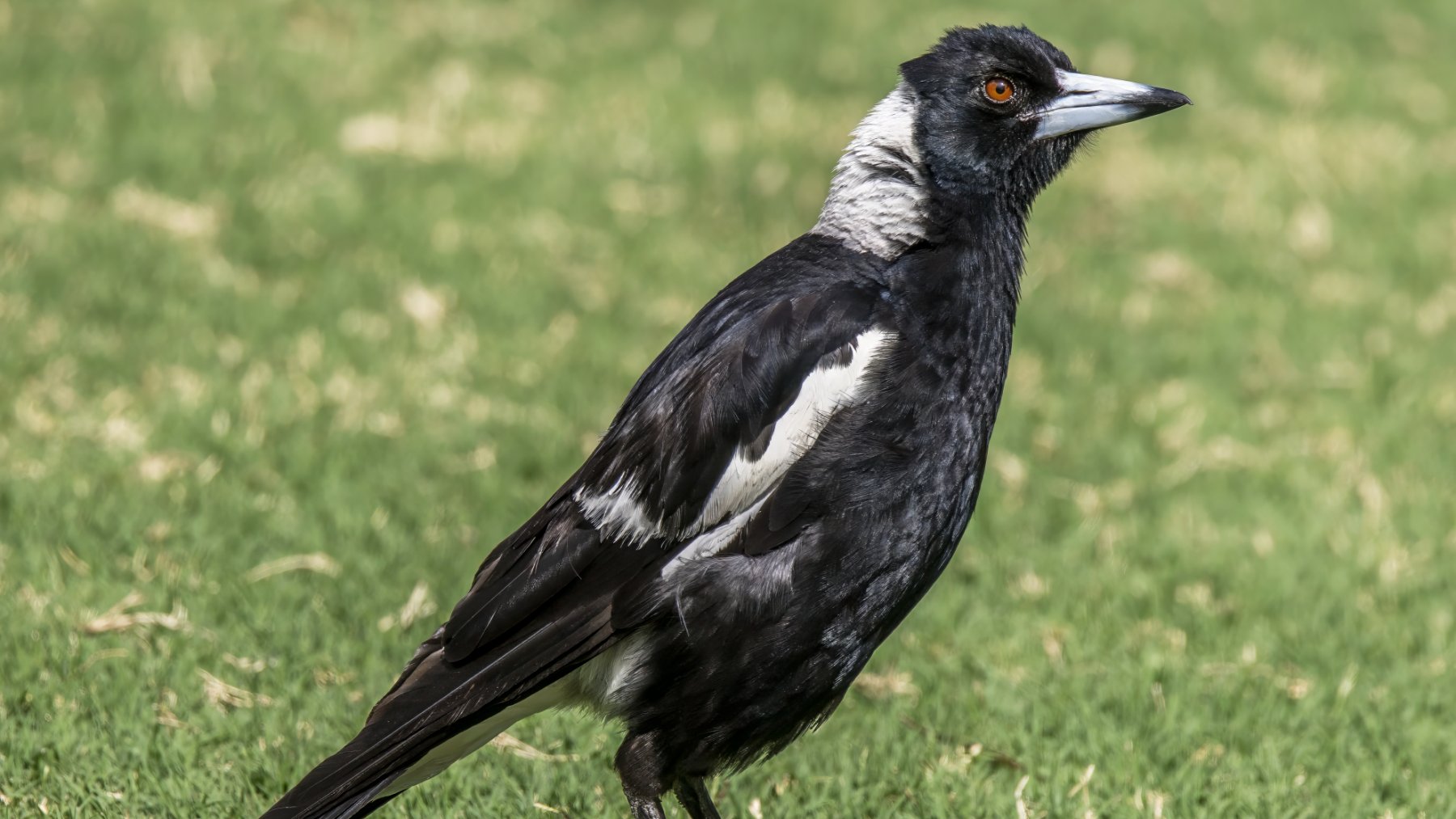
Researchers fitted five Australian magpies with GPS trackers to map their movements, but within an hour the birds began helping one another remove the harnesses, turning a failed tracking experiment into an unexpected observation of cooperation and problem-solving
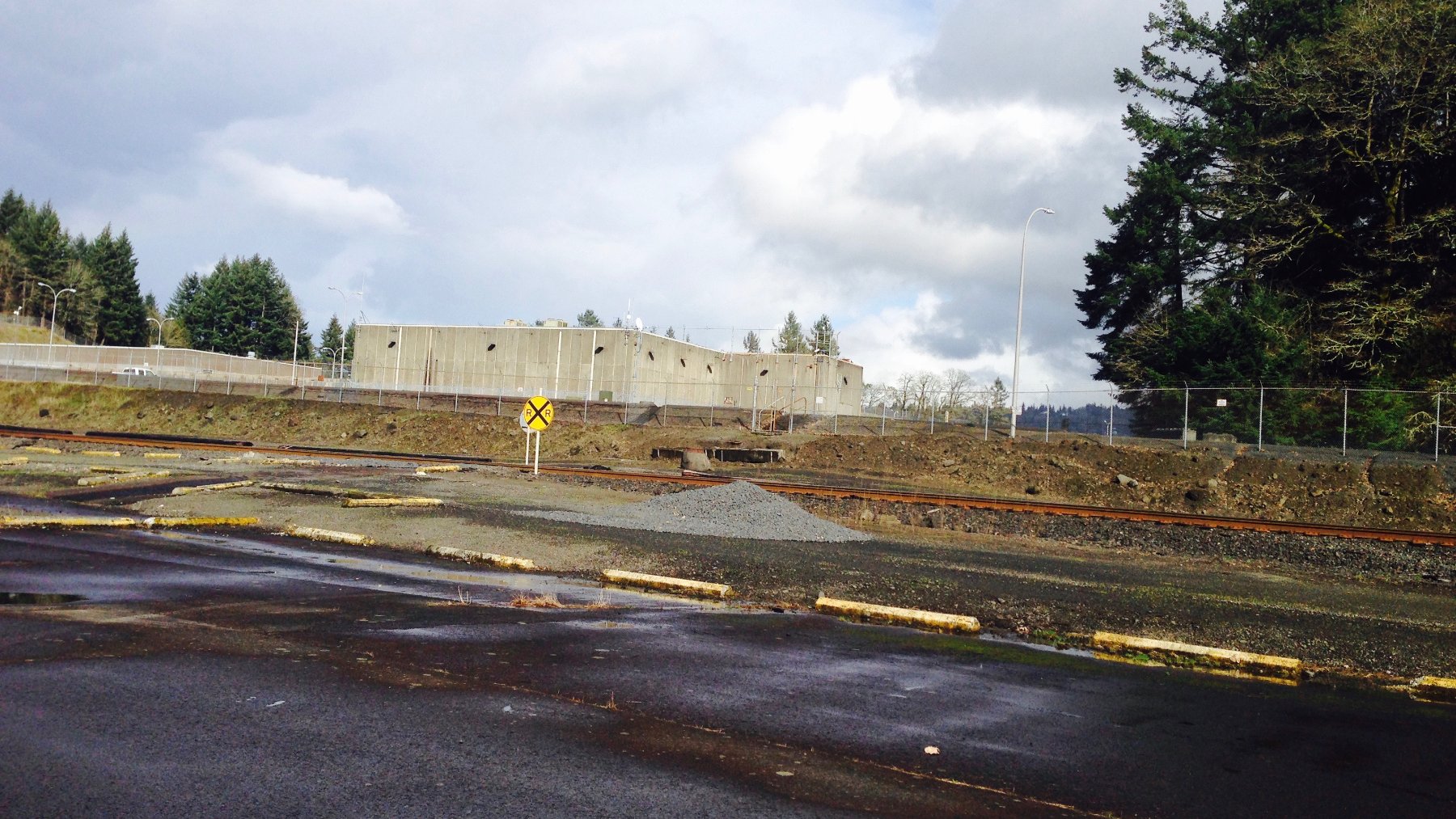
In 1999, workers filled a 42-foot nuclear reactor vessel with 200 tons of concrete and moved the 1,020-ton package 300 miles by barge and a 320-wheel trailer, but 791 spent fuel assemblies from the same Oregon plant are still waiting in storage today
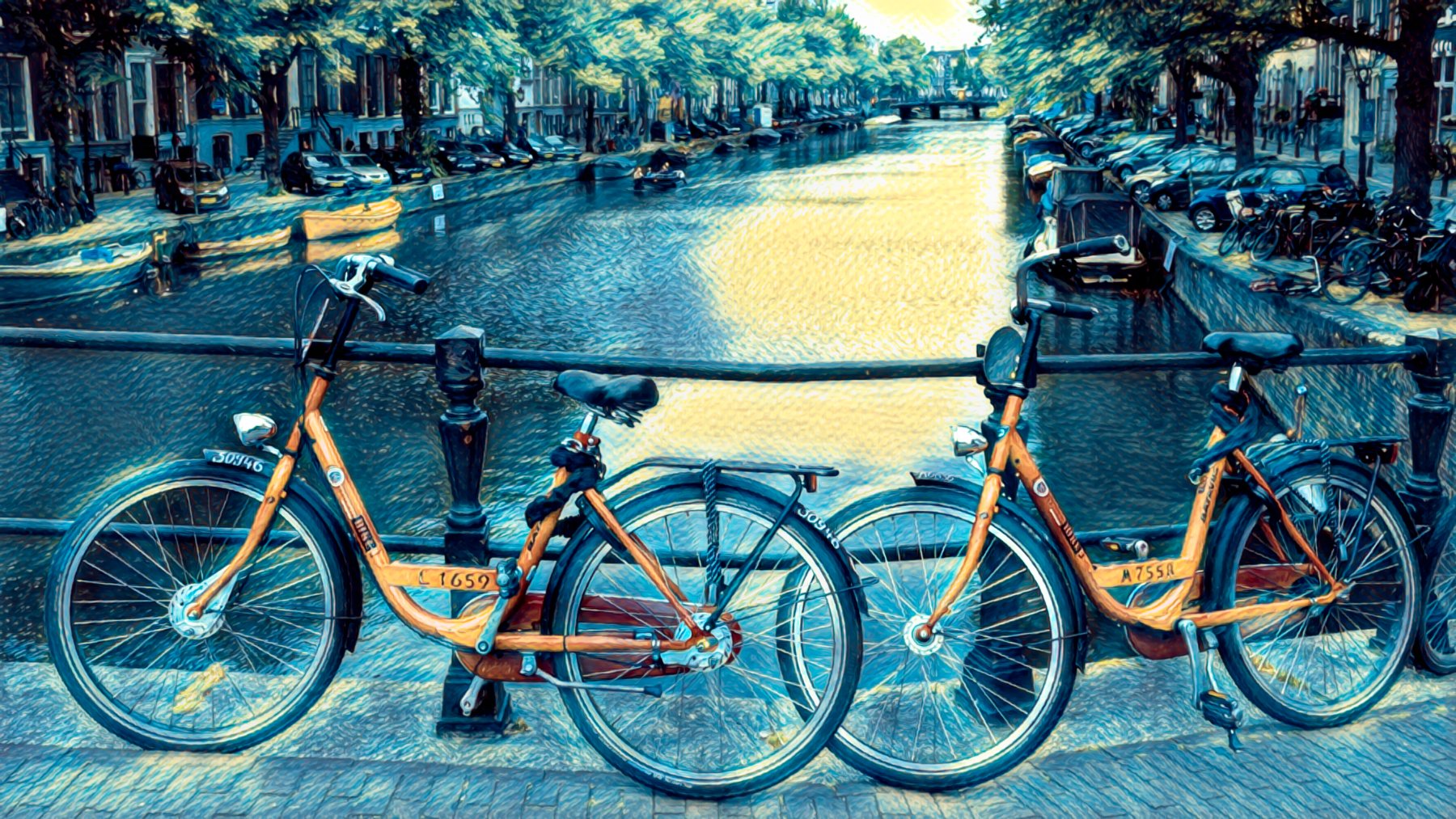
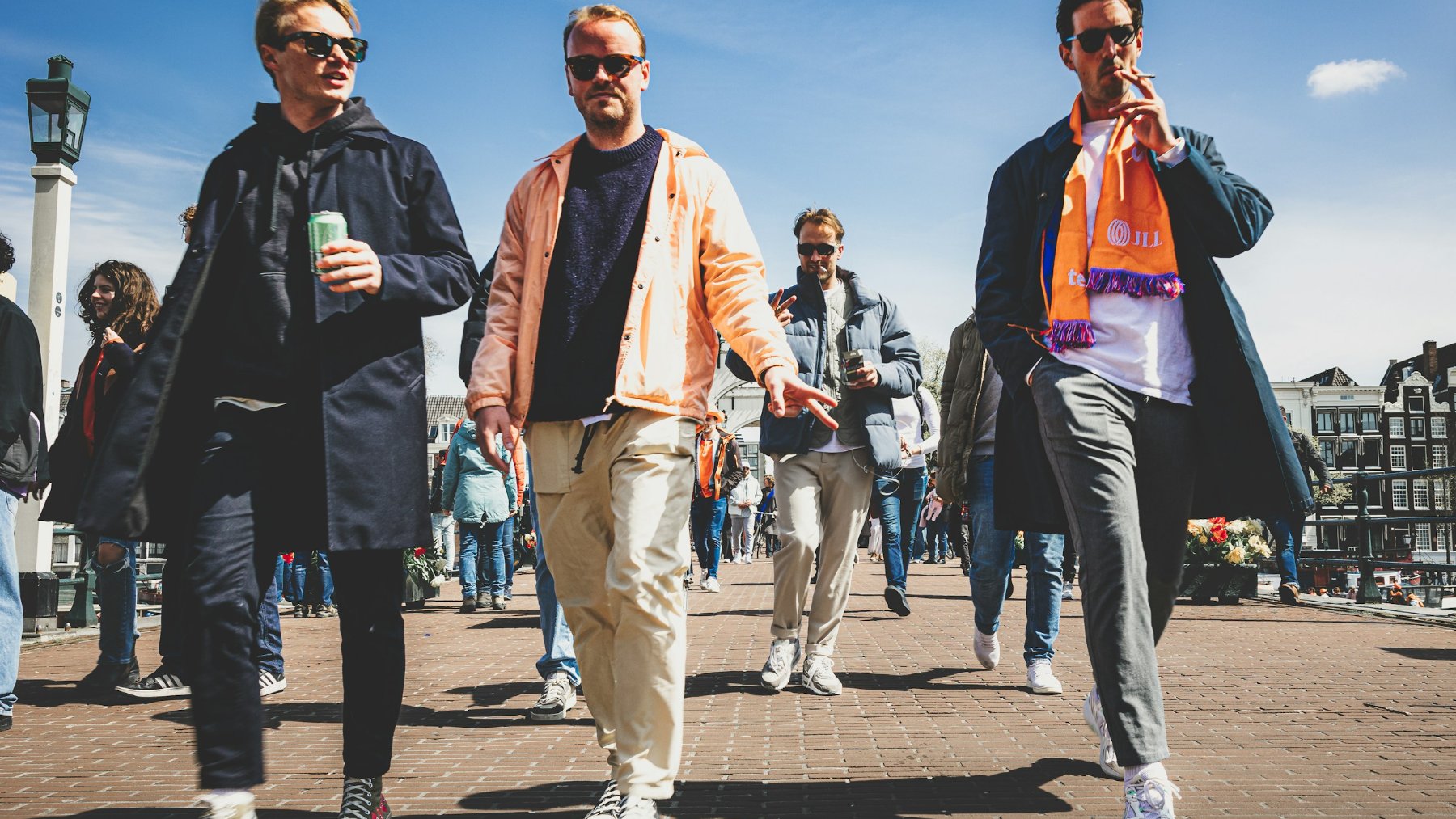
Dutch men went from averaging about 5 feet 5 inches in the mid-1800s to nearly 6 feet today, gaining almost 8 inches in roughly 150 years, but researchers found natural selection may explain less than 2% of that extraordinary national growth spurt