
ECONEWS
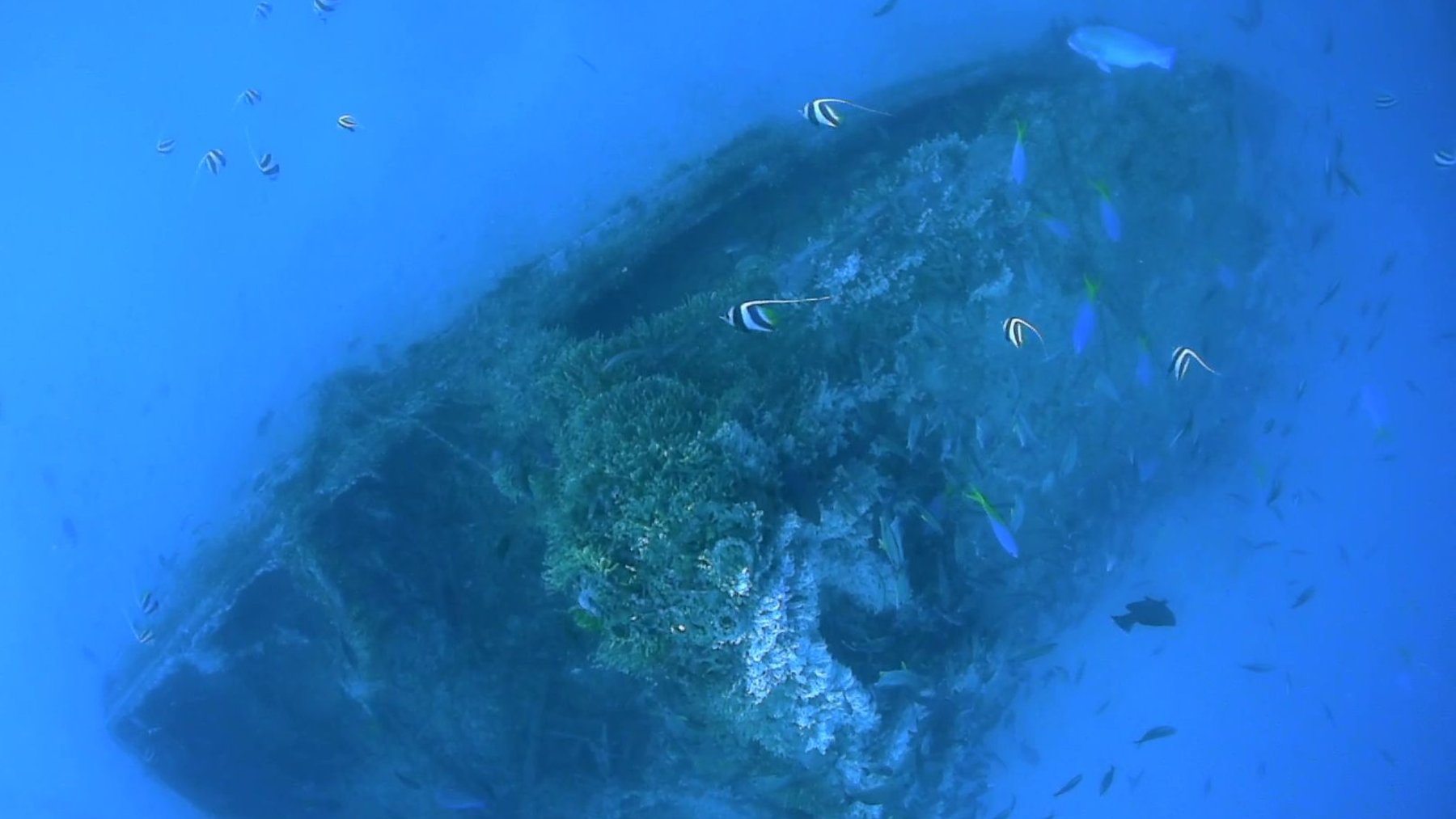
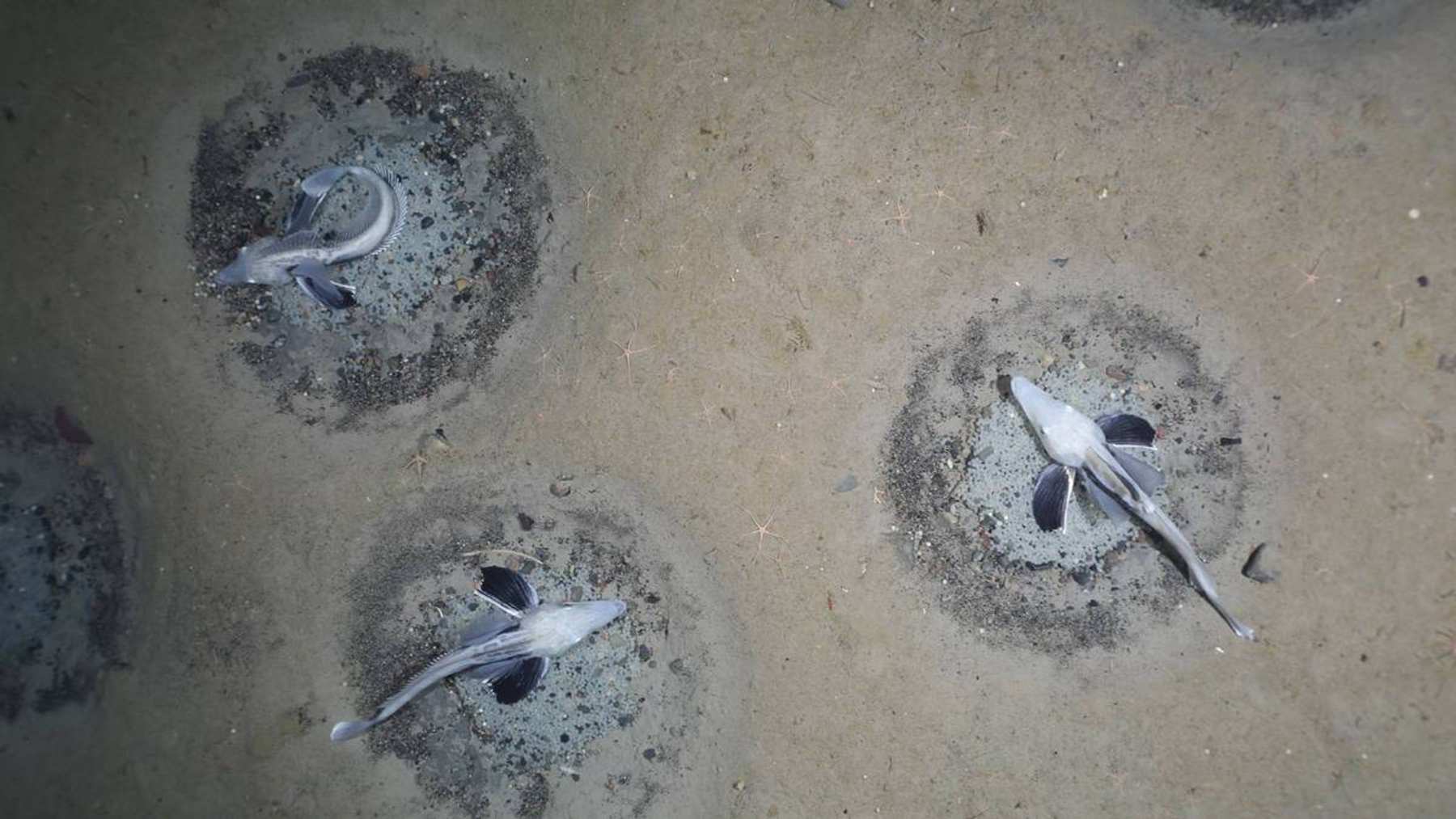
Scientists mapping a shipwreck off Queensland found 300 holes up to 26 feet wide spread 328 feet around it and suspect fish dug them, a pattern that once helped CSIRO find a ship lost for 74 years
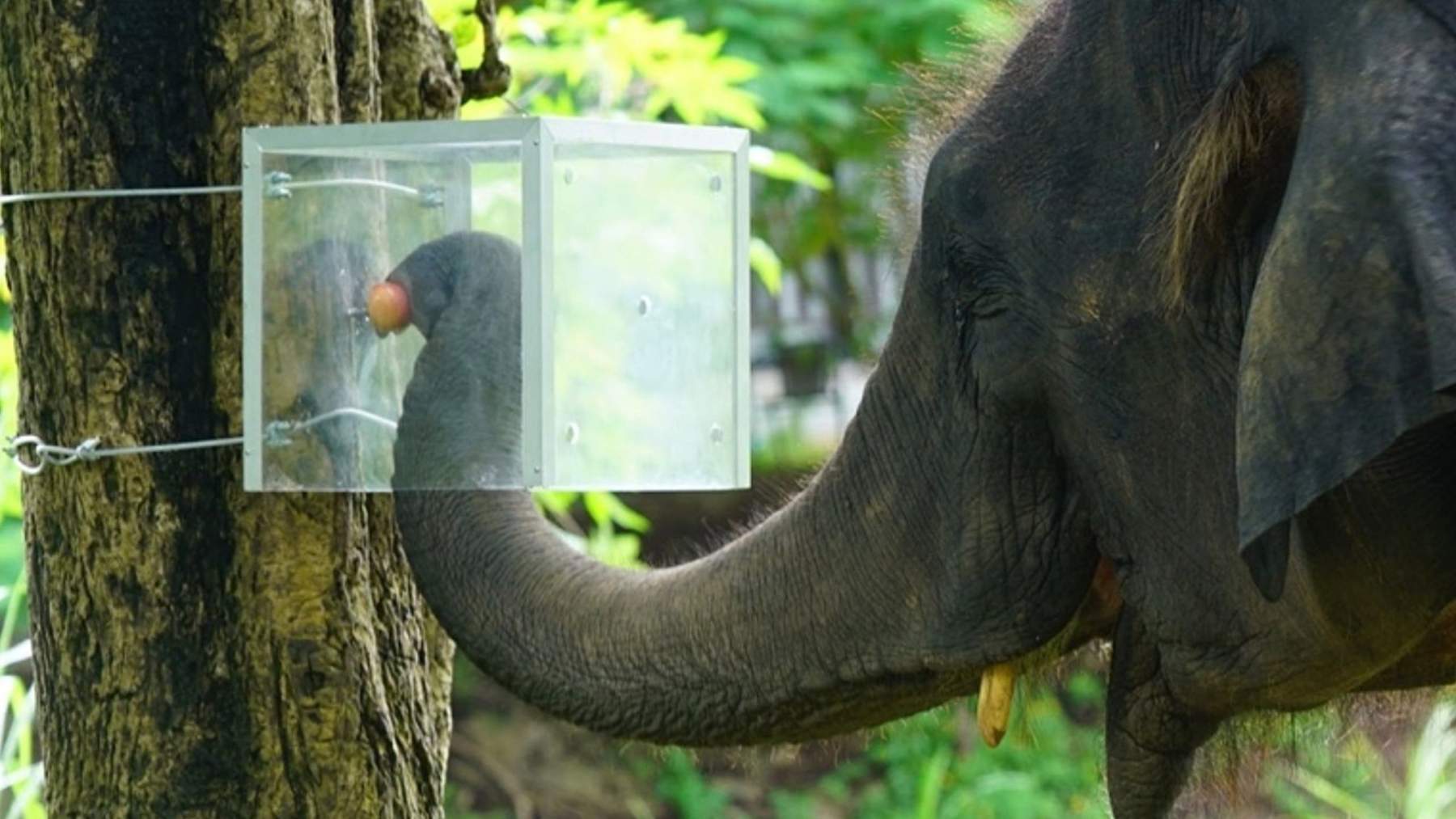
Scientists hid fruit in a box and taught 16 Asian elephants in Thailand to reach around it, then moved the opening and found they could drop a habit that no longer worked, though older ones took longer
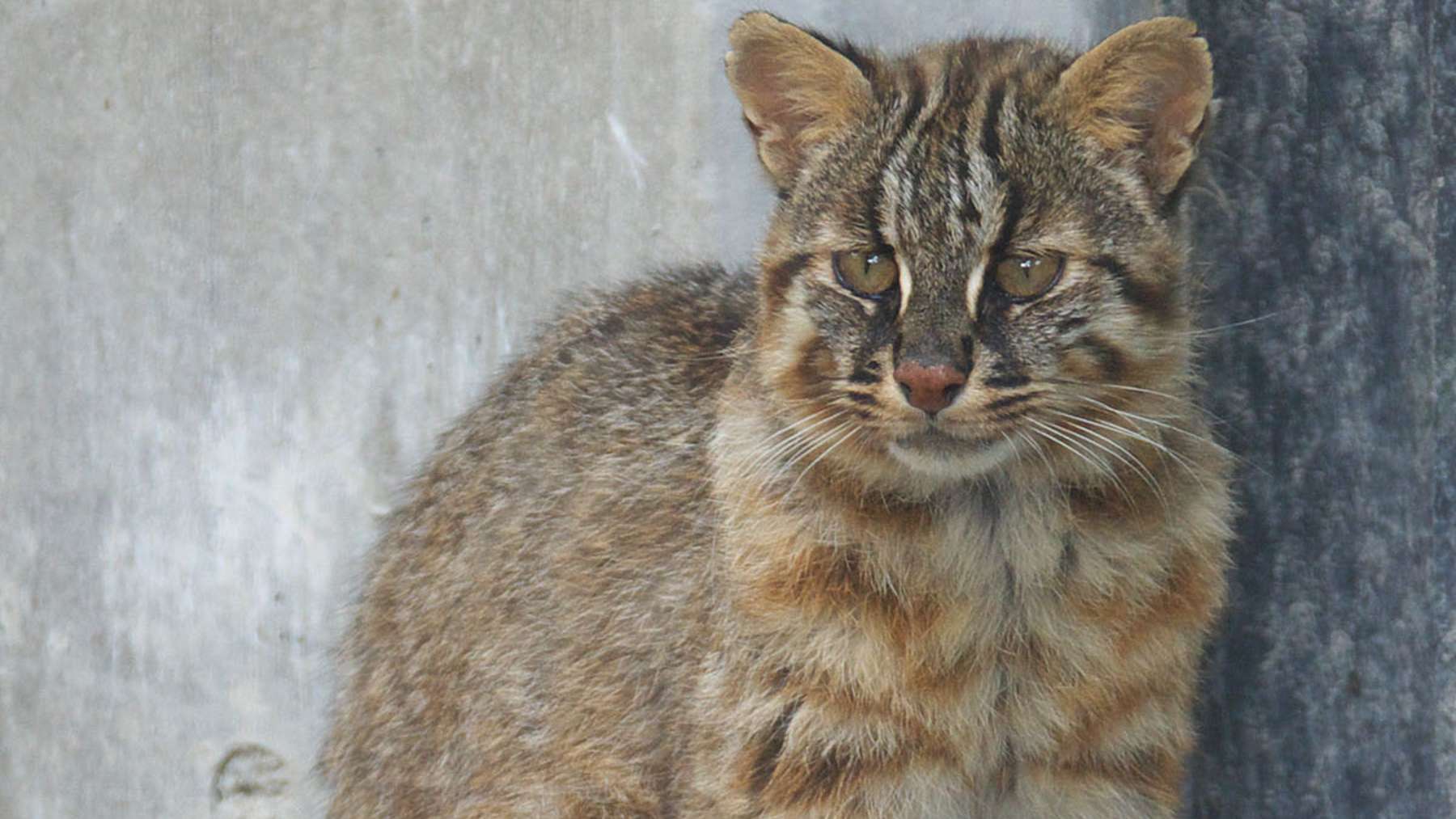
On Japan’s Tsushima Island, researchers found leopard cats with short tails and feared domestic cats had crept into their family tree, but genome tests of 16 animals found no trace of that ancestry
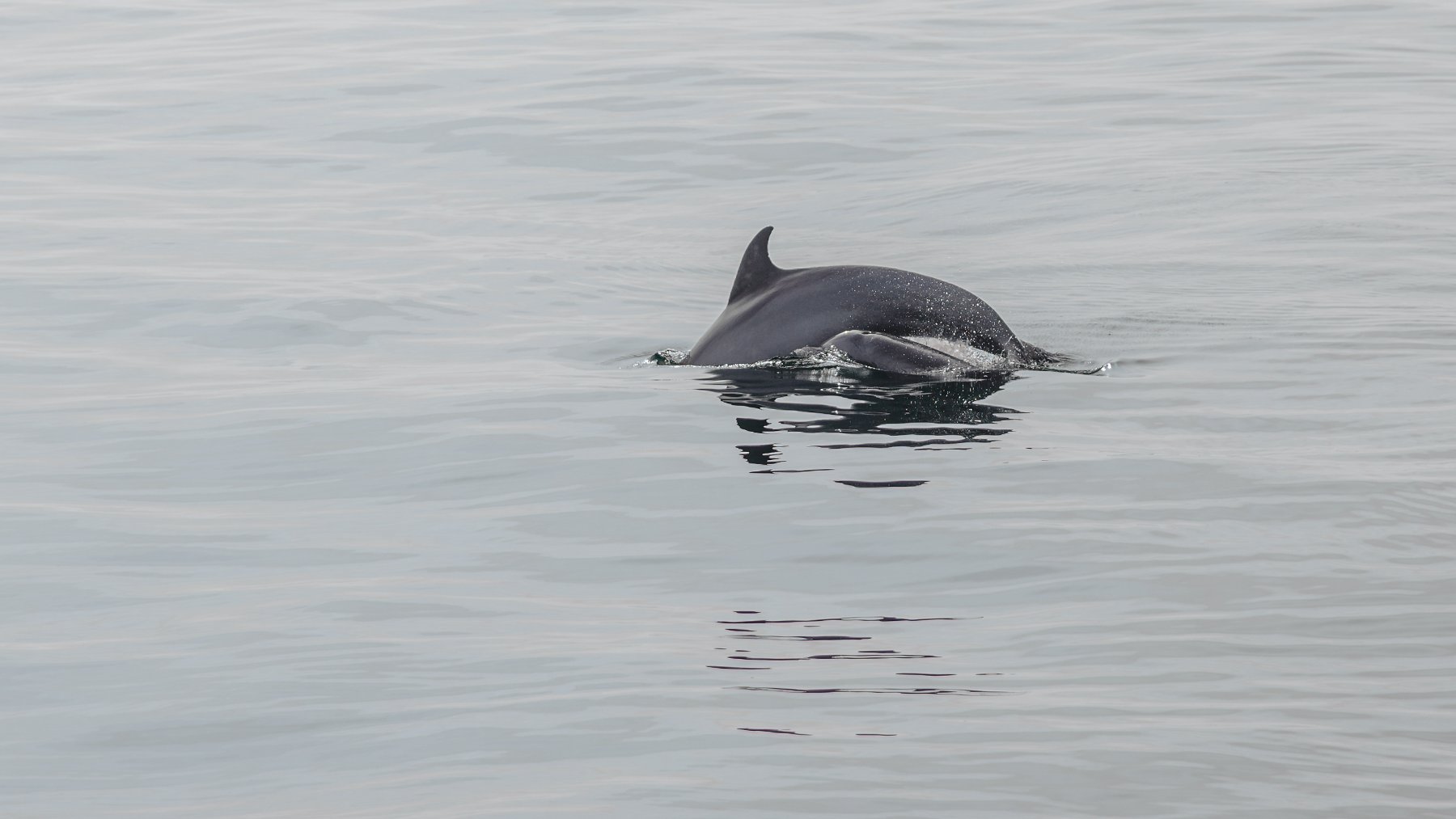
Scientists filmed a bottlenose dolphin calf handling a seashell just three minutes after its mother used the same shell while hunting, offering a rare clue that this unusual fishing technique may be passed between generations, although researchers say the brief encounter does not yet prove the calf learned it from its mother
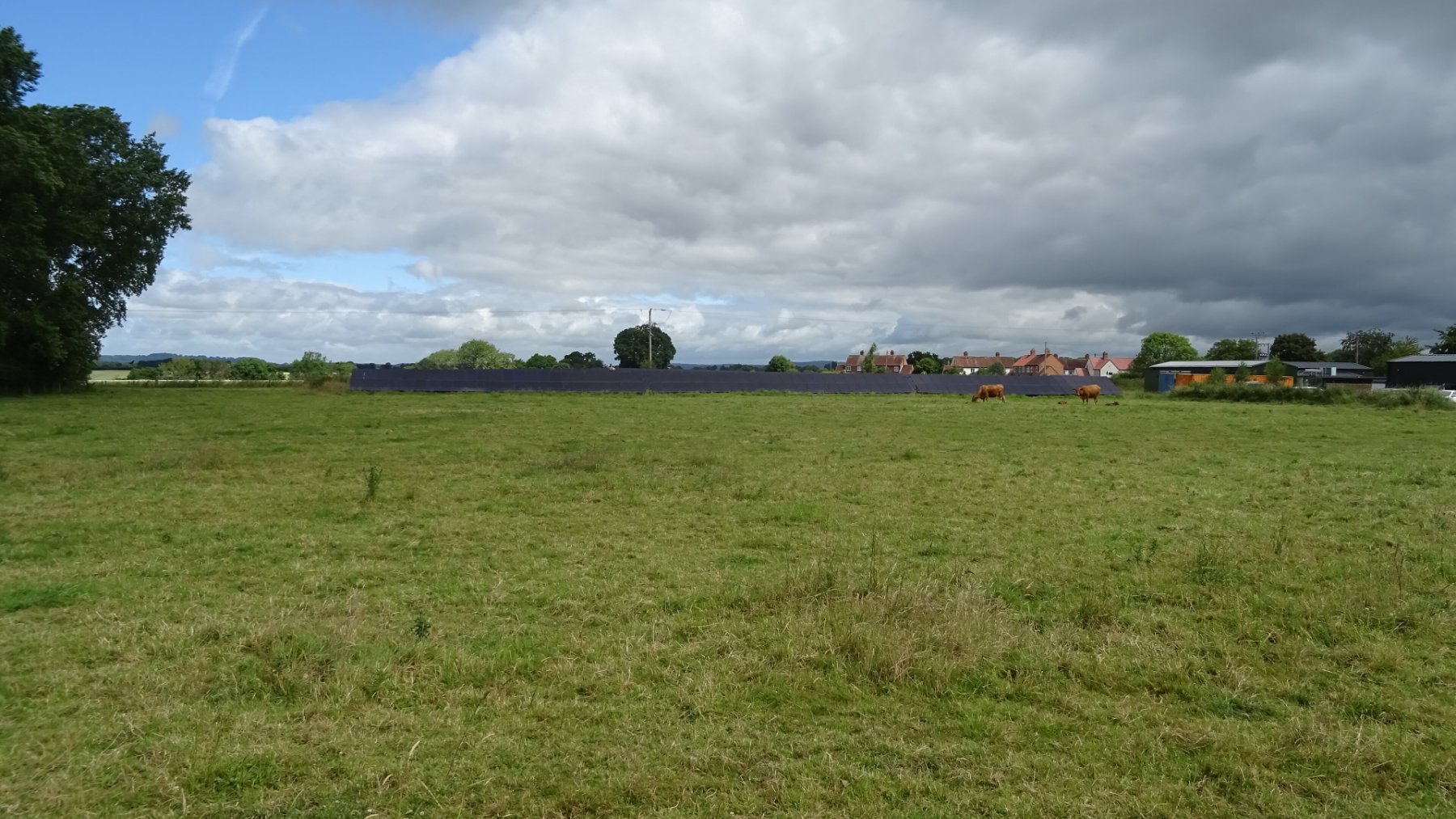
A Tennessee solar farm is testing cattle beneath moving panels, using a special “grazing mode” to create safer clearance for cows and calves while still generating enough electricity for roughly 500 homes, a commercial test of whether farming and solar power can truly share the same land
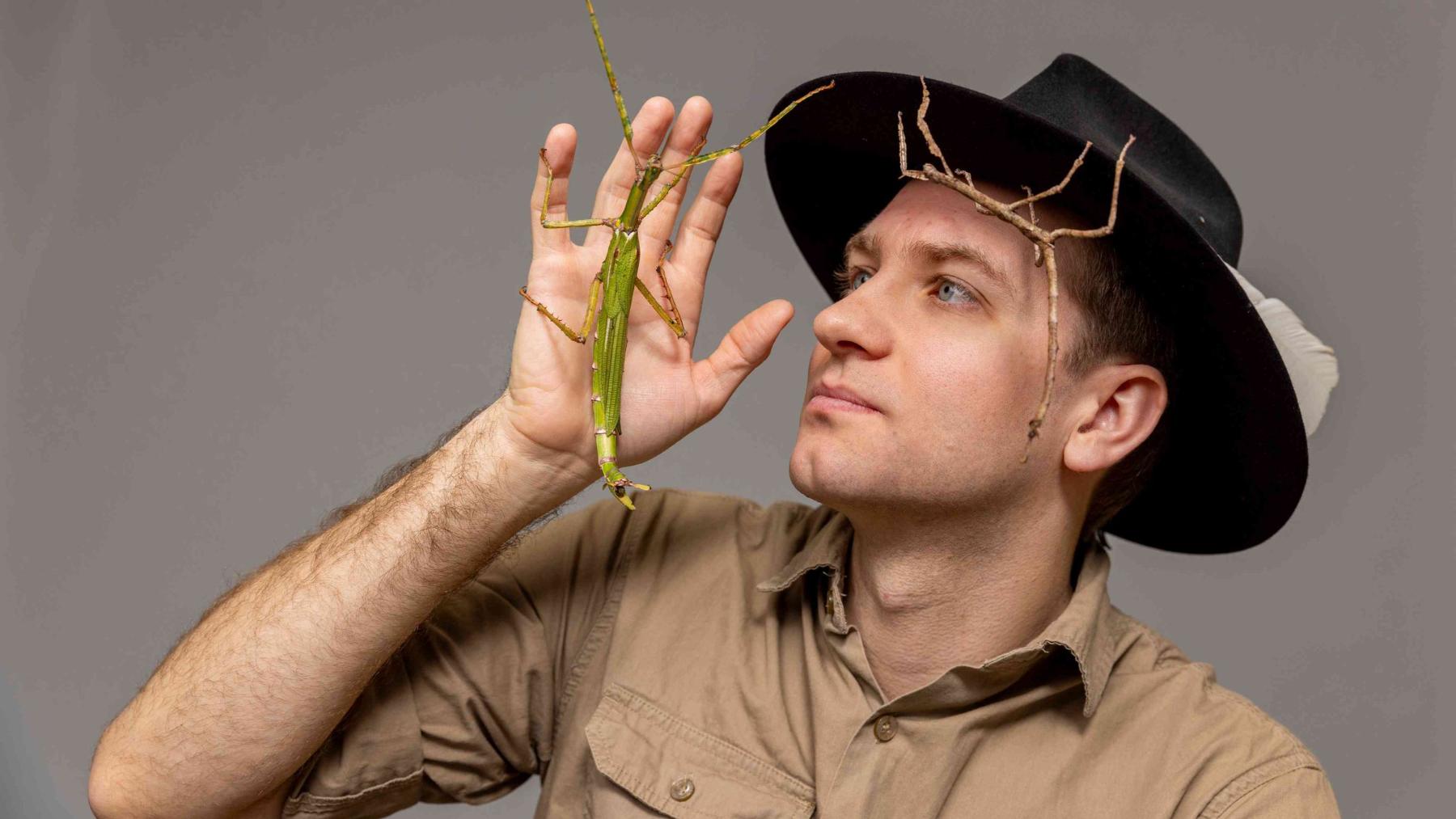
An Australian stick insect people had photographed for years only now received its own scientific name, and researchers also found a rainforest species whose eggs carry rings never seen before
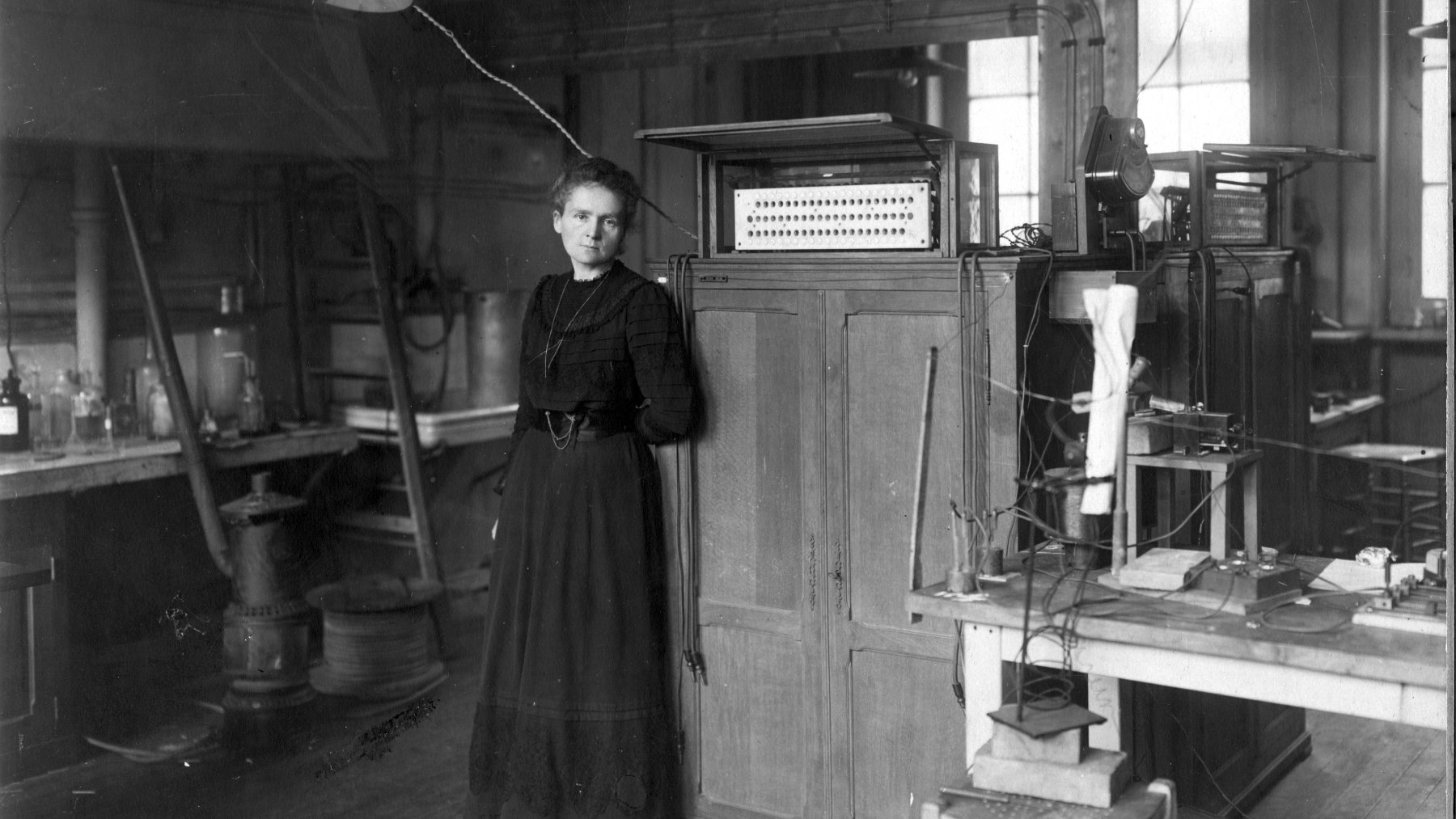
More than 120 years after Marie Curie’s experiments, some of her laboratory notebooks remain radioactively contaminated, but France’s national library says visitors behind glass receive essentially no additional radiation while the originals require strict handling controls because radium-226 has a half-life of about 1,600 years
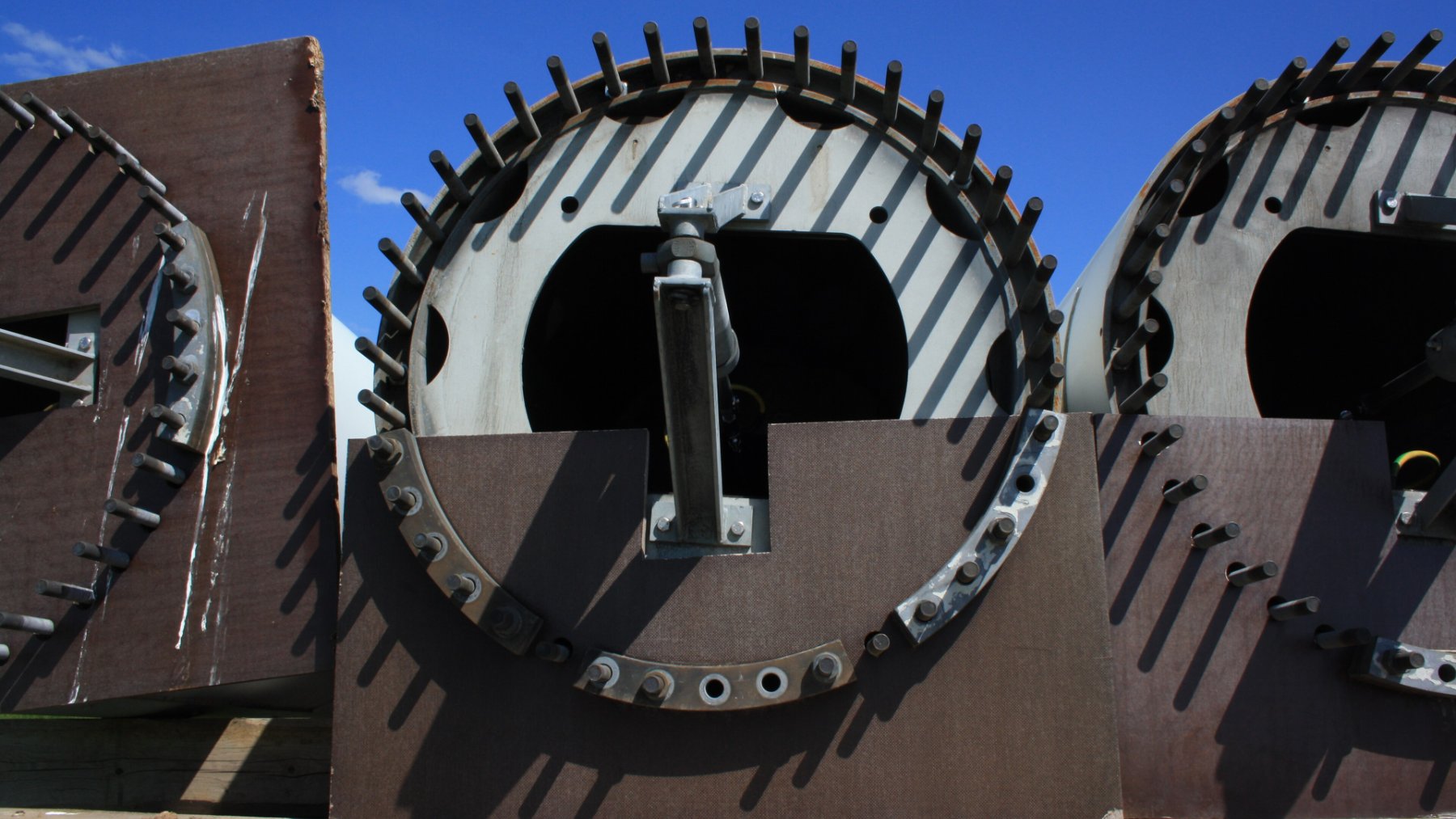
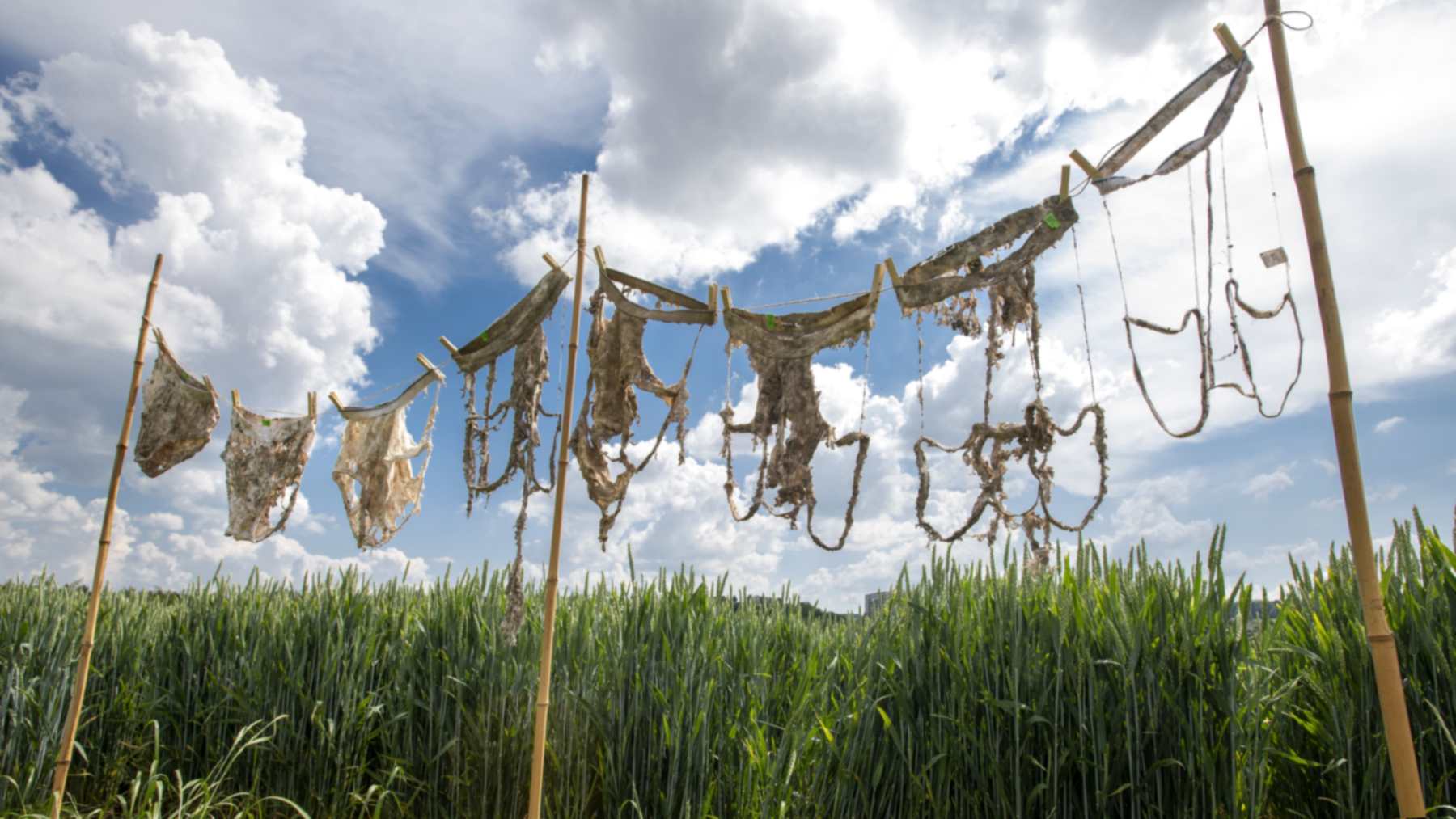
Wind turbine blades are notoriously difficult to recycle, but Carbon Rivers demonstrated recovered glass fiber with 99.9% purity that could return to manufacturing, while recent cleanup concerns in Tennessee show that successful recycling depends on safely processing and actually selling the recovered material, not simply shredding old blades
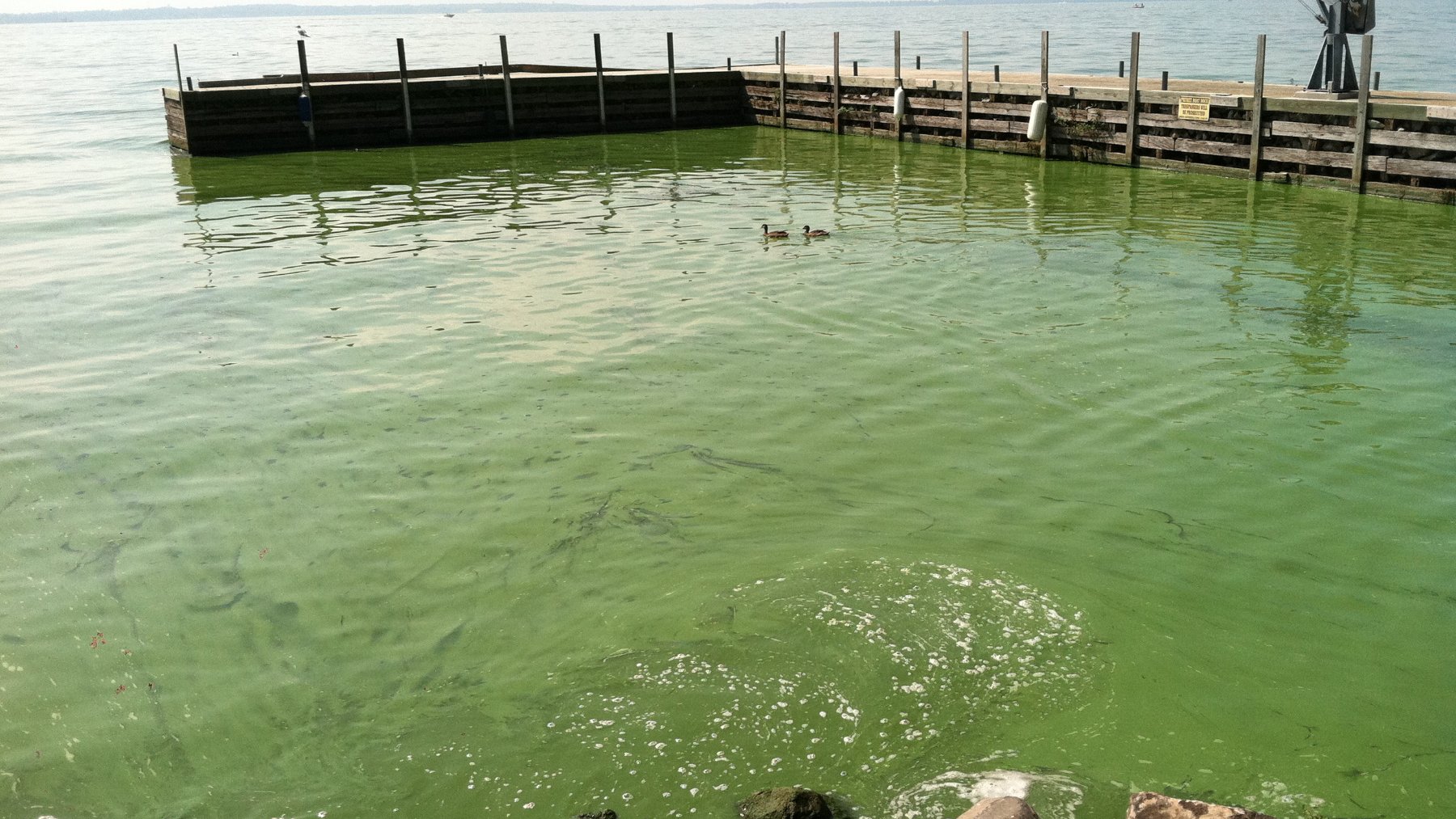
Scientists found fish crowding along the edges of Lake Erie’s oxygen-starved “dead zones,” creating unusually large catches that can make populations look healthier than they really are and potentially distort estimates used to prevent overfishing
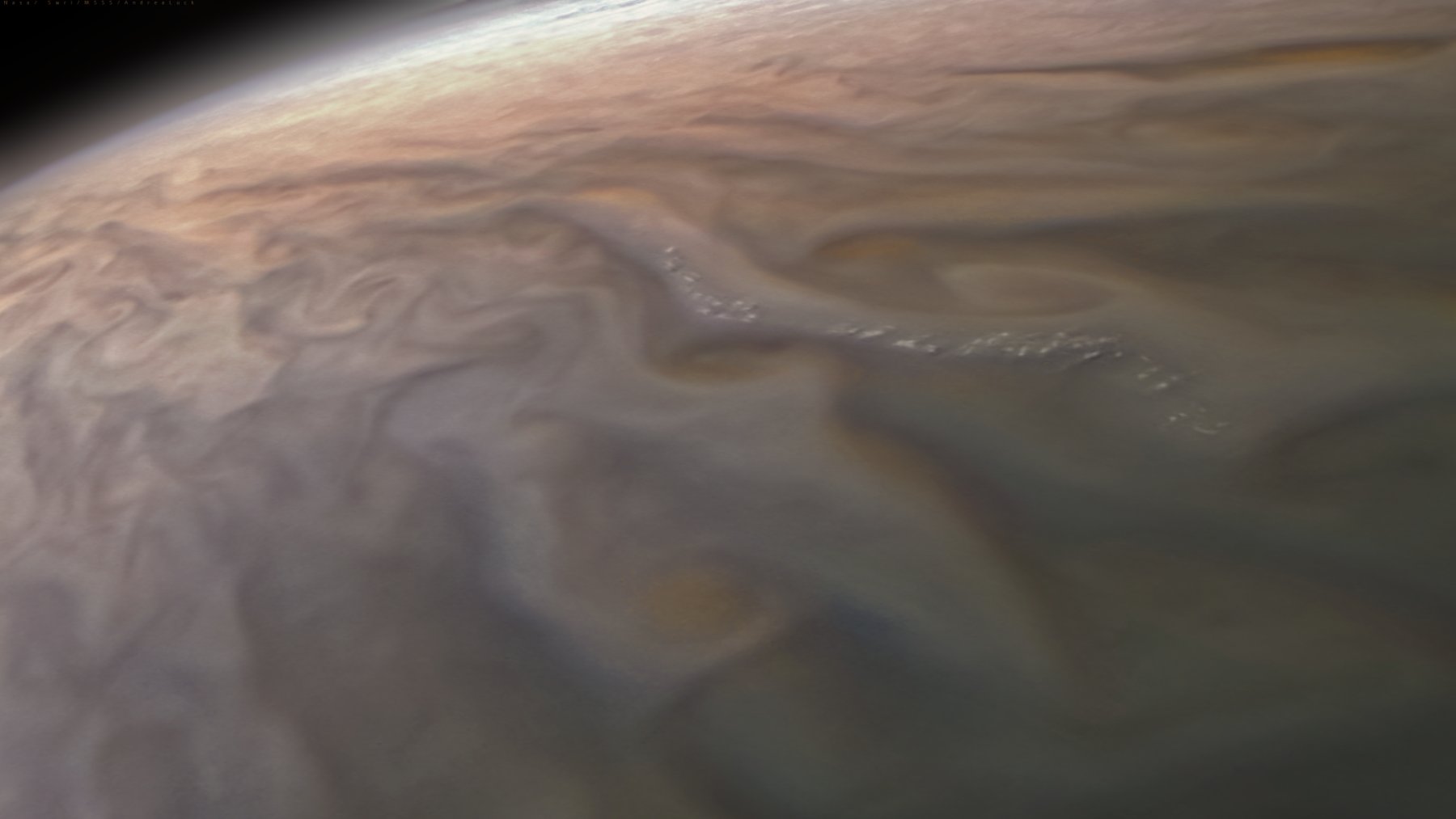
Carl Sagan imagined an ecosystem floating in Jupiter’s clouds with microscopic “sinkers,” kilometer-scale balloon-like “floaters” and roaming “hunters,” but nearly 50 years later scientists have found only that some atmospheric layers could meet limited conditions for life, not evidence that anything actually lives there
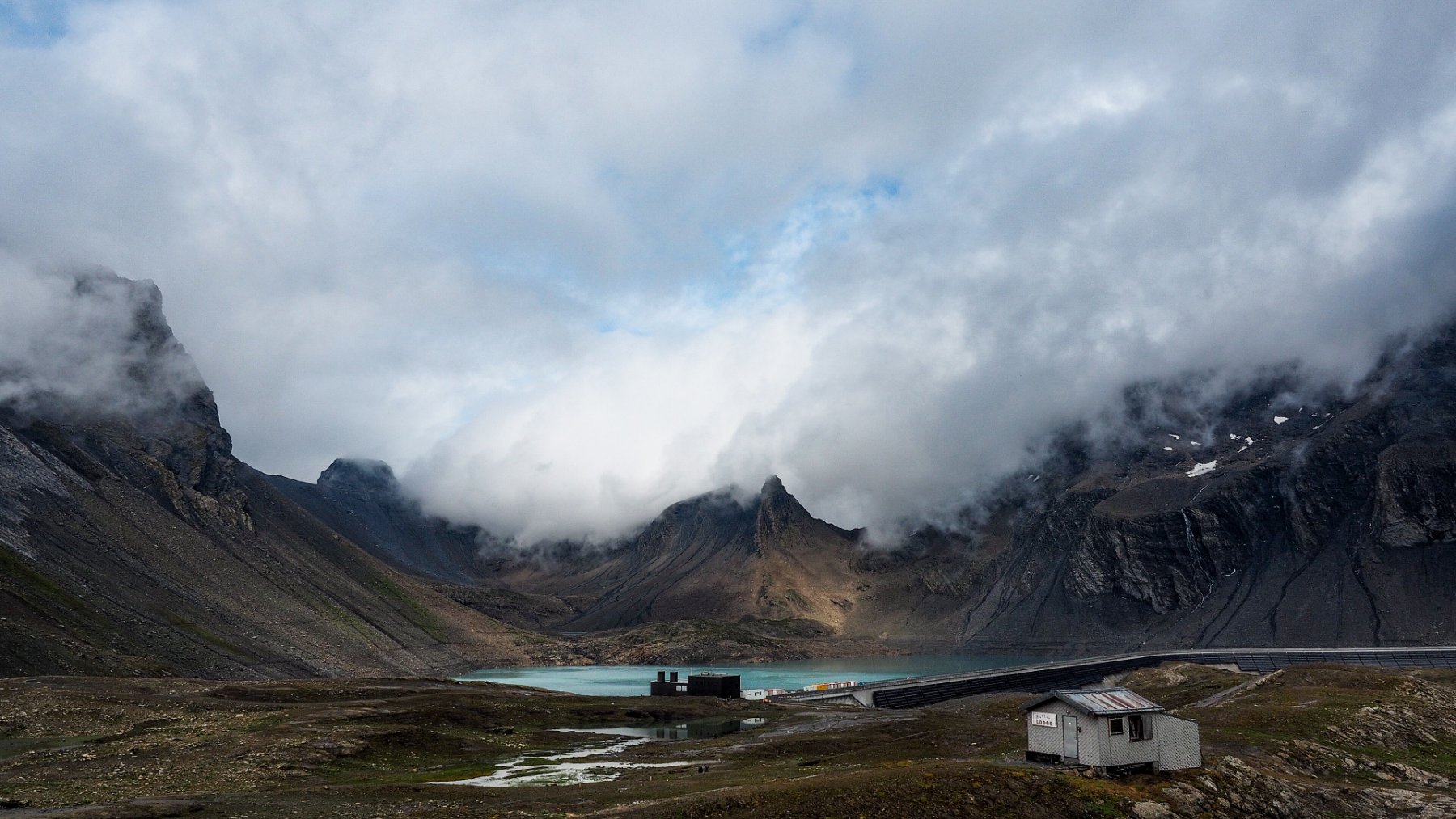
Nearly 5,000 solar panels were installed on a Swiss dam 8,200 feet above sea level, and despite deep snow and freezing temperatures the Alpine plant produced 3.8 times more winter electricity per unit of capacity than a lowland installation during its first measured year
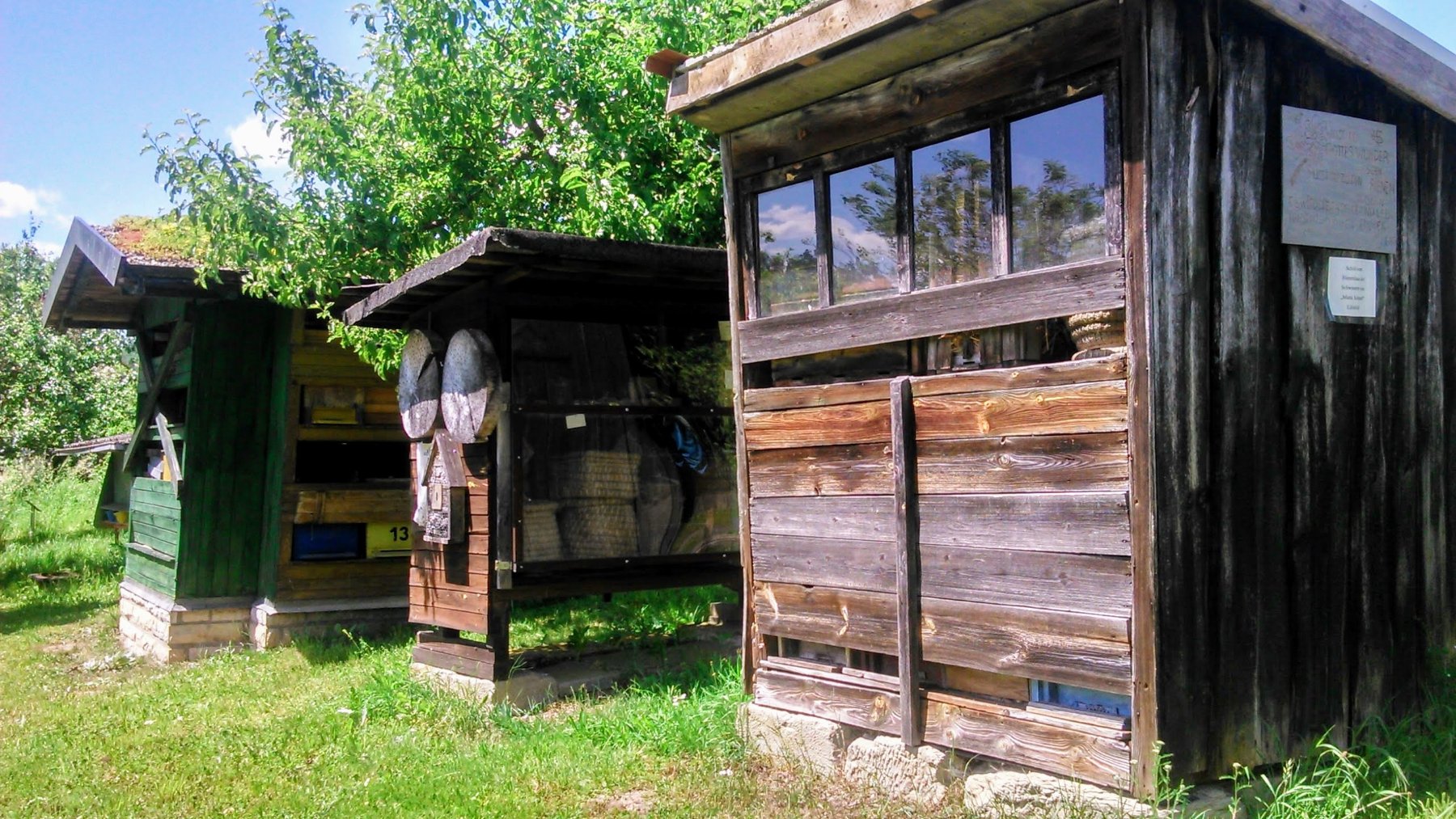
A truck carrying 70,000 pounds of beehives overturned in Washington and released an estimated 14 million bees, but instead of destroying the colonies responders gave them up to 48 hours to regroup around their queens, inspiring a new 10-page emergency plan for future bee spills
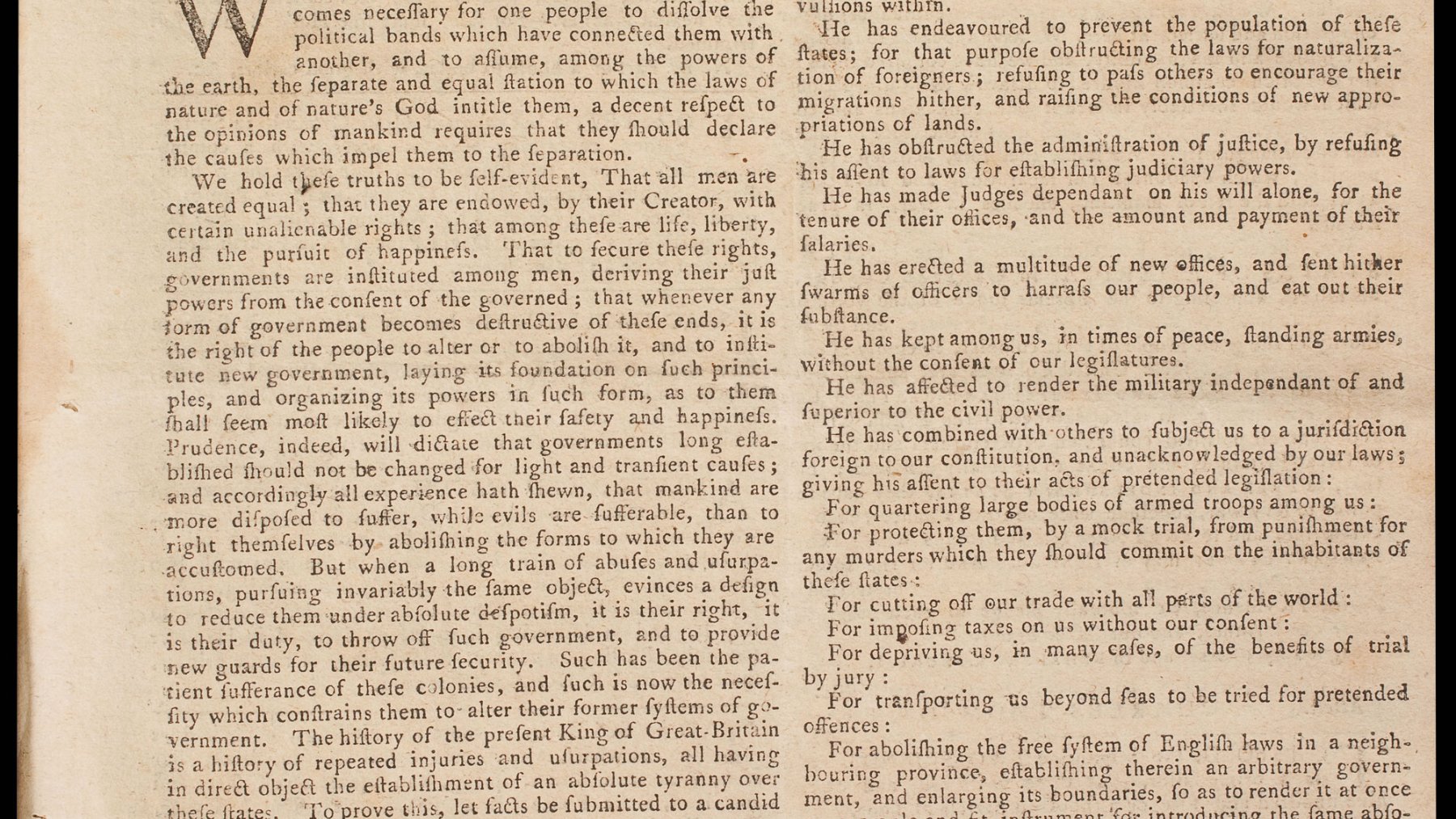
America’s Declaration of Independence was translated into German just days after July 4, 1776, but only two copies of that first broadside edition are known to survive, and Berlin can expose its 250-year-old sheet to just 50 lux for three months before returning it to darkness for at least three years
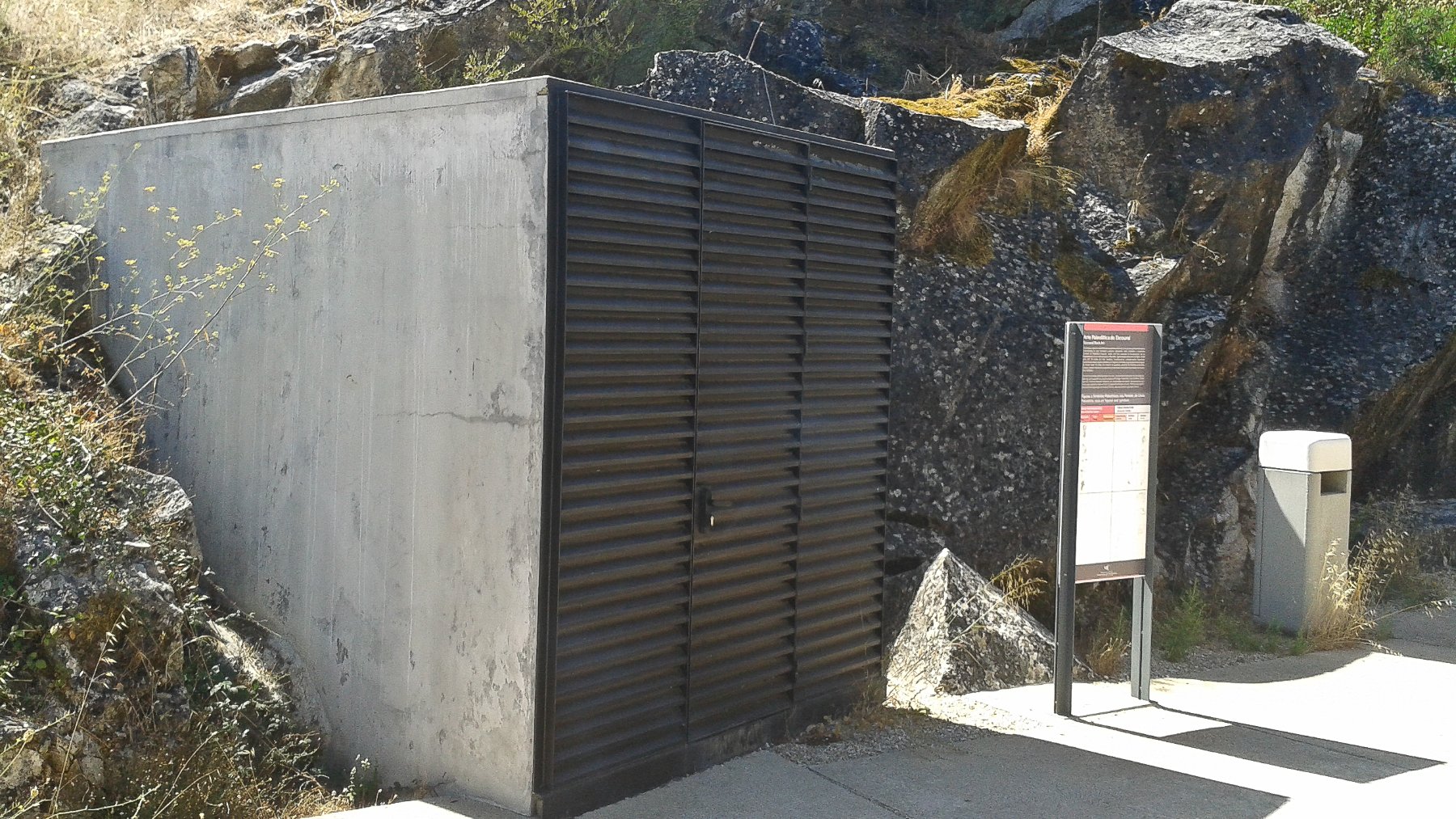
Scientists sampled 120 surfaces inside caves in Portugal and Spain and recovered ancient human DNA from just five, including a red-pigment crust at Escoural, revealing that even apparently blank cave walls can preserve genetic traces of people who passed through thousands of years ago
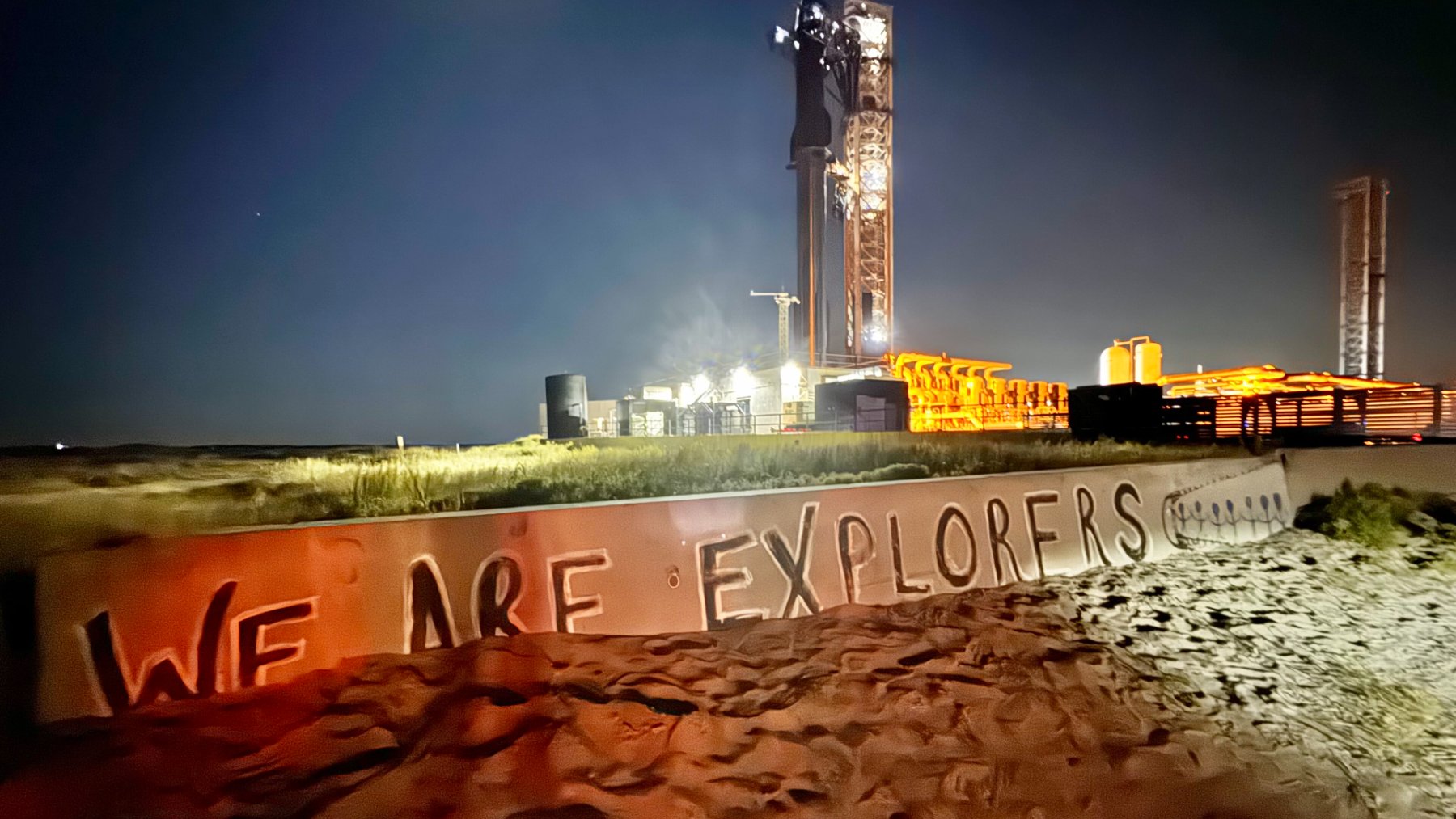
SpaceX recovered Ship 40 after its 171-foot Starship upper stage survived reentry, splashed down in the Indian Ocean and spent about 24 days at sea, giving engineers the first largely intact spacecraft of its kind to inspect for clues hidden in its battered heat shield
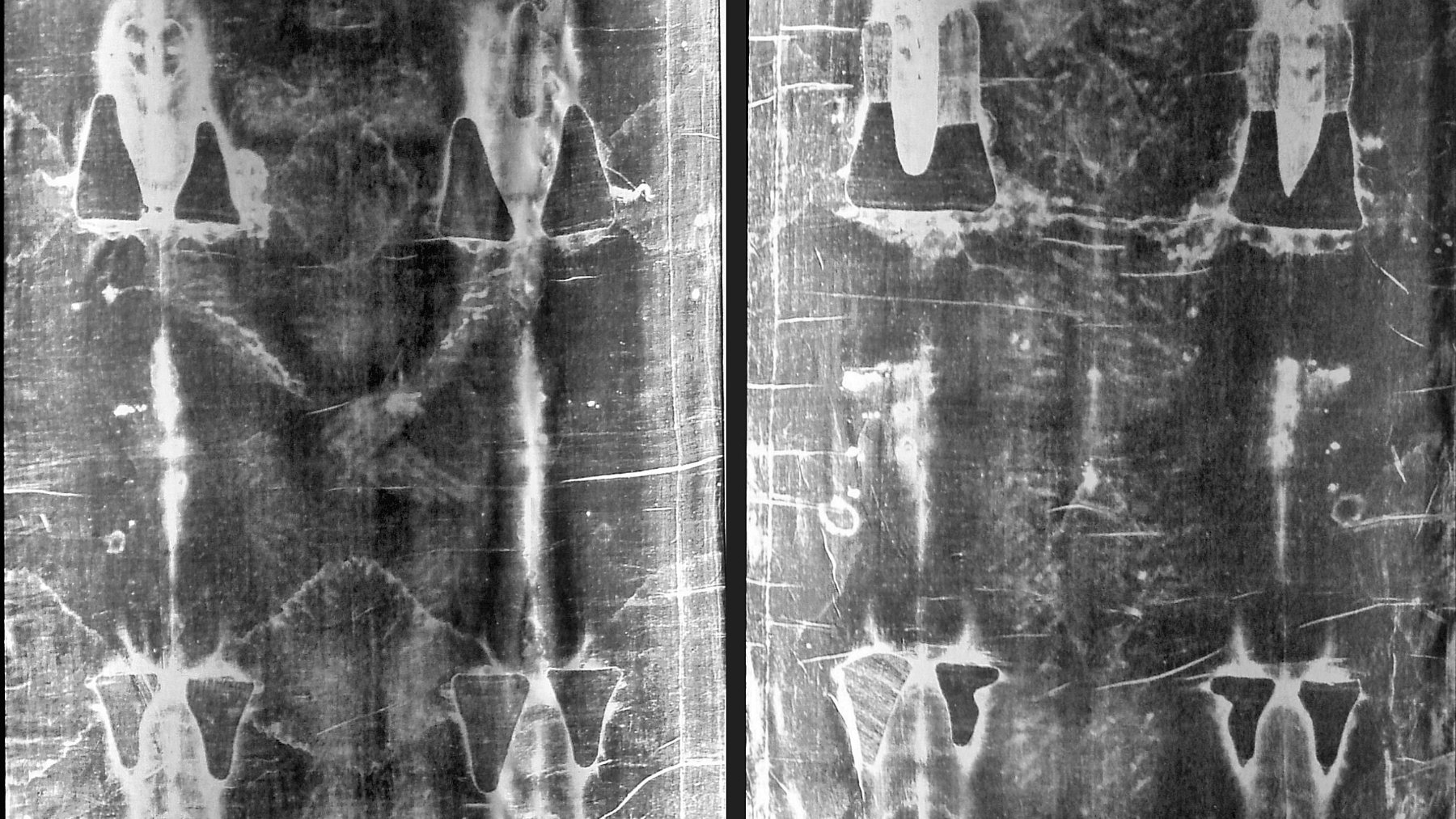
Scientists recovered DNA from humans, crops, domestic animals, microbes and even Mediterranean red coral from 1978 samples of the Shroud of Turin, but nearly 50 years later the genetic “guest book” still cannot reveal when the cloth was made or prove its authenticity
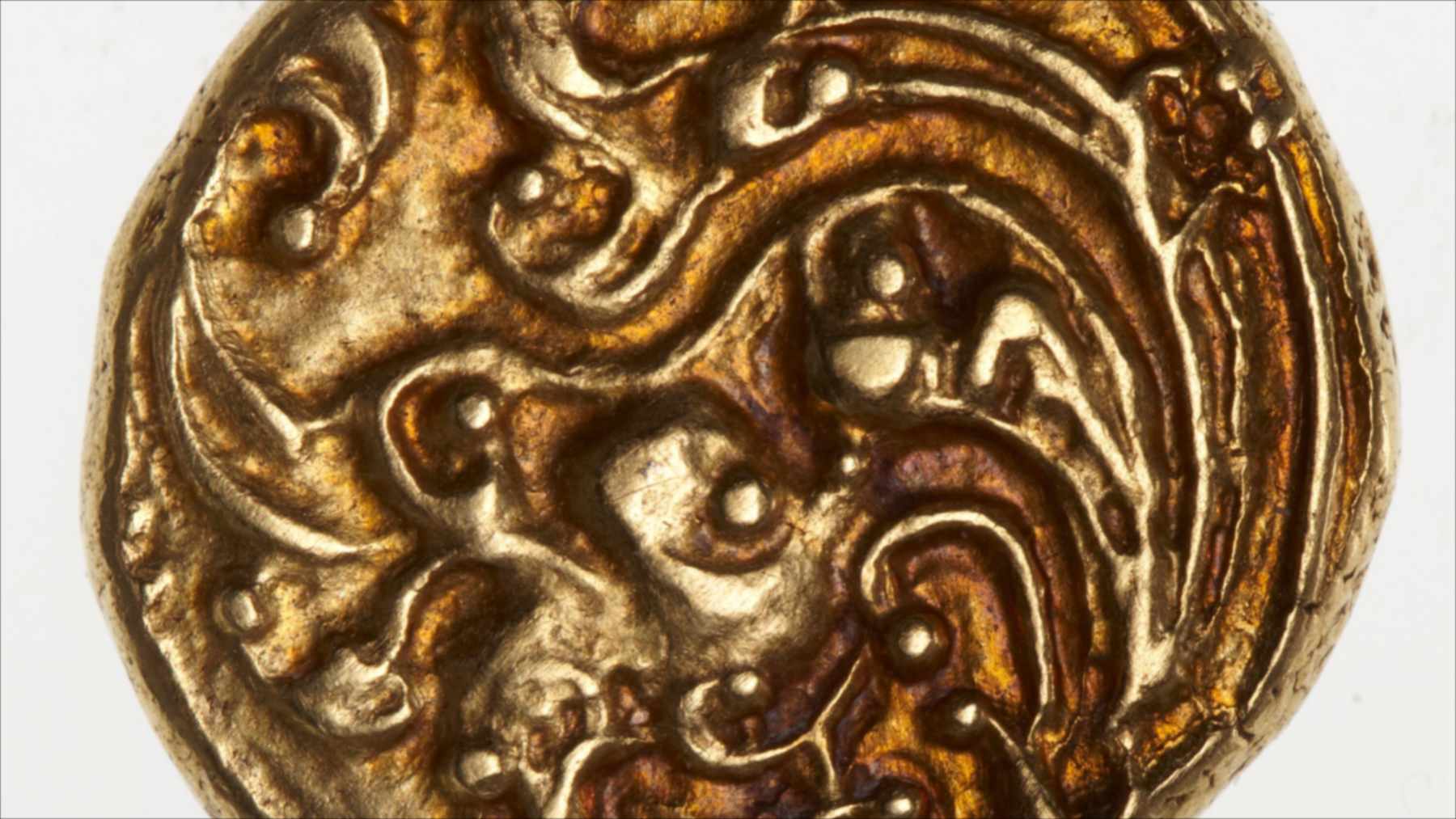
Workers digging near a student hostel in a Karnataka village opened an earthen pot filled with 14 gold coins stamped with elephants, and what matters most is not the million rupees but the soil they came out of