




ECONEWS
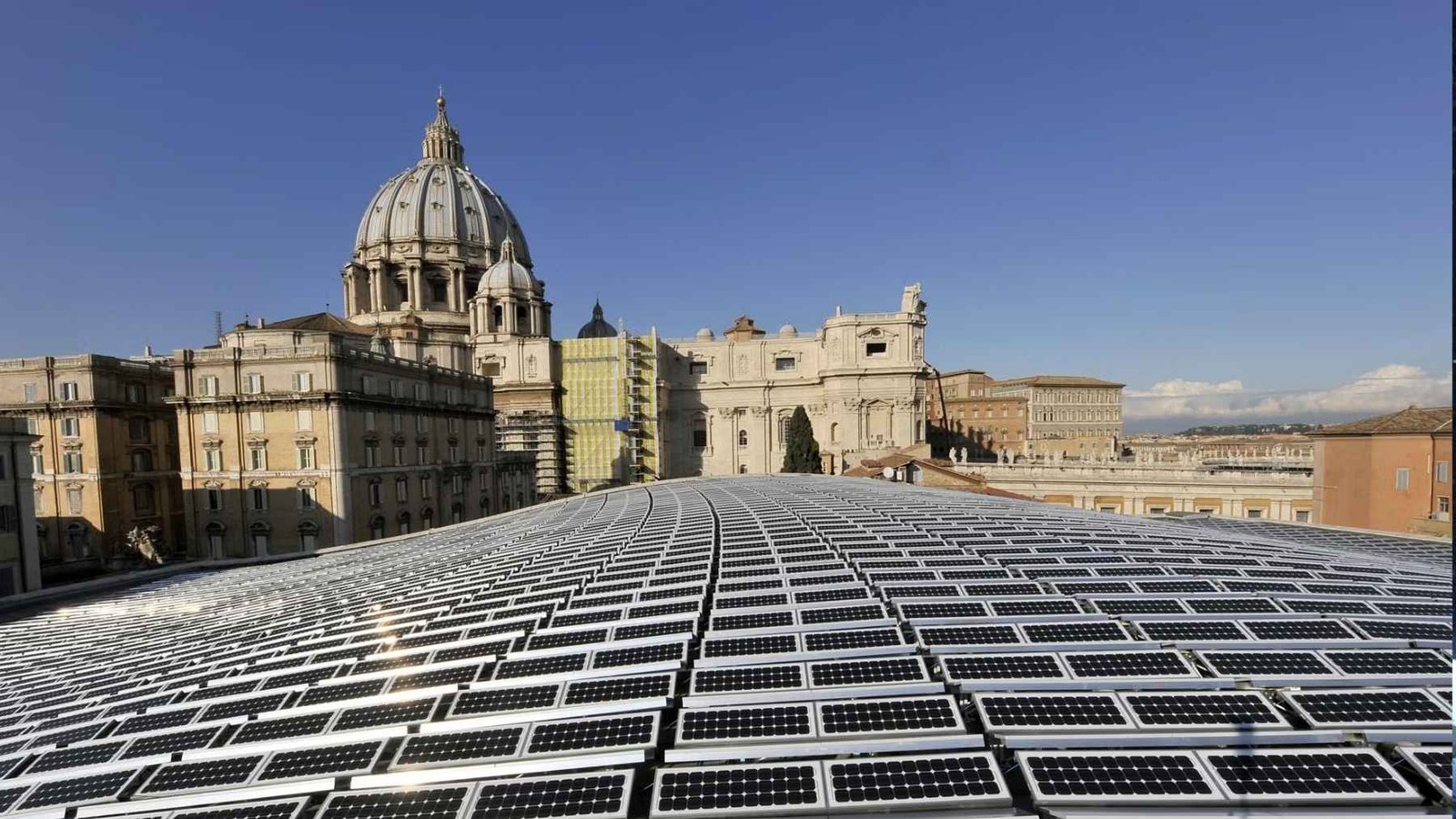
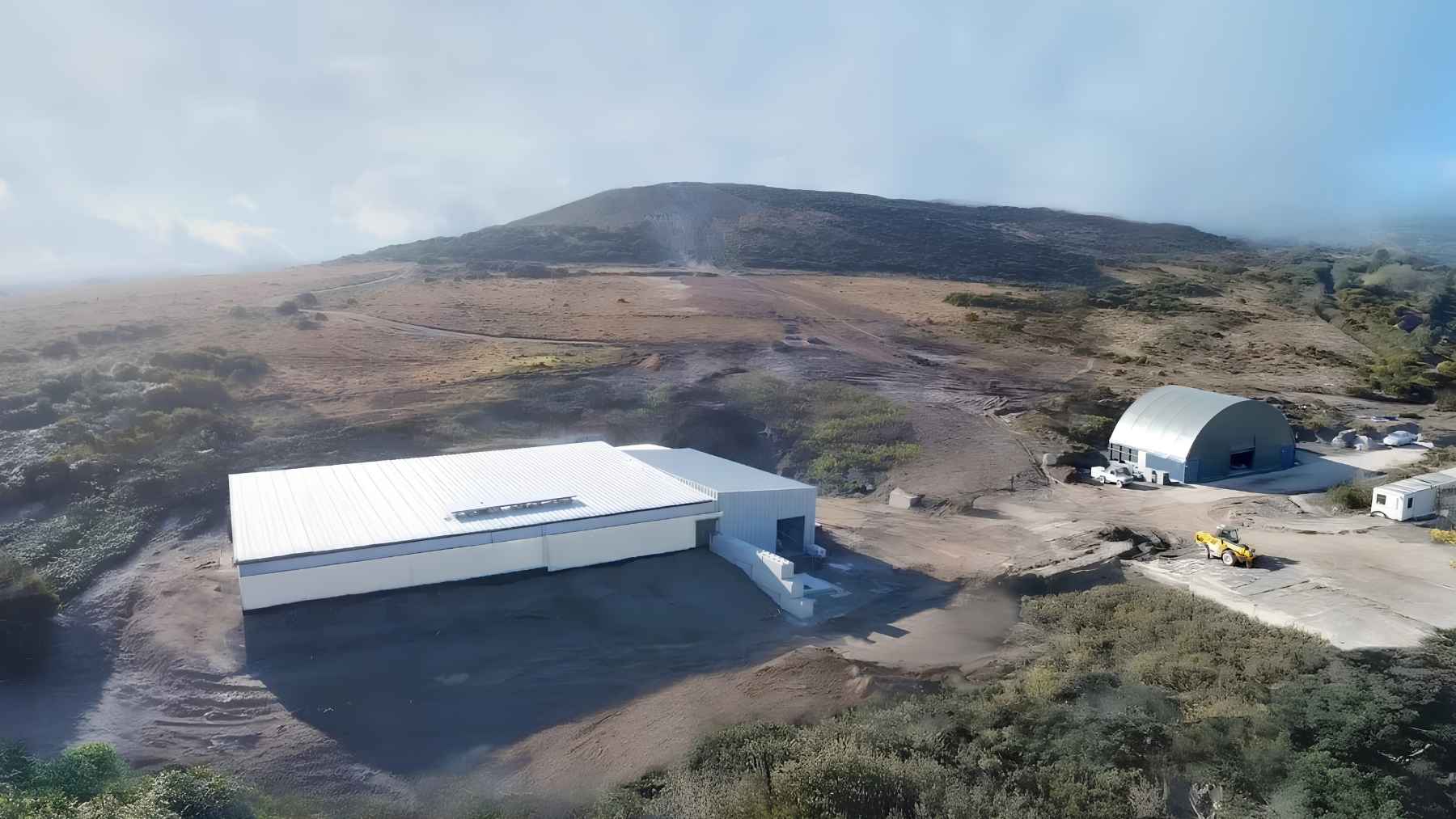
The Vatican is preparing a solar farm nearly ten times its own size north of Rome, but the field is still waiting for its first panel
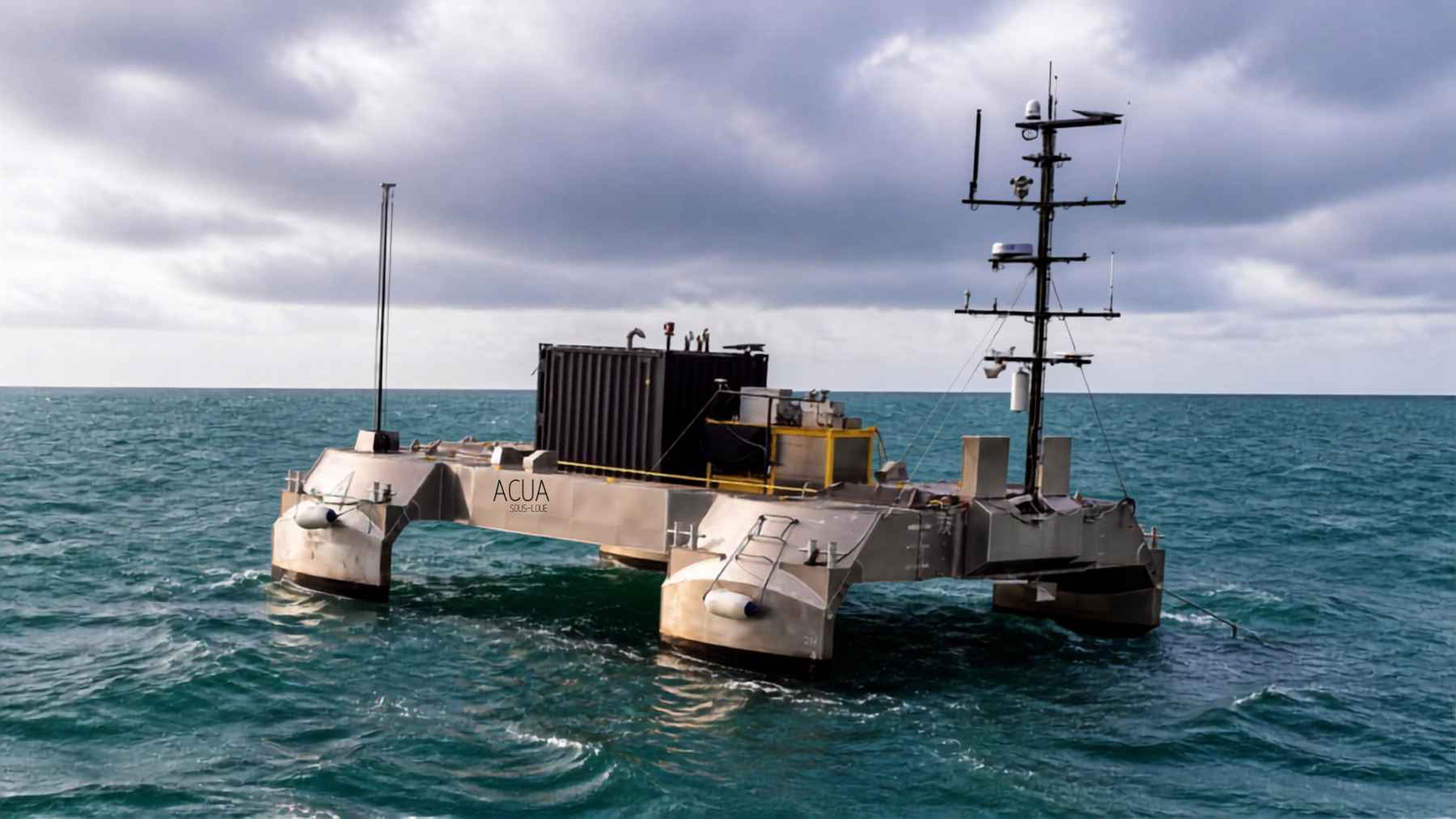
A 46-foot robot boat found a distress beacon off Plymouth, and its steady hull may matter more to navies than hydrogen
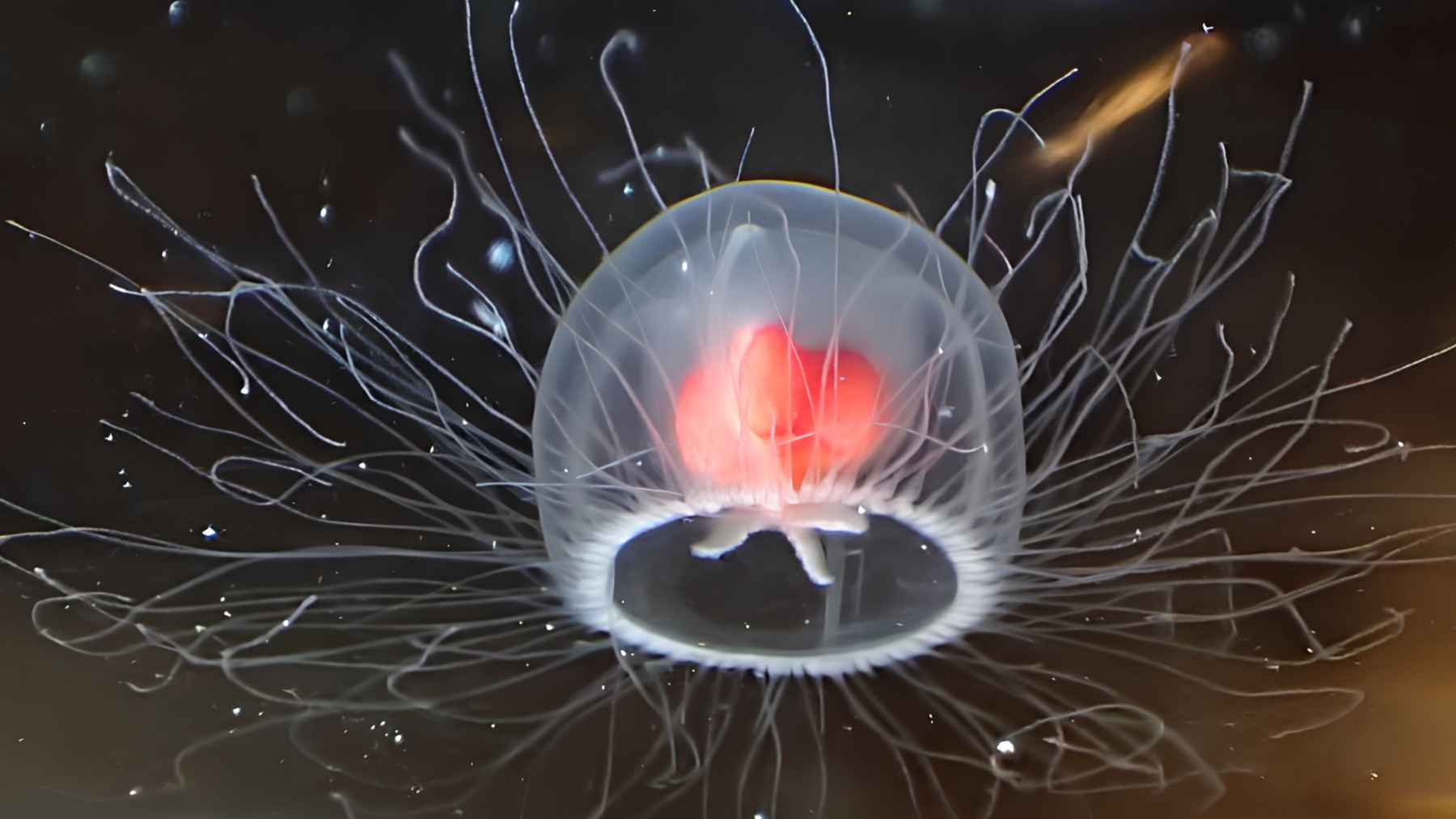
A jellyfish smaller than a fingernail can reverse aging, but its strange reset trick is not the immortality people imagine
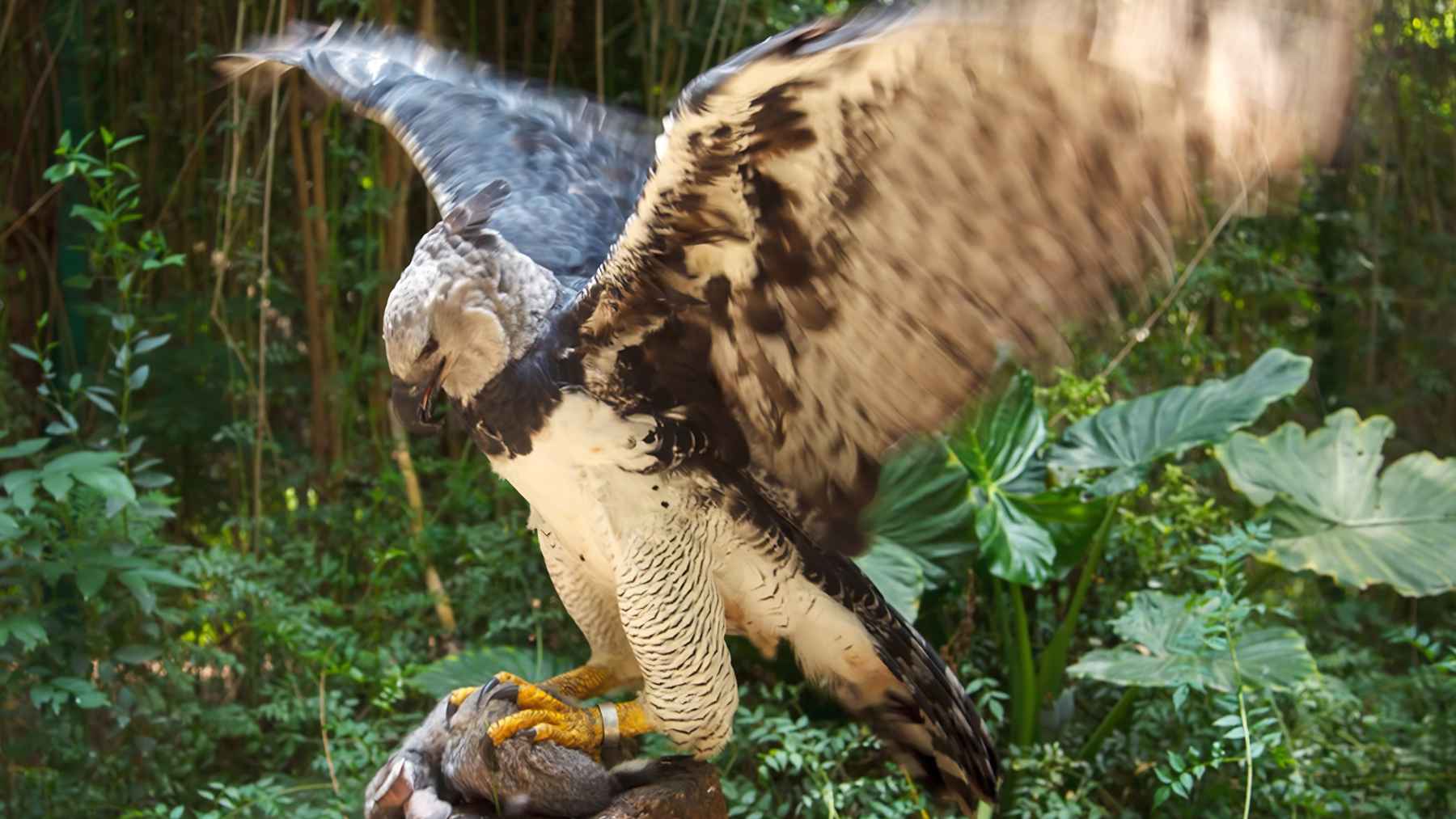
A harpy eagle can pull monkeys from rainforest trees, but the predator’s giant talons cannot save it from disappearing habitat
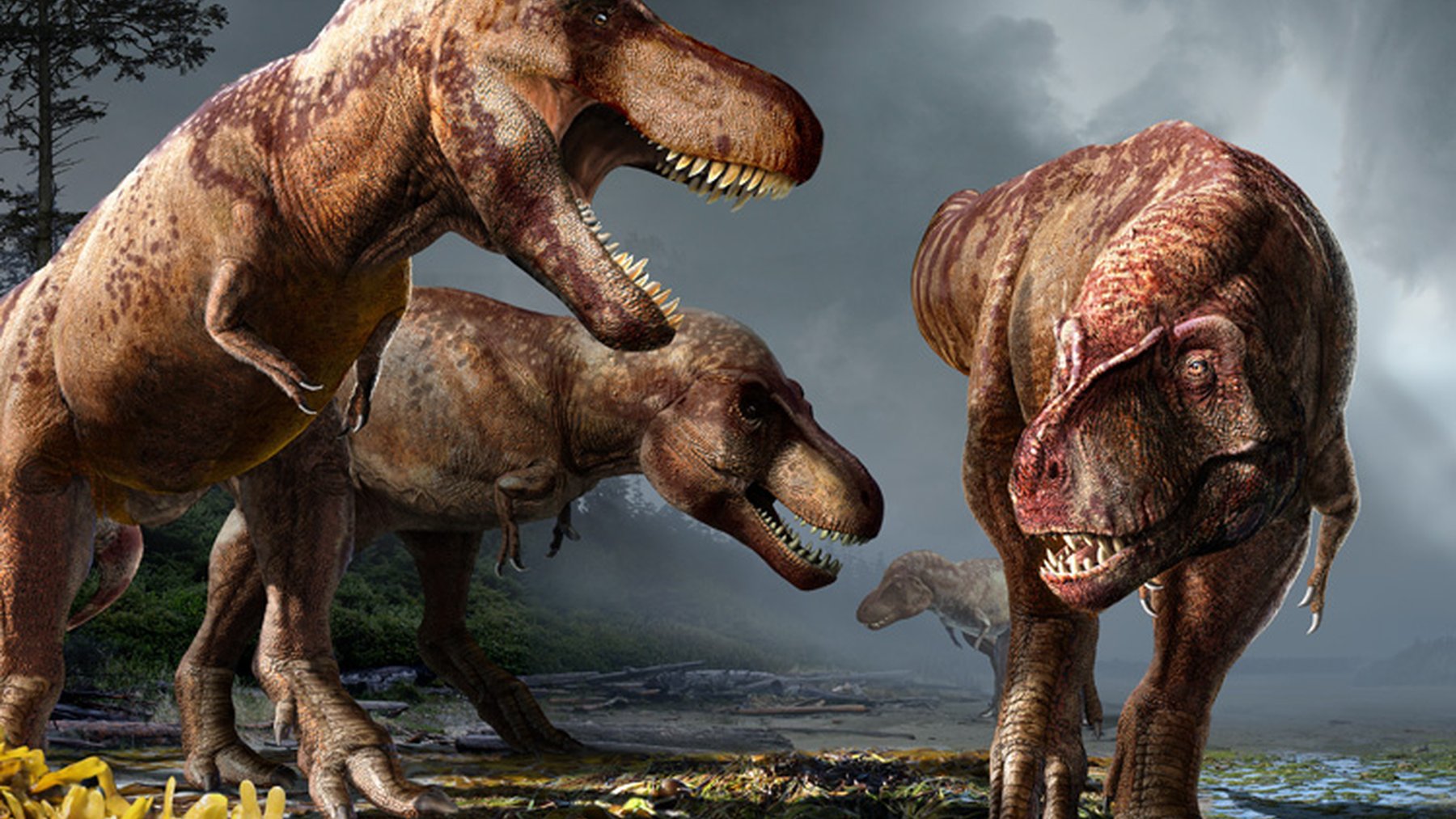
Scientists estimate 2.5 billion T. rex once lived in North America, but museums hold only 32 well-preserved adults
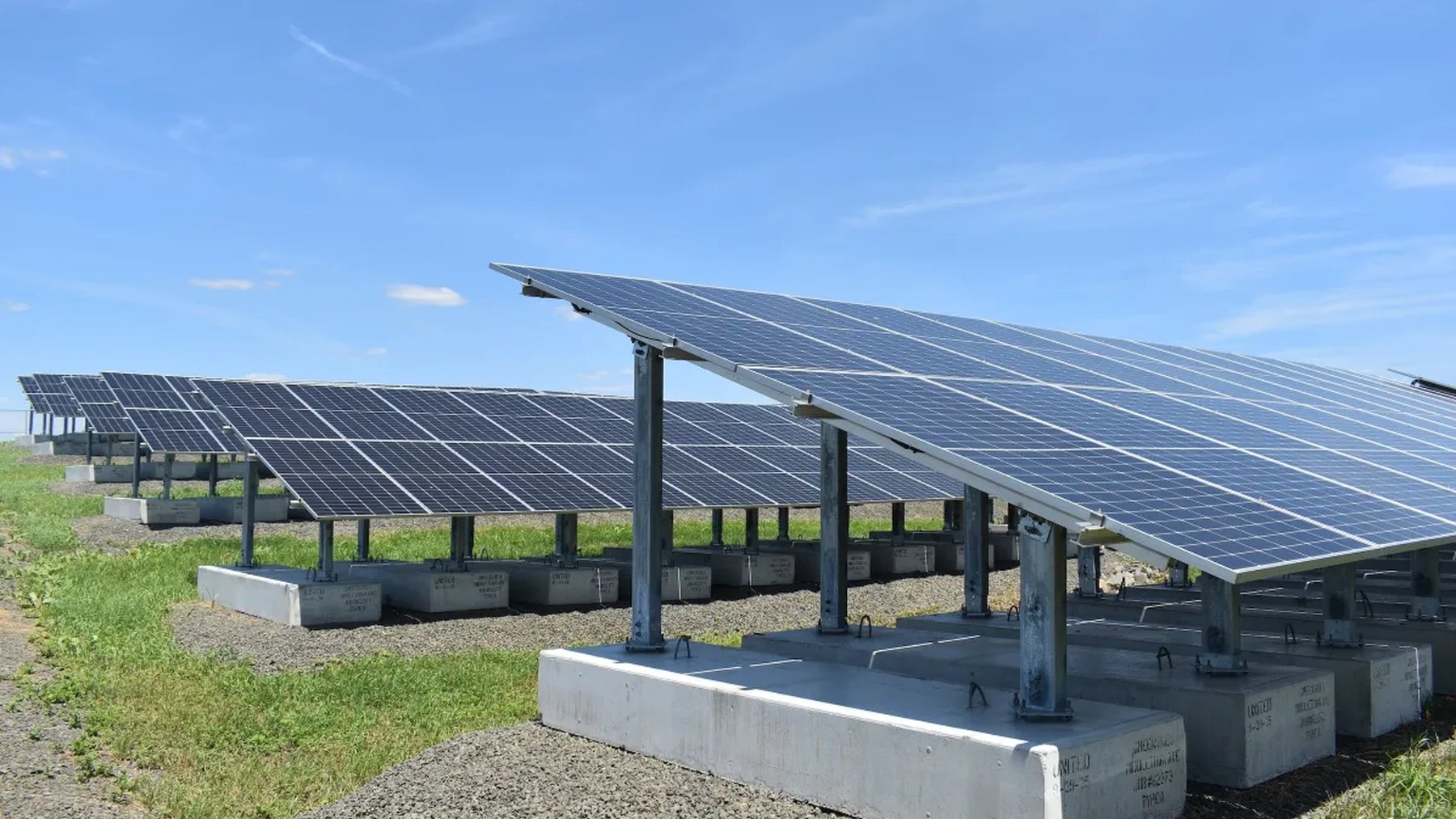
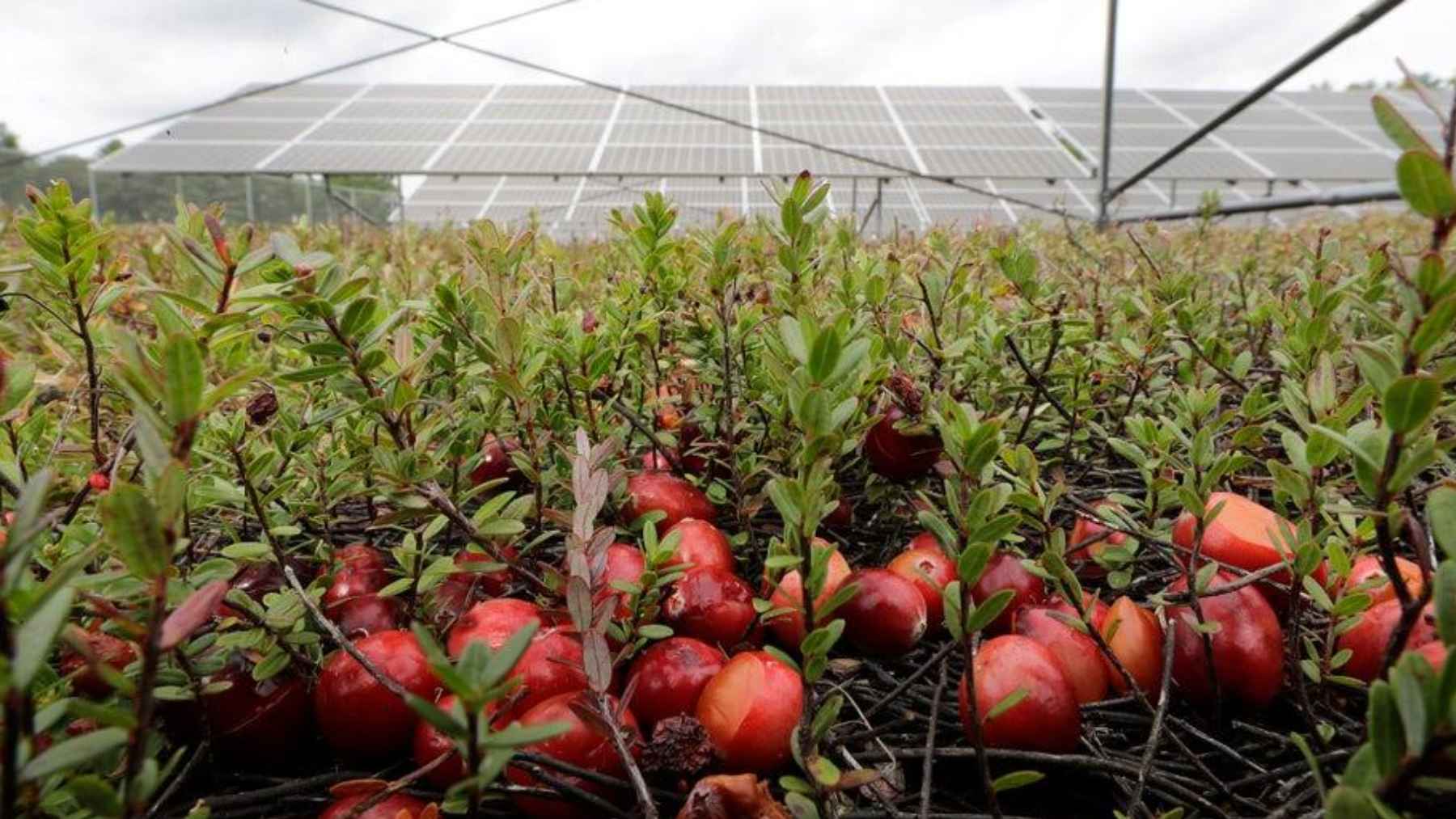
New Haven turned an old trash hill into a solar plant, and 1,900 panels now power homes without clearing farmland or forest
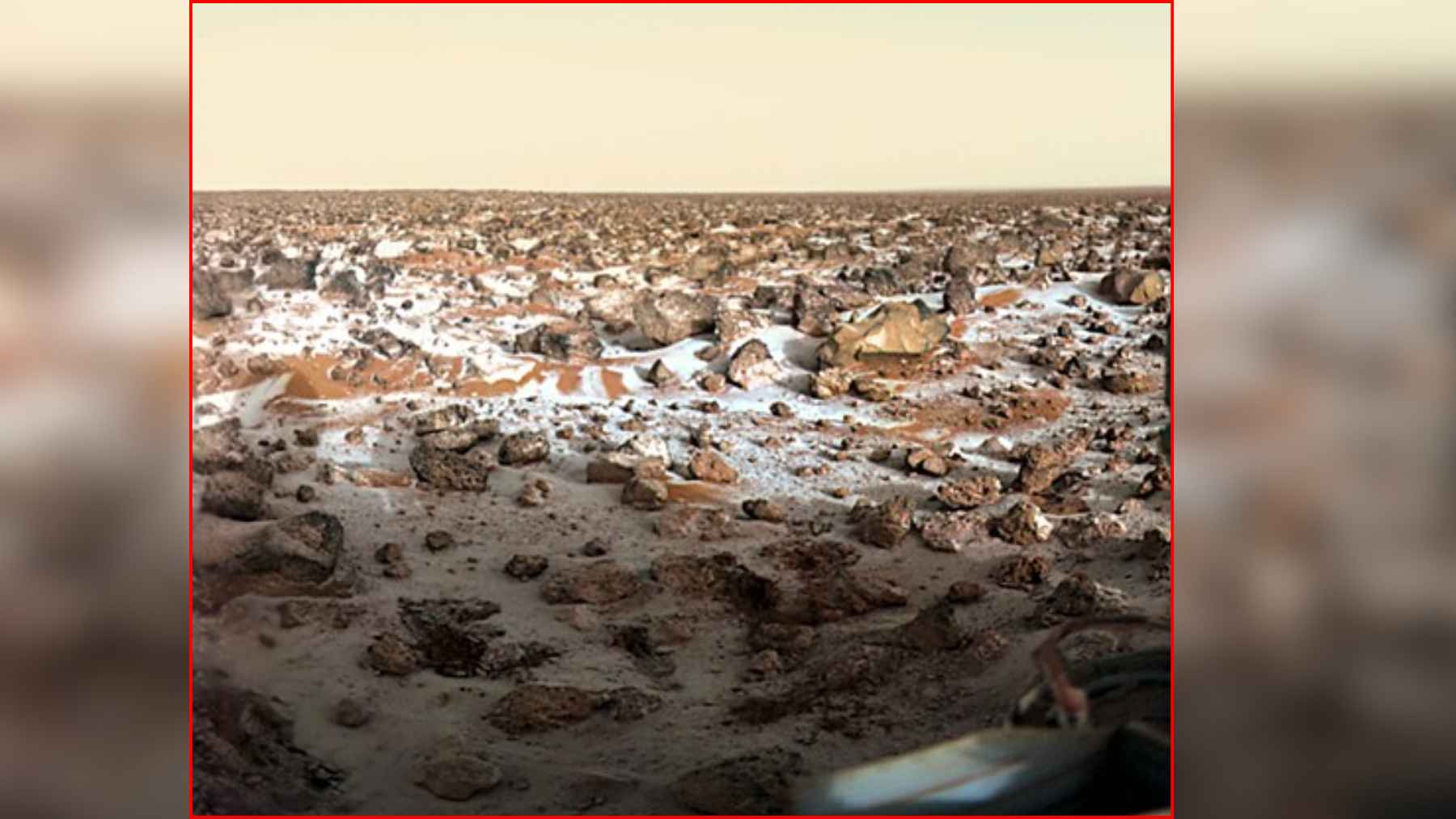
NASA’s Viking 2 photographed a pale frost on Mars nearly 50 years ago, and scientists now think it may have created 30 days of hidden brine
A small Devon power plant uses liquid dense enough to float concrete, and it could change where clean energy gets stored
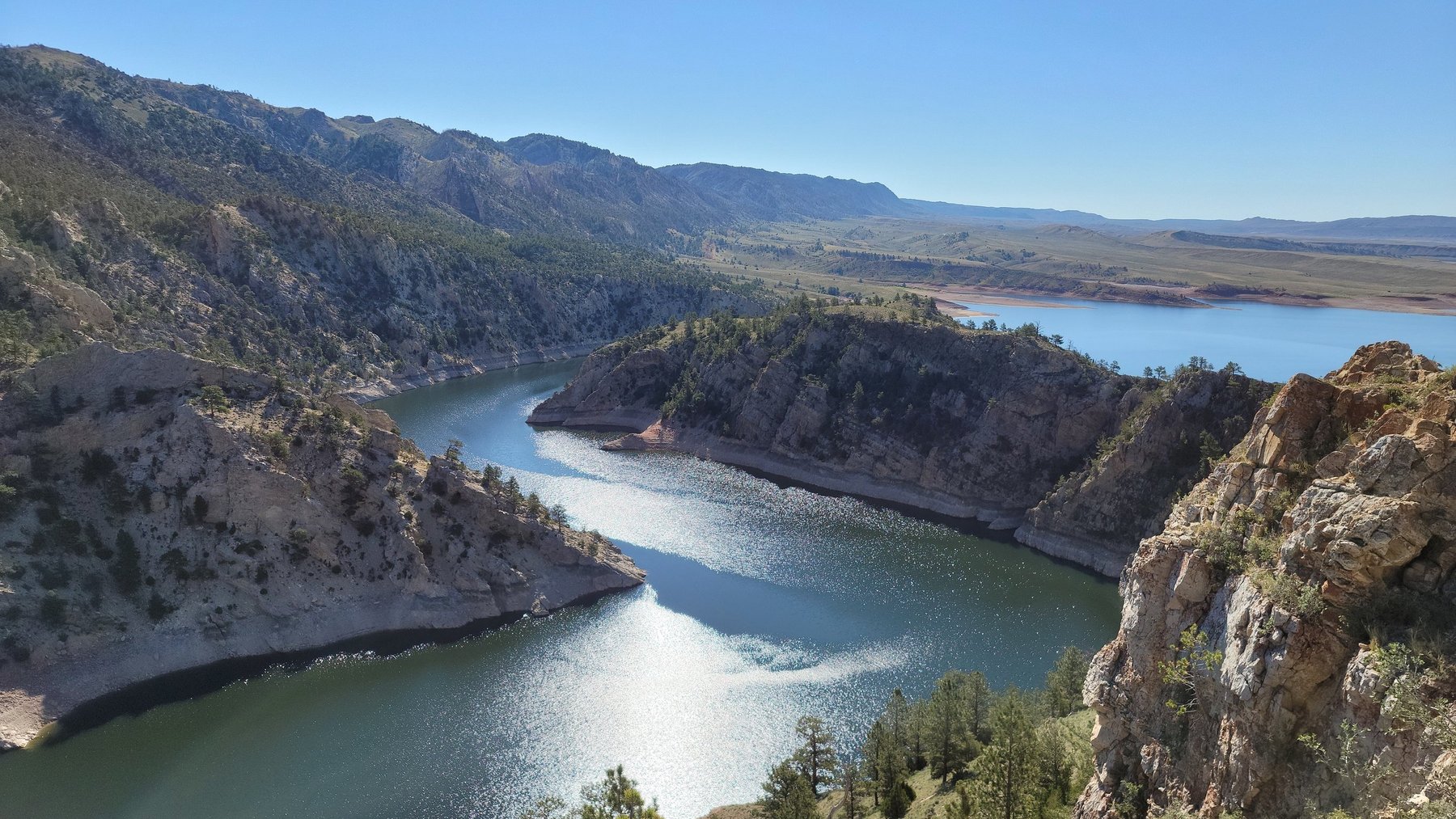
A Wyoming mountain could become a 972-megawatt water battery, but the project may disturb the trout waters below Seminoe Reservoir
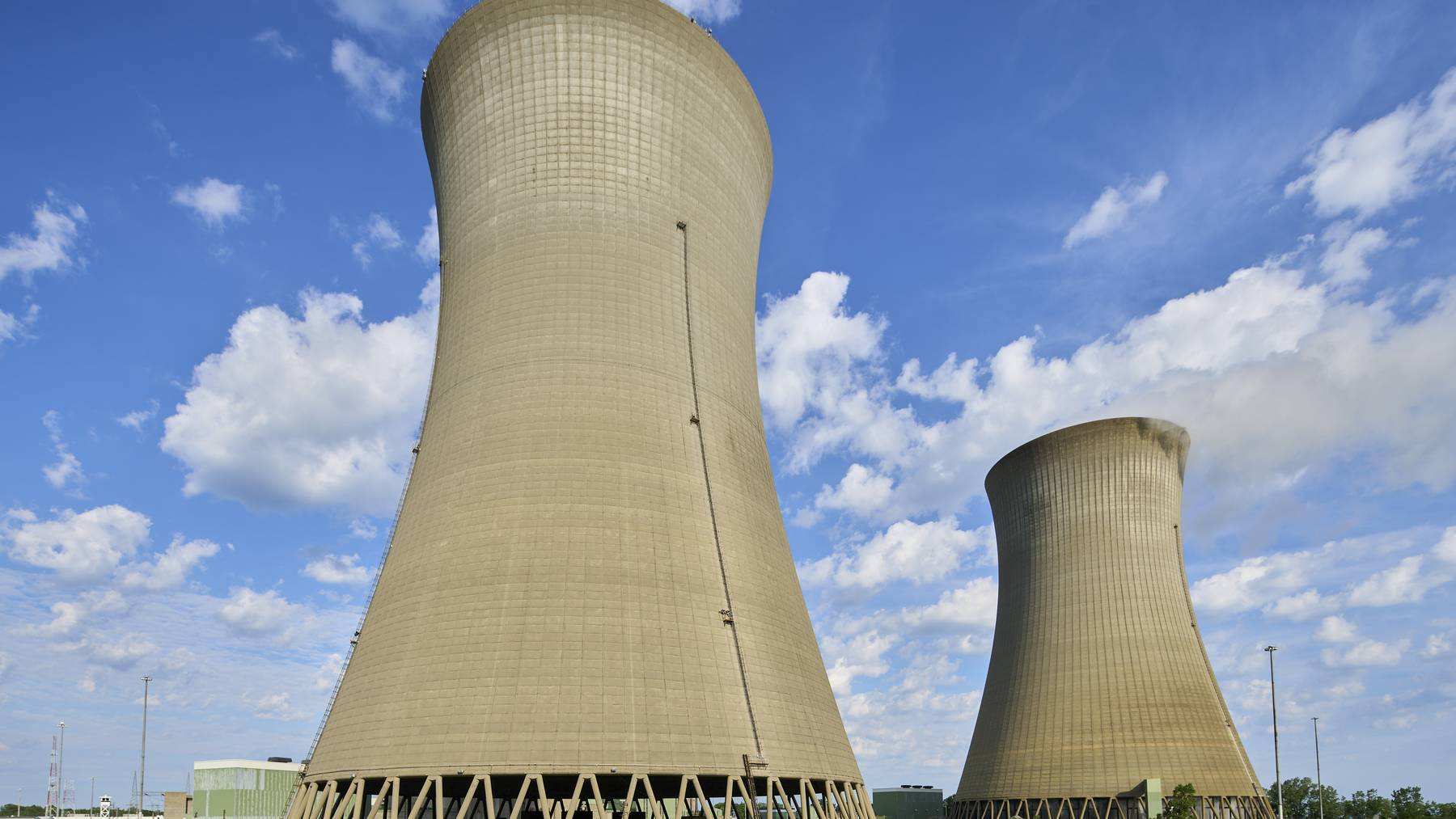
Westinghouse wants up to 91 nuclear units across several countries, but the real bottleneck may begin inside U.S. licensing offices
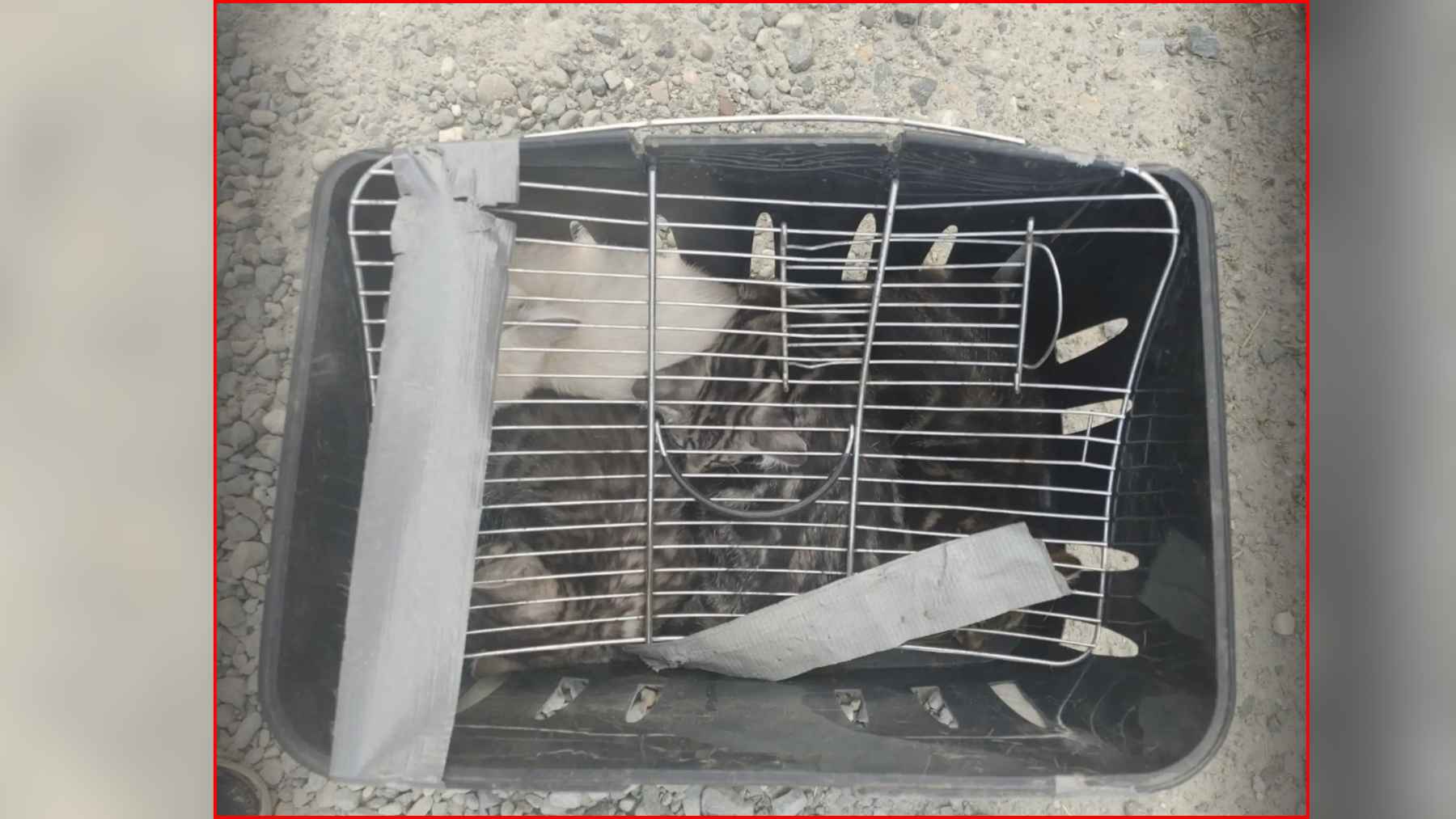
Four kittens survived inside a taped grocery basket outside a British Columbia shelter, but their rescue shows why drop-offs can turn dangerous
A 13-year-old from Minnesota is testing peanut shells against pesticide residue, and the overlooked waste could become a food-safety tool
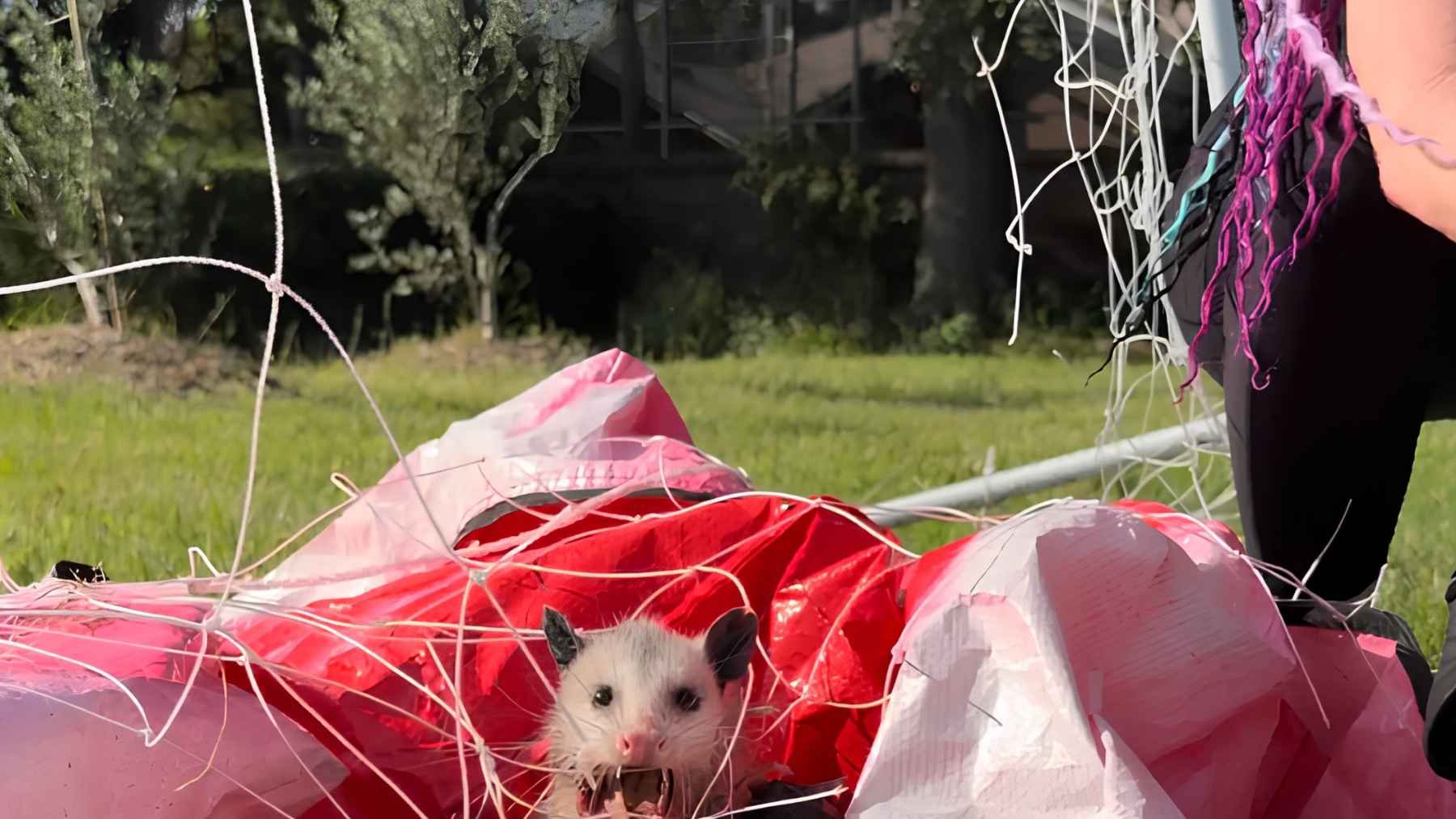
A Florida opossum looked aggressive in a soccer net, but rescuers soon realized she was protecting her babies
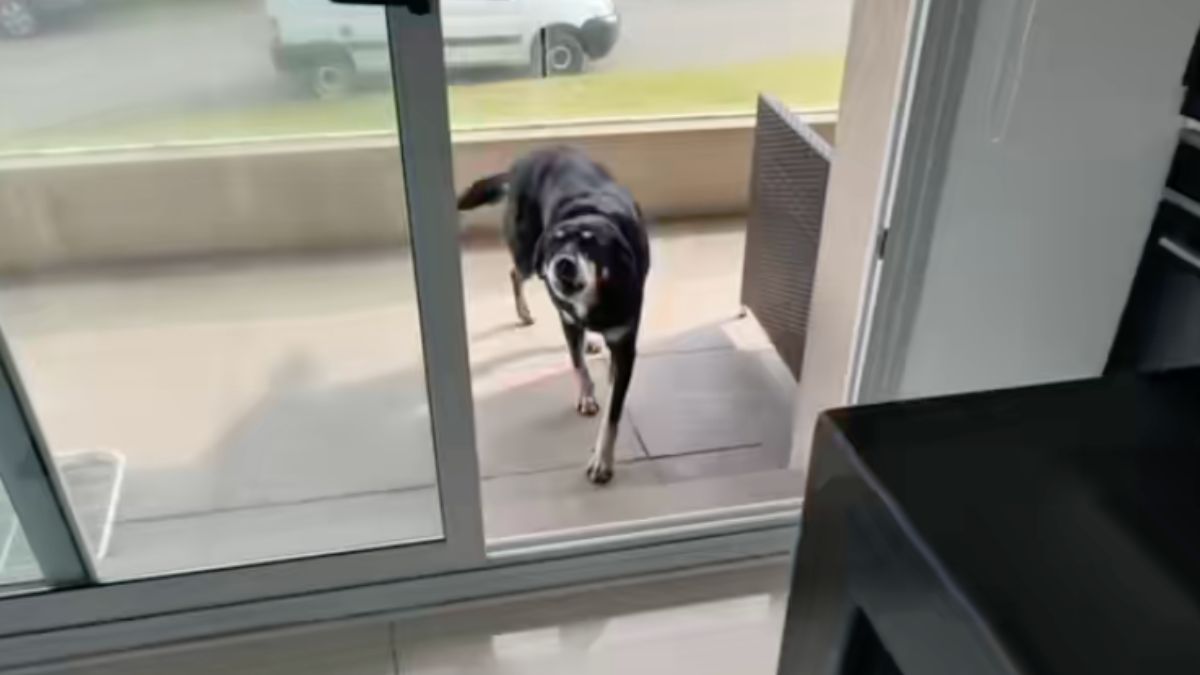
A dog named Never crossed onto a neighbor’s balcony, and one unexpected visit turned into a daily friendship neither saw coming
Psychology says the friend who never asks for help may be hiding a survival strategy learned long before adulthood
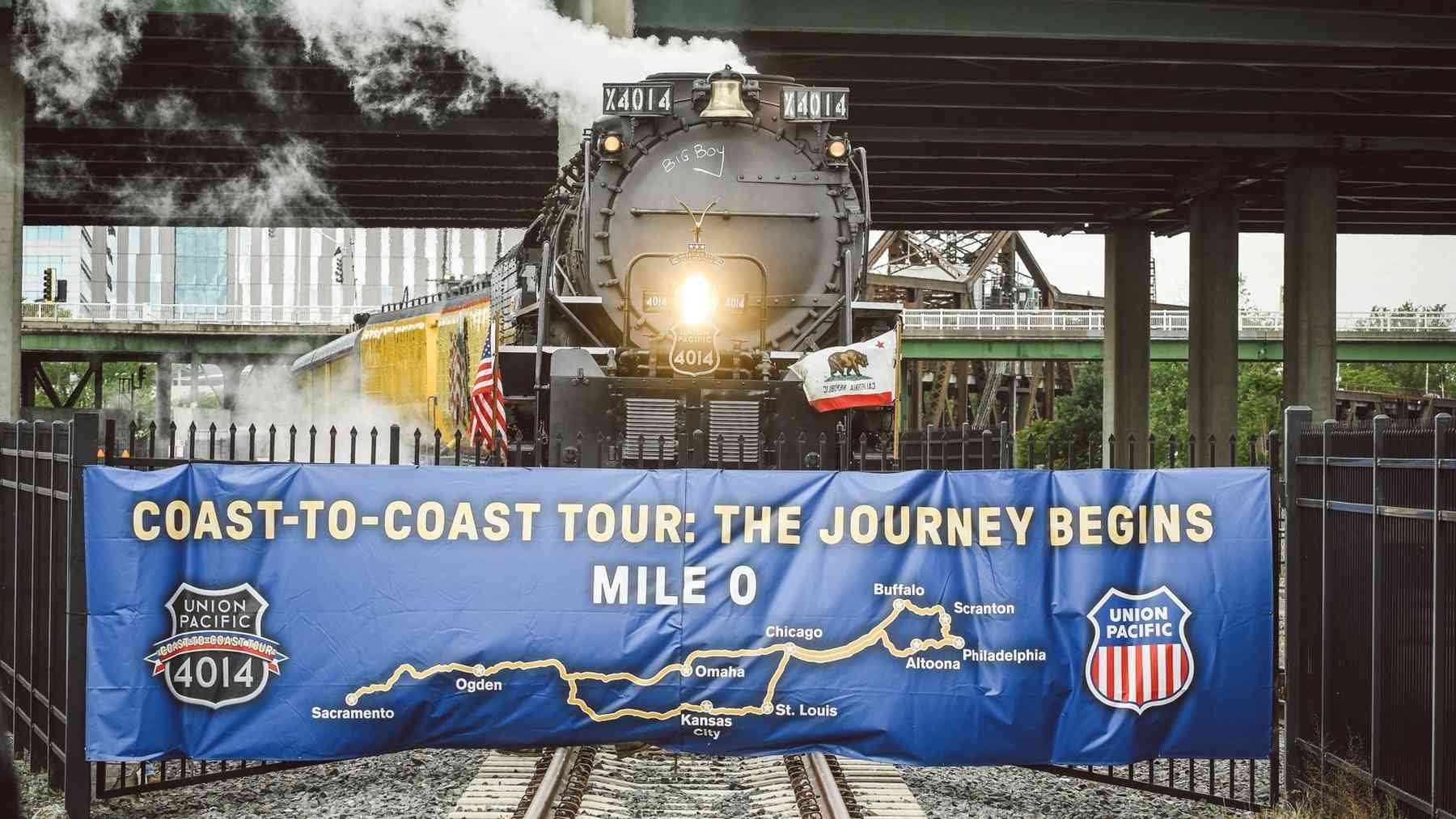
Union Pacific’s Big Boy crossed America at 1.2 million pounds, and the diesels behind it were not secretly doing the work
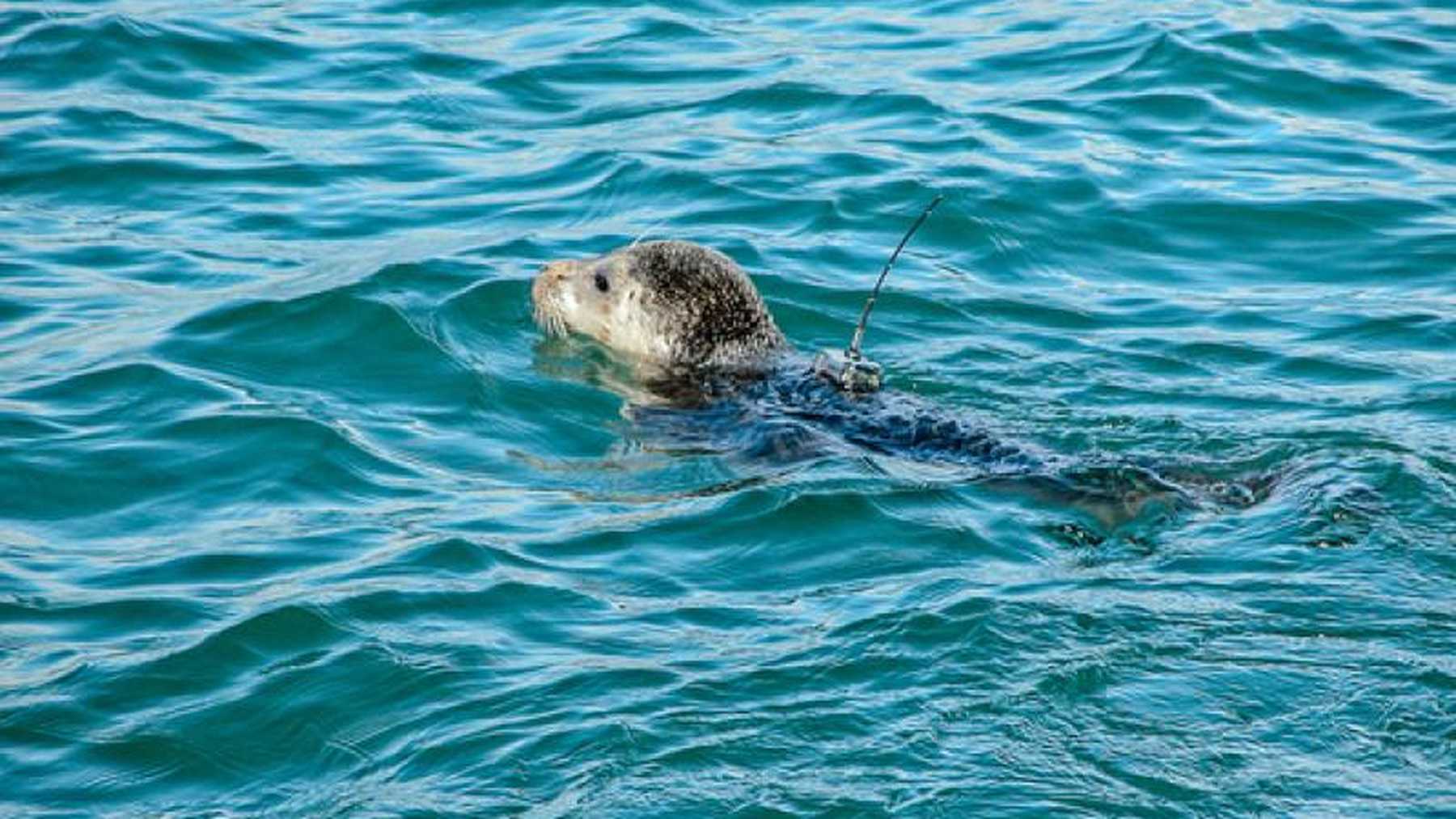
Three harbor seals followed turbine rows in the North Sea, turning offshore wind foundations into hunting stops scientists did not expect
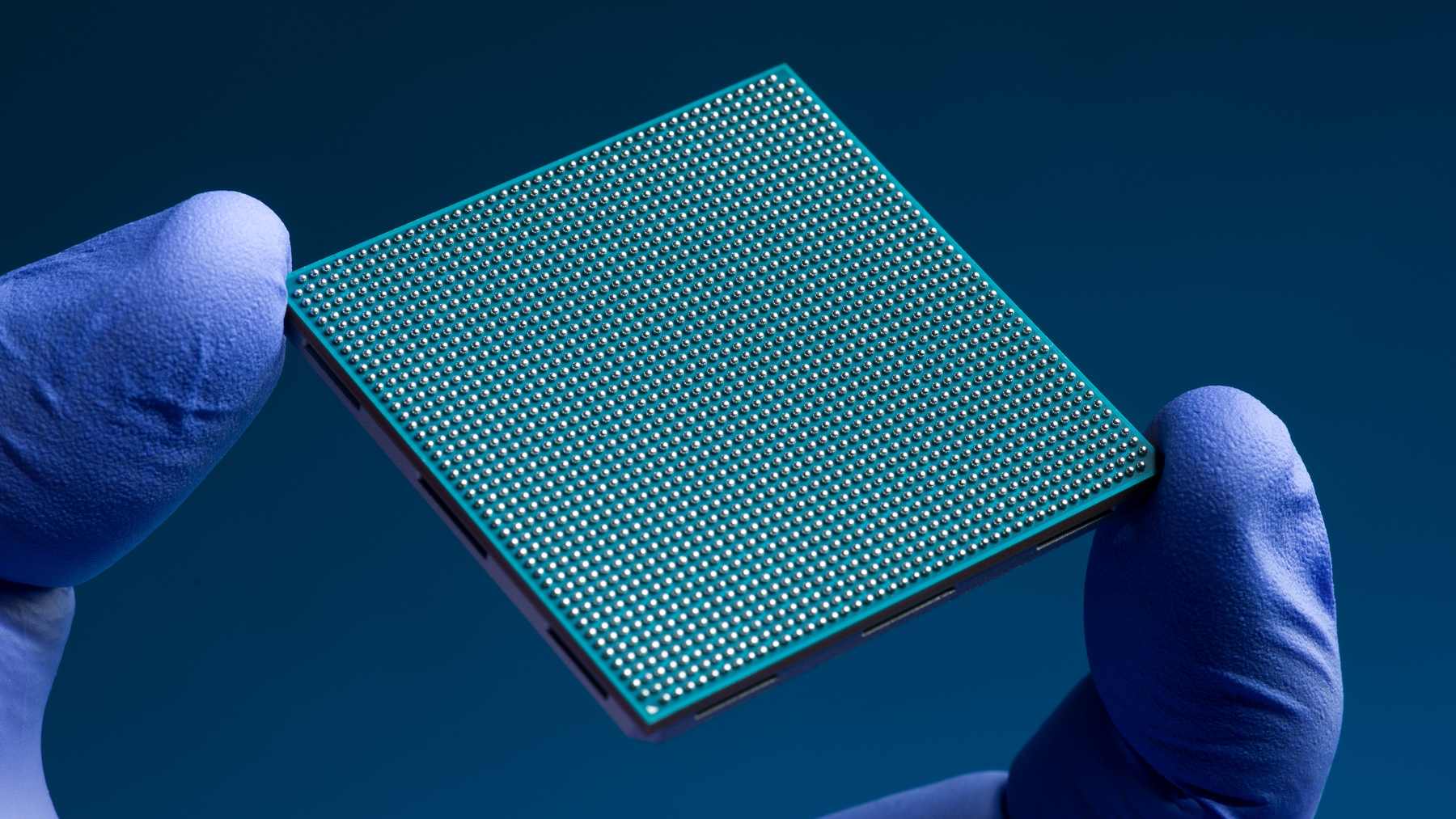
NASA’s new space processor fits in a gloved hand, but its 500-times speed could change how spacecraft survive far from Earth