

ECONEWS

A team of journalists specializing in socio-environmental news, sustainability, climate change, the environment, responsible consumption, and innovation. At EcoNews, we provide clear, reliable, and relevant coverage of the environmental and social challenges shaping our era.
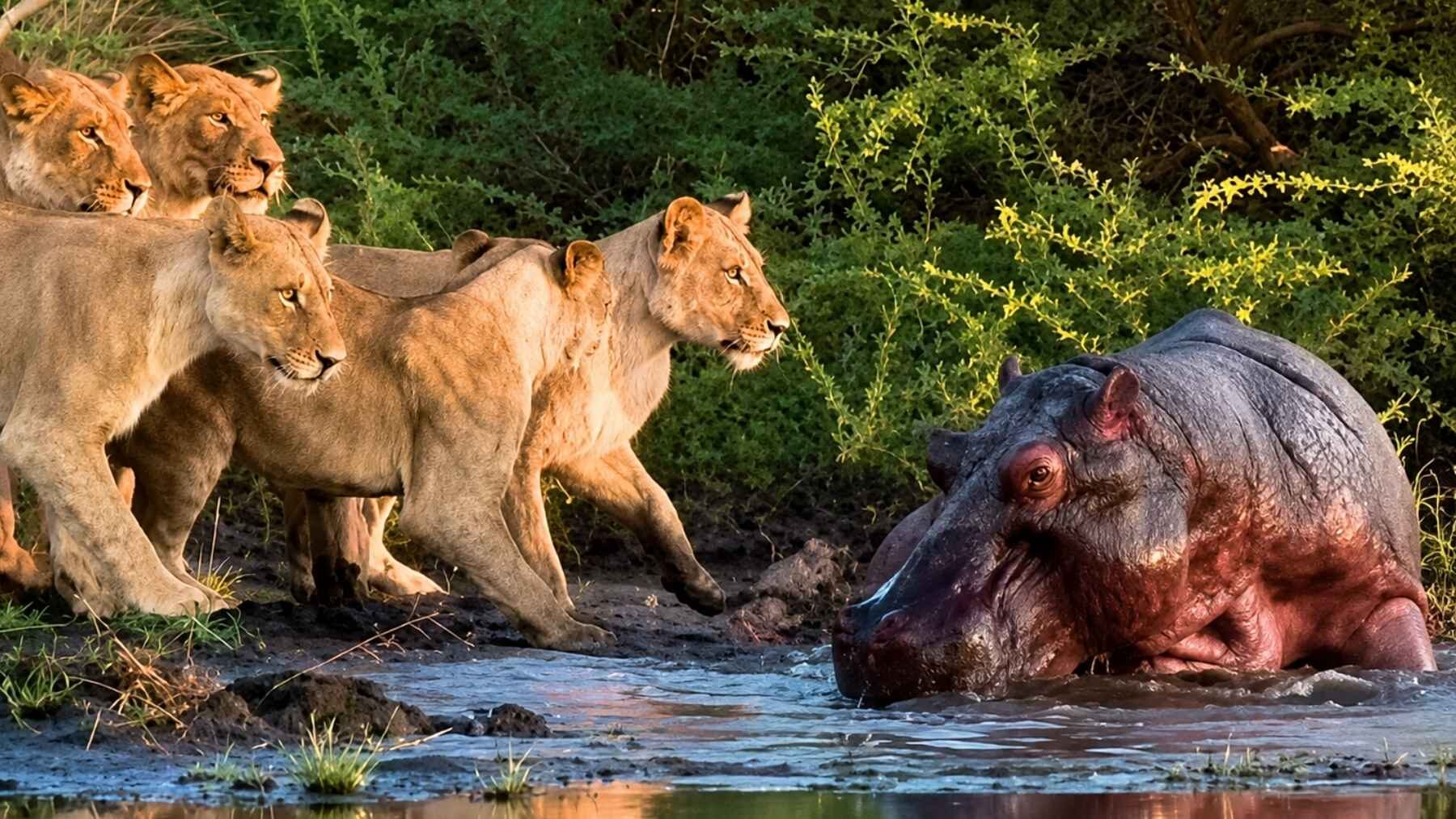
Young lions confront a massive hippo at the edge of a waterhole in Botswana.

About seven young lions surrounded a massive hippo at a Botswana waterhole and even chased it into the water, but one intimidating turn from the several-ton animal was enough to make the entire pride reconsider its plan

—
August 28, 2026 at 12:58 PM
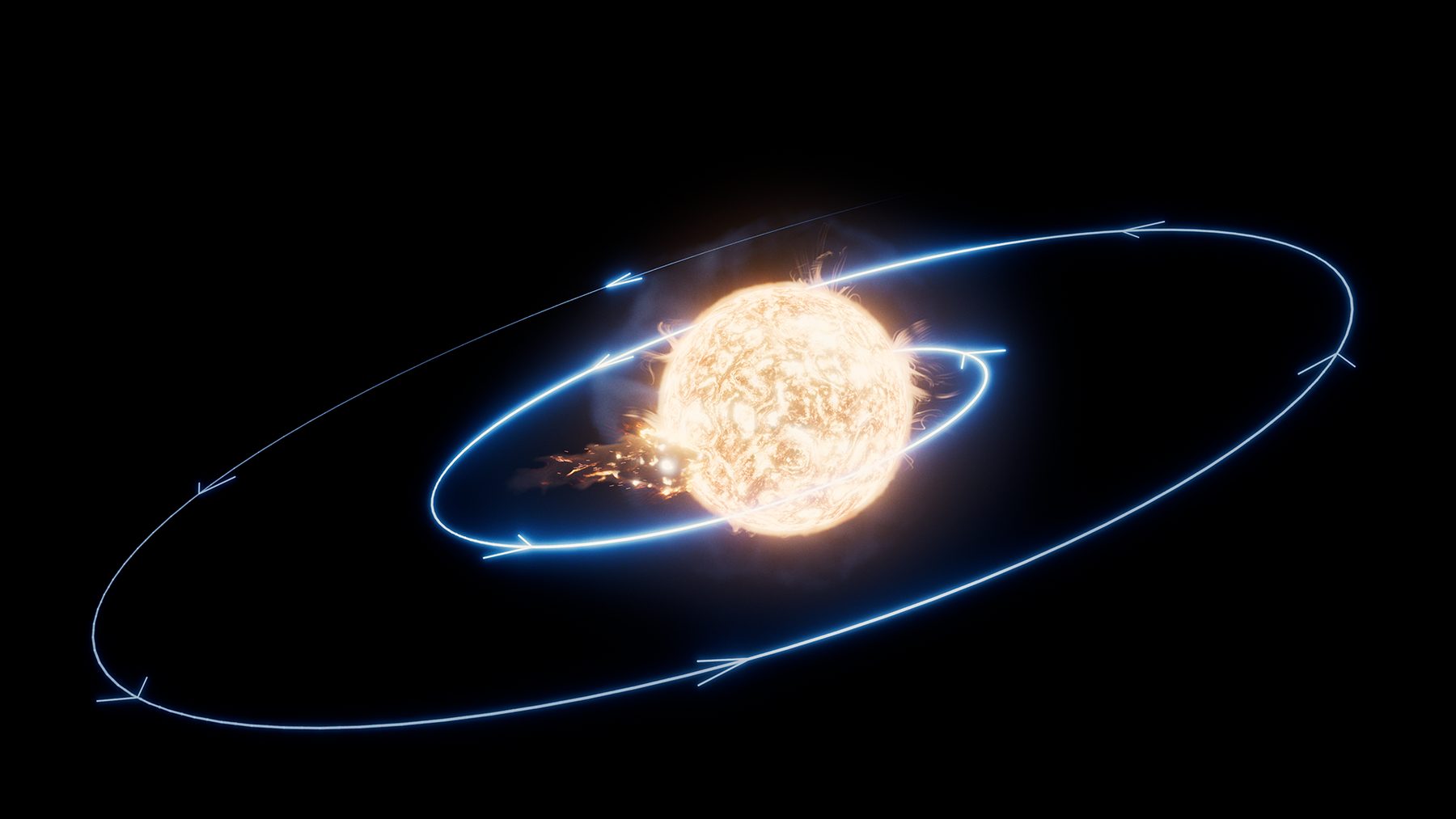
IC 1101, the enormous central galaxy in the Abell 2029 galaxy cluster.

Astronomers finally found the edge of the largest known galaxy after removing the glare from more than 250 foreground stars, revealing a 1.7-million-light-year giant containing roughly 3.4 trillion Suns worth of stars

—
August 28, 2026 at 9:35 AM
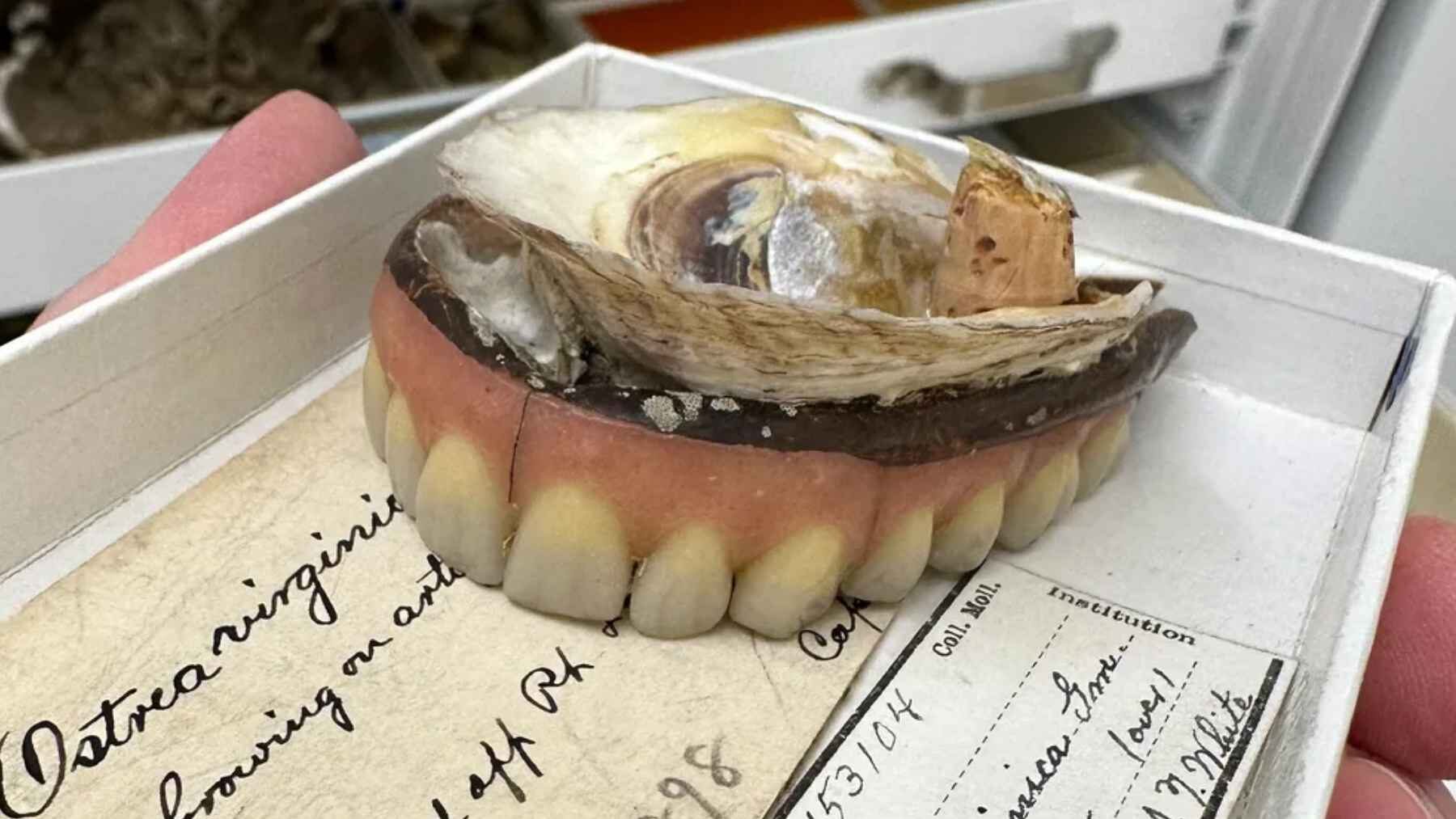
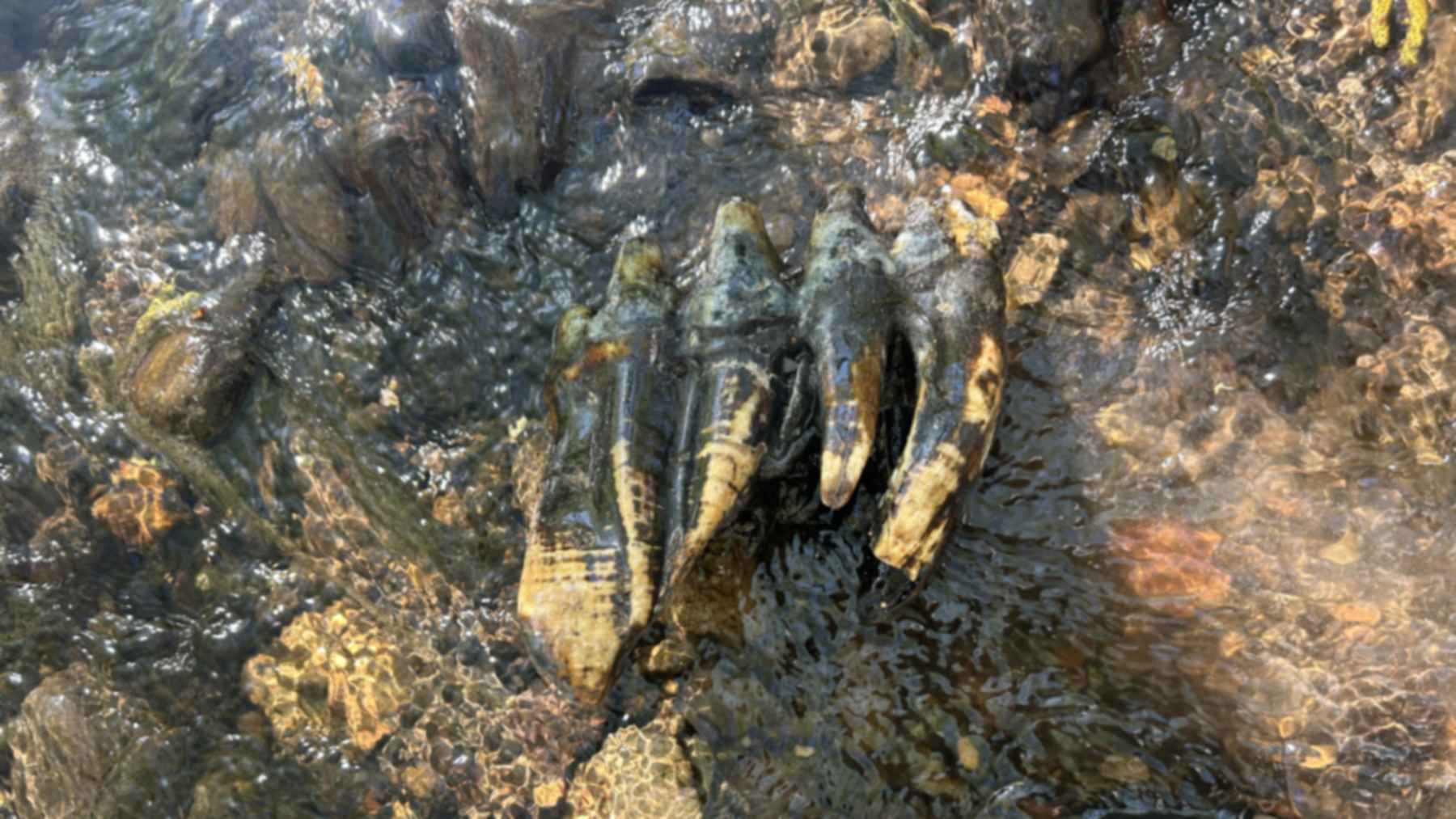
Eastern oyster attached to a set of false teeth recovered from Chesapeake Bay in 1898.

Scientists examined an ancient oyster with strange tooth-like structures and discovered that the tiny fossil was preserving a chapter from millions of years ago when mollusks spread across what would eventually become Chesapeake Bay

—
August 27, 2026 at 6:55 PM
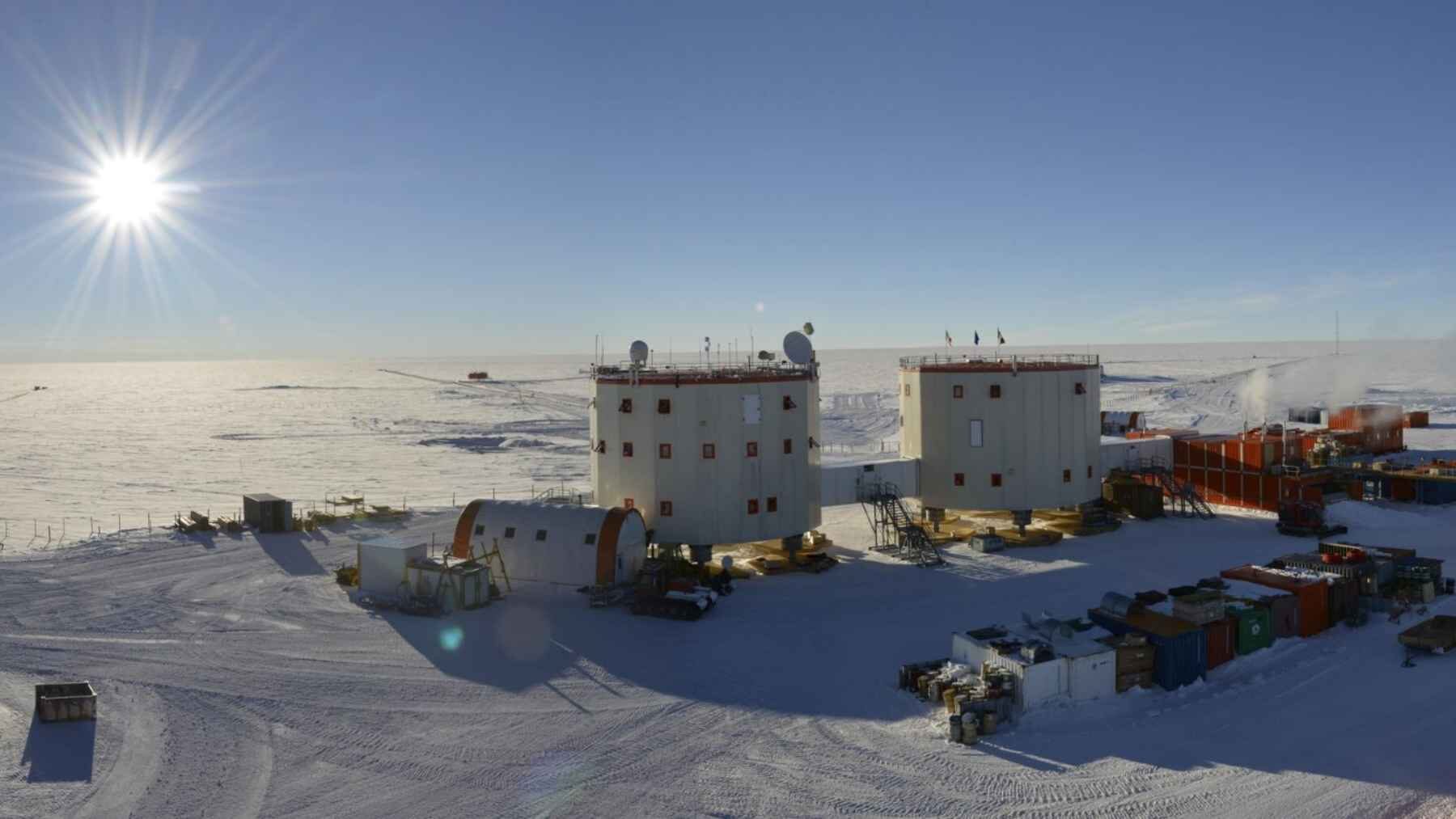
Concordia Research Station on the Antarctic Plateau, where temperatures fell to -119.4°F in July 2026.

A thermometer in Antarctica hit -119.4 °F twice in nine minutes, and the coldest air reading in 14 years hides a climate paradox

—
August 27, 2026 at 3:25 PM
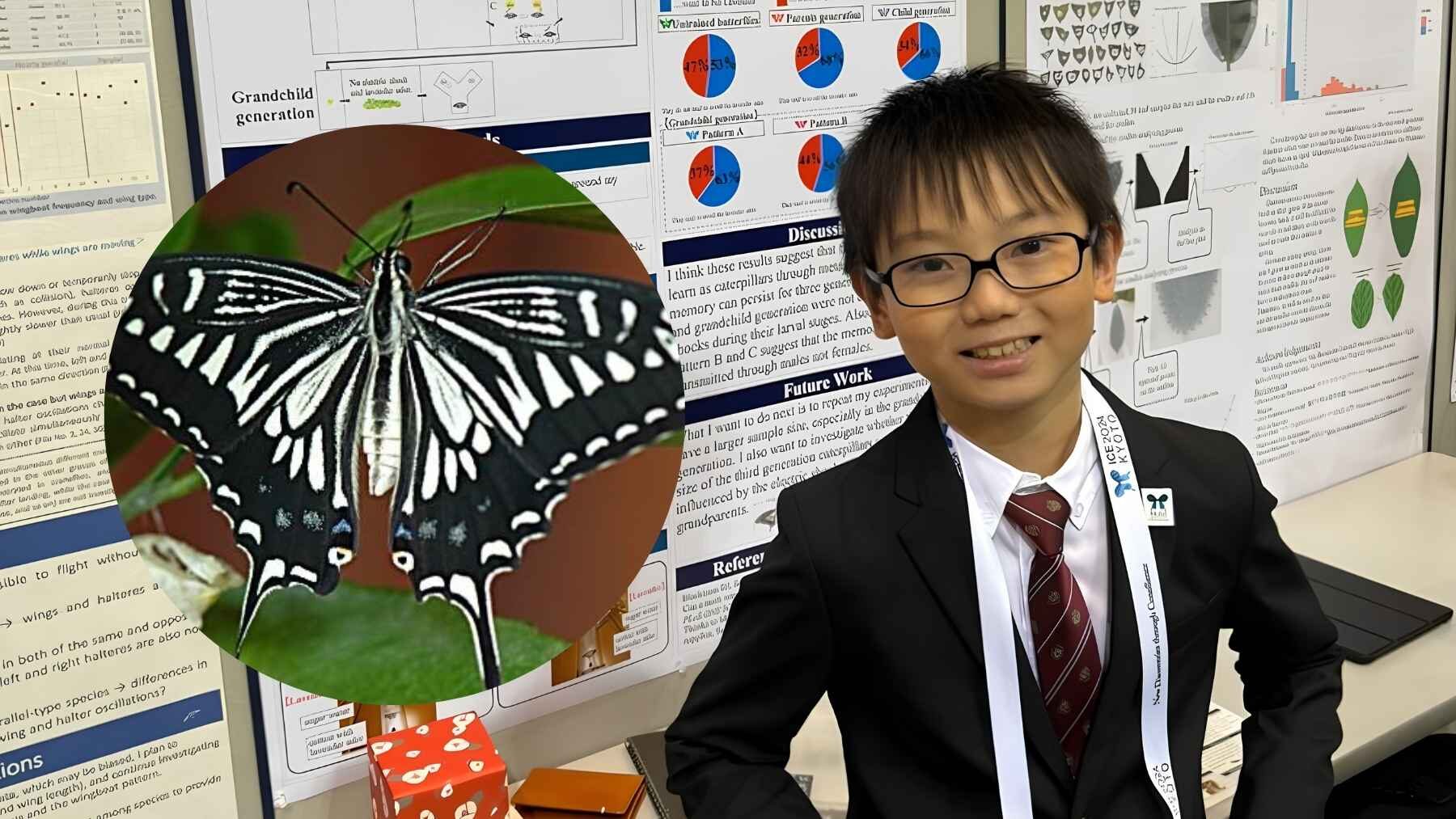
Jo Nagai presents his swallowtail butterfly memory research at an entomology conference.

A 10-year-old boy trained swallowtail butterfly caterpillars to avoid the scent of lavender and then watched as they turned into butterflies; and when 71 % of the adult butterflies continued to avoid that same scent, he began to wonder if, somehow, the memory had survived the metamorphosis

—
August 27, 2026 at 11:48 AM
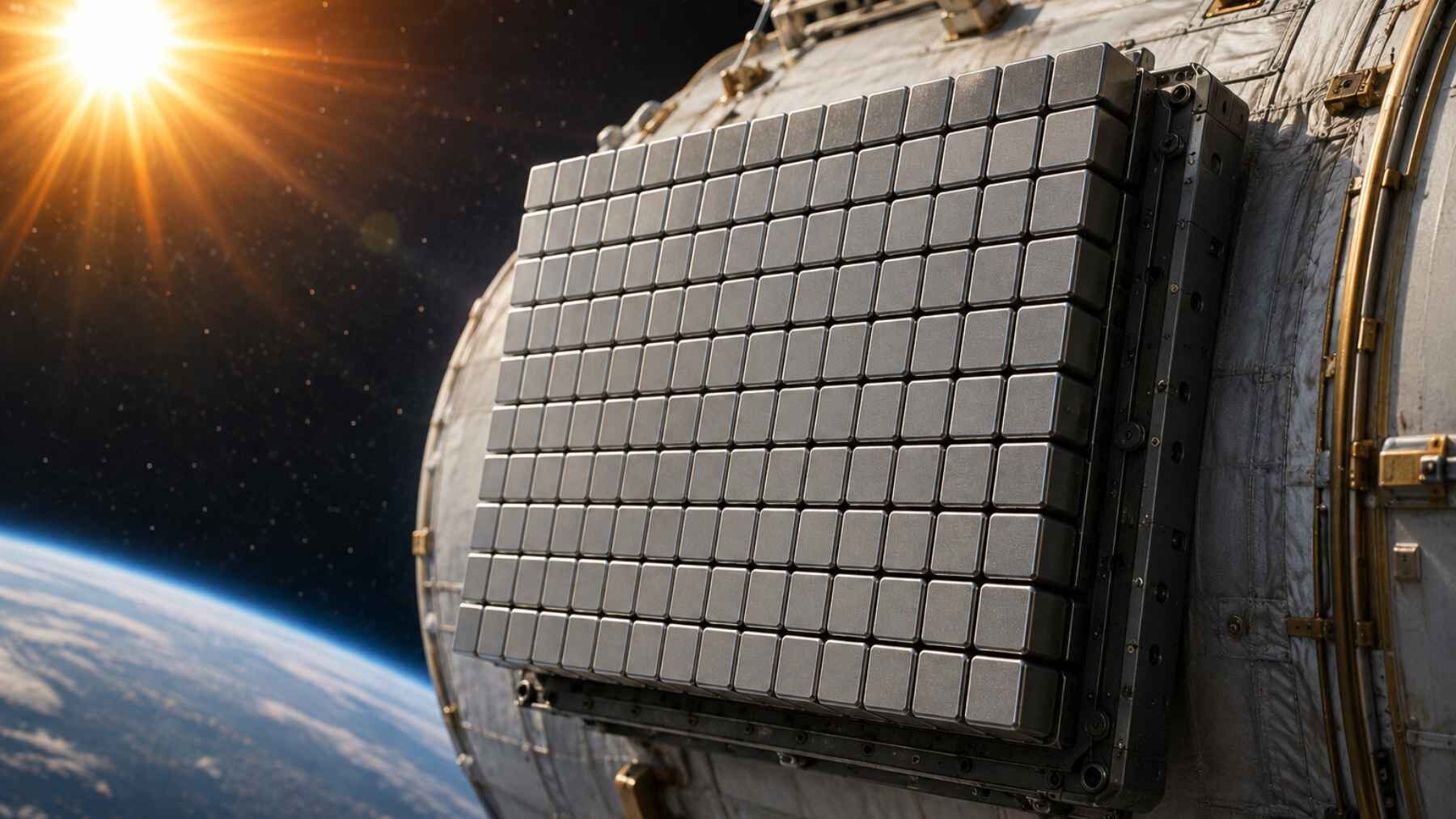
Concept illustration of a permanent magnet panel designed to shield a spacecraft from solar radiation.

A 661-pound wall of 1,482 magnets can deflect solar protons without power or cooling, offering a surprisingly simple solution for protecting astronauts in deep space

—
August 26, 2026 at 3:36 PM
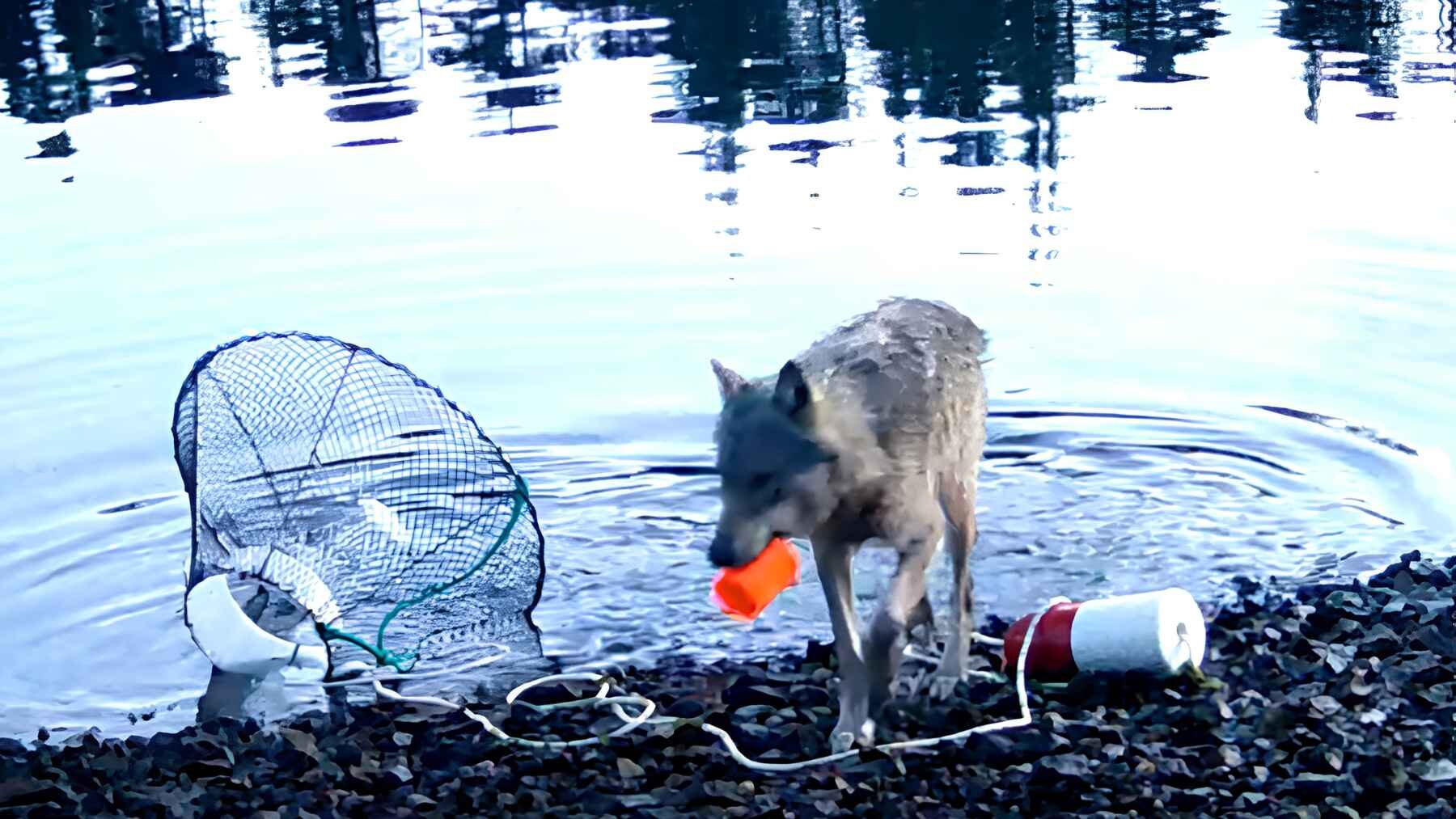
Wild coastal wolf retrieves bait from a crab trap on the British Columbia coast.

A trail camera in British Columbia recorded a wild wolf swimming out to a buoy, dragging a completely submerged crab trap onto the beach by its rope and then spending three minutes figuring out how to open the bait cup

—
August 25, 2026 at 4:30 PM
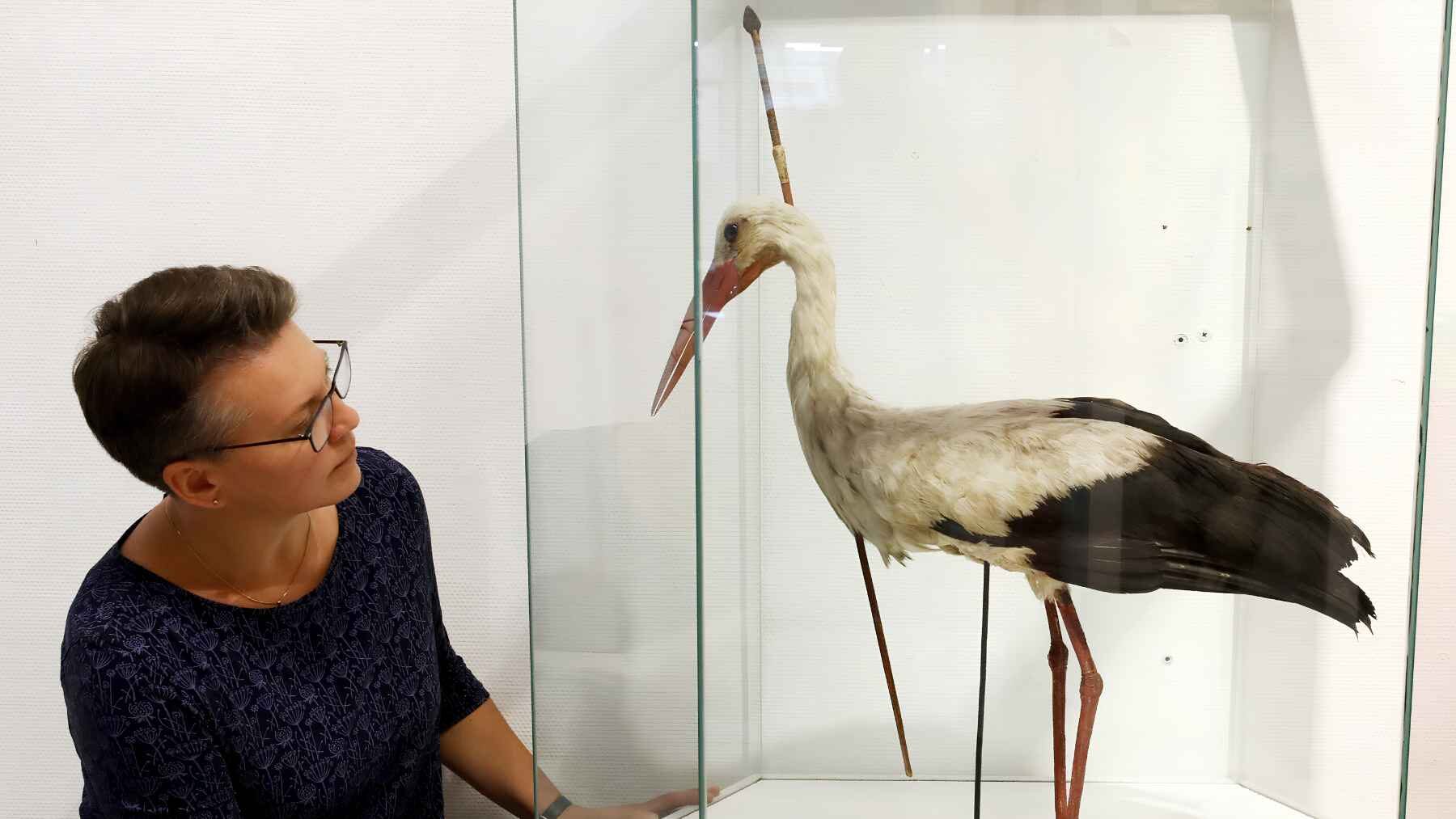
The preserved 1822 Pfeilstorch white stork with an African spear lodged through its neck in Germany.

In 1822, villagers found a white stork alive in Germany with an African spear lodged through its neck, and the wounded bird ended up providing some of the first physical proof that birds crossed continents during migration

—
August 25, 2026 at 12:45 PM
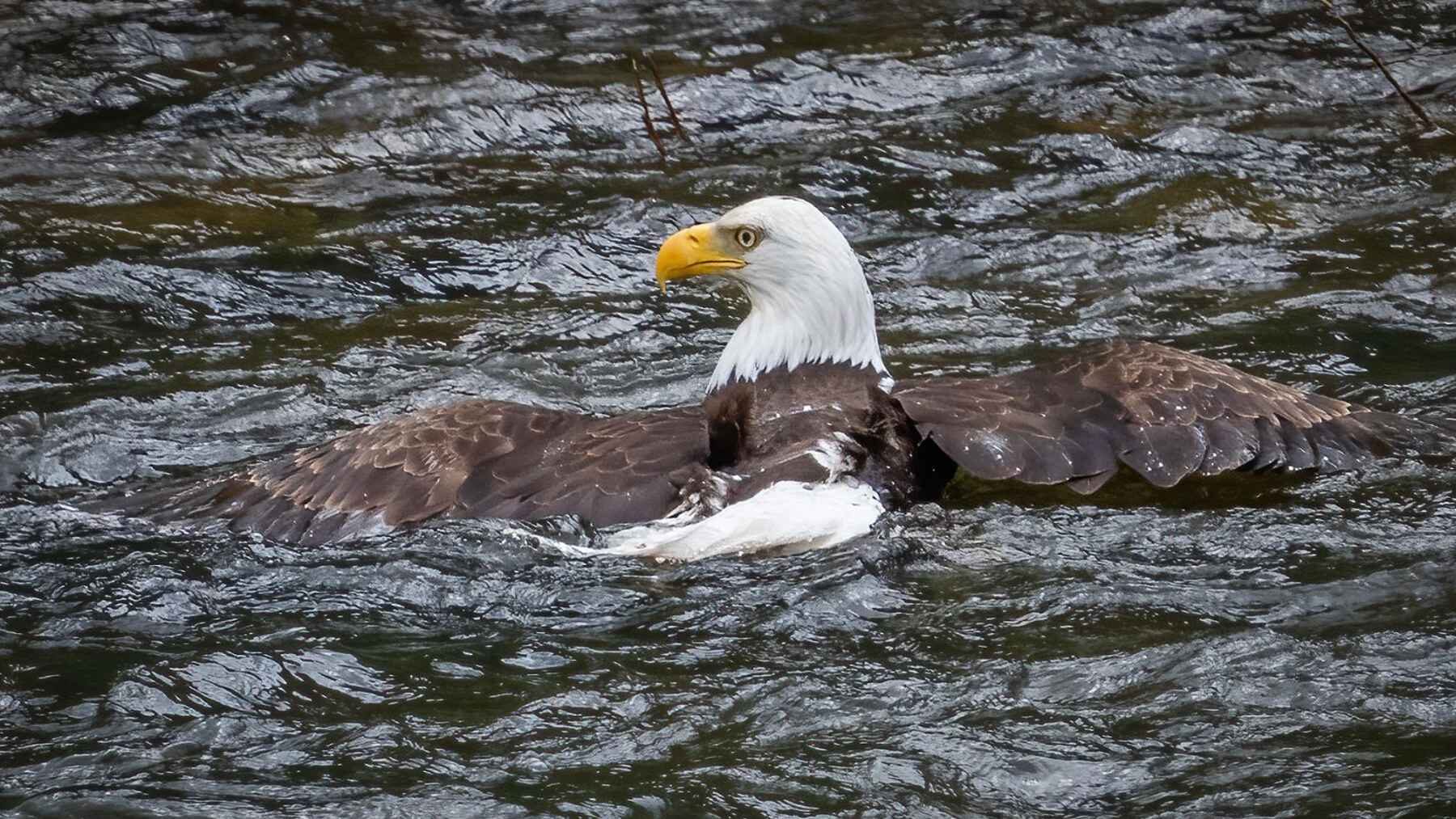
Adult bald eagle swimming through the water with its wings spread

America’s bald eagle looks like one of nature’s most familiar birds, but its enormous nests, surprising swimming ability and strange everyday behaviors reveal an animal far more unusual than the national symbol suggests

—
August 25, 2026 at 8:30 AM
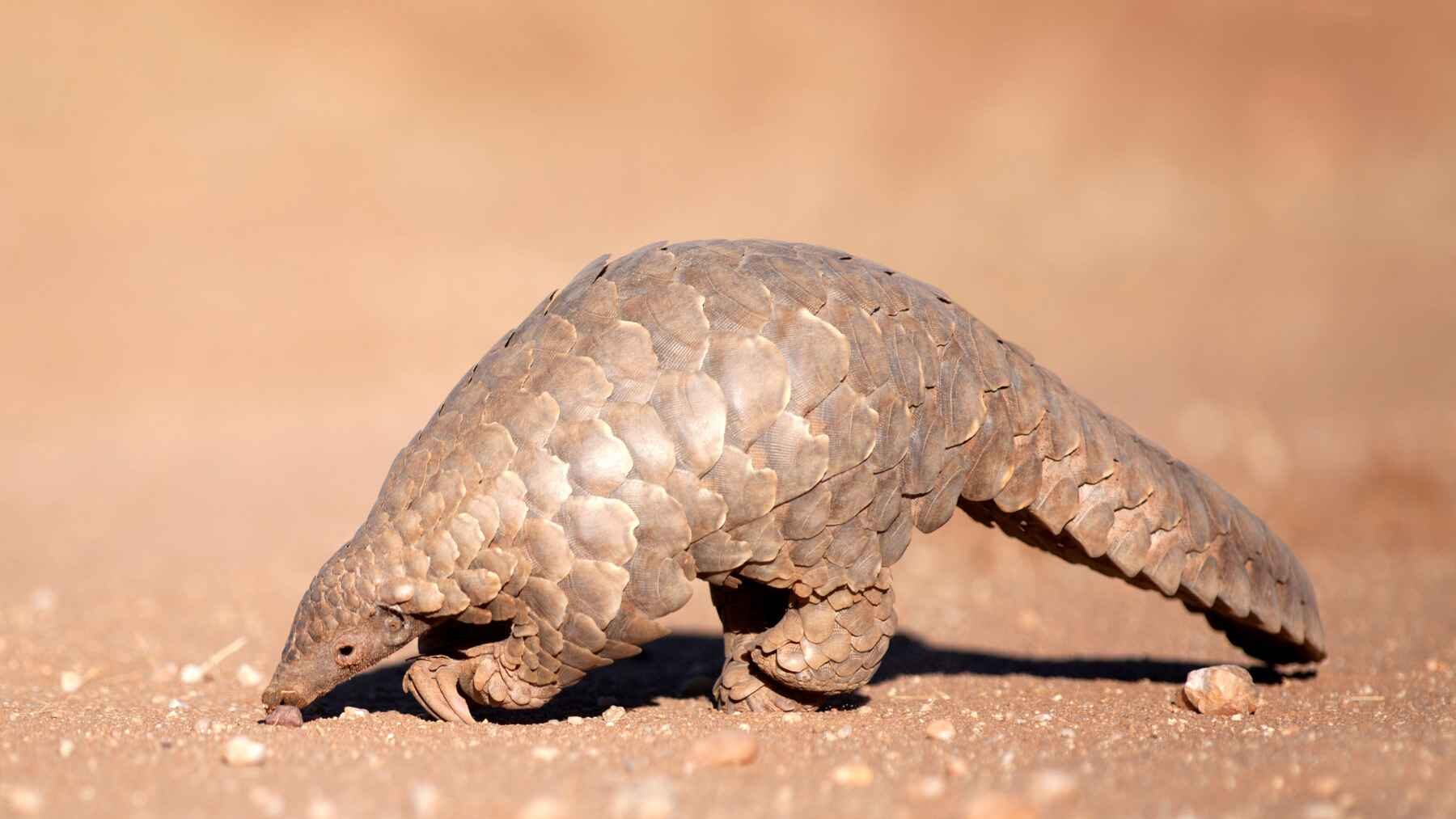
Himalayan pangolin, Manis aurita, walking across the ground.

A pangolin collected in 1836 sat inside a museum for nearly 190 years until scientists extracted its DNA and discovered the forgotten animal belonged to a species that had been hiding in plain sight

—
August 24, 2026 at 8:45 AM
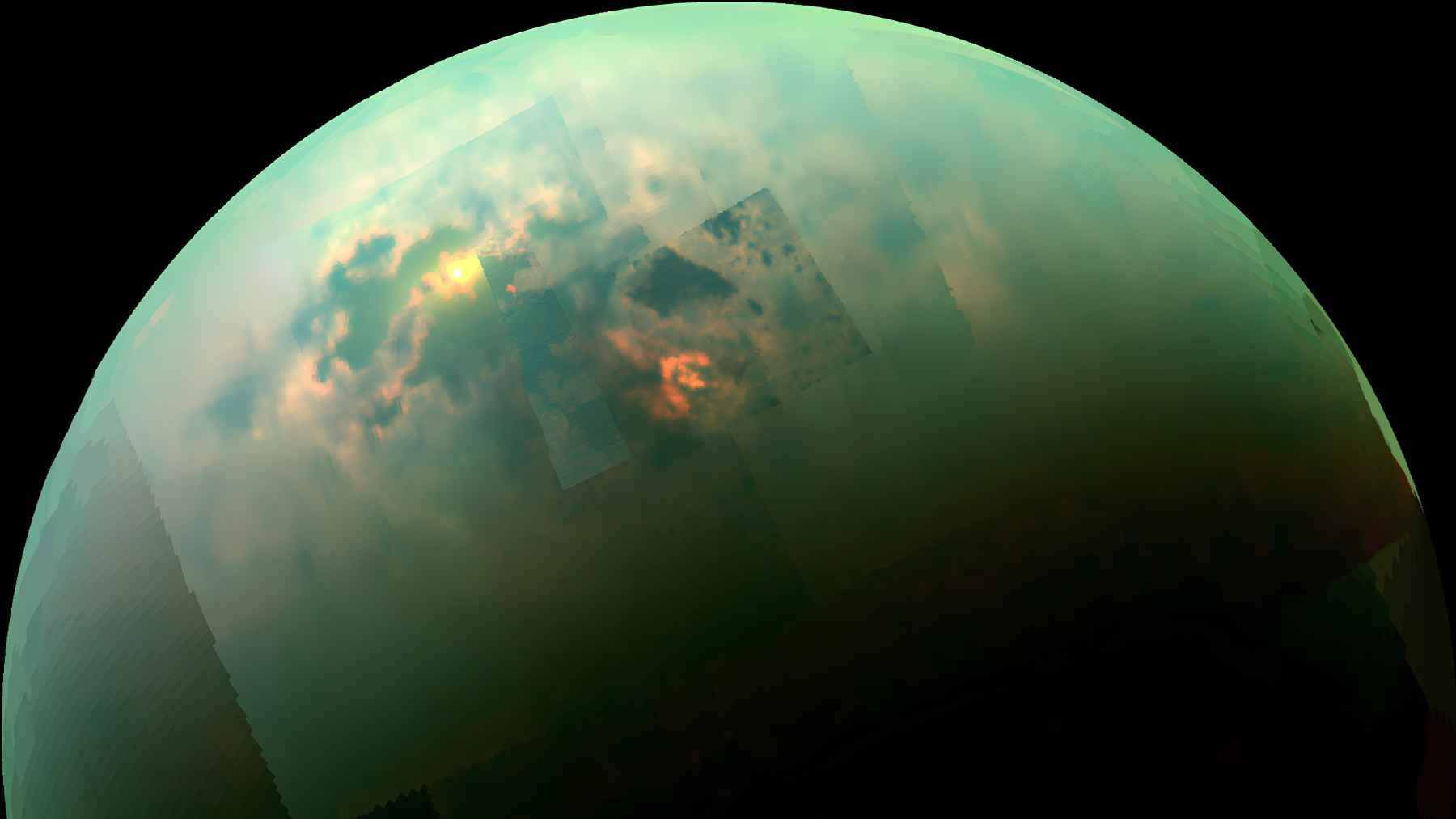
Saturn's moon Titan with sunlight reflecting near its methane seas through the hazy atmosphere.

Saturn’s moon Titan has clouds, rain, rivers, lakes and seas that look strangely familiar from space, but at temperatures near -297°F the liquid flowing across this frozen world is methane instead of water

—
August 24, 2026 at 6:26 AM
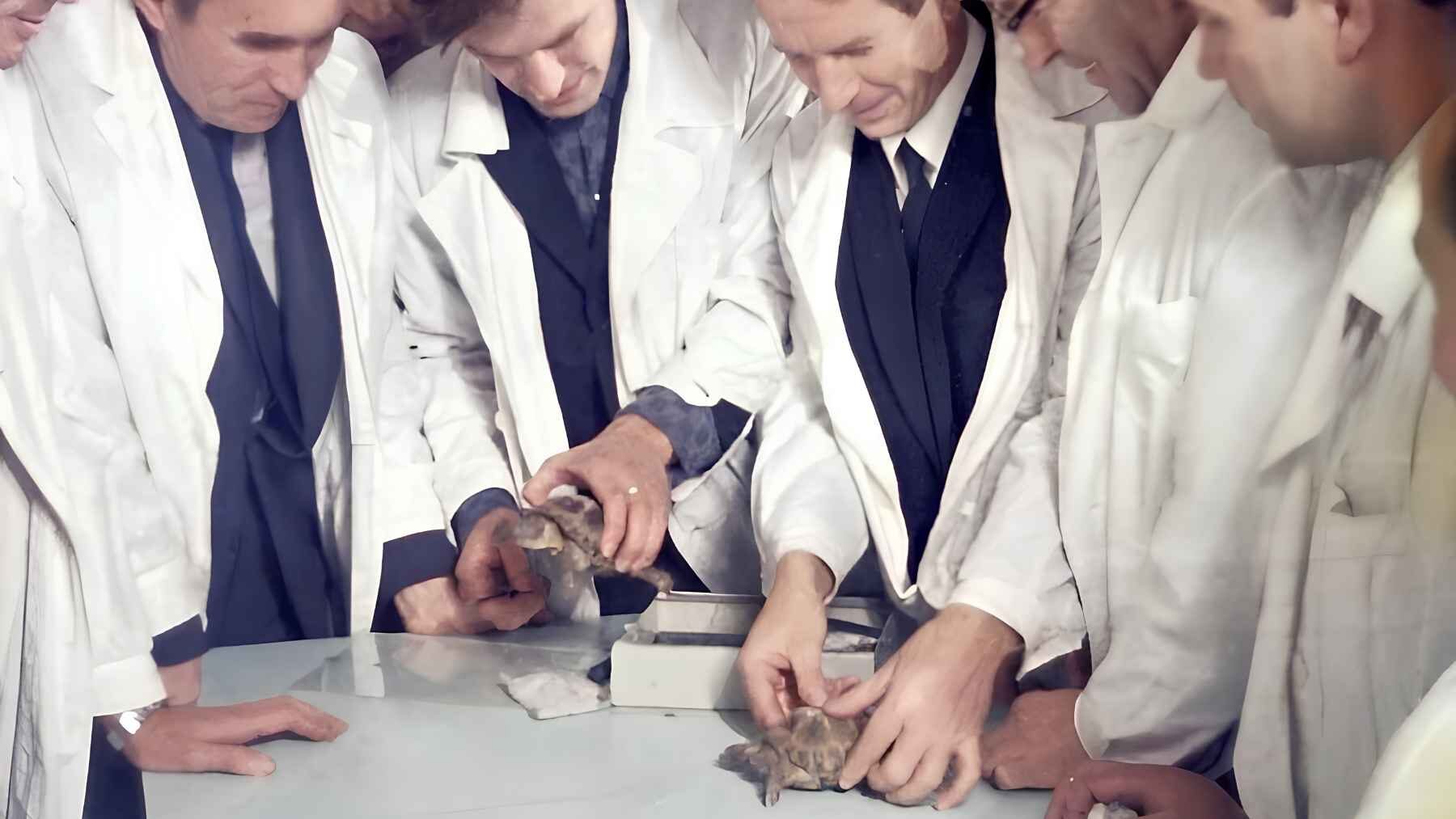
Soviet researchers examine the tortoises carried around the Moon aboard Zond 5 in 1968.

In 1968, two Soviet steppe tortoises flew around the Moon and returned alive to Earth before Apollo 8 carried humans there

—
August 23, 2026 at 5:00 PM
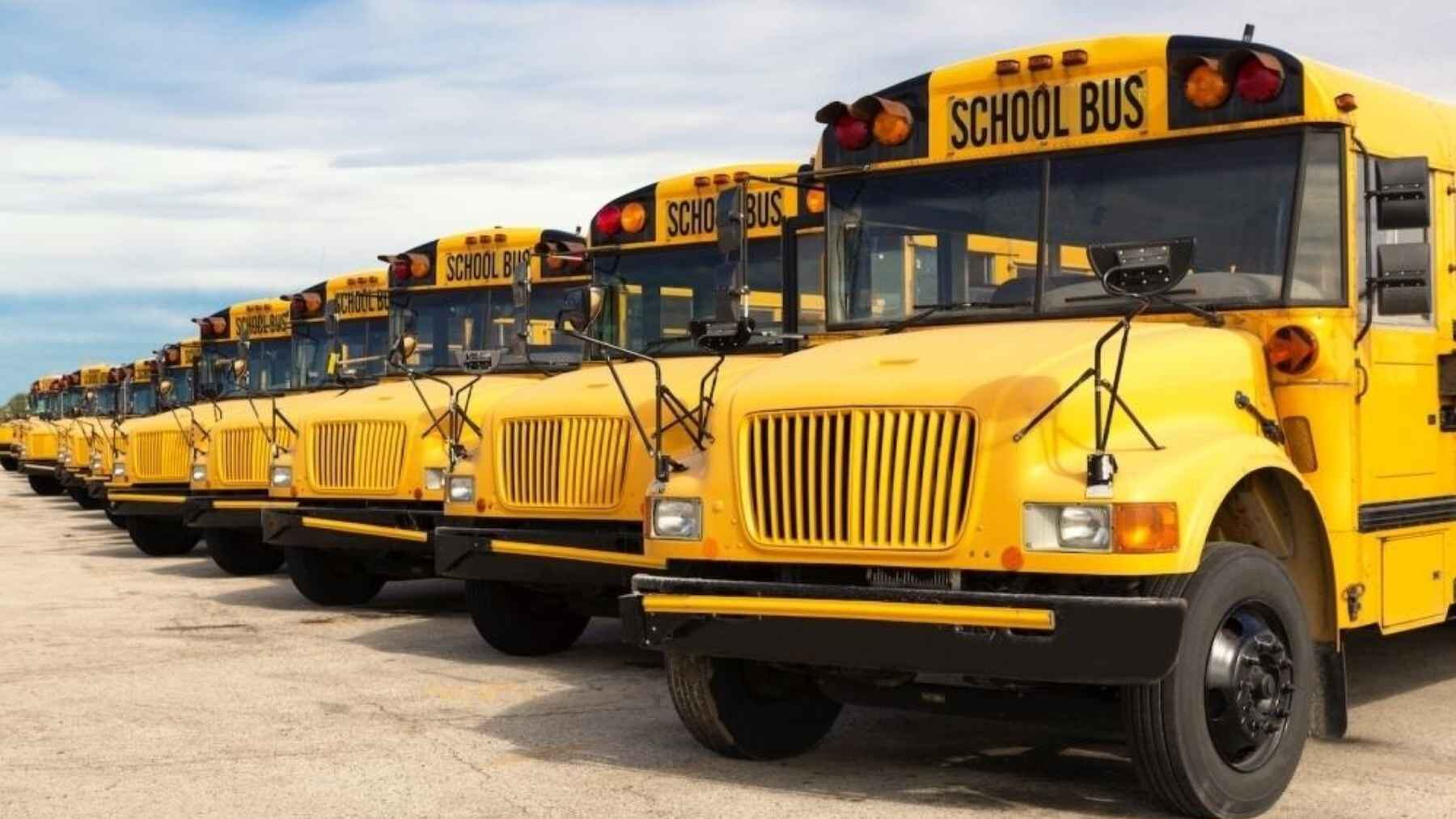
Row of yellow school buses parked at a transportation depot in Texas.

Texas school buses can turn dangerously hot before children even reach class, and researchers are finding that the metal boxes carrying students every day may be trapping far more heat than parents realize

—
August 23, 2026 at 3:00 PM
Neanderthal reconstruction representing one of the archaic human groups known to have contributed DNA to modern humans.

Scientists analyzed hundreds of human genomes and found DNA from two unknown ancient groups: a ghost lineage that split off 800,000 years ago, and another dating back 1.8 million years

—
August 23, 2026 at 10:15 AM
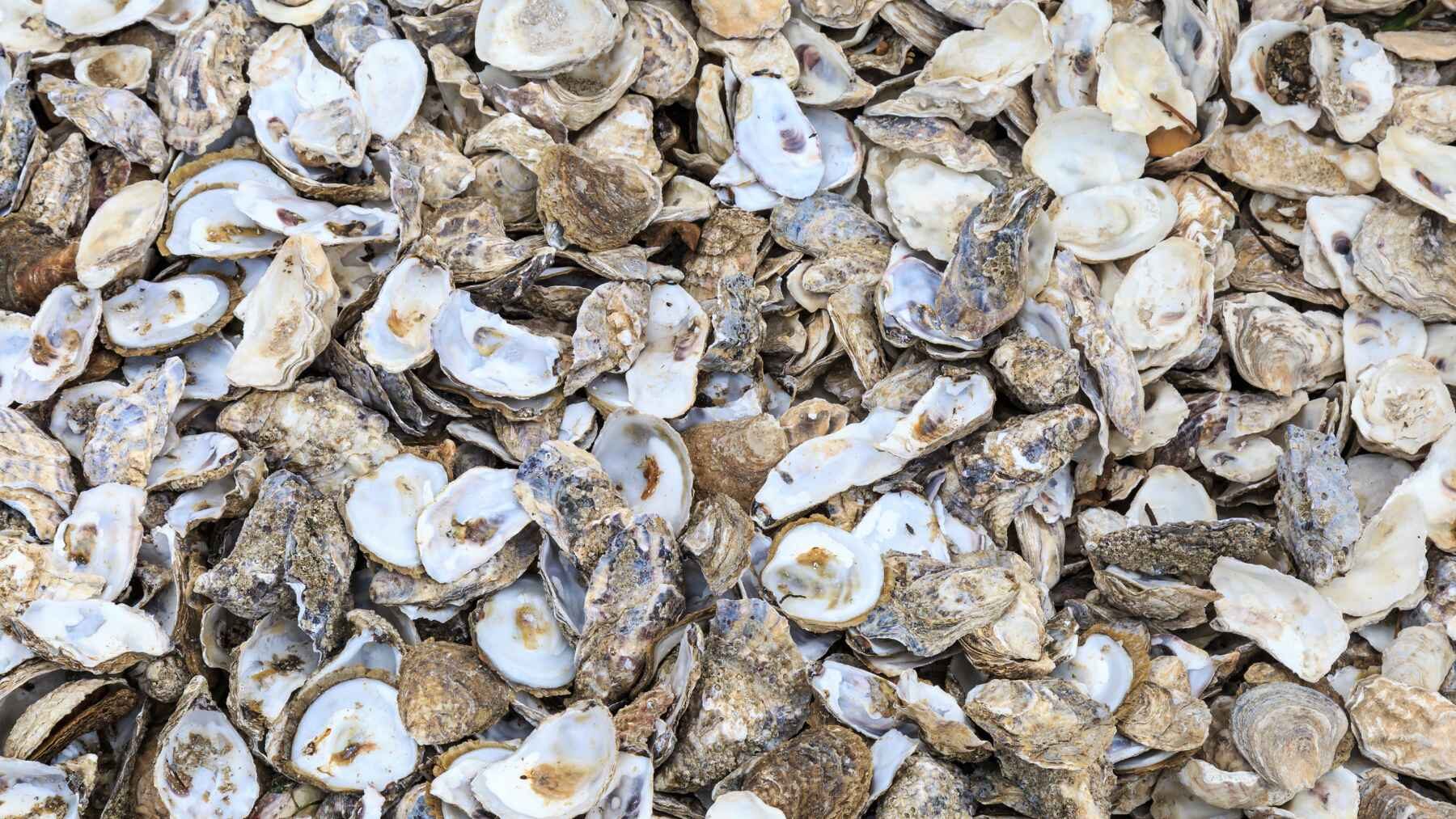
Piles of cured oyster shells ready for coastal reef restoration along a Florida shore.

Florida communities collect oyster shells from restaurants, cure them in the sun, and return them to shore to build reefs, but viral claims of 500,000 tons and 25-year highs lack proof

—
August 23, 2026 at 6:30 AM
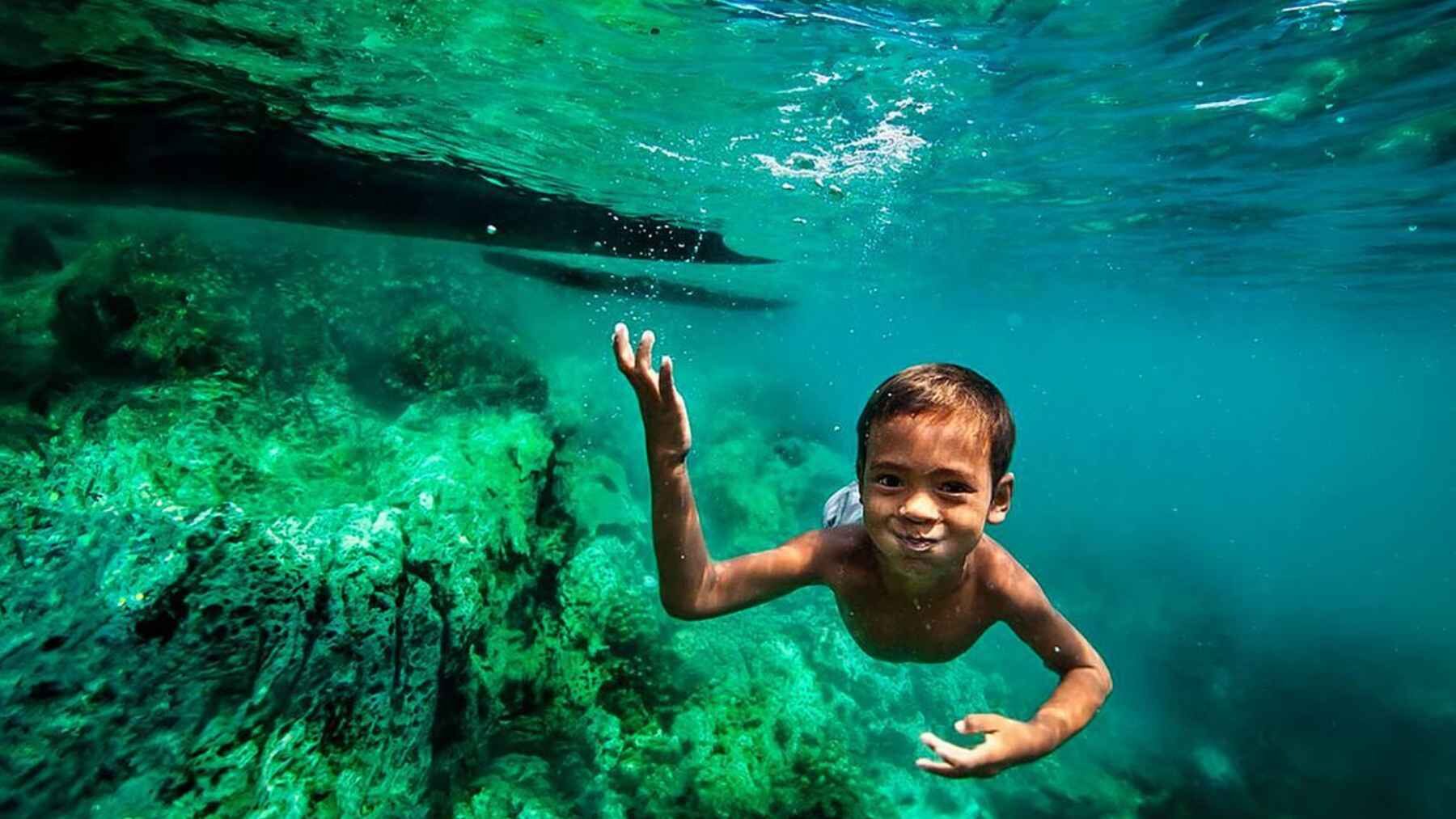
Moken child swimming underwater without goggles in the Andaman Sea.

Moken children in the Andaman Sea free-dive without goggles and see clearly underwater, a skill years of practice, not dolphin-like biology, trained into their eyes

—
August 22, 2026 at 6:30 PM
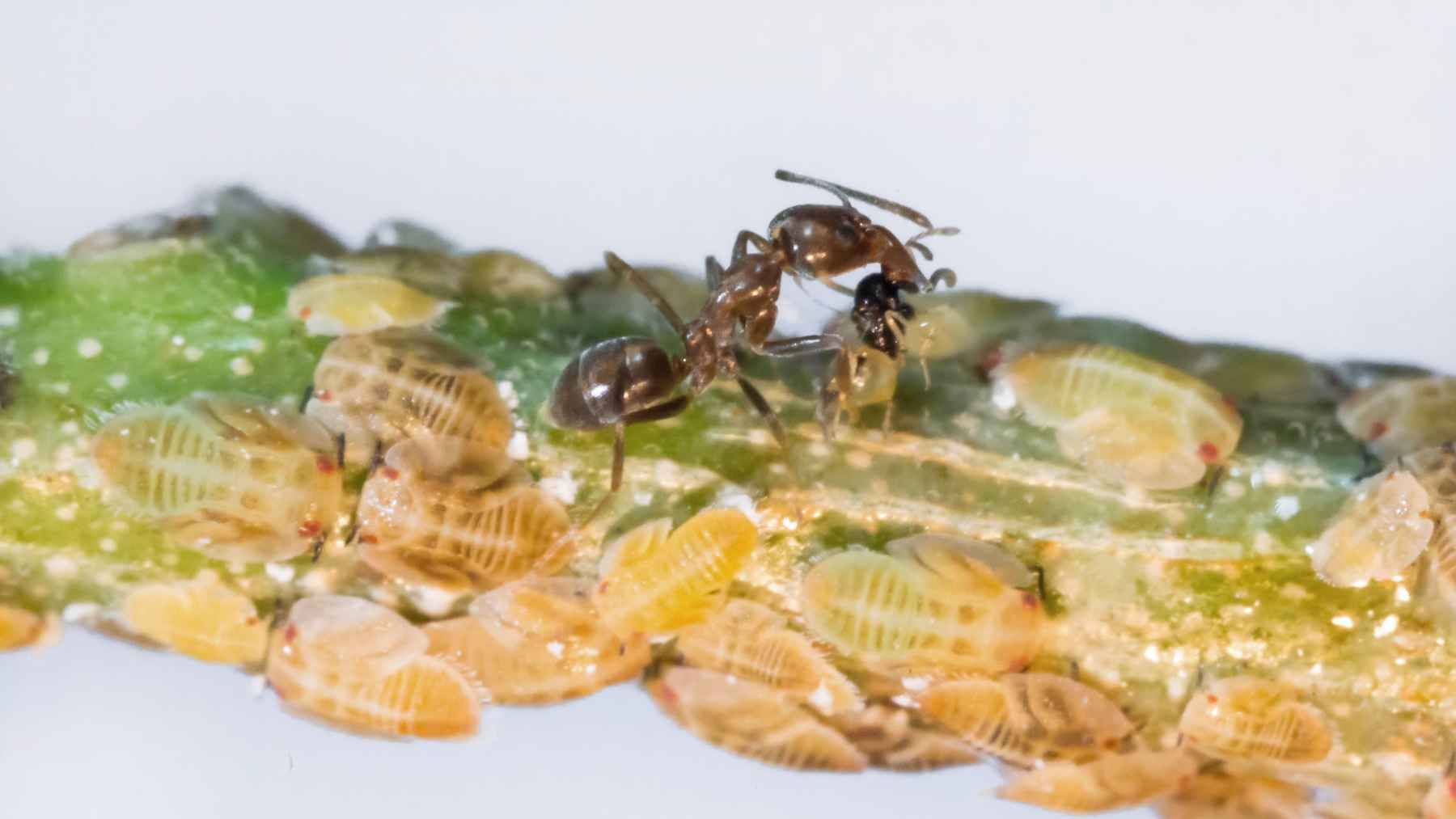
Argentine ants tending honeydew-producing pests on a plant.

Argentine ants defend citrus pests from predators in California’s groves and vineyards, raising honeydew pressure and weakening biological control, after spreading from South America in 1891

—
August 22, 2026 at 5:00 PM
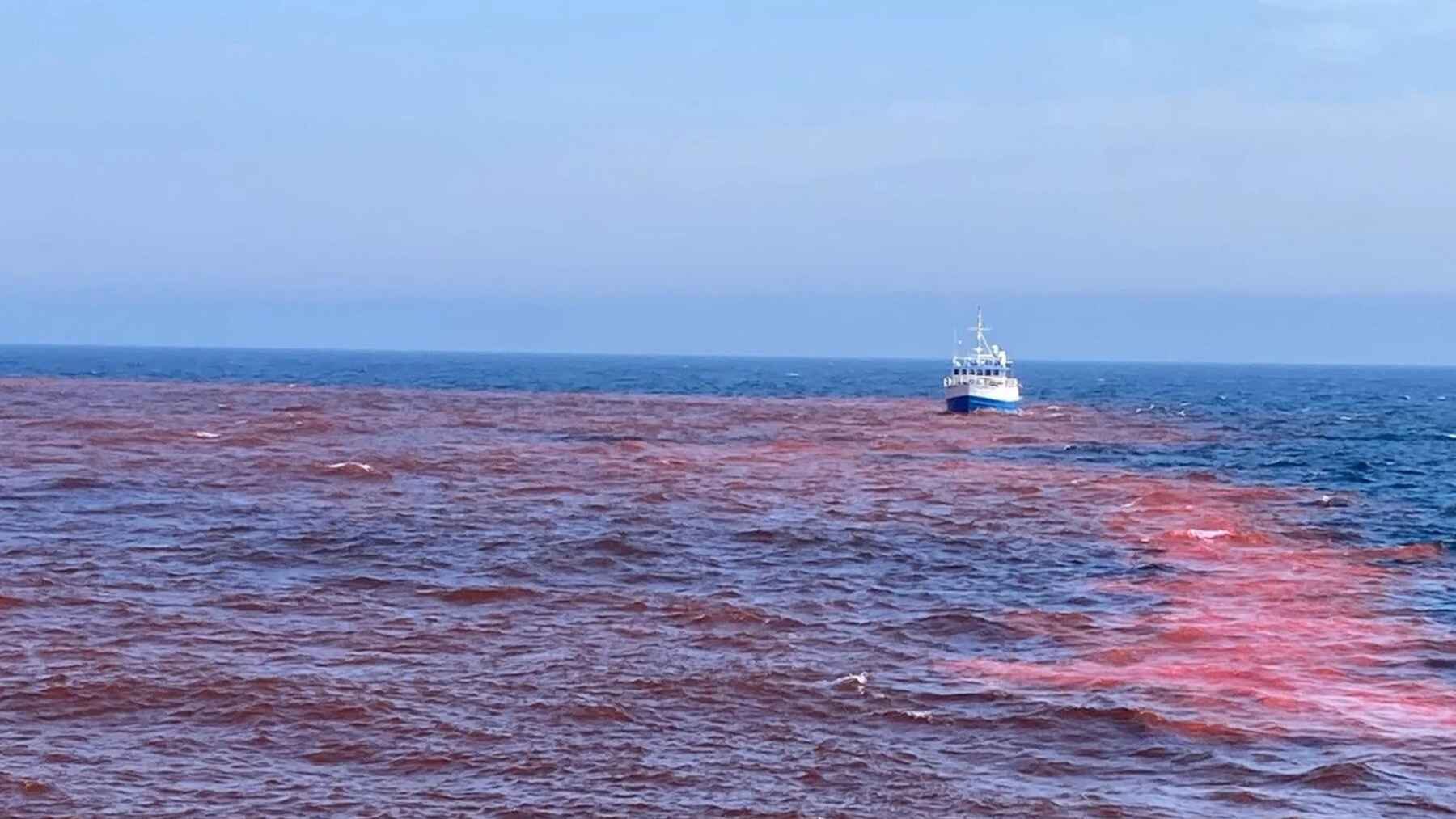
Pink dye tracer spreads across the ocean during an alkalinity enhancement experiment near Cape Cod.

Researchers released 16,500 gallons of sodium hydroxide into the ocean near Cape Cod, the first EPA-permitted trial of its kind, and a dye tracer followed the patch for five days

—
August 22, 2026 at 3:00 PM
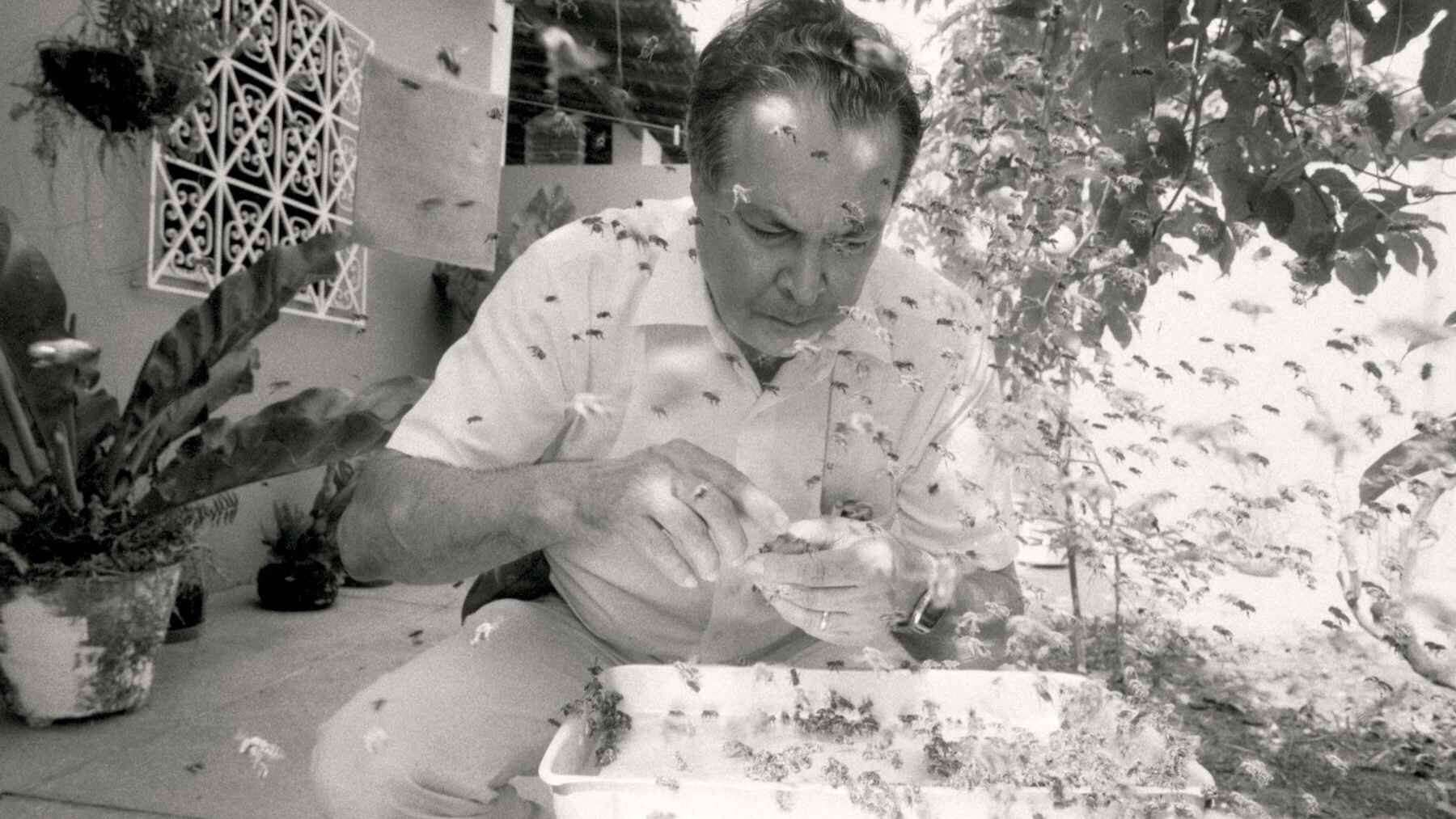
Brazilian geneticist Warwick Kerr handling honey bees during his research.

Brazilian geneticist Warwick Kerr bred honey bees for tropical heat in 1956, and 26 swarming colonies spread across the Western Hemisphere by 1990, transforming pollination patterns

—
August 22, 2026 at 12:30 PM
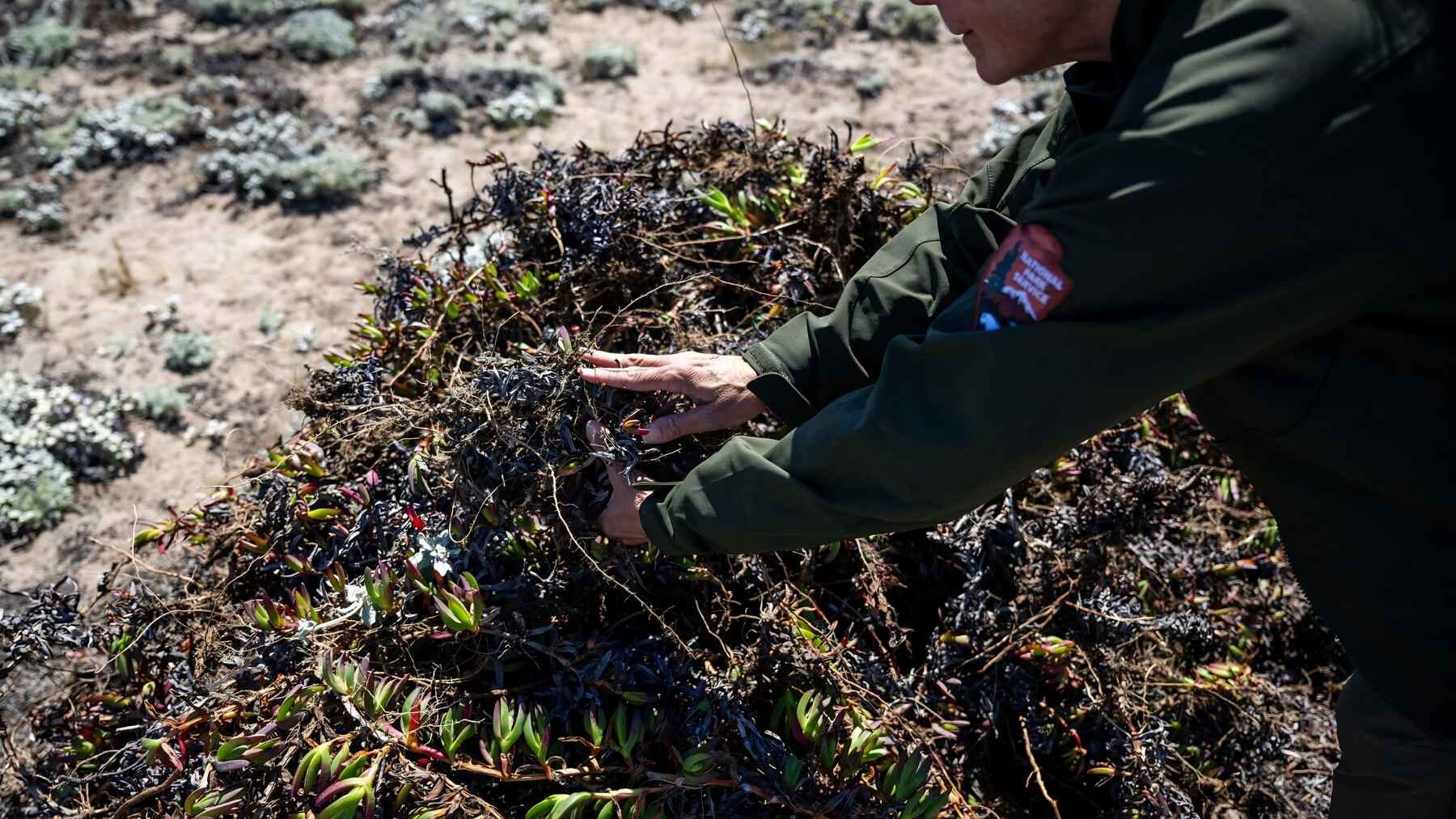
Invasive iceplant being removed from California coastal dunes

California’s iceplant from South Africa spreads three feet a year across bluffs and dunes, crowding native plants, and pulling it out turns out to be only the first step

—
August 22, 2026 at 6:30 AM
Previous Next

ECOnews alerts

Get the most relevant environment stories as soon as we publish them

ECOnews is the English-language edition of ECOticias.com, focused on environmental and sustainability news for a global audience: mobility, energy, economy, technology, science, environment and trending stories.
© 2026 ECOnews · ECOticias.com, the green newspaper since 2004 ↑ Top