




Latest Post

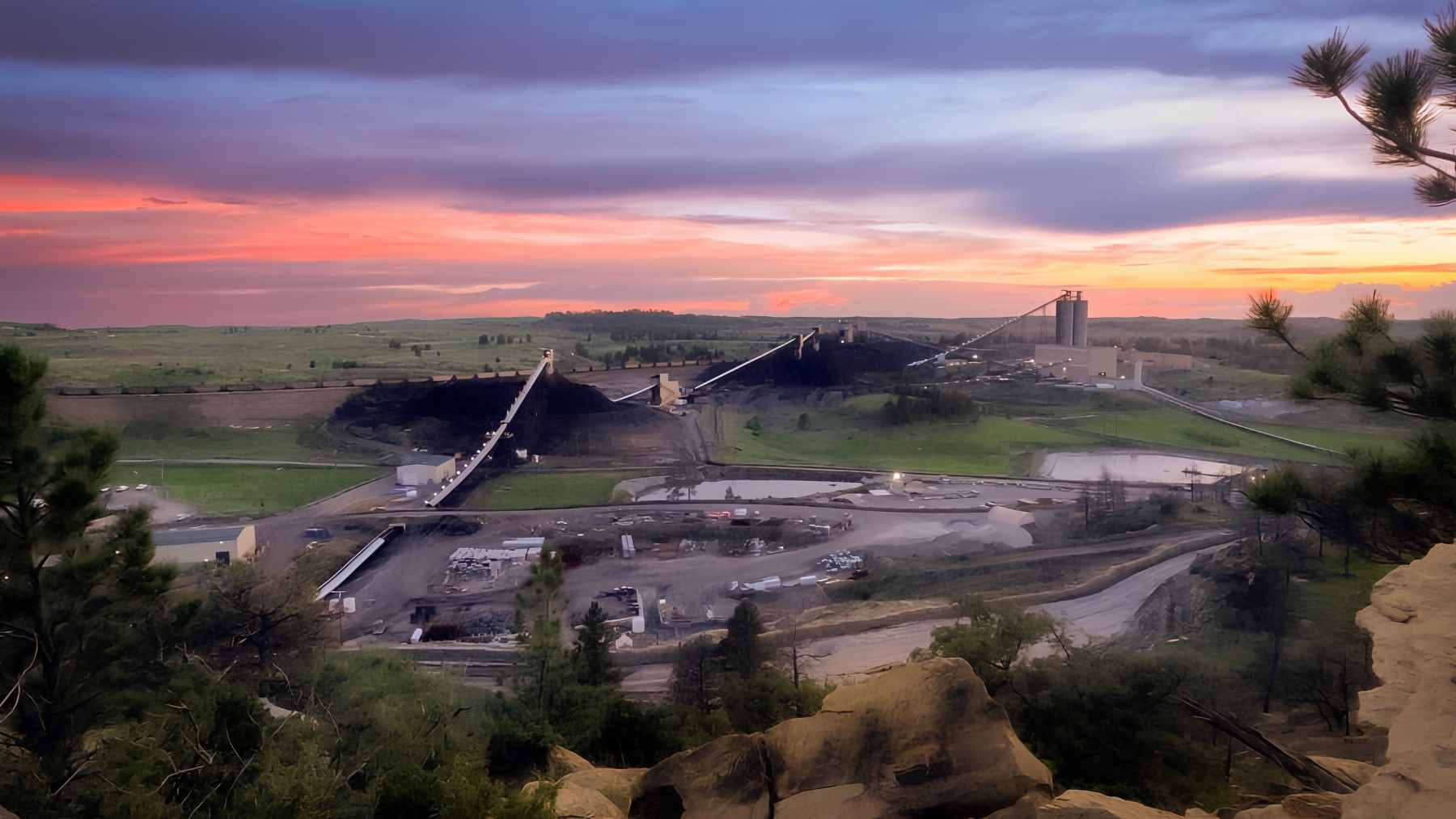
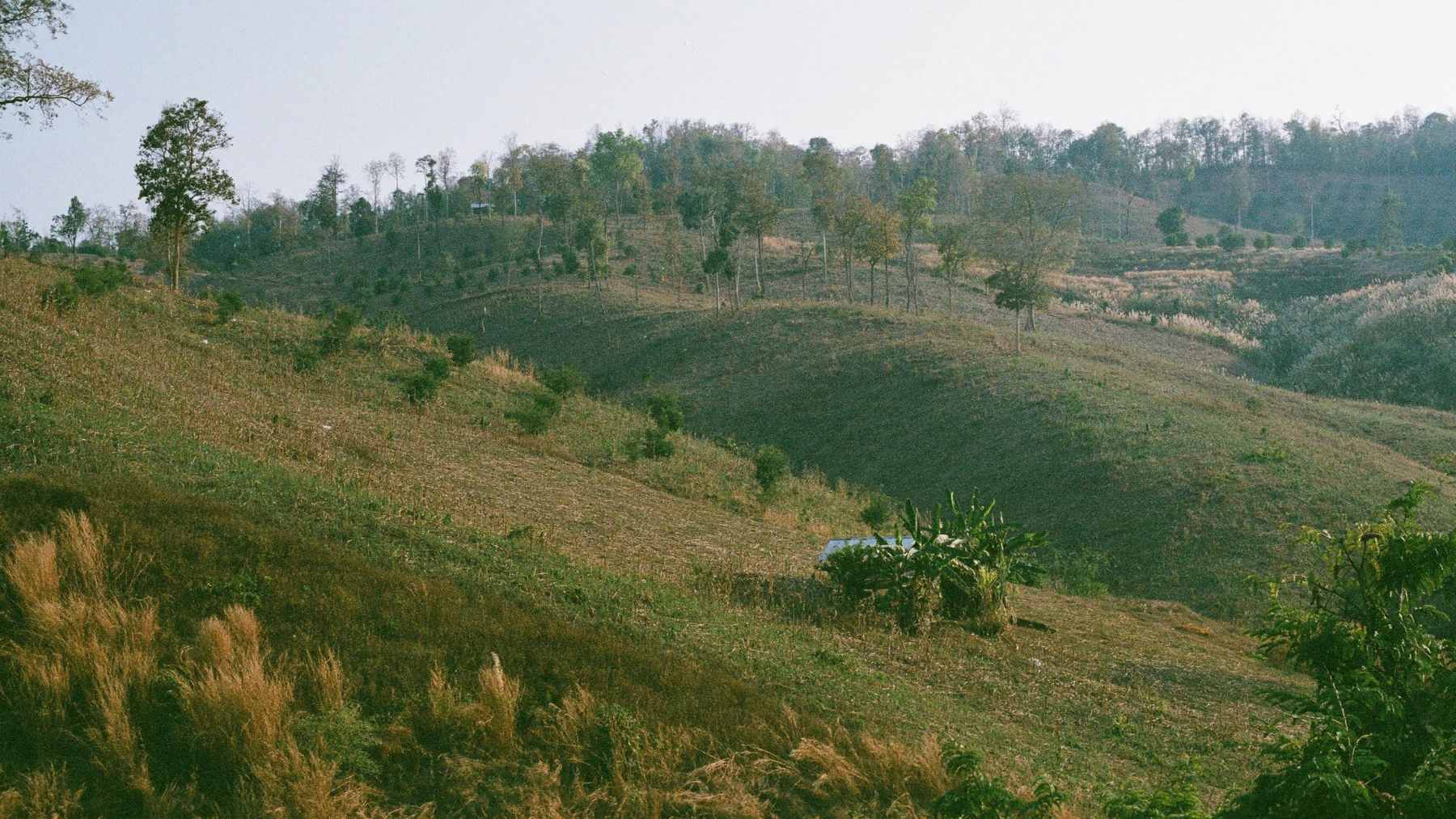
A view of the Bull Mountains near Roundup, Montana, where coal mining activity remains the central economic driver for Musselshell County.

A Montana county commissioner wanted to prepare his county in case coal revenues dried up, and voters ousted him from office in a Republican primary that served as a warning to other mining communities

—
July 5, 2026 at 6:30 AM
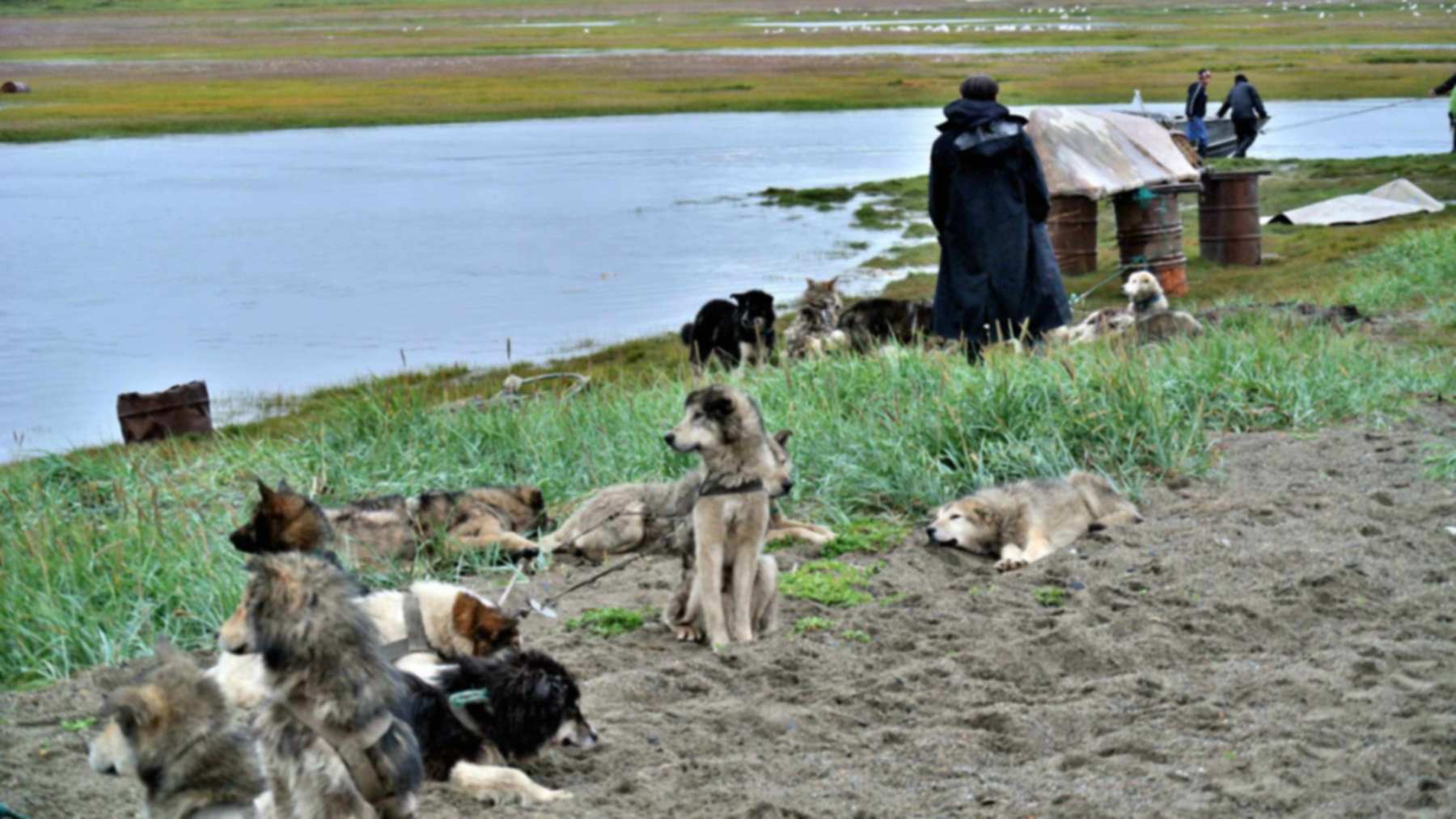
Ancient dental remains from a Siberian excavation site used by researchers to identify prehistoric traces of the Yersinia pestis bacterium.

The plague may have claimed the lives of children in hunter-gatherer communities in Siberia 5,500 years ago, long before medieval cities, flea-infested rats, and the dreaded Black Death existed

—
July 5, 2026 at 4:30 AM
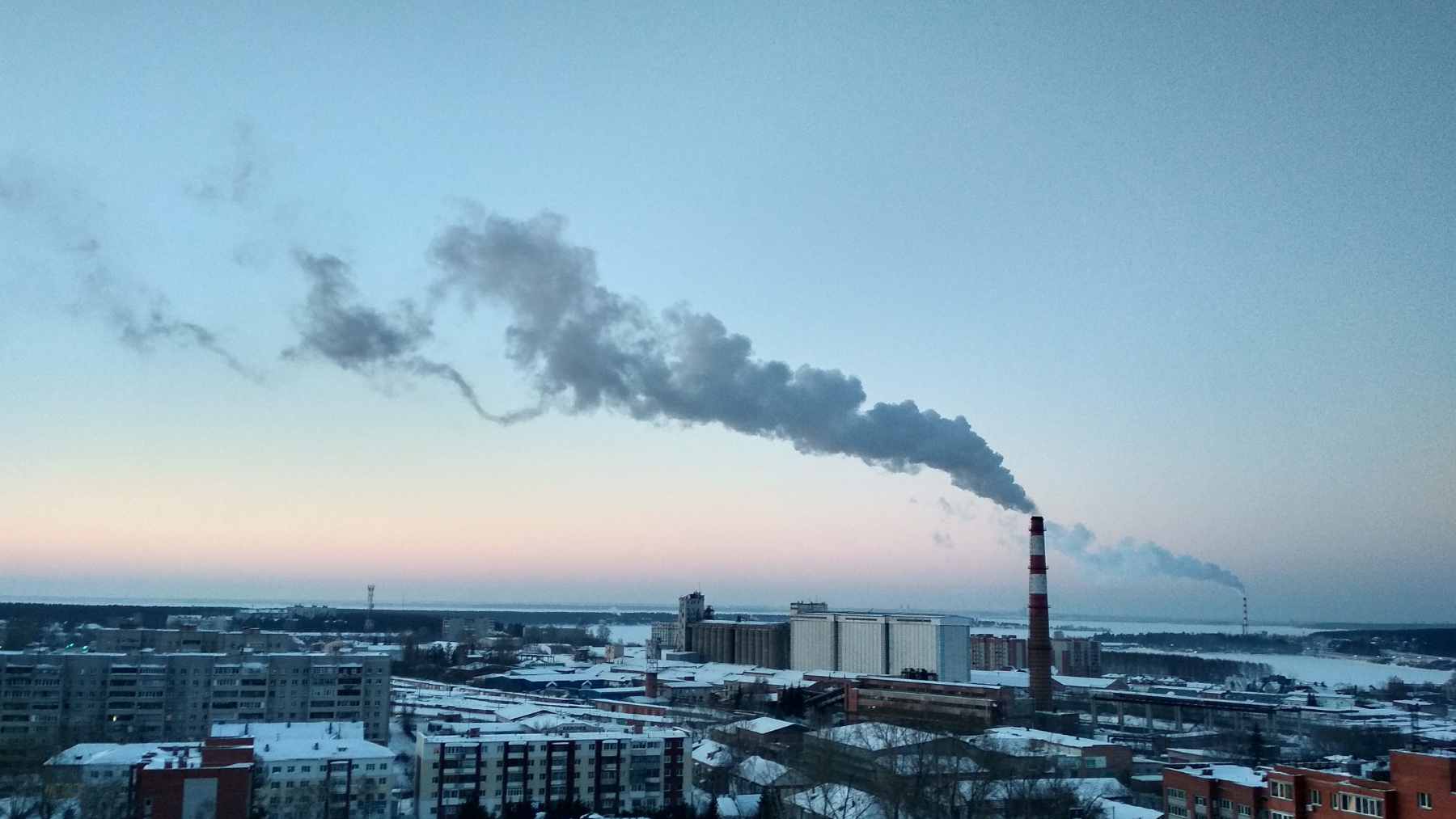
A digital illustration of the carbon removal landscape, showing a balance between reforestation, direct air capture technology, and soil sequestration.

The fight against climate change is entering a challenging phase: it is no longer enough to simply reduce pollution, and scientists are talking about removing up to 9,700 million metric tons of CO2 per year by 2050

—
July 4, 2026 at 7:30 PM
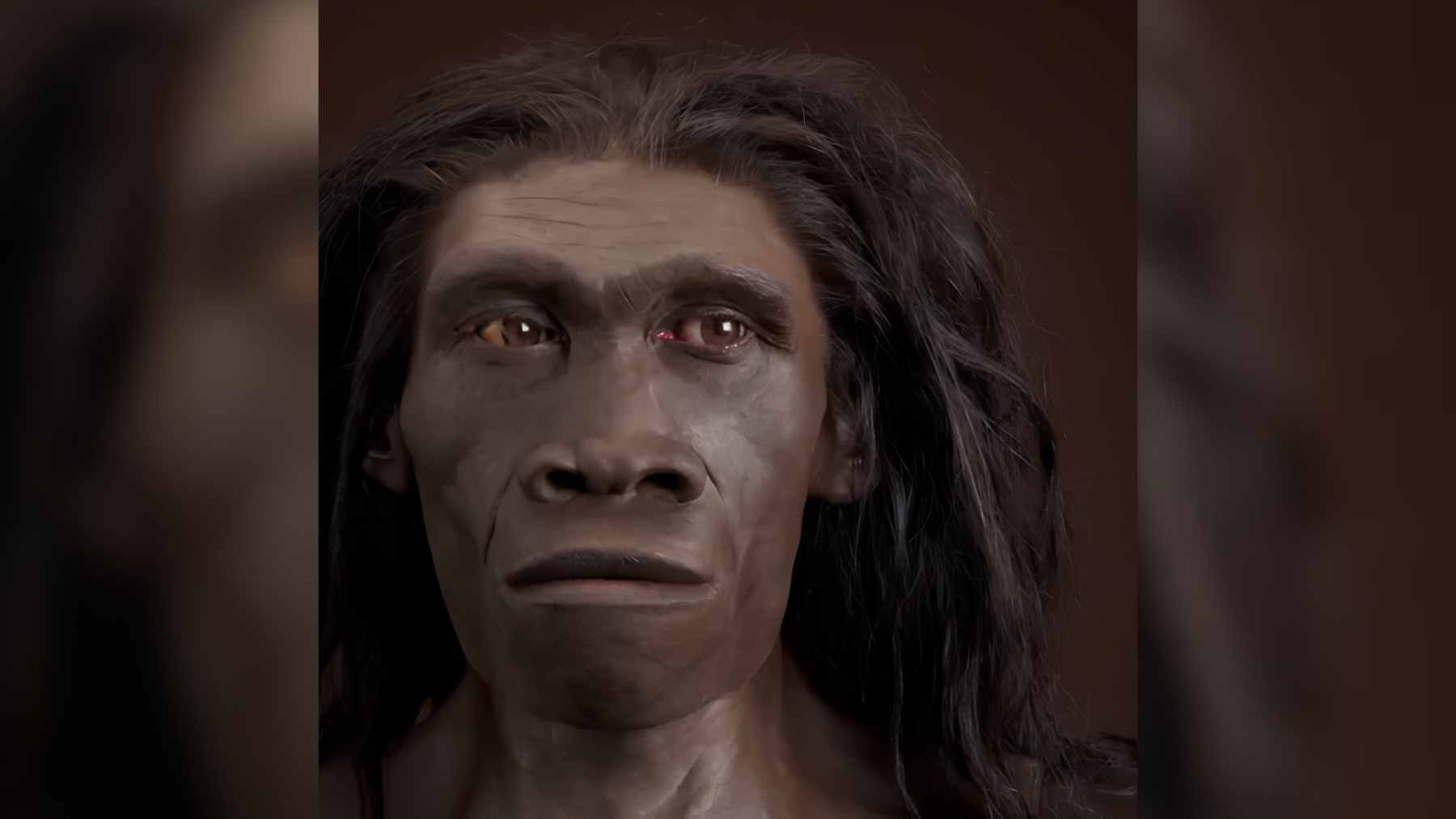
A scientific analysis of 400,000-year-old Homo erectus fossil teeth, which provided rare enamel protein evidence of ancient links to Denisovans.

Homo erectus teeth dating back about 400,000 years, found in China, have just revealed an unexpected clue about a possible family connection to the mysterious Denisovans

—
July 4, 2026 at 6:30 PM
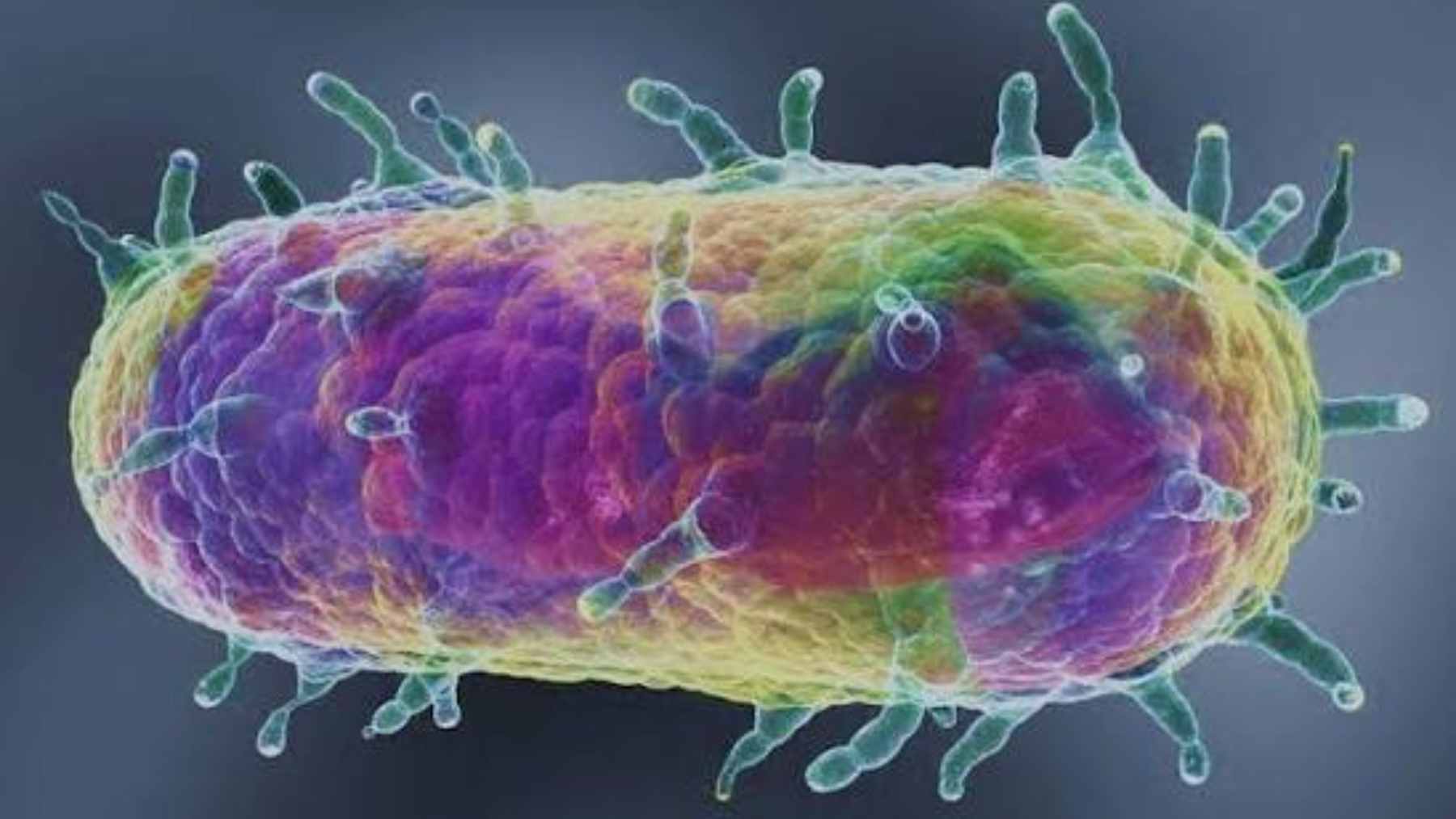
Fluorescent molecular probes highlighting circular intron RNA inside a predatory bacterium and the dead cells of its archaeal prey.

Researchers have just observed a jumping gene doing something extremely unusual: jumping from a tiny predatory bacterium to the dead cells of another species, like a thief sneaking into an empty house

—
July 4, 2026 at 3:00 PM
Researchers from Operation Period preparing for the OP-01 suborbital mission to study menstrual fluid dynamics in microgravity.

Menstruation has been a part of astronauts’ space travel for decades, but in 2027 it could, for the first time, become the focus of a specific experiment conducted in microgravity conditions

—
July 4, 2026 at 12:30 PM
Lush, intact rainforest canopy in Suriname, highlighting the biodiversity and primary forest cover currently at risk from agricultural expansion.

The country with the largest forest area in South America may face a momentous decision: to accept large-scale soybean farming and cattle ranching projects or to protect the rivers, communities, and forests that took centuries to form

—
July 4, 2026 at 10:15 AM
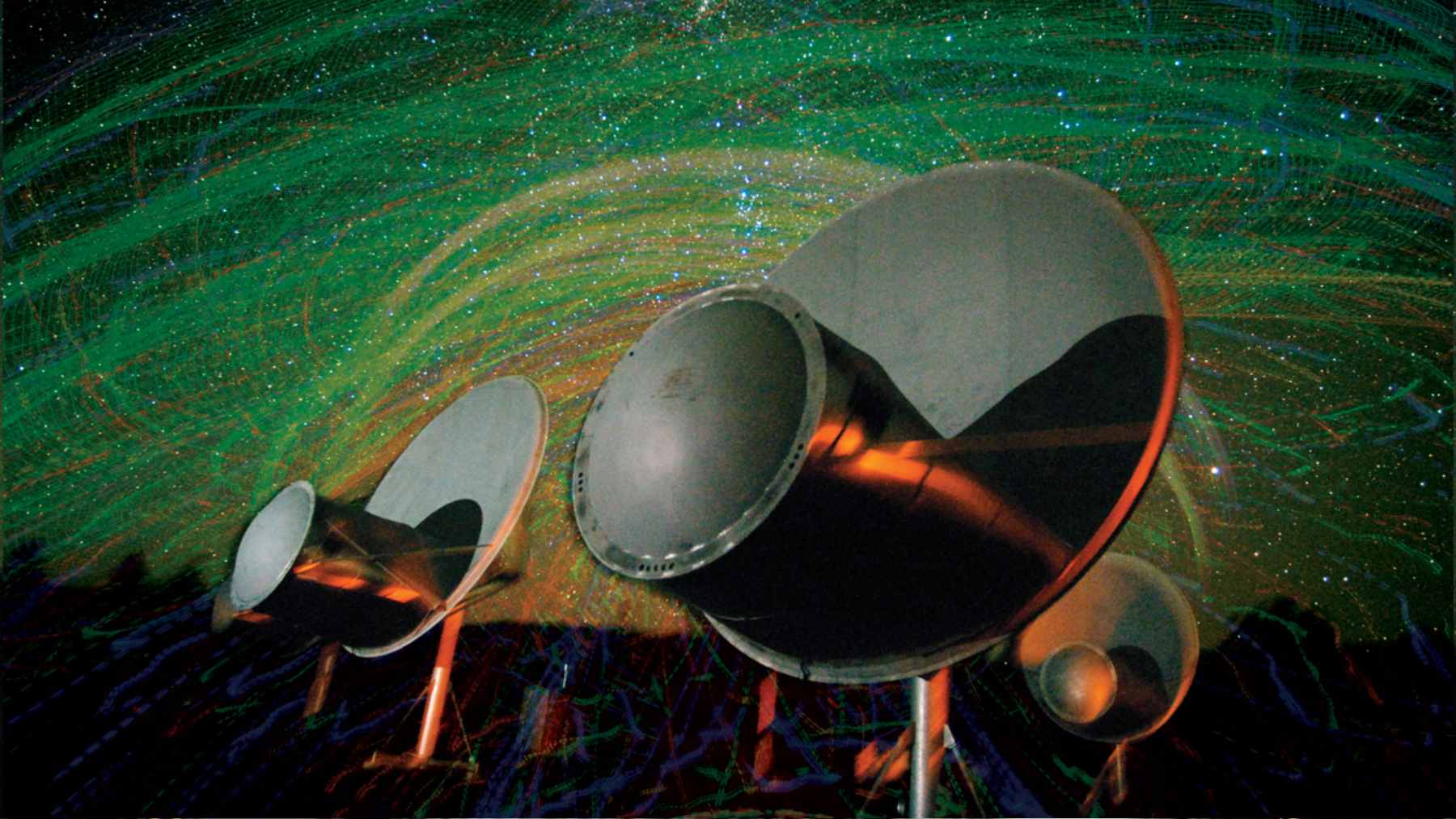
The Allen Telescope Array in Northern California monitoring the interstellar comet 3I/ATLAS for potential technosignatures.

SETI tracked the interstellar comet 3I/ATLAS for more than 7 hours and analyzed nearly 74 million radio signals; the results point to something less spectacular, but just as fascinating: a natural comet

—
July 4, 2026 at 8:45 AM
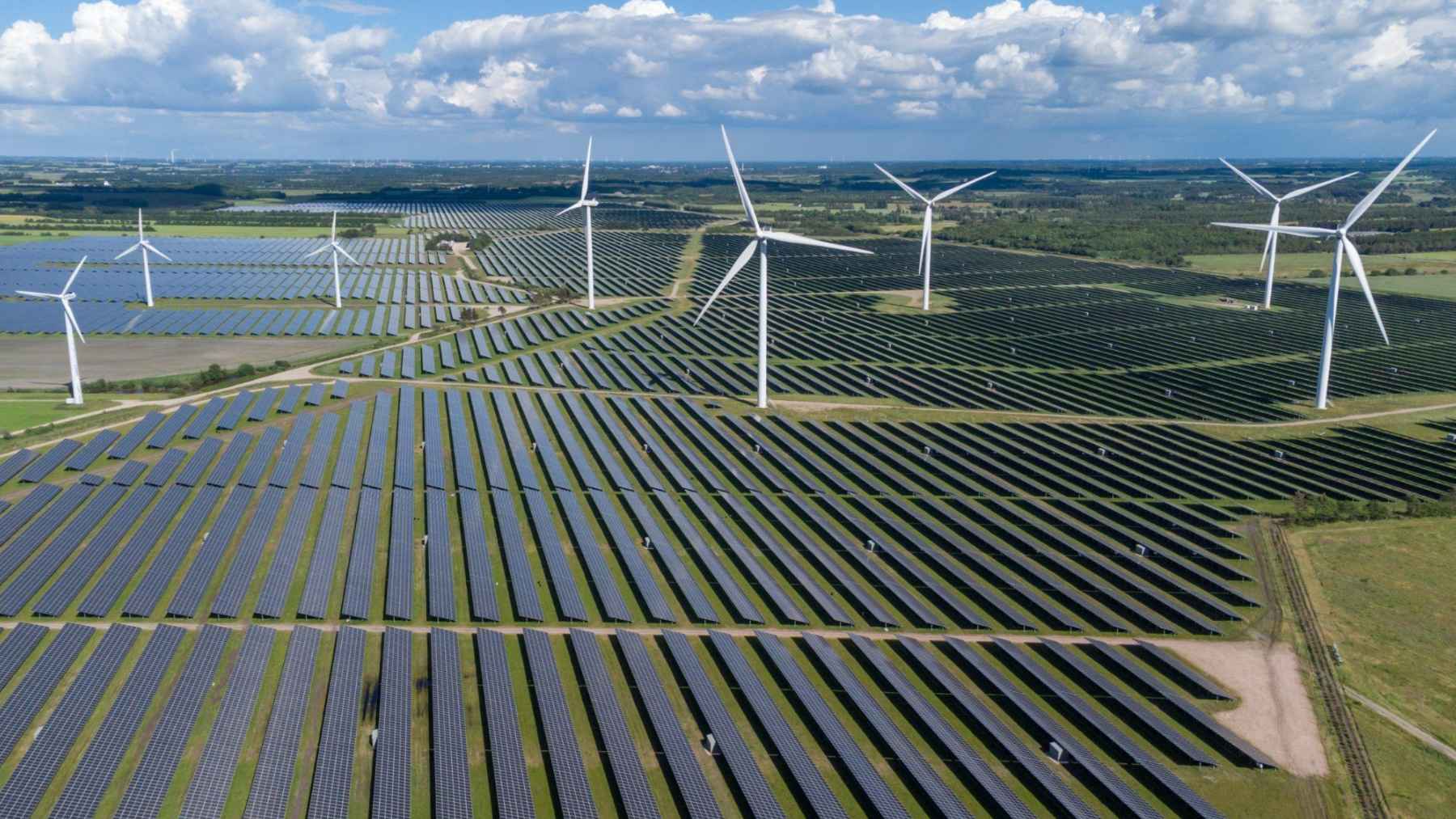
Extensive solar panel fields and wind turbines showing large-scale renewable energy infrastructure.

The green economy has just surpassed $10 trillion and would already be the world’s third-largest industry if it were counted as a separate sector

—
July 4, 2026 at 6:30 AM
Concept image of a lunar base with habitats and astronauts working on the Moon’s surface.

The Moon will no longer be just the place where humans left their footprints in 1969; now, NASA and China want to build bases, landing strips, control towers, and shelters there, but a fundamental regulation is still missing

—
July 4, 2026 at 4:29 AM
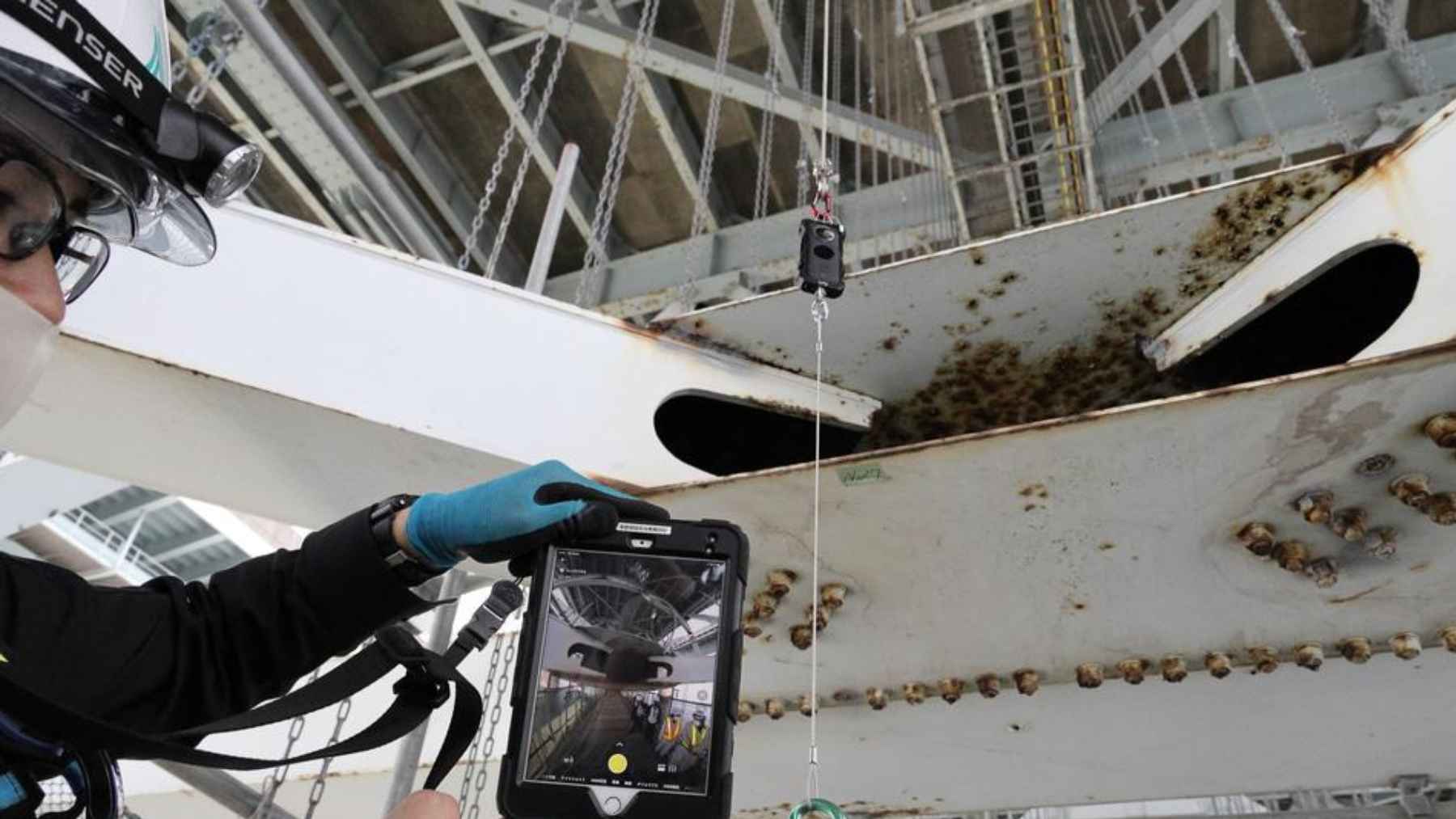
Close-up of corroded bridge steel with an inspector using a digital device to assess structural damage.

The United States has 624,167 bridges, of which more than 220,000 are in need of repair, but a new generation of quantum sensors could detect hidden damage before it becomes visible from the road

—
July 3, 2026 at 7:30 PM
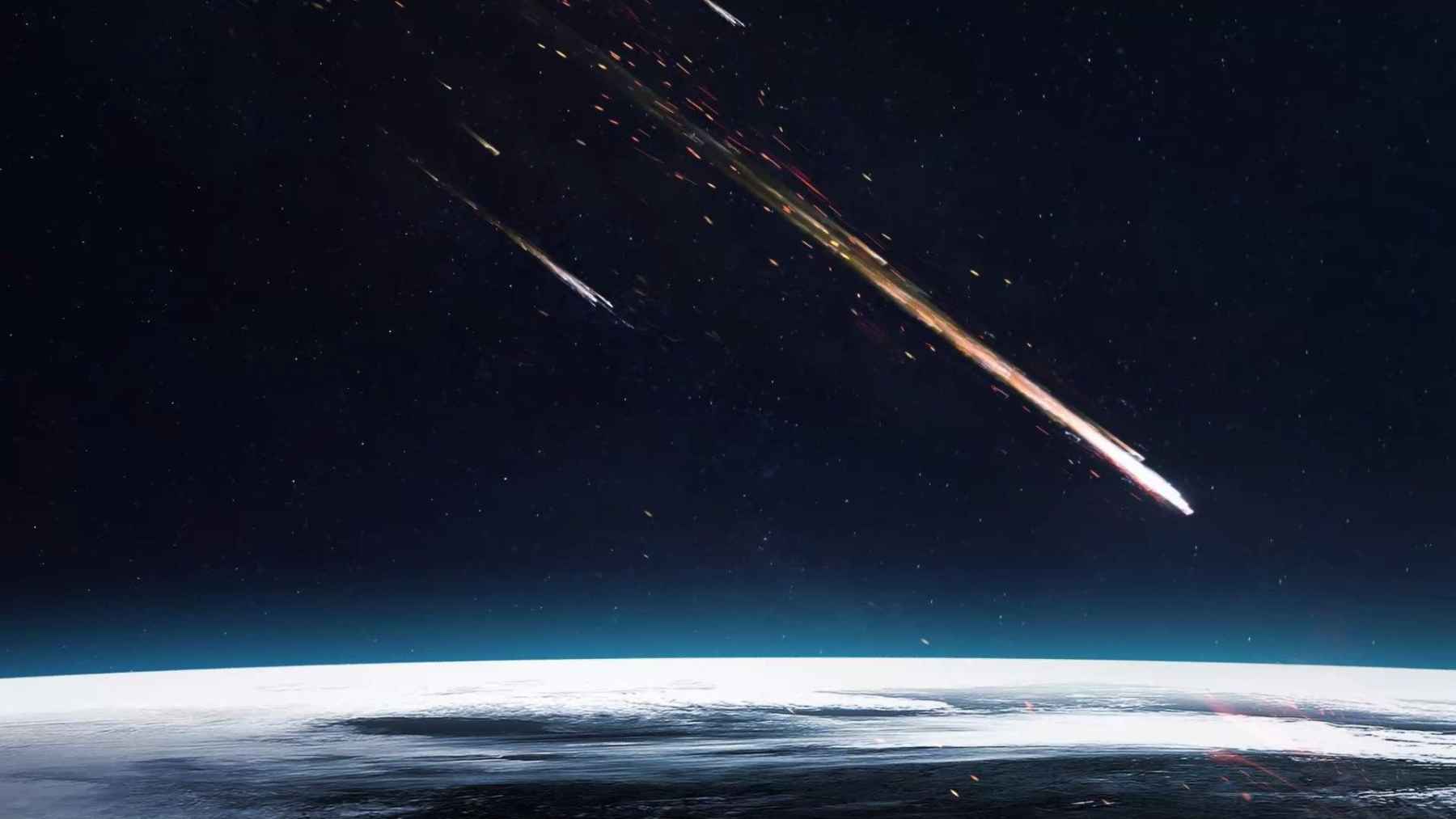
Bright meteor fireball breaking apart in Earth’s atmosphere, creating a sonic boom event.

On May 30, a loud boom shook Massachusetts and New Hampshire, and NASA traced it to a meteor that broke apart with the force of 300 tons of TNT

—
July 3, 2026 at 6:34 PM
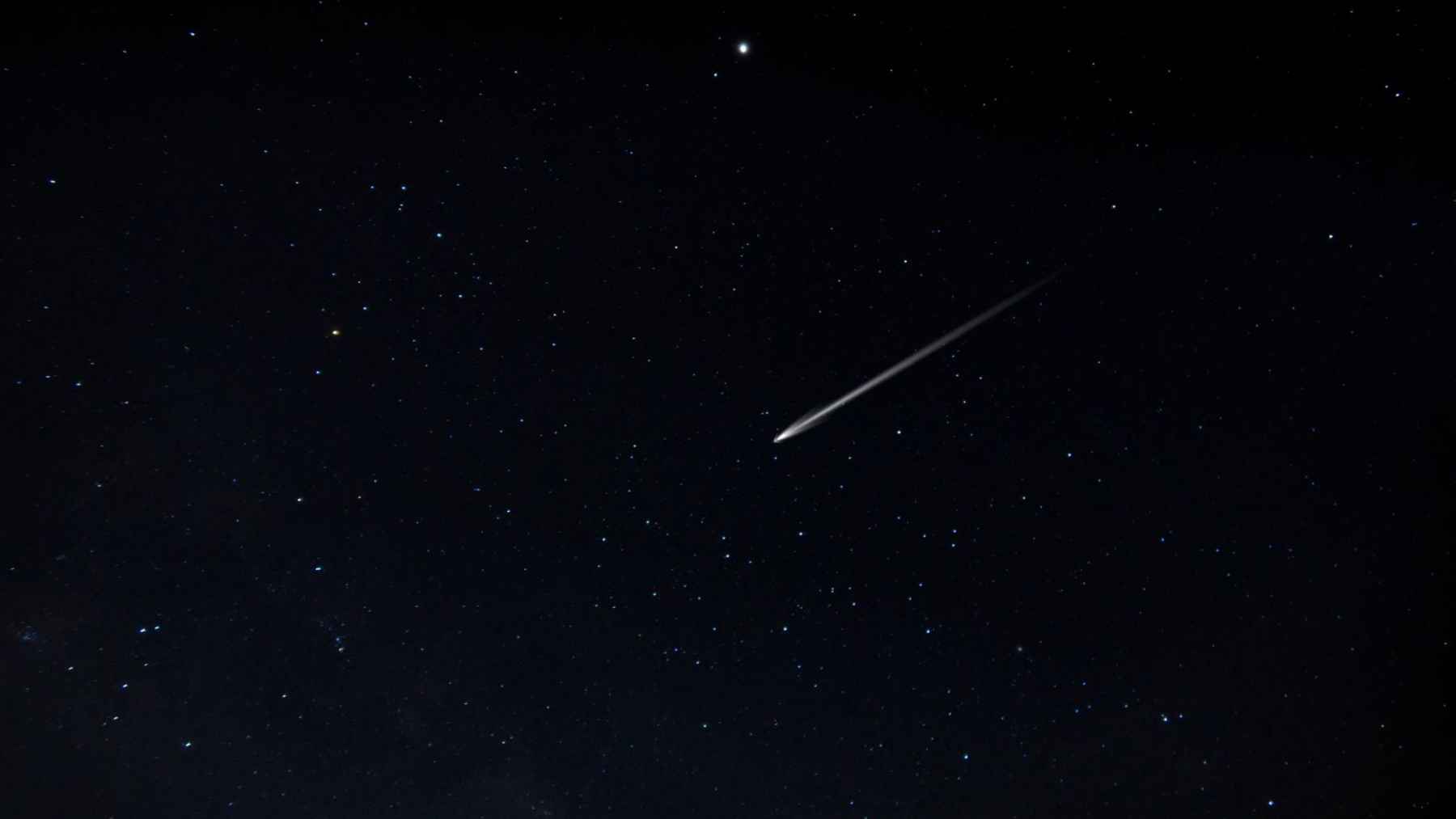
Single meteor streak crossing a dark night sky during the June Bootids meteor shower.

The June Bootids meteor shower may seem very faint almost every year, but throughout its history, extremely rare bursts of up to 100 meteors per hour have been recorded, causing many people to look up at the sky

—
July 3, 2026 at 3:00 PM
Blue tractor photographed by Novgorod State University, linked to a project that proposes injecting cooled exhaust gases into soil.

A Russian university has just unveiled a tractor attachment that injects cooled exhaust gases directly into the soil—a highly unusual idea that promises to benefit crops but requires extensive testing under real-world conditions

—
July 3, 2026 at 12:29 PM
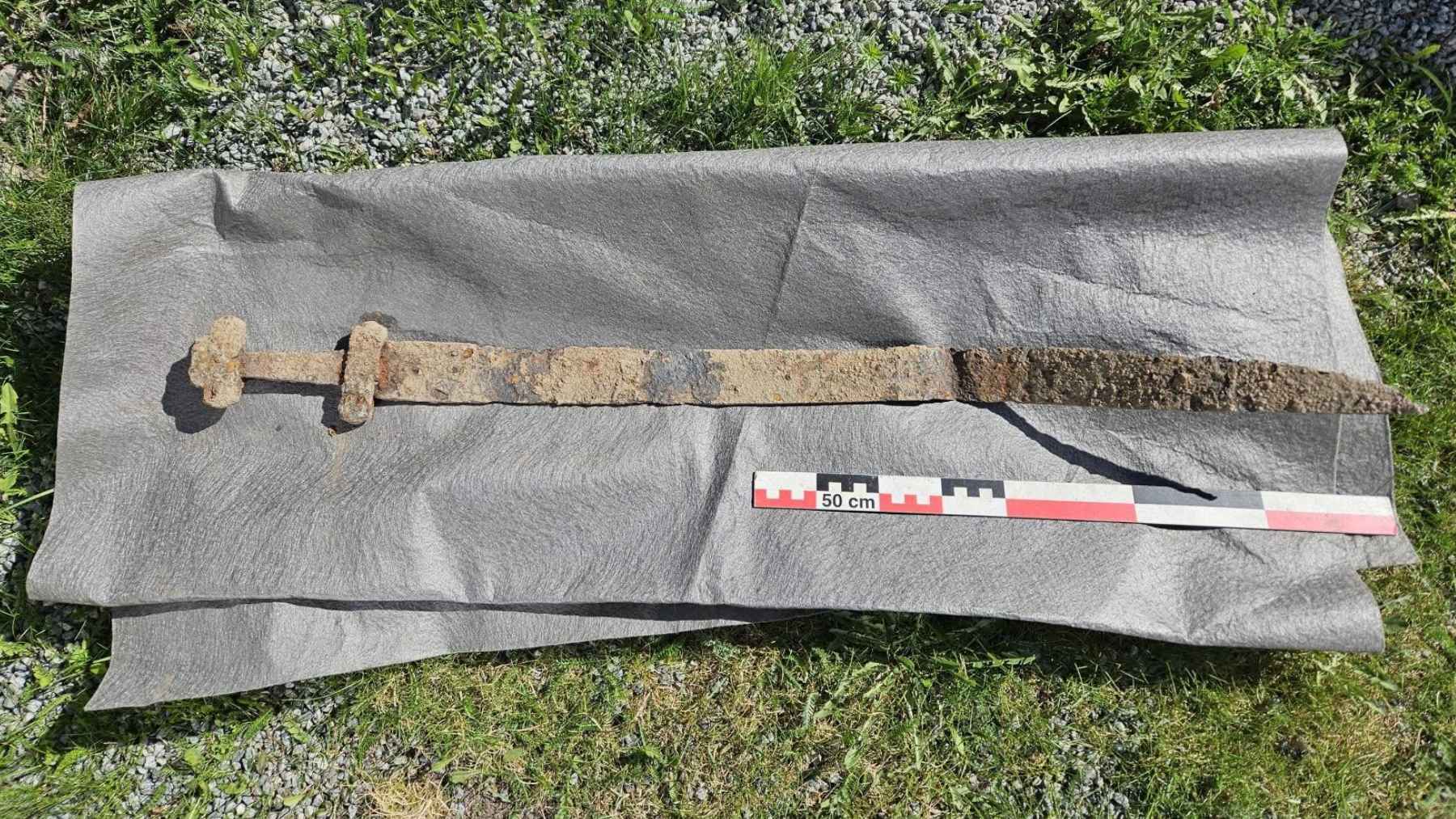
Corroded iron sword laid out after discovery in a field near Brandbu, Norway, where a 6-year-old found the early Viking Age weapon.

A 6-year-old boy was looking for rocks for a school arts-and-crafts project in Norway when he stumbled upon an iron sword that had been buried for about 1,200 years

—
July 3, 2026 at 10:15 AM
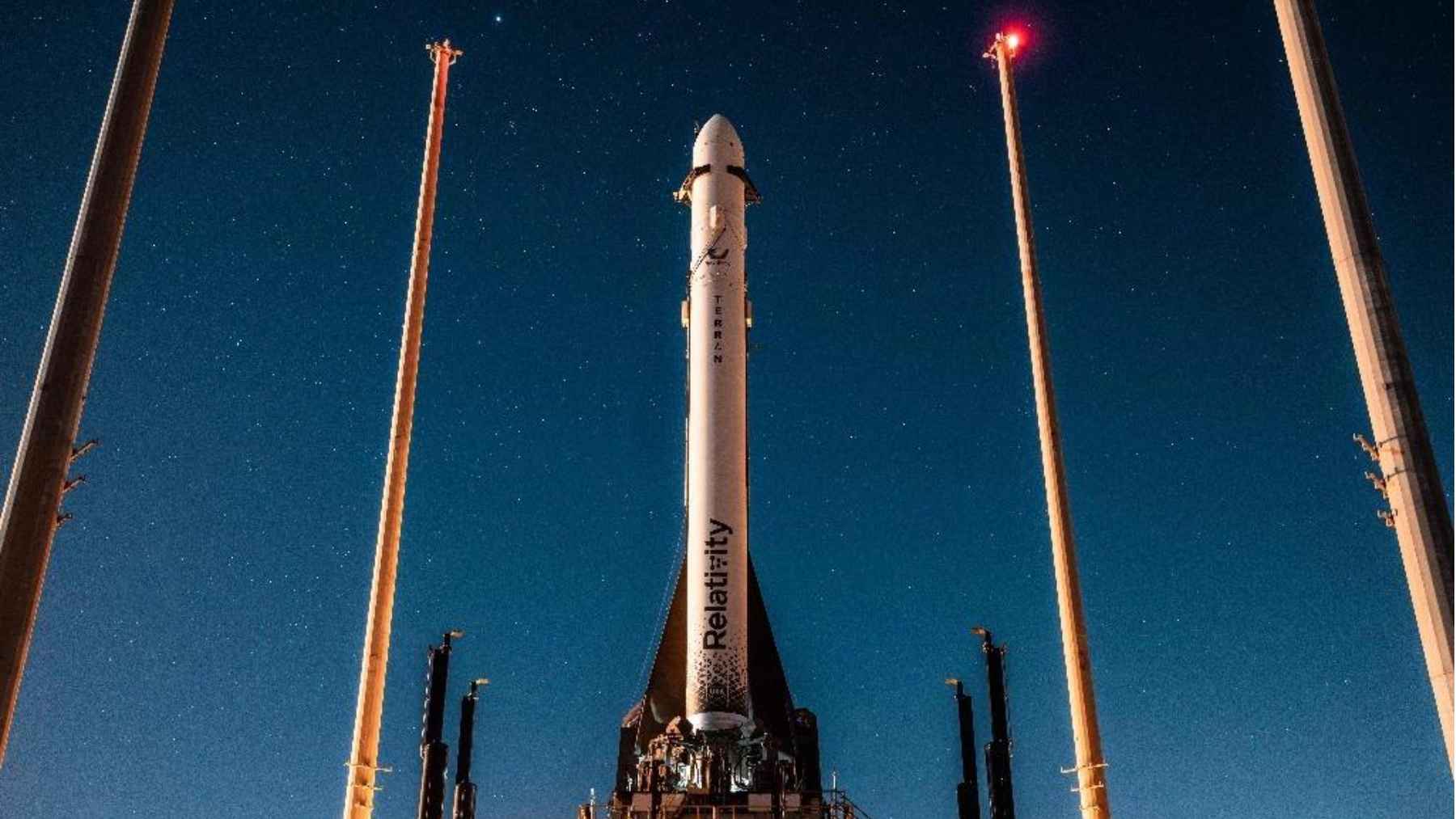
Relativity Space rocket standing on a launch pad at night, linked to NASA’s 2028 Aeolus mission to study Martian weather.

NASA is teaming up with Relativity Space, a newbie in the space exploration field, and not Space X, for a project mapping the violent seasons on Mars due to take off in 2028

—
July 3, 2026 at 8:45 AM
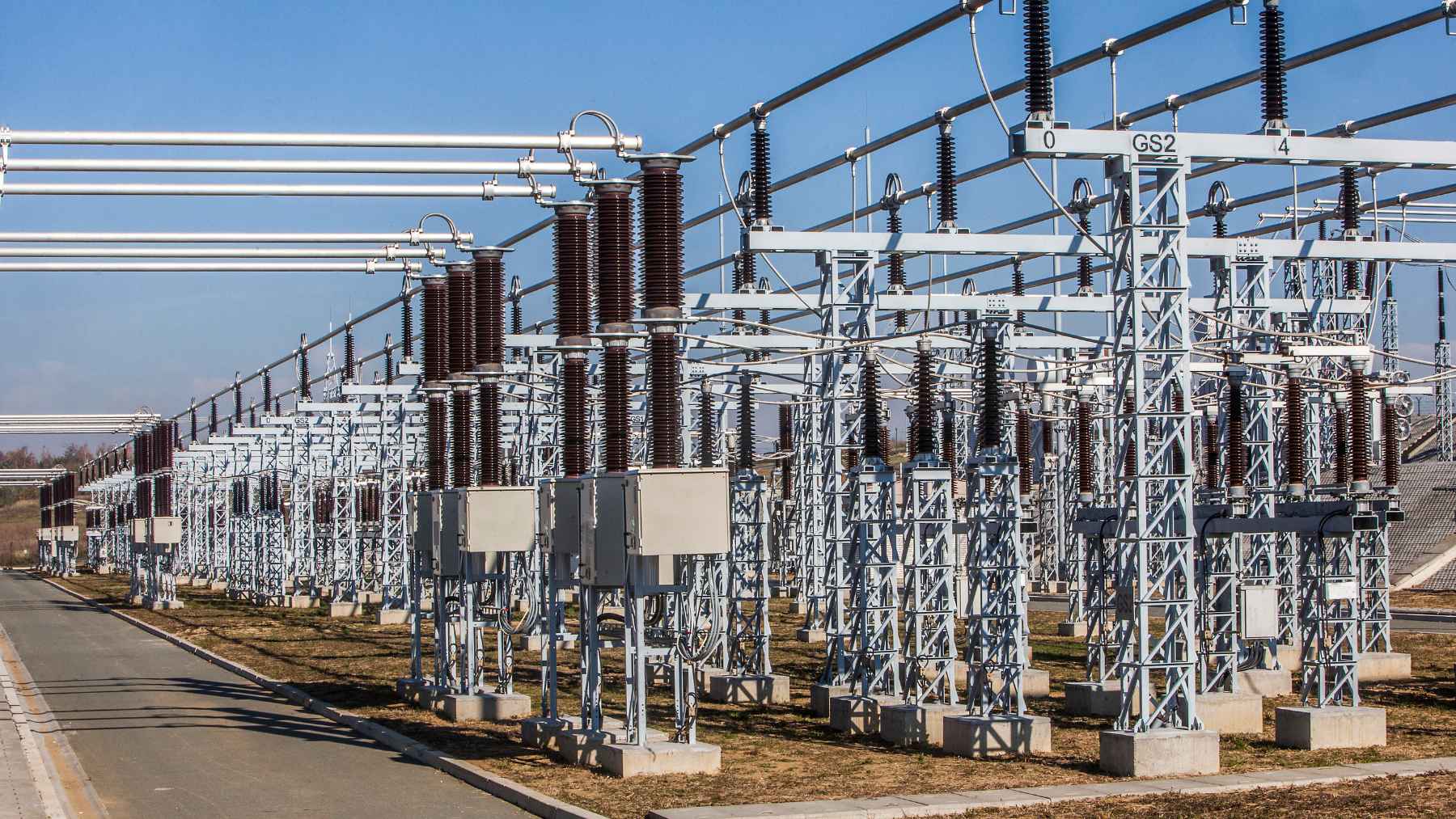
High-voltage electrical substation with transmission equipment, linked to concerns over AI data centers and U.S. grid demand.

FERC gives six US grid operators 60 days to explain how they connect AI data centers without raising household bills

—
July 3, 2026 at 6:30 AM
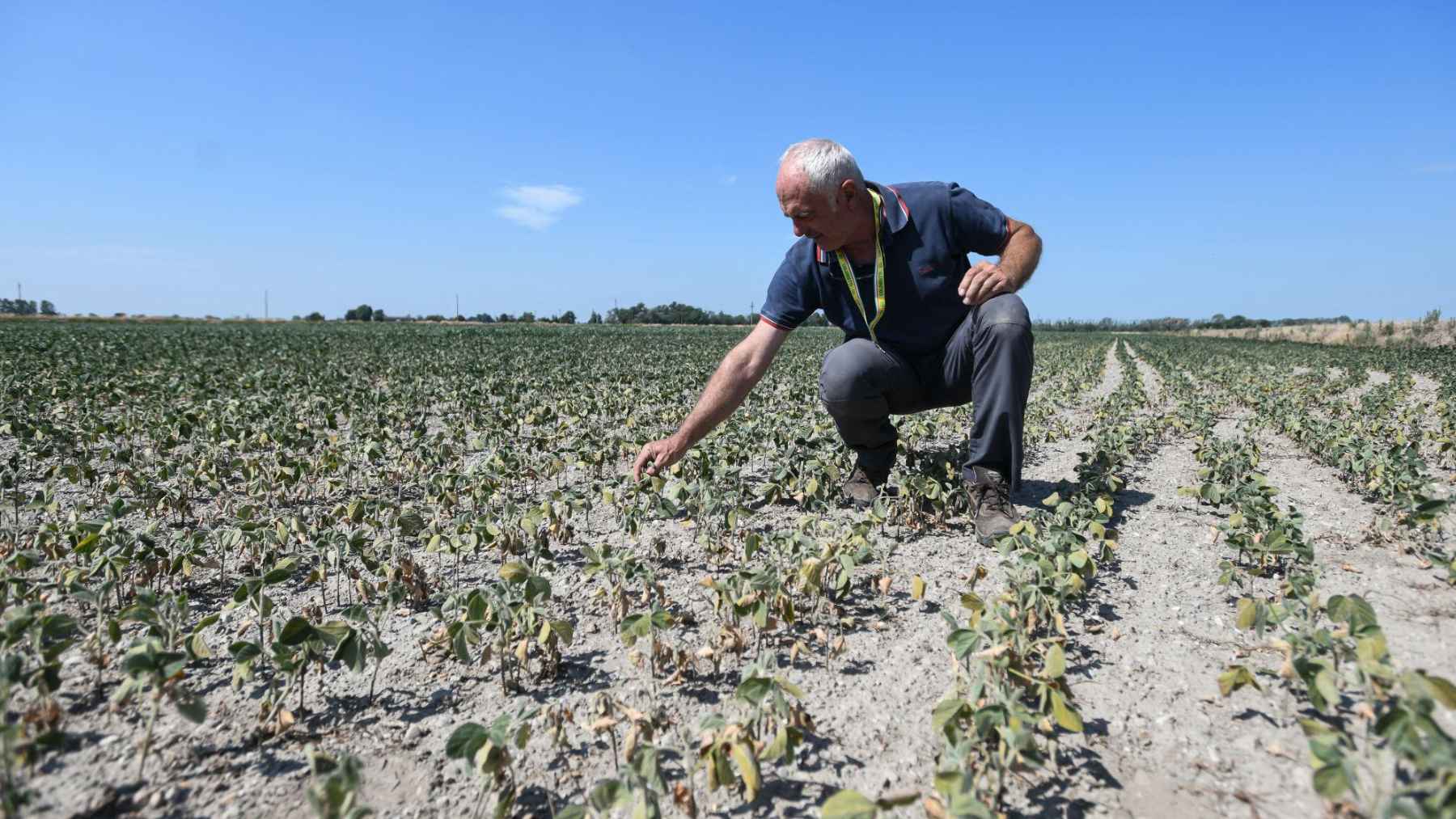
Soybean plants growing in an agricultural field as researchers study how climate change could increase yields while reducing nutritional quality.

A mixed bag for soybean farmers growing the crop in our future climate: higher yields but with poorer nutritional profiles

—
July 3, 2026 at 4:30 AM
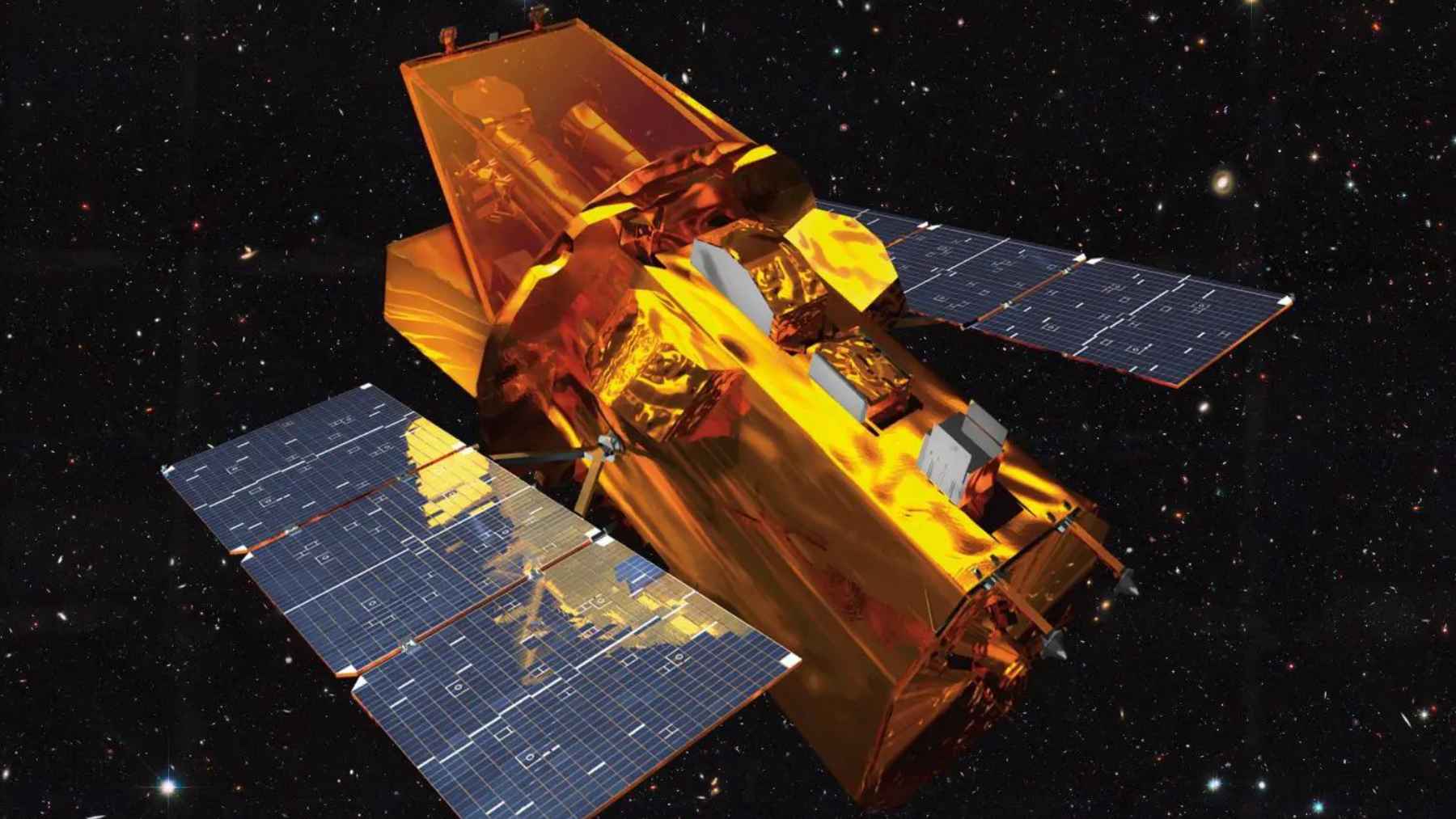
NASA's Neil Gehrels Swift Observatory in orbit as engineers prepare a robotic mission to capture and raise the aging space telescope.

NASA is preparing an extremely unusual rescue mission to save the Swift telescope, an observatory launched in 2004 that has been recording cosmic explosions and was never meant to be recovered

—
July 2, 2026 at 7:30 PM
Yellowfin, an autonomous surface robot, surveys coral reefs in Majuro Lagoon to identify heat-resistant coral communities.

It looks like a yellow toy floating in a lagoon, but it has a huge mission: to find the most resilient corals before the ocean warms up again

—
July 2, 2026 at 6:30 PM
Previous Next

ECOnews alerts

Get the most relevant environment stories as soon as we publish them

ECOnews is the English-language edition of ECOticias.com, focused on environmental and sustainability news for a global audience: mobility, energy, economy, technology, science, environment and trending stories.
© 2026 ECOnews · ECOticias.com, the green newspaper since 2004 ↑ Top