Science
Geology, paleontology, physics, space and the natural world
In Science, ECOnews reports on new discoveries in geology, paleontology, physics, space, health and the natural world. We explain the latest studies from universities and labs worldwide in plain language.
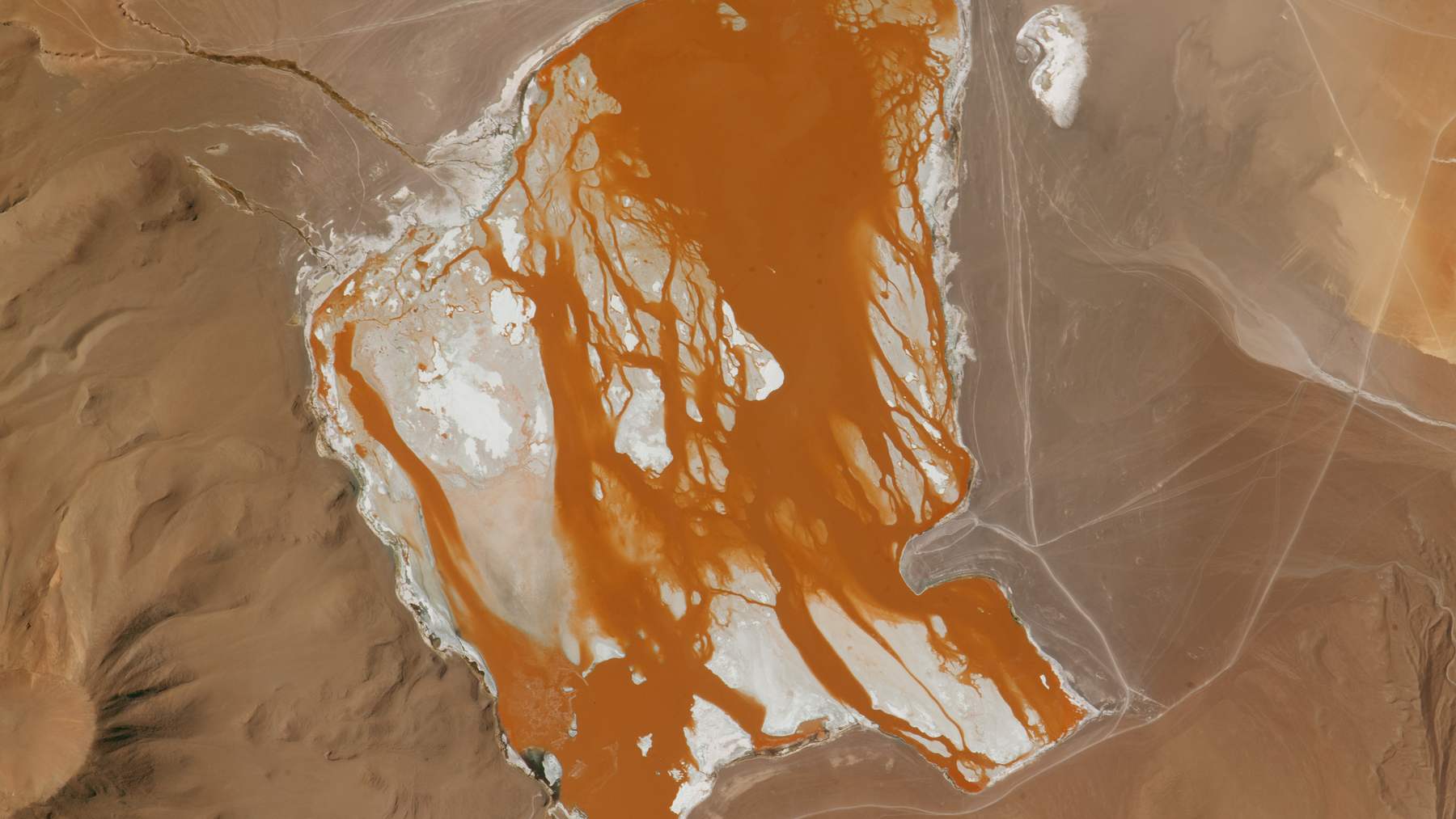
Laguna Colorada looks blue and brown in a new ESA satellite image, and a 2026 study found the red Bolivian lake carries 3,157 milligrams of lithium per liter where James’s flamingos breed
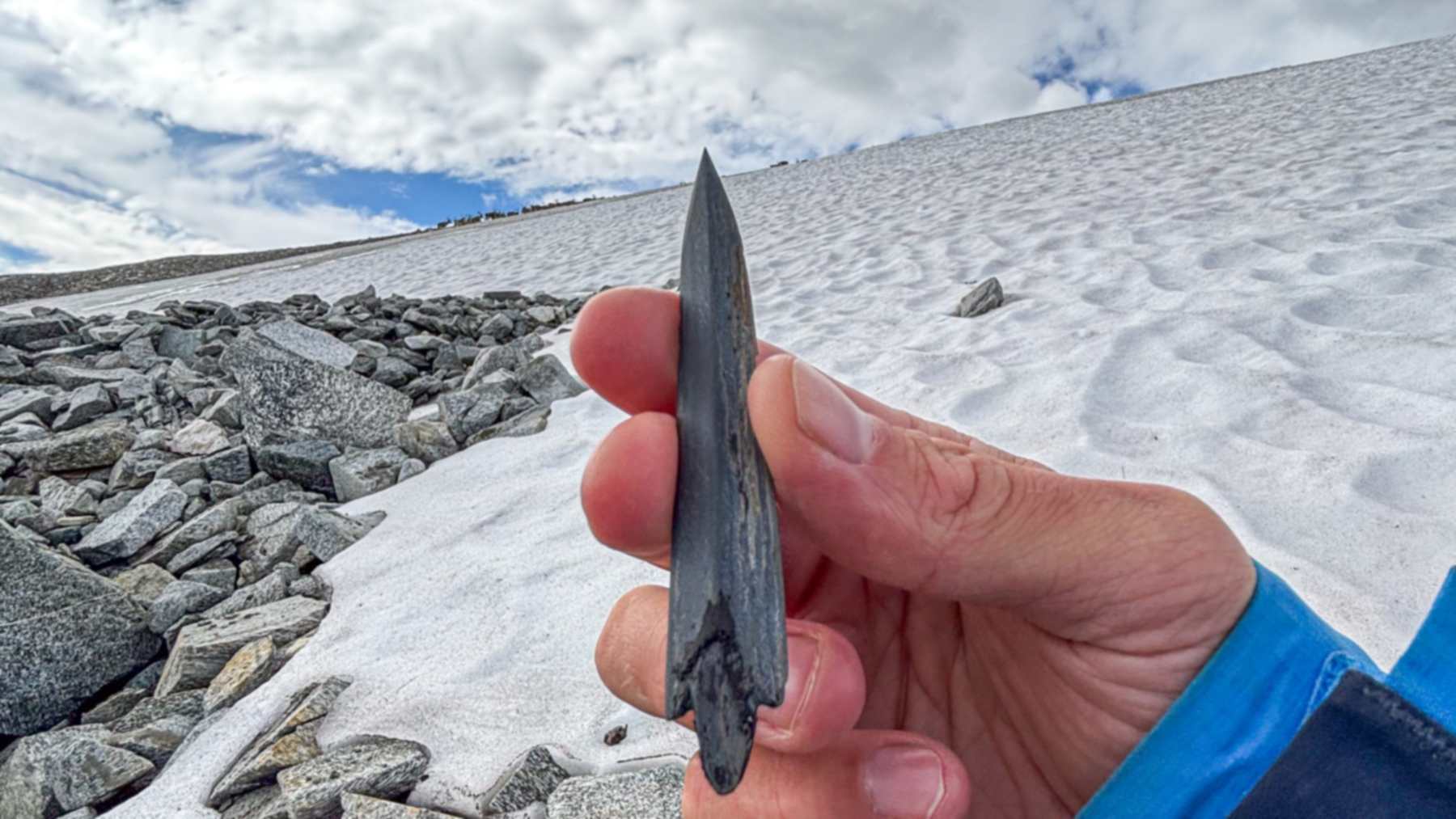
Archaeologists pulled 48 prehistoric arrows from melting ice in Norway’s Jotunheimen mountains this year, and the oldest, tipped with slate, may be up to 6,000 years old as the most ancient ice finally disappears
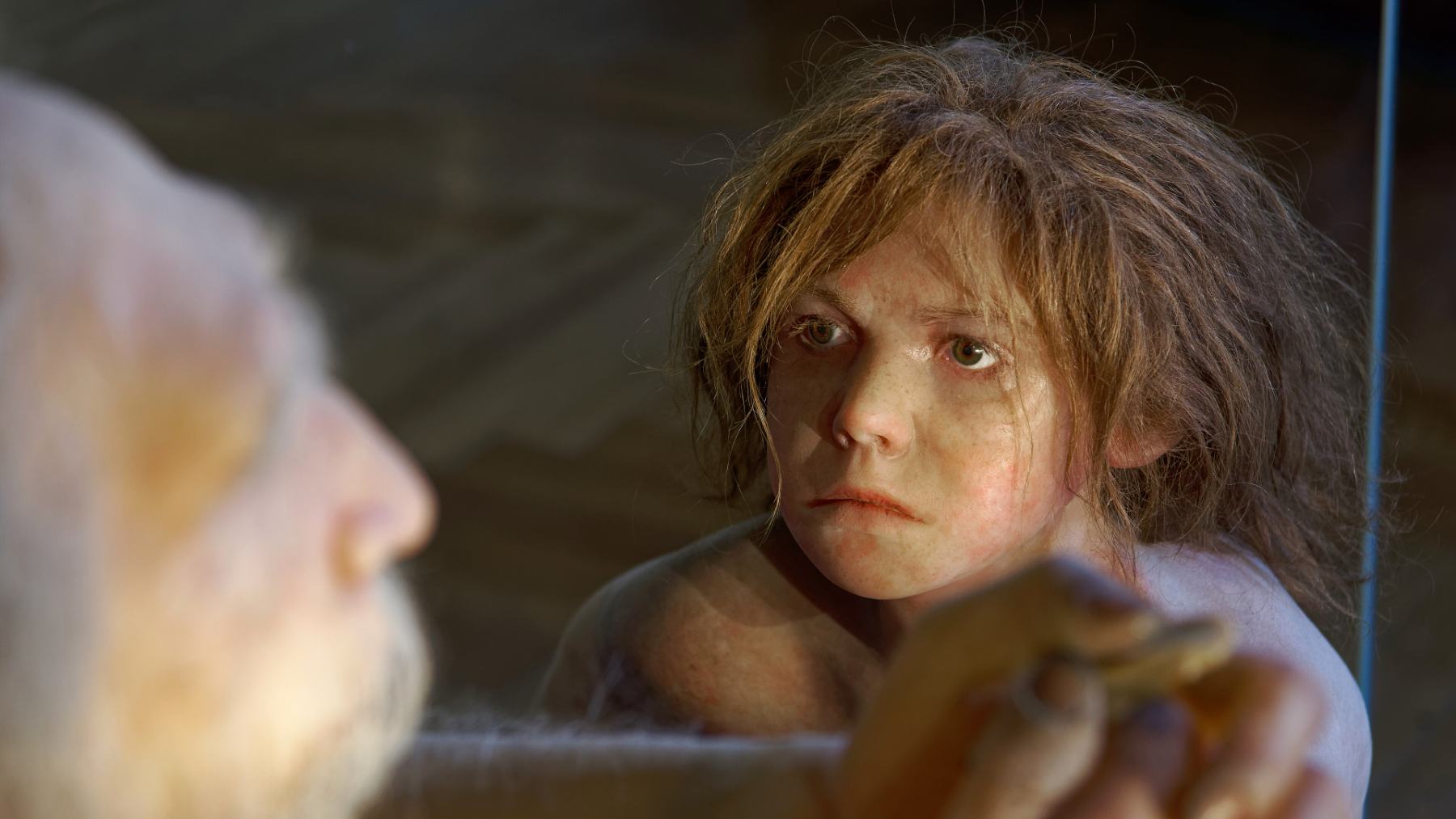
Max Planck scientists read DNA from 27 late Neanderthals in Belgium and France and found no sign of recent Homo sapiens ancestry, even though both lived in Europe at the same time
Scientists cut the ultraviolet light reaching moss and lichen on Antarctica’s Ardley Island by 20%, and the Antarctic tundra took up about half as much carbon, an unwelcome twist in the healing of the ozone layer
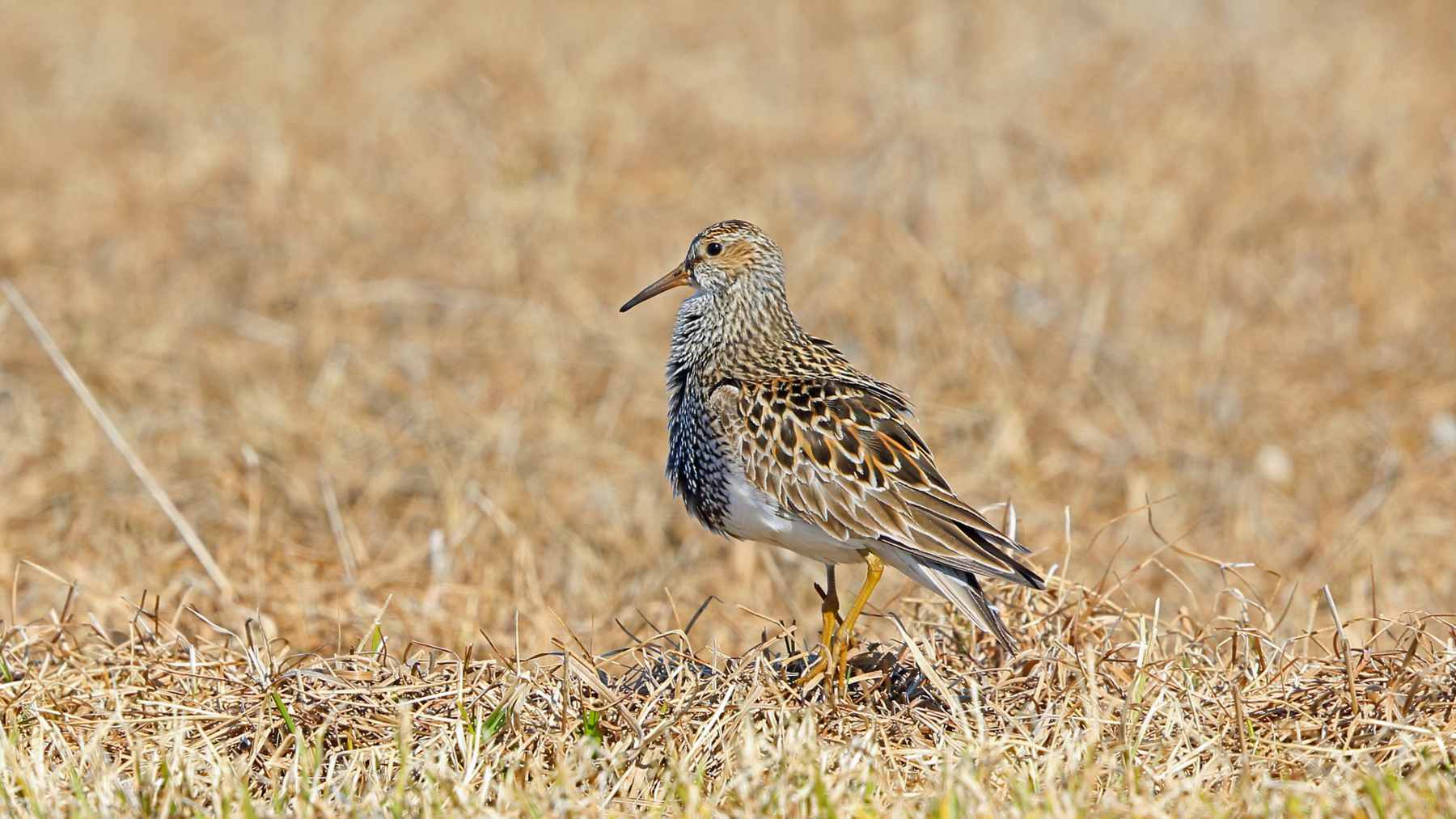
Only about one in three Arctic tundra shorebirds come back to the same breeding area each year, against two in three elsewhere, and at the tundra’s northern edge it falls to one in ten, a Max Planck study found
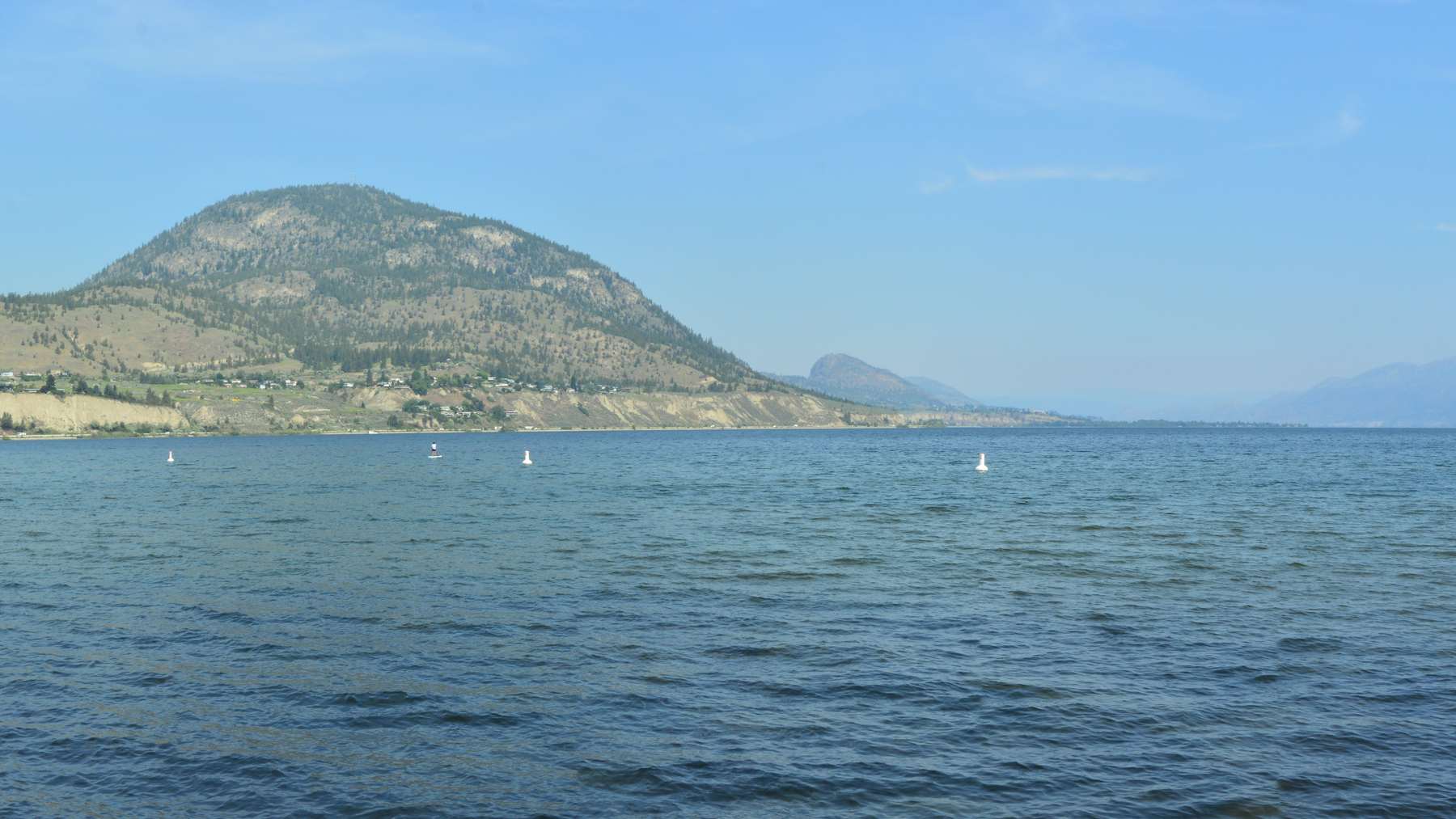
Someone paid C$200 at a yard sale in southern Ontario for E.J. Hughes’ Okanagan Lake, and the painting sold for C$402,500 at auction in 2007, months after the reclusive British Columbia painter died
A study of nearly 1 million UK adults found that people who like their tea or coffee very hot had about three times the risk of one type of esophageal cancer, and the researchers’ advice is simply to let it cool
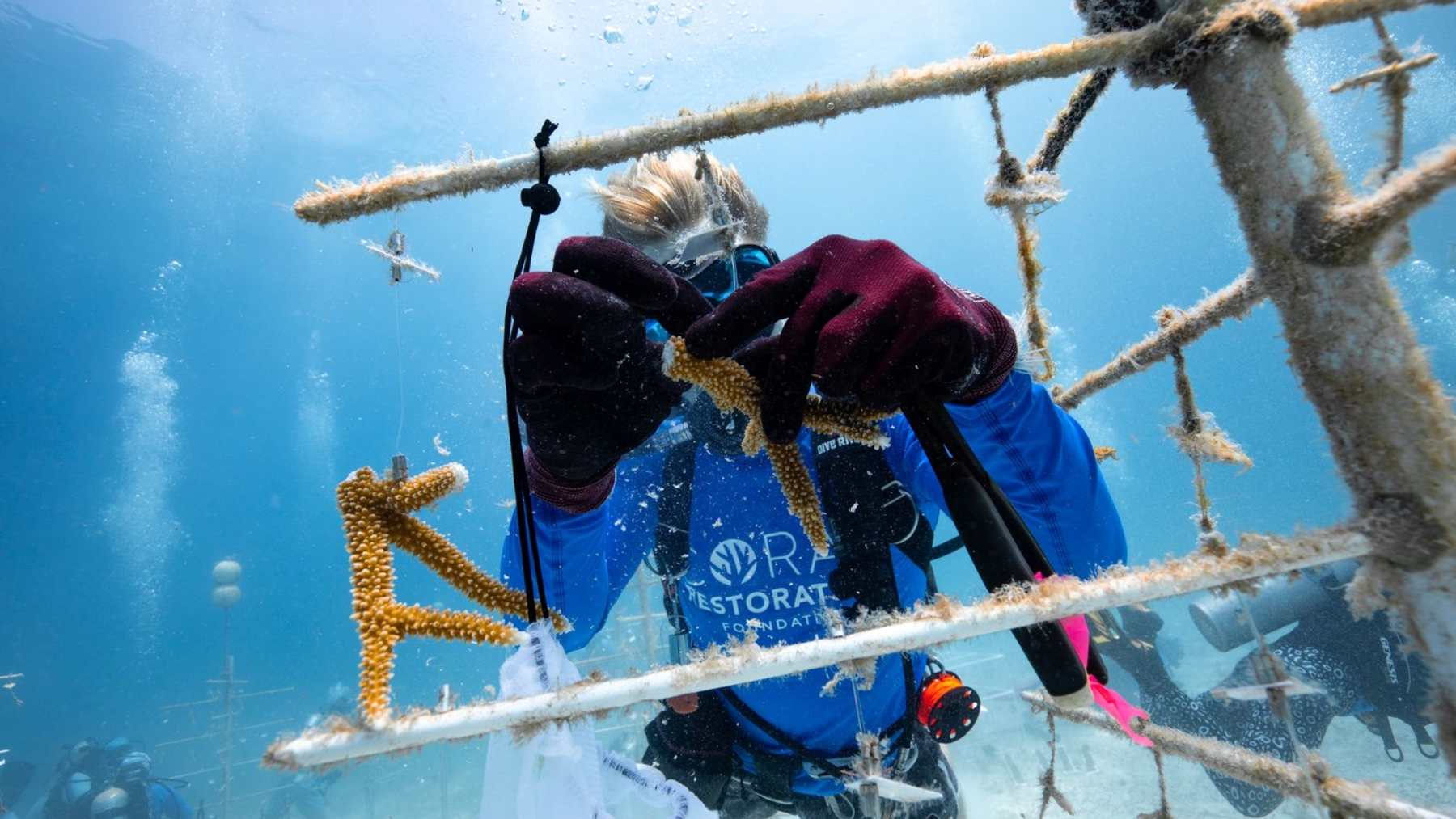
A Florida father and daughter started growing staghorn coral for a 4-H project around 2000, and after a 2023 heatwave killed 98% to 100% of wild staghorn and elkhorn in the Keys, the nurseries that grew out of it are banking the survivors’ genes
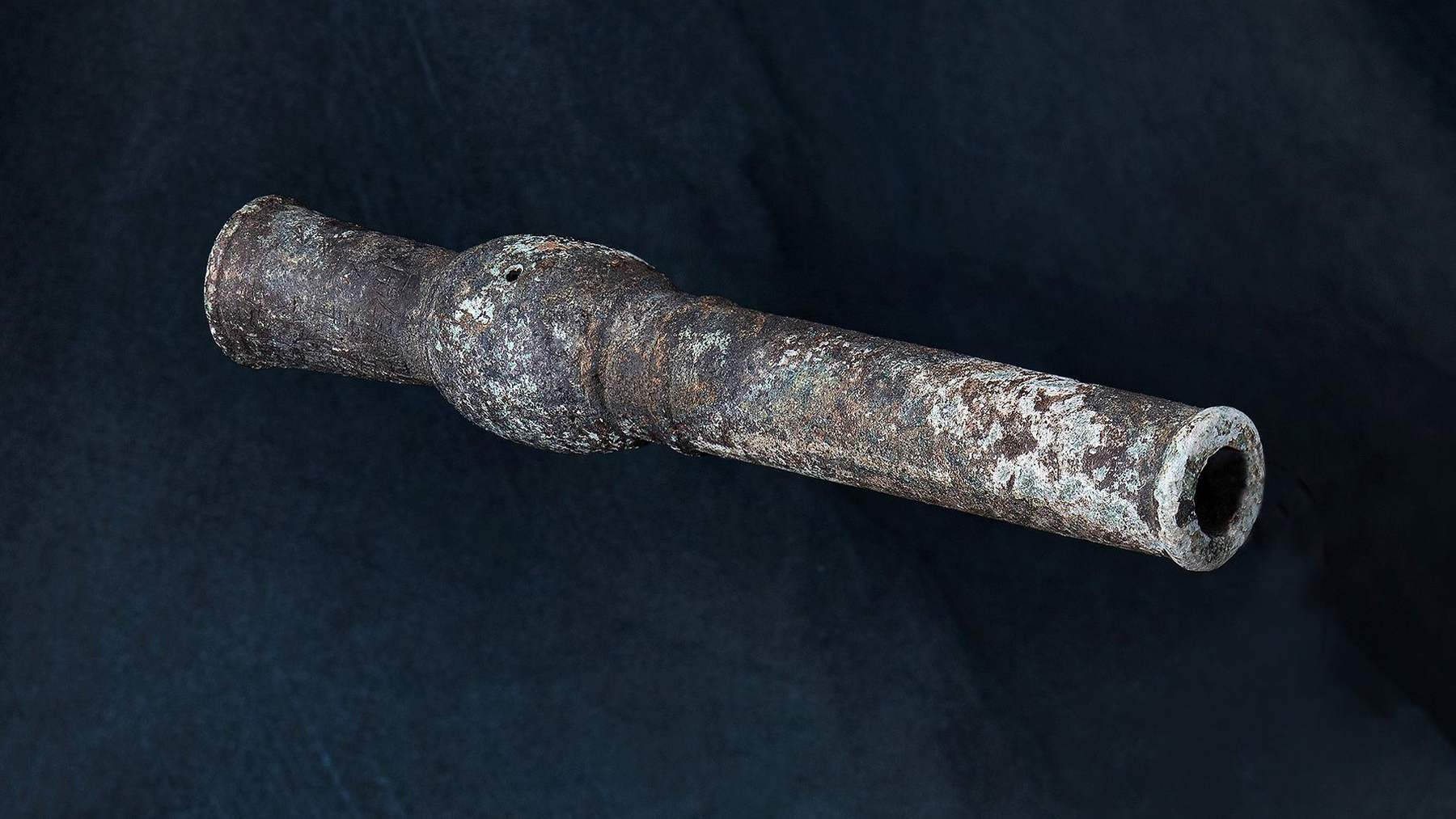
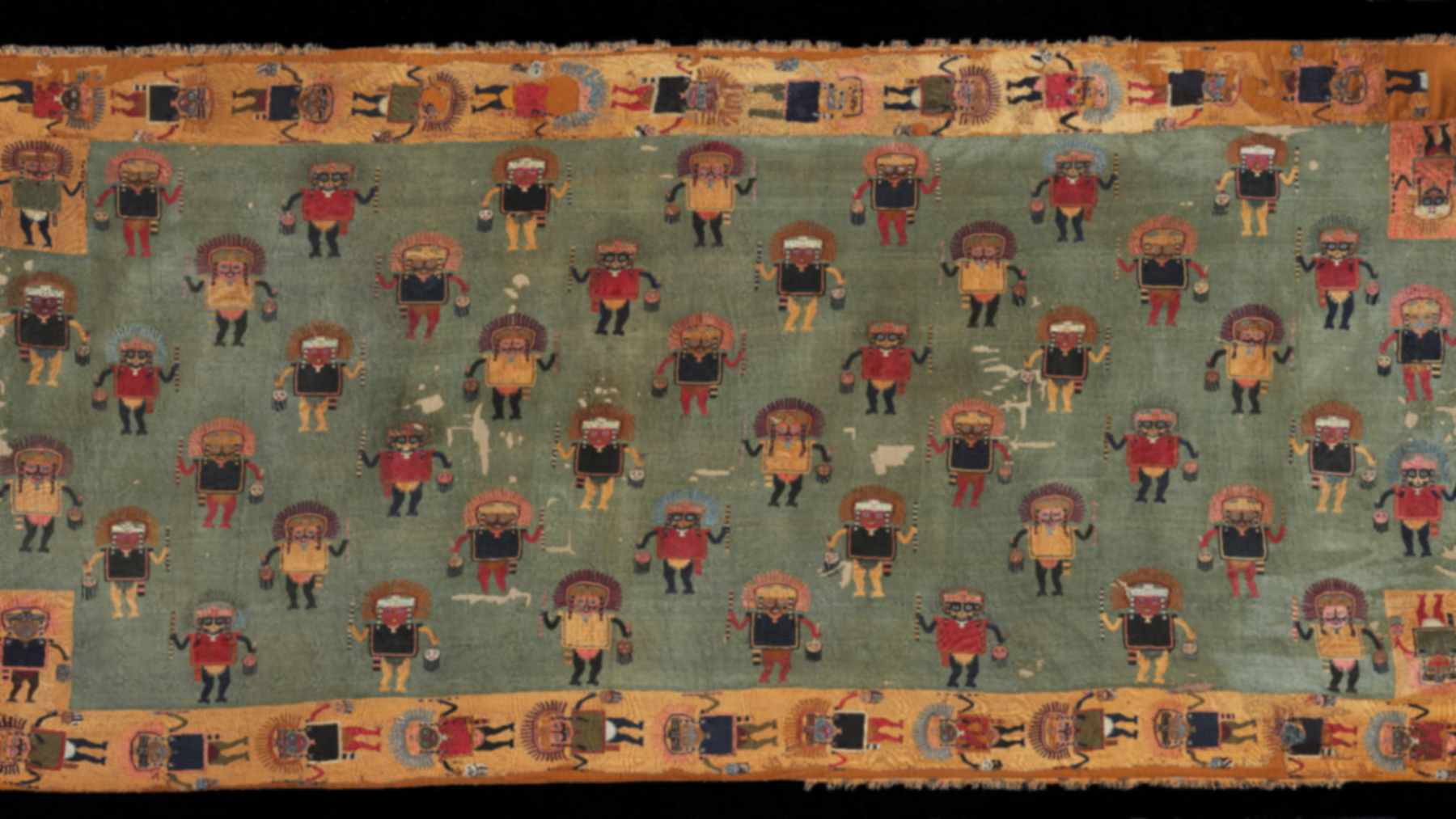
Archaeologists measured 200 obsidian points from Paracas sites in southern Peru and found every complete one was a spearthrower dart, and through four violent centuries nobody there seems to have bothered with the bow
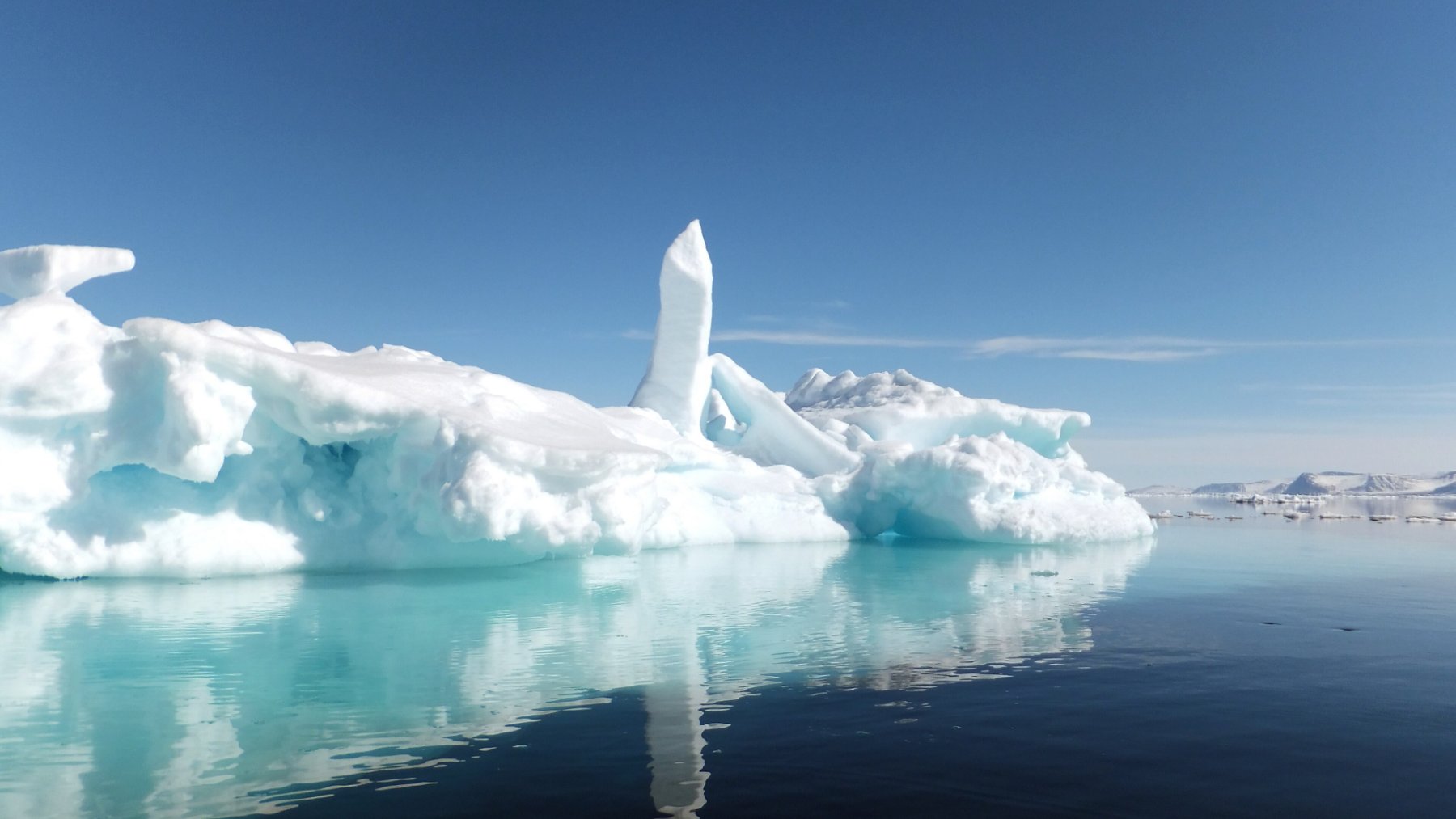
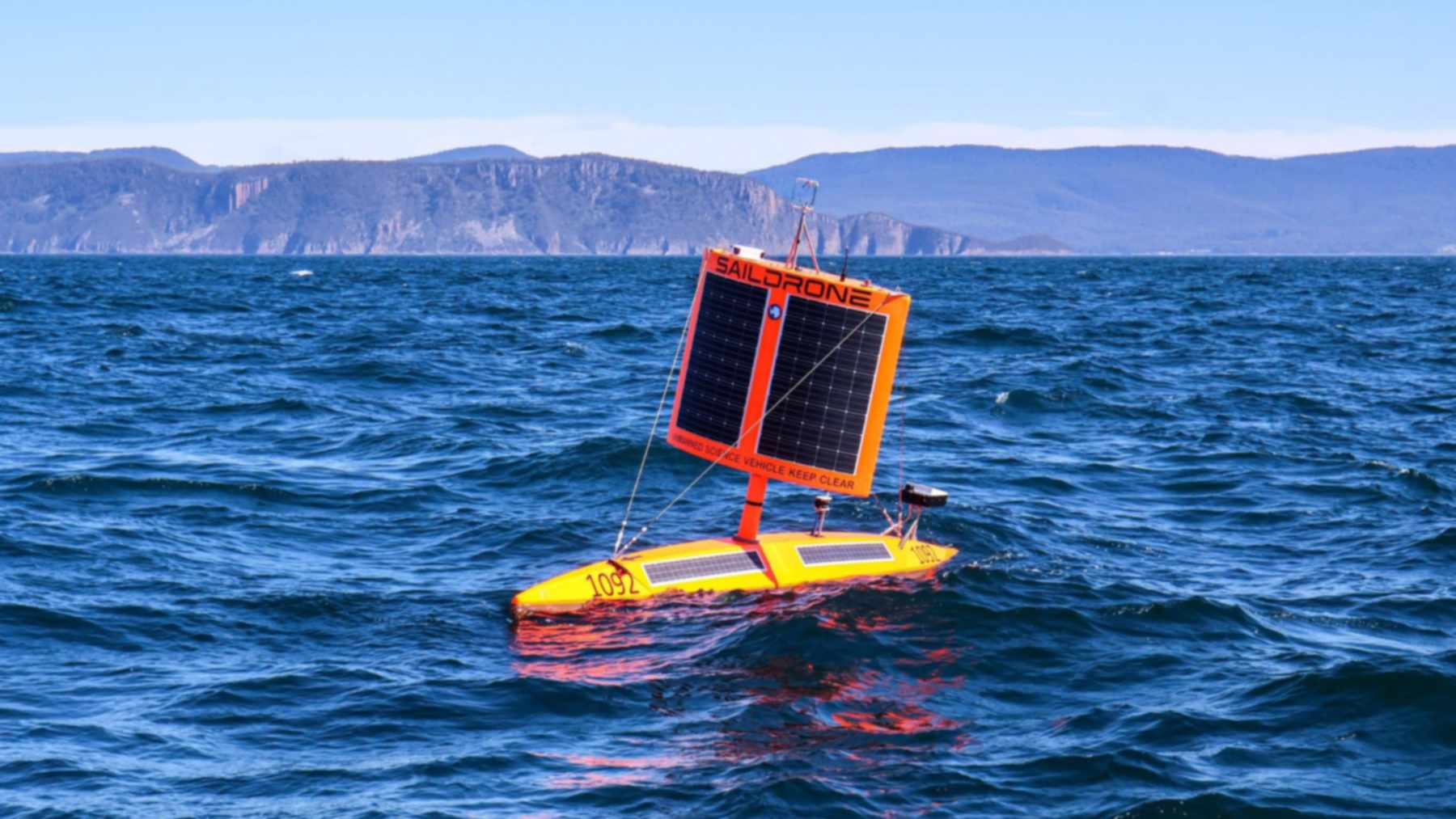
Engineers at UC Riverside simulated 2,000 floating ice floes and found that constant collisions between neighbors explain why Arctic sea ice spreads more slowly than the wind alone would push it
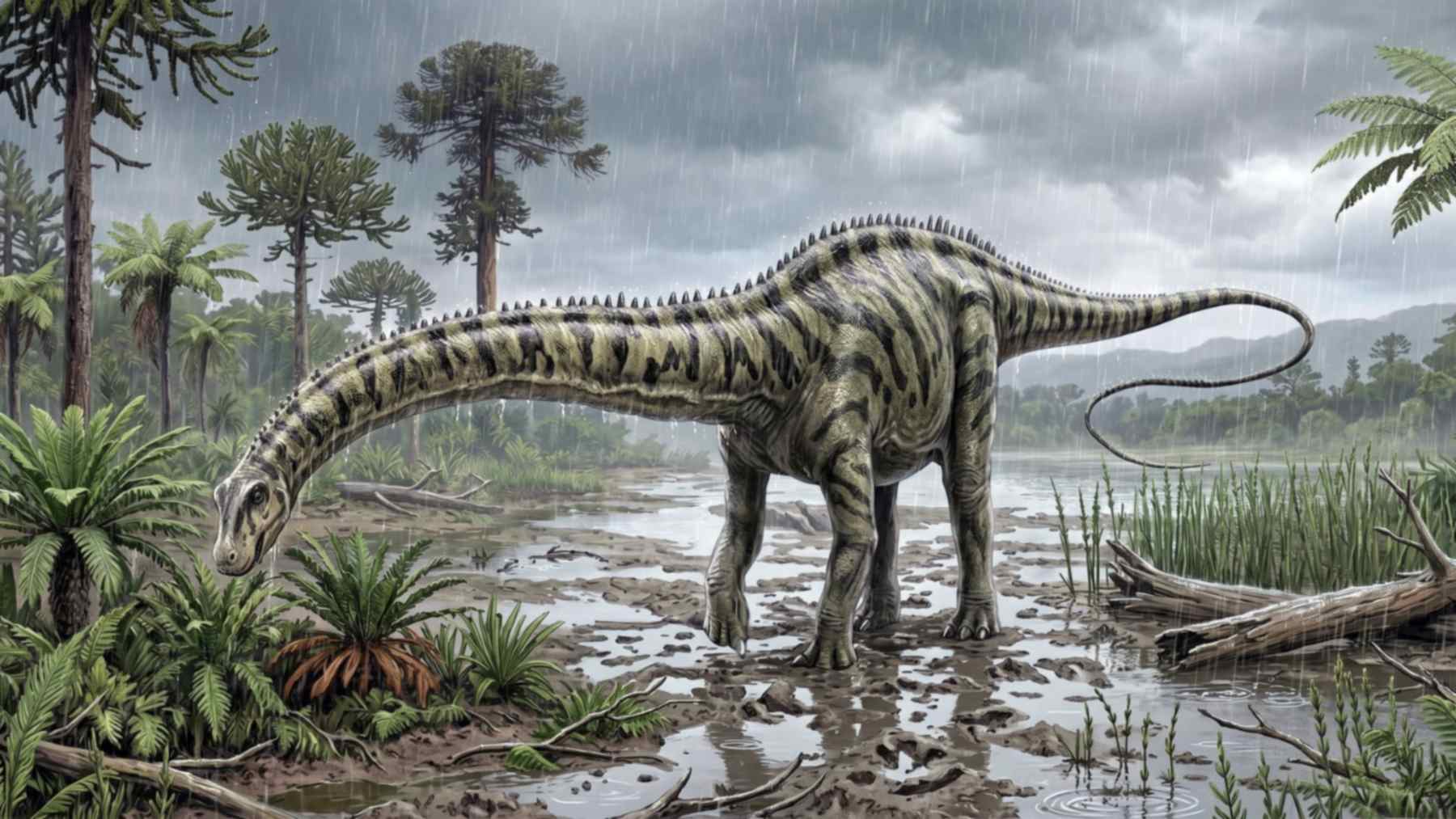
Paleontologists in Spain identified 14 tail bones from Teruel as Diplodocus, the first scientifically documented find of the famous dinosaur outside North America, though some experts want more proof
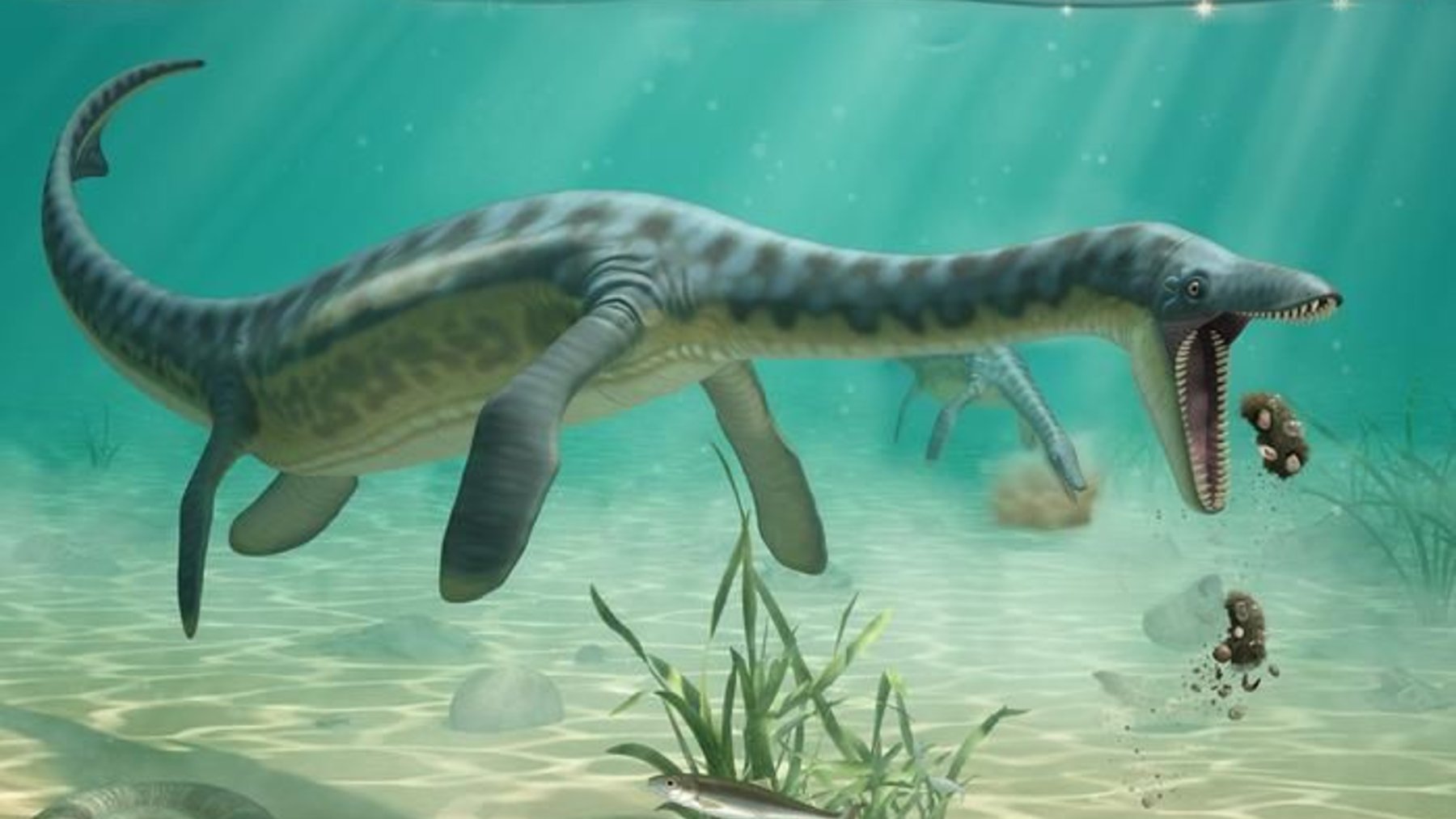
A geologist studying drill cores from under the North Sea found Jurassic fossil vomit packed with shells and squid-like remains, and he believes long-necked plesiosaurs brought it up in river deltas
Researchers in China stressed 120 young adults and found relaxing music helped their heart rate and mood recover faster than water sounds, while listening beforehand did not blunt the stress
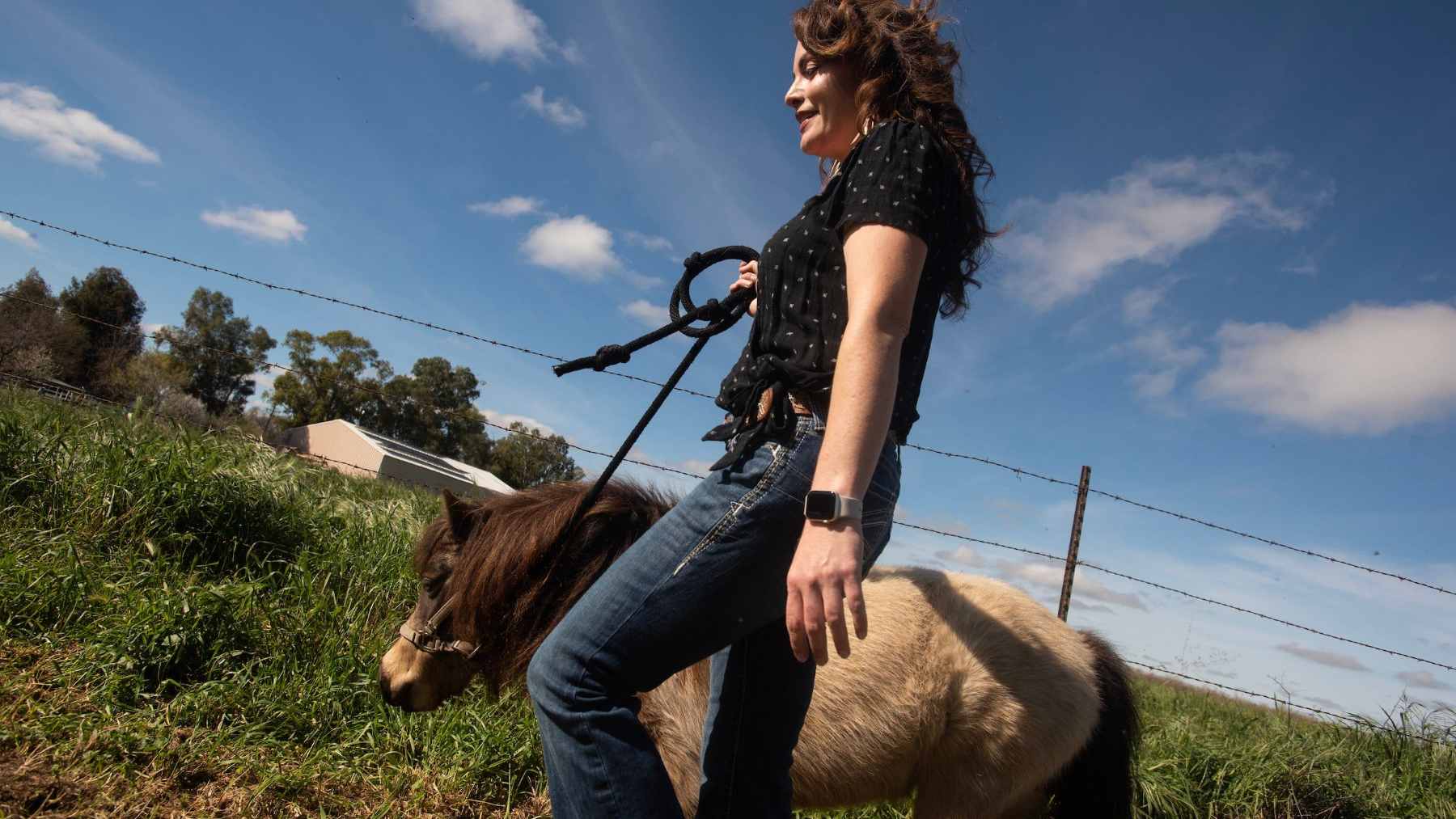
A UC Davis study found just three minutes with miniature horses and donkeys left 61 teenagers calmer and less lonely, and those who saw an animal choose to walk away felt the biggest drop in sadness
A Finnish study that followed 2,690 men for decades found 42% of those with good cardiovascular health in their early 40s lived to 90, versus 7% of those with the poorest, and they were less frail
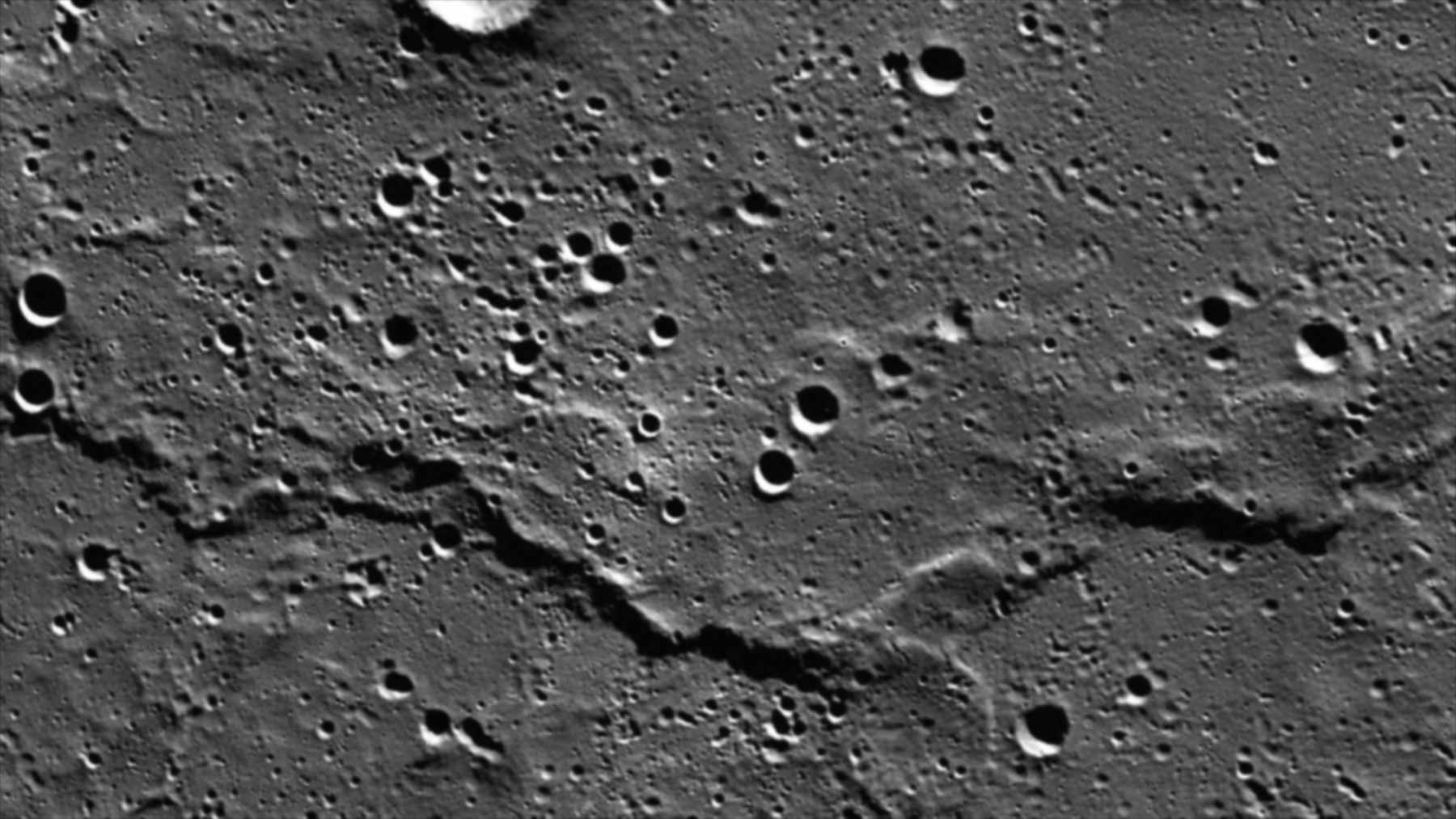
Scientists found fewer wrinkles on Mercury’s roughest ground, and now put its lost radius at 7.2 miles