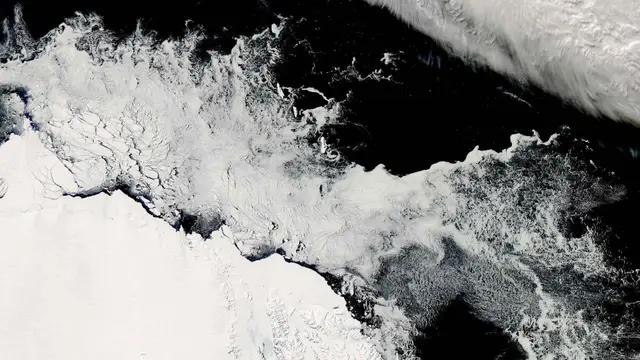
Oceans
159 stories · since 2025 · latest, 14 h ago
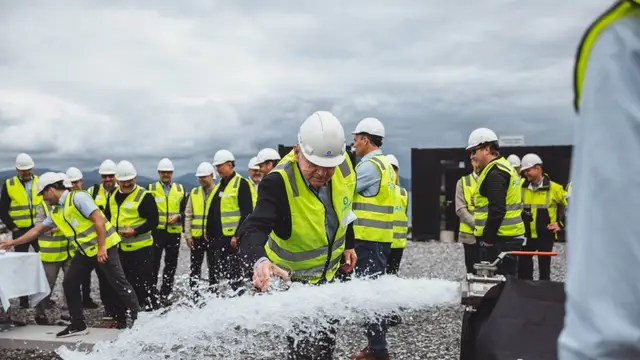
Norway lowered a 22-ton desalination pod 1,640 feet below the sea, where natural ocean pressure helps it produce up to one million liters of drinking water a day while using far less energy than conventional plants
Desalination is a very specific method used to generate freshwater where rainfall, rivers, and reservoirs fall short, but there can be a problem: this…
ECOnews Newsroom · September 5, 2026
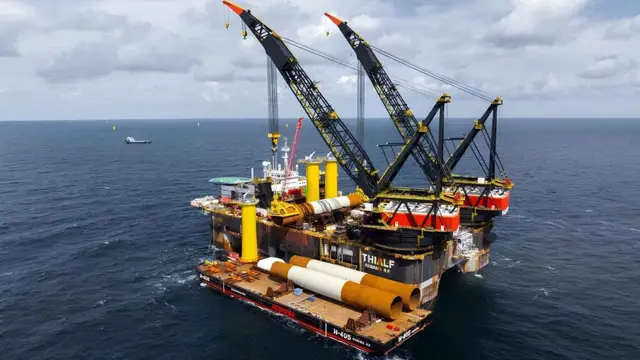
Engineers drove enormous steel foundations directly into bare Atlantic sand to hold offshore wind turbines upright, and what happens around those artificial structures afterward is changing the seabed in ways nobody designed them for
New York is among the most energetically demanding places on the planet. The most cosmopolitan city ever designed by man needs gargantuan levels of energy…
ECOnews Newsroom · September 1, 2026
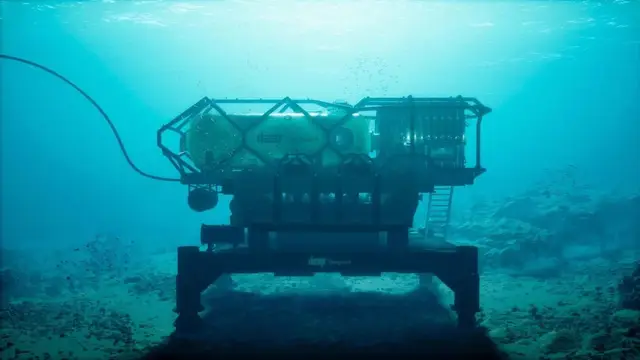
Engineers lowered a giant steel structure into the water off the Florida Keys where it will deliberately remain on the seabed, but what looks like abandoned industrial hardware is designed to become something alive
A brand-new steel human habitat which looks a lot like a submarine was lowered and now rests on the seafloor of the Tennessee Reef, at 56 feet below the…
Adrian Villellas · August 31, 2026
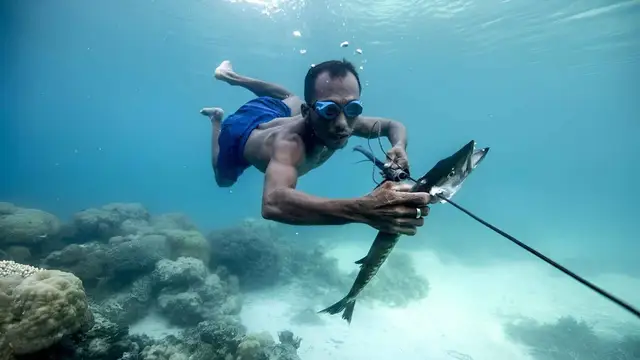
Most people struggle to hold their breath underwater for two minutes, but the Bajau can spend up to five hours a day diving and working beneath the sea after generations of life built around the ocean
Staying underwater for more than ten minutes without an oxygen tank is inconceivable for most of us, but not to the Bajau divers of Southeast Asia. They…
ECOnews Newsroom · August 30, 2026
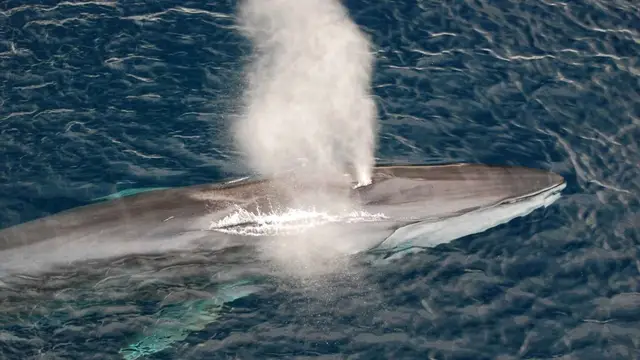
The fin whale can grow longer than a city bus and race through the ocean at remarkable speeds despite weighing tens of tons, yet this enormous animal remains one of the least noticed giants swimming through our seas
Did you know that the second biggest animal in the world swims at the speed of a greyhound and goes unnoticed? The fin whale can measure more than a city…
ECOnews Newsroom · August 29, 2026
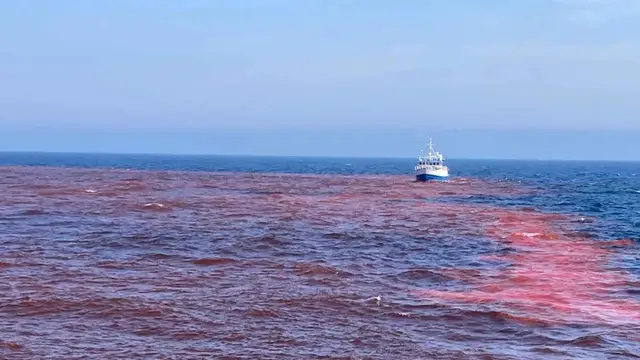
Researchers released 16,500 gallons of sodium hydroxide into the ocean near Cape Cod, the first EPA-permitted trial of its kind, and a dye tracer followed the patch for five days
As carbon emissions make the ocean more acidic, can a human intervention return the seas to a more alkaline state? Last August 2025, researchers with a…
ECOnews Newsroom · August 22, 2026
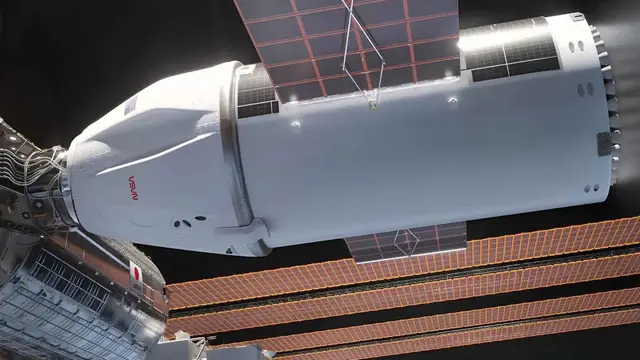
NASA contracted SpaceX for $843 million to develop the U.S. Deorbit Vehicle that will guide the 945,000-pound Space Station into a remote ocean corridor after the last crew returns, controlling the debris footprint
For over 25 years, the International Space Station has served as a laboratory, workplace, and home above Earth. Now, NASA is spending hundreds of millions…
ECOnews Newsroom · August 21, 2026
Scientists drilled 4,160 feet into the Atlantic seafloor and found water with a chemical fingerprint of 572°F heating, a clue to how Lost City’s rare alkaline vents survive
A borehole drilled 4,160 ft. into the Atlantic seafloor has uncovered deep, rock-altered water that may help feed the Lost City hydrothermal field. The…
ECOnews Newsroom · August 17, 2026
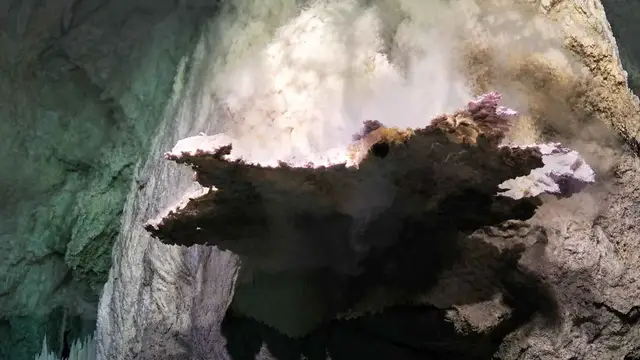
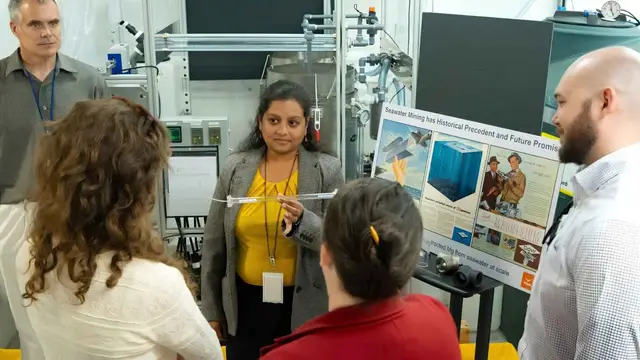
Scientists say one thousandth of the ocean holds enough lithium and magnesium to last 50,000 years, but an Olympic pool of seawater shows why almost nobody can get it out
What if the next major source of materials for batteries, vehicles, electronics, and clean-energy equipment is not buried beneath a mountain, but already…
ECOnews Newsroom · August 15, 2026
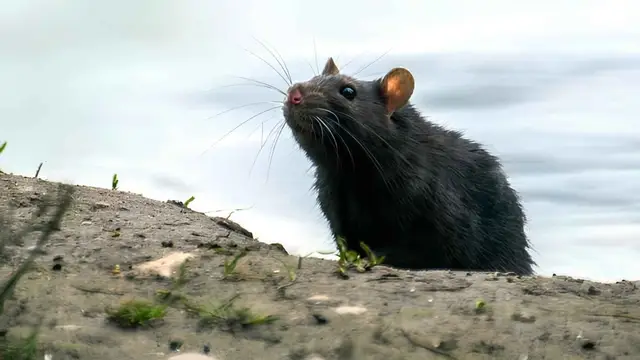
Rats never touch the coral, yet on islands where they wiped out the seabirds the whole underwater food chain took another route, and crabs gained the ground the fish lost
An invasive rat may never touch a coral reef, yet it can still change what reef predators find for dinner. New research from the Chagos Archipelago shows…
Adrian Villellas · August 13, 2026
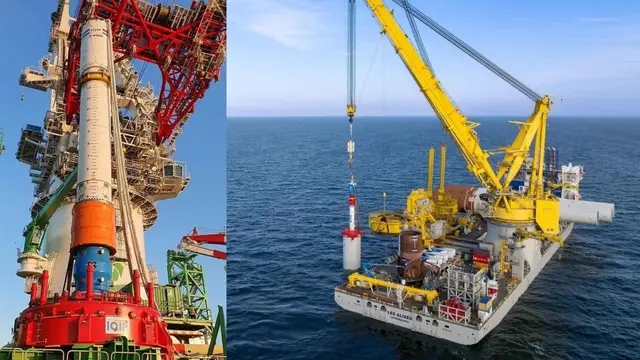
A 700-ton hammer was built to drive gigantic wind turbine foundations into the seabed, and its 7,500-kilojoule blows show just how enormous offshore wind construction has become
From a distance, an offshore wind farm looks almost peaceful. The difficult part happened earlier, when crews had to stand a steel tube upright in open…
ECOnews Newsroom · August 10, 2026
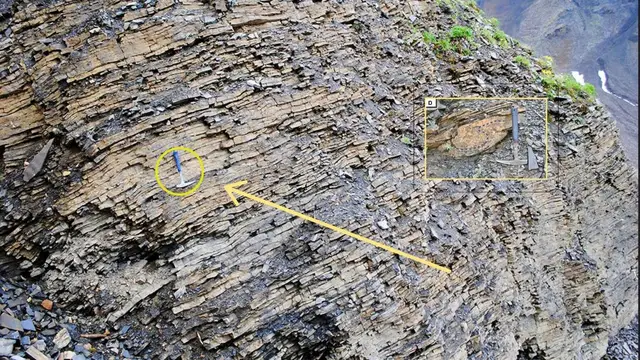
Scientists have discovered fossils of creatures that lived 567 million years ago in remote mountains in Canada, and some of them were already capable of moving across the seafloor even though they didn’t even have mouths
Long before shells, bones, or familiar body plans became common, soft creatures were already crossing an ancient seafloor in what is now northwestern…
Adrian Villellas · August 9, 2026
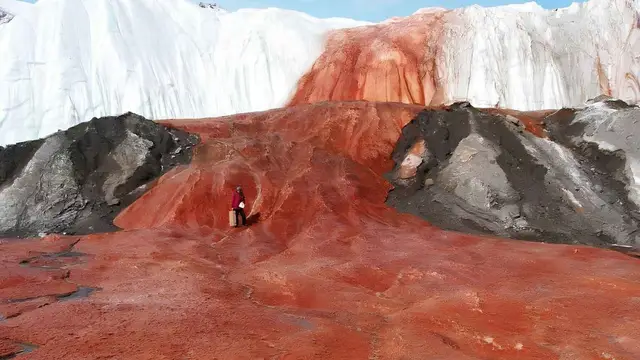
For the first time, researchers found that Antarctica’s mysterious red falls are not blood but ocean, trapped for millennia beneath ice with a microbial ecosystem that could transform glacial science
Antarctica’s Blood Falls looks like a wound in the ice. But there’s nothing bloody about it.
ECOnews Newsroom · August 9, 2026
Tiny ocean swirls smaller than a coin alter climate, carbon, and nutrients within a single year through deep mixing of water layers
Far below the waves, turbulent motions smaller than a coin help decide where heat, carbon, oxygen, and nutrients travel. Tiny swirls. Big consequences.
ECOnews Newsroom · August 8, 2026
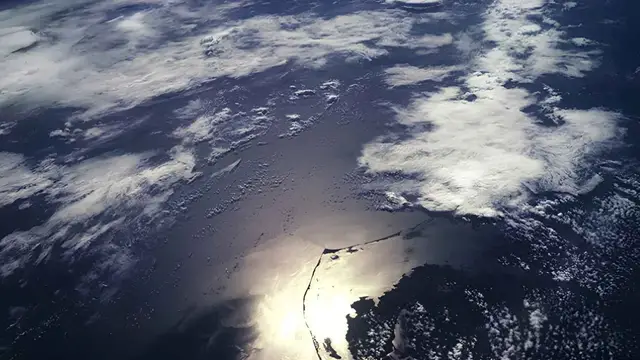
Antarctic Bottom Water shrunk by 2.9 percent between 2002 and 2023, a hidden ocean mass that fills forty percent of the global sea and is losing volume
At the very bottom of the Southern Ocean, a vast layer of cold, dense water is getting smaller. Slowly, but steadily.
ECOnews Newsroom · August 8, 2026