Oceans
159 stories · since 2025 · latest, 14 h ago
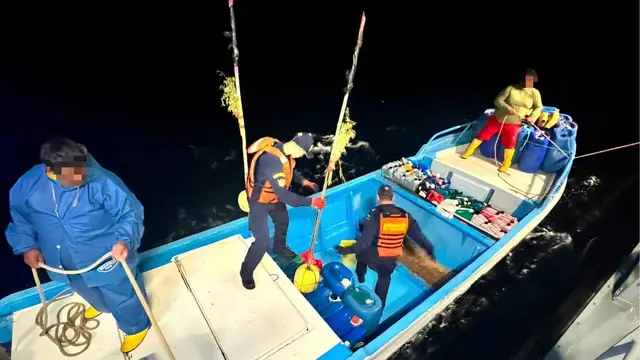
Colombia intercepted a boat with 1,764 pounds of marine animals near Malpelo, and the catch may have come from one of the Pacific’s most protected sanctuaries
Colombian maritime authorities have intercepted a vessel carrying about 1,764 pounds of marine animals that were allegedly taken from the Malpelo Fauna…
ECOnews Newsroom · August 2, 2026
The U.S. wants to auction deep waters around American Samoa, and the minerals lying up to 20,000 feet down could open a new ocean fight
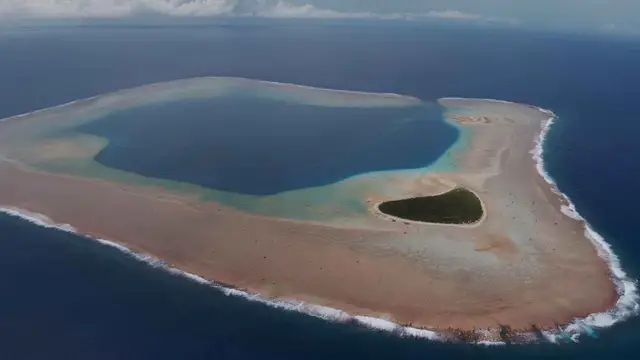
The United States has moved closer to auctioning two enormous seabed areas near American Samoa for possible mineral development. Together, the proposed…
ECOnews Newsroom · August 1, 2026
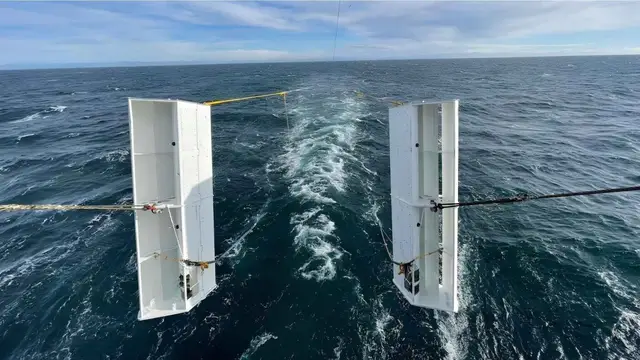
Scientists are testing “flying doors” that keep trawls above the seabed, and the result could change how fishing scars the ocean floor
Can a bottom trawl keep catching fish while one of its heaviest components stops scraping the seabed? A Spanish-led field experiment off Alicante has put…
ECOnews Newsroom · July 31, 2026
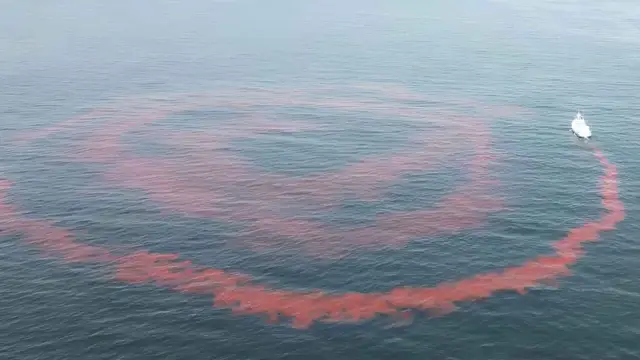
US scientists poured 16,500 gallons of lye into the Gulf of Maine and dyed the water bright pink to track it, the first federally approved try at reversing ocean acidity
In August 2025, a research vessel released 16,500 gallons of diluted sodium hydroxide solution into the Gulf of Maine while a vivid pink plume spread…
Adrian Villellas · July 29, 2026
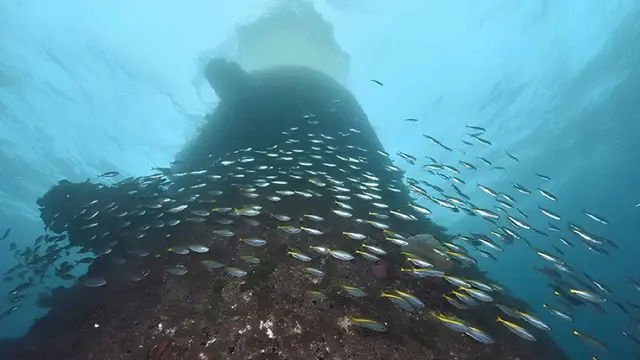
Divers found grouper and snapper massing around 69 steel wind turbine foundations off Taiwan, because on a flat sandy seabed that is the only thing that looks like a cliff
A stretch of seabed off northwestern Taiwan once offered reef fish little more than sand and mud. Then steel turbine foundations rose through the water,…
ECOnews Newsroom · July 29, 2026
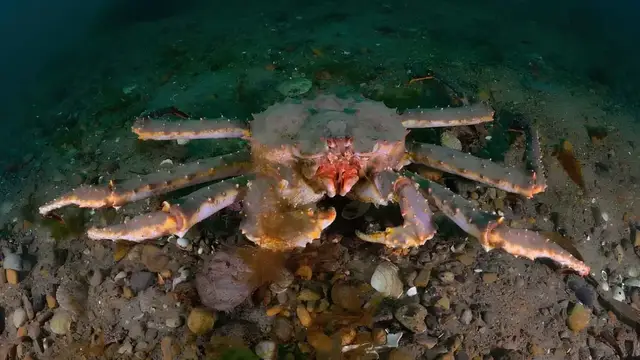
Soviet scientists released giant red king crabs into the Barents Sea in the 1960s to build a fishery, but decades later those invaders are still changing the seafloor
What began as a Soviet plan to create seafood wealth has become a long-running marine experiment with two very different results. Red king crabs released…
ECOnews Newsroom · July 27, 2026
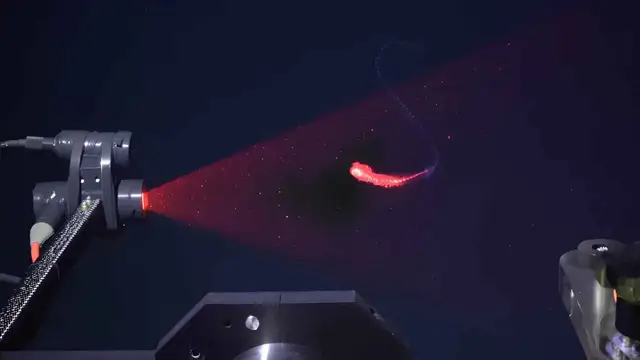
In one of the least explored parts of Earth, scientists found life forms that look like they came from another planet, a sharp reminder of how little we know about the deep ocean
What does an animal look like when its body is almost all water and sunlight never reaches it? During a 15-day expedition in April 2026, an international…
ECOnews Newsroom · July 25, 2026
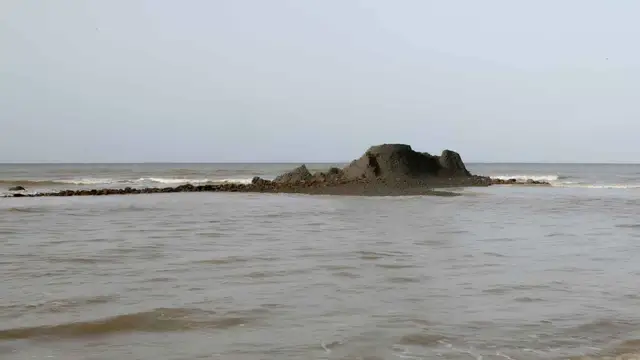
Scientists discovered a mud volcano off Trinidad formed by earthquakes in Venezuela, a structure born from shaking that shows how the seafloor also keeps fresh scars
A temporary island of mud has risen off southern Trinidad, and scientists say the most likely trigger was the pair of powerful earthquakes that struck…
ECOnews Newsroom · July 25, 2026
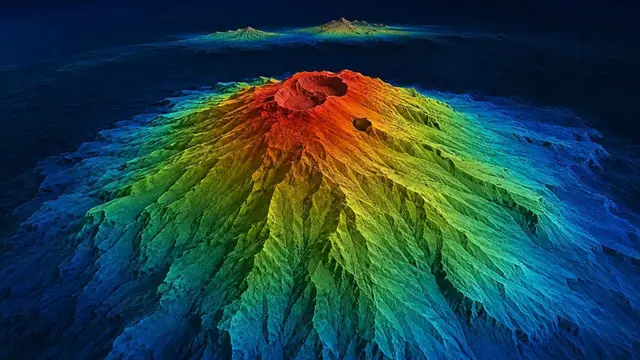
A volcano may have erupted remnants of Earth’s primordial magma ocean, material so ancient it could come from the planet’s earliest chapters of fire and rock
Earth did not always have blue oceans, green continents, or a crust firm enough to stand on. More than 4.4 billion years ago, much of the young planet may…
ECOnews Newsroom · July 23, 2026
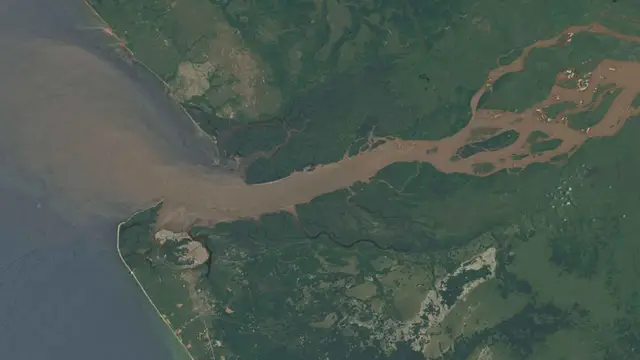
Every second, 40,000 cubic meters of fresh water flow from the Congo into the Atlantic, a gigantic current whose final destination still has researchers following clues through the ocean
The Congo River sends an average of about 10.6 million gallons of freshwater into the Atlantic every second. That enormous flow creates a low-salinity…
ECOnews Newsroom · July 22, 2026
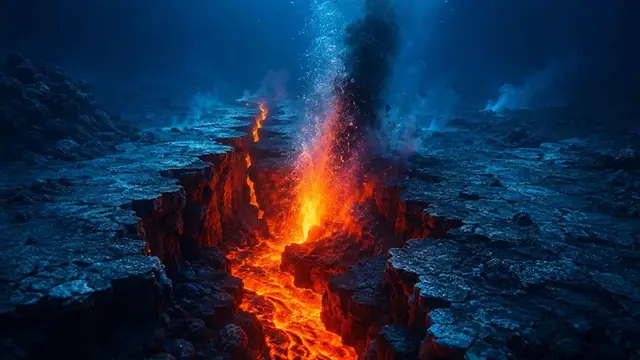
Researchers watched live as Earth cracked open and a massive amount of lava began forming new ocean floor, a geological scene almost no one ever gets to witness
Far below the southern Indian Ocean, scientists recorded Earth’s crust pulling apart and fresh lava building a new patch of ocean floor as it happened.…
ECOnews Newsroom · July 22, 2026
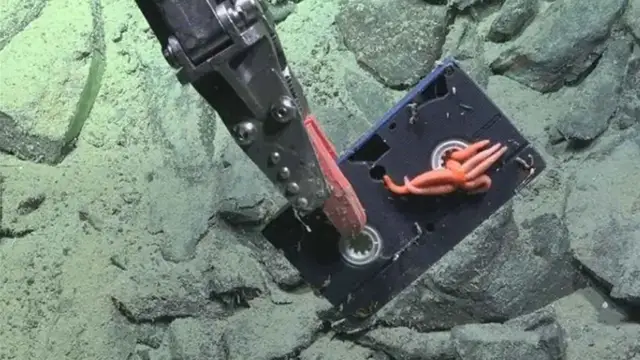
An underwater robot dove nearly 13,000 ft. in the Argentine Sea and found fishing nets, bags, and even a VHS tape, as if the ocean floor were keeping a trash pile from another era
How does a VHS cassette end up 1.6 miles beneath the Argentine Sea? An underwater robot has now found one alongside plastic bags, fishing gear, clothing…
ECOnews Newsroom · July 21, 2026
About 80 years after some 200,000 radioactive barrels were dumped in the ocean, France is leading a mission to find them, an uncomfortable story that sounds like a forgotten file under the sea
More than 200,000 barrels of radioactive waste were dumped into the Northeast Atlantic during the second half of the 20th century. A France-led expedition…
ECOnews Newsroom · July 20, 2026
A 5.3-million-year-old whale cemetery appeared 7,000 meters deep in the Indian Ocean, an almost impossible scene that seems to tell a marine tragedy from the deep past
A vast whale cemetery has been discovered in one of the least familiar places on Earth, deep beneath the southeastern Indian Ocean. In the Diamantina…
Adrian Villellas · July 18, 2026
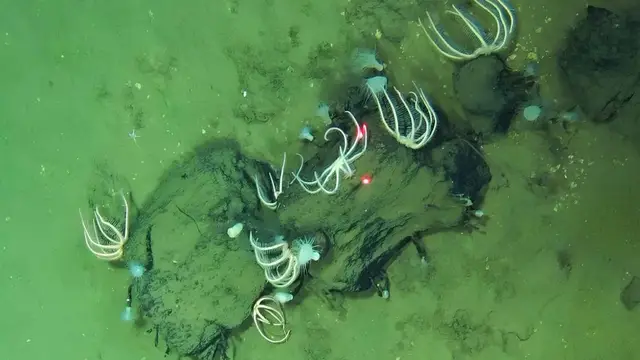
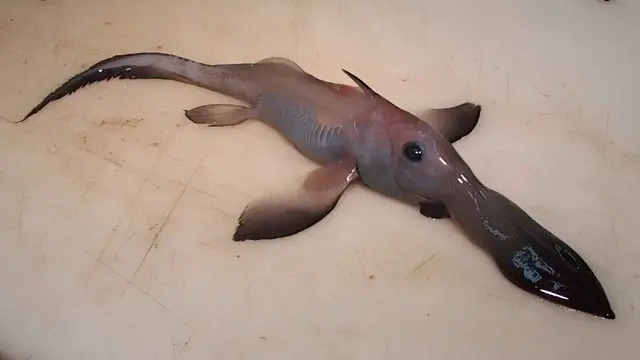
Costa Rica has just added a “ghost shark” to its biodiversity, but this one doesn’t live on beaches or reefs: it was hiding at depths of between 1,280 and 2,580 feet in the Pacific Ocean
Most travelers see Costa Rica through green mountains, bright birds, cloud forests, and warm beaches. Far off its Pacific coast, however, in cold, dark…
Adrian Villellas · July 15, 2026