Fossils
Fossils can lie in rocks for millions of years. In Germany, a Jurassic fossil with a golden sheen was found inside a black rock. We also have information on ancient tombs, ancient bones, and what we can learn from them about life on Earth.
43 stories · since 2025 · latest, 13 h ago
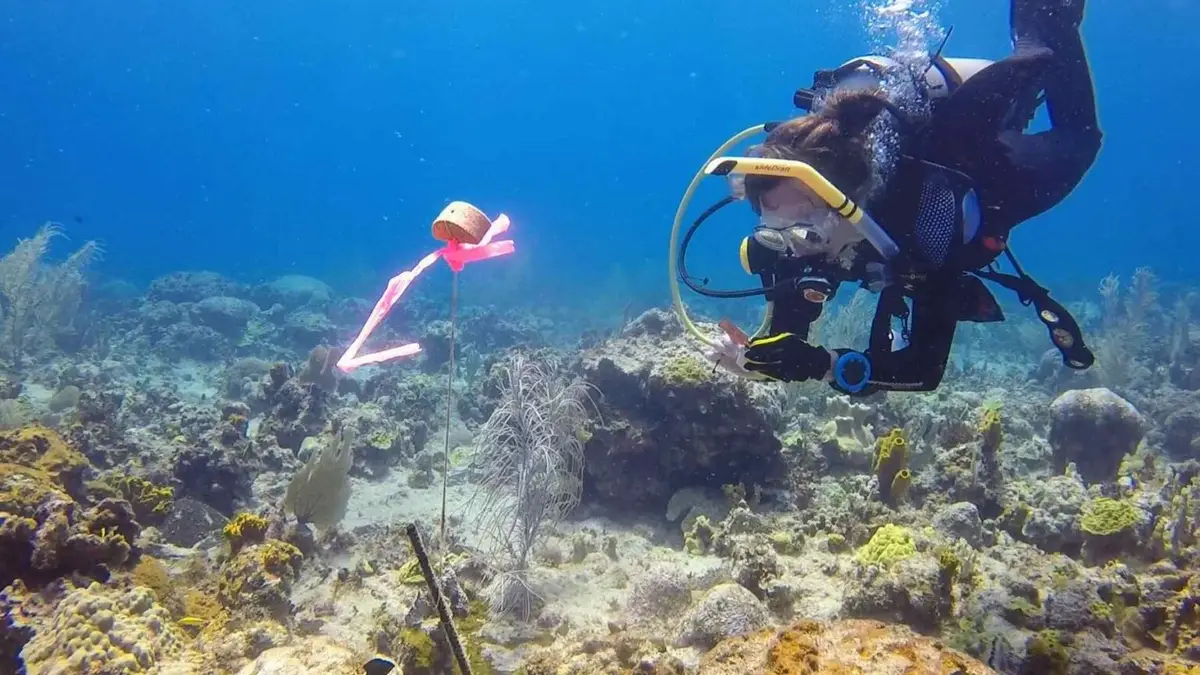
Fossil reefs up to 130,000 years old on Jamaica’s coast hint at where Caribbean corals could survive a hotter future, and the Florida Keys are among the top spots flagged
Along the coast of northeastern Jamaica, the remains of ancient reefs sit just meters from living ones. Those fossils could help show where Caribbean…
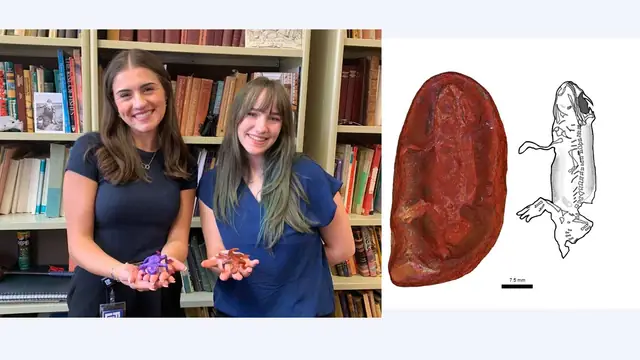
Two interns at a Chicago museum studied a 309-million-year-old fossil filed under the wrong species, and the name they gave the animal is a tribute to two women named Jean
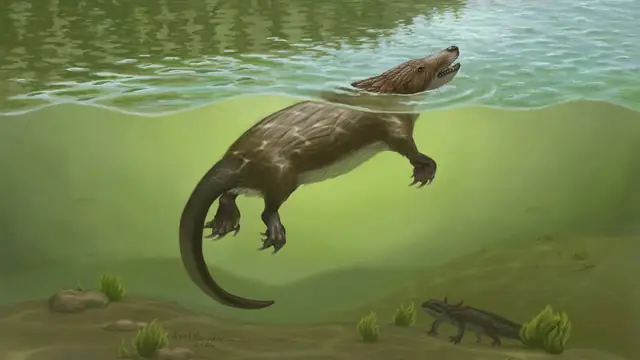
A Jurassic mammal relative from 165 million years ago swam with a broad otter-like tail, and its fossilized throat suggests it swallowed food much the way people do today
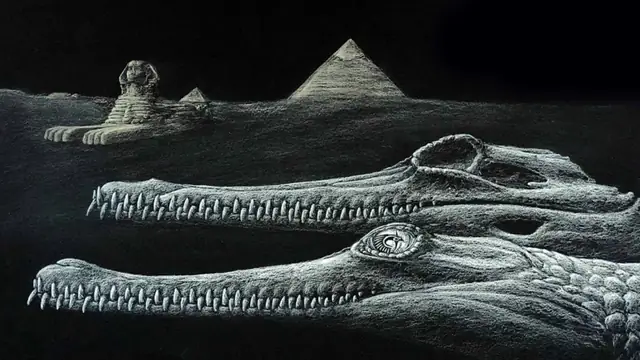
A crocodile fossil pulled from the same Egyptian limestone as the Great Sphinx spent nearly 100 years under the wrong name, and like the monument, it is missing the tip of its nose
A crocodile fossil collected near Cairo in the 1920s now has a genus of its own, Herugavialis. An international team led by Paul Burke of the Swedish…
ECOnews Newsroom · November 4, 2026
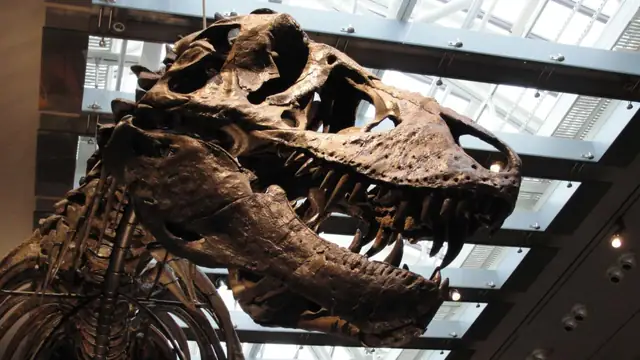
T. rex body temperature was about 97°F, almost the same as ours, according to enamel drilled from its fossil teeth, and that warmth may have let the predator live where crocodiles could not
A UCLA-led team measured T. rex body temperature for the first time in a study published September 16 in Science Advances, using enamel from three fossil…
ECOnews Newsroom · October 31, 2026
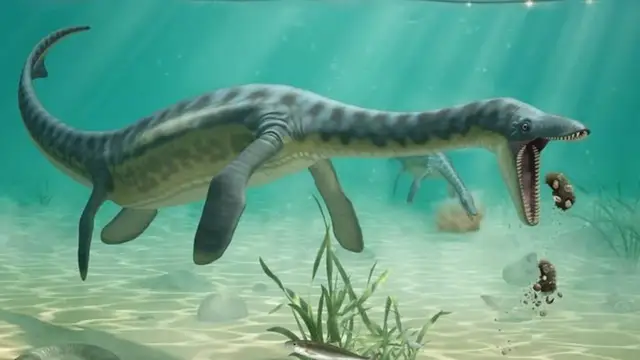
A geologist studying drill cores from under the North Sea found Jurassic fossil vomit packed with shells and squid-like remains, and he believes long-necked plesiosaurs brought it up in river deltas
Dirk Knaust has spent three decades looking at rock pulled up from under the North Sea. A specialist in the traces that invertebrates leave in sediment,…
Adrian Villellas · October 3, 2026
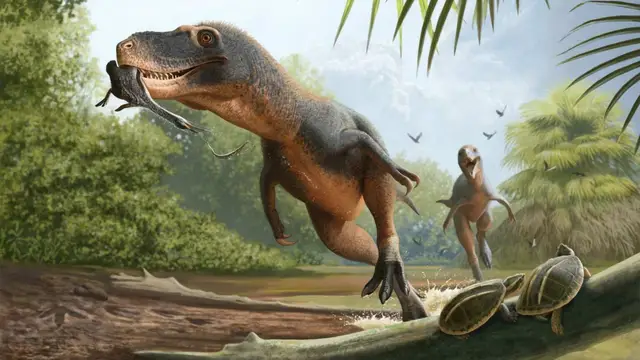
A 66-million-year-old feather found inside fossilized dinosaur poop in Montana belonged to a diving bird eaten by a predator, and its modern design may explain why some birds survived the asteroid
Fossil hunters usually go looking for bones, teeth or footprints. Few would think to crack open a lump of fossilized dinosaur poop hoping to find a…
Adrian Villellas · September 30, 2026
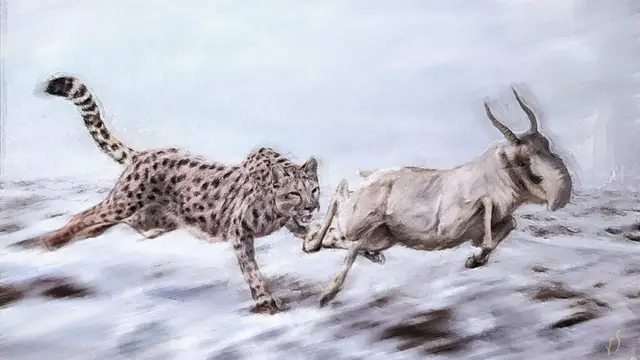
The Ice Age American cheetah was a close cousin of the puma, and fossils from Canada’s Yukon suggest northern populations ate salmon before the species faded through a slow decline, not a sudden collapse
A cat nicknamed the “American cheetah” may have spent part of its Ice Age history eating fish in the Arctic. New research on Miracinonyx trumani suggests…
Adrian Villellas · September 29, 2026
Sweden imported 3.86 million metric tons of other countries’ waste in 2024 and gets paid to burn it for heat and electricity, but the system still releases fossil CO2 and is not the same as recycling
Sweden has found a way to earn money from a problem other countries pay to remove. Waste plants accept foreign trash for a fee and turn it into heat and…
Adrian Villellas · September 19, 2026

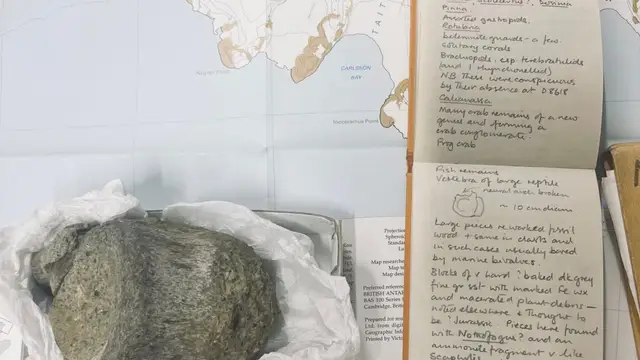
A fossil collected in Antarctica in 1985 sat in a museum drawer for 40 years labeled as a marine reptile, until scientists took another look and discovered the four-inch bone belonged to a 20-foot titanosaur that lived roughly 82 million years ago
How does the first dinosaur bone ever collected in Antarctica spend four decades inside a museum drawer? A roughly 82-million-year-old tail vertebra,…
ECOnews Newsroom · September 19, 2026
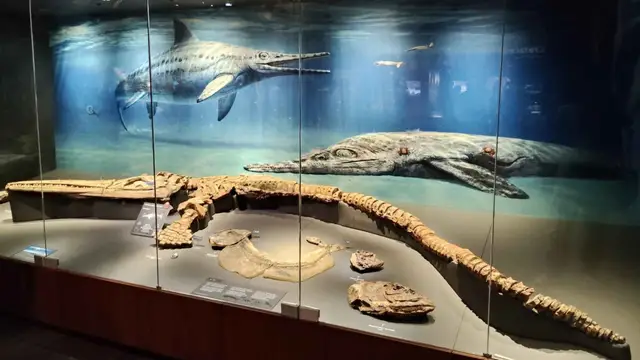
A Queensland fossil preserved an ichthyosaur’s last meal, but the hunter soon became food for something even larger
In Queensland, Australia, an ichthyosaur fossil nicknamed BOB (Platypterygius australis) revealed a food chain of three levels in the ancient Eromanga…
ECOnews Newsroom · September 11, 2026
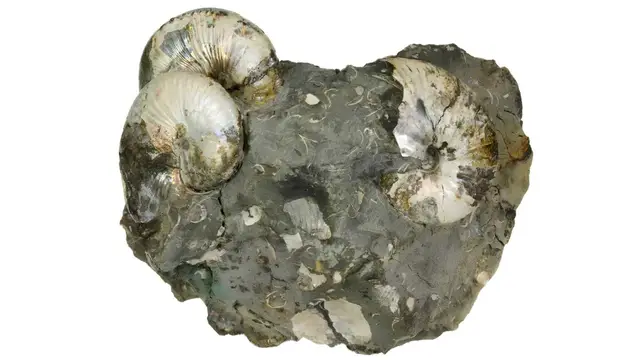
Between 69 and 72 million years ago, a vast sea covered what is now South Dakota, and fossils found there still have iridescent shells that shimmer like pearls after all that time buried underground
It can be quite strange to think that South Dakota is a place where researchers would expect to find evidence of an ocean. However, let me tell you that…
Adrian Villellas · September 4, 2026
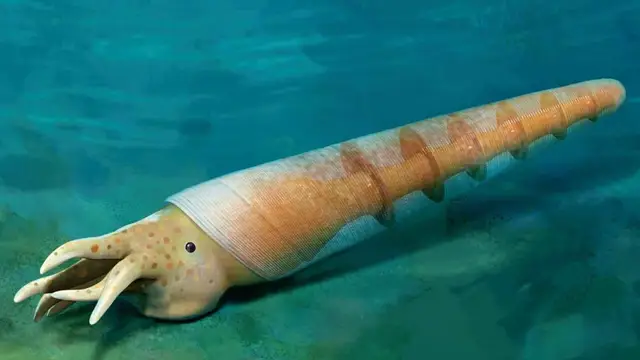
Scientists opened a window into life more than 500 million years ago with an unusually preserved Cambrian fossil, and one tiny anatomical detail may help explain how a major feature of modern animals first appeared
Scientists have discovered a new clue about early ocean life in the days before dinosaurs, known as the early Cambrian period, which began about 540…
ECOnews Newsroom · August 29, 2026
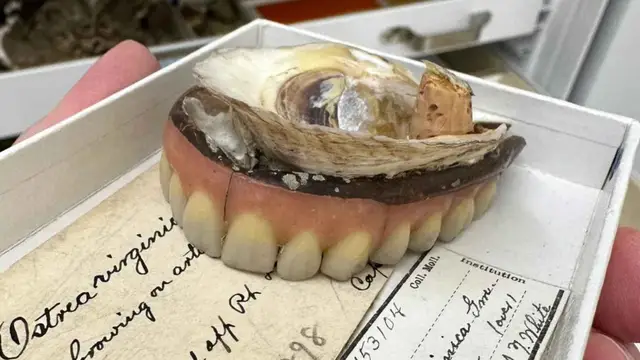
Scientists examined an ancient oyster with strange tooth-like structures and discovered that the tiny fossil was preserving a chapter from millions of years ago when mollusks spread across what would eventually become Chesapeake Bay
What if I told you that in 1898 a dredging boat took from the very bottom of the Chesapeake a set of upper false teeth with an eastern oyster (Crassostrea…
ECOnews Newsroom · August 27, 2026
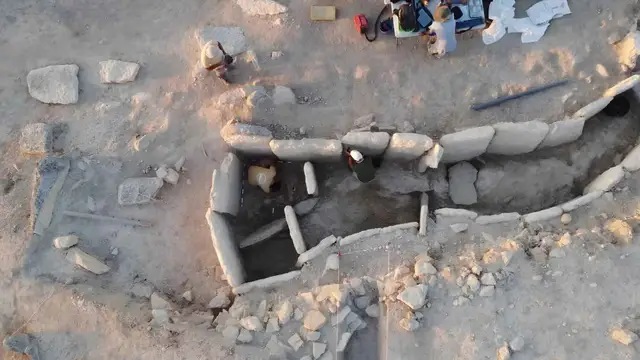
A 13-meter dolmen tomb in southern Spain preserves ivory, amber, shells, and flint from 5,000 years ago, offering context for burial customs and long-distance trade networks rather than a treasure cache
Deep in southern Spain, a 5,000-year-old collective tomb stretching 43 ft. is revealing how prehistoric communities honored their dead. Located at the La…
Adrian Villellas · August 19, 2026