Mars
54 stories · since 2025 · latest, November 8, 2026
NASA’s Psyche spacecraft borrowed Mars’ gravity in May 2026, gaining a thousand miles per hour and testing instruments built to study a metal-rich asteroid
NASA’s Psyche spacecraft did more than borrow a push from Mars on May 15, 2026. It passed within 2,864 miles of the surface, gained about 1,000 miles per…
ECOnews Newsroom · August 8, 2026
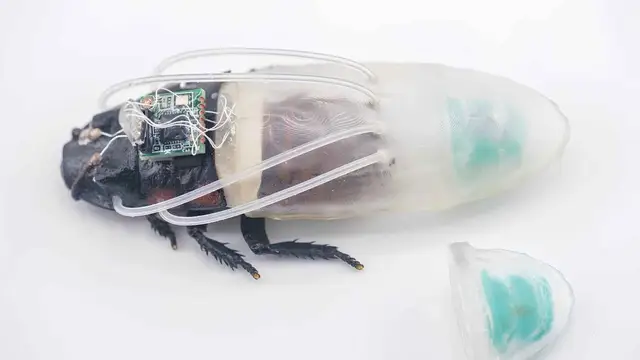
Scientists are developing diving suits for cyborg cockroaches that could be used in rescues and even Mars missions, a mix of insects and technology that sounds almost too weird to be real
A flooded basement or collapsed tunnel is one of the hardest places for rescuers to search. Now, scientists have equipped remotely guided cockroaches with…
Adrian Villellas · July 22, 2026
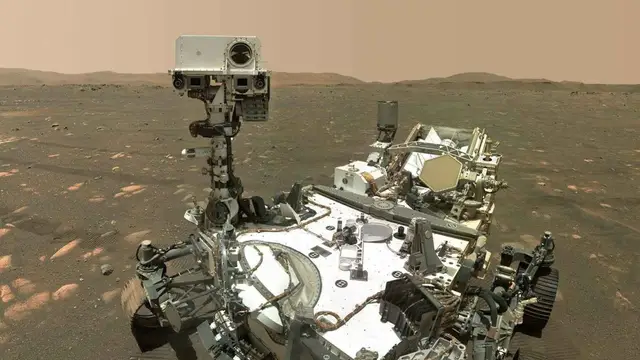
Perseverance looked at Mars again with a panorama built from dozens of images, and the result leaves a strange feeling: the Red Planet looks empty, but every rock may be saying something
Clear skies can change everything on Mars. NASA’s Perseverance rover has captured one of the sharpest panoramic views of its mission, a 360-degree look at…
Adrian Villellas · July 18, 2026
Scientists opened a tiny Martian meteorite and found a surprise inside, as if a rock from Mars were still carrying microscopic clues about the Red Planet’s history
What could a rock fragment smaller than a poppy seed possibly reveal about Mars? Quite a lot, it turns out. Scientists studying a Martian meteorite known…
ECOnews Newsroom · July 18, 2026
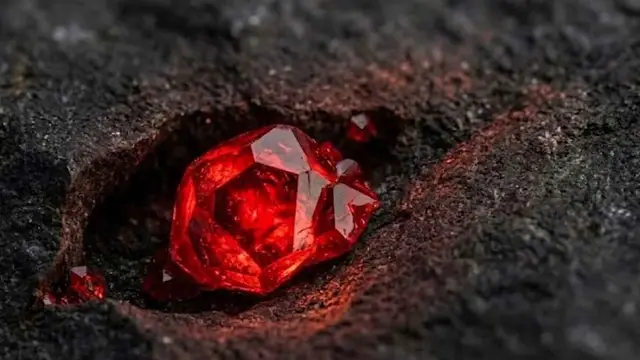
The mystery of Mars’ missing water just got stranger: scientists think part of its ancient atmosphere and moisture may have been trapped for 3 billion years inside minerals on the Red Planet
Mars looks dry, cold, and almost empty today, but two recent studies suggest the Red Planet may not have lost everything that once made it look more like…
ECOnews Newsroom · July 18, 2026
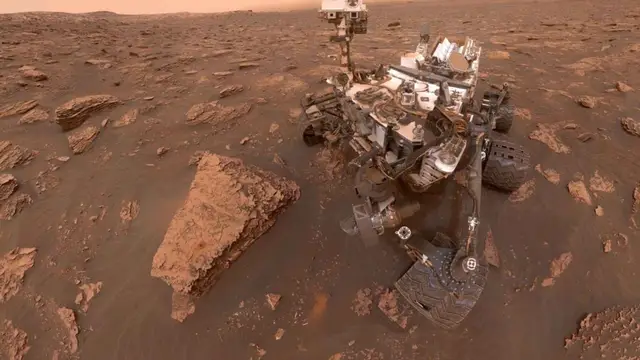
Perseverance has driven 42.195 kilometers across Mars, a marathon distance on another planet, and with that record it keeps searching for signs of ancient life among rocks that have stayed silent for billions of years
NASA’s Perseverance rover has crossed a symbolic finish line on Mars. On June 14, 2026, the six-wheeled robot reached 26.2 miles of driving across the Red…
ECOnews Newsroom · July 17, 2026
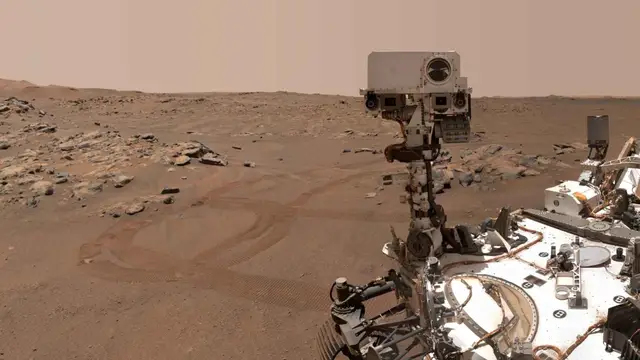
According to a new scientific proposal, NASA may need a kind of “biological customs checkpoint” on the Moon before bringing samples from Mars or distant worlds back to Earth
A new policy paper argues that NASA should add an unusual safeguard to its future Moon Base, a high-security biocontainment facility that would screen…
Adrian Villellas · July 11, 2026
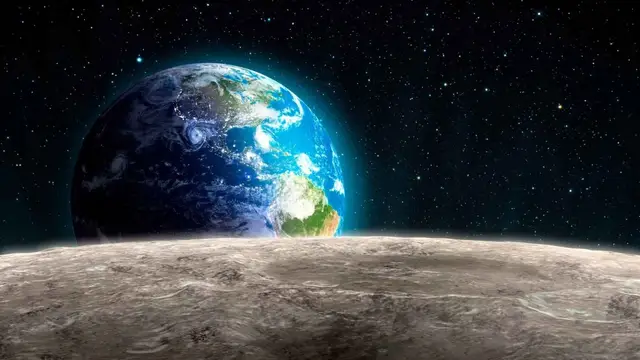
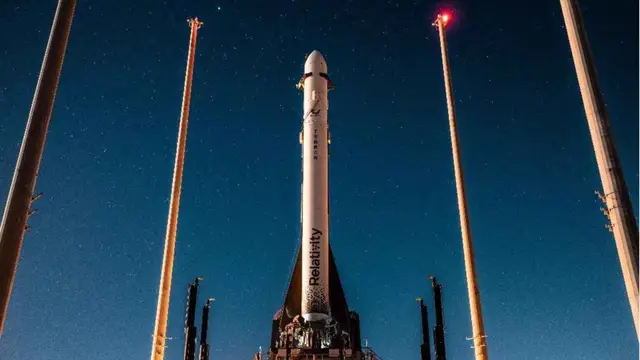
The new space race no longer seems like an idyllic adventure toward the stars, because in 2026, Blue Origin is rebuilding a destroyed launch pad, Relativity has its sights set on Mars, and a Chinese rocket is leaving more debris floating above Earth
The space industry is moving fast again, and not always smoothly. Blue Origin has begun rebuilding its damaged Florida launch pad after a New Glenn rocket…
ECOnews Newsroom · July 9, 2026

NASA is teaming up with Relativity Space, a newbie in the space exploration field, and not Space X, for a project mapping the violent seasons on Mars due to take off in 2028
NASA has confirmed a new private partner for its next Mars science mission, and this time the company is not SpaceX. California-based Relativity Space…
ECOnews Newsroom · July 3, 2026
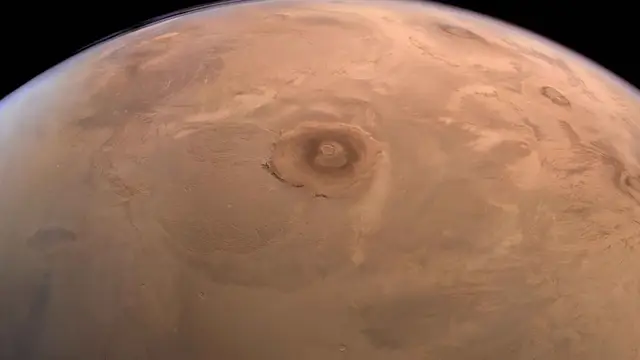
Olympus Mons is the biggest volcano in the solar system, and the detail that breaks your brain is the footprint, about 370 miles wide and roughly 72,000 feet tall from base to summit on Mars
Mars is only about half the size of Earth, yet it carries a mountain that makes our tallest peak look almost ordinary. Olympus Mons, the giant shield…
Adrian Villellas · June 20, 2026
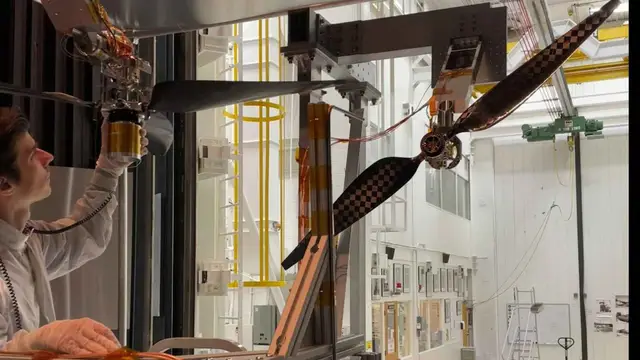
NASA engineers build a supersonic rotor for Mars, and carbon-fiber blades at JPL are already nearing Mach 1.08 in tests that push off-world flight to the edge
A helicopter blade built for Mars has done something that sounds more like a jet test than planetary exploration. In a simulated Martian atmosphere at…
ECOnews Newsroom · May 24, 2026
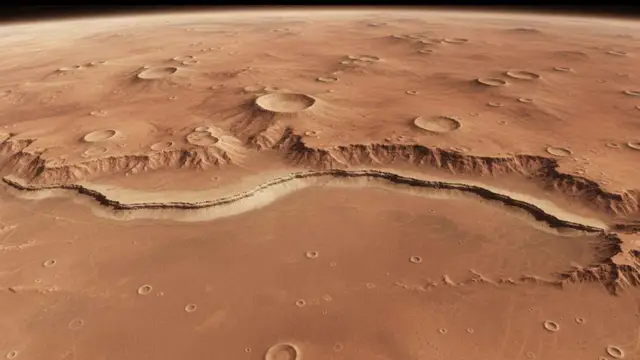
A ‘bathtub ring’ on Mars may be the strongest clue yet that an ancient ocean once covered a third of the Red Planet
In a paper released April 15, 2026, researchers described a wide, flat band that circles the edge of Mars’s northern lowlands. They say it looks like the…
Adrian Villellas · May 12, 2026
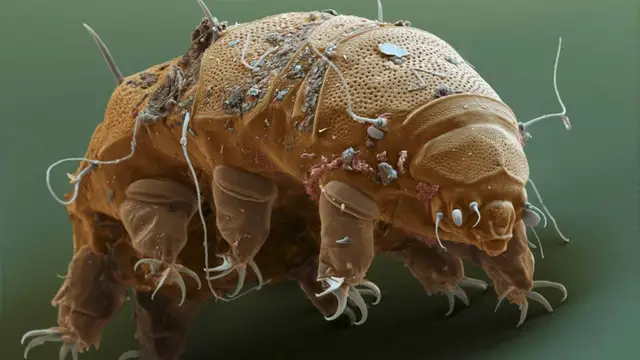
Tardigrades have gone from being tiny, extremely rare creatures to becoming true guardians of the galaxy, in a story that combines extreme biology and planetary protection
Mars may look like a quiet desert planet, but new lab work suggests its dust can be surprisingly hostile to Earth life, even to creatures famous for…
Adrian Villellas · April 29, 2026
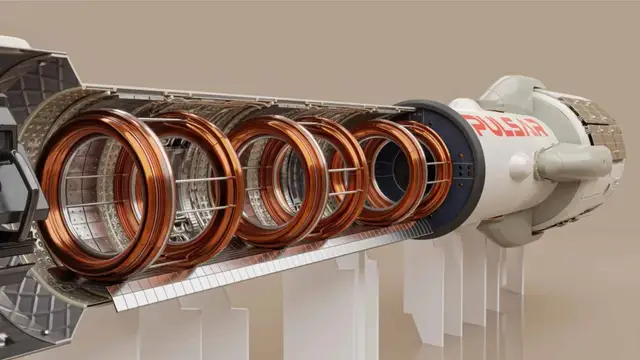
The UK fires up a fusion rocket for the first time and accelerates the race to conquer Mars before anyone else
A British propulsion company says it has reached a small but meaningful milestone on the long road to nuclear fusion rockets. On March 25, 2026, Pulsar…
Adrian Villellas · April 23, 2026
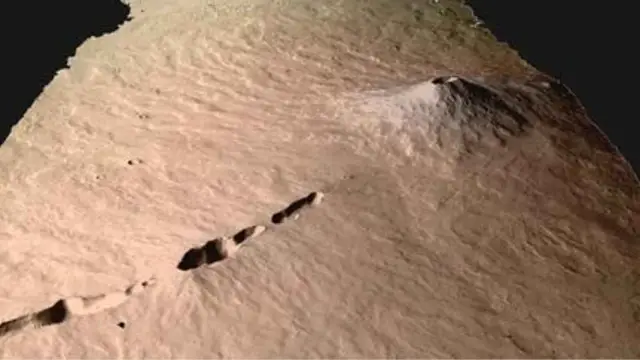
Scientists have discovered that a “young” region of Mars did not cool as quickly as previously thought, and that its magmatic system continued to evolve quietly for millions of years
For years, Mars has carried a reputation as a world that cooled off early and went quiet. But new research suggests at least one of its “young” volcanic…
Adrian Villellas · April 14, 2026