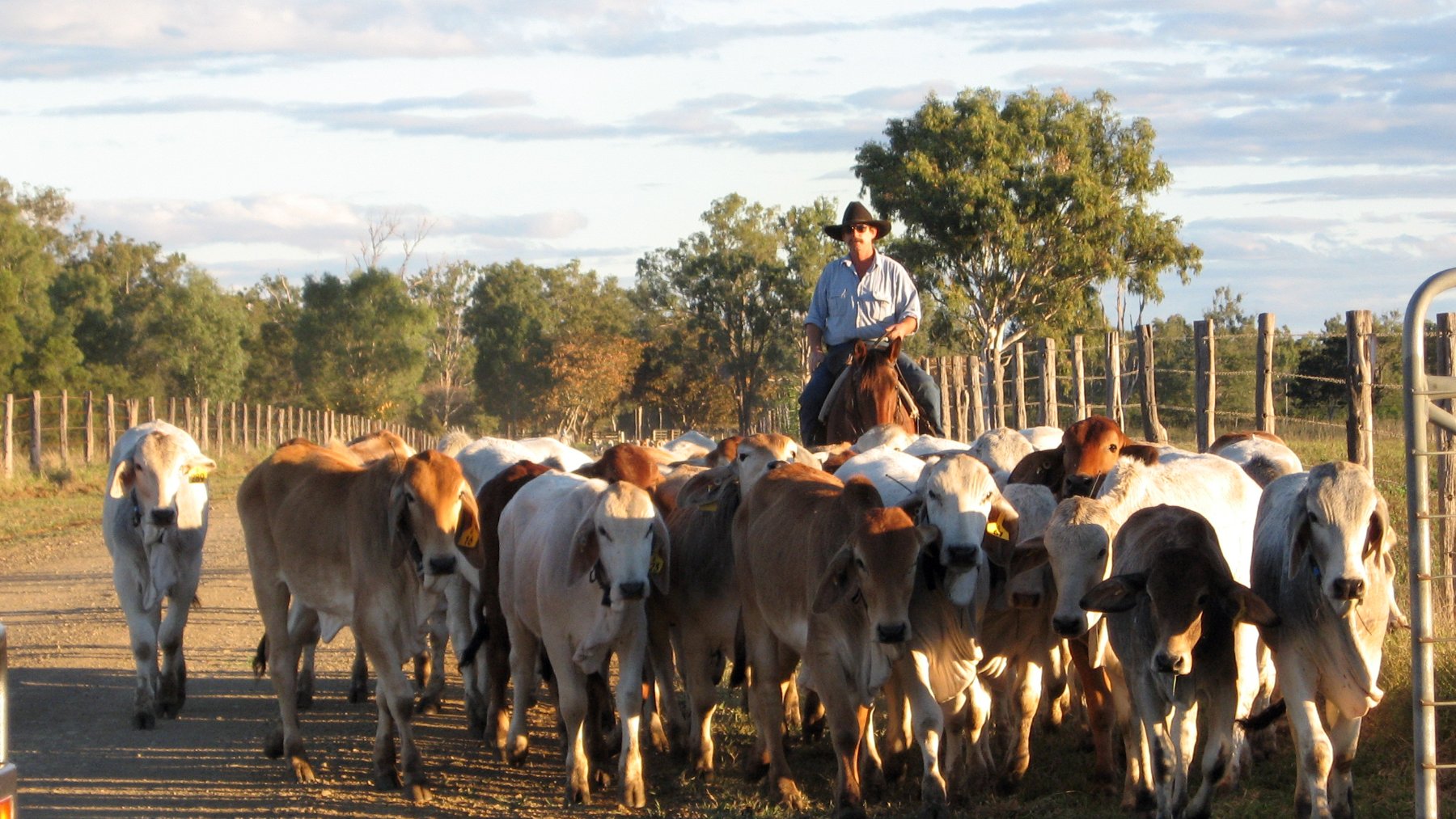
The world’s largest working cattle station has a surprisingly modest solar setup. At Anna Creek in South Australia, 49 kilowatts of rooftop panels work with batteries as the main power supply for the headquarters, while diesel generators remain available for poor weather or unusually high demand.
The striking number is not just the solar capacity, but the roughly 1,120-mile round trip to Adelaide if an essential component is missing. Anna Creek’s experience shows why getting a remote power system right means looking beyond acreage and focusing on what actually needs electricity.
A huge property with a much smaller power demand
Even the ranch’s acreage needs some context. Williams Cattle Company lists Anna Creek itself at 15,746 square kilometers, or about 6,080 square miles, and lists neighboring The Peake separately. That distinction matters when comparing the owner’s figure with larger estimates for the broader holding.
The property information lists 17,000 cattle and up to 11 employees, including a manager, eight station hands, a machinery operator, and a cook. The installation supplies the main station and homestead, including air conditioning, refrigeration, kitchen equipment, and communications, rather than every activity across the entire property.
For perspective, Australia’s Clean Energy Regulator puts the average new small-scale solar installation in the first quarter of 2026 at 10.3 kW. Anna Creek’s array is about 4.8 times that size, although the regulator’s benchmark covers small-scale systems generally, not just household rooftops.
A forgotten component can mean a 1,120-mile drive
“Everything had to be carefully planned because additional materials, equipment or support could not simply be collected nearby,” MyEnergy Engineering’s Ciaram Granger told pv magazine Australia. The publication put the return journey to Adelaide at approximately 1,800 kilometers, or 1,120 miles, if essential components had not been brought to the site.
That isolation makes remote monitoring particularly useful, not merely a convenient extra. Victron monitoring and control equipment allows technicians to check the system remotely, helping avoid unnecessary site visits. Heat, dust, and changing electricity demand were additional design constraints.
Solar takes the lead, but diesel stays
The installer’s equipment list includes Hanwha Q Cells panels, Pylontech US3000 batteries, Victron inverter-chargers and solar controllers, and Fronius solar inverters. Rather than depending on a single device, the installation combines solar generation, storage, controls, and generator integration into a coordinated off-grid supply.
Keeping the generators changes the meaning of the project. Anna Creek has shifted diesel away from its role as the everyday power source, not demonstrated that it can operate without backup fuel under every condition.
That distinction matters when describing the environmental benefit. Reducing diesel dependence is the stated objective, but the installer’s account provides no annual fuel-saving or measured emissions-reduction figure, so it cannot support a numerical claim about the project’s carbon savings.
The system predates Australia’s new solar proposal
Although the project returned to the news in August 2026, MyEnergy’s own installation account is dated January 17, 2024. It is an existing example of remote solar power, not a system newly completed in response to this year’s policy announcement.
On August 5, the Australian government announced plans to extend Small-scale Renewable Energy Scheme eligibility to solar installations between 100 kW and 1 megawatt. The Clean Energy Regulator says the changes are intended to apply to qualifying systems installed from October 1, 2026, subject to the necessary regulations being in place.
The government estimates the expansion would reduce upfront installation costs by around 20%, including an indicative discount of about 68,000 Australian dollars on a 250-kW system. Those are policy estimates for larger installations, not reported savings at Anna Creek.
Bigger is not automatically better
Granger warned that issuing more small-scale technology certificates could weaken their value if demand did not keep pace. He also cautioned against oversized systems that ignore a site’s actual electricity use.
Anna Creek’s 49-kW installation falls below the proposed expansion’s target range, and the regulator says existing arrangements for systems below 100 kW would remain unchanged. The proposal is aimed at larger systems, not a new benefit for this completed installation.
The practical lesson is straightforward enough for anyone watching an electric bill, even far from the outback. Match the system to the need, not the size of the property.
The official statement on the proposed expansion was published on the Clean Energy Regulator website.