Archaeology
147 stories · since 2025 · latest, November 20, 2026
Scientists studying a 2,000-year-old Mithridates warship sunk off Phanagoria in the Black Sea tested 22 nails and a 34-pound bronze ram, and found builders paid for copper over cheaper iron to keep it sailing
The Mithridates warship turned up in 2012 in Taman Bay, under more than 5 feet (1.5 meters) of sand, silt and shells off the old Greek port of Phanagoria.…
ECOnews Newsroom · October 14, 2026
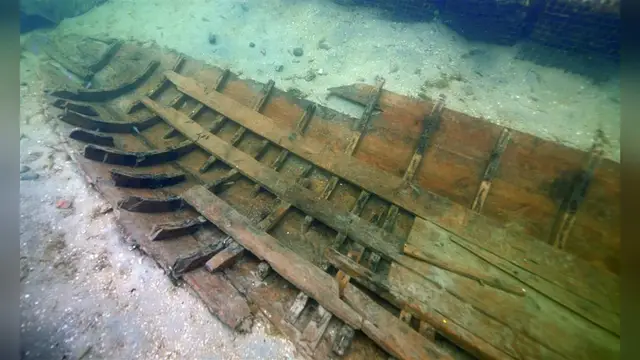
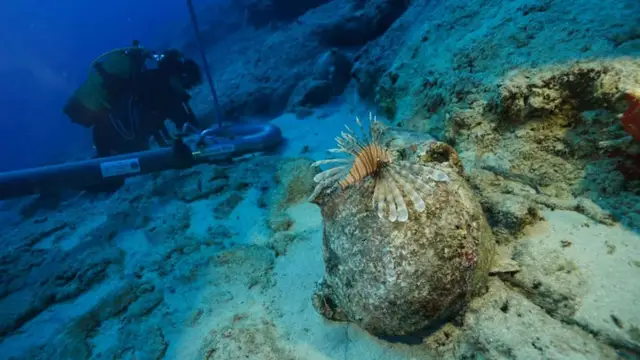
Divers off Turkey’s Kekova Island found a shipwreck that archaeologists date to 4,400 to 4,700 years ago and call the oldest known shipwreck, and some of its jars still hold a glossy residue
Off Kekova Island in southern Turkey, about 100 feet (30 meters) down, divers have been bringing up clay jars from a wreck that archaeologists say is the…
ECOnews Newsroom · October 14, 2026
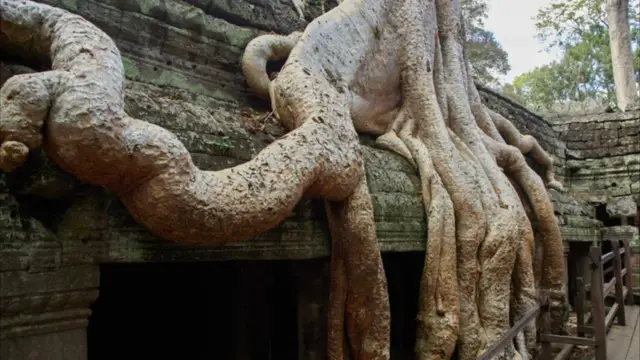
Cambodia’s Ta Prohm temple, founded in 1186 and seen in Lara Croft: Tomb Raider, was left to the jungle on purpose, and restorers have said its giant trees crack the walls while holding them up
“I’m worrying how long this old temple is going to stay with us,” Phin Tra, 25, told The Cambodia Daily in May 2002, a few days after a 13-foot (4-meter)…
ECOnews Newsroom · October 12, 2026
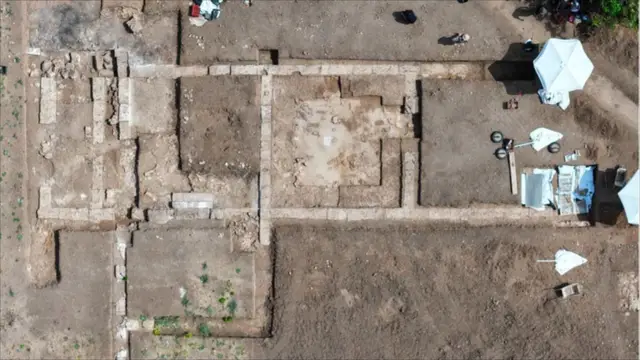
Archaeologists in northern Greece digging the royal gymnasium believed to be where Aristotle taught Alexander found two mosaic-floored banquet halls built for 20 couches, and their craftsmanship echoes the royal palace of Aigai
Archaeologists digging at ancient Mieza, near Naousa in northern Greece, have uncovered two banquet halls with mosaic floors in the royal gymnasium that…
ECOnews Newsroom · October 11, 2026
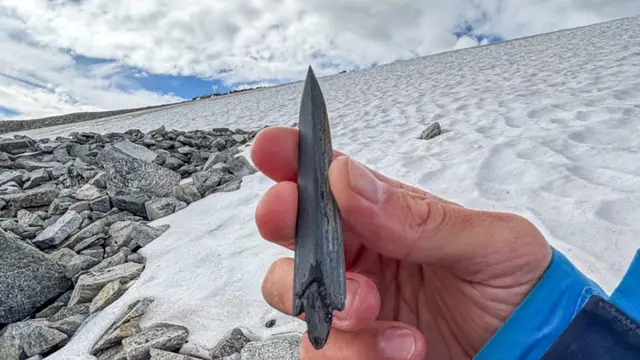
Archaeologists pulled 48 prehistoric arrows from melting ice in Norway’s Jotunheimen mountains this year, and the oldest, tipped with slate, may be up to 6,000 years old as the most ancient ice finally disappears
A slate arrowhead, found with parts of its wooden shaft at the edge of a shrinking ice patch in Norway’s Jotunheimen mountains, is estimated to be between…
ECOnews Newsroom · October 8, 2026
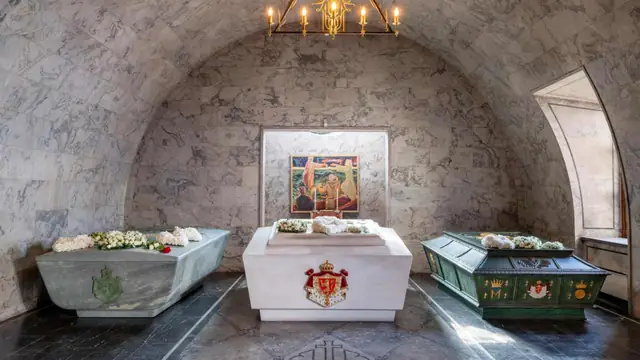
Norway’s King Harald V now lies in a boat-shaped sarcophagus carved from olivine, a green Norwegian rock that can bind CO2, but no one has measured how much carbon the royal tomb will actually take up
“Sarcophagus.” King Harald V opened his speech at the annual dinner for members of Norway’s parliament on Oct. 24, 2024, with that one word. That year’s…
Adrian Villellas · October 5, 2026
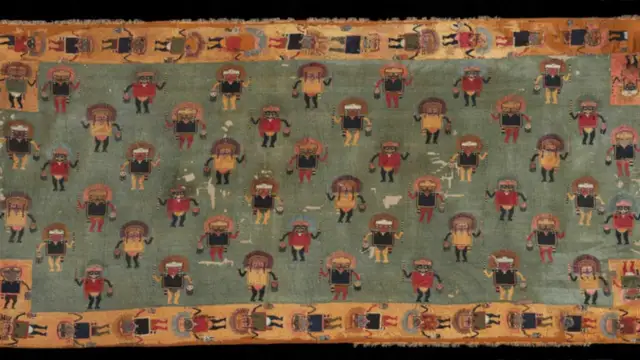
Archaeologists measured 200 obsidian points from Paracas sites in southern Peru and found every complete one was a spearthrower dart, and through four violent centuries nobody there seems to have bothered with the bow
Erik Marsh studies when people around the Andes picked up the bow and arrow. In the Palpa valleys of southern Peru, he and his colleagues found a place…
Adrian Villellas · October 4, 2026
Researchers sifting 8,173 insect remains from a burial cave on Gran Canaria found granary weevils revealing it first stored grain, and blowflies showing the dead were placed inside right after death
A burial cave on Gran Canaria appears to have started life as a place to keep grain, and its smallest inhabitants helped reveal the change. Researchers…
Adrian Villellas · October 2, 2026
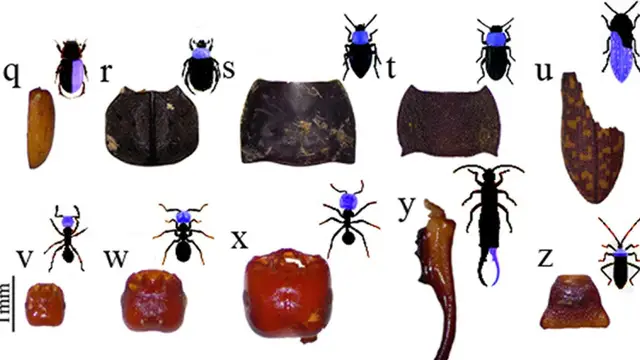
Archaeologists in Romania excavated a 6,000-year-old pottery kiln with an 81-square-foot floor and replaceable clay slabs, the largest of its kind, suggesting potters worked beyond household needs
Archaeologists in northeastern Romania have uncovered a pottery kiln whose size suggests its makers were thinking beyond the needs of a single household.…
ECOnews Newsroom · October 2, 2026
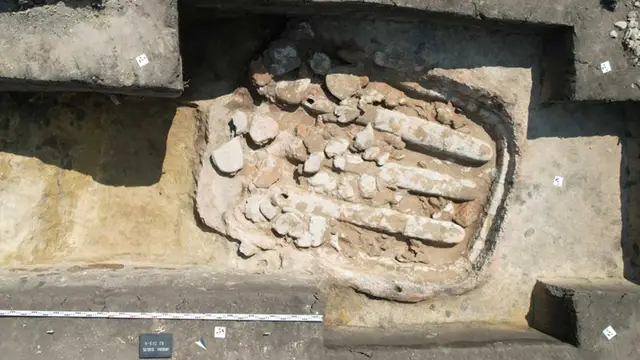
A metal detectorist near Cologne stopped digging after 15 silver coins and called archaeologists, who then found 934 Roman denarii, the largest hoard from Hadrian’s time ever found in Germany
Oliver Riedl had already pulled 15 silver coins out of a field near Wesseling, south of Cologne, and his metal detector was still beeping. He stopped…
Javier Niño · October 2, 2026
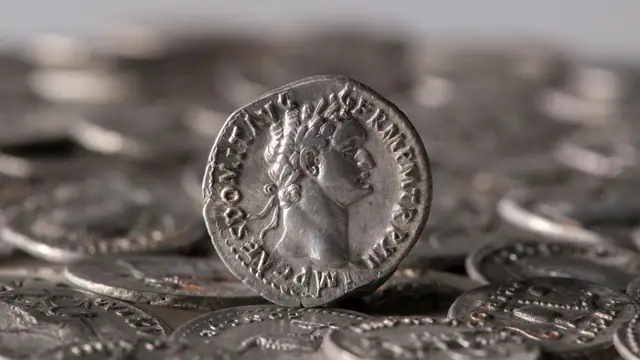
Archaeologists working along Mexico’s Maya Train found ray barb fragments and a catfish spine in burials near the Usumacinta River and are studying whether the Maya used them to draw their own blood
Three fragments of ray barbs and a catfish spine recovered along Mexico’s Maya Train route are being studied for clues to ancient Maya bloodletting. Found…
ECOnews Newsroom · October 1, 2026
Archaeologists checking a building plot in Italy found a 2,600-year-old Etruscan tomb where a Greek wine vessel painted with horsemen and a siren held the cremated bones of a person of high rank
Archaeologists investigating a planned private construction project in southern Italy have uncovered a rare Etruscan burial dating back roughly 2,600…
Adrian Villellas · October 1, 2026
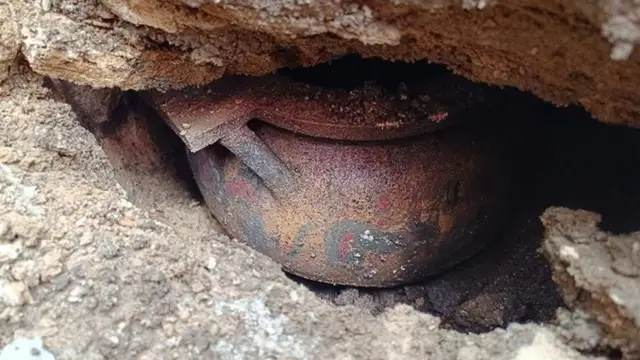
Cavers in Italy’s Rieti province explored about 328 feet of a pre-Roman aqueduct carved through a hillside, and archaeologists believe small farming villages built it to drain their land
An ancient water tunnel explored in Monteleone Sabino, in Italy’s province of Rieti, is offering a closer look at how rural communities managed their land…
ECOnews Newsroom · October 1, 2026
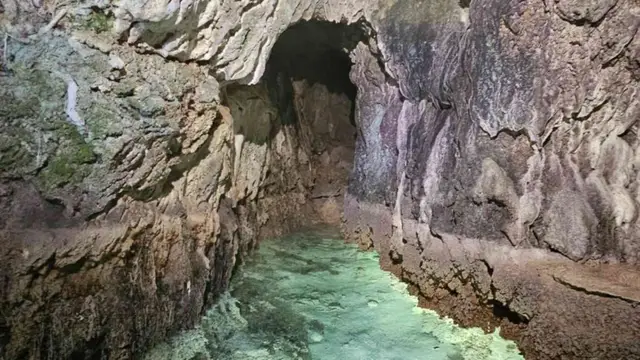
Archaeologists in Belgium sifted 814 molehills near Damme and recovered 2,810 fragments that revealed a medieval gatehouse under a nature reserve, with the richest clues where moles dug least
The little piles of dirt that frustrate gardeners have helped archaeologists identify a medieval gatehouse beneath a Belgian nature reserve. Near Damme, a…
ECOnews Newsroom · October 1, 2026
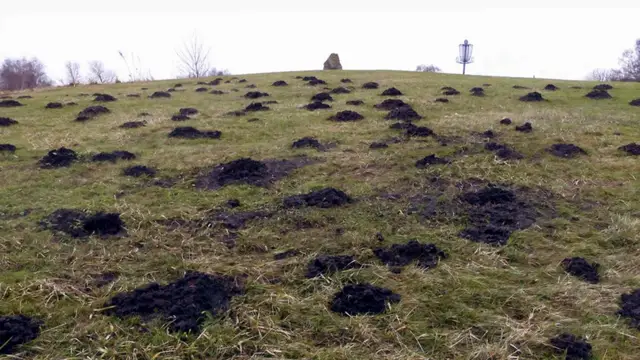
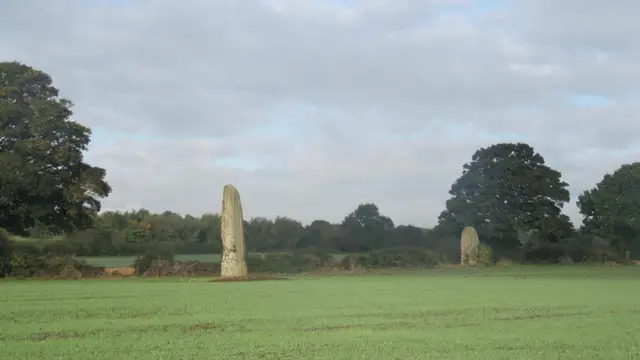
Researchers traced Yorkshire’s prehistoric Devil’s Arrows to Brimham Rocks, 11 miles away, showing builders hauled 25-ton stones past closer sources, and a medieval cross nearby came from a missing one
Moving a heavy couch is one thing. Moving a stone weighing roughly 55,000 pounds across 11 miles of Yorkshire is quite another, yet new research suggests…
ECOnews Newsroom · September 30, 2026