Latest Post
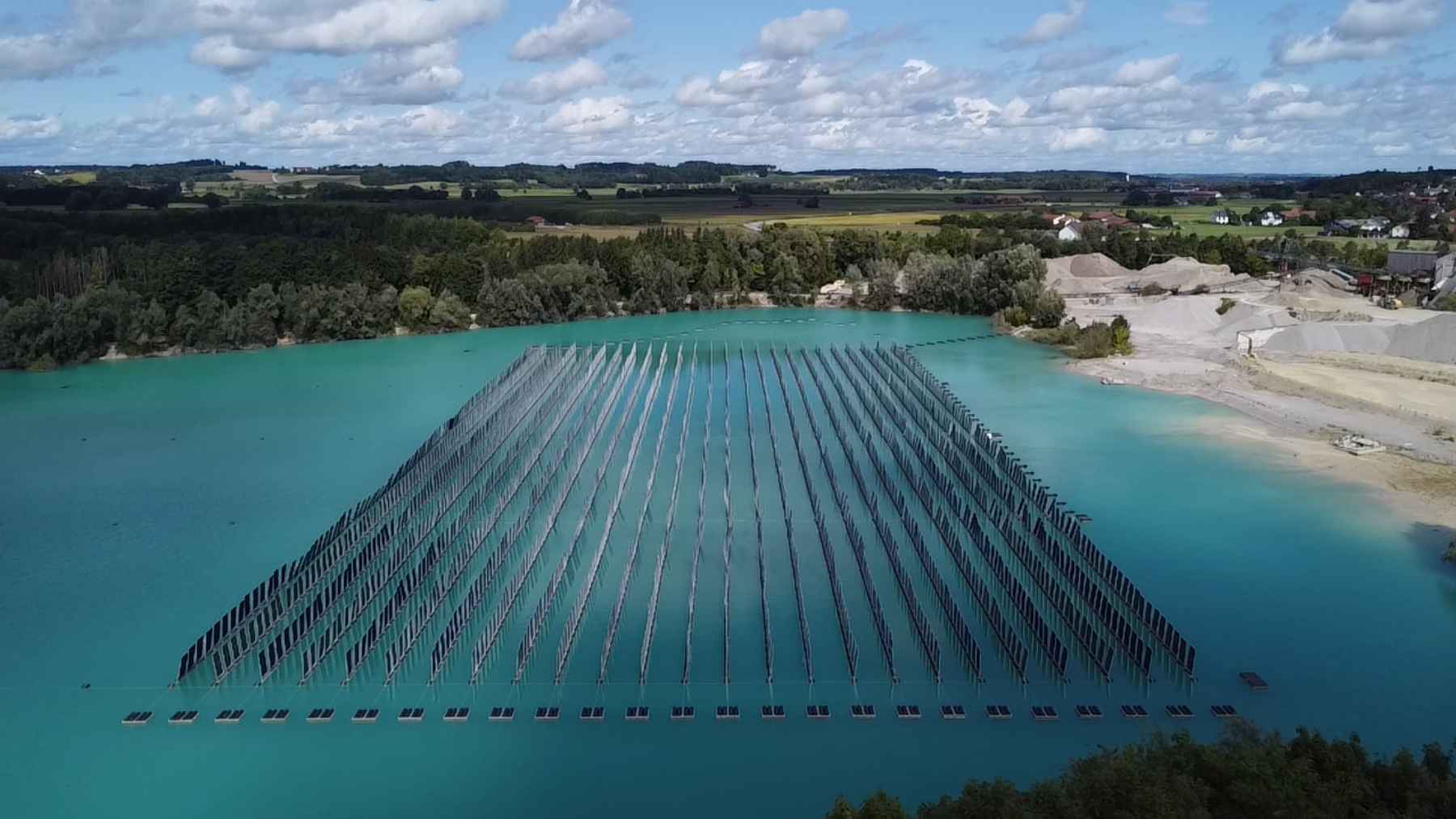
Germany covers an artificial lake with solar panels without harming the ecosystem, and the experiment hints at a future where water becomes a rooftop for power
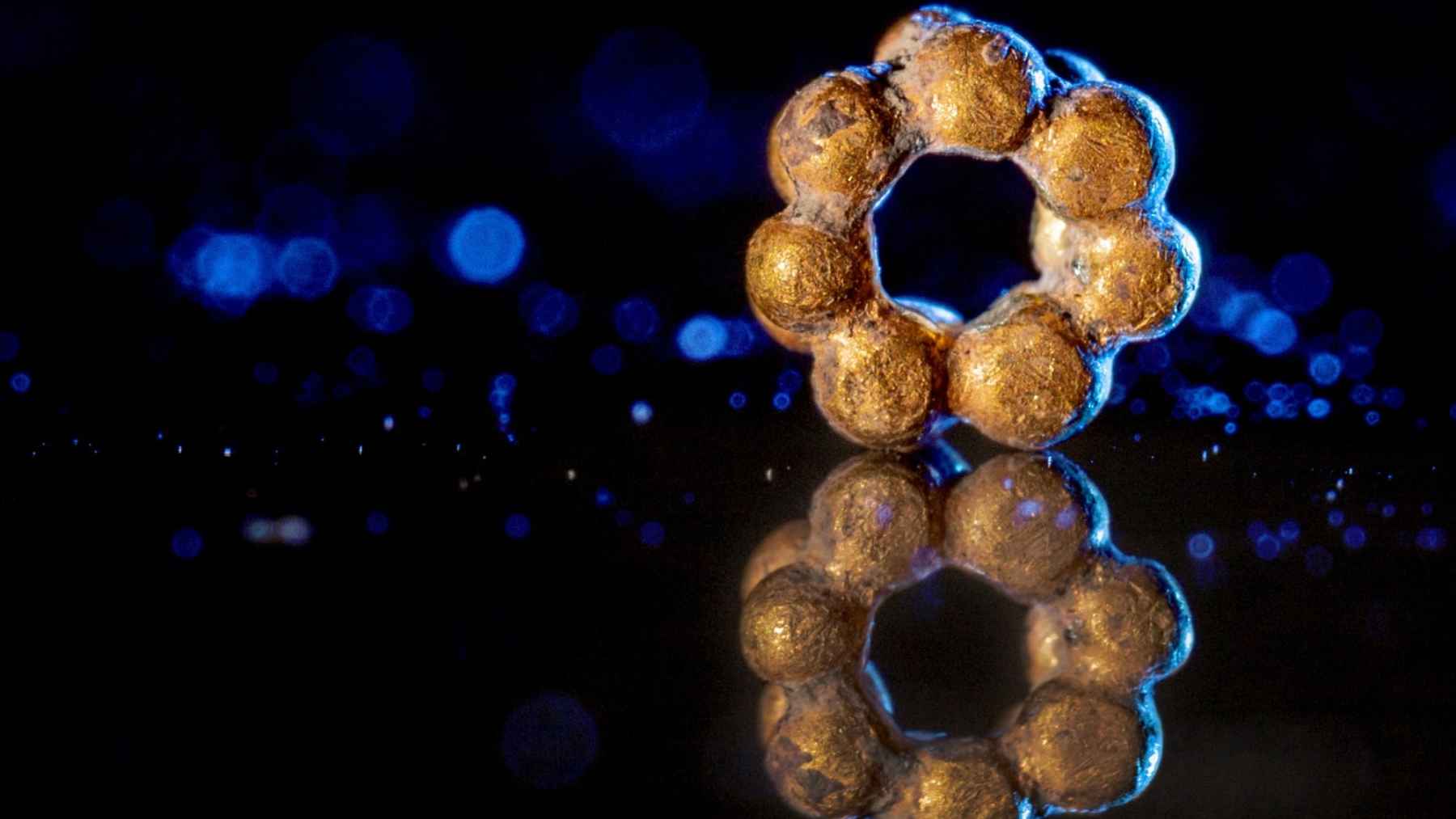
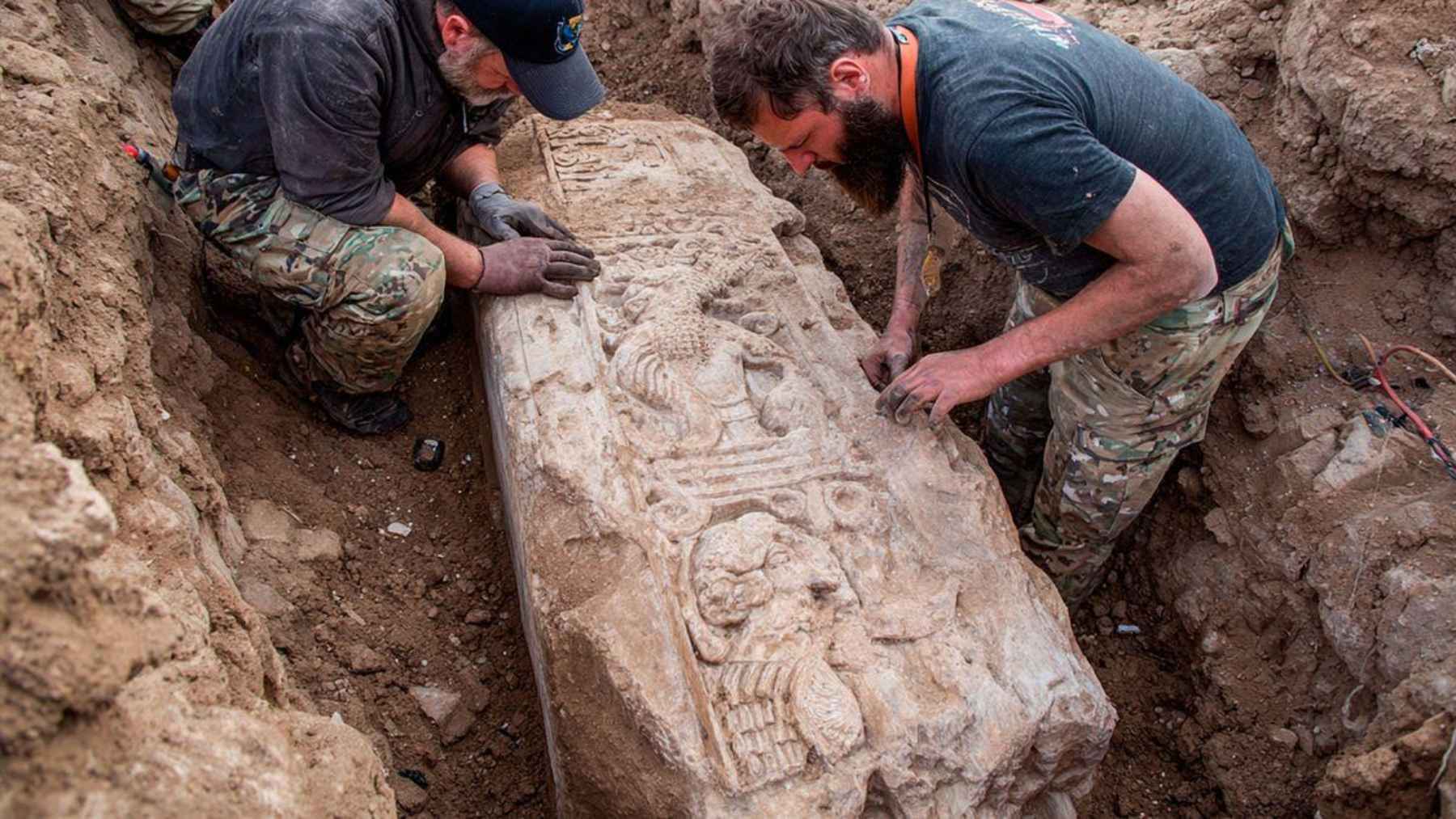
A volunteer finds a tiny 1,600-year-old gold bead in Jerusalem’s ancient City of David, and that speck of metal revives a daily-life moment from another era
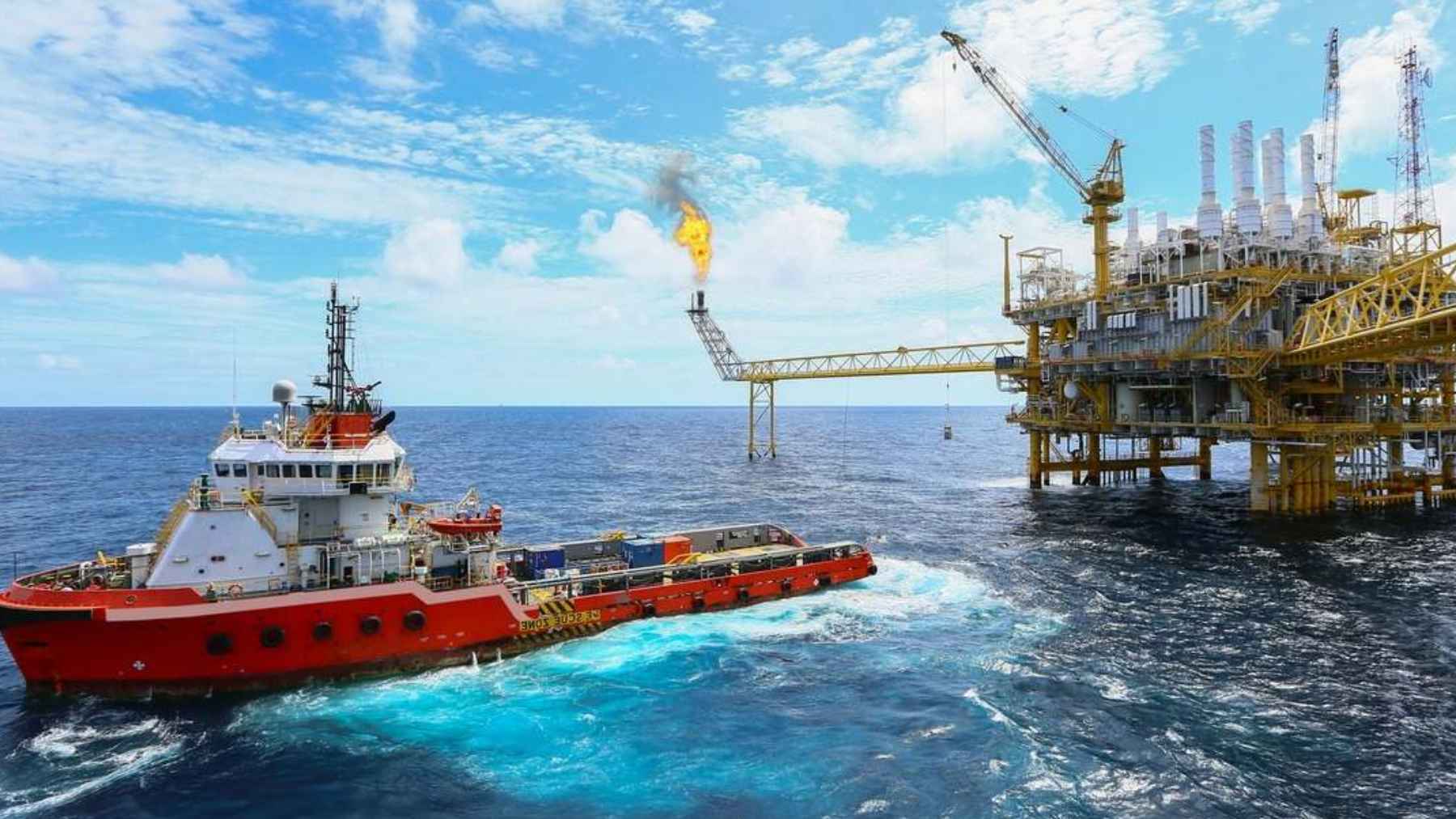
Brazil could jump its oil reserves from 17 billion to 23.5 billion barrels with $30 billion a year in investment, and exploration along the Equatorial Margin is being pitched out to 2042
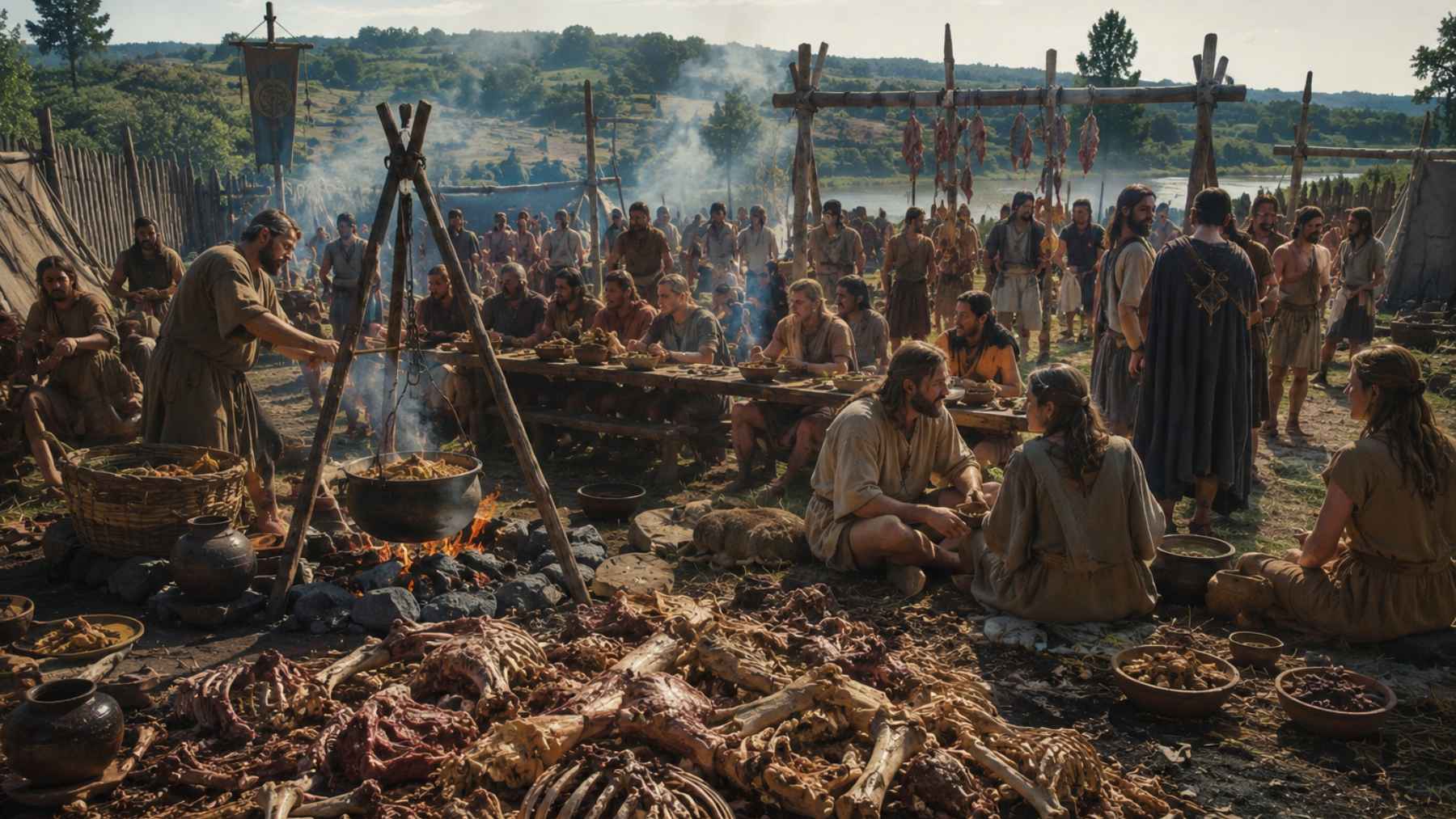
In Britain’s Bronze Age 3,000 years ago, communities held massive meat feasts, and the gatherings may have functioned like a social network that kept groups together
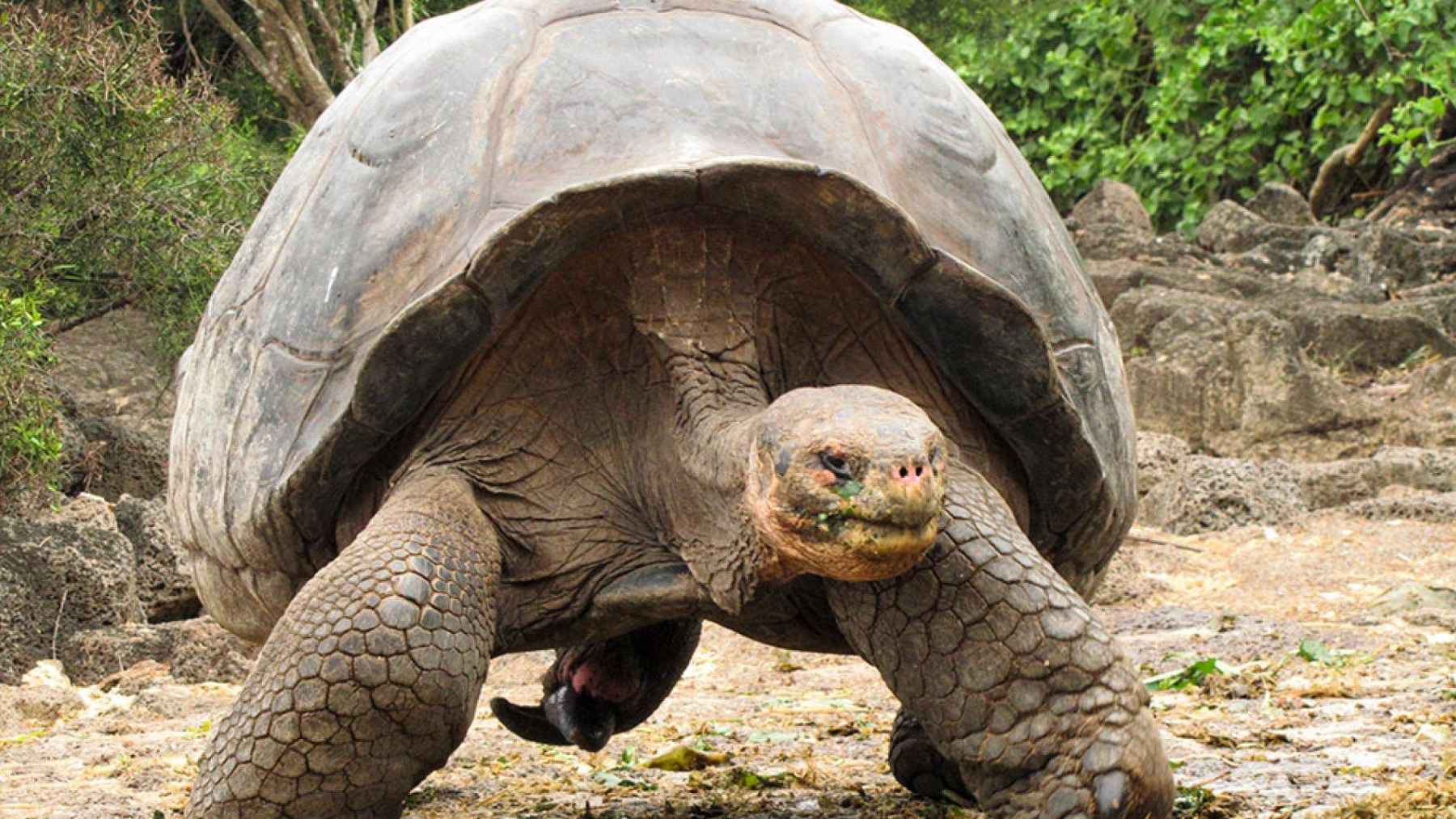
Snipers and GPS-tagged goats are being used to save Galápagos tortoises, and the extreme strategy shows how far conservation goes when a species needs protection by force
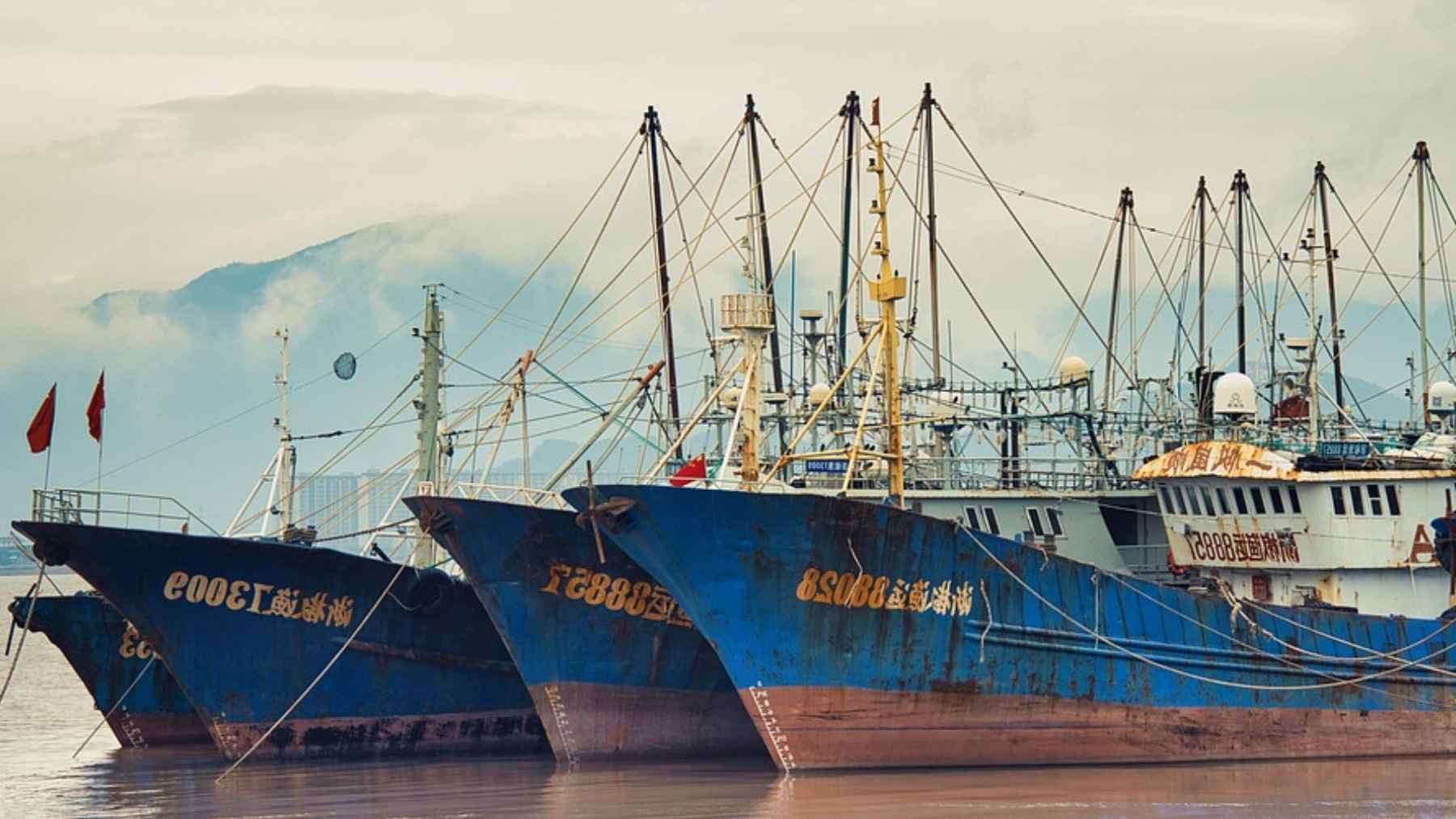
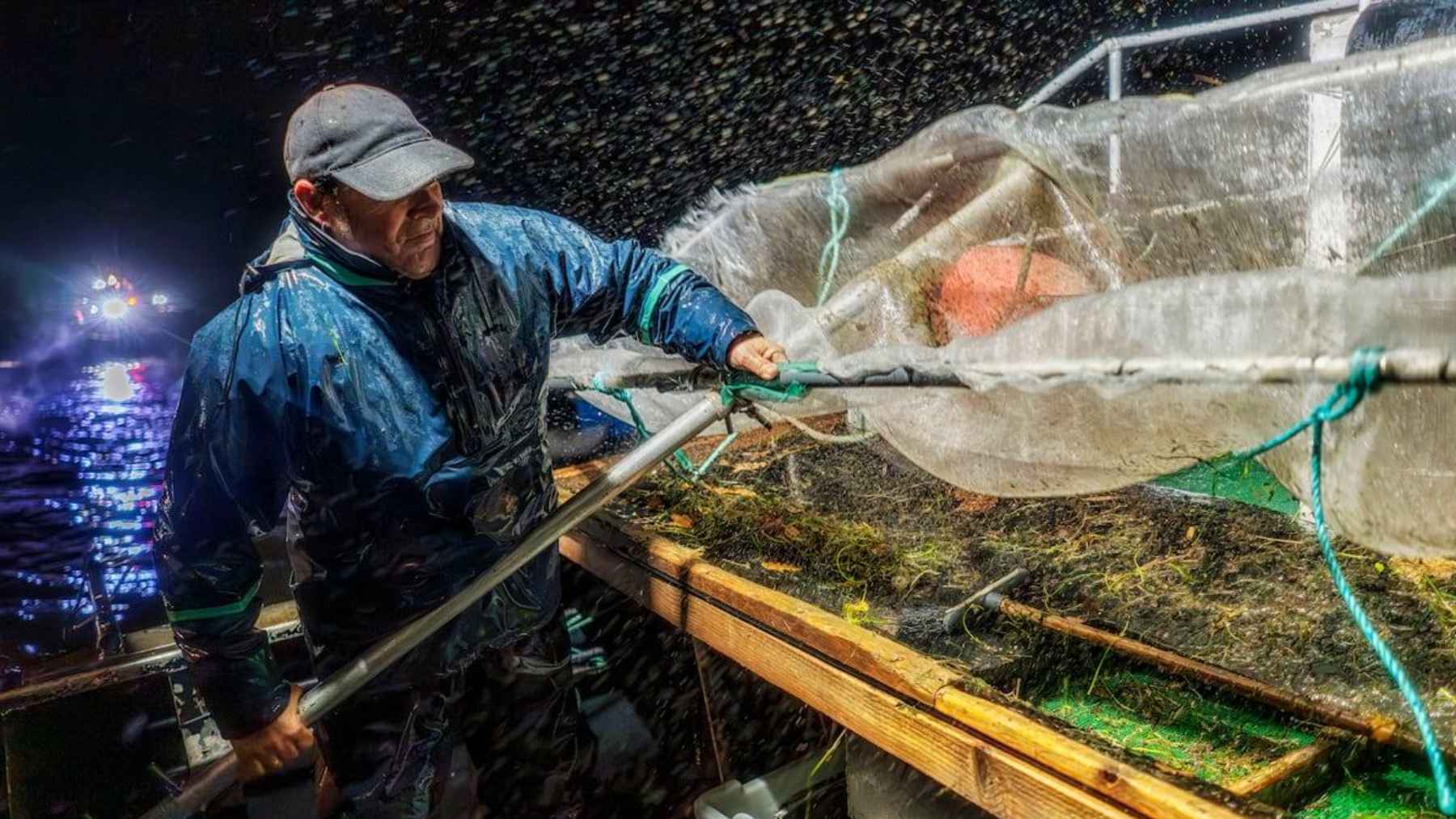
Chinese vessels are accelerating the collapse of fishing in Senegal, driving $300 million in annual losses and impacting 13 million people, a quiet crisis already hitting dinner tables
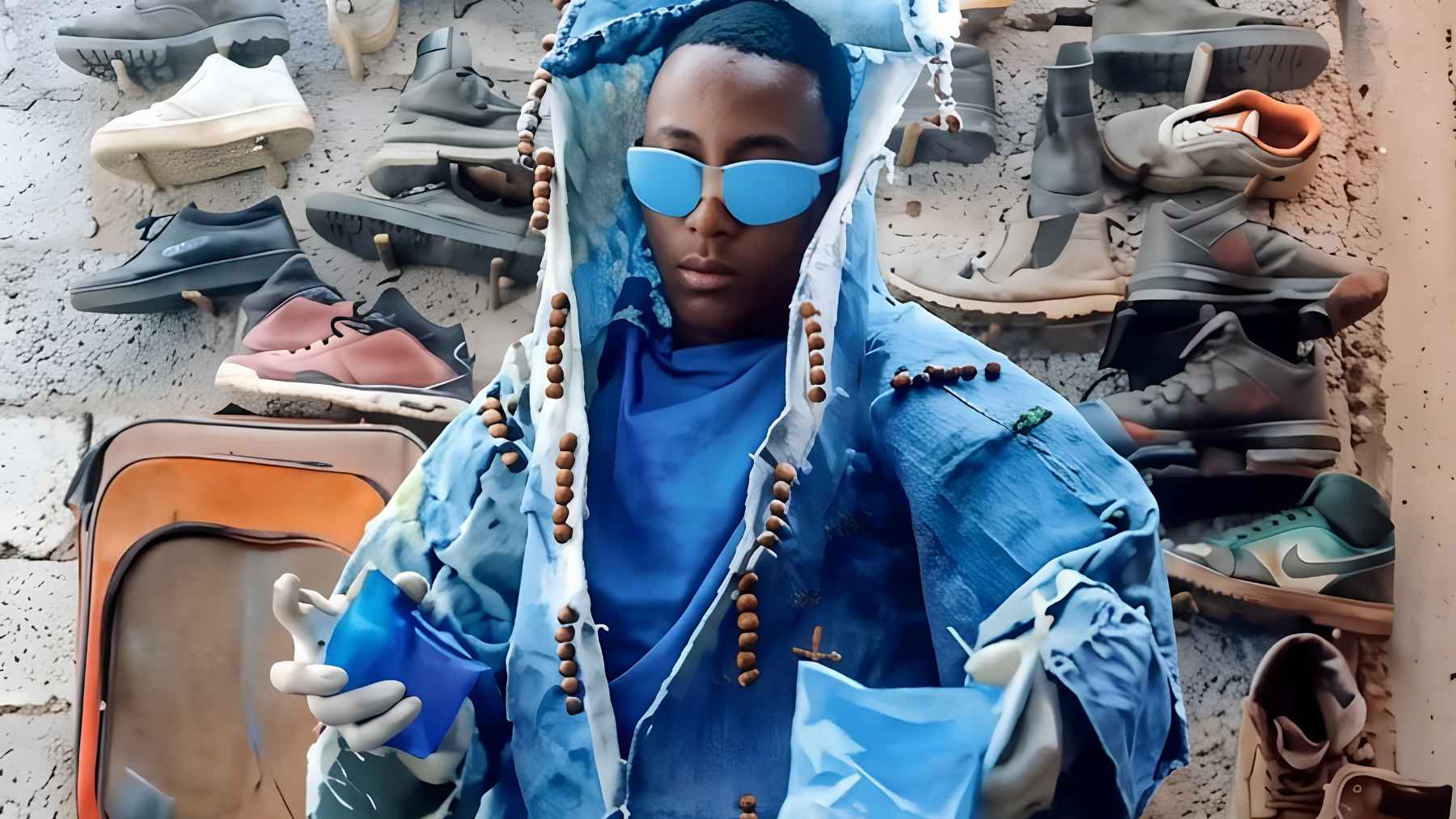
A young Ethiopian turns trash into fashion using tires, cardboard, and electrical wire, and his viral videos look like luxury editorials while teaching recycling without speeches
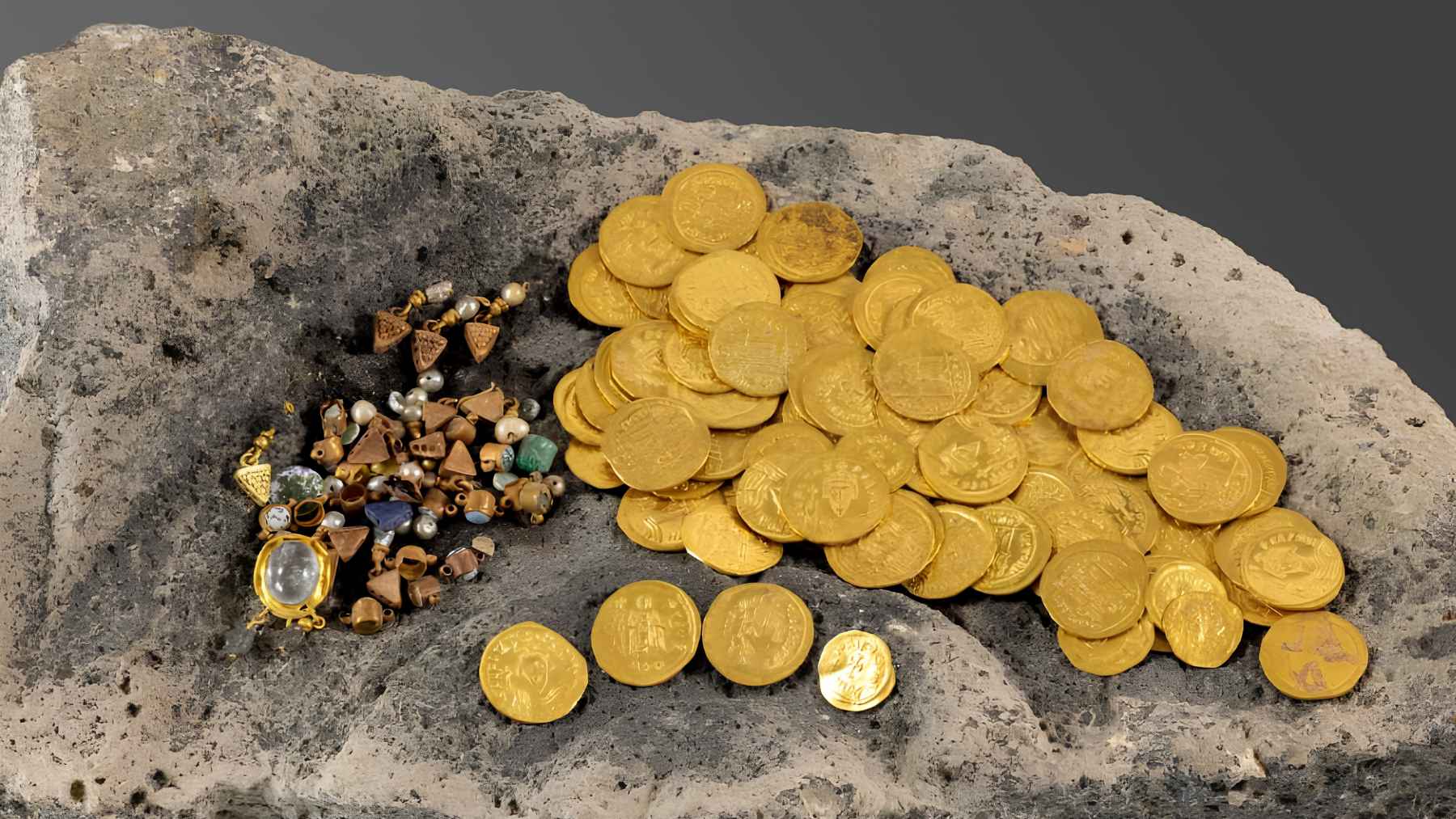
A metal detector uncovers a 1,400-year-old Byzantine treasure, and the coins reappear as if they were hidden yesterday
Researchers find thousands of new microbial species in herbivore poop, and the discovery suggests the biggest biodiversity may live where nobody wants to look
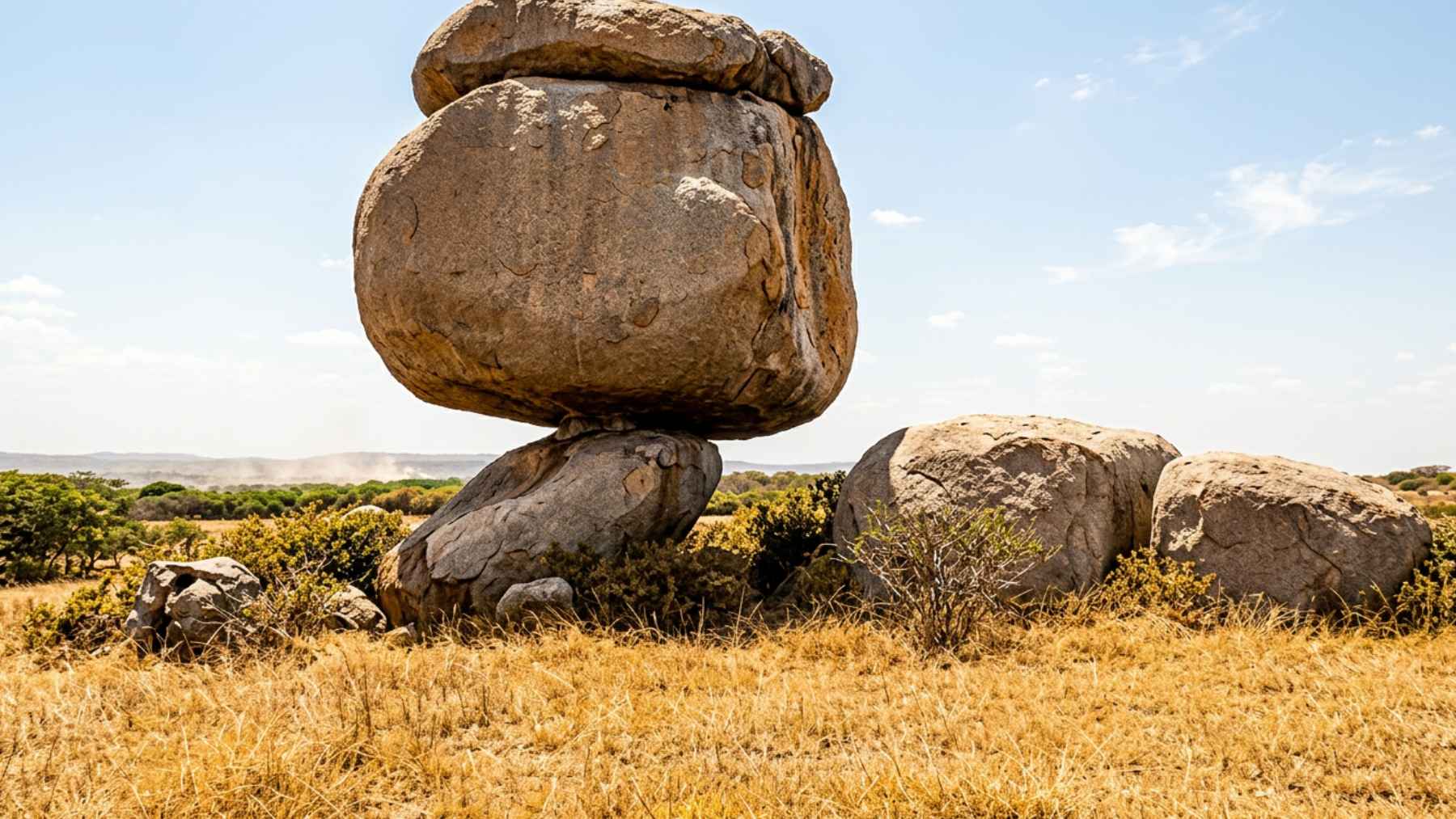
In Brazil’s Paraíba backcountry, the “Pedra da Maravilha” looks like it defies gravity on a tiny base, and the geological oddity has turned one rock into a tourism magnet
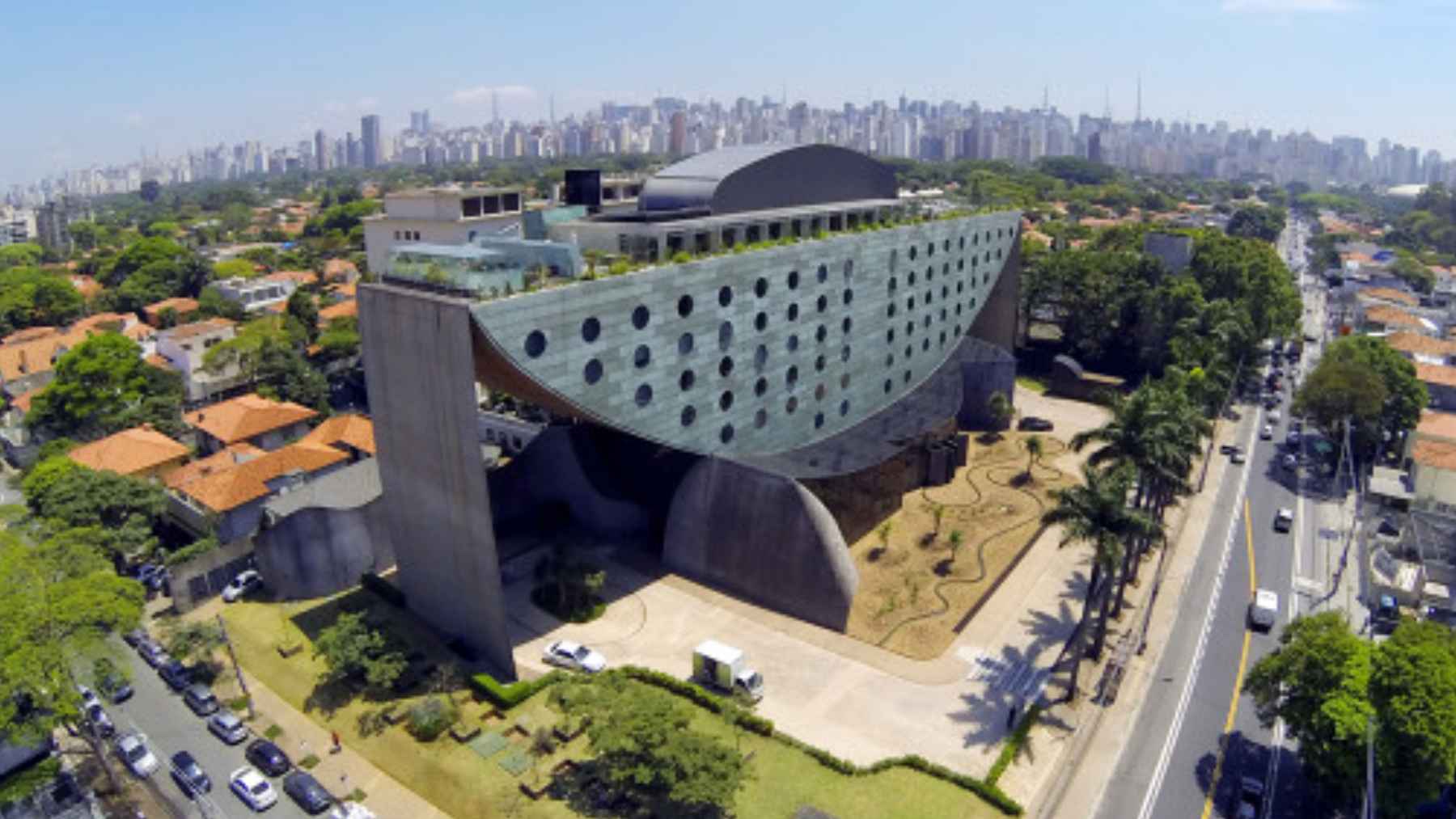
In São Paulo, a building that looks like an upside-down ship became an icon: the Hotel Unique, about 276 feet tall with round windows and exposed concrete, turned a weird shape into a city symbol
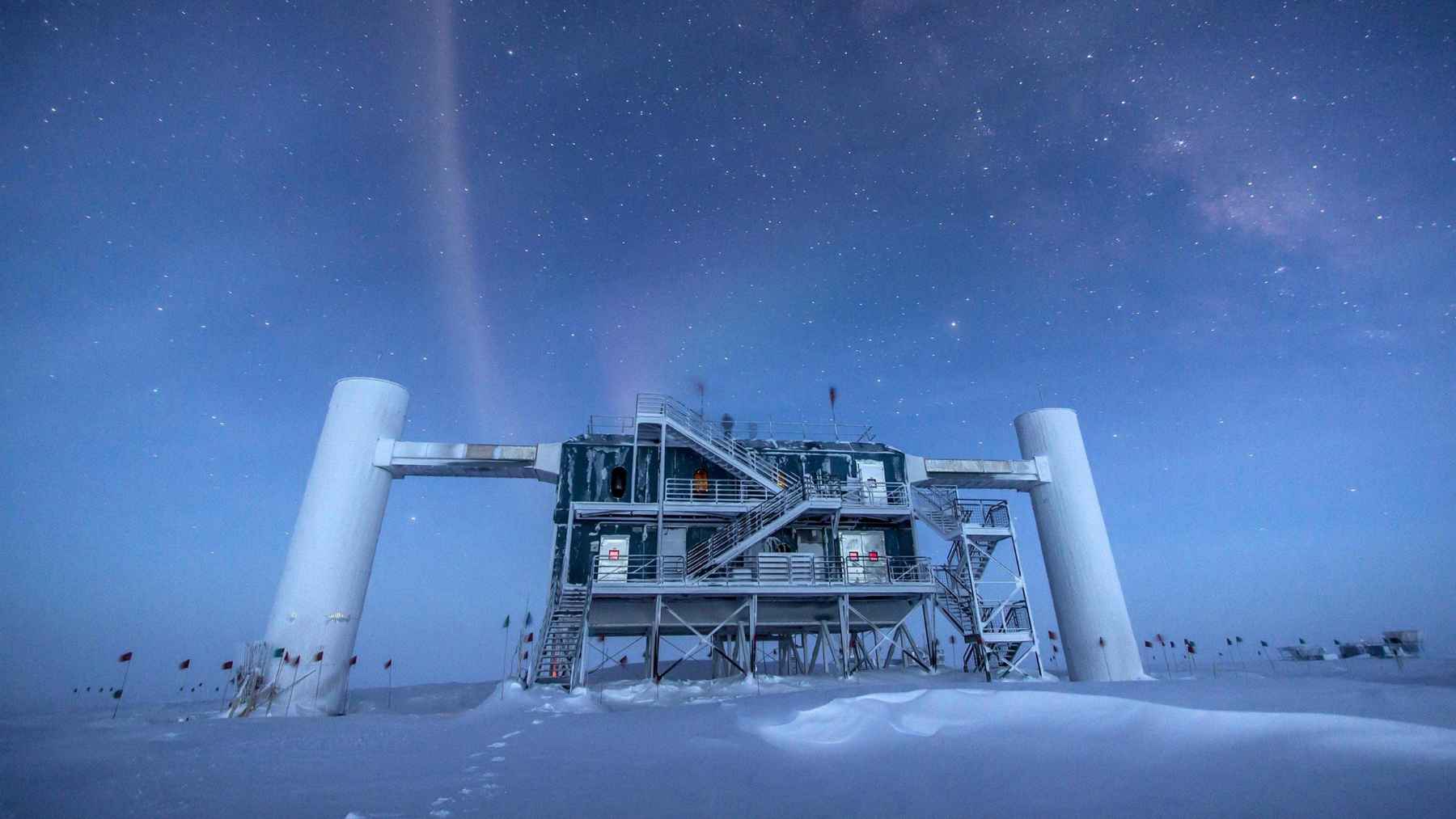
IceCube releases its first report using a new neutrino analysis method, and the upgrade could sharpen how we “listen” to particles that cross Earth without leaving a trace
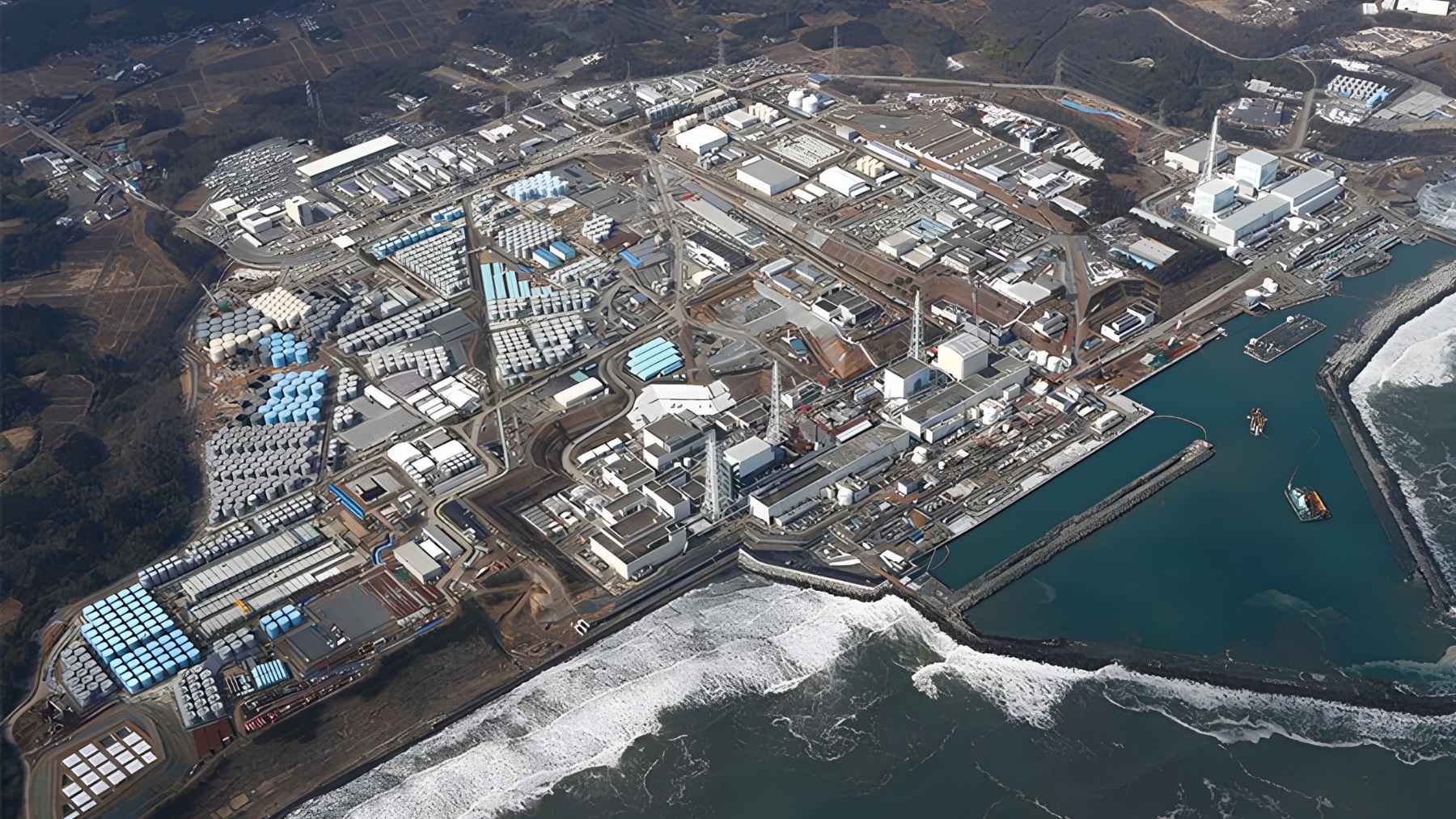
Japan continues releasing treated Fukushima water, and each new discharge reopens the fight between science, public trust, and fear of the invisible in the ocean
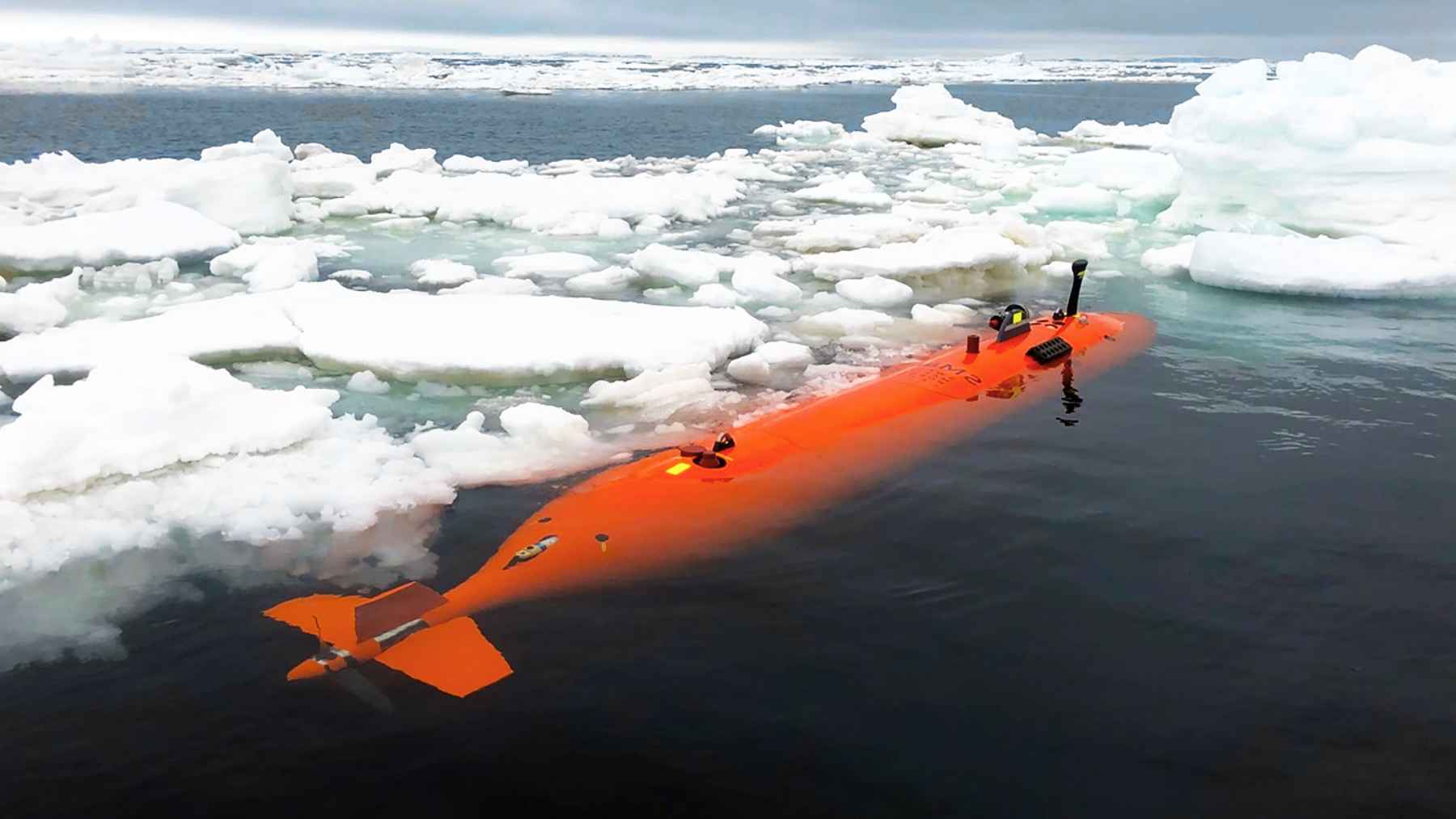
An autonomous submarine named Ran mapped 54 square miles under Antarctica’s Dotson Ice Shelf and found plateaus, terraced “steps,” and teardrop pits carved by basal melt, then lost contact and disappeared, leaving behind data that shows why melt can concentrate in hidden fractures models often miss
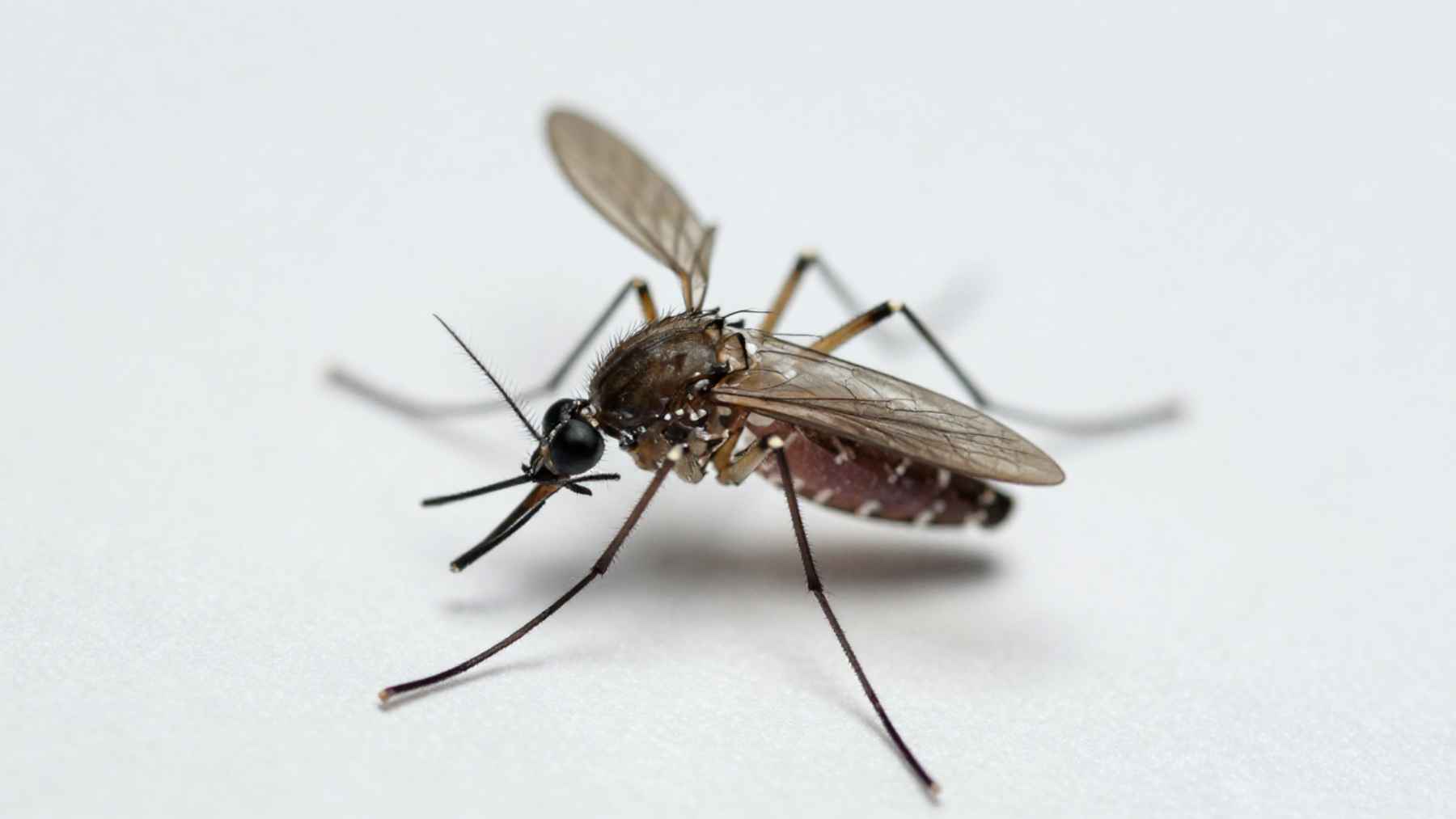
Mosquitoes appear in Iceland for the first time, and zoologists are watching climate and standing water because a small change like this can ripple through entire ecosystems
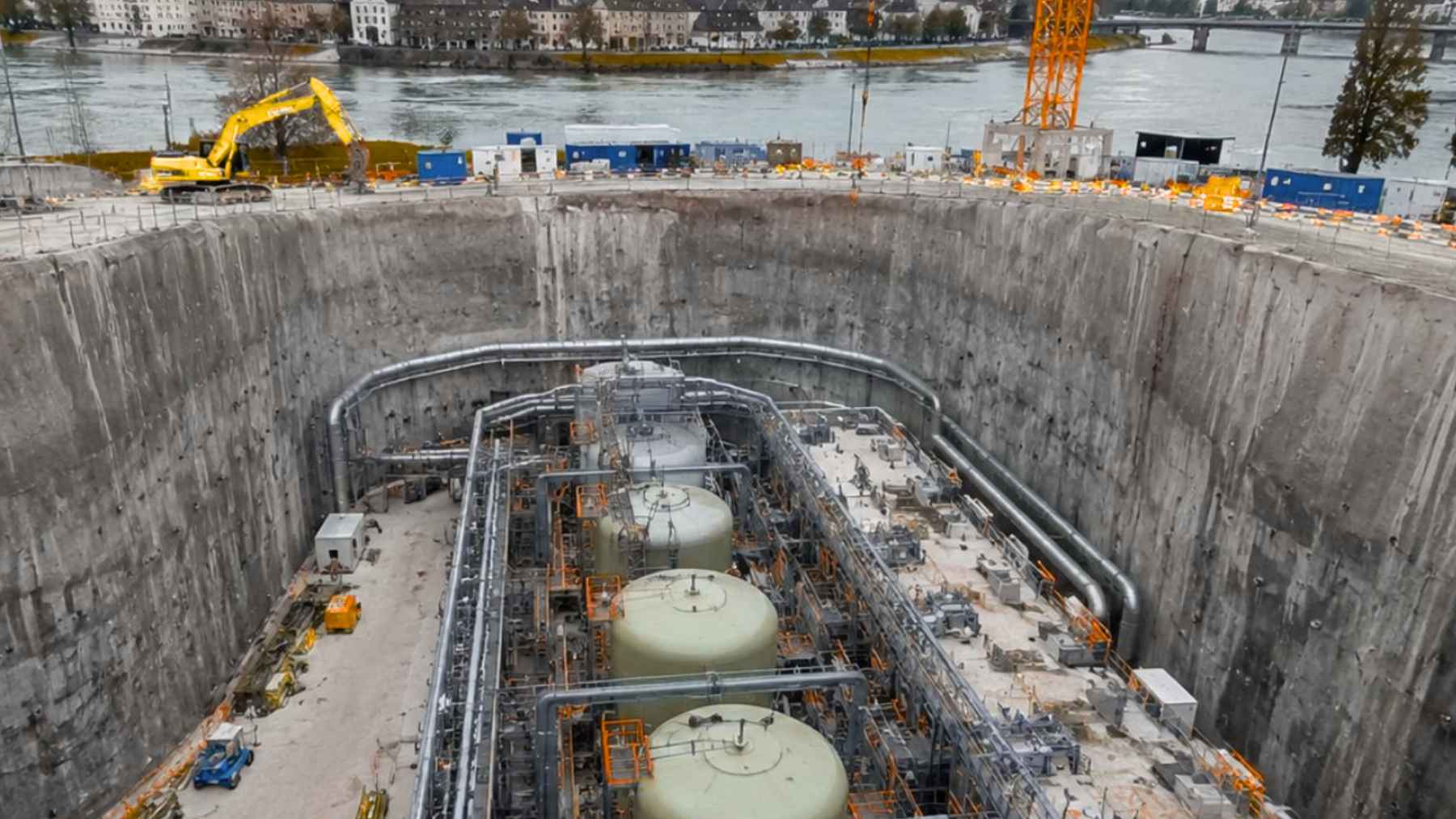
Switzerland dug a hole the size of two soccer fields to install the world’s most powerful underground battery, able to release 1.2 GW in milliseconds and store 2.1 GWh at a multibillion-dollar price tag