


Technology
The following response from a chatbot may seem gratuitous and effortless, but the UN has just revealed its hidden side: Data centers, water, land, and electricity on a scale that spans entire countries
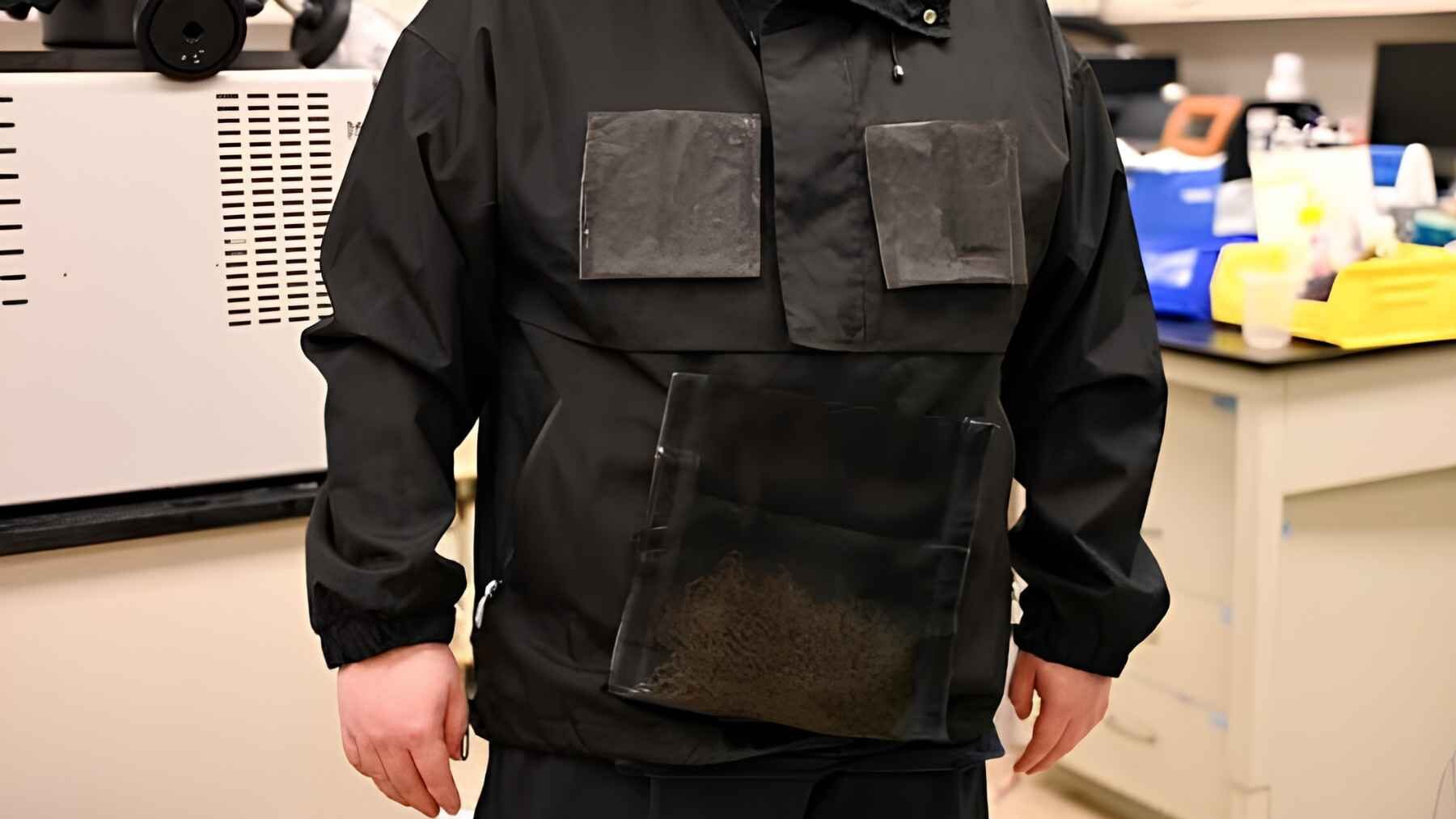
Texas engineers created a jacket capable of extracting up to 900 milliliters of drinking water per day directly from the air, an invention that sounds like science fiction for surviving a drier future
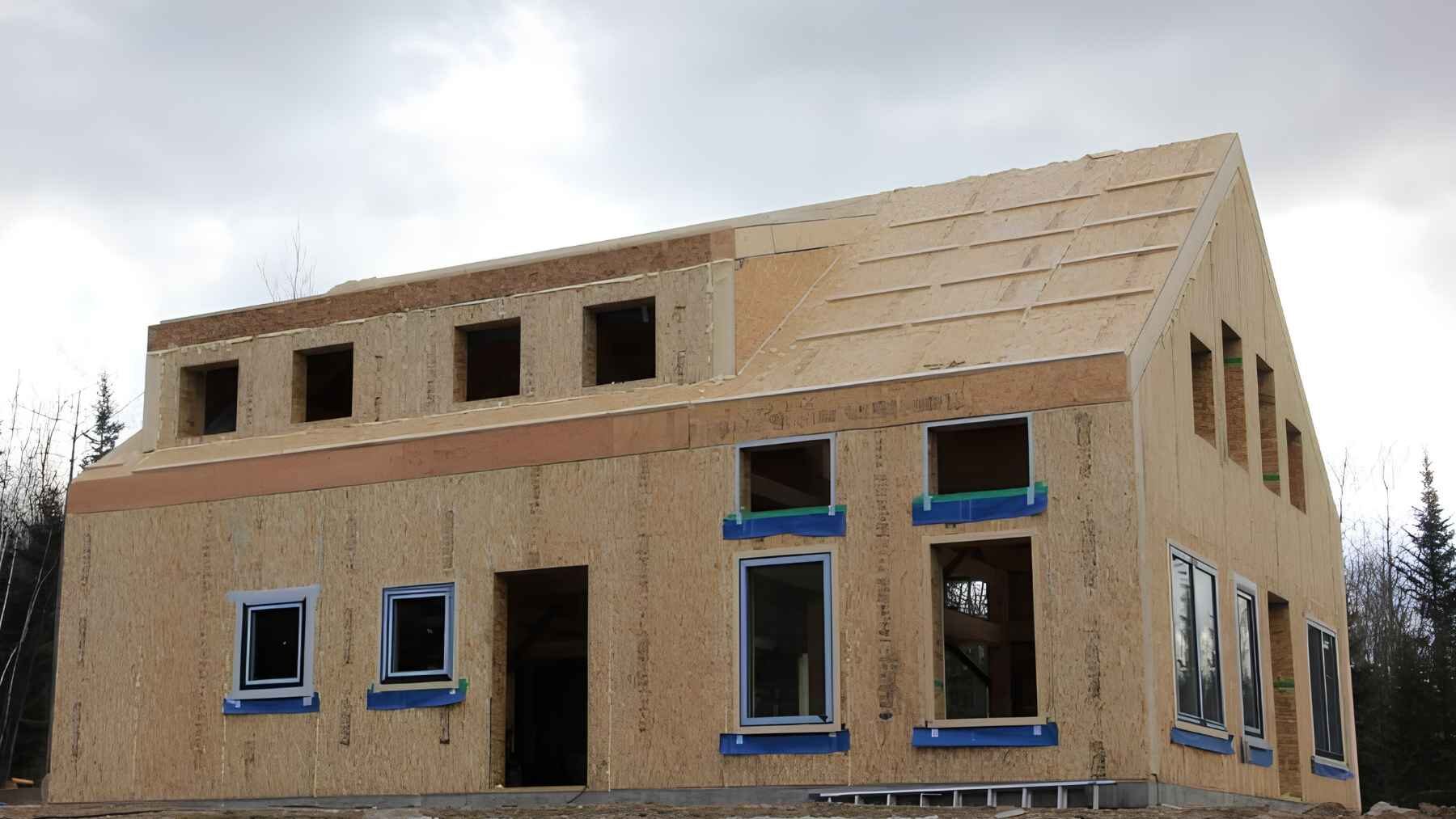
Homes that can be built in just one week, without cement and with the promise of saving energy: the system trying to prove that building fast does not have to mean building worse
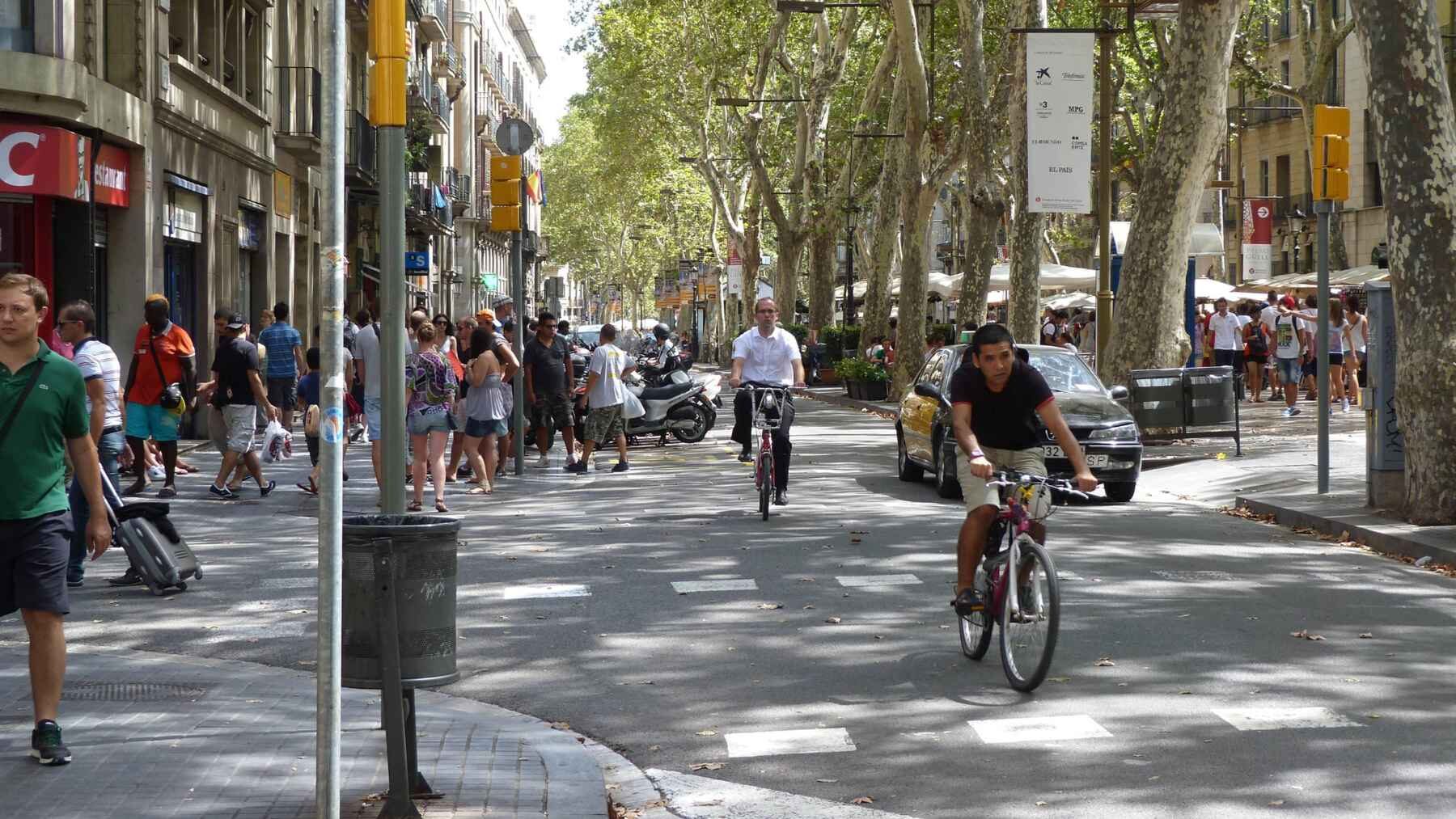
Barcelona wants to turn a random street into a climate laboratory by 2027 using asphalt made from olive pits and pine waste, which could reduce CO2 emissions from the top layer by up to 75%
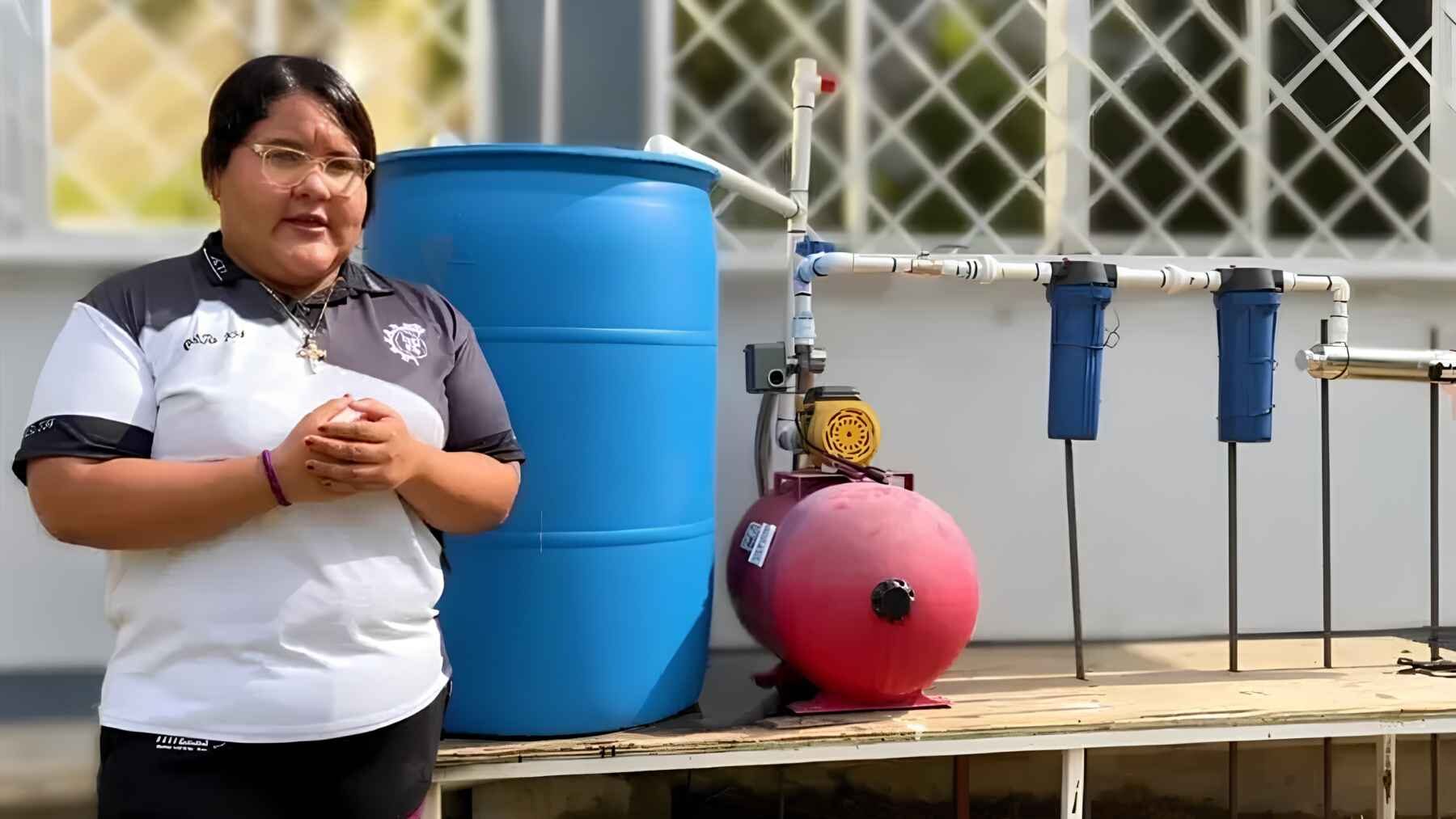
A student from Nuevo Laredo noticed something that we all see but that almost no one pays attention to: the water dripping from the air conditioner. She turned it into HidroAC+, a system for growing plants in a city where temperatures can exceed 104 °F for months on end
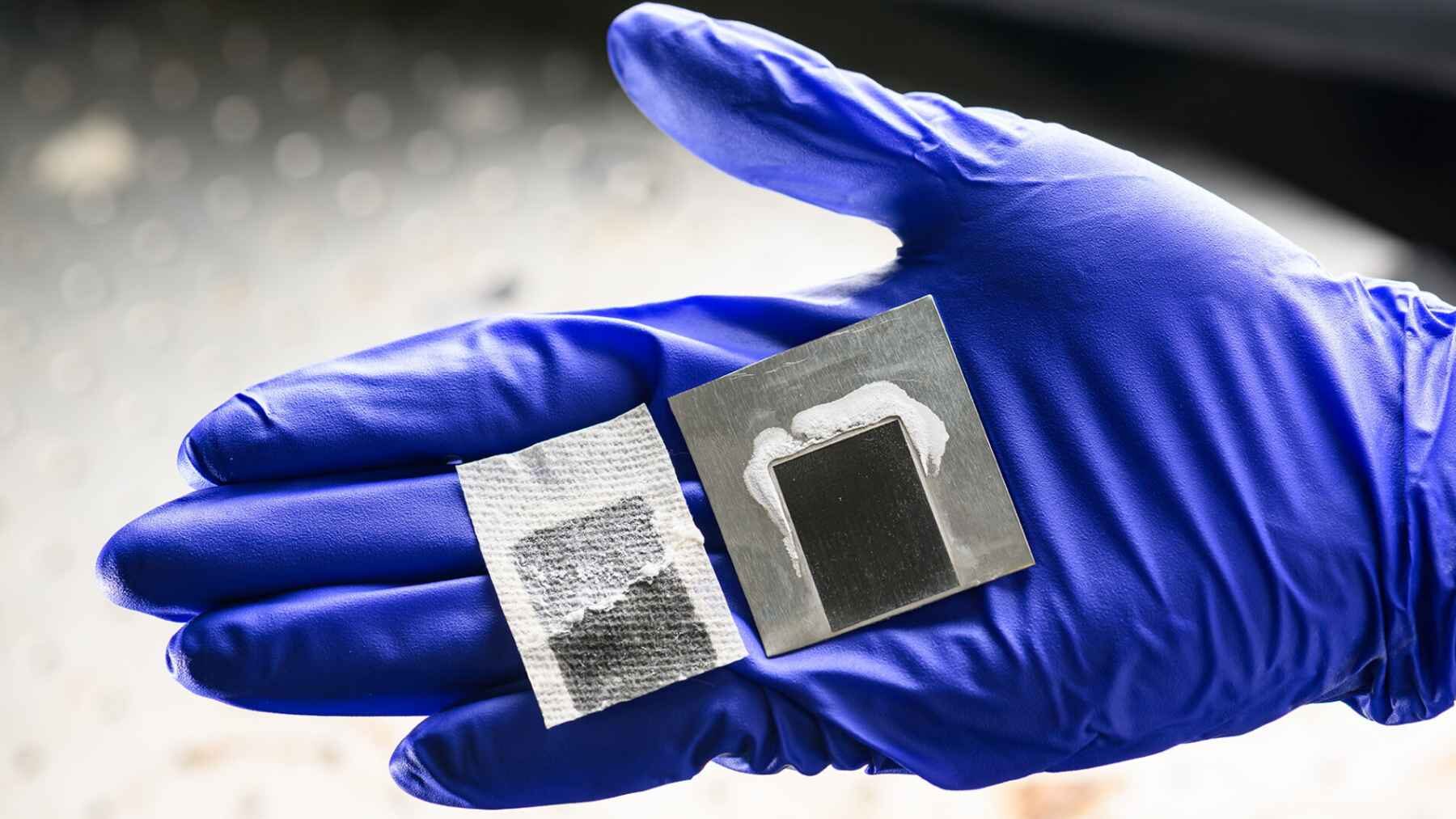
The idea—which sounds strange but might make sense—is to use sunlight, black metal, and the “coffee stain” effect to desalinate water without producing any liquid waste
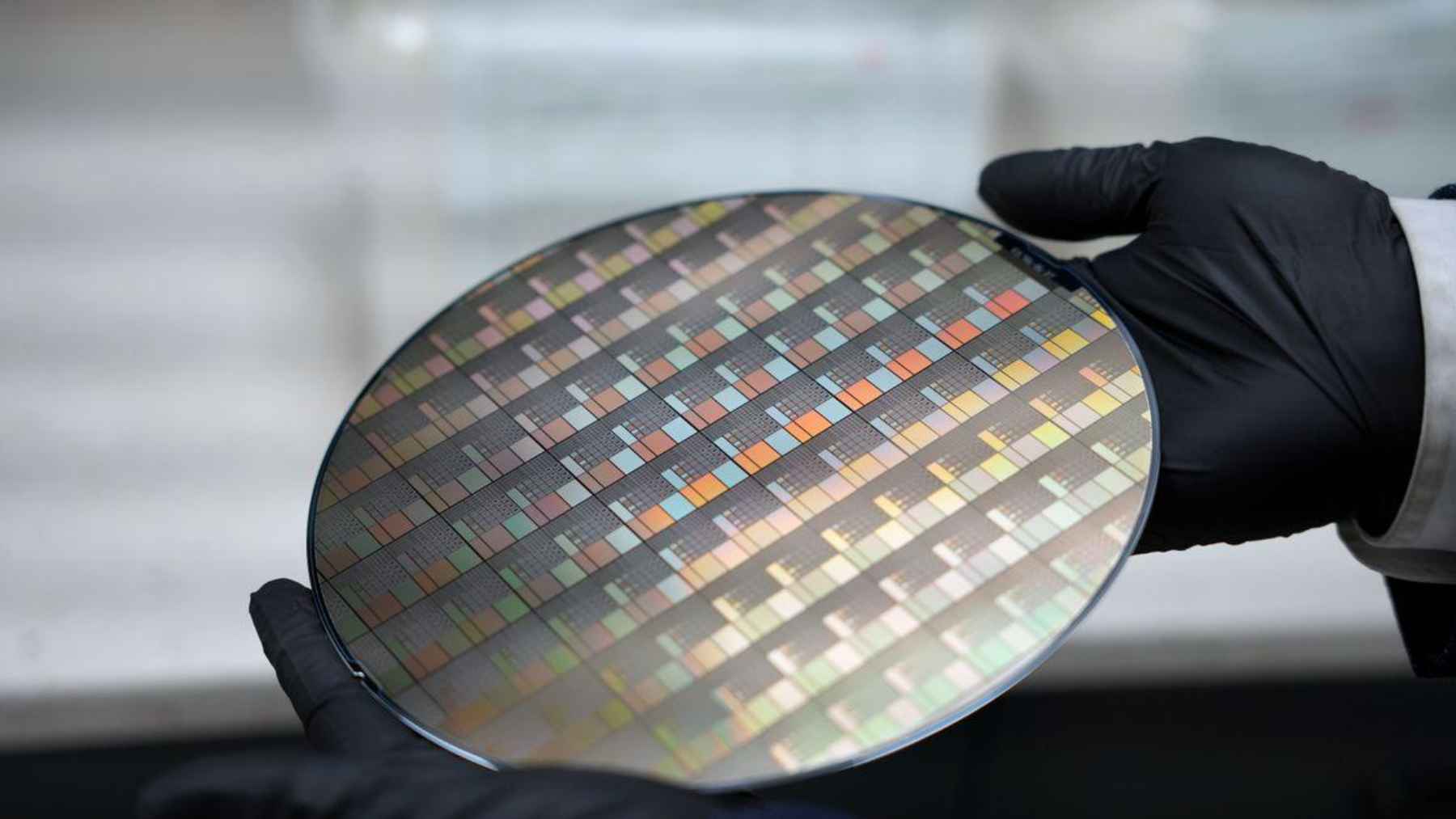
Perhaps the greatest breakthrough for the future of AI isn’t a smarter chatbot, but one capable of thinking with fewer chips, less heat, and much less electricity
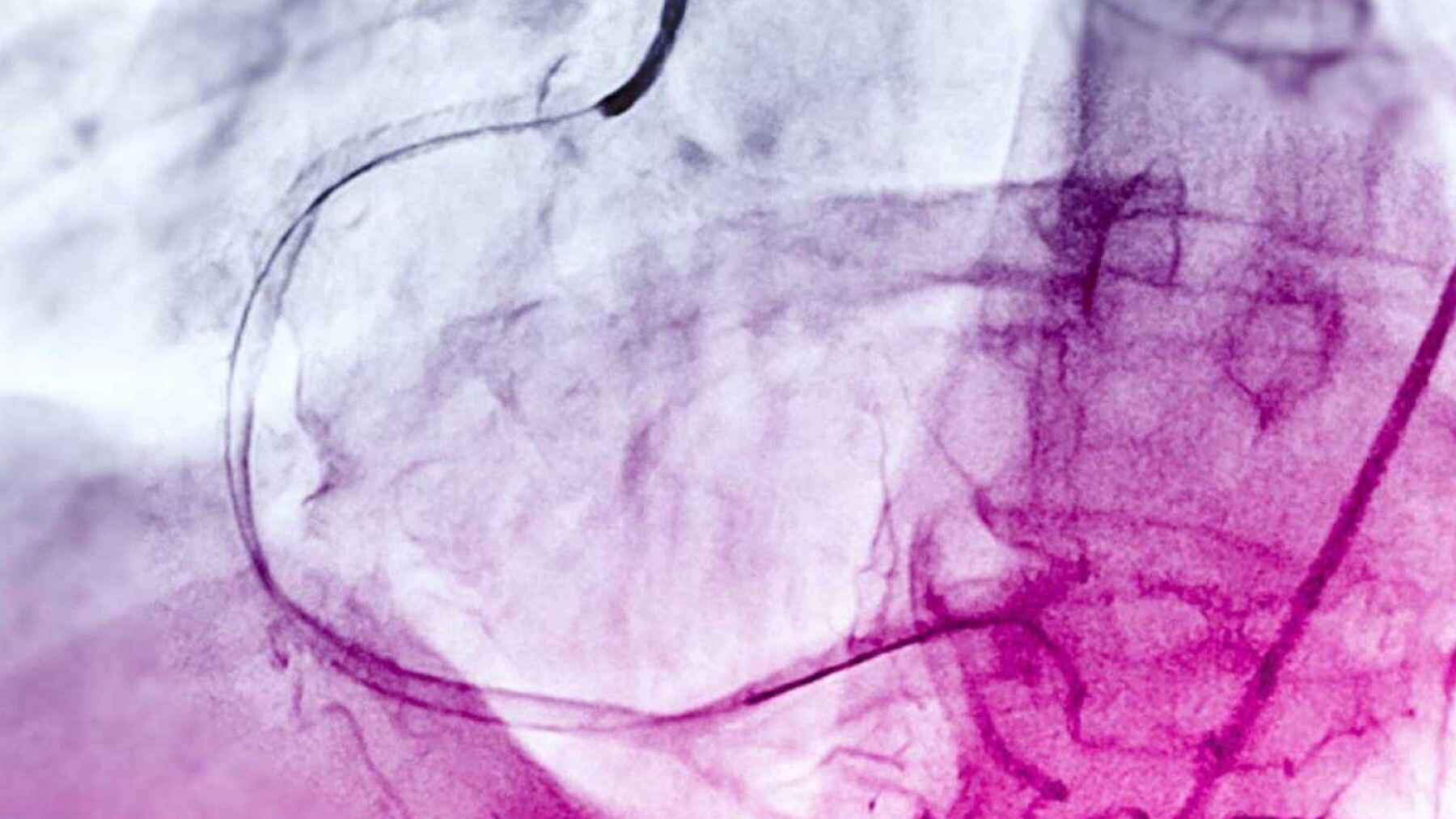
It seemed impossible to detect such fine arteries on a moving X-ray until a new training method enabled an AI to go from almost never getting it right to getting it right in most cases
The history of cities has always seemed to be driven by money, technology, and institutions, but a new study suggests there may be something more fundamental and powerful: the simple act of bringing people closer together changes the entire network
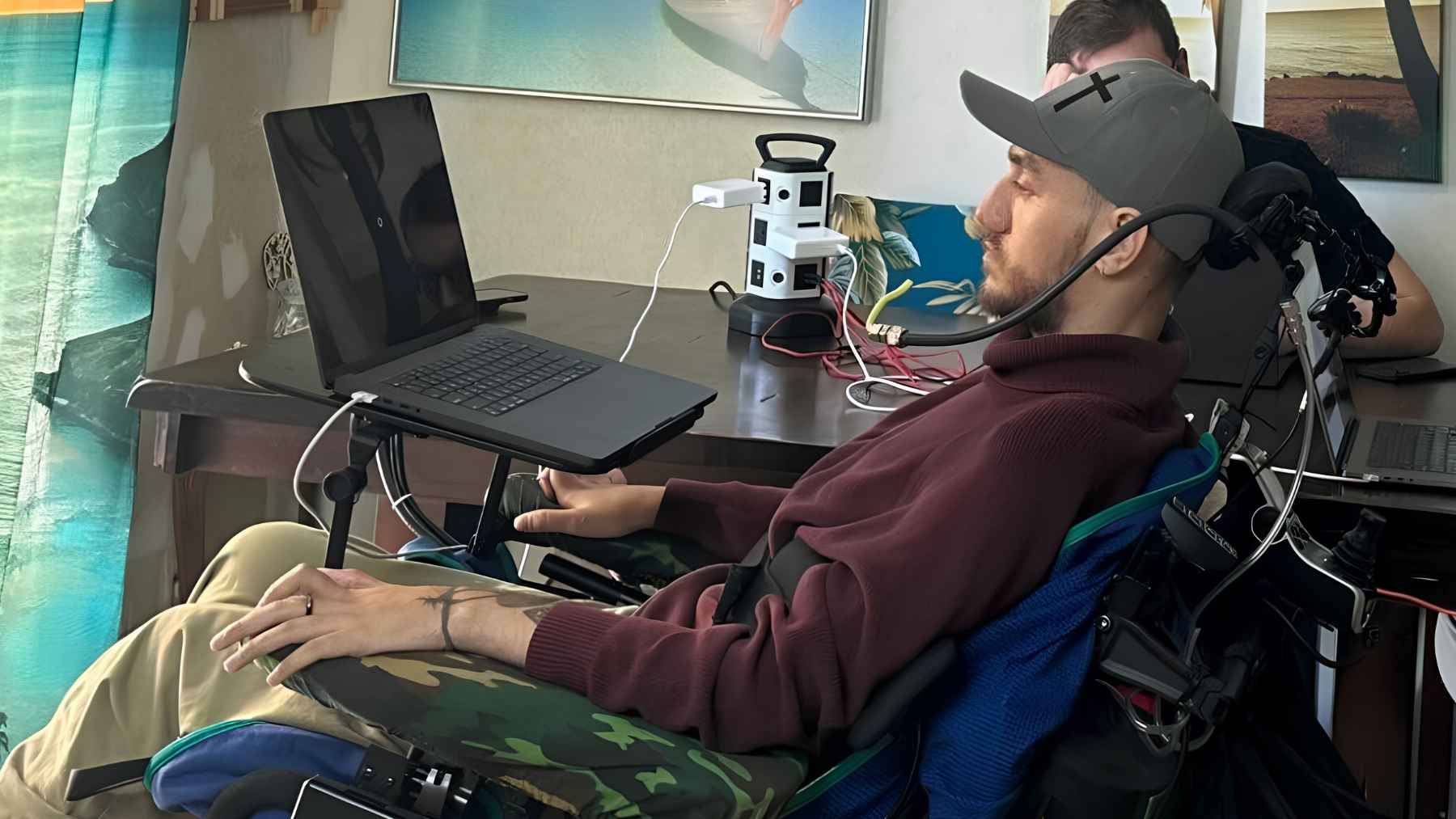
A man with severe paralysis caused by ALS used a brain implant at home for more than 3,800 hours and was able to convert his attempts to speak into text, computer-generated information, and a voice similar to his own
Could an AI model read a whole stack of documents in one go without slowing to a crawl? That is the claim now drawing attention around SubQ, a new large language model from the Miami startup Subquadratic
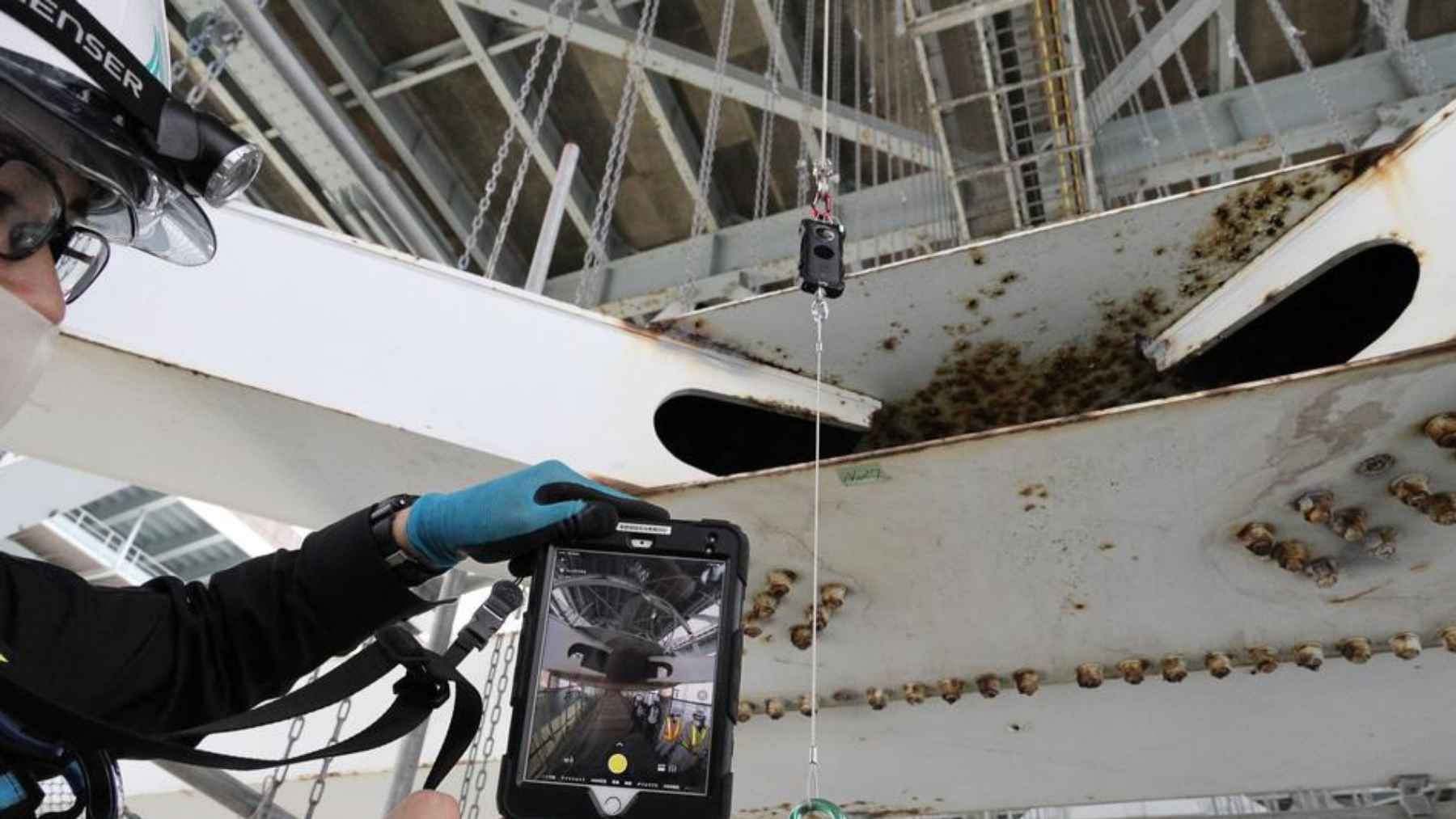
The United States has 624,167 bridges, of which more than 220,000 are in need of repair, but a new generation of quantum sensors could detect hidden damage before it becomes visible from the road
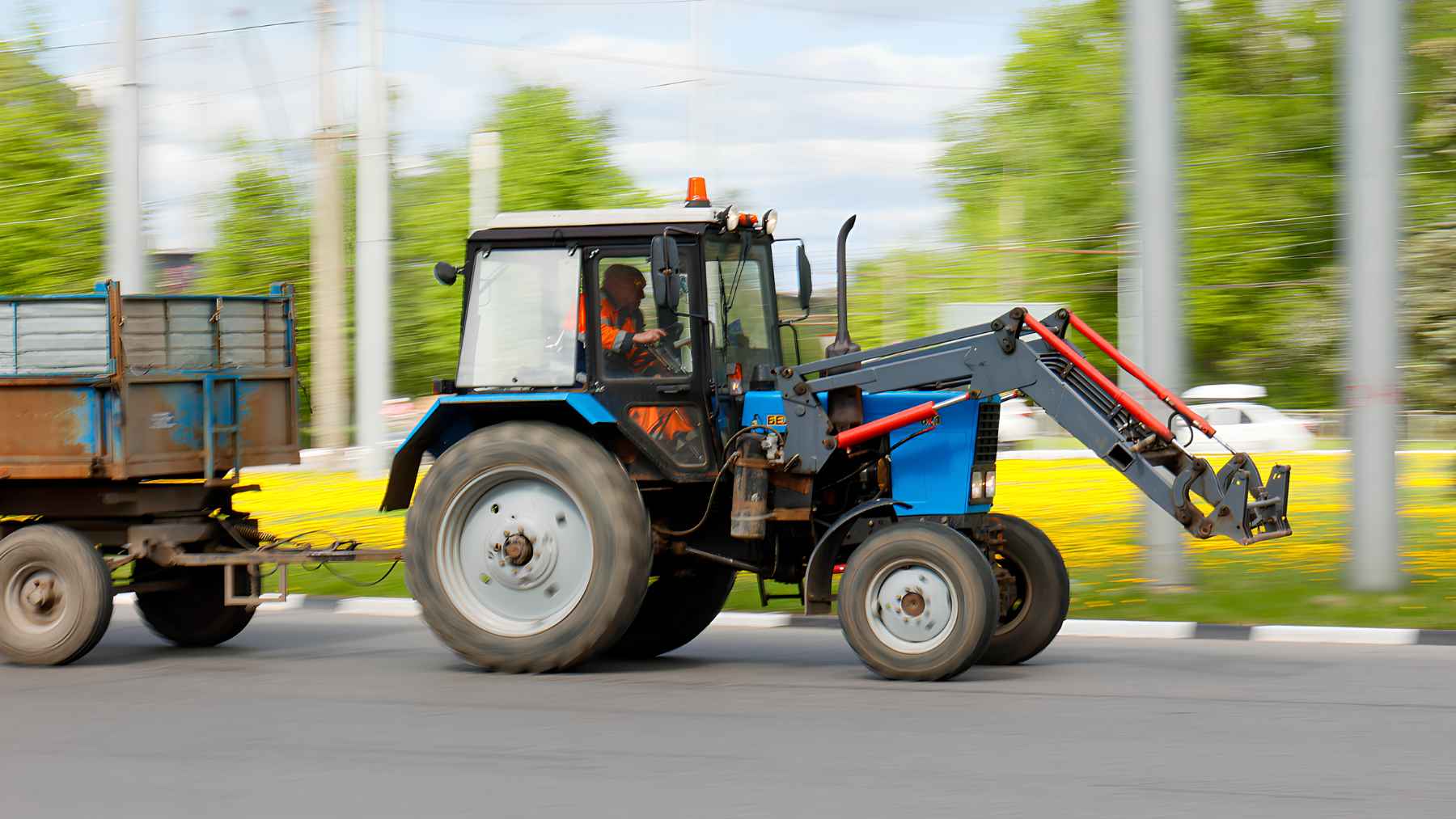
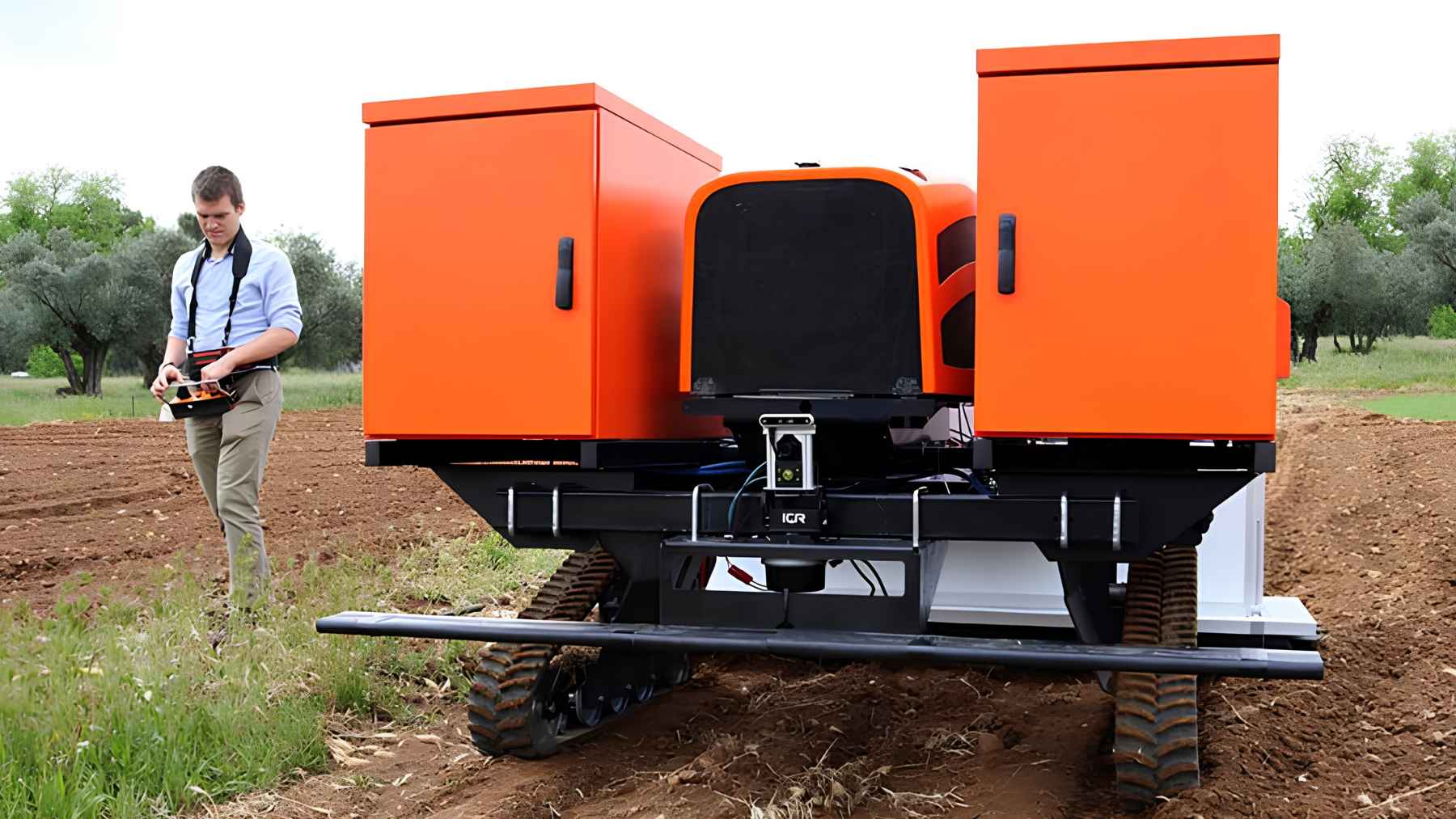
A Russian university has just unveiled a tractor attachment that injects cooled exhaust gases directly into the soil—a highly unusual idea that promises to benefit crops but requires extensive testing under real-world conditions
MIT’s new method promises to speed up the search for alloys for rockets, chips, and clean energy by analyzing invisible “neighborhoods” between atoms
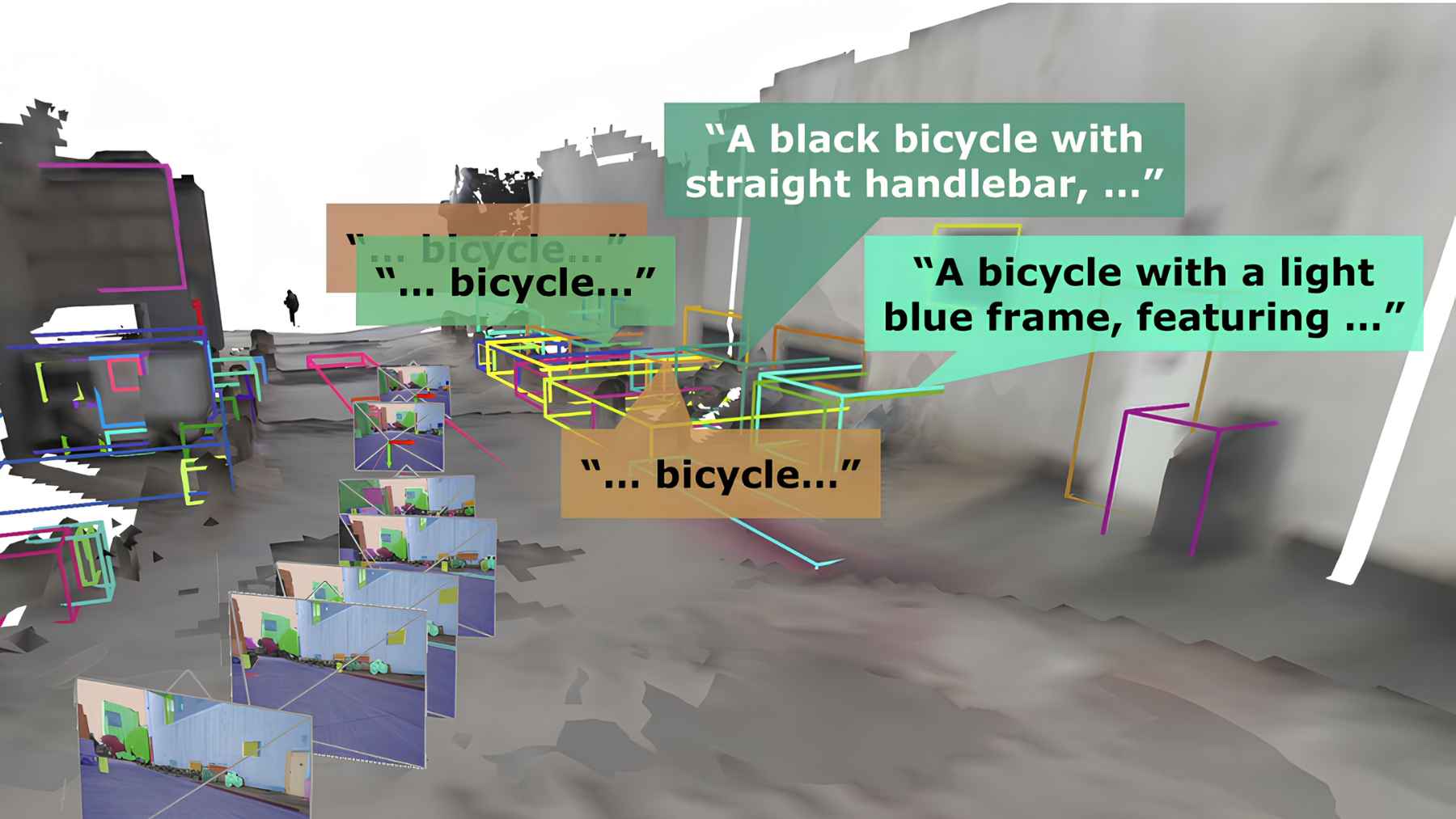
Scientists at MIT have created a robot with an “elephant’s memory” that promises to tell you where you left your keys last night—and it does so in a matter of seconds
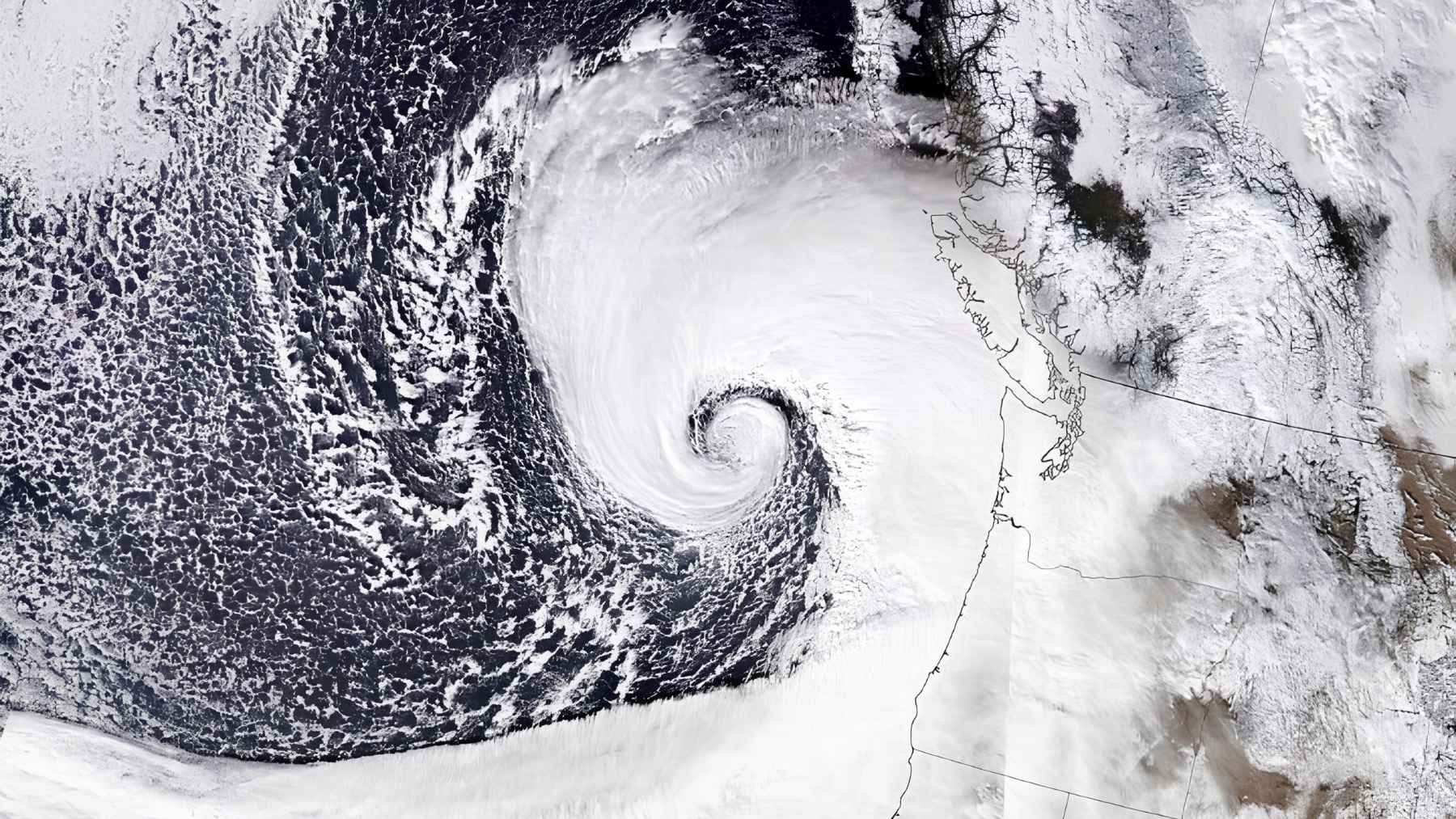
NASA is developing and testing an artificial intelligence system that identifies 93% of the signs of a flash flood and could provide crucial time to respond