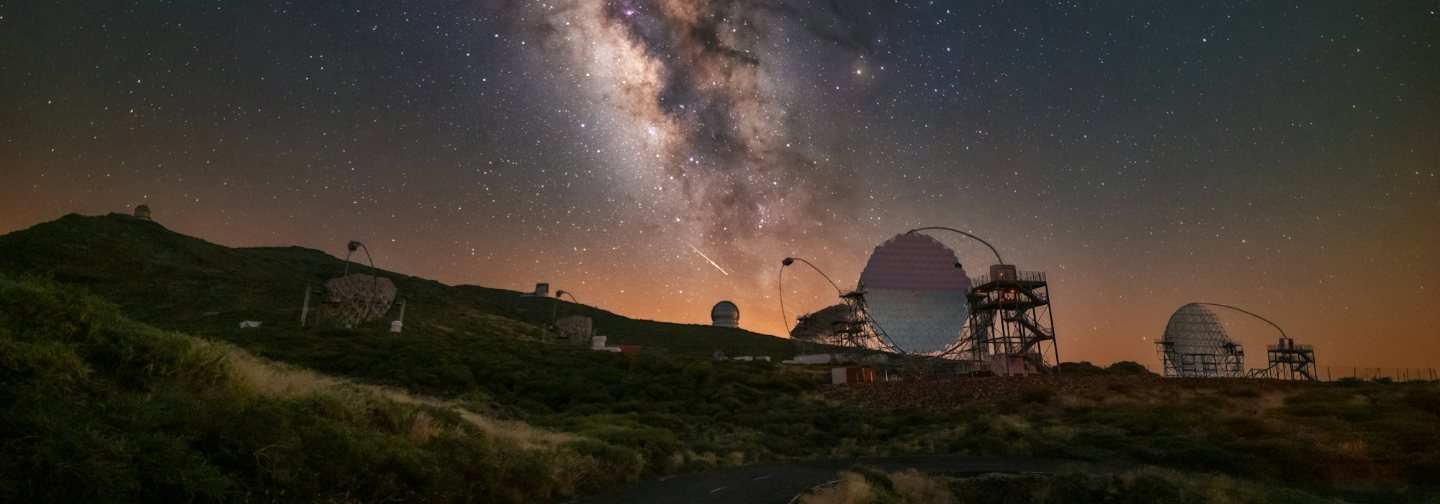
Observatory under the Milky Way at night

Science

Geology, paleontology, physics, space and the natural world

In Science, ECOnews reports on new discoveries in geology, paleontology, physics, space, health and the natural world. We explain the latest studies from universities and labs worldwide in plain language.
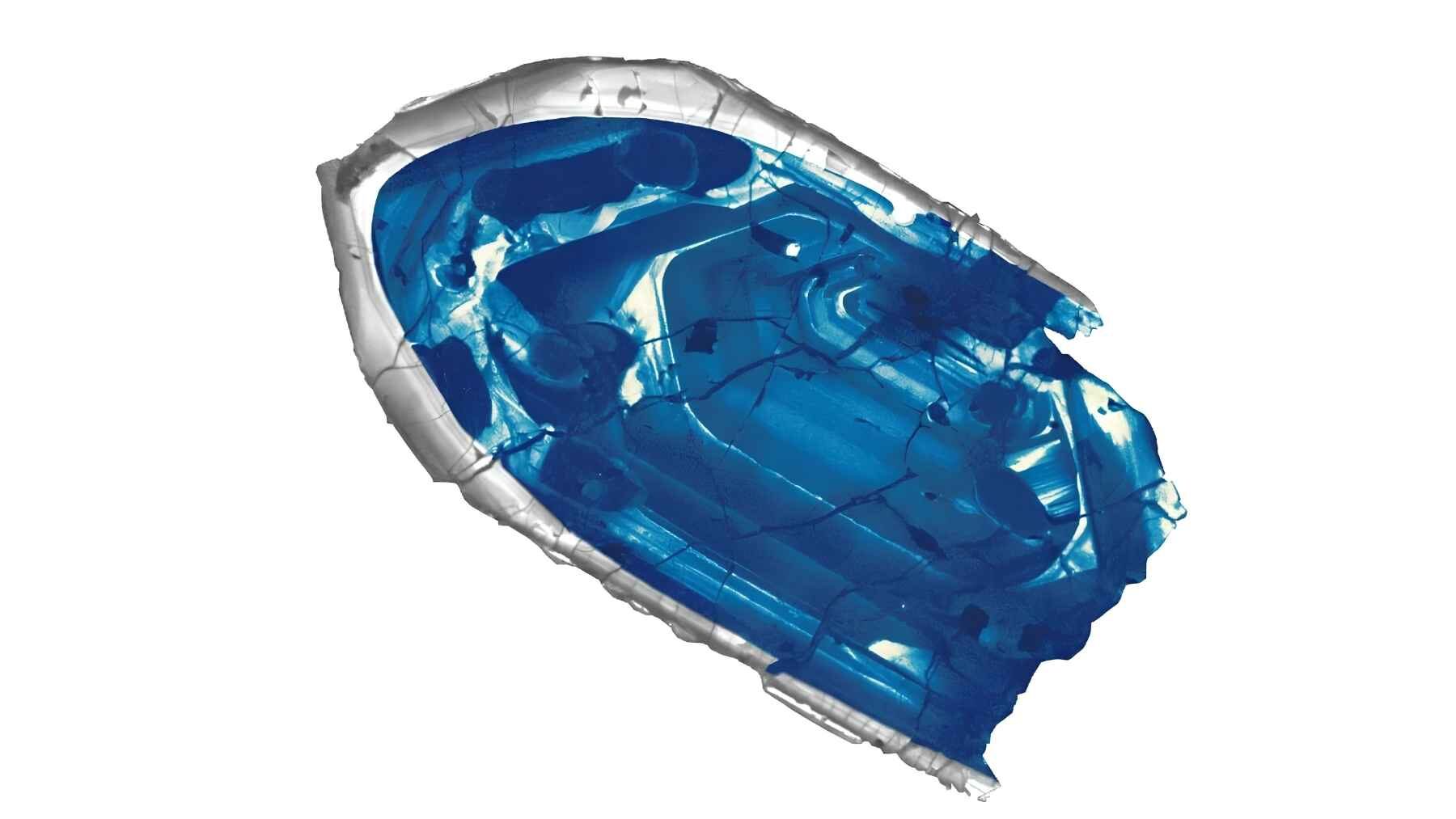
Microscopic image of an ancient zircon grain from the Jack Hills region of Western Australia.

A zircon grain found in Western Australia’s Jack Hills is 4.4 billion years old, making it the oldest known terrestrial mineral grain

—
September 1, 2026 at 3:00 PM
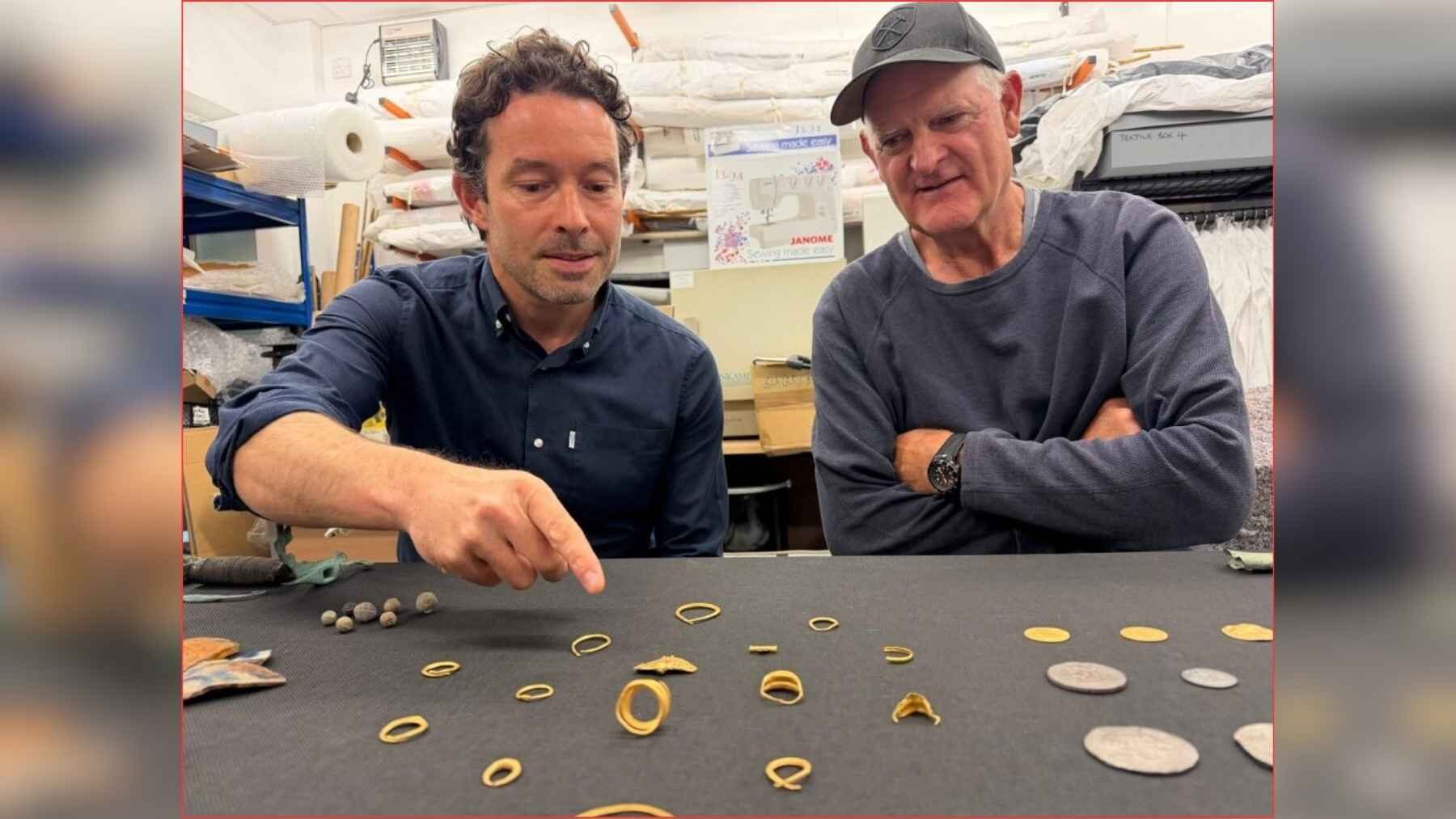
Todd Stevens and Xavier Duffy examining artifacts recovered from the 1680 Phoenix shipwreck near the Isles of Scilly.

A handwritten note reading “Cap Wildy lost” led divers to a 1680 shipwreck, and the recovered objects are finally becoming public history

—
September 1, 2026 at 10:15 AM
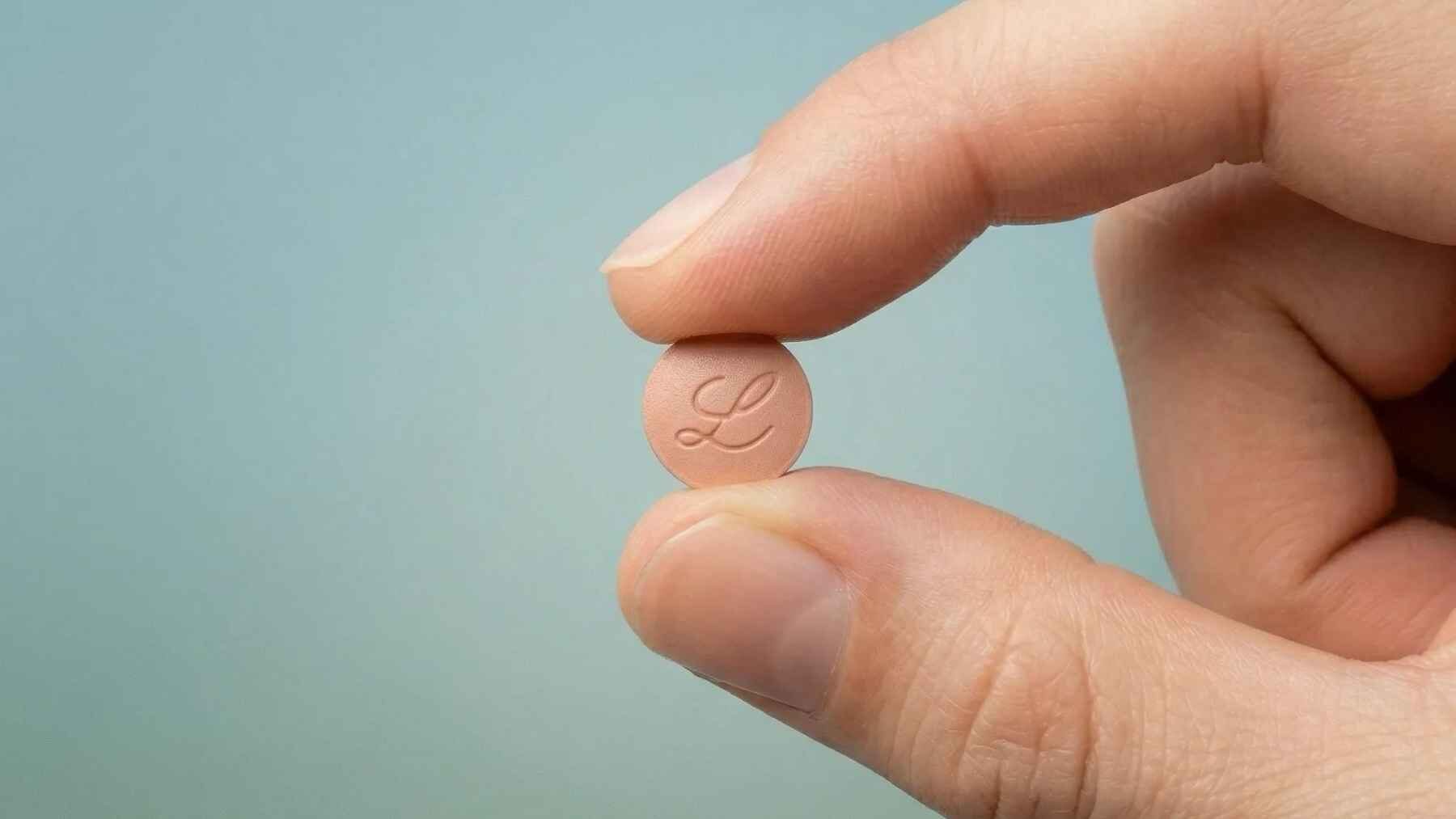
Orforglipron oral GLP-1 pill developed by Eli Lilly for adults with type 2 diabetes.

A new diabetes pill lowered blood sugar and body weight more than oral semaglutide, but the convenience came with a harder trade-off

—
August 31, 2026 at 5:00 PM
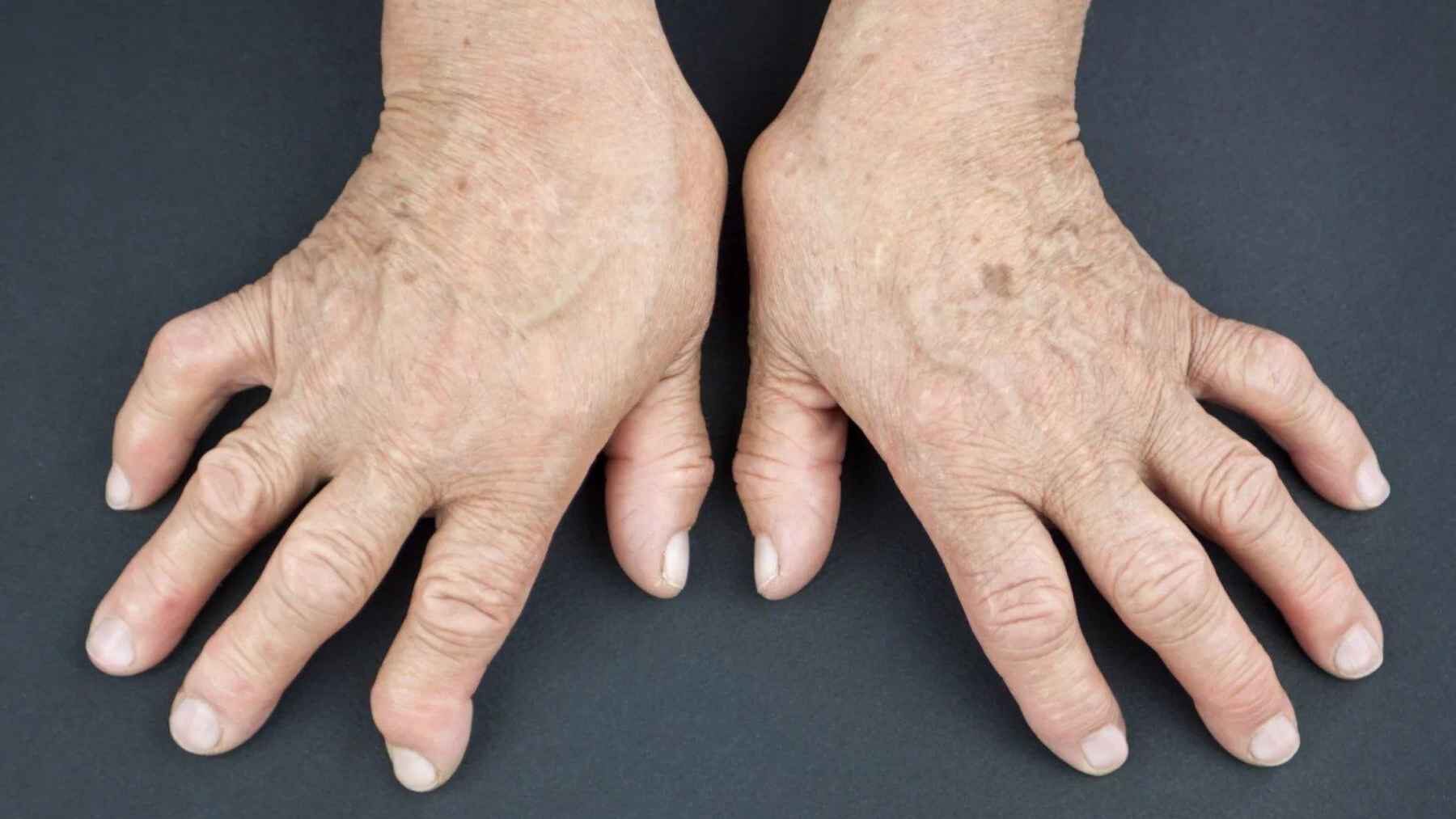
Hands showing joint swelling and deformity associated with rheumatoid arthritis.

Scientists spent years testing a phenomenon researchers thought they understood, but the results revealed an unexpected mechanism hiding underneath and raised new questions about how the system actually works

—
August 31, 2026 at 8:45 AM
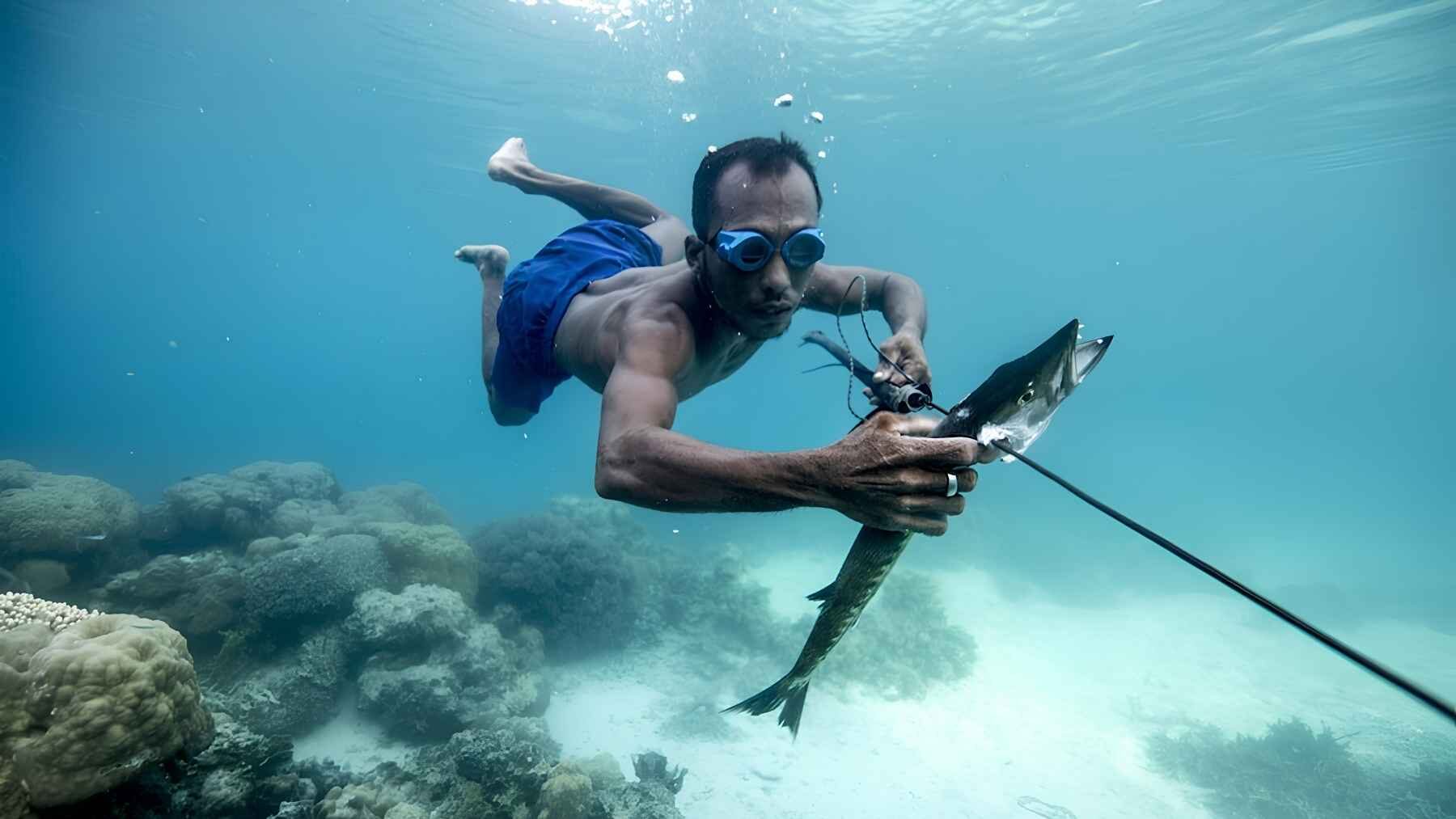
Bajau diver spearfishing underwater without breathing equipment in Southeast Asia.

Most people struggle to hold their breath underwater for two minutes, but the Bajau can spend up to five hours a day diving and working beneath the sea after generations of life built around the ocean

—
August 30, 2026 at 5:00 PM
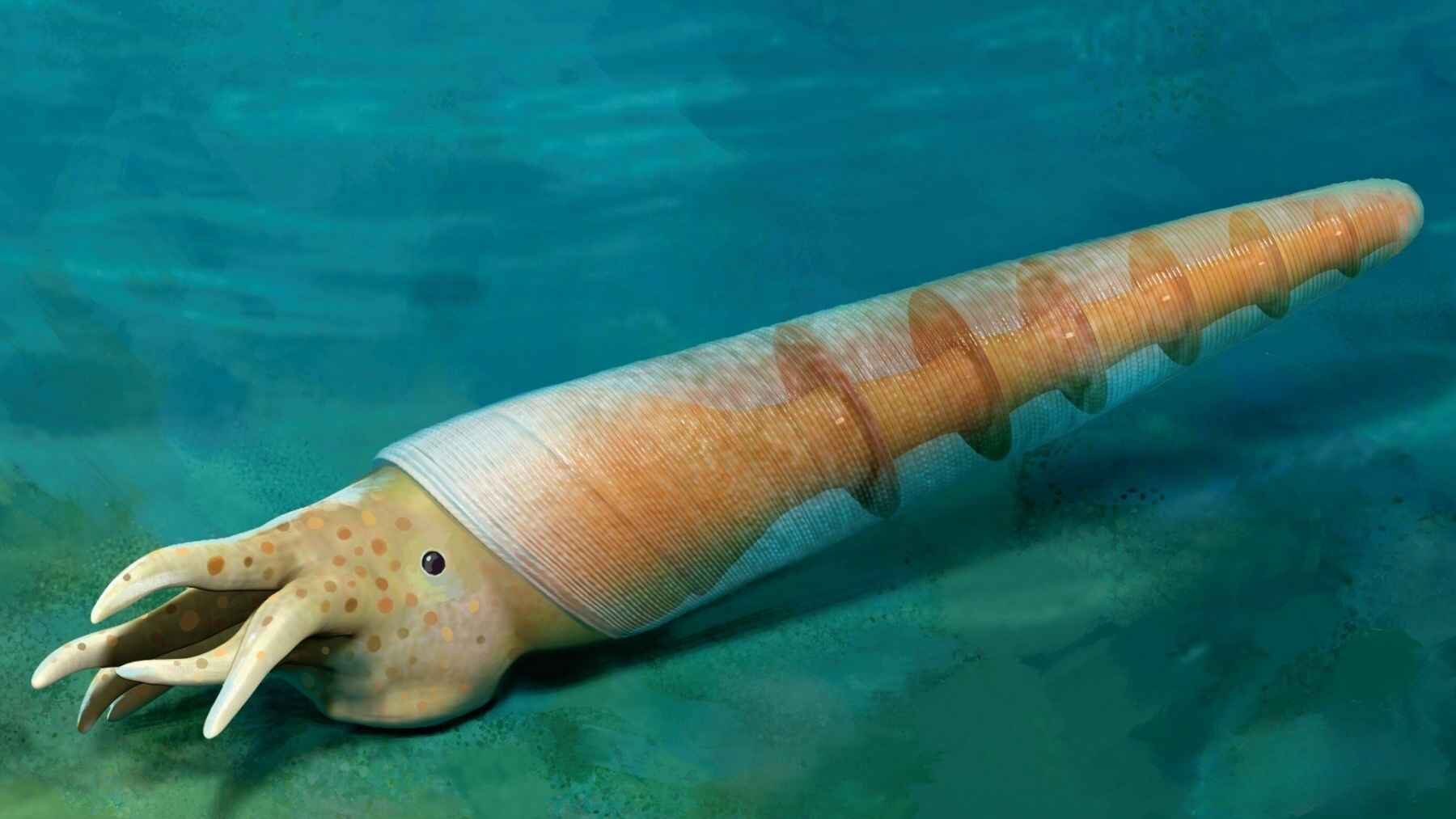
Reconstruction of Eoceras shaanxiense, an early Cambrian cephalopod with a straight chambered shell.

Scientists opened a window into life more than 500 million years ago with an unusually preserved Cambrian fossil, and one tiny anatomical detail may help explain how a major feature of modern animals first appeared

—
August 29, 2026 at 12:30 PM
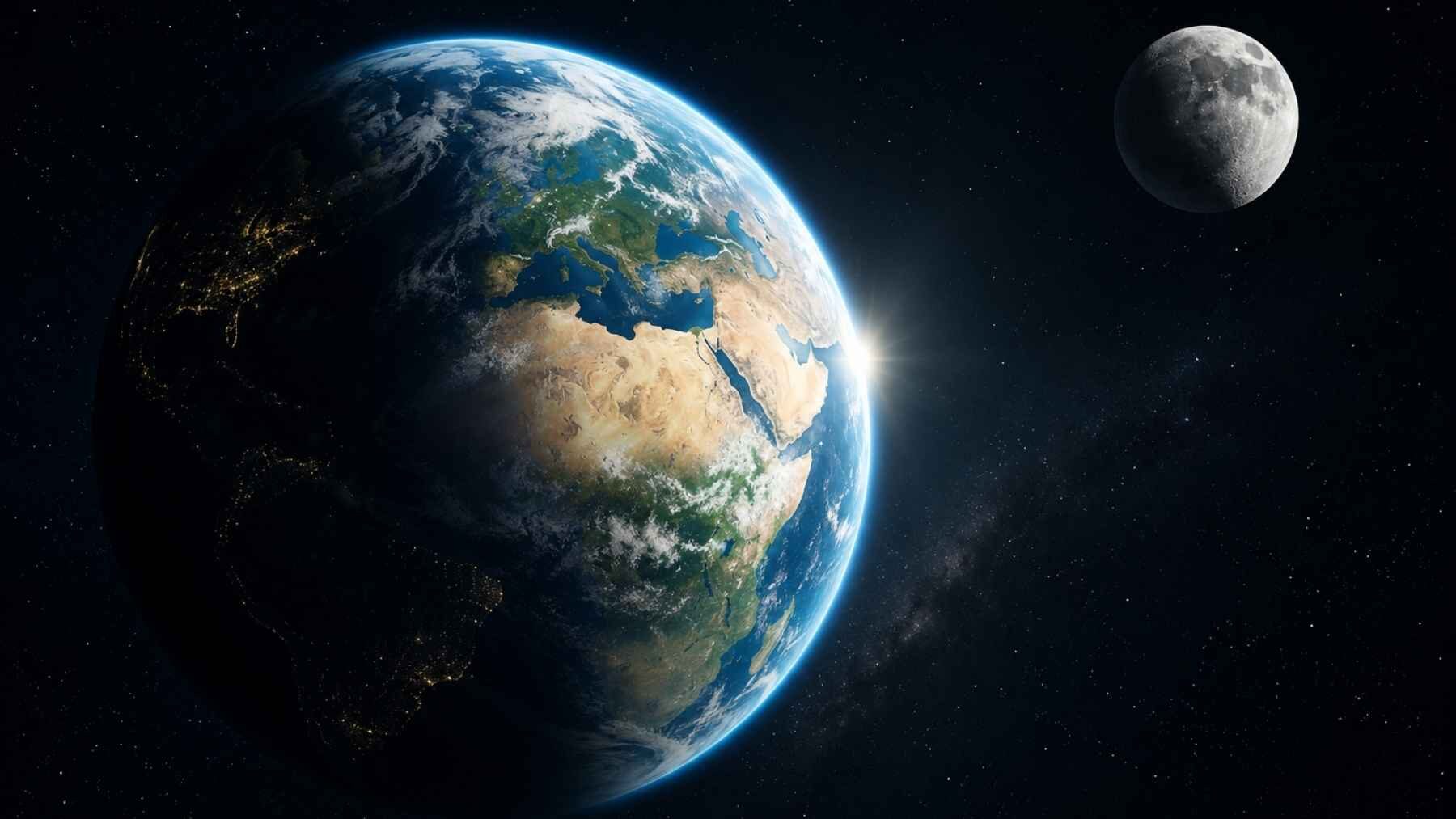
Illustration of Earth and the Moon showing the celestial relationship that gradually affects Earth's rotation.

Earth may have spent roughly a billion years with days stuck near 19 hours long, and scientists think an extraordinary tug-of-war involving the Moon and the atmosphere temporarily stopped the planet’s rotation from slowing normally

—
August 29, 2026 at 10:15 AM
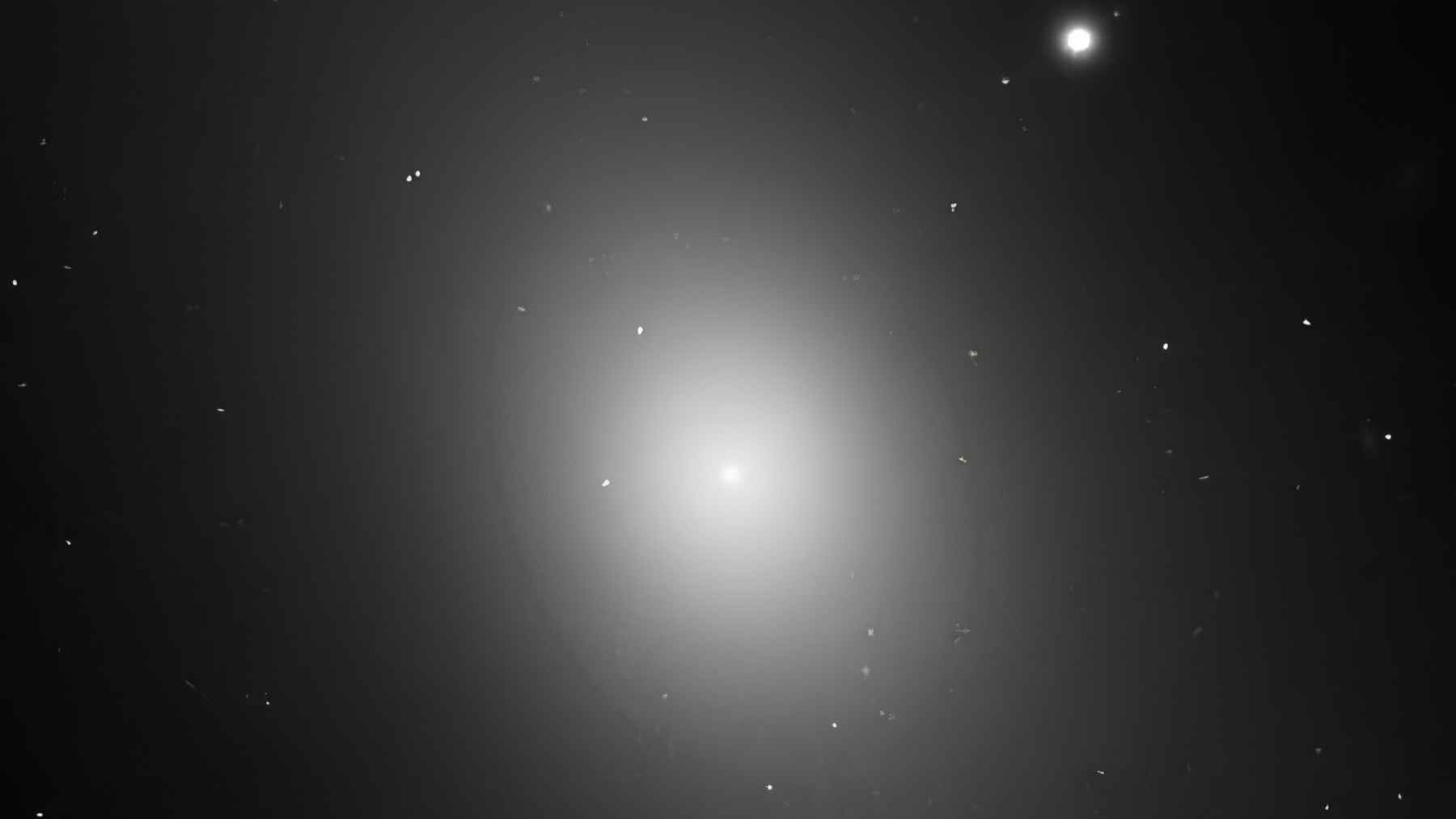
IC 1101, the enormous central galaxy in the Abell 2029 galaxy cluster.

Astronomers finally found the edge of the largest known galaxy after removing the glare from more than 250 foreground stars, revealing a 1.7-million-light-year giant containing roughly 3.4 trillion Suns worth of stars

—
August 28, 2026 at 9:35 AM
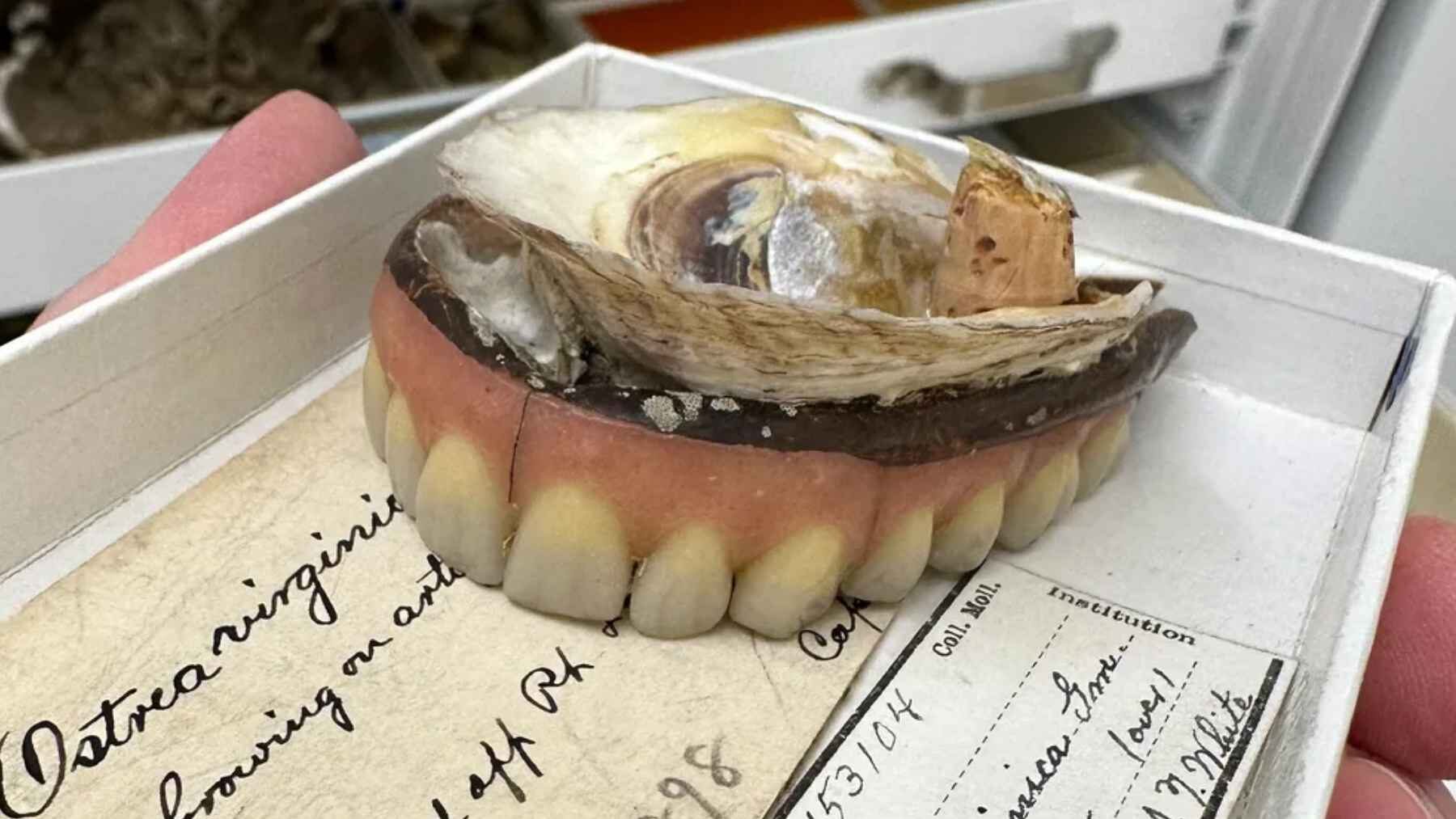
Eastern oyster attached to a set of false teeth recovered from Chesapeake Bay in 1898.

Scientists examined an ancient oyster with strange tooth-like structures and discovered that the tiny fossil was preserving a chapter from millions of years ago when mollusks spread across what would eventually become Chesapeake Bay

—
August 27, 2026 at 6:55 PM
Seungah Chung stands beside her research poster on spatial memory formation in red harvester ants.

An eighth-grade student gave 200 red harvester ants three hours to explore a maze filled with fake leaves, rocks and tangerine, then moved the landmarks around and watched the insects change where they went

—
August 27, 2026 at 5:37 PM
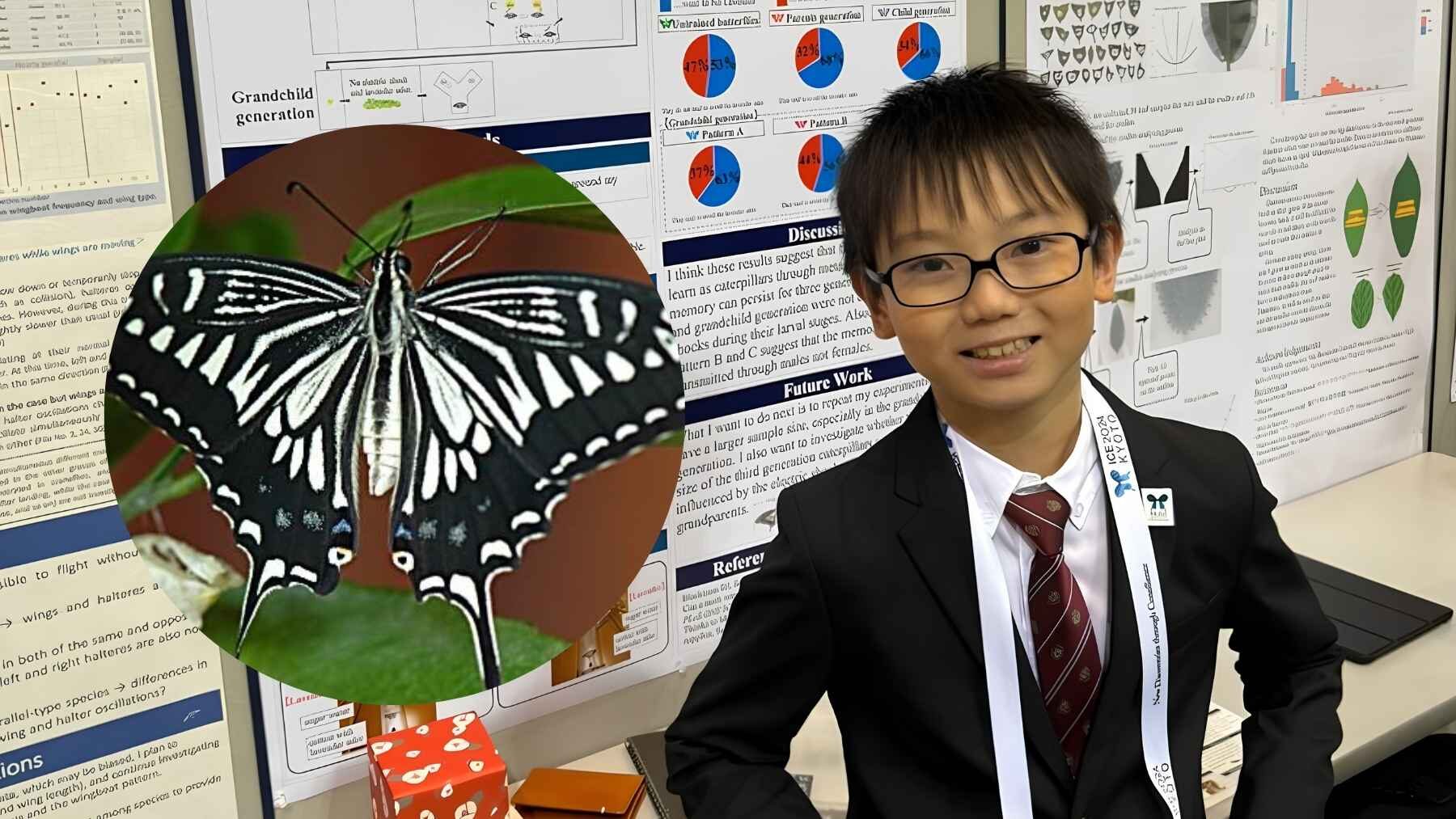
Jo Nagai presents his swallowtail butterfly memory research at an entomology conference.

A 10-year-old boy trained swallowtail butterfly caterpillars to avoid the scent of lavender and then watched as they turned into butterflies; and when 71 % of the adult butterflies continued to avoid that same scent, he began to wonder if, somehow, the memory had survived the metamorphosis

—
August 27, 2026 at 11:48 AM
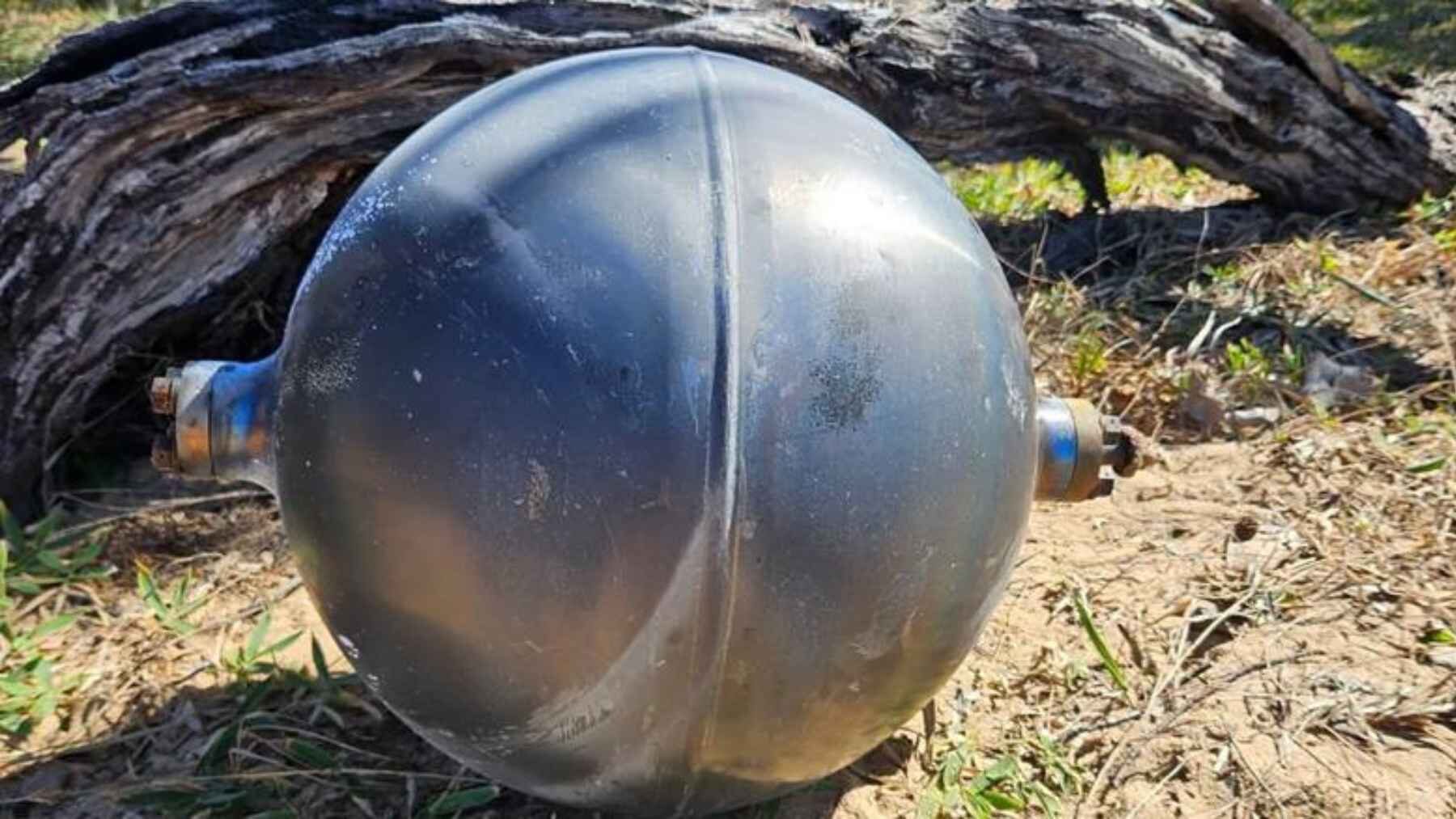
Metallic space debris found on the Queensland coast after a suspected rocket reentry.

In July 2026, six mysterious metallic “space balls” appeared on a quiet Australian beach, and after police, firefighters, and hazardous materials teams cordoned off the area, authorities concluded that they were likely pressurized rocket containers that had survived a fiery reentry into the atmosphere after leaving orbit

—
August 27, 2026 at 9:00 AM
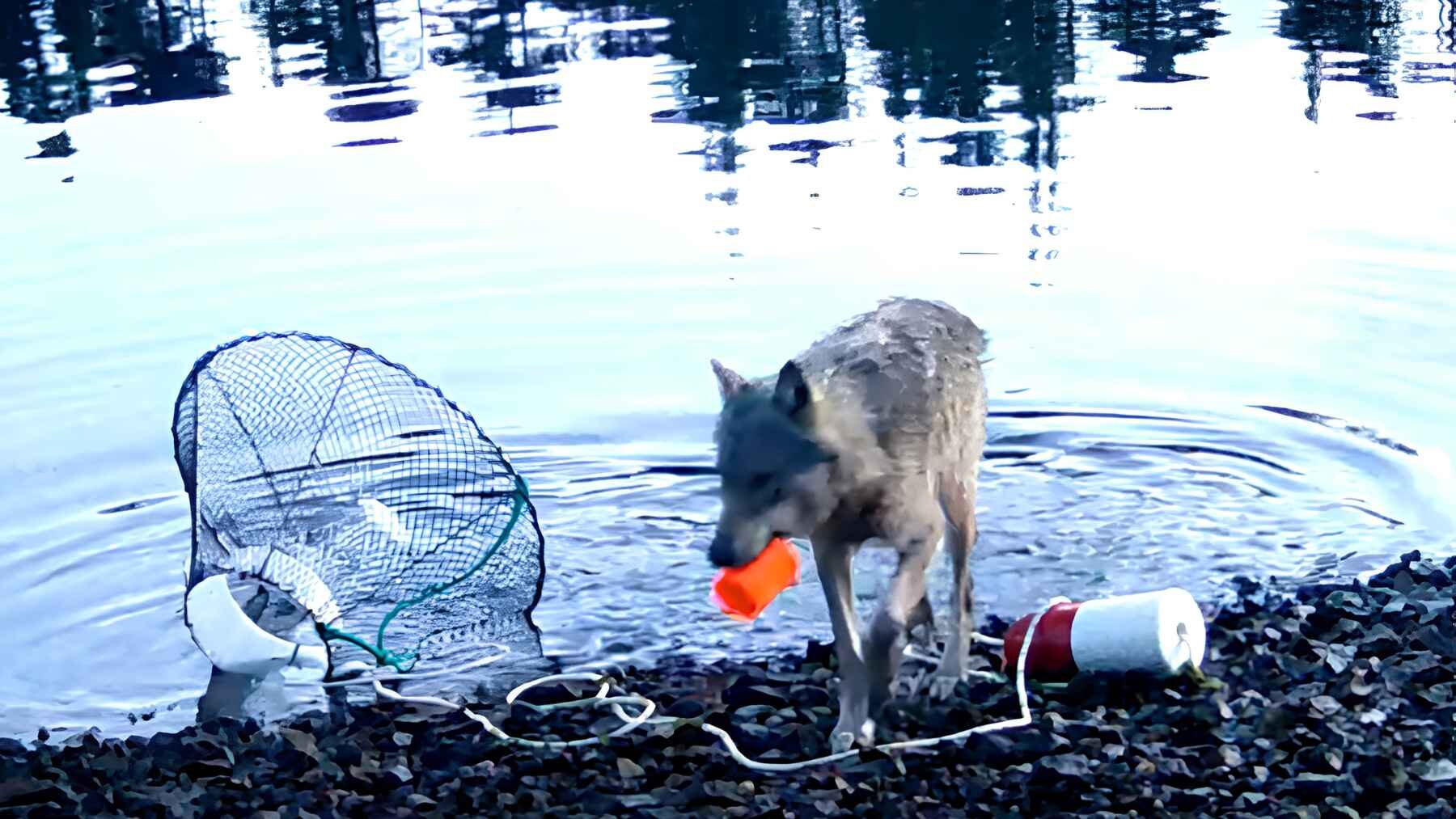
Wild coastal wolf retrieves bait from a crab trap on the British Columbia coast.

A trail camera in British Columbia recorded a wild wolf swimming out to a buoy, dragging a completely submerged crab trap onto the beach by its rope and then spending three minutes figuring out how to open the bait cup

—
August 25, 2026 at 4:30 PM
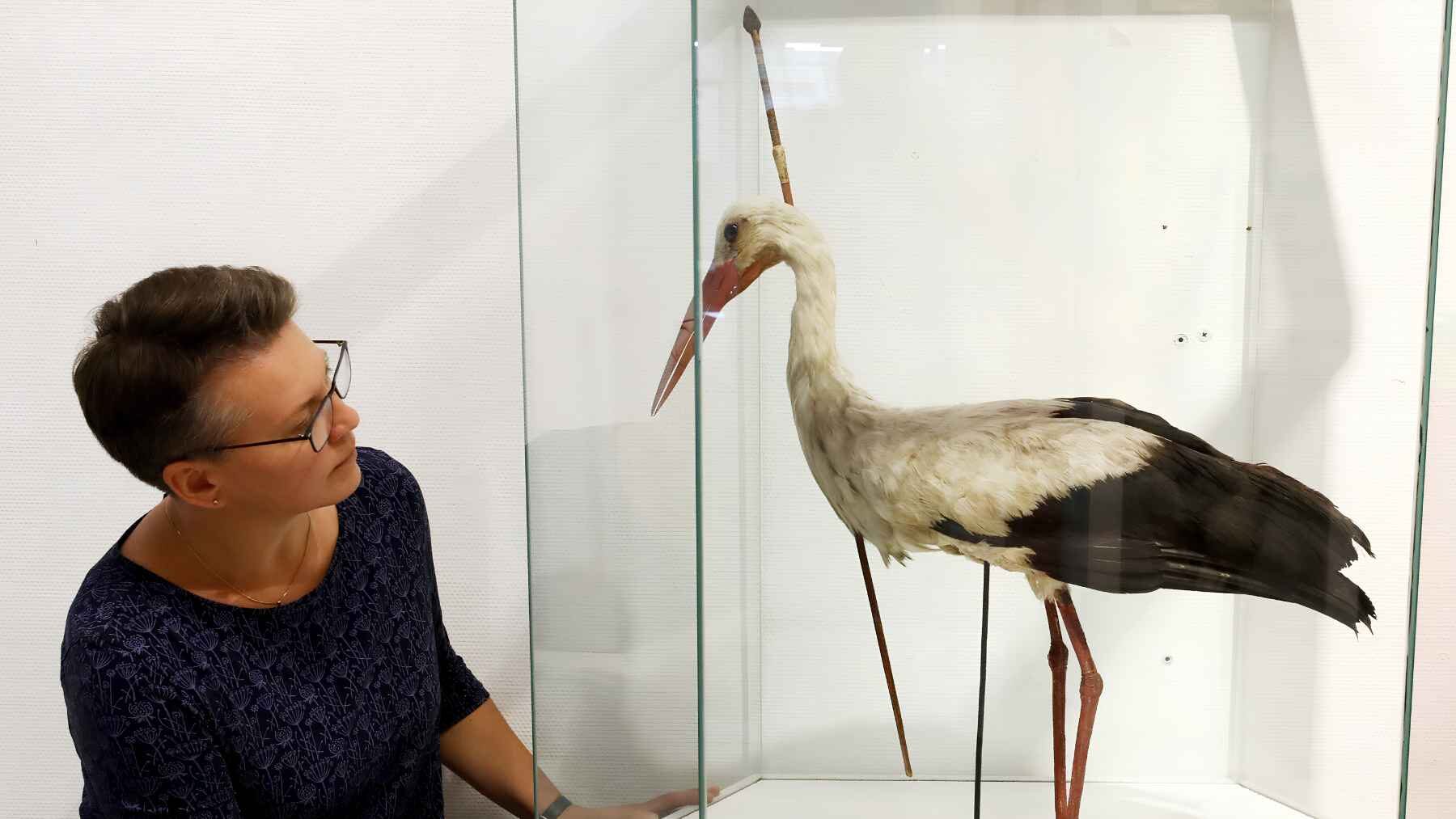
The preserved 1822 Pfeilstorch white stork with an African spear lodged through its neck in Germany.

In 1822, villagers found a white stork alive in Germany with an African spear lodged through its neck, and the wounded bird ended up providing some of the first physical proof that birds crossed continents during migration

—
August 25, 2026 at 12:45 PM
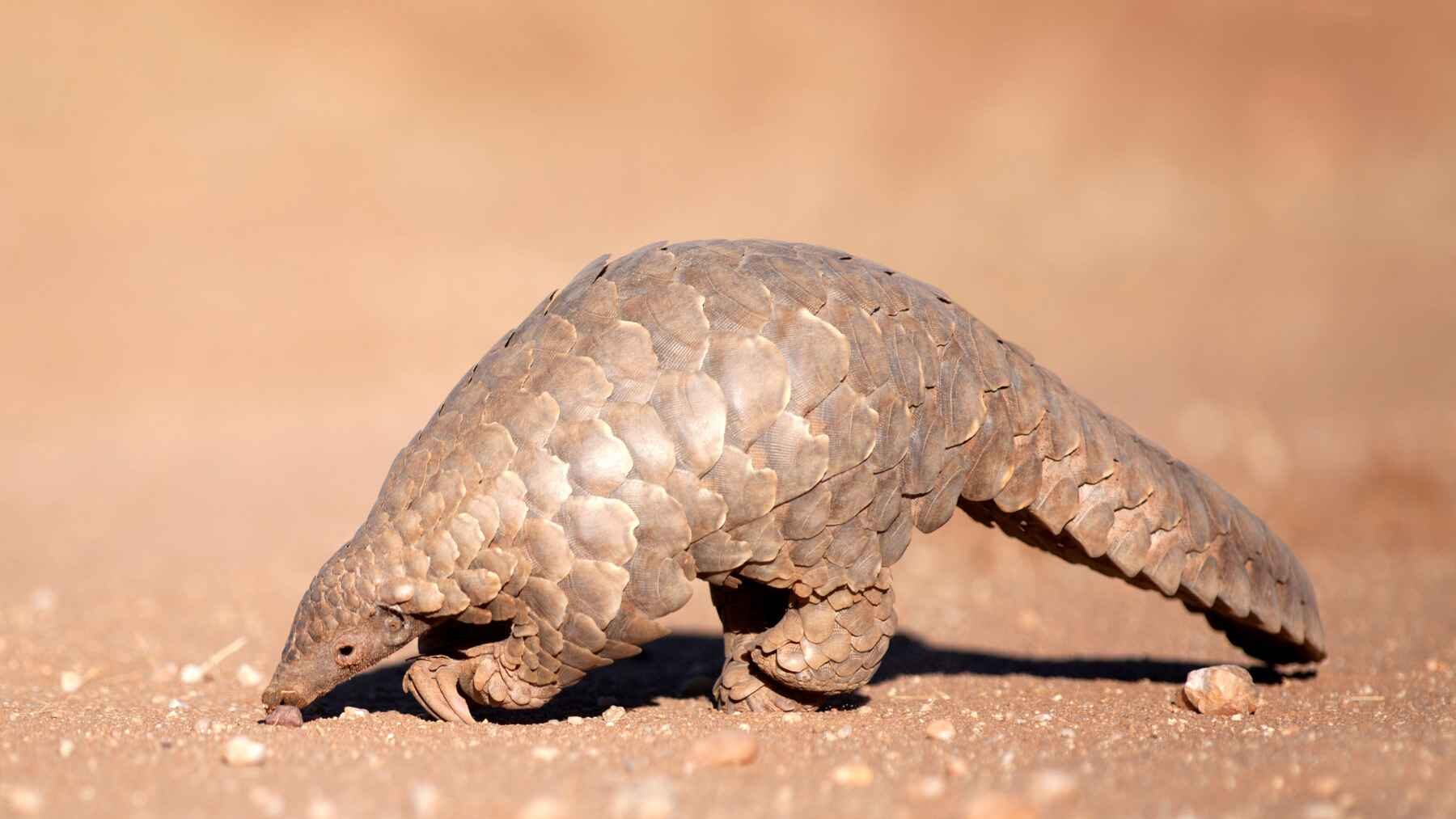
Himalayan pangolin, Manis aurita, walking across the ground.

A pangolin collected in 1836 sat inside a museum for nearly 190 years until scientists extracted its DNA and discovered the forgotten animal belonged to a species that had been hiding in plain sight

—
August 24, 2026 at 8:45 AM
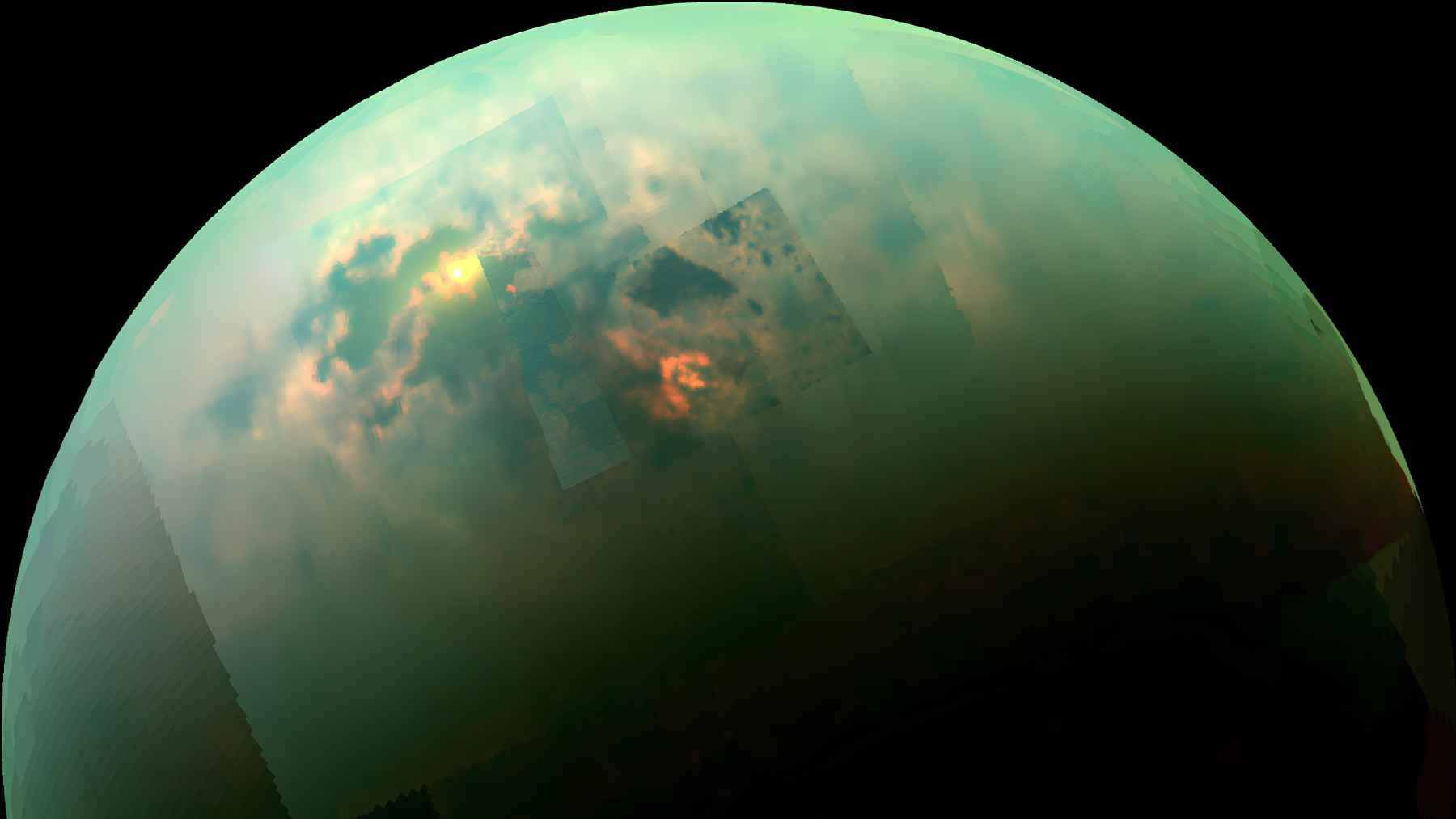
Saturn's moon Titan with sunlight reflecting near its methane seas through the hazy atmosphere.

Saturn’s moon Titan has clouds, rain, rivers, lakes and seas that look strangely familiar from space, but at temperatures near -297°F the liquid flowing across this frozen world is methane instead of water

—
August 24, 2026 at 6:26 AM
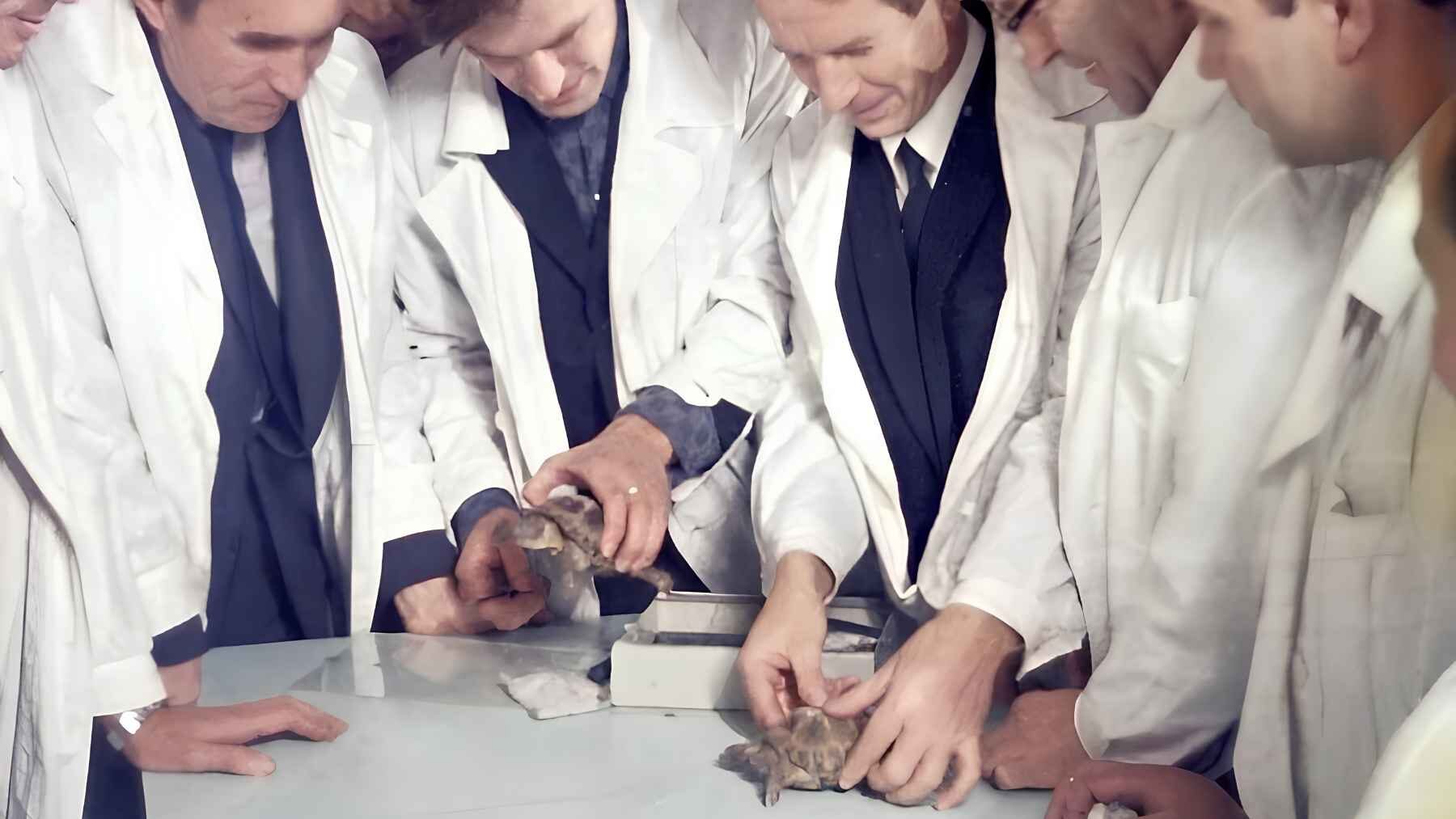
Soviet researchers examine the tortoises carried around the Moon aboard Zond 5 in 1968.

In 1968, two Soviet steppe tortoises flew around the Moon and returned alive to Earth before Apollo 8 carried humans there

—
August 23, 2026 at 5:00 PM
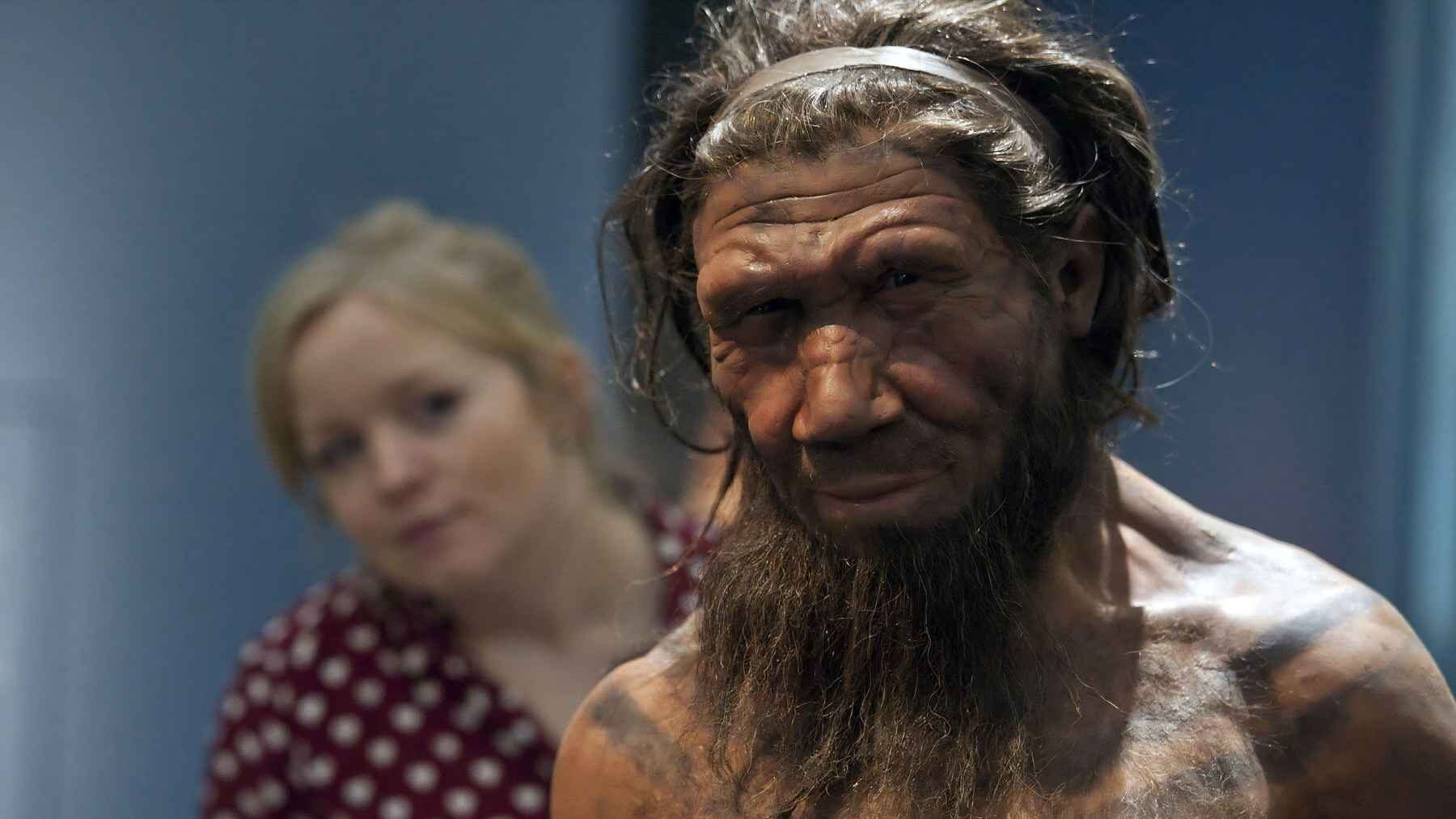
Neanderthal reconstruction representing one of the archaic human groups known to have contributed DNA to modern humans.

Scientists analyzed hundreds of human genomes and found DNA from two unknown ancient groups: a ghost lineage that split off 800,000 years ago, and another dating back 1.8 million years

—
August 23, 2026 at 10:15 AM
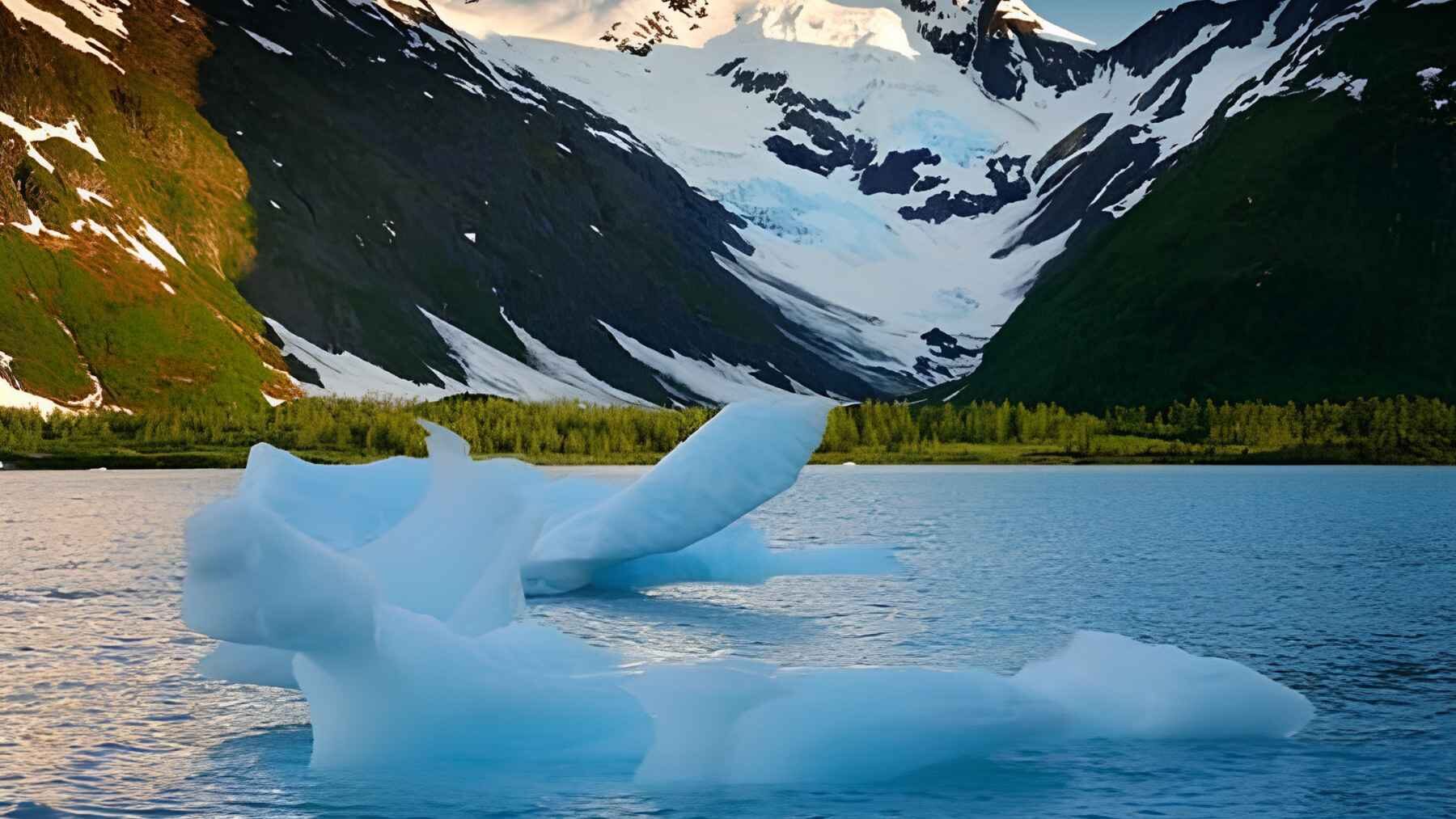
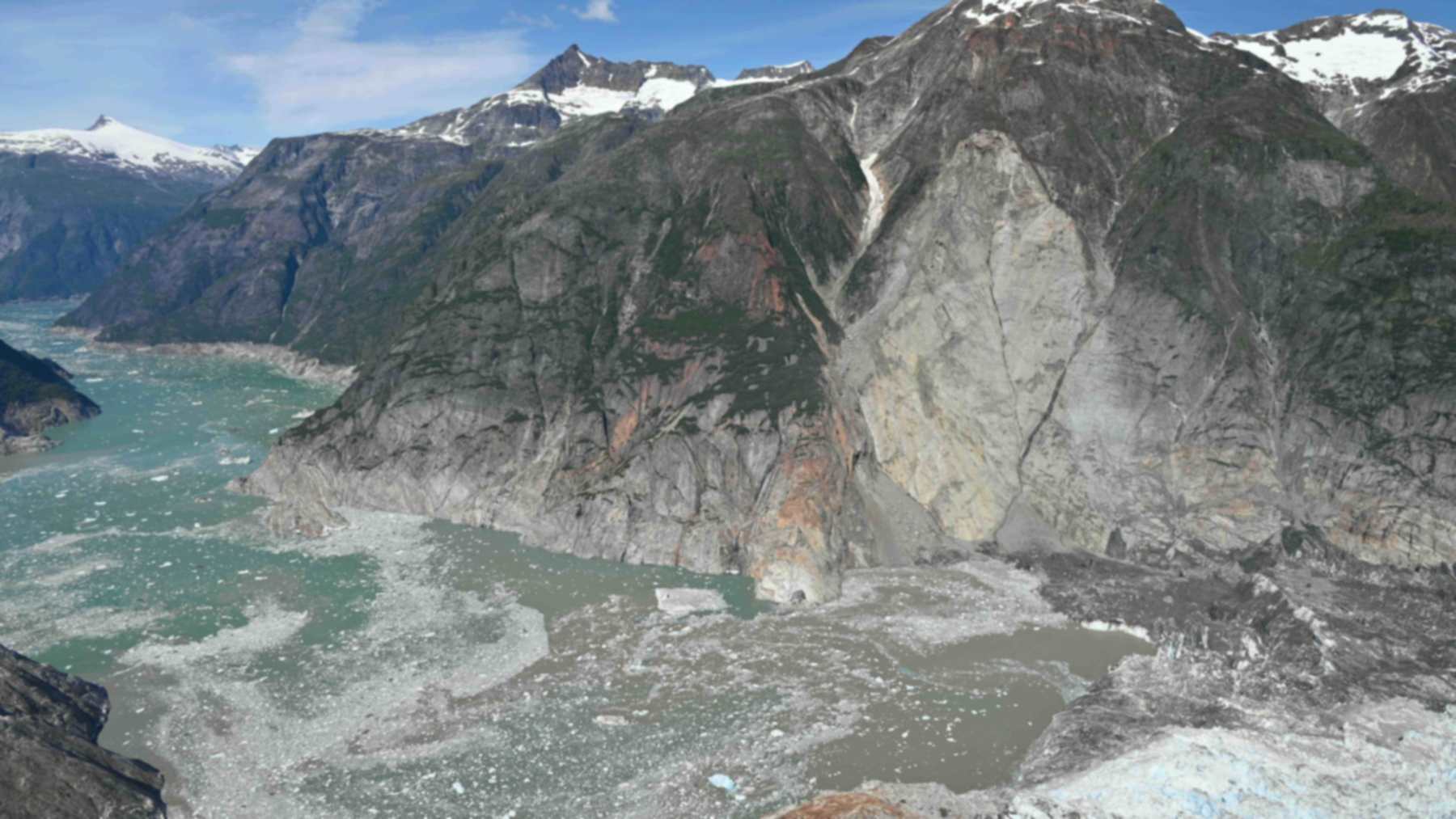
cebergs floating in an Alaskan glacial lake surrounded by snow-covered mountains.

An Alaskan glacier block weighing 2,500 pounds arrived in Iowa in 1977 by helicopter and refrigerated truck, testing whether icebergs could become drinking water for nations desperate for it

—
August 23, 2026 at 8:45 AM
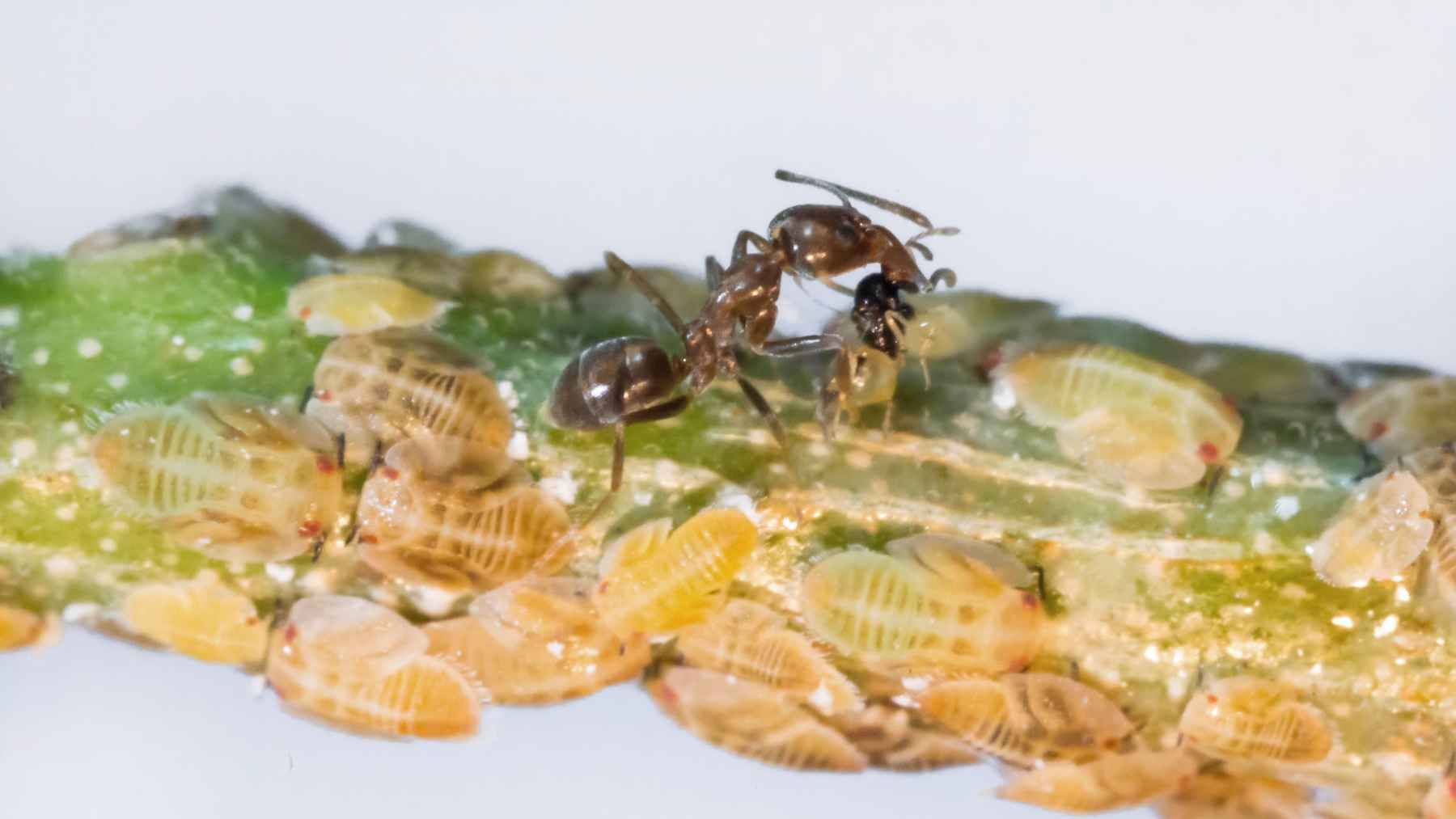
Argentine ants tending honeydew-producing pests on a plant.

Argentine ants defend citrus pests from predators in California’s groves and vineyards, raising honeydew pressure and weakening biological control, after spreading from South America in 1891

—
August 22, 2026 at 5:00 PM
Previous Next

ECOnews alerts

Get the most relevant environment stories as soon as we publish them

ECOnews is the English-language edition of ECOticias.com, focused on environmental and sustainability news for a global audience: mobility, energy, economy, technology, science, environment and trending stories.

© 2026 ECOnews · ECOticias.com, the green newspaper since 2004 ↑ Top