




ECONEWS

A team of journalists specializing in socio-environmental news, sustainability, climate change, the environment, responsible consumption, and innovation. At EcoNews, we provide clear, reliable, and relevant coverage of the environmental and social challenges shaping our era.
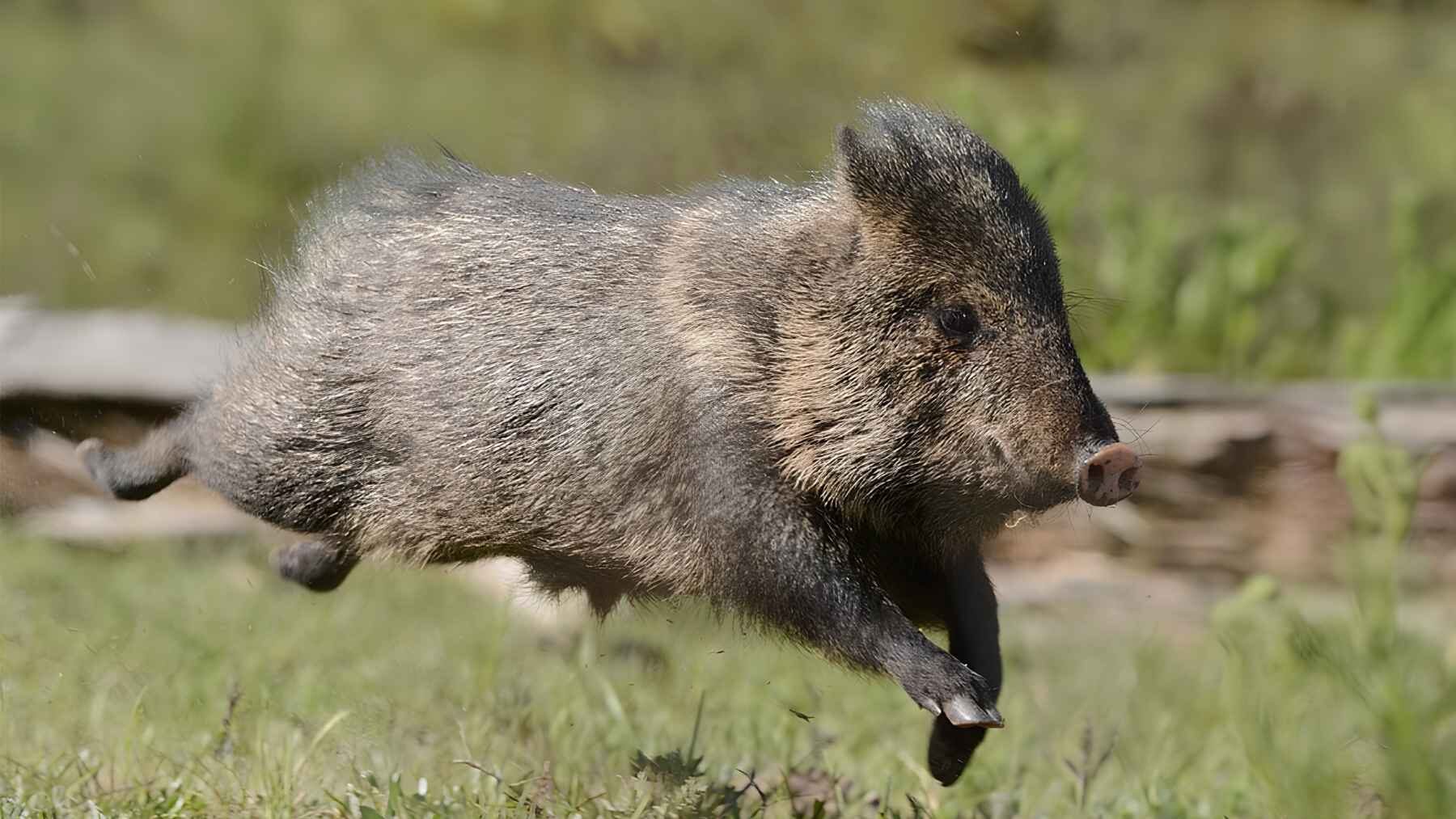
A collared peccary (Pecari tajacu) running through grassland after returning to the wild in Uruguay.

A species extinct for more than 100 years has returned to the fields and moved conservationists, one of those rare stories where nature seems to get a second chance

—
July 26, 2026 at 5:00 PM
Chilean student María Javiera Valenzuela holding her NASA Space Apps Challenge award.

A 17-year-old Chilean student is innovating with nuclear energy for Antarctica, a bold proposal mixing youth, extreme science, and one of the harshest places on Earth

—
July 26, 2026 at 3:00 PM
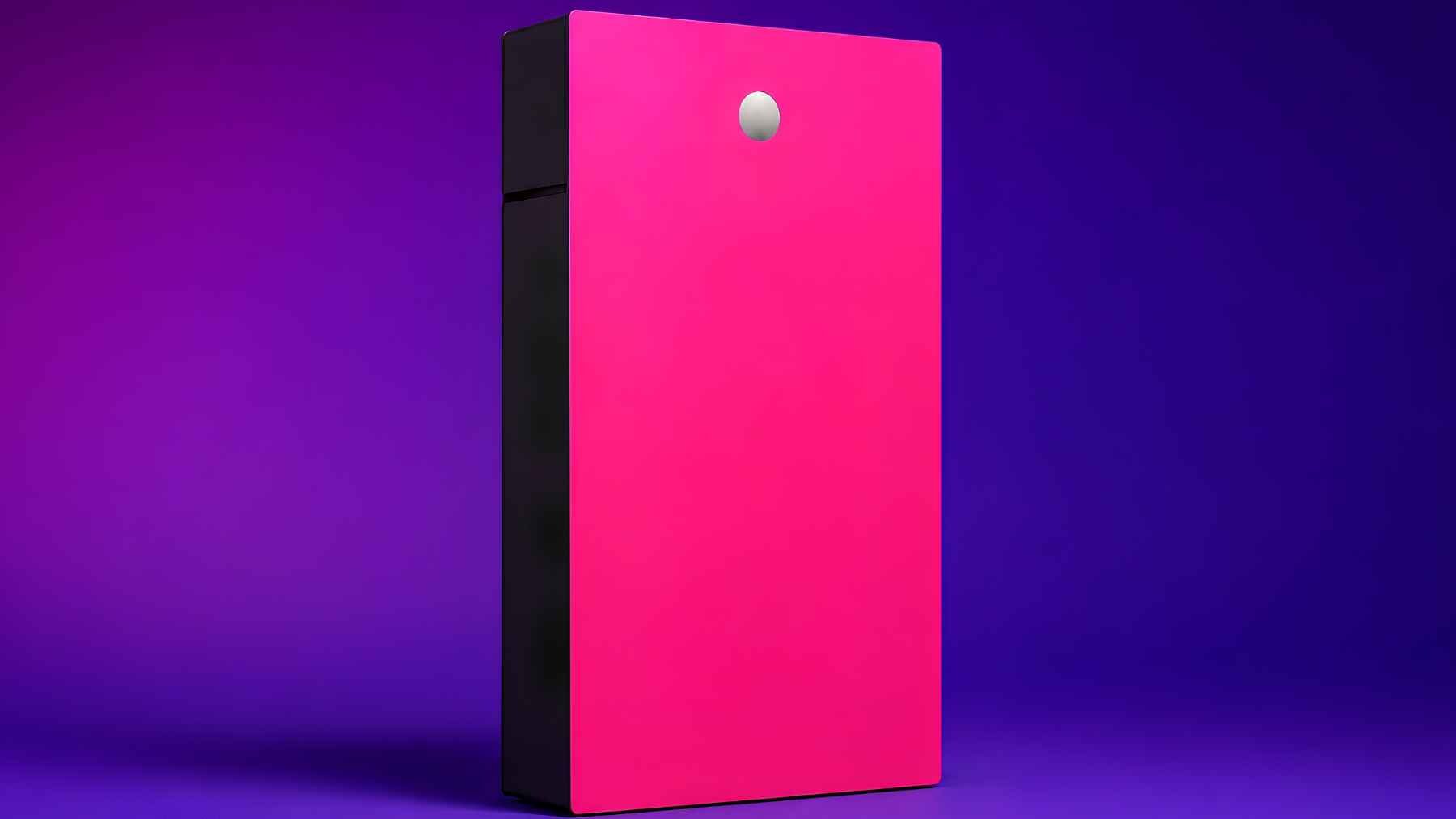
Octopus Energy's Nook Cube plug-in home battery designed to store electricity through a standard wall outlet.

Octopus Energy launched a plug-in home battery, an idea that wants to make storing electricity at home almost as simple as plugging in another appliance

—
July 26, 2026 at 10:15 AM
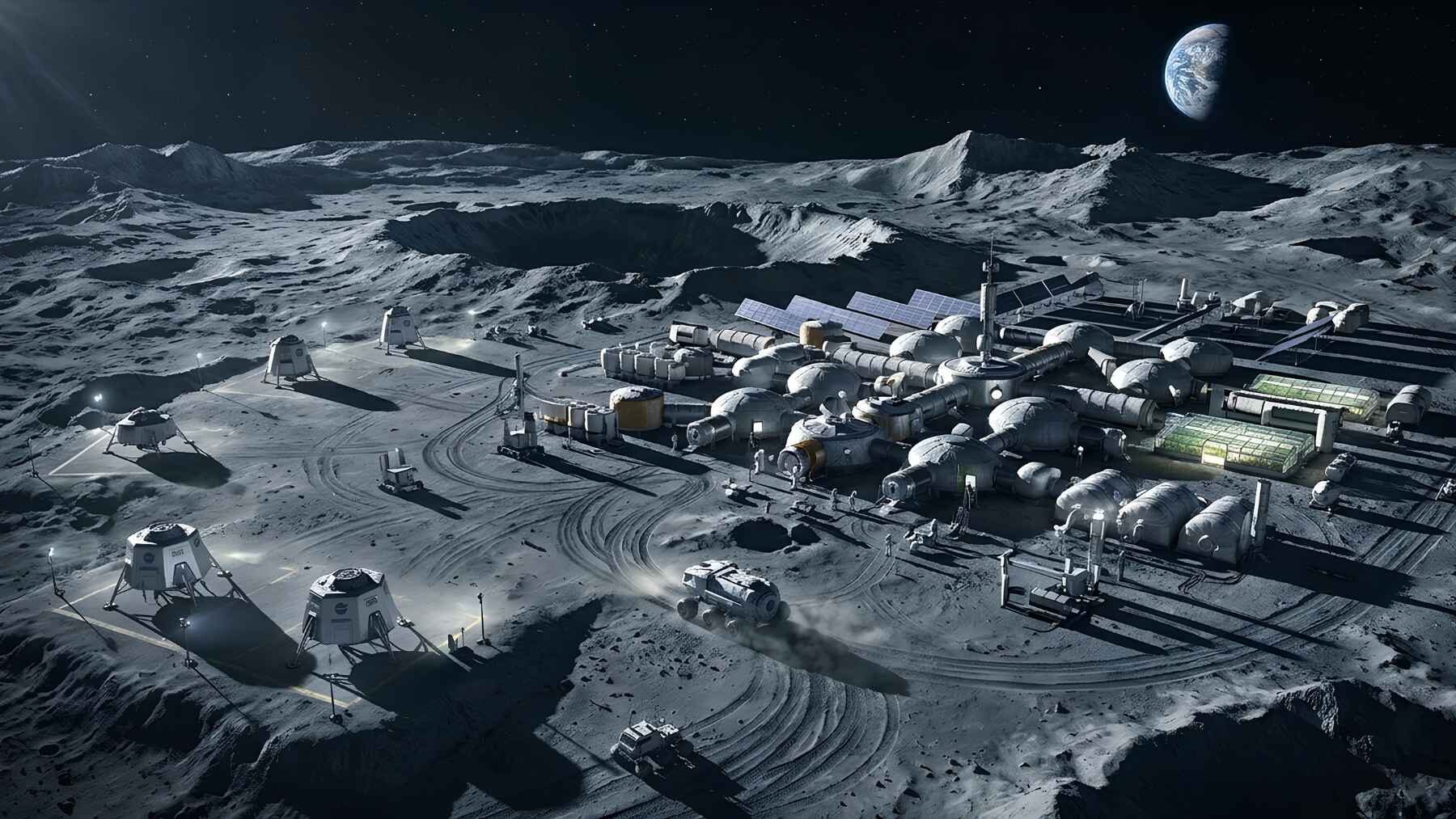
Concept illustration of NASA's future Moon Base supported by commercial lunar landers and scientific infrastructure.

NASA awards $590 million to Astrobotic, Firefly and Intuitive Machines for four Moon deliveries in 2028

—
July 26, 2026 at 8:45 AM
Museum reconstruction of a Neanderthal family with an infant, illustrating research on the rapid early growth of Neanderthal babies.

Neanderthal babies were absolute units, according to a new study that changes how we imagine our most famous human relatives from the very start of life

—
July 26, 2026 at 6:30 AM
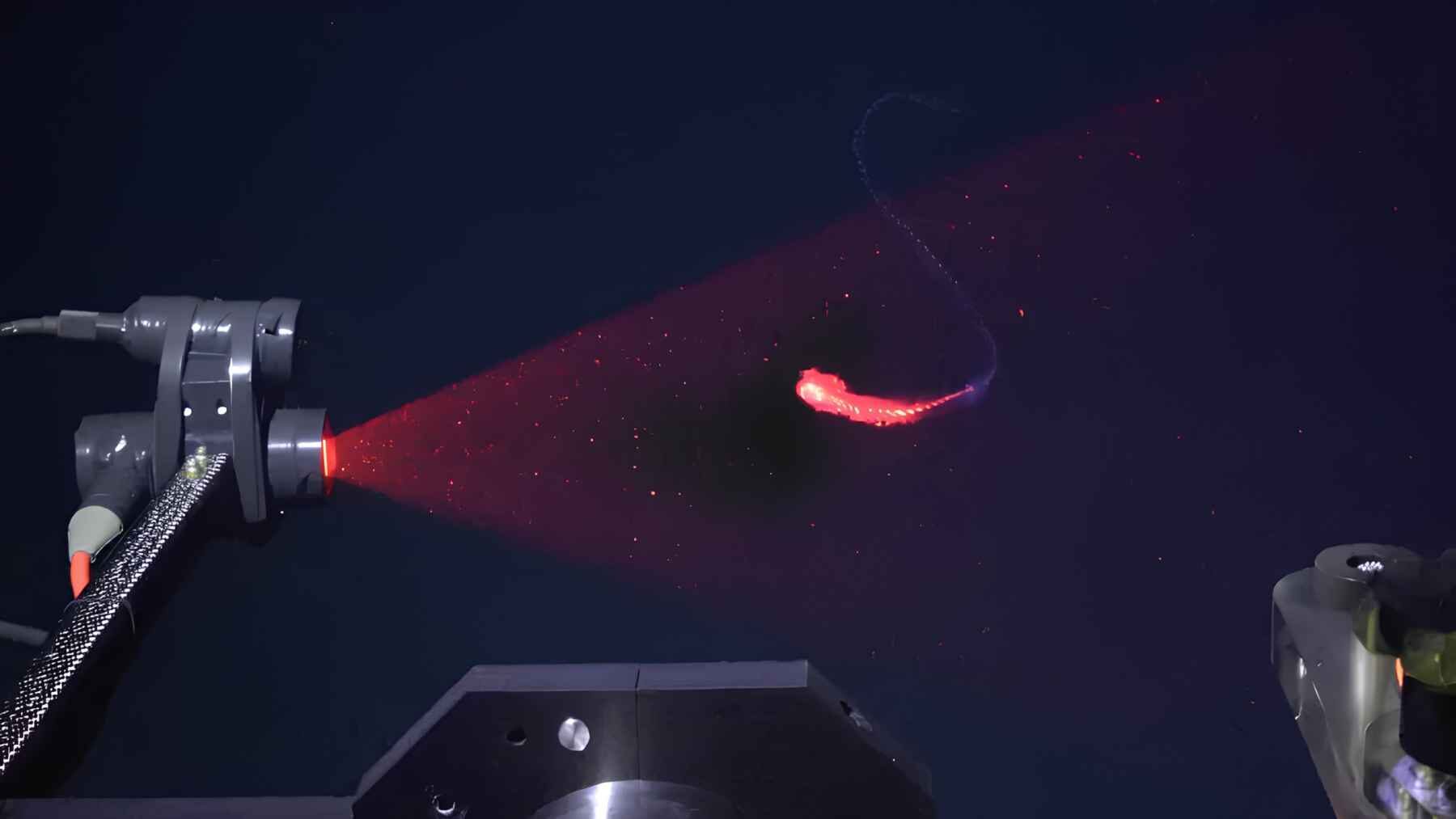
A deep-sea organism is scanned with a laser imaging system aboard Schmidt Ocean Institute's ROV during the discovery of new species in the South Atlantic.

In one of the least explored parts of Earth, scientists found life forms that look like they came from another planet, a sharp reminder of how little we know about the deep ocean

—
July 25, 2026 at 6:30 PM
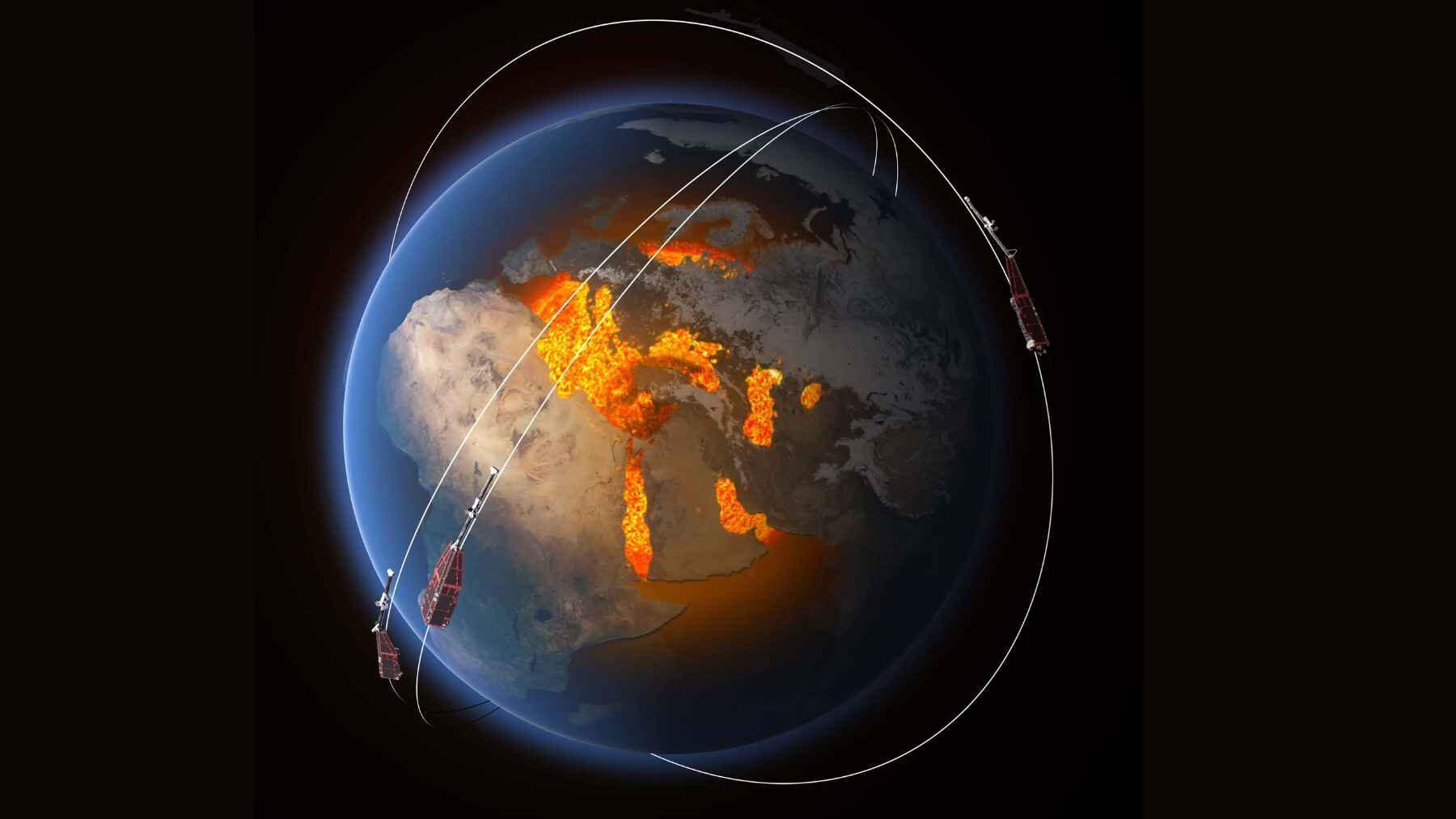
ESA Swarm satellites measure Earth's magnetic field, helping scientists detect changes in liquid iron flow inside the planet's outer core.

New data on liquid iron in Earth’s core suggests stranger internal movements than expected, as if the planet were hiding deep machinery we are only beginning to understand

—
July 25, 2026 at 5:00 PM
Engineers install a sand-filled structural damper inside a building to reduce vibrations and earthquake forces.

Engineers developed sand dampers that could replace oil and protect buildings and bridges more cheaply and sustainably when vibrations or earthquakes hit

—
July 25, 2026 at 12:30 PM
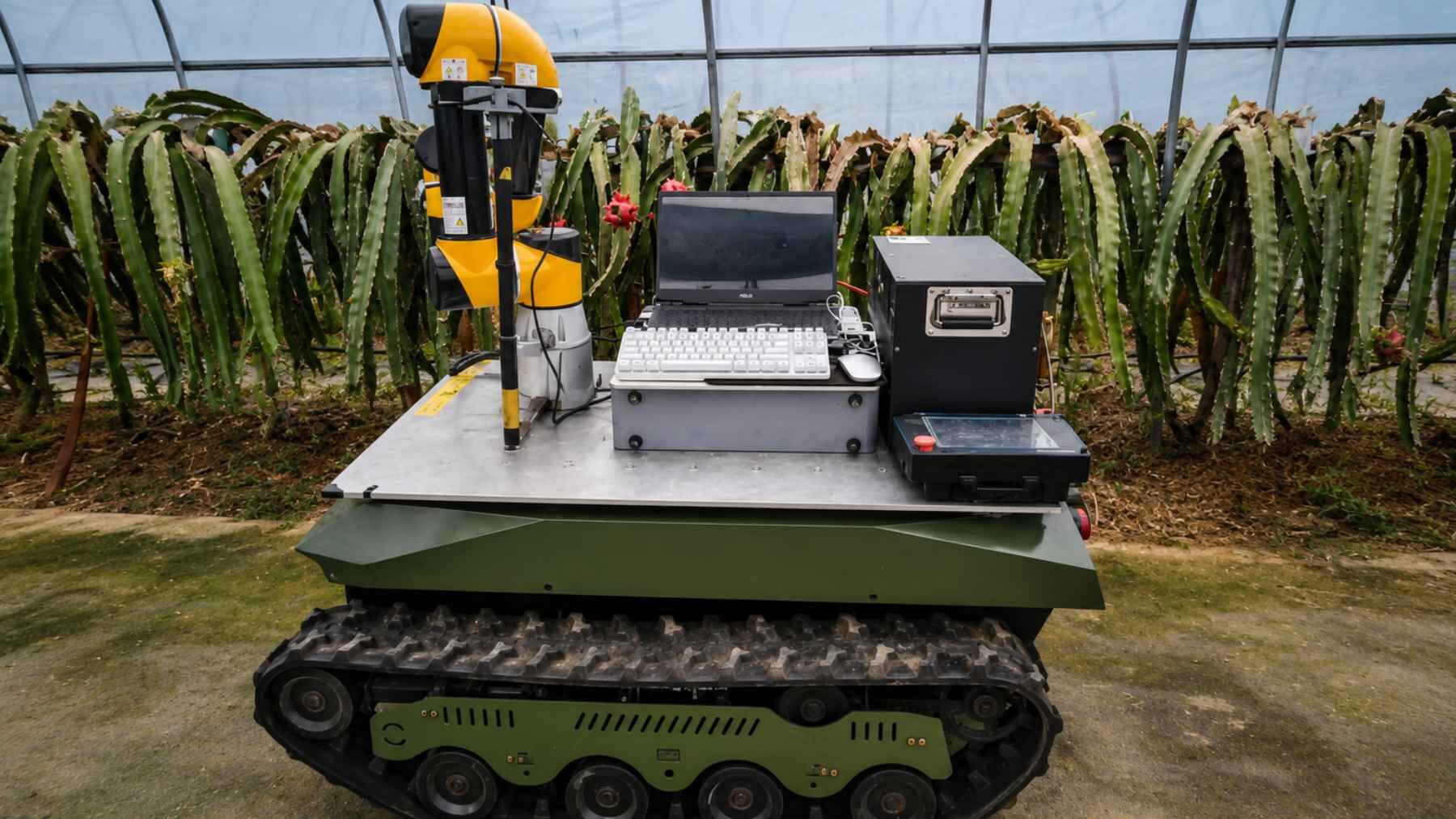
The Dragonbot research team from the Universitat Politècnica de València poses with the autonomous dragon fruit harvesting robot.

Young creators built DragonBot, a low-cost robot programmed to pick only one type of seasonal fruit, a very farm-smart idea that could save labor without relying on expensive machines

—
July 25, 2026 at 10:18 AM
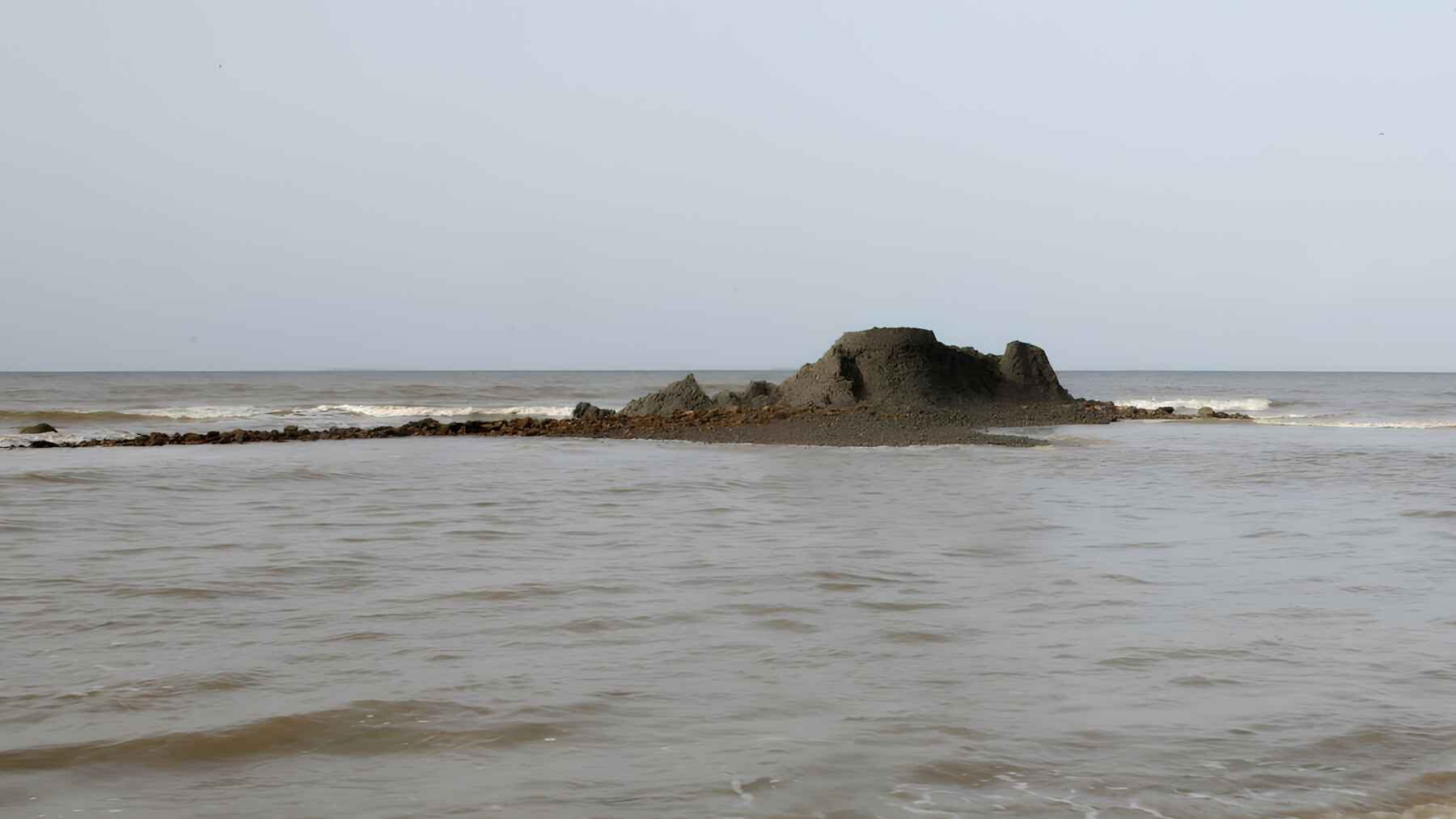
A temporary mud island emerged off the coast of Palo Seco, Trinidad, after powerful earthquakes struck nearby Venezuela.

Scientists discovered a mud volcano off Trinidad formed by earthquakes in Venezuela, a structure born from shaking that shows how the seafloor also keeps fresh scars

—
July 25, 2026 at 8:45 AM
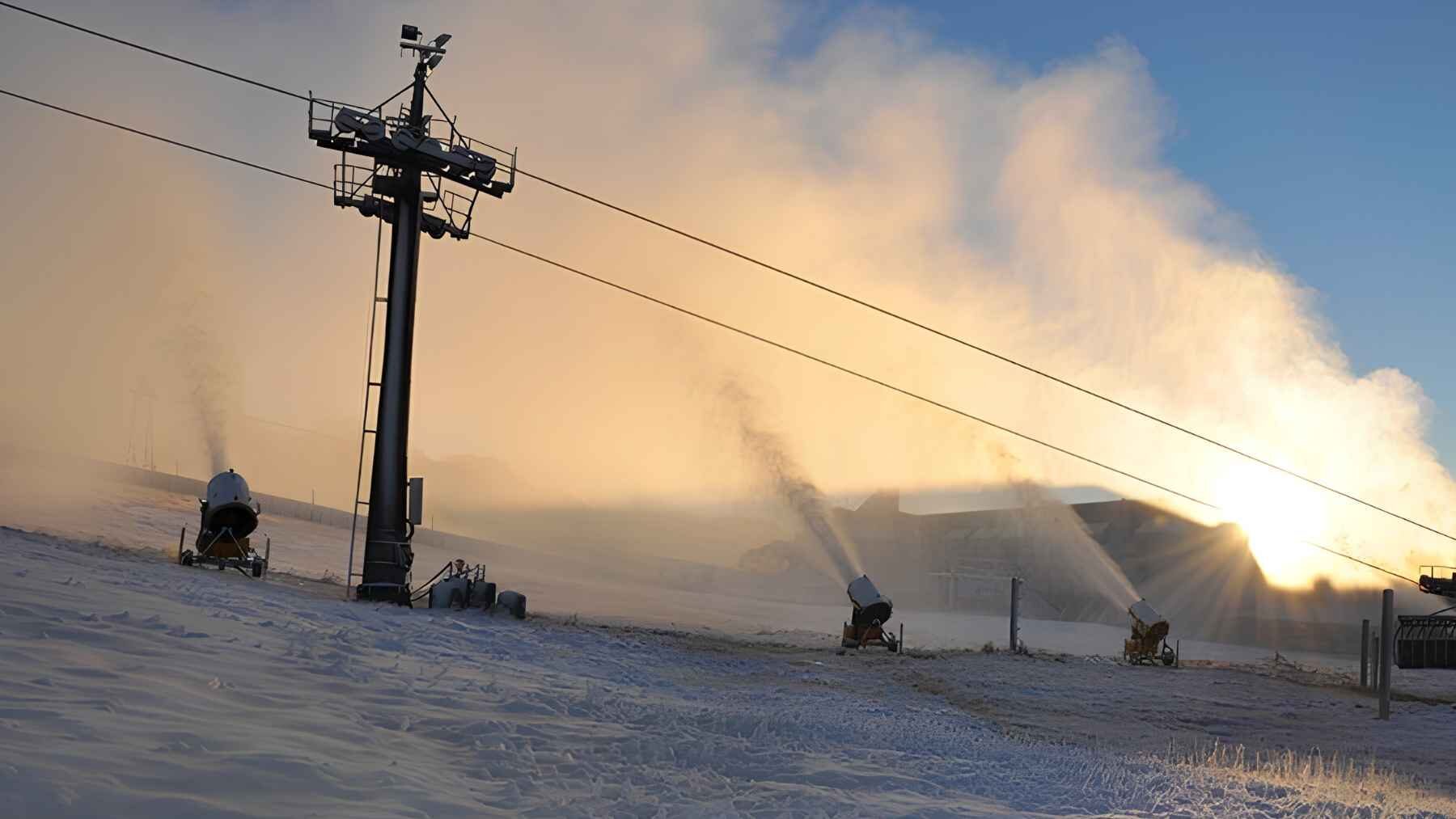
Aerial view of Perisher ski resort with snow-covered slopes in Australia's Kosciuszko National Park.

Artificial ski runs laid like white strips over brown slopes may be saving seasons for now, but they are also feeding the same climate problem that is melting the snow

—
July 24, 2026 at 6:30 PM
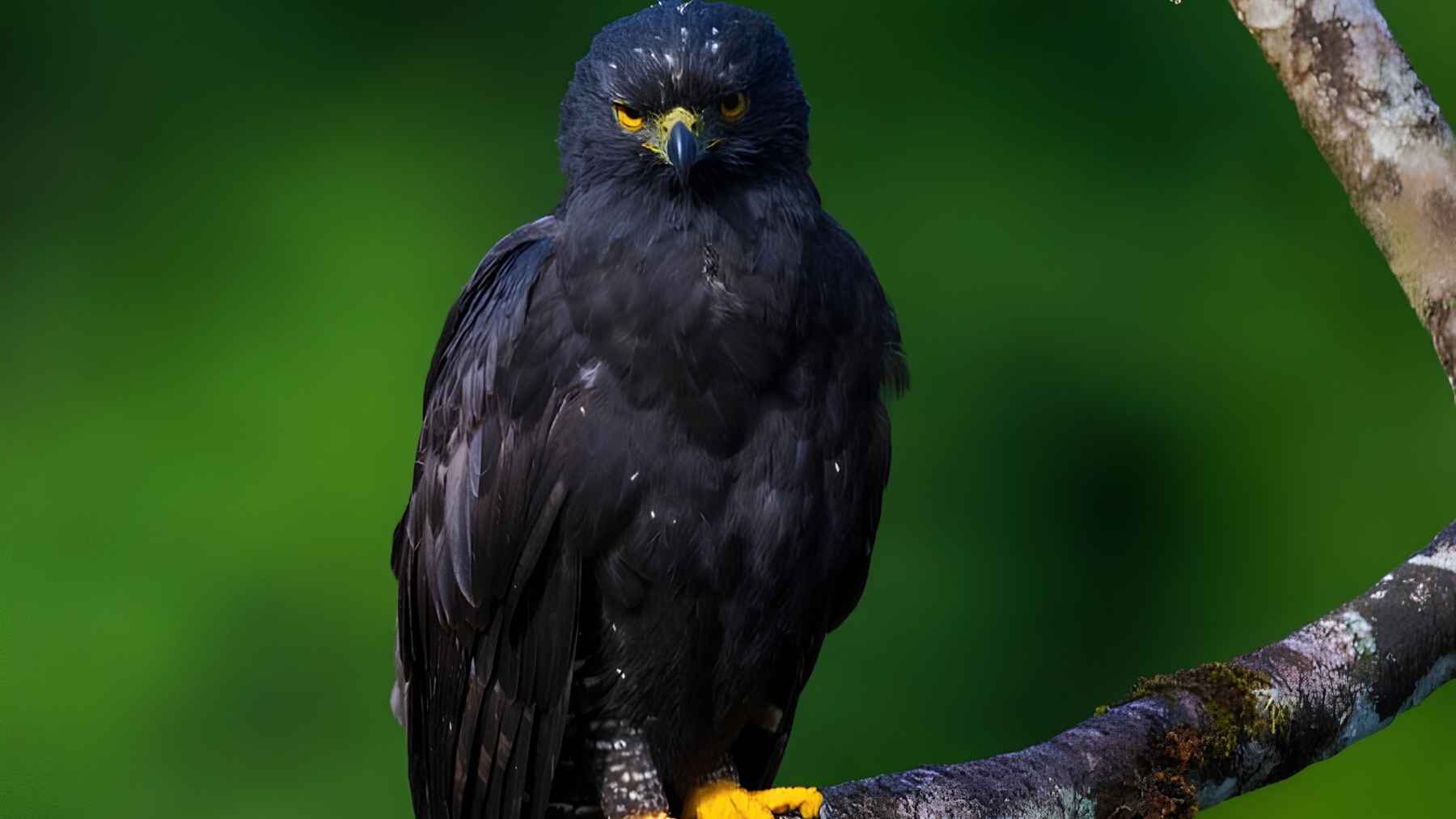
A black hawk-eagle (Spizaetus tyrannus) perched on a tree branch in tropical forest.

A black hawk-eagle was recorded for the first time in the Sierra Gorda Biosphere Reserve, turning Mexico into the scene of a high-flying naturalist surprise

—
July 24, 2026 at 5:00 PM
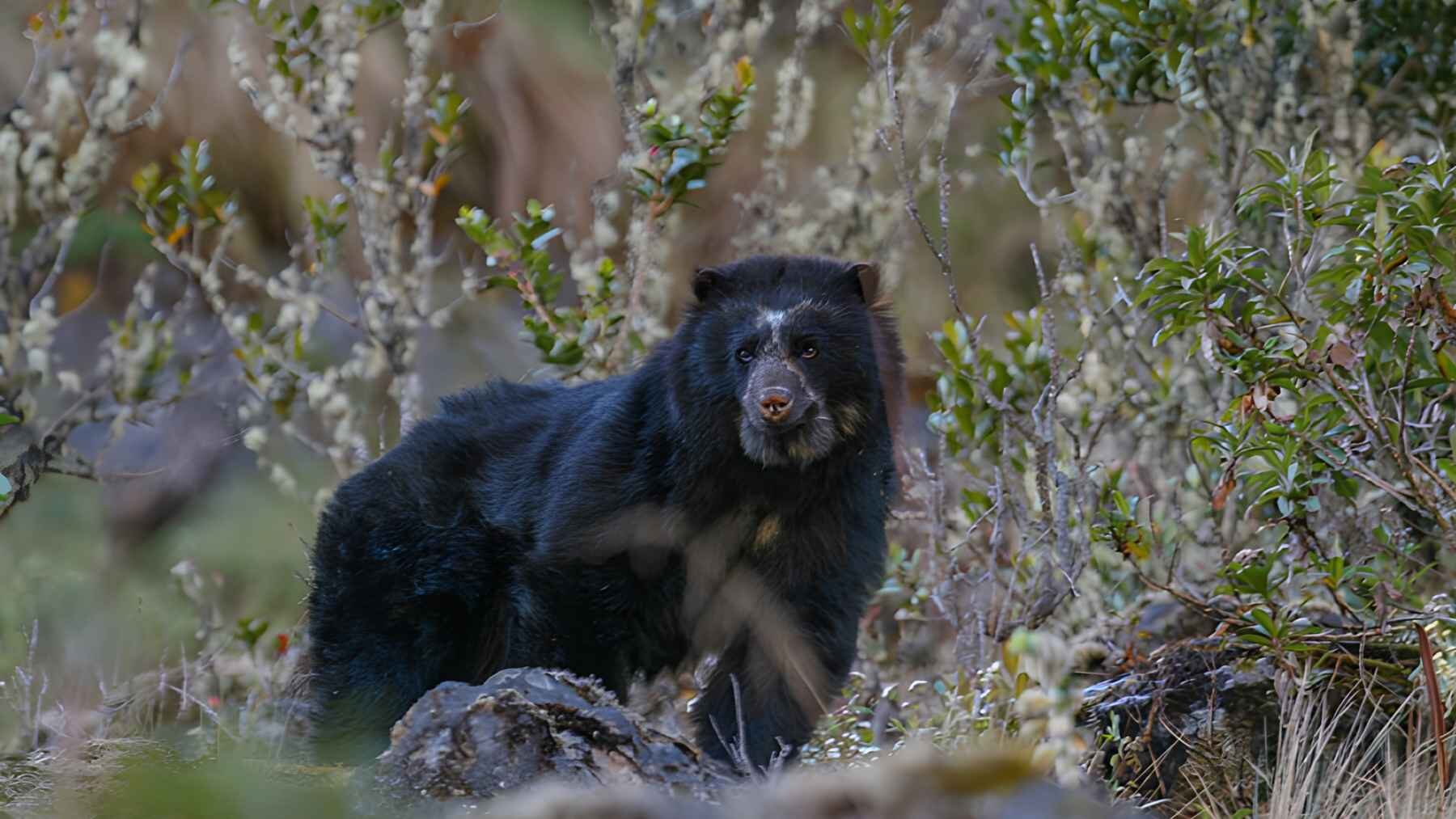
A jukumari, or Andean bear, stands in native forest near the headwaters of Bolivia's Parapetí River.

The jukumari has reappeared near the headwaters of the Parapetí River, a hopeful sign for conservationists in Bolivia’s Chaco because spotting such an elusive bear is not an everyday thing

—
July 24, 2026 at 3:00 PM
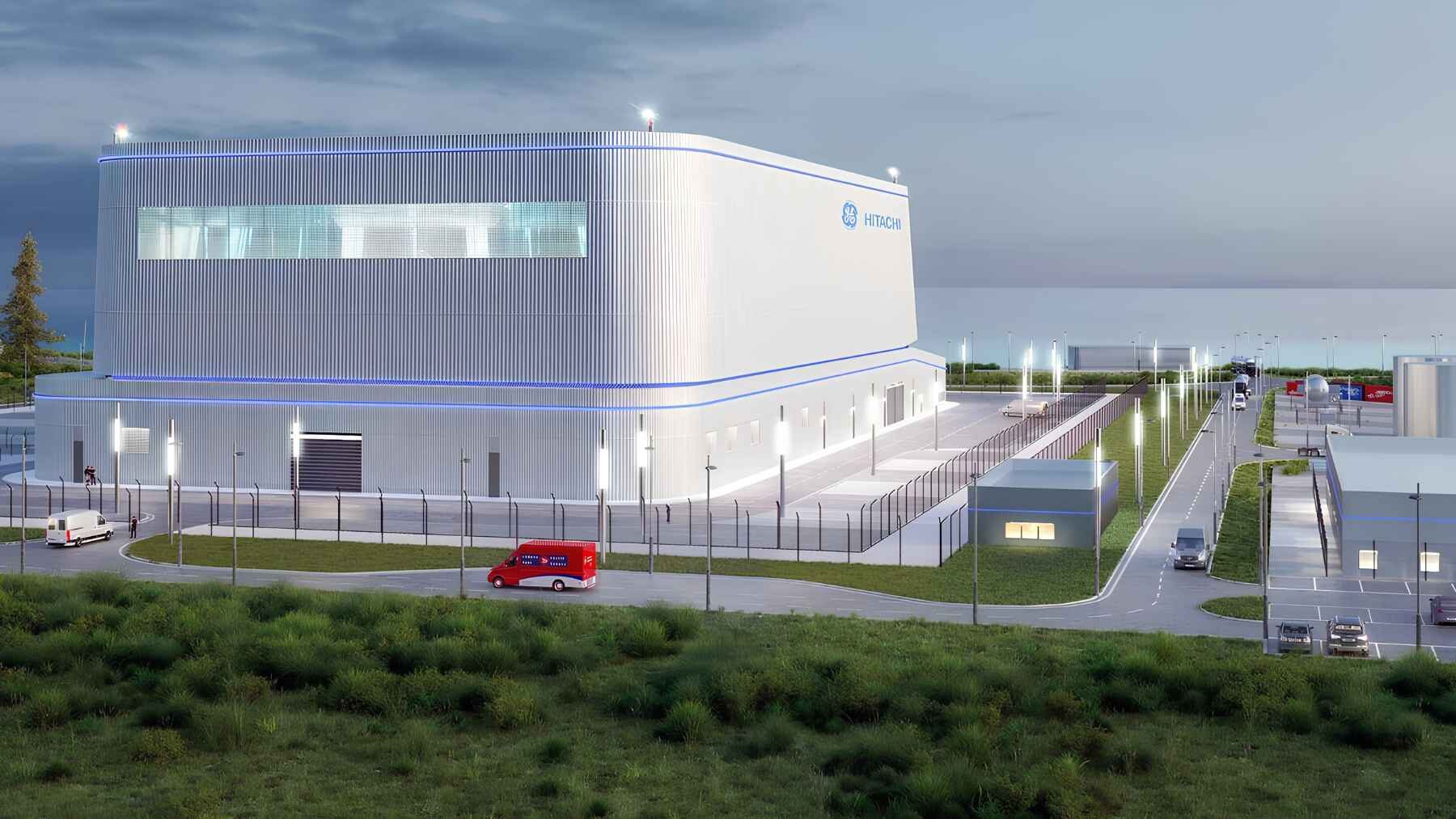
Official rendering of the GE Hitachi BWRX-300 small modular reactor proposed for Britain's nuclear expansion.

A Polish energy giant wants to build 14 small nuclear reactors in Britain, and the 2034 deadline may be the hardest part to believe

—
July 24, 2026 at 12:30 PM
Emily Morris and Thorsten Stoesser at Emrgy's canal hydropower installation designed to generate electricity without new dams.

A German engineer and an American developer created a hydropower plant without big dams, a quieter idea that aims to draw power from rivers without breaking them apart so much

—
July 24, 2026 at 10:15 AM
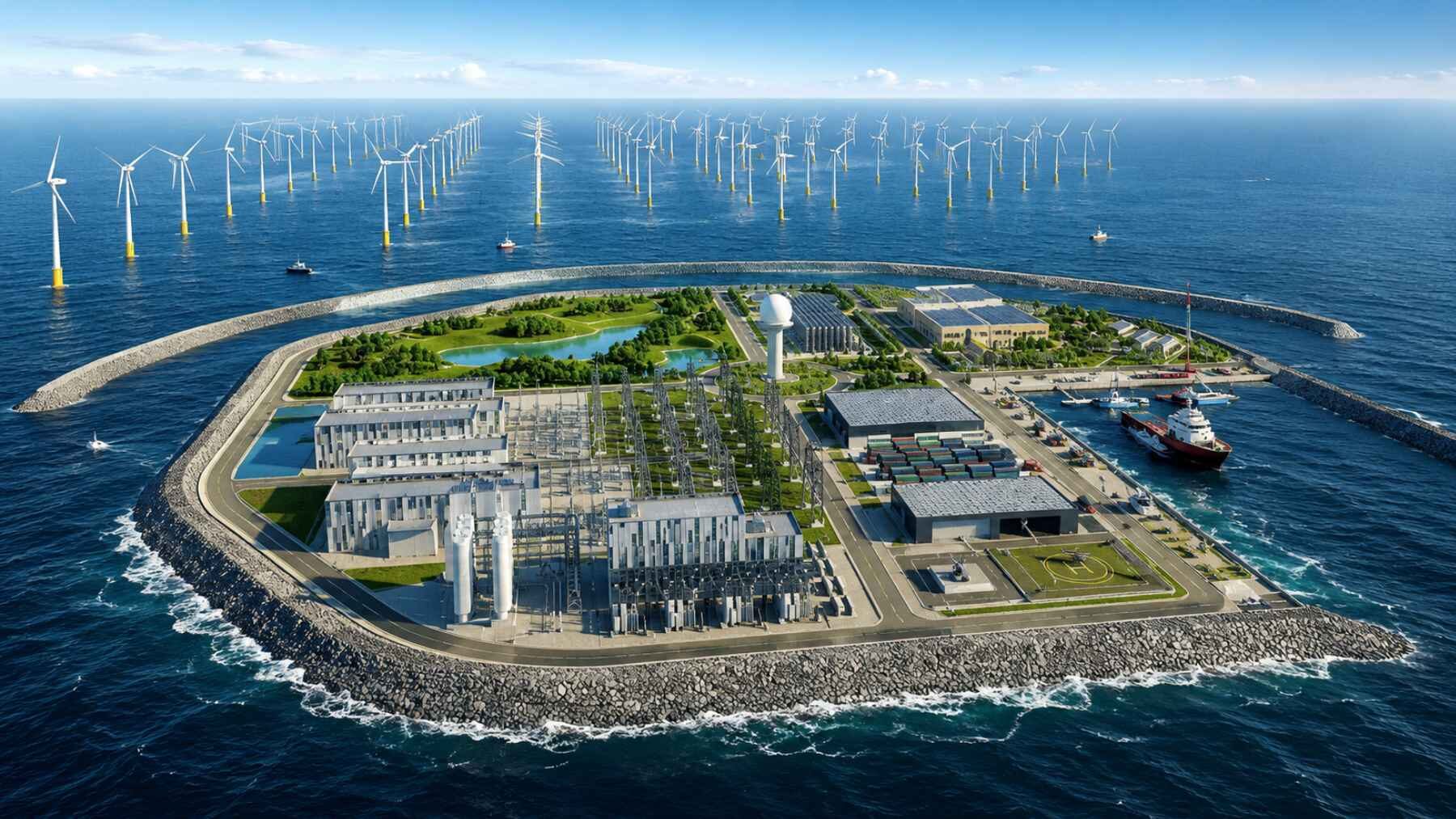
High-resolution rendering of Denmark’s proposed North Sea Energy Island, surrounded by offshore wind turbines and a breakwater.

Denmark is studying an artificial energy island in the North Sea that could power up to 10 million homes by 2040, basically a giant offshore outlet in the middle of the sea

—
July 24, 2026 at 6:30 AM
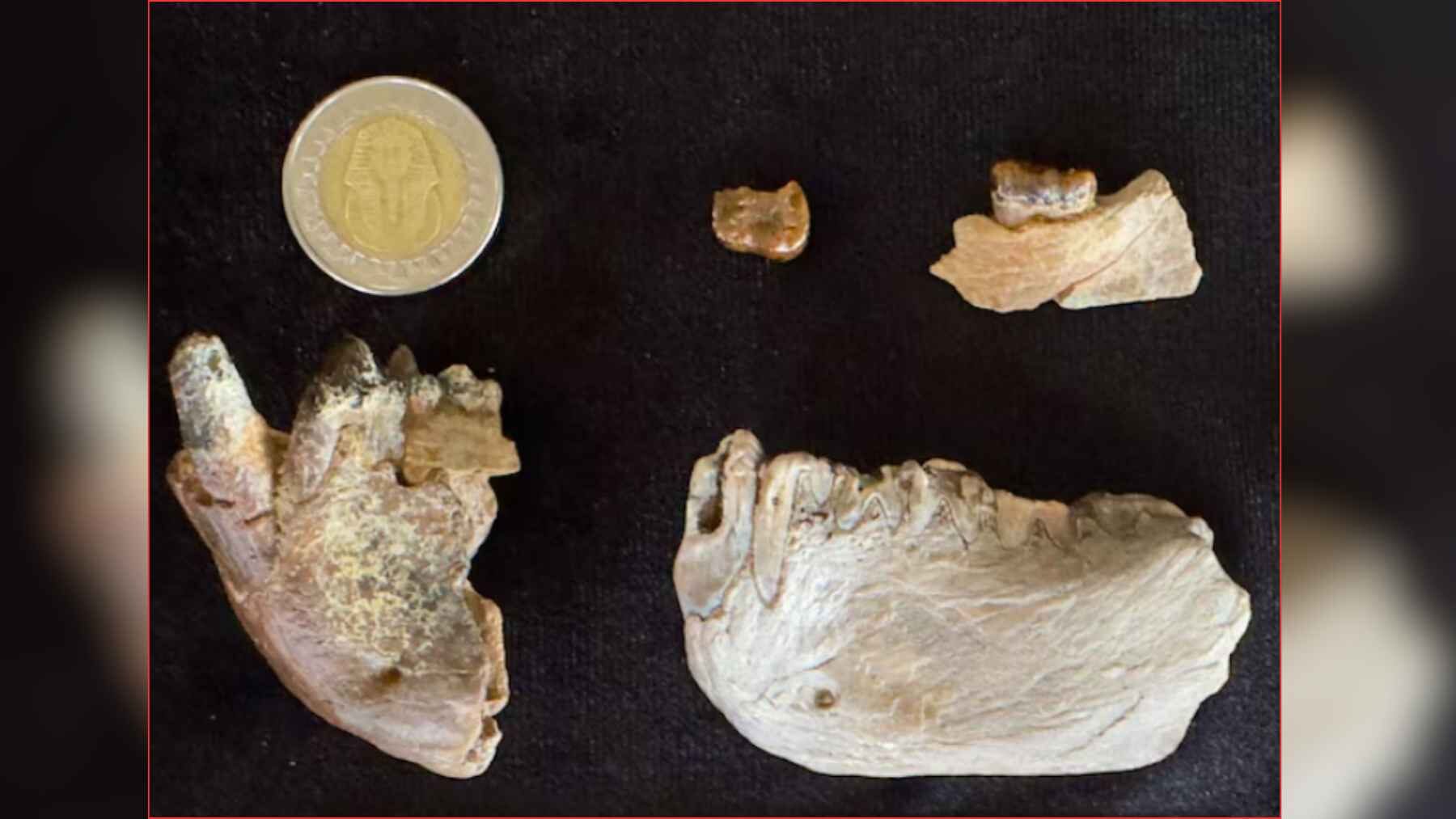
Lower-jaw fragments and isolated teeth of Masripithecus moghraensis next to an Egyptian one-pound coin for scale.

A new scientific discovery has opened a rare window into Earth’s deep past, showing that ancient clues can still shake up what we thought we knew

—
July 23, 2026 at 6:39 PM
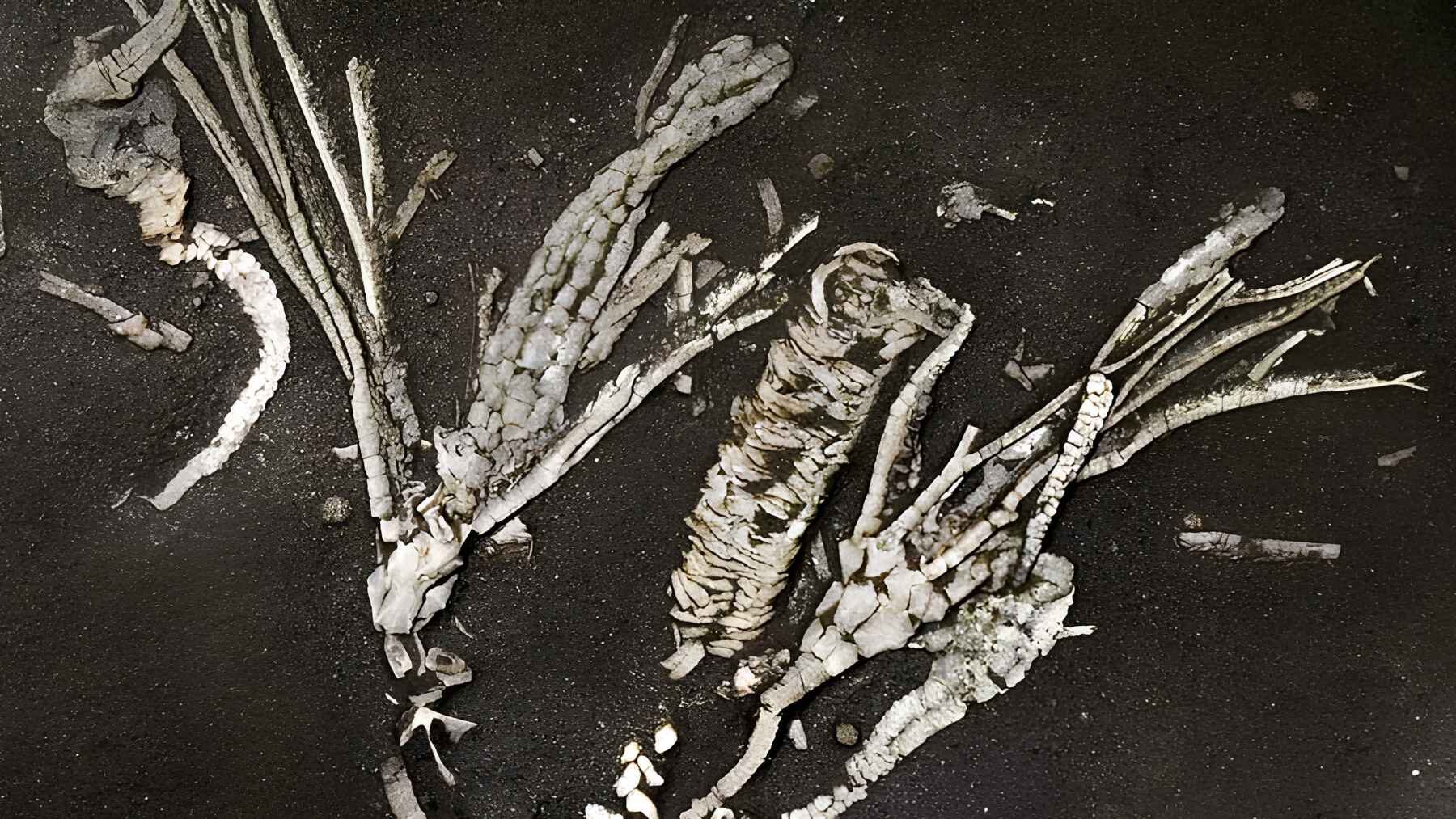
Fossil of the Ordovician crinoid Dendrocrinus simcoensis showing arms, stalk, and rare pyritized tube feet preserved in dark shale.

Paleontologists announced a soft-tissue discovery millions of years old, a rare find because these delicate remains usually disappear long before anyone can study them

—
July 23, 2026 at 5:00 PM
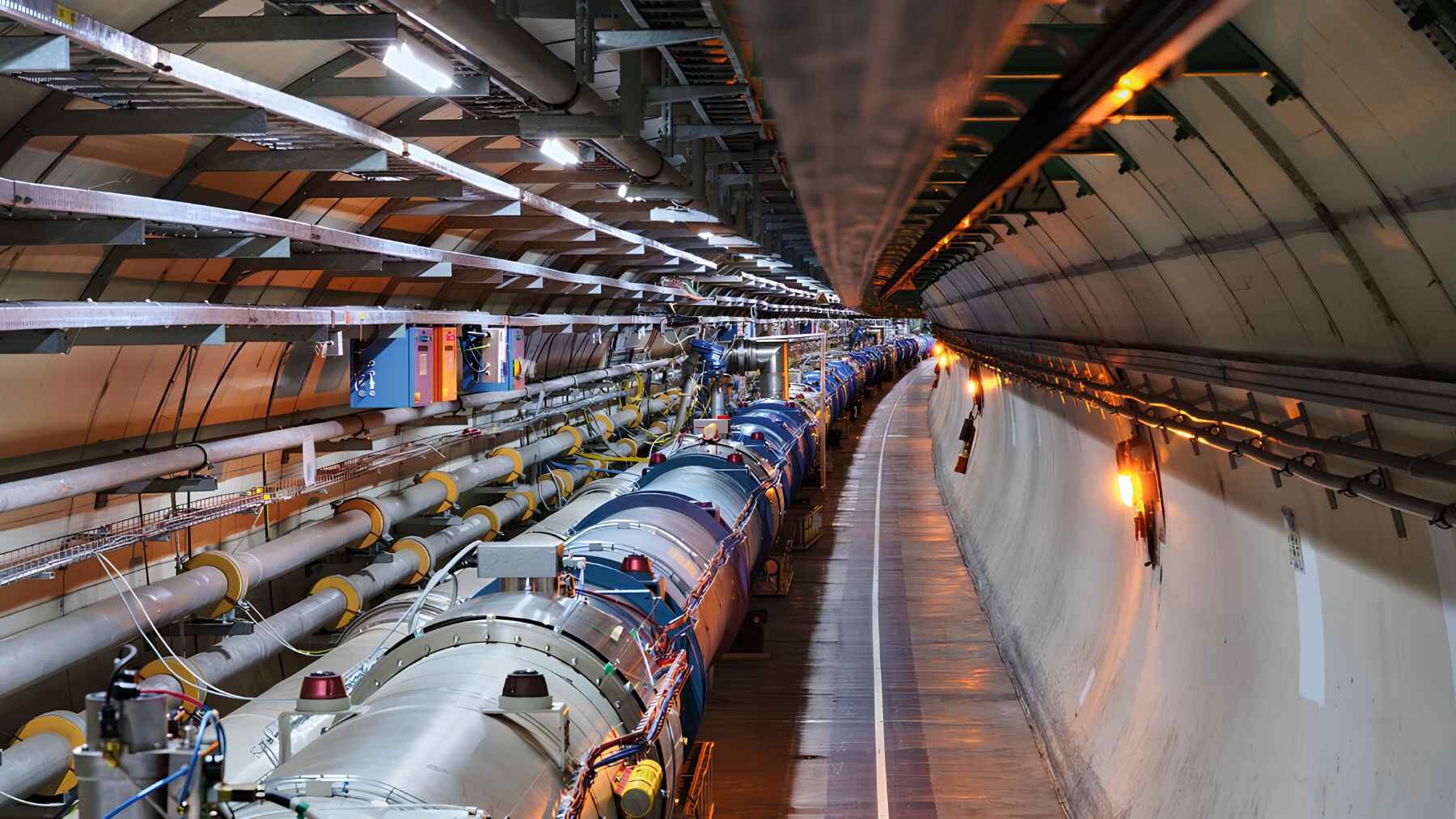
Long view inside the Large Hadron Collider tunnel, showing rows of blue superconducting magnets before the 2026 shutdown.

CERN has shut down the Large Hadron Collider for 4 years to rebuild it from the inside, and when it returns in 2030 it will not be faster, but far more luminous

—
July 23, 2026 at 3:00 PM
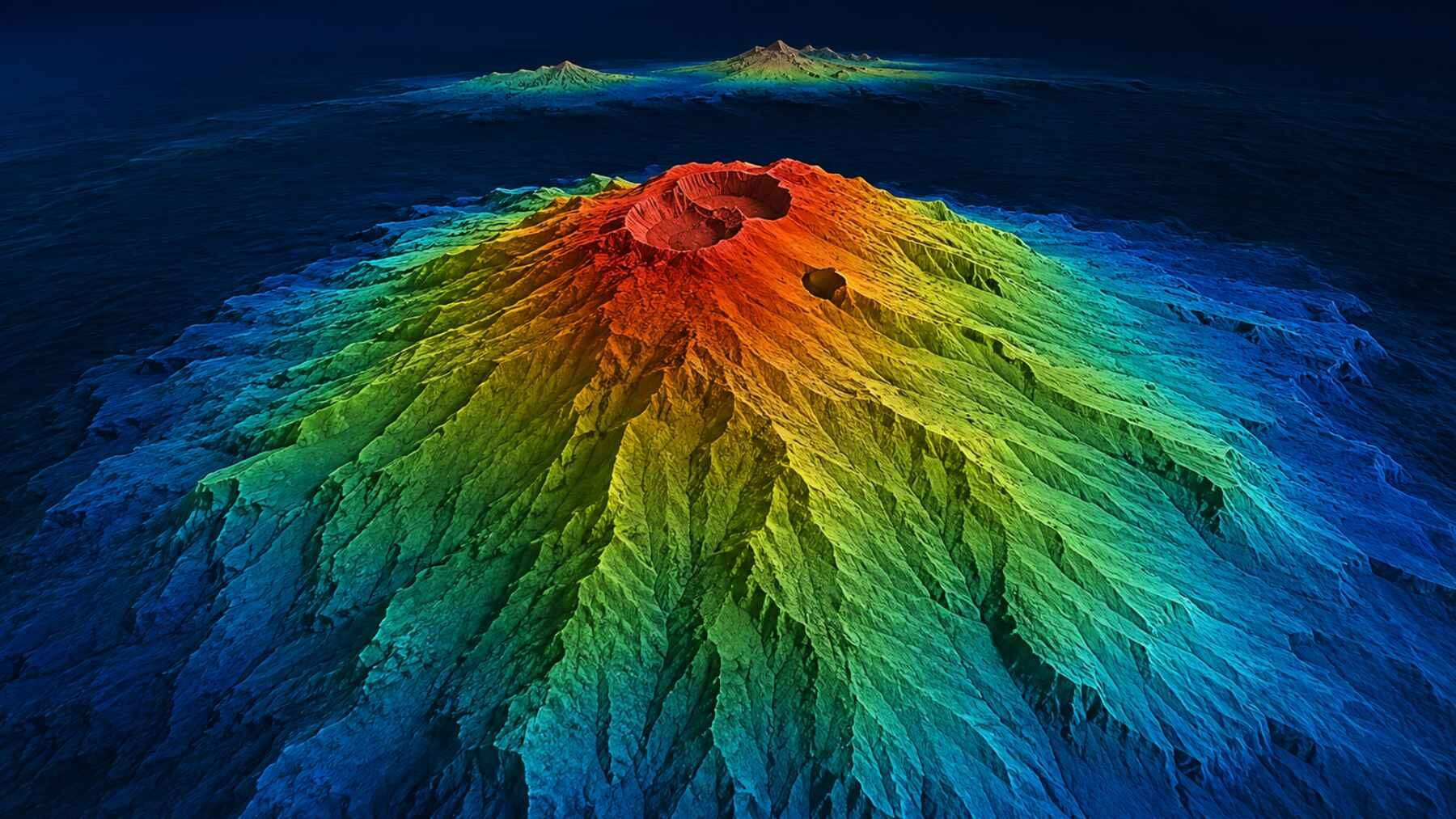
fani-maore-bathymetry-survey-2019

A volcano may have erupted remnants of Earth’s primordial magma ocean, material so ancient it could come from the planet’s earliest chapters of fire and rock

—
July 23, 2026 at 10:15 AM
Previous Next

ECOnews alerts

Get the most relevant environment stories as soon as we publish them

ECOnews is the English-language edition of ECOticias.com, focused on environmental and sustainability news for a global audience: mobility, energy, economy, technology, science, environment and trending stories.
© 2026 ECOnews · ECOticias.com, the green newspaper since 2004 ↑ Top