Energy
Solar, wind, batteries, green hydrogen and power grids
The Energy section of ECOnews covers solar and wind power, offshore wind farms, batteries and energy storage, green hydrogen, nuclear power and power grids. Follow the projects, records and innovations changing how the world produces and uses electricity.
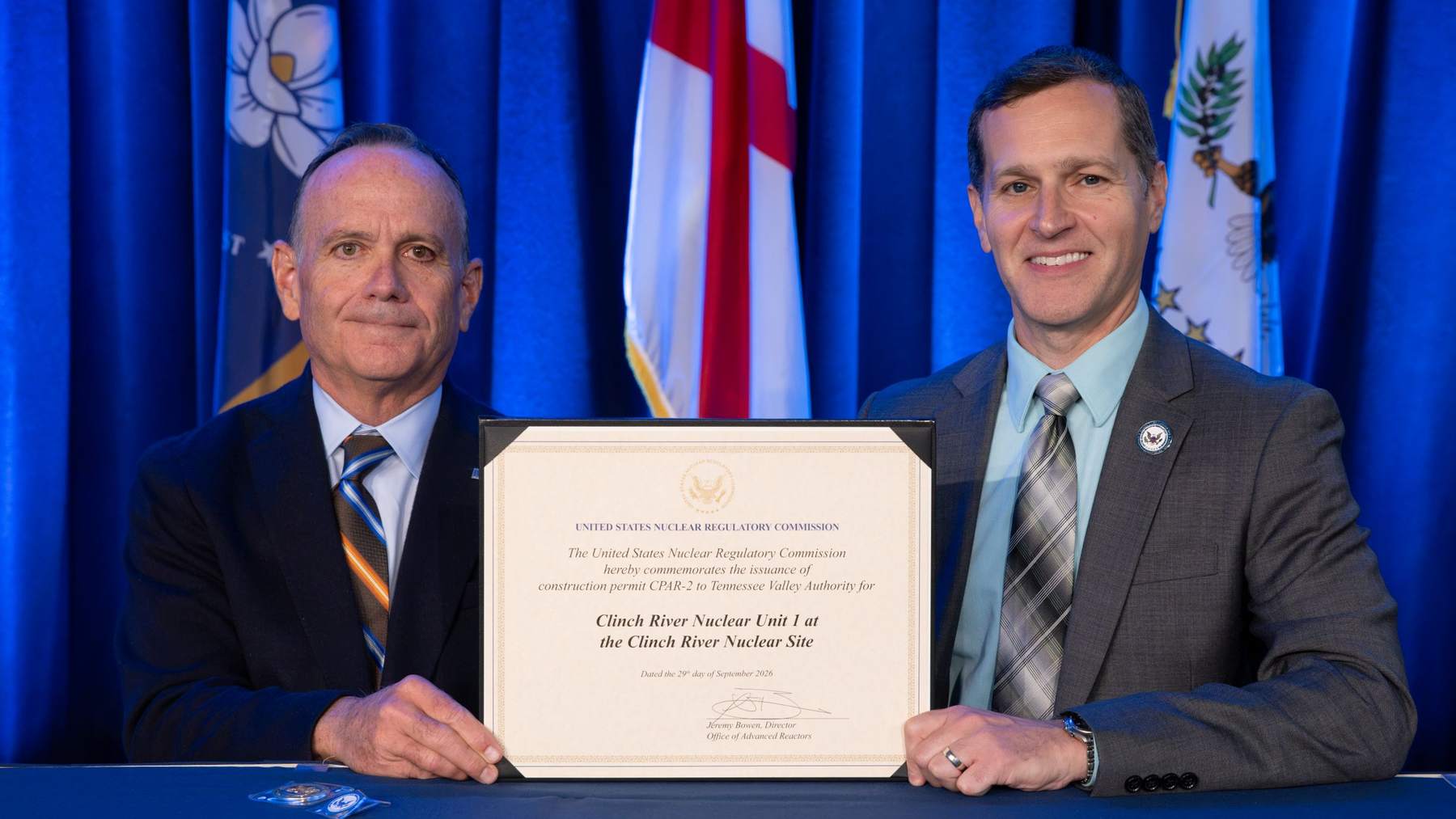
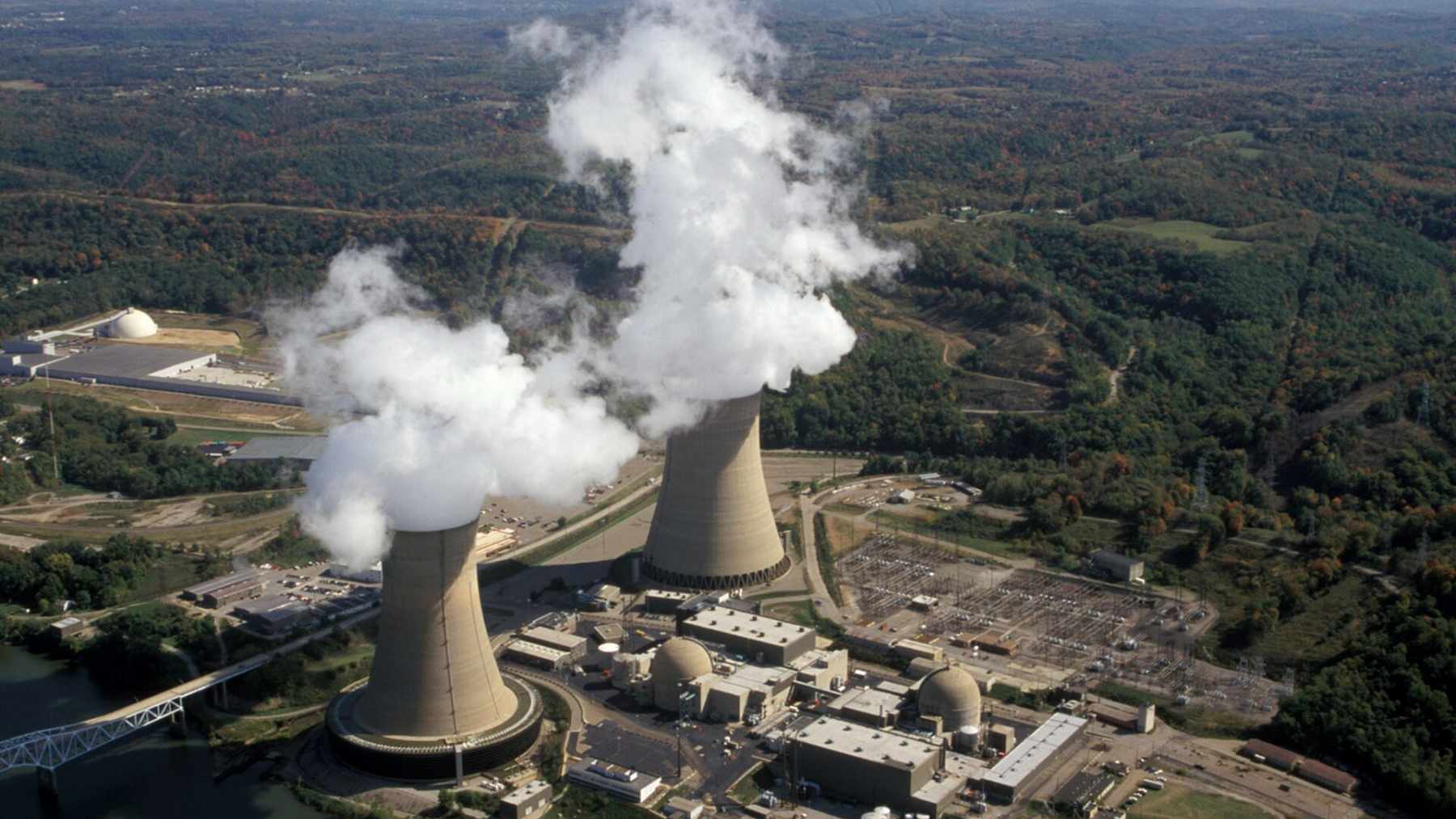
The Tennessee Valley Authority has an NRC permit to build the first U.S. commercial small modular reactor, a 300-megawatt unit at Clinch River in Oak Ridge, and it still needs a separate operating license
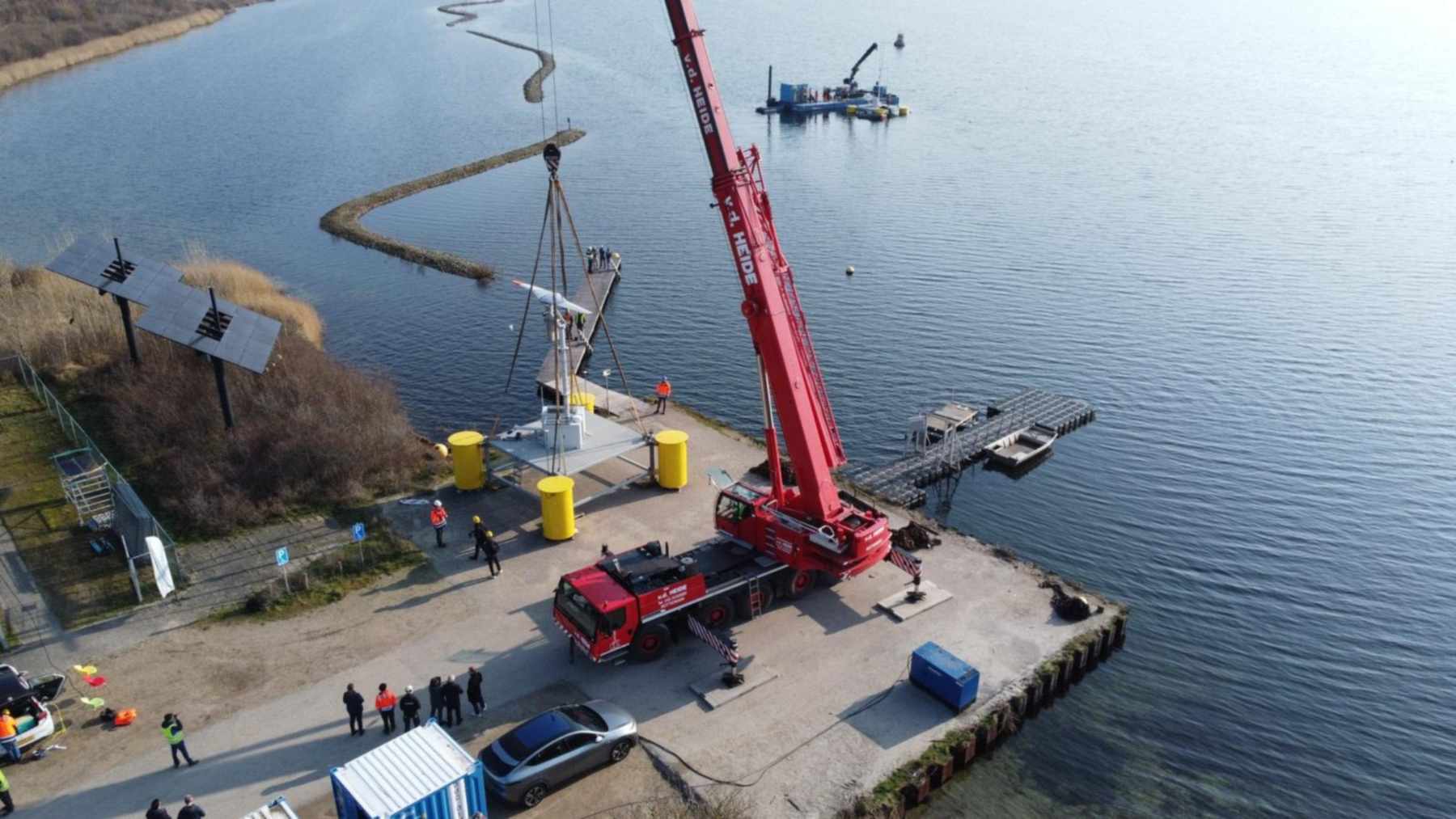
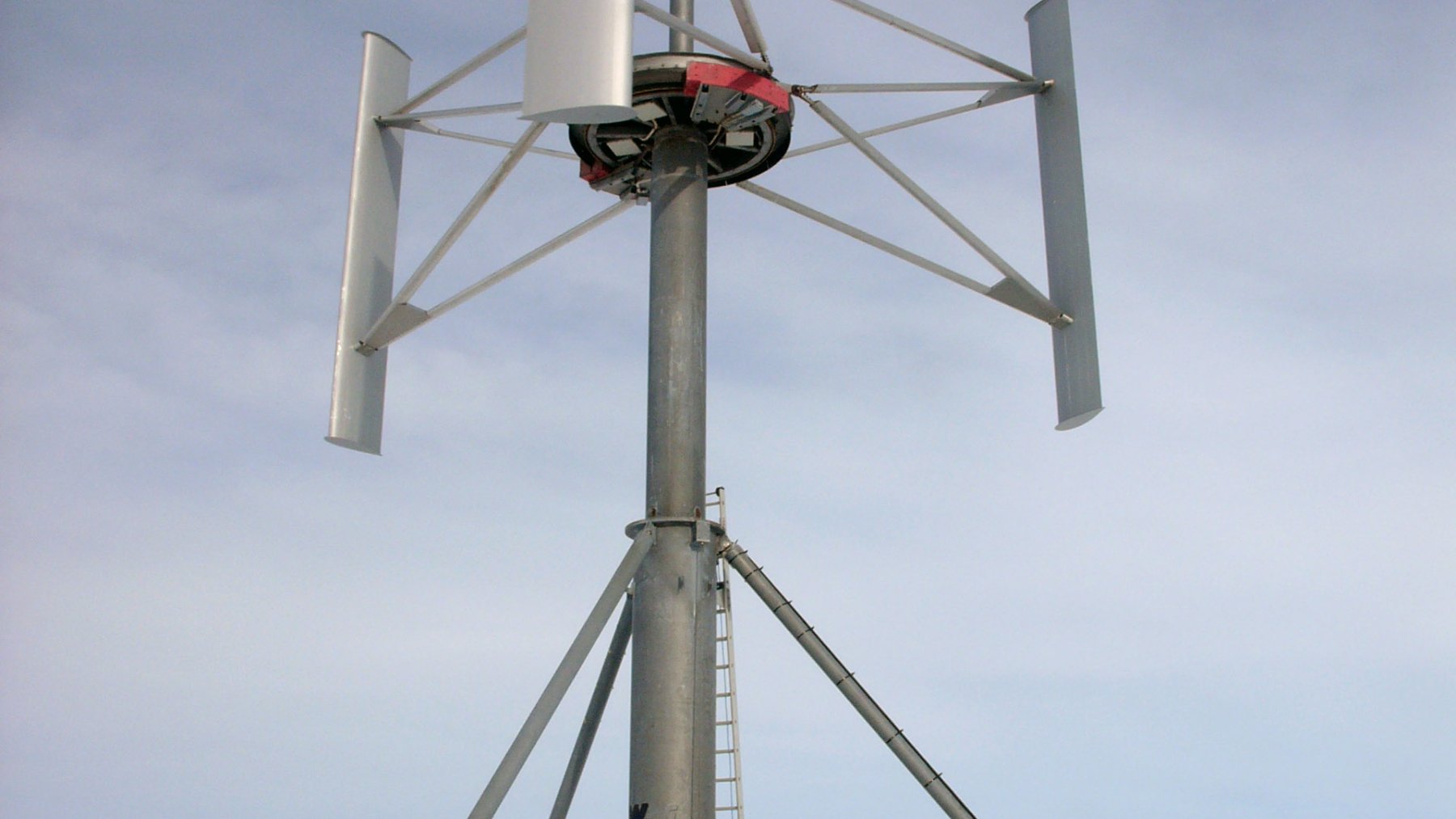
TouchWind put a floating wind turbine with a 20-foot rotor that tilts back like a helicopter in storms on a Dutch lake, and the test asks whether wind farms can pack turbines closer together
The Energy Department offered Vistra up to $4.2 billion for 433 more megawatts from nuclear uprates at three plants in Ohio and Pennsylvania, and the upgrades could help keep them running 20 years past their licenses
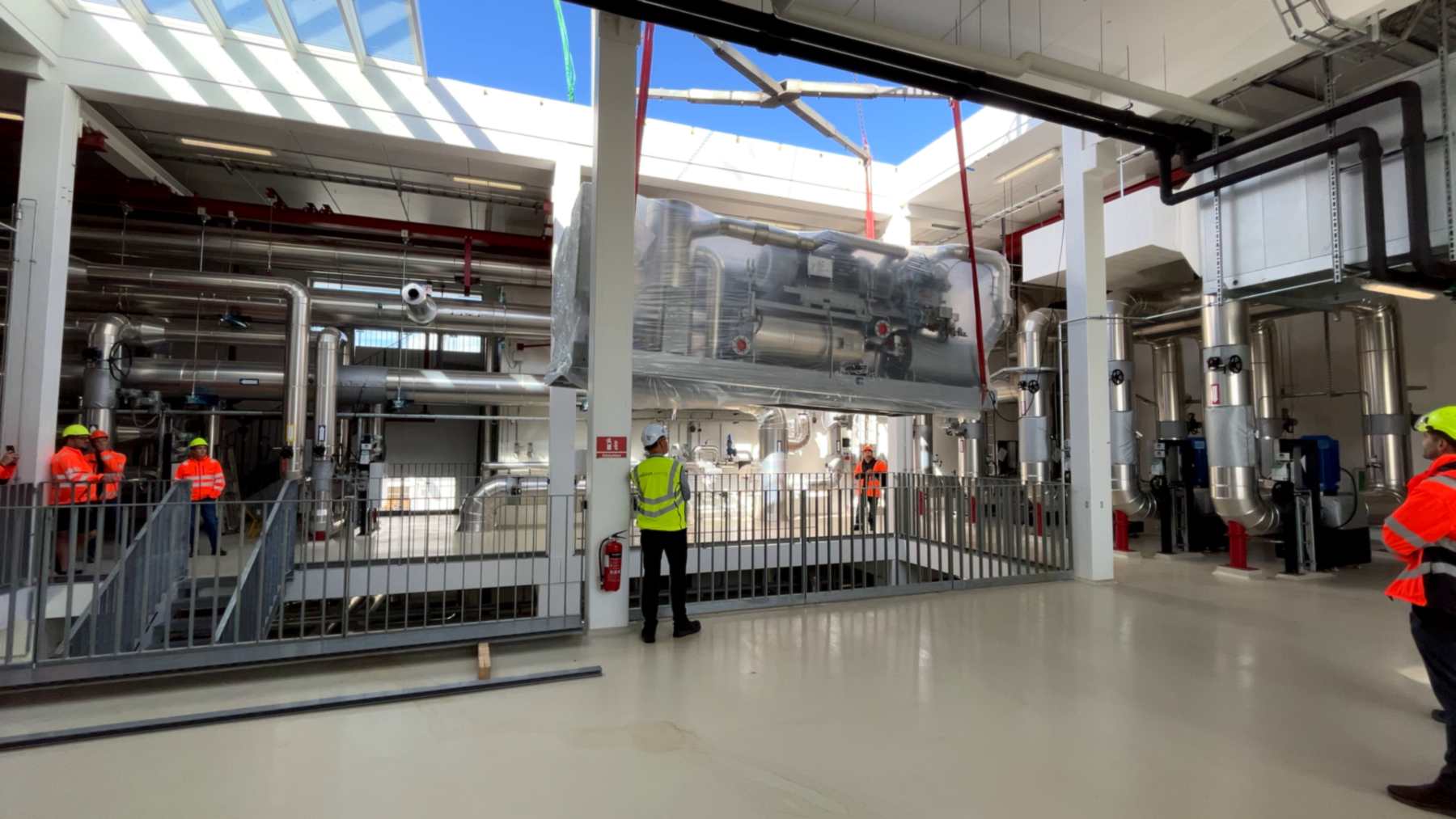
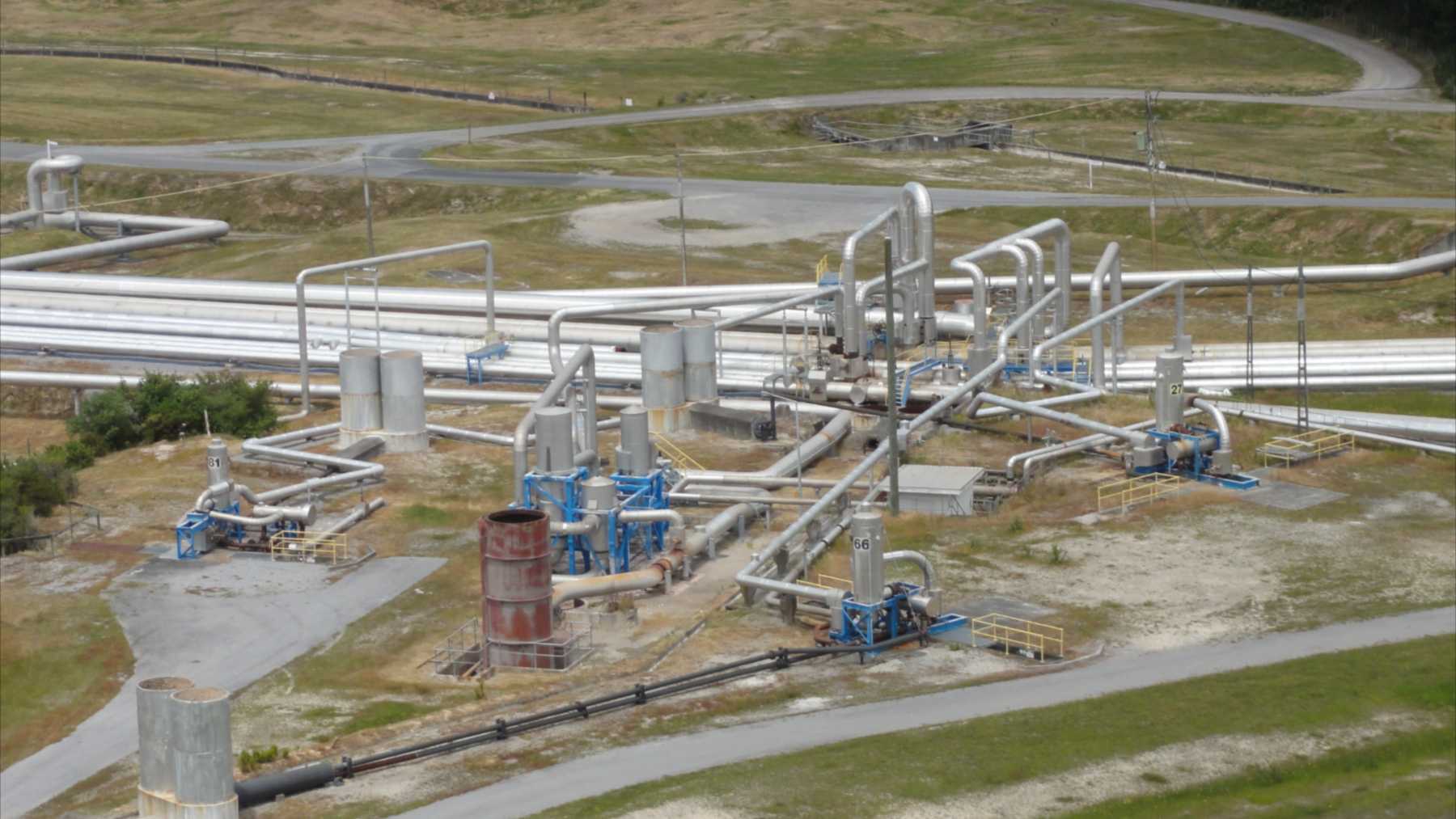
Aarhus in Denmark switched on six seawater heat pumps that pull up to 317,000 gallons of bay water an hour to warm about 1,900 homes, and eight more are coming to help replace wood pellets
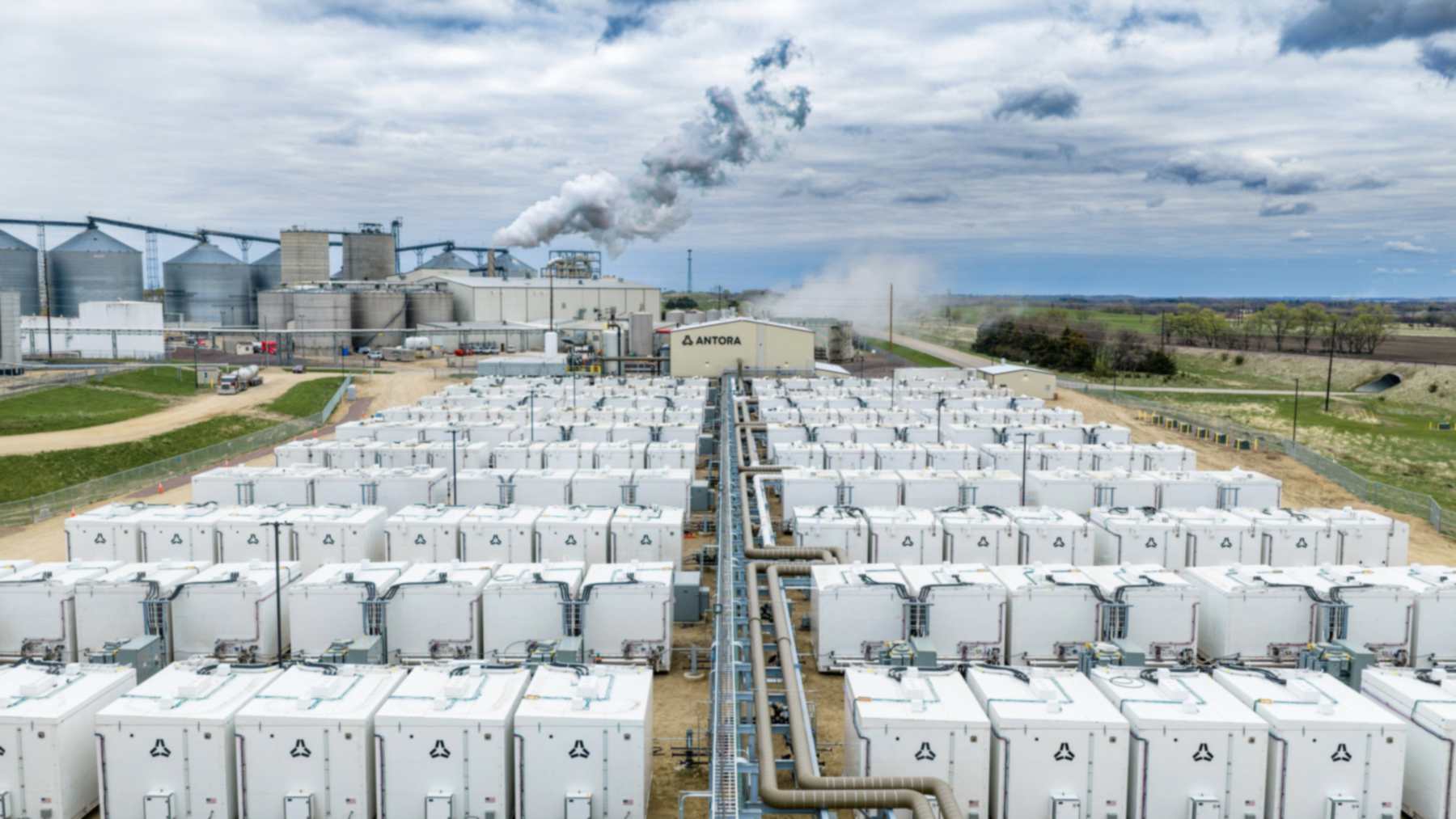
A Kansas ethanol plant will draw around-the-clock heat from a 5.8 gigawatt-hour thermal battery that stores cheap electricity in solid carbon blocks, and Pratt’s mayor says Antora came early and listened
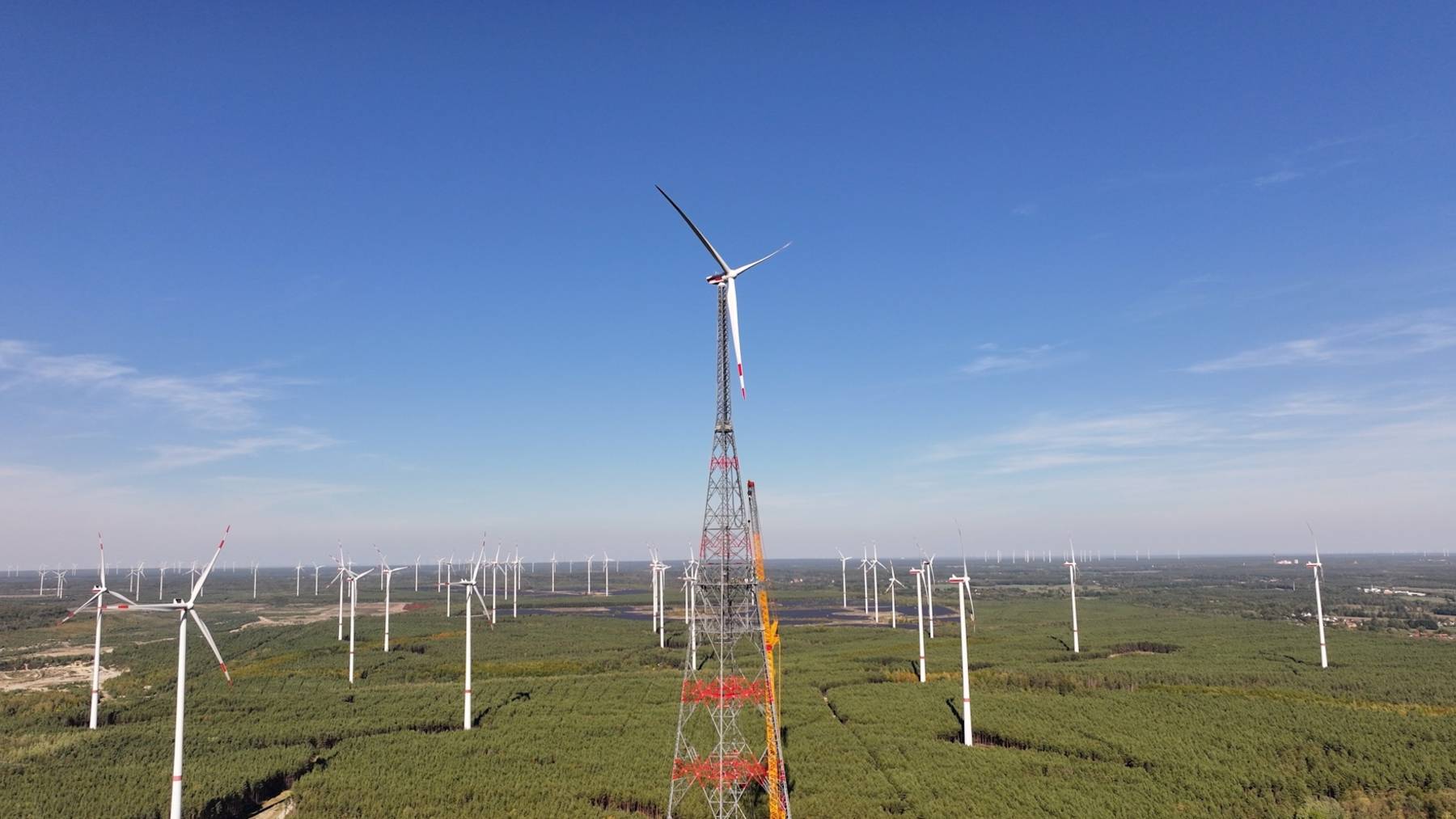
The world’s southernmost wind farm uses just three turbines to help power U.S. and New Zealand research bases in Antarctica, cutting diesel consumption by about 122,000 gallons a year and preventing an estimated 1,242 metric tons of CO₂ emissions despite operating in one of Earth’s harshest environments
At a 110-turbine Wyoming wind farm, AI-powered cameras can spot approaching eagles and automatically slow individual turbines, with one study estimating an 82% drop in fatalities, although later research found substantial uncertainty around exactly how much the system reduces deaths
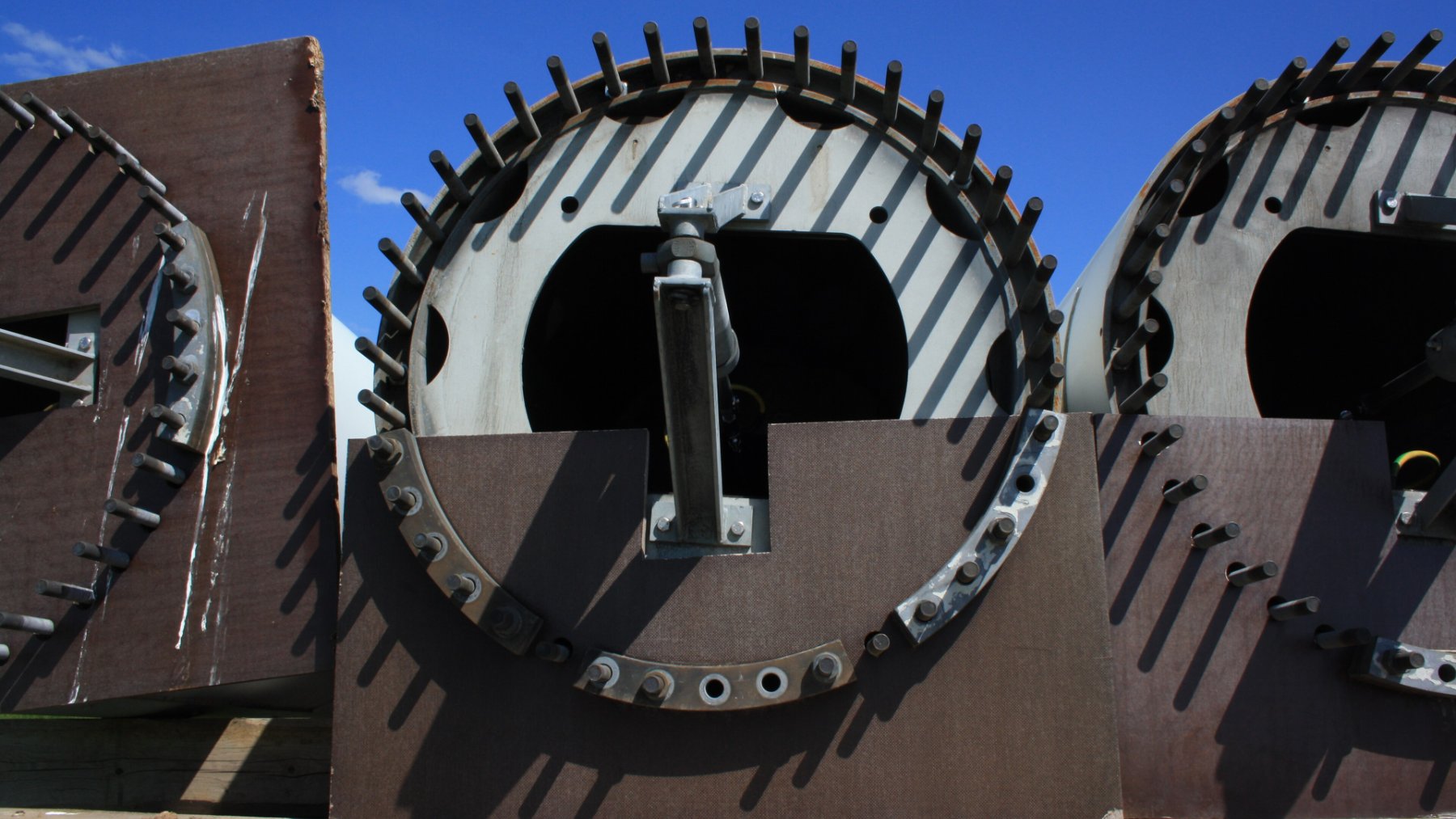
Wind turbine blades are notoriously difficult to recycle, but Carbon Rivers demonstrated recovered glass fiber with 99.9% purity that could return to manufacturing, while recent cleanup concerns in Tennessee show that successful recycling depends on safely processing and actually selling the recovered material, not simply shredding old blades
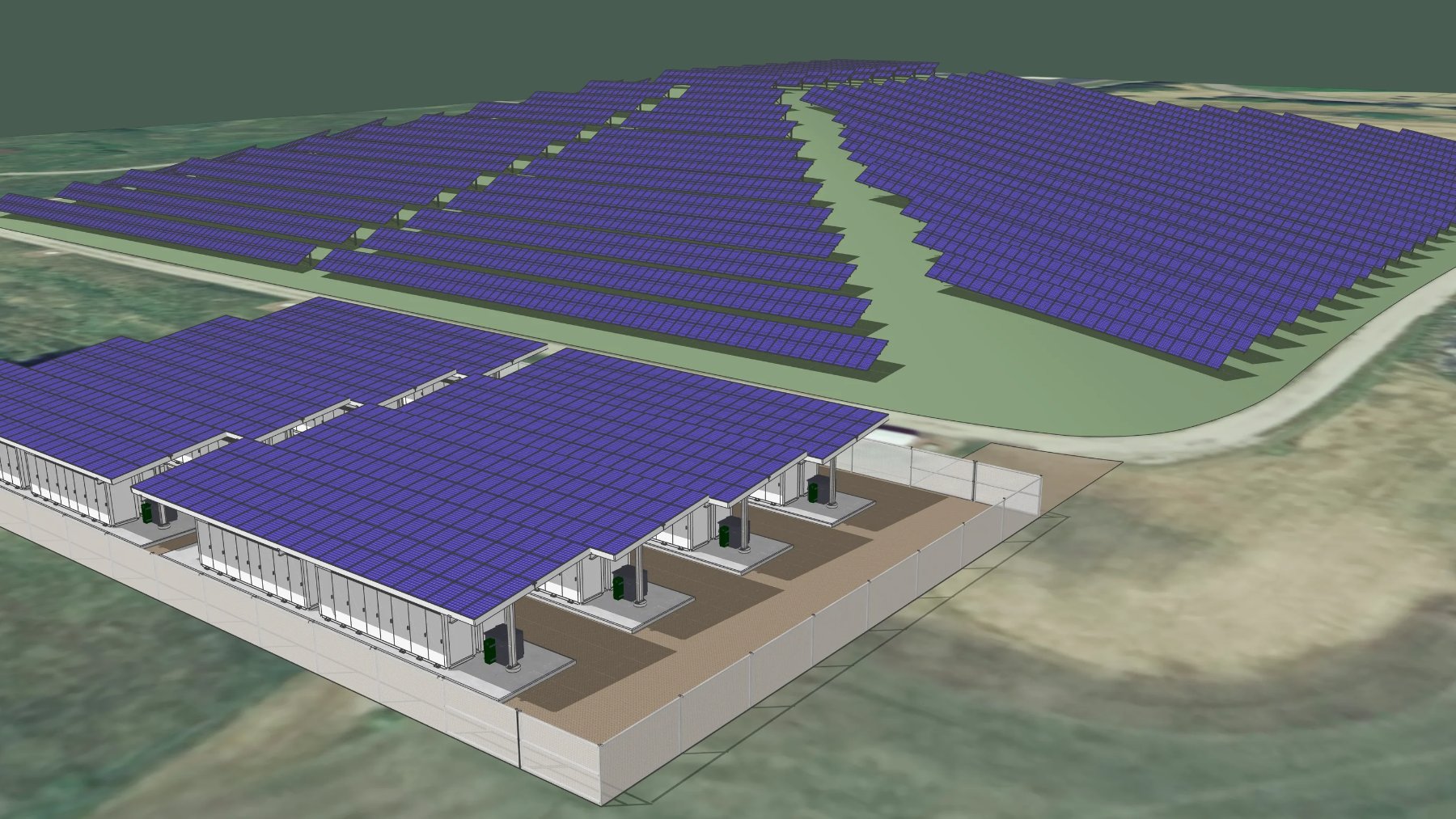
New Haven turned a landfill that stopped accepting trash more than 20 years ago into a solar farm with over 1,900 panels, enough to generate the equivalent annual electricity use of about 200 homes while bringing the city $72,000 a year in rent
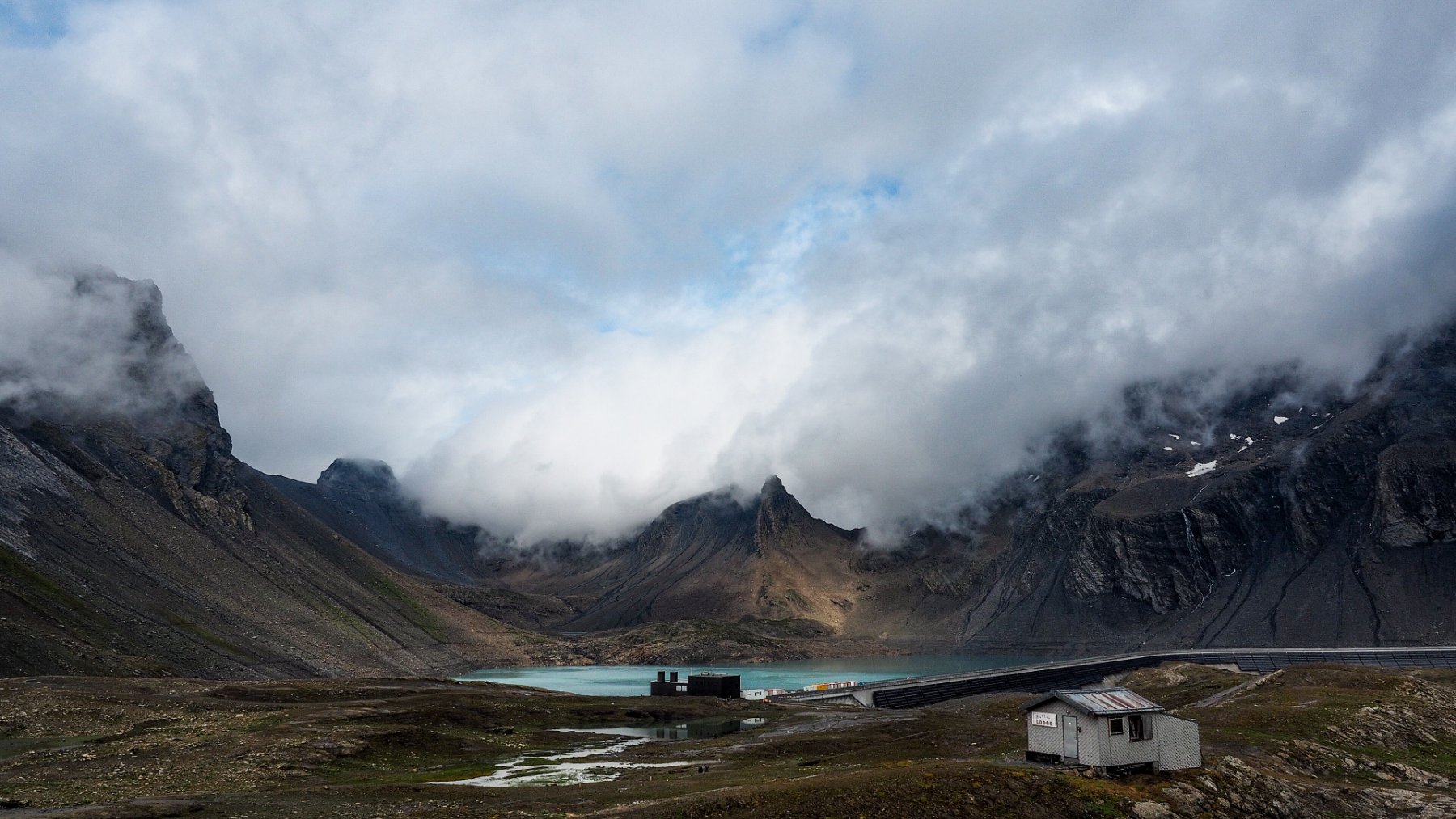
Nearly 5,000 solar panels were installed on a Swiss dam 8,200 feet above sea level, and despite deep snow and freezing temperatures the Alpine plant produced 3.8 times more winter electricity per unit of capacity than a lowland installation during its first measured year
A Swiss greenhouse installed 1,736 solar modules above working tomato crops and produced up to 1 MWh of electricity a day while cutting summer grid use by 35%, yet the surprising result was that tomato yields did not fall and were actually 1% higher
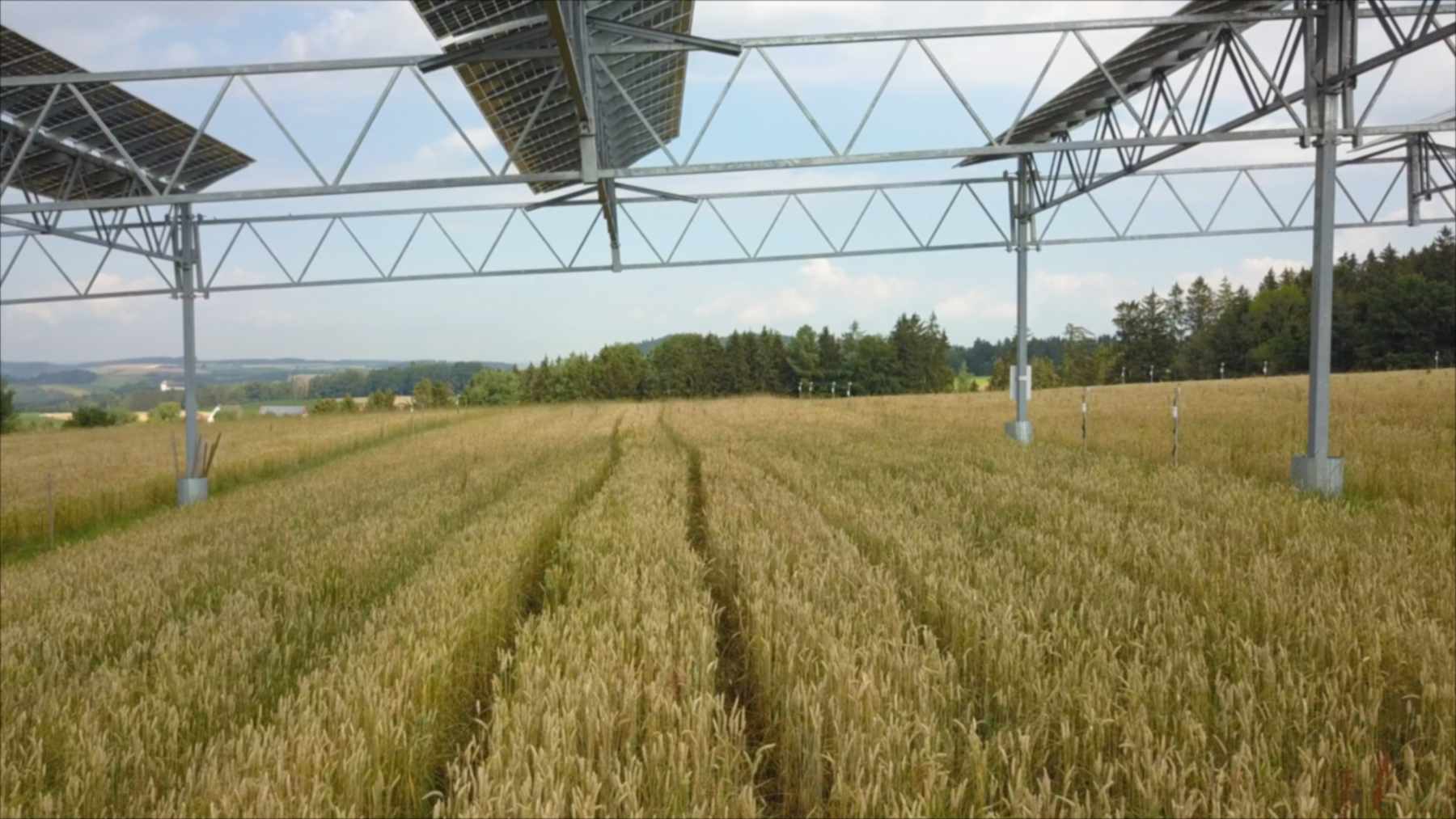
A Massachusetts farmer grows sweet corn under 832 solar panels raised 10 feet above the soil, and he still harvests 80% of what the open field next door gives him
Colorado researchers grew saffron beneath semi-transparent rooftop solar panels and harvested twice as many flowers and twice as much dried spice as unshaded plots, with a five-year model projecting about $61,000 from electricity, saffron and new plants
The world’s largest working cattle station spans about 6,080 square miles and holds 17,000 cattle, yet its headquarters runs mainly on just 49 kW of rooftop solar and batteries, with careful planning essential because forgetting one critical part can mean a 1,120-mile round trip
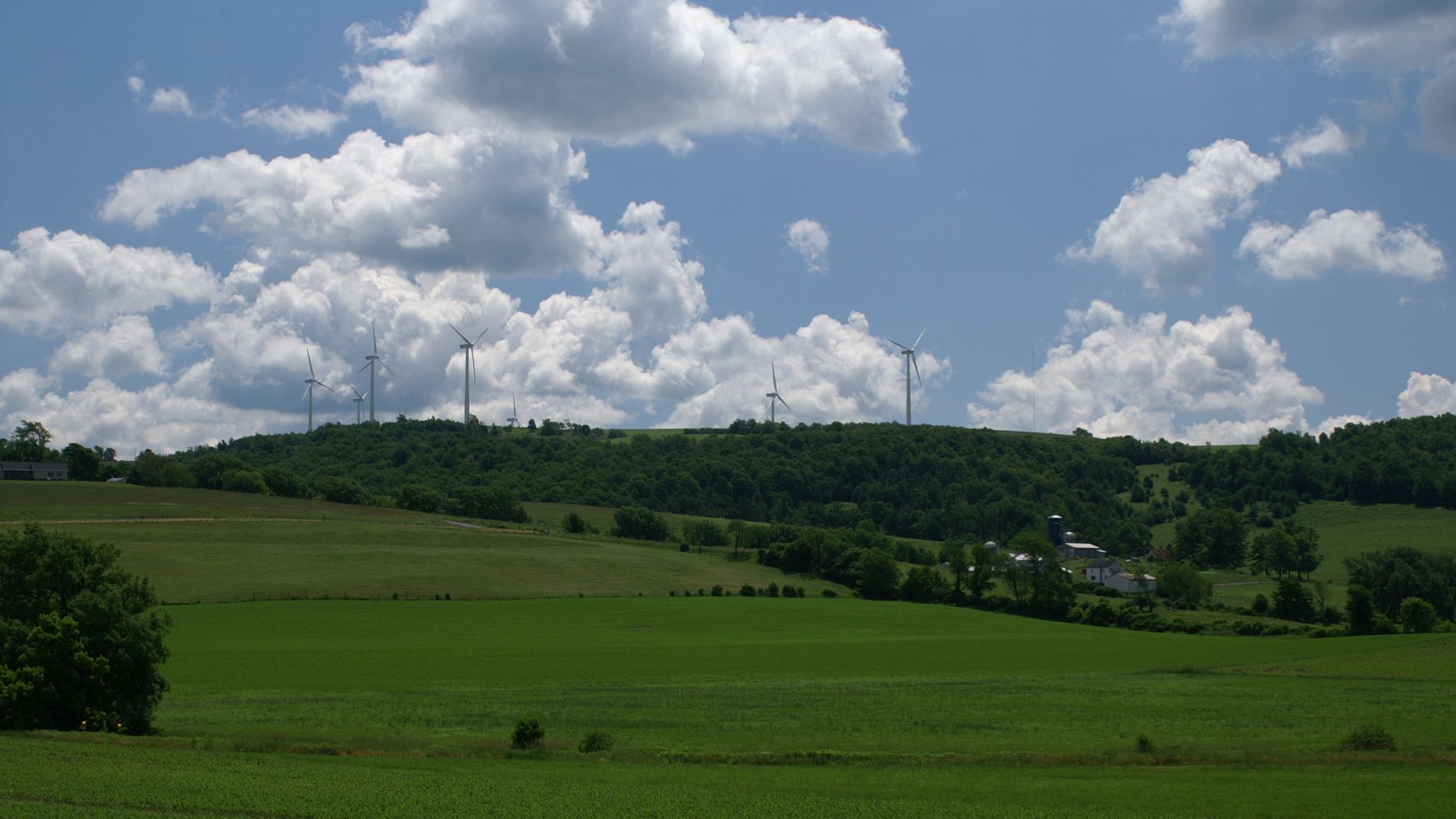
New York demolished all seven turbines at its pioneering Madison wind farm in just 30 seconds after 25 years of operation, but a proposed neighboring project with nearly seven times the capacity now has its grid-connection application listed as withdrawn
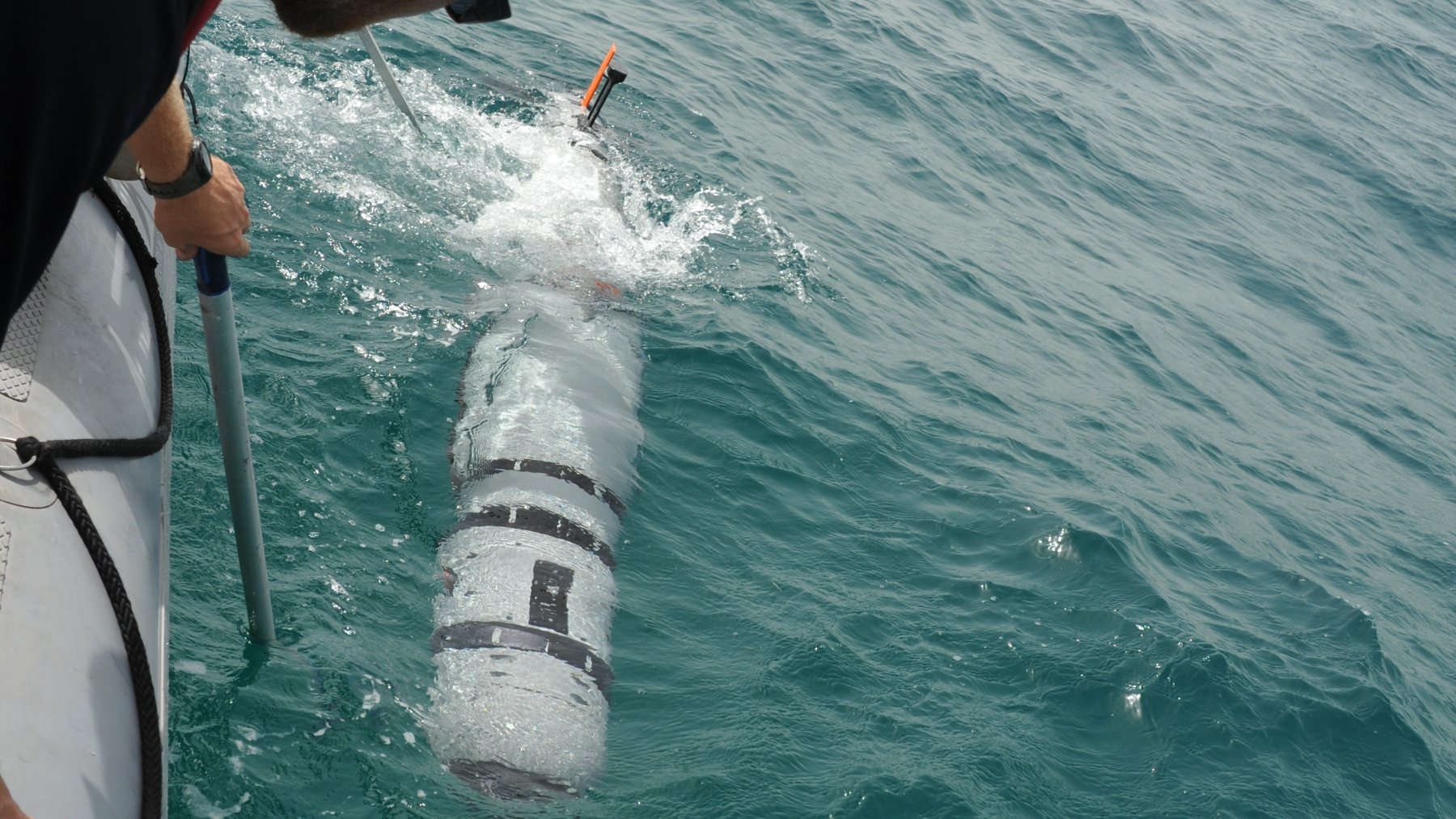
A 12.75-inch underwater robot autonomously entered a submerged 21-inch torpedo-tube test fixture in New York and then backed itself out, a precision maneuver that could eventually let U.S. submarines launch and recover drones without sending divers into the water