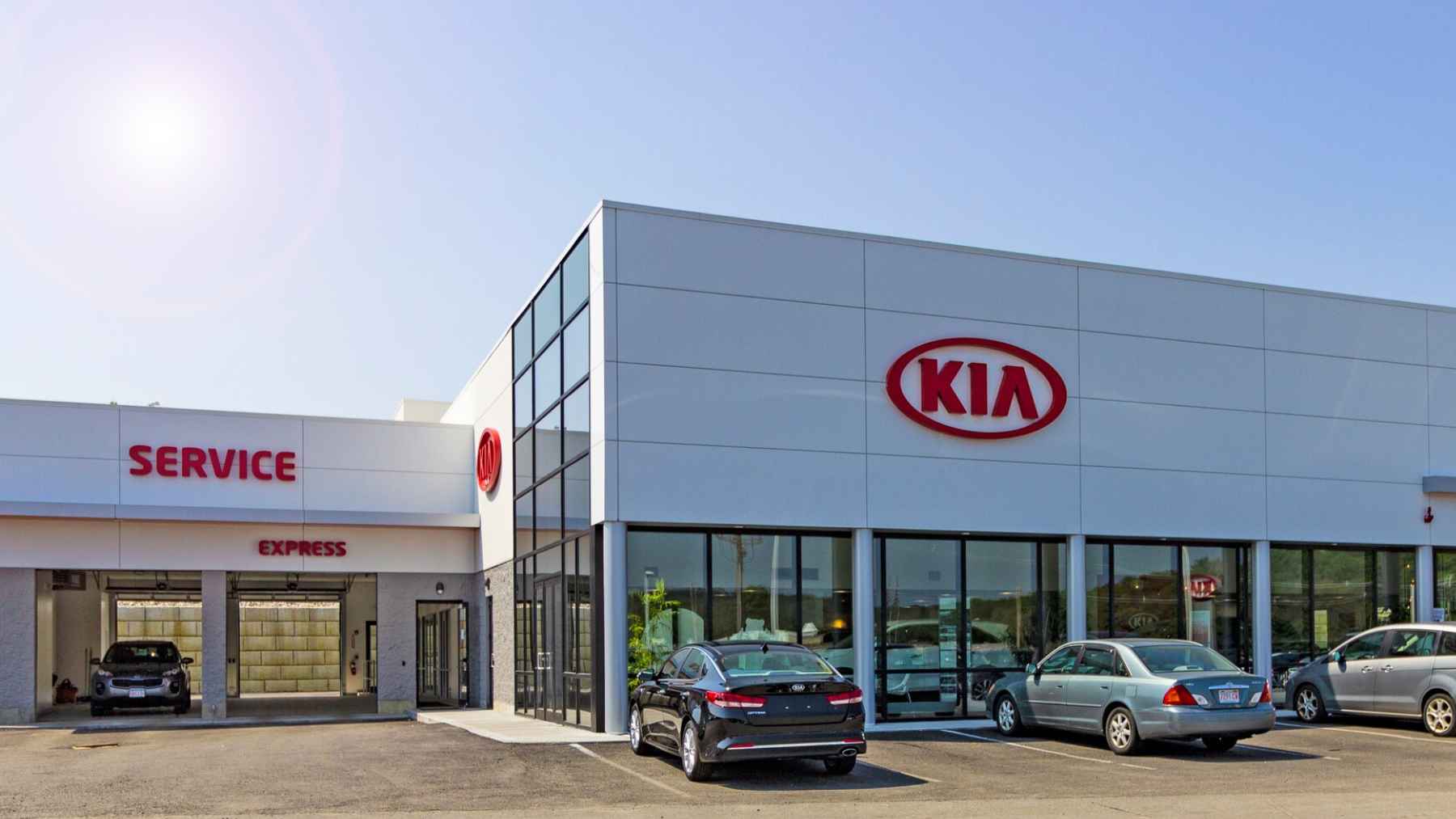
When a Pennsylvania couple’s 2019 Kia Optima lost its engine at 80,000 miles, they thought the repair would fall under Kia’s 10-year, 100,000-mile powertrain coverage. Instead, the claim was denied over maintenance records. After KDKA Investigates contacted the automaker, Kia reversed course and approved an engine replacement. The case is about more than one broken car. It shows how fast a warranty dispute can turn into a fight over receipts, dates, and mileage logs.
What changed? Not the failed engine itself. The paper trail around it. Michael Brooks of the Center for Auto Safety put it bluntly when he said, “Often, the first tactic is to deny the claim and hope the consumer goes away.” For families who rely on one vehicle for work, school runs, and everyday errands, that kind of denial can hit hard. And it can make a first “no” sound more final than it really is.

What federal warranty law really protects
This is where federal law matters. The Federal Trade Commission says drivers do not have to use the dealership for routine maintenance or basic repairs to keep a warranty in force. Independent mechanics are allowed. Doing some maintenance yourself is allowed too. In fact, the FTC says it is illegal for a dealer or manufacturer to deny warranty coverage simply because someone else did the work.
But there is a catch, and it is an important one. The same FTC guidance says owners still need to follow the manufacturer’s recommended maintenance schedule and keep records. That includes receipts for oil changes, brakes, tire rotations, and inspections.
If an aftermarket part was defective, or if a repair was done incorrectly and caused the damage, the company can deny coverage for that damage, but it has to show that connection. In practical terms, that means paperwork matters almost as much as the wrench work.
Why Pennsylvania’s lemon law is not the whole story
A lot of drivers hear “lemon law” and assume it covers any major defect that pops up while a warranty is still active. In Pennsylvania, it is narrower than that. Official state materials say the law applies to qualifying defects that occur within one year after delivery, within the first 12,000 miles, or during the term of the manufacturer’s express warranty, whichever comes first.
Read closely, and that is mostly an early ownership protection, not a blanket answer for an engine failure years later at 80,000 miles. That is why federal warranty rights often become the bigger battleground in cases like this.
How to push back after a denial
So what should drivers do when a claim is denied? First, get the denial in writing and compare it with the warranty booklet and owner’s manual. Then gather every service record you have. Dates matter. Mileage matters. Part numbers and oil or filter details can matter too, especially if maintenance was done at home.
The FTC says consumers should complain up the chain, speak with a supervisor, contact the manufacturer directly, and consider filing a complaint with the state attorney general or the FTC. Federal law also allows some written warranties to require a qualifying dispute procedure before a lawsuit can begin, so reading the claim process carefully is not optional.
None of this guarantees a win. But the Kia case is a reminder that a denial is often the opening move, not the last word. For the most part, the drivers in the strongest position are the ones who saved every invoice, every oil receipt, and every service note long before anything went wrong. Boring? Maybe. But when an engine fails, those scraps of paper can suddenly matter as much as the warranty itself.
The official guidance was published on the Federal Trade Commission’s website, and it lays out what manufacturers can and cannot require when a warranty claim is on the line.