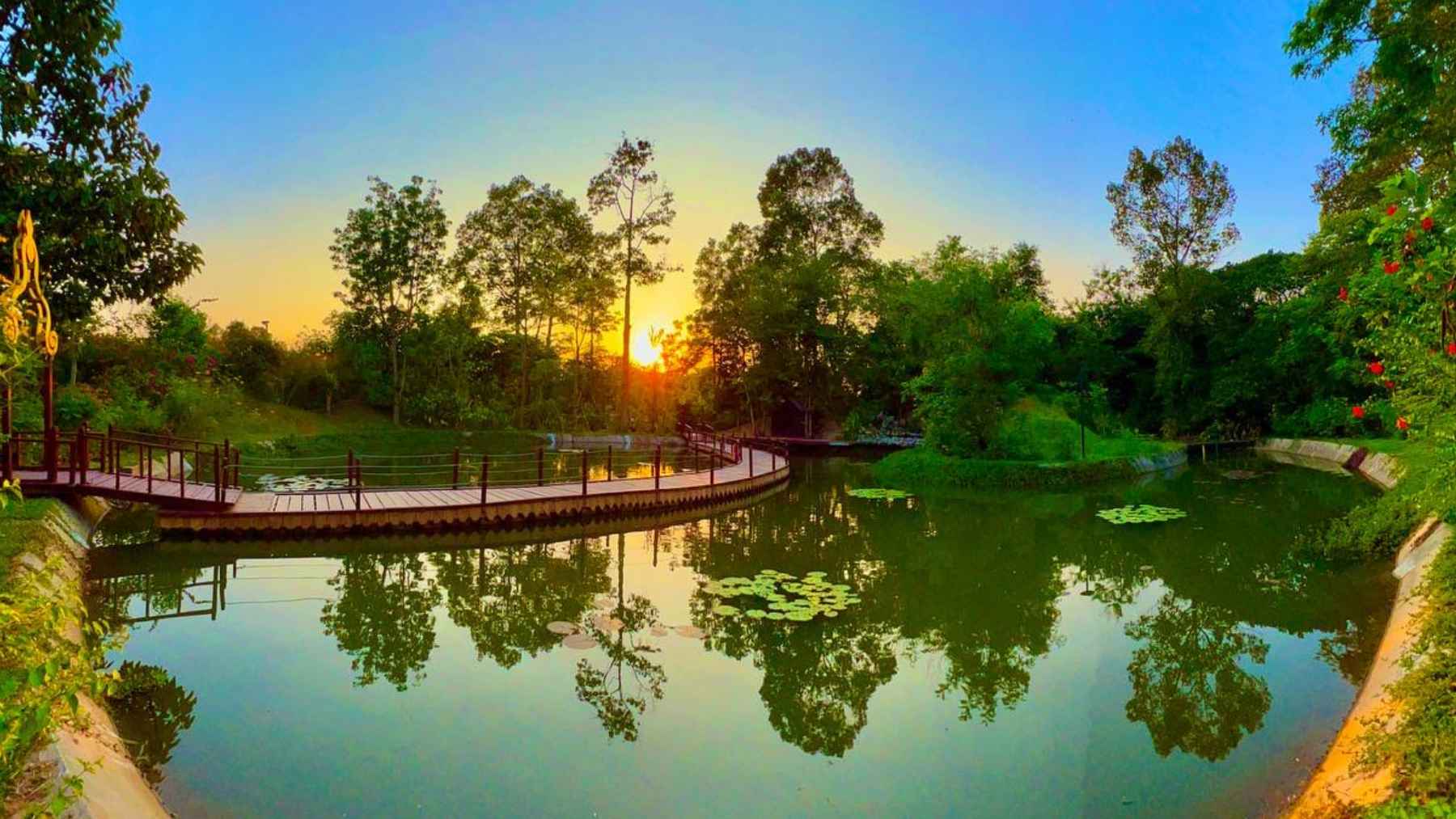
Less than three years after its official opening, the Angkor Botanical Garden inside the Angkor World Heritage landscape has welcomed about 600,000 visitors. The park has quietly become a second magnet beside the temples, mixing eco tourism conservation work and simple fresh air for locals and travelers who want more than stone towers in their vacation photos.
Stretching across nearly 200 hectares within the protected Angkor area, this nature focused park is now described as the largest botanical garden in the Kingdom of Cambodia. Families use it as a green escape from traffic and heat, a place to walk, exercise and breathe cleaner air without paying an entrance fee.
Inside that wider landscape sits a core garden of around 15 hectares, carefully divided into five main zones that showcase medicinal plants, flowers, palms, traditional Khmer habitats and a space for wildlife.
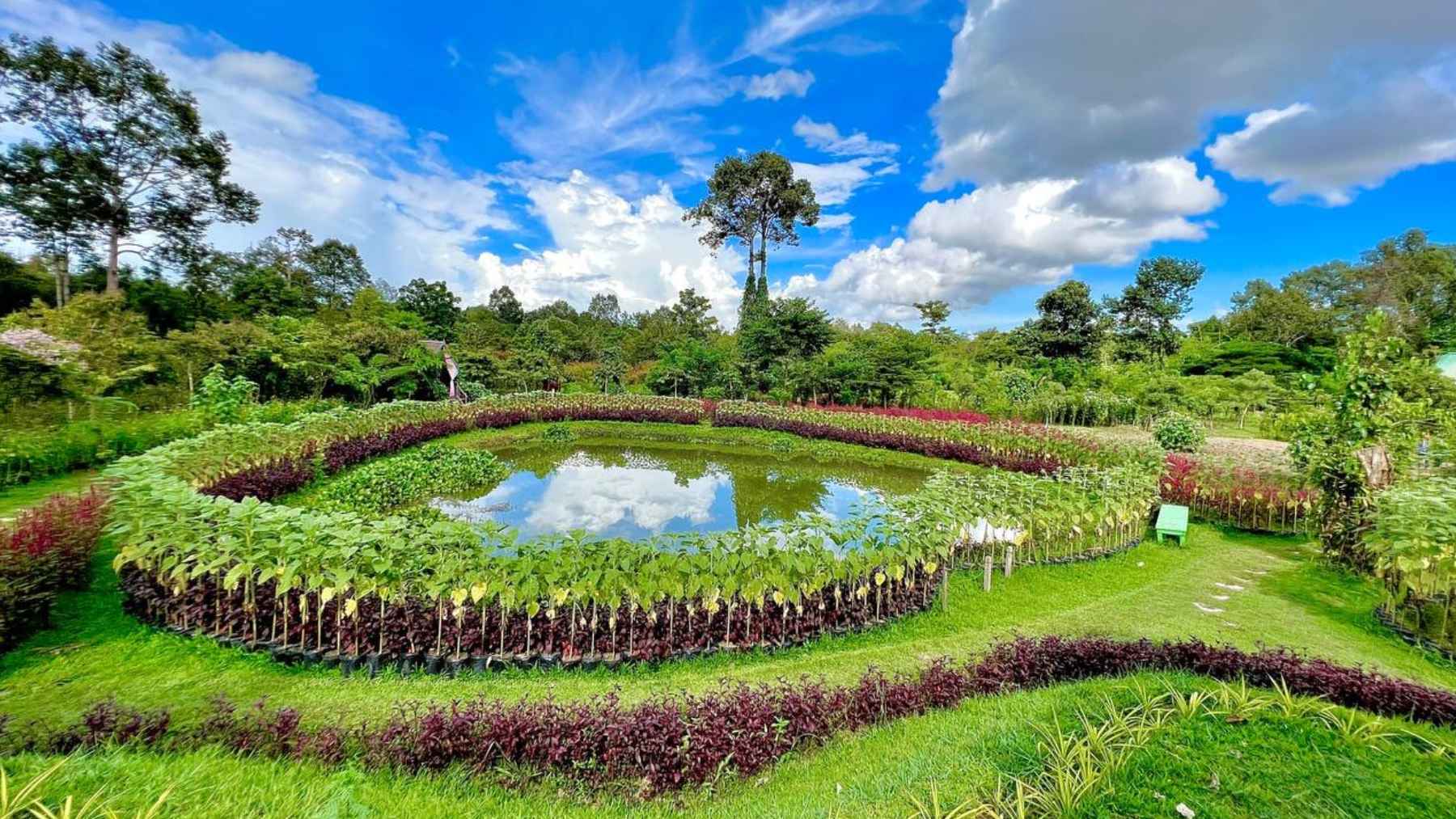
New rose and orchid sections have been added to keep visitors coming back. According to manager Meak Bora, “since opening, the garden has welcomed approximately 600,000 visitors free of charge,” a sign that biodiversity can draw crowds just as temples do.
Beyond the photogenic flowers, the site now serves as a refuge for rare and endangered plant species and a living classroom for students who come to study local ecosystems up close rather than only from textbooks. At the end of the day, what the project is trying to do is turn a walk in the park into a small lesson in how fragile Cambodia’s natural heritage really is.
The official statement was published by the APSARA National Authority.