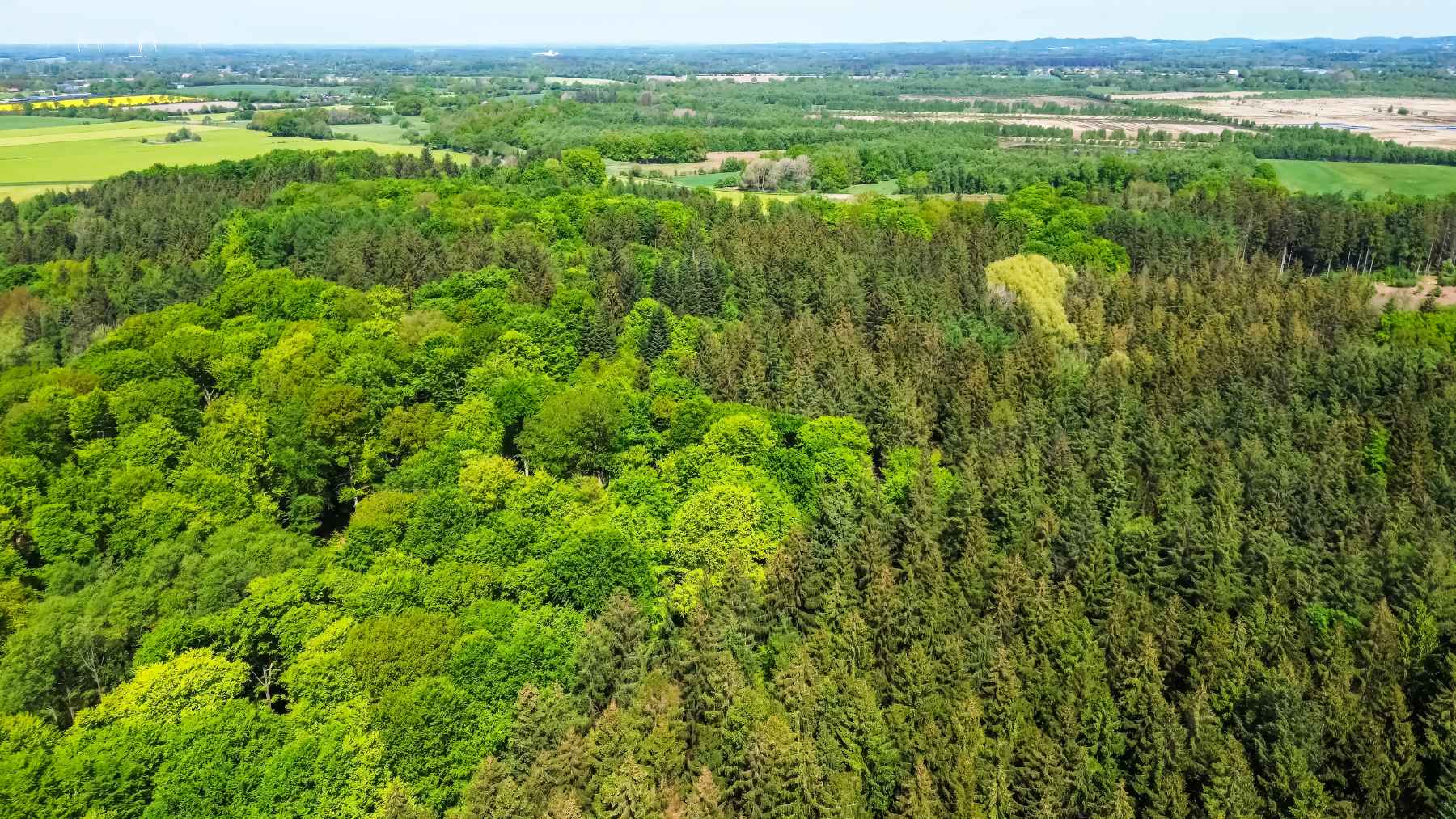
Over more than two decades, forest soils in south‑west Germany have started acting like a slightly more powerful vacuum for methane, one of the strongest greenhouse gases in our atmosphere. A new long-term study finds that these soils are now removing about 3% more methane from the air each year on average, even as the climate warms.
The finding comes from the most extensive continuous dataset of forest soil methane measurements in the world. Led by soil scientist Verena Lang with colleagues Valentin Gartiser, Peter Hartmann and Martin Maier, researchers from University of Göttingen and the Forest Research Institute Baden-Württemberg (FVA) monitored 13 beech and spruce forests for up to 24 years, building a rare time series that lets them see how a warming, drying regional climate changes the way soils handle methane.
Methane uptake and how forest soils clean the air
Methane is the second most important human driven greenhouse gas after carbon dioxide and is responsible for roughly a fifth of the warming caused by our activities. It traps heat very efficiently, so even relatively small changes in how much methane reaches the air can matter for the temperature trends behind rising electric bills and sticky summer heat.
Forest soils help by hosting specialized microbes that consume methane as it seeps down from the atmosphere. These methane-eating bacteria live in well-aerated topsoil, where they use methane as an energy source and convert it to carbon dioxide and water, turning the forest floor into a kind of natural air filter beneath our feet.
A unique 24 year record from German forests
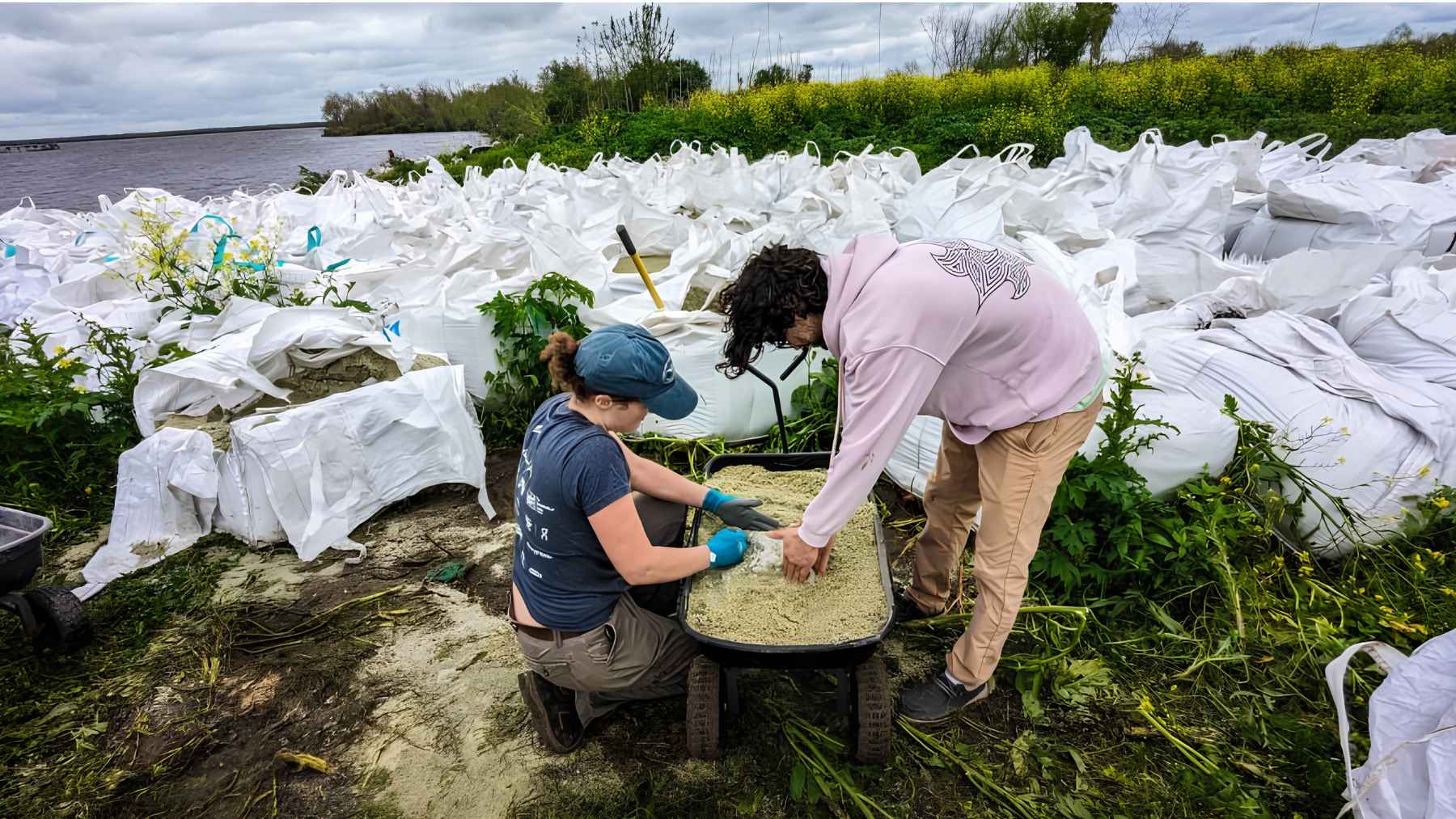
To understand how this filter is changing, the team measured methane and other gases in soil air at 13 long-term plots in beech and spruce stands spread across south‑west Germany. Thin tubes were permanently installed in the ground so that technicians could regularly collect air samples and analyze them in the lab, and additional chamber measurements at the surface helped check that the calculated gas flows were realistic.
On average, these forest soils removed the equivalent of about 7 kilograms of methane per hectare each year, with some plots reaching close to 17 kilograms, which places them among the more active methane sinks reported for temperate forests worldwide.
Beech stands generally absorbed more methane than spruce stands, although even neighboring plots sometimes behaved quite differently, which shows how strongly soil texture and local conditions shape this hidden climate service in a warming, drying regional climate.
Drier, warmer soils pulled in more methane
When the researchers looked at the full 1998 to 2022 record, they found that methane uptake increased by about 3% per year on average, with an even steeper rise in the most recent decade. Over the same period, weather stations showed that annual rainfall at most sites slowly declined while soil and air temperatures rose, a pattern consistent with local climate change in that part of Germany.
Drier soils contain more air-filled pores, which makes it easier for methane and oxygen to move from the atmosphere down to the microbes that consume the gas. Warmer conditions, up to a point, also speed up microbial activity, so the same warming that makes summer heat waves feel harsher is nudging these bacteria to work a little faster and help capture some of the extra heat that is building up in the Earth system.
As Maier put it in the university press release, “we observed a significant long-term increase in methane uptake in the forest areas we studied”, although the team stresses that this is only one piece of a much bigger climate puzzle.
Why these results clash with studies from the United States and beyond
The German data stand in sharp contrast to a widely cited 2018 study in Proceedings of the National Academy of Sciences of the United States of America, where Xiangyin Ni and Peter Groffman reported that forest soil methane uptake in the Northern Hemisphere had dropped by an average of about 77% between 1988 and 2015. That work linked the decline mainly to increasing rainfall, which left soils wetter and less able to pull methane from the air.
Several recent global syntheses, including a 2023 analysis of forest soil methane fluxes in the journal Geoderma, have also tended to find lower average methane uptake and in some cases signs of weakening sinks.
Lang and her colleagues argue that the physics is largely the same everywhere methane moves more easily through drier soils but regional climate patterns can push rainfall and soil moisture in opposite directions, so a global average may hide important local stories.
What this means for climate models and everyday life
For the most part, the extra methane absorbed by these German forests only offsets a small share of the methane released by livestock, landfills or industrial emissions, so nobody sees this as a free pass on cutting emissions. It does show that some forest soils may help a little more than expected to slow warming, and that matters when countries tally their land sector sinks in climate plans or when scientists estimate how fast methane levels could rise in the future.
At the end of the day, what this study really underlines is the need for long-term, region-specific monitoring before drawing global conclusions. Choices about forest management, from how logging roads compact the ground to how mixed beech and spruce stands are maintained, can change how much methane is quietly scrubbed from the air we all breathe.
The main study has been published in Agricultural and Forest Meteorology.