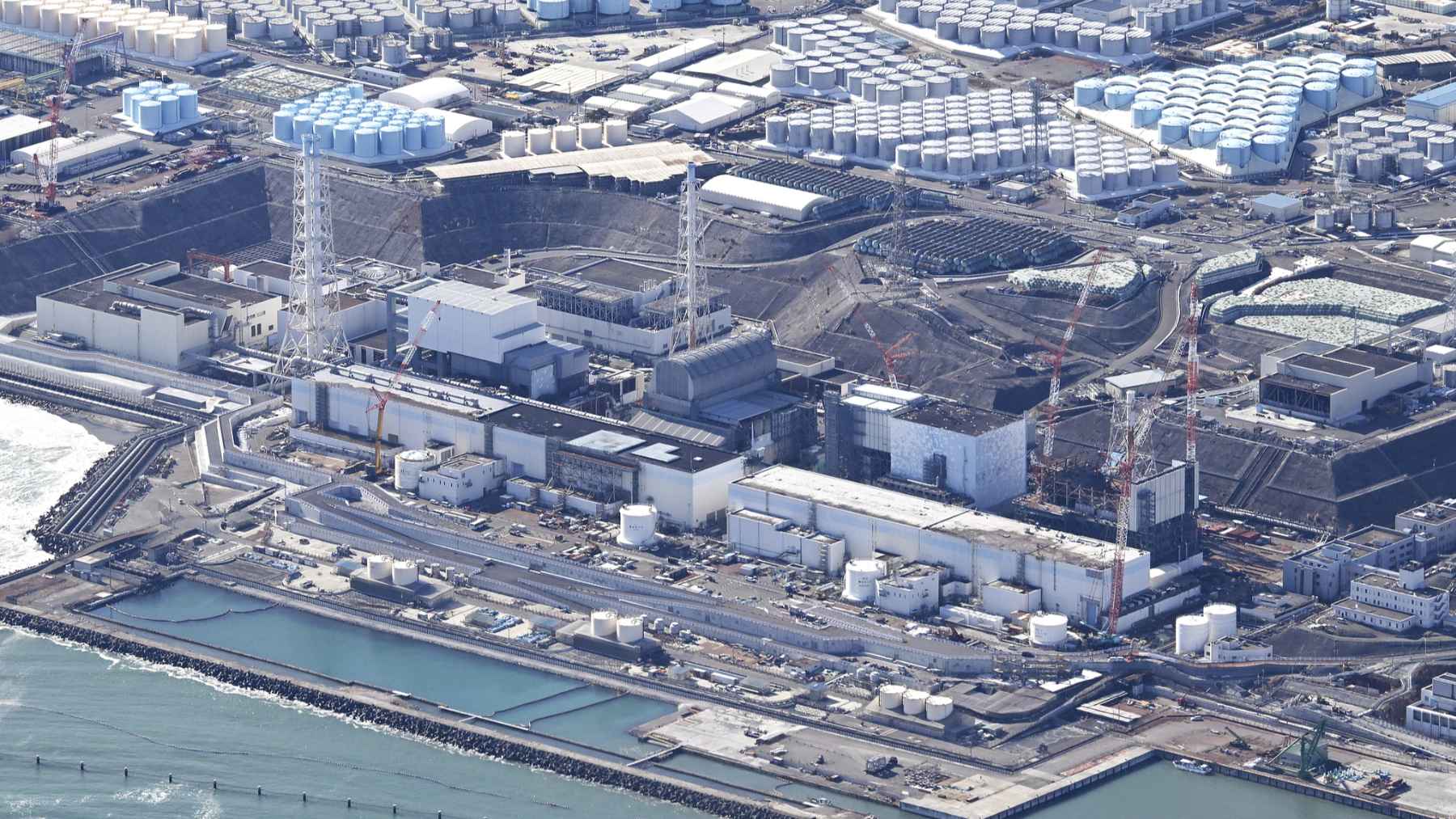
In a pool of murky water beneath the damaged reactors at Fukushima Daiichi Nuclear Power Station, scientists have found a living community in a place many people assumed was almost sterile. The water is laced with radioactive cesium at around one billion becquerels of cesium 137 per liter, yet bacteria are quietly hanging on there and even forming slimy films on metal surfaces.
The surprise is not just that life persists. It is that the dominant microbes are, for the most part, very ordinary.
A radioactive pool with unexpected tenants
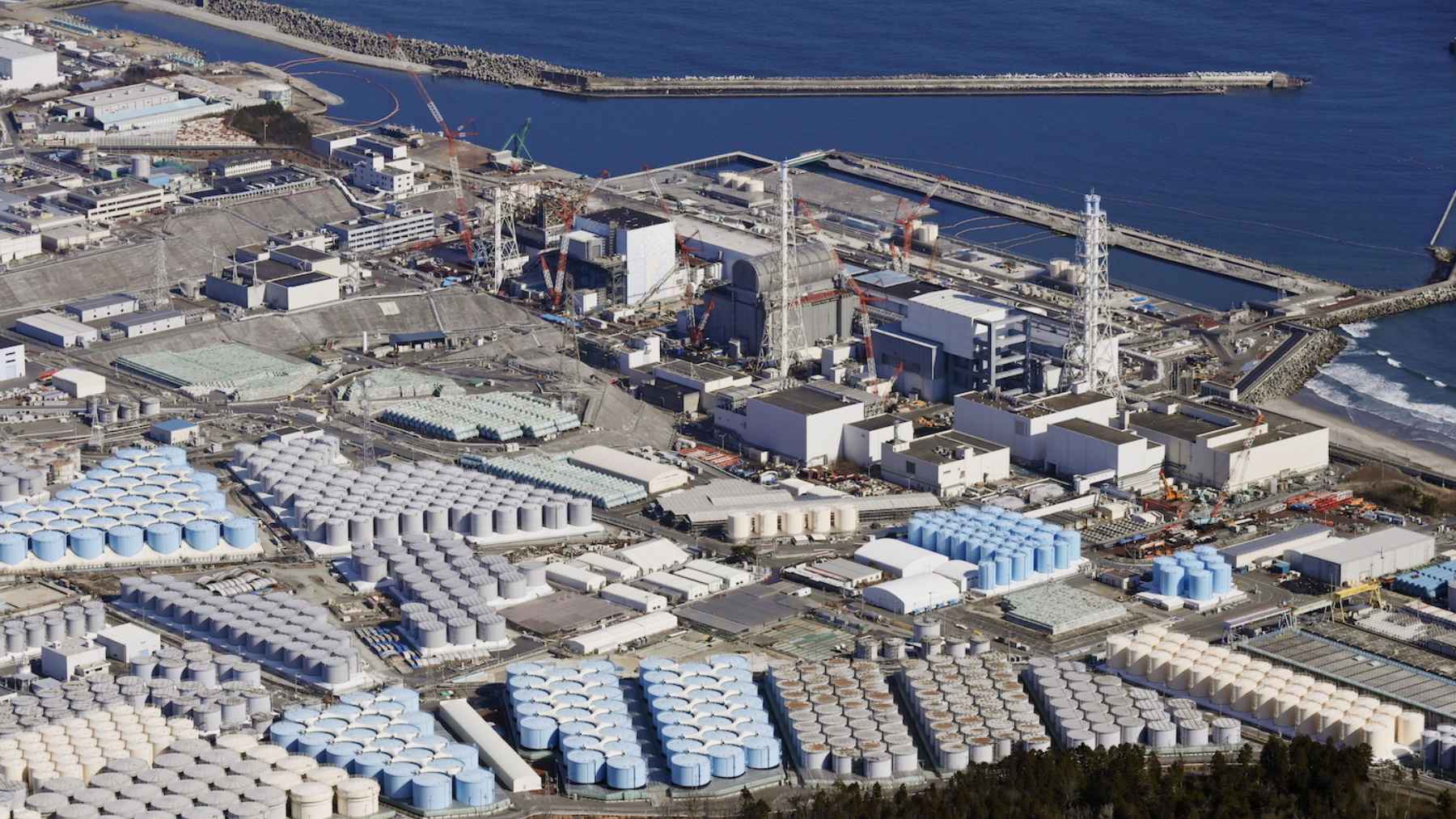
The story begins with the 2011 earthquake and tsunami that flooded the plant with seawater and triggered multiple core meltdowns. That emergency water collected in the “torus room,” a safety chamber under the reactor building that traps steam and radioactive materials. Years later, stagnant, highly radioactive water still remained there.
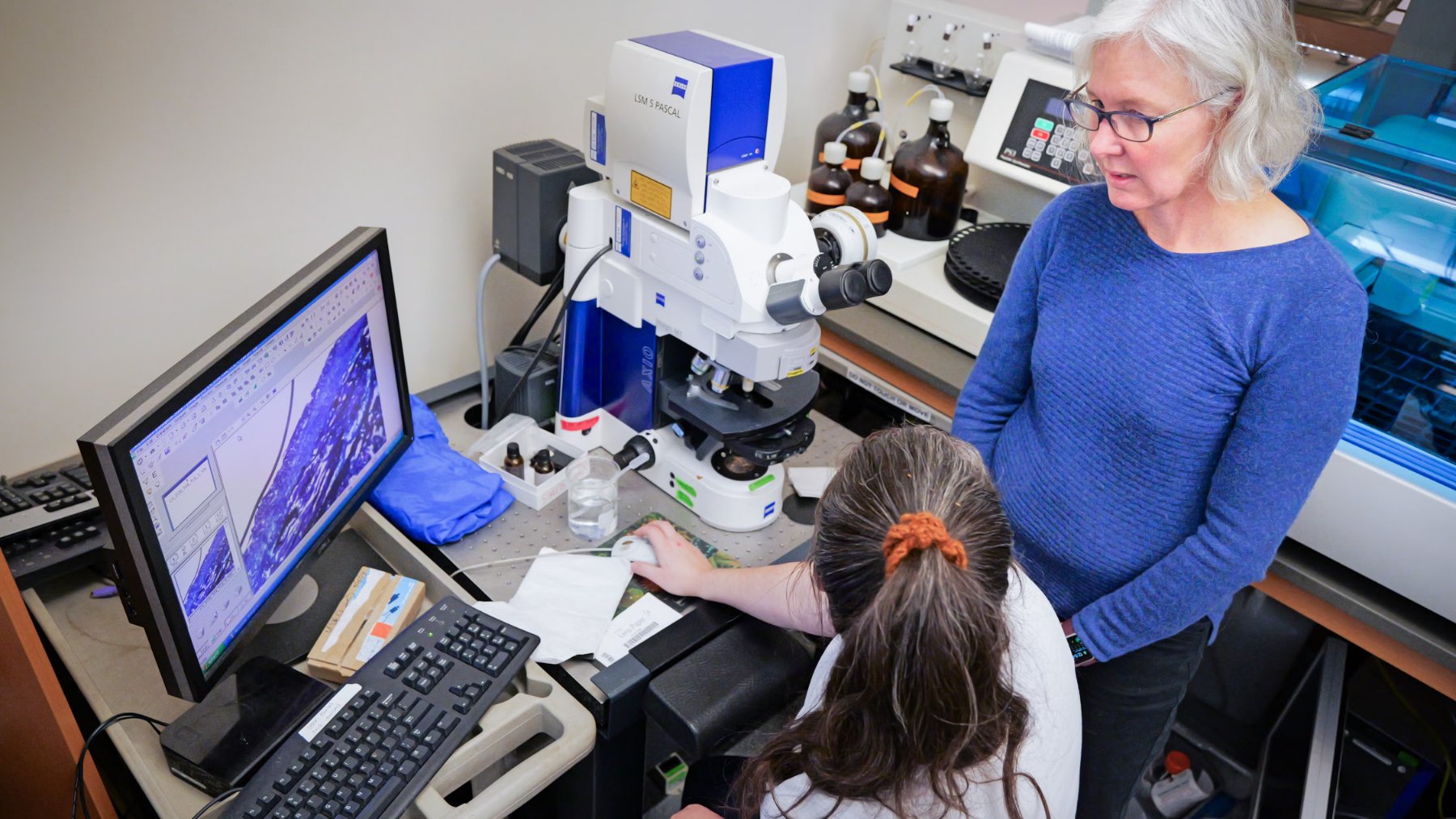
A team led by biologists Tomoro Warashina and Akio Kanai at Keio University collected samples from two depths in that torus room pool. They then used portable DNA sequencing equipment that could safely operate inside a radiation controlled facility to map the bacterial community. So what did they find in this hostile mix of emergency coolant and seawater?
Ordinary microbes with unusual fuel
Genetic analysis showed that the upper water layer, known as TW1, was dominated by bacteria from the genus Limnobacter. The lower, sludge-rich layer, TW2, was packed mainly with Brevirhabdus. Both belong to groups of chemolithotrophic microbes that get their energy by oxidizing inorganic compounds such as sulfur and manganese instead of feeding on typical organic matter.
When the researchers tested a close relative, Limnobacter thiooxidans, under gamma radiation, its resistance looked similar to that of everyday bacteria. In the torus room samples, the share of bacterial genera known for extreme radiation resistance was extremely small. The authors note that “the impact of radioactivity on selection within the torus room water was minimal,” compared with other pressures.
So how are these microbes coping in such a stressful place? The study and later coverage point to biofilms, the thin, sticky mats that microbes build on metal surfaces. That slimy coating can act like a shield, softening some of the damage from ionizing radiation while the bacteria tap into dissolved minerals for energy.
Corrosion worries for a decades-long cleanup
From an ecological point of view, the community in the torus room looks like a blend of two worlds. Analyses show that many of the genera match typical marine bacteria, which likely rode in with the tsunami, while others resemble species that thrive in industrial biofilms, sludge, and wastewater. Similar microbes have been reported in spent nuclear fuel pools in France and Brazil.
Roughly 70% of the bacterial genera in the torus room water are associated with metal corrosion. For engineers and communities waiting on decommissioning, that detail matters. Corrosive biofilms can slowly eat away at steel structures, piping, and other hardware and can cloud the water, making it harder for cameras and robots to work.
Lessons from earlier accidents at places like Three Mile Island and Chernobyl already showed that microbes can complicate cleanup to a large extent.
At the end of the day, what this research offers is a microbial map of a place that crews will be working in for many years. Knowing which bacteria are present, where they sit in the system, and how strongly they attack metal helps planners design coatings, biocides, or other controls that slow corrosion and reduce future risks without creating new environmental problems.
Life in hostile places
For ecologists and microbiologists, Fukushima has become another case study in how life adapts to extreme environments. In soils around Chernobyl, scientists have found fungi that use pigments to cope with radiation. In Fukushima’s torus room, by contrast, life survived mostly by taking advantage of seawater chemistry and protective biofilms rather than evolving dramatic new tricks.
It is a quieter story than mutant superbugs. Yet it is a powerful reminder that even in the shadow of a nuclear disaster, microscopic communities keep working, reshaping metals and water in ways that humans now have to factor into long-term cleanup and safety plans.
The study was published in the American Society for Microbiology.