Latest Post

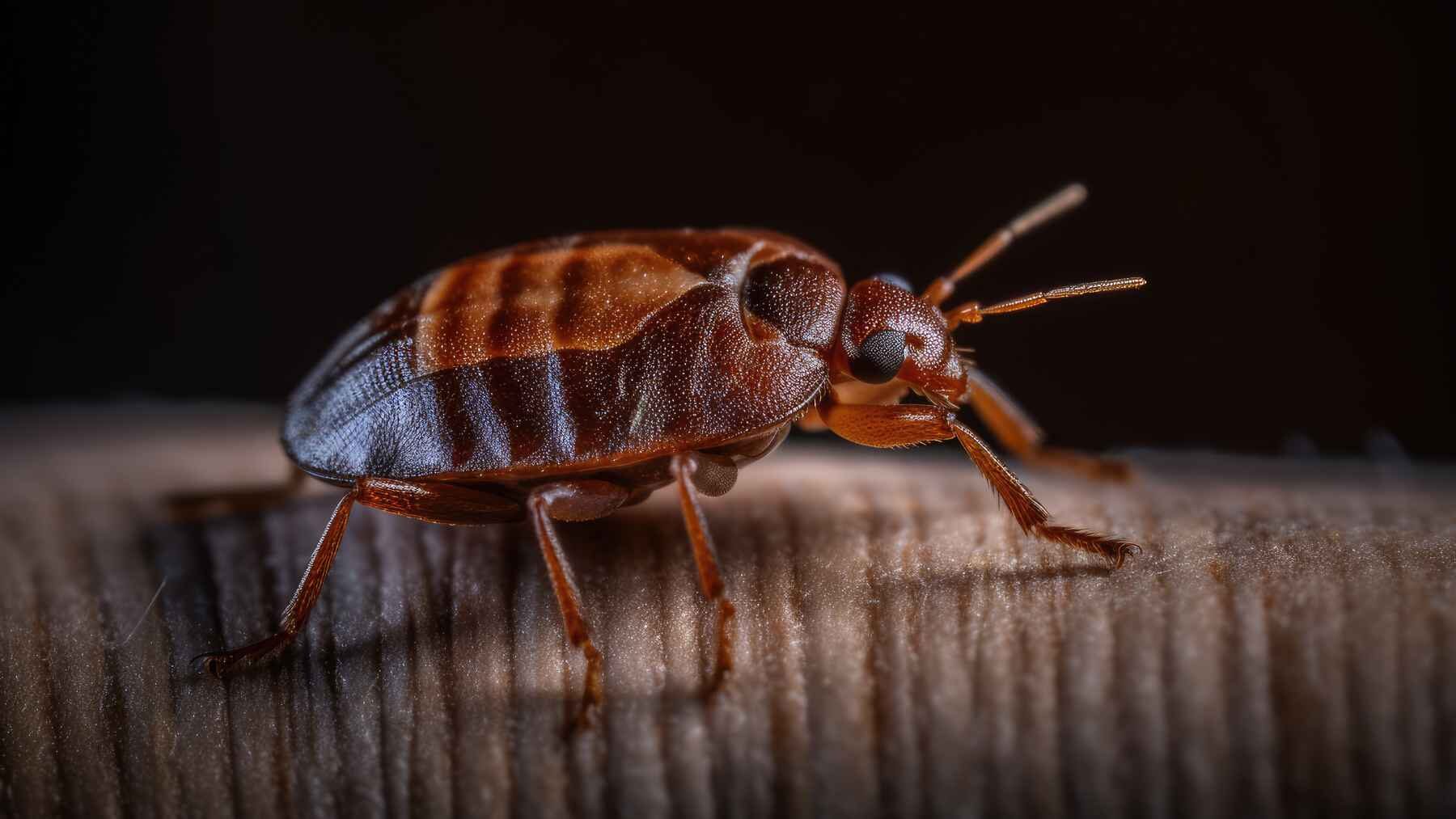
Close-up macro photograph of an adult common bed bug (Cimex lectularius).

Bedbug DNA reveals that these insects have been tied to humans for far longer than we would like to imagine, a sticky and seriously uncomfortable history

—
July 23, 2026 at 8:45 AM
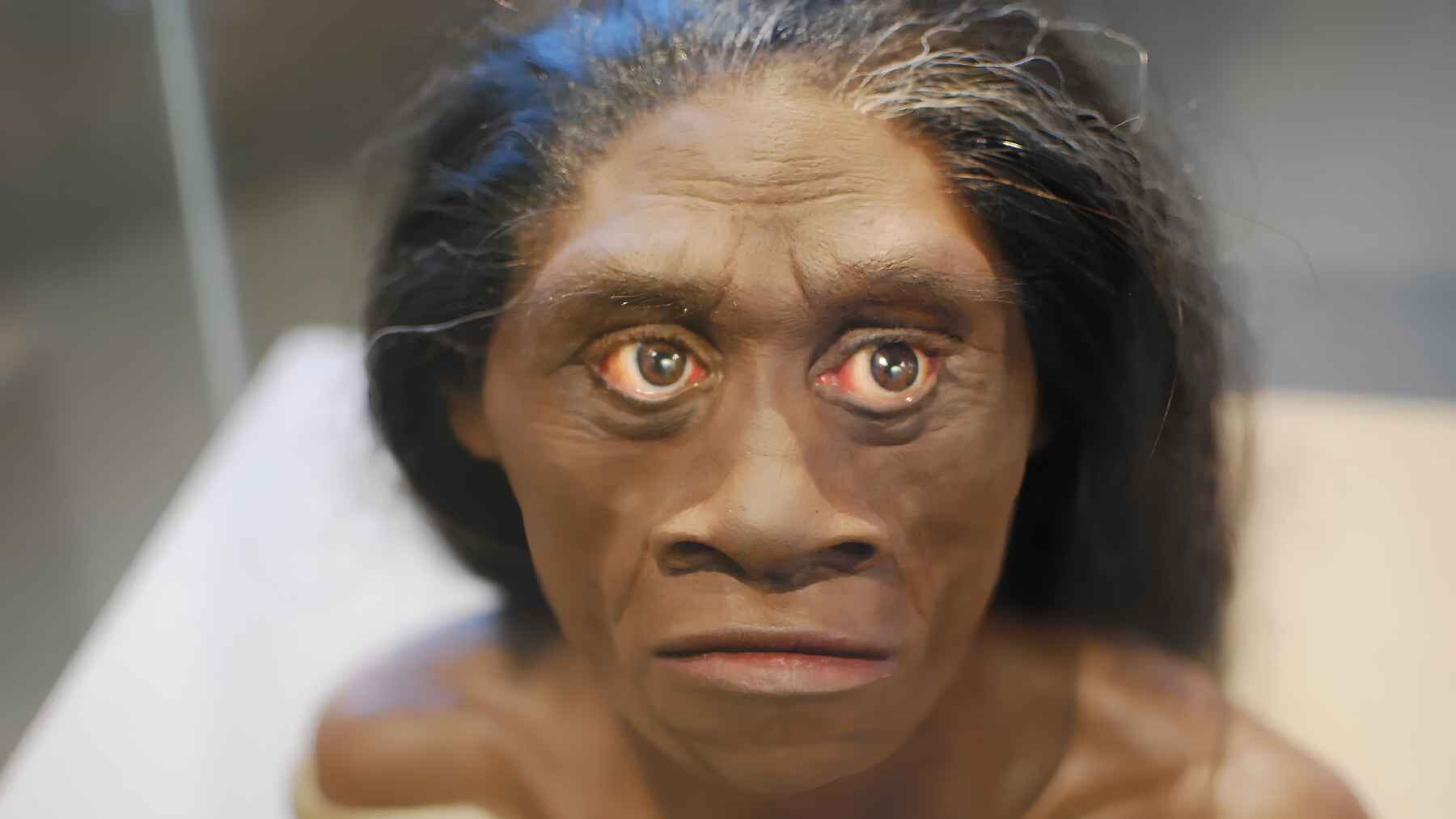
Facial reconstruction of Homo floresiensis, the extinct human relative discovered on the Indonesian island of Flores.

The tiny Homo floresiensis may have survived by scavenging food, an unexpected clue that changes the image of these small humans who lived isolated on a remote island

—
July 23, 2026 at 6:30 AM
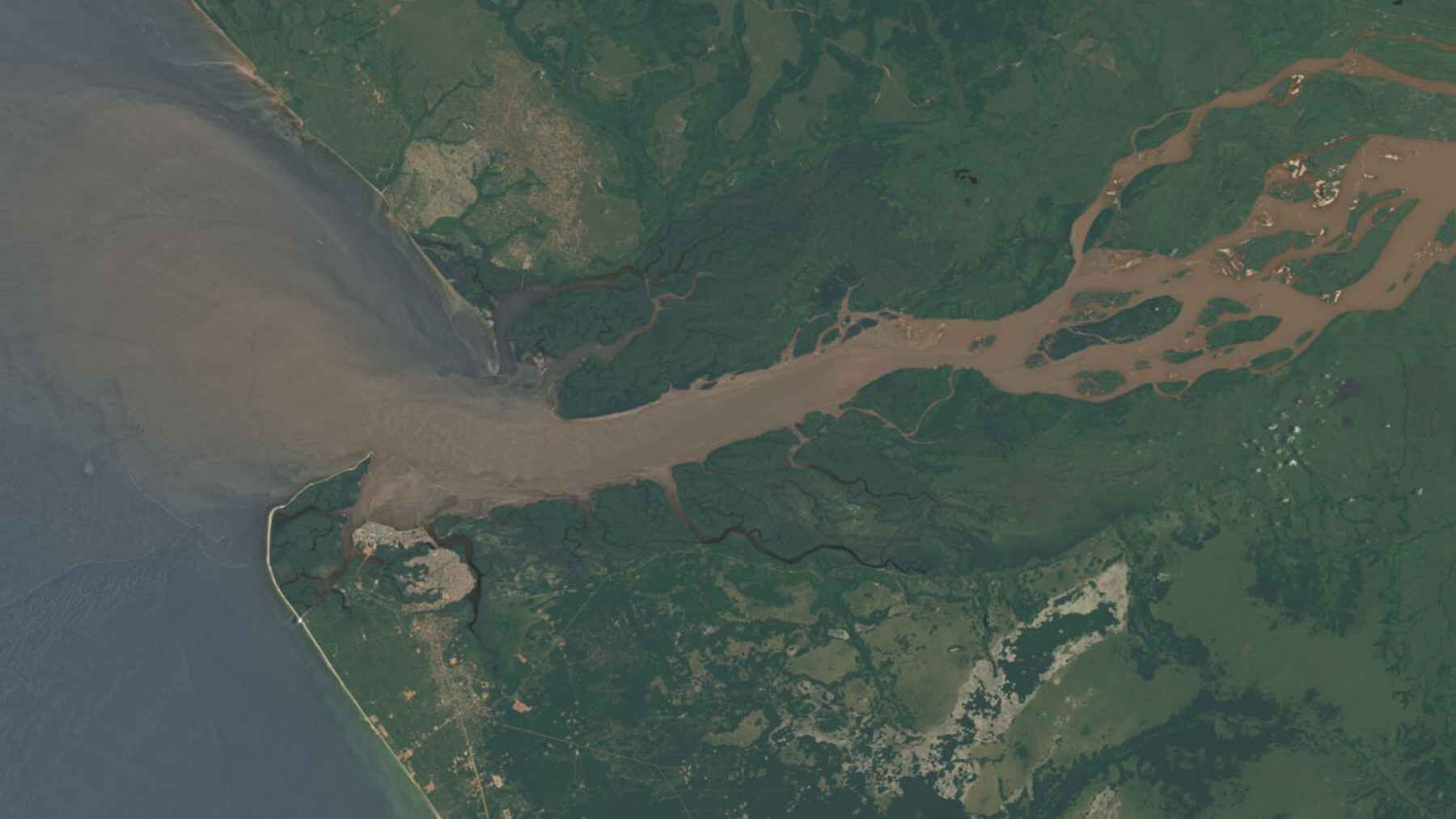
Satellite view of the Congo River emptying into the Atlantic Ocean, where one of the world's largest freshwater plumes begins.

Every second, 40,000 cubic meters of fresh water flow from the Congo into the Atlantic, a gigantic current whose final destination still has researchers following clues through the ocean

—
July 22, 2026 at 6:30 PM
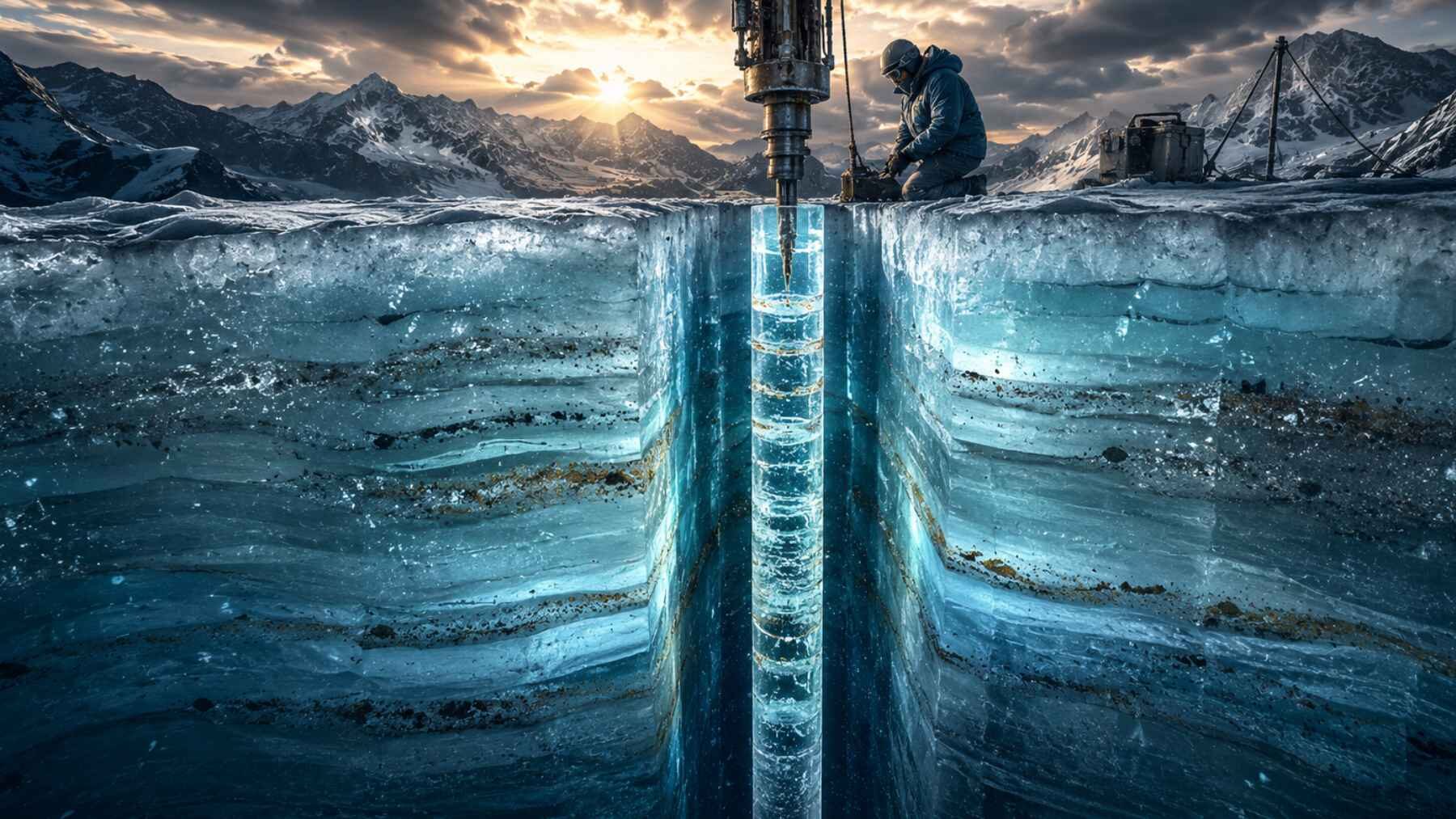
Illustration of scientists drilling an Alpine glacier to recover an ancient ice core preserving nearly 2,000 years of Europe's environmental history.

Scientists drilled 33 feet into ice and recovered a 2,000-year climate record, a frozen capsule that can reveal how the atmosphere breathed long before modern measurements

—
July 22, 2026 at 5:00 PM
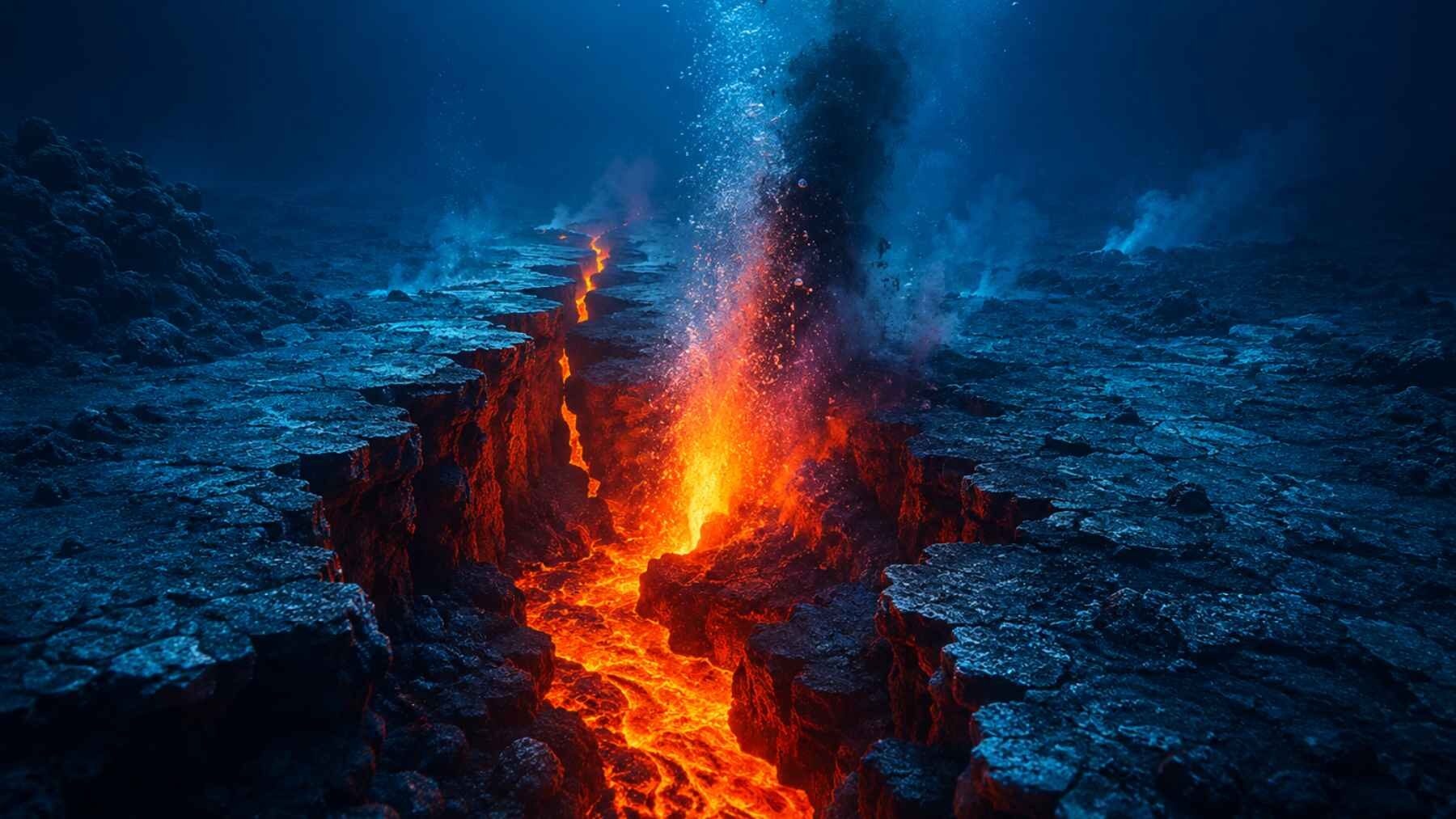
Illustration of lava rising through a mid-ocean ridge as Earth's crust splits to form new oceanic crust beneath the Indian Ocean.

Researchers watched live as Earth cracked open and a massive amount of lava began forming new ocean floor, a geological scene almost no one ever gets to witness

—
July 22, 2026 at 3:00 PM
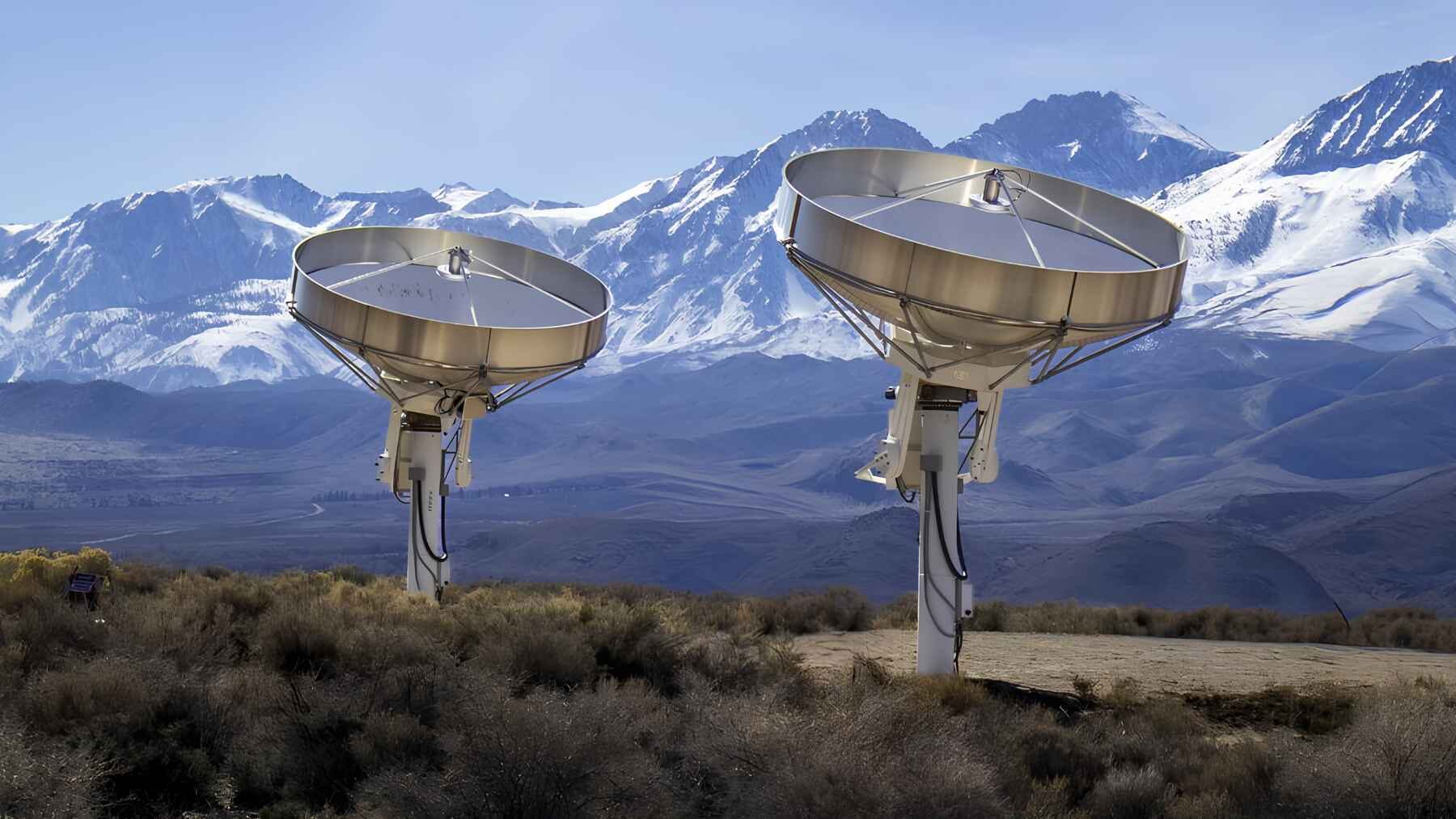
Prototype radio telescope dishes developed for Caltech's Deep Synoptic Array, the future DSA-2000 observatory.

California will build 1,650 satellite dishes to create the world’s most sensitive radio telescope, a giant cosmic ear designed to catch weak signals that now get lost in the noise of the universe

—
July 22, 2026 at 12:28 PM
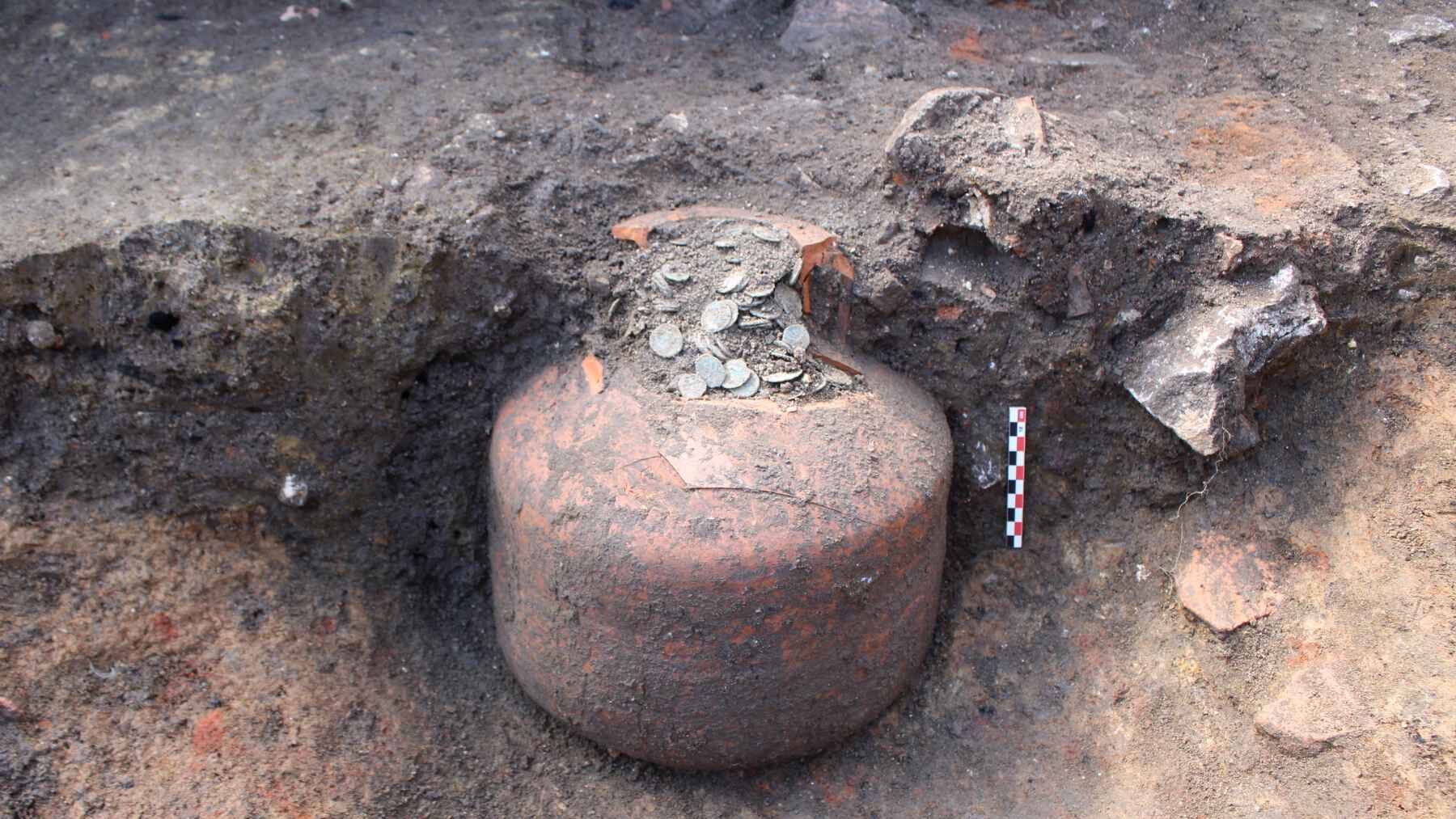
Ancient ceramic vessel filled with thousands of Roman coins uncovered during excavations in Senon, northeastern France.

Archaeologists in France uncovered a pot filled with tens of thousands of Roman coins from 1,800 years ago, a treasure someone hid and never came back for

—
July 22, 2026 at 10:16 AM
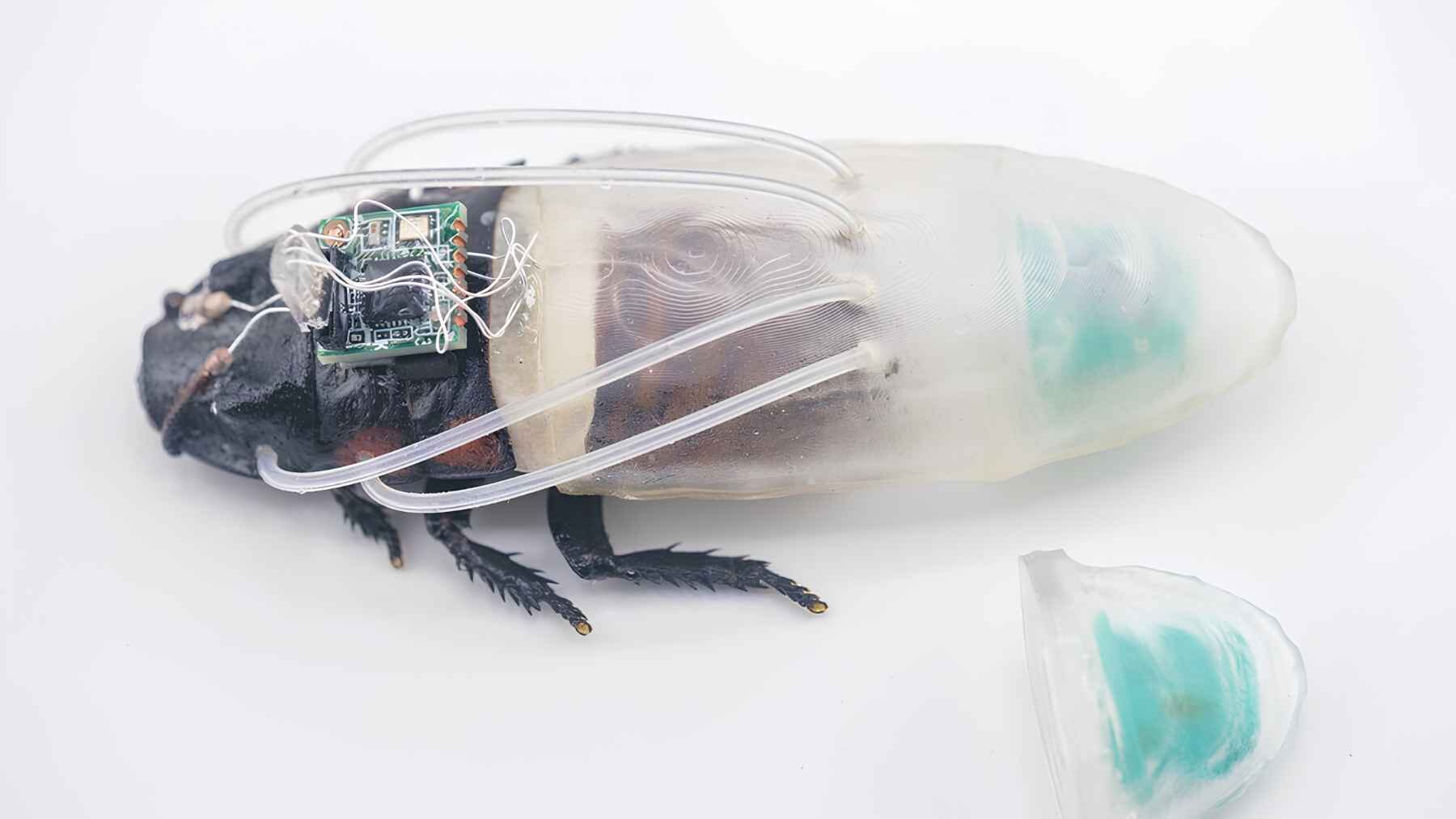
Close-up of a Madagascar hissing cockroach fitted with an oxygen-producing dive suit and steering electronics.

Scientists are developing diving suits for cyborg cockroaches that could be used in rescues and even Mars missions, a mix of insects and technology that sounds almost too weird to be real

—
July 22, 2026 at 8:45 AM
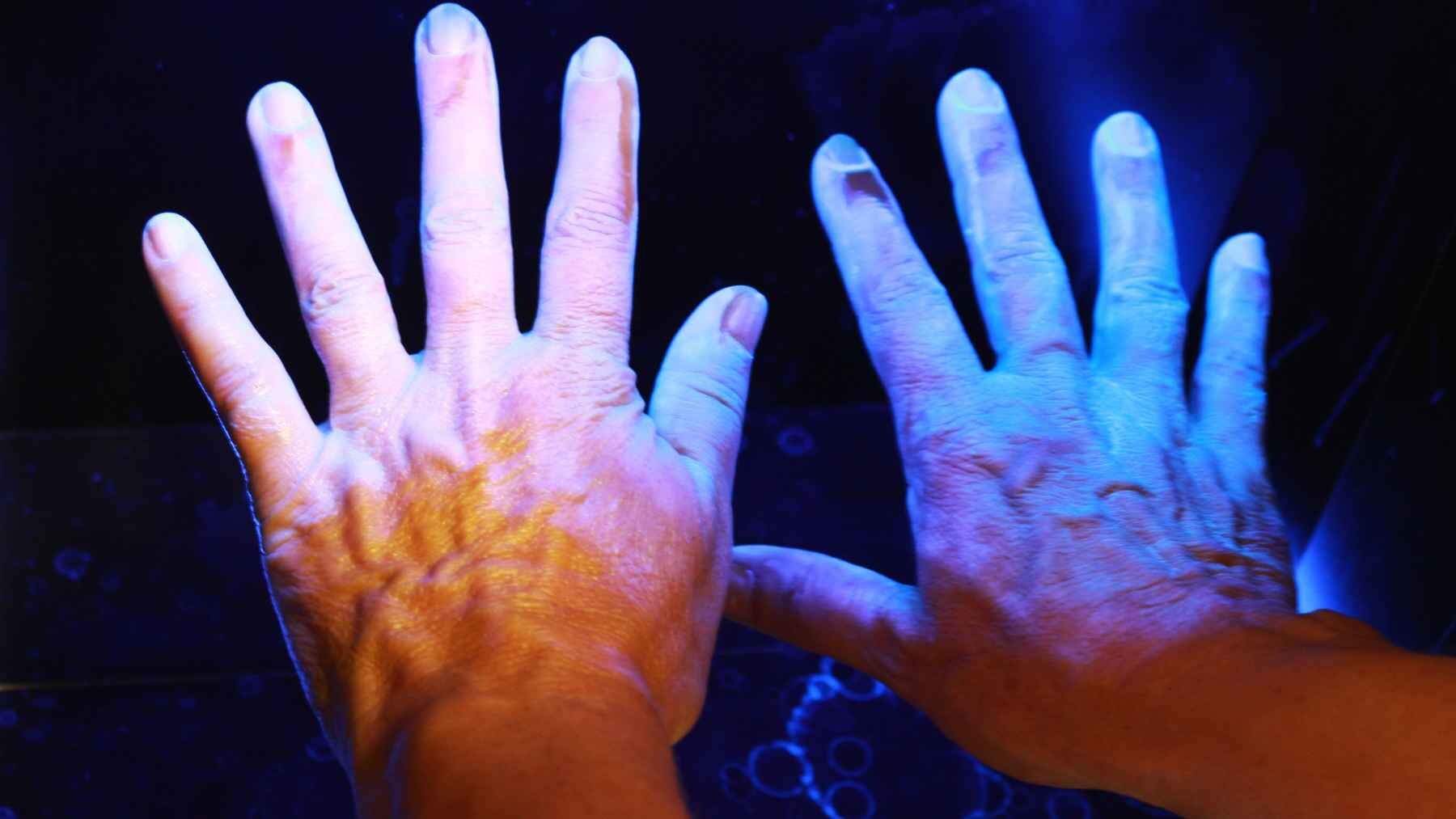
Hands glow violet and blue under ultraviolet light, illustrating the idea of converting ordinary sunlight into higher-energy UV for new chemical reactions.

Scientists found a way to turn visible sunlight into ultraviolet light, a kind of energy trick that could open unusual doors in chemistry, medicine, and solar technology

—
July 22, 2026 at 6:30 AM
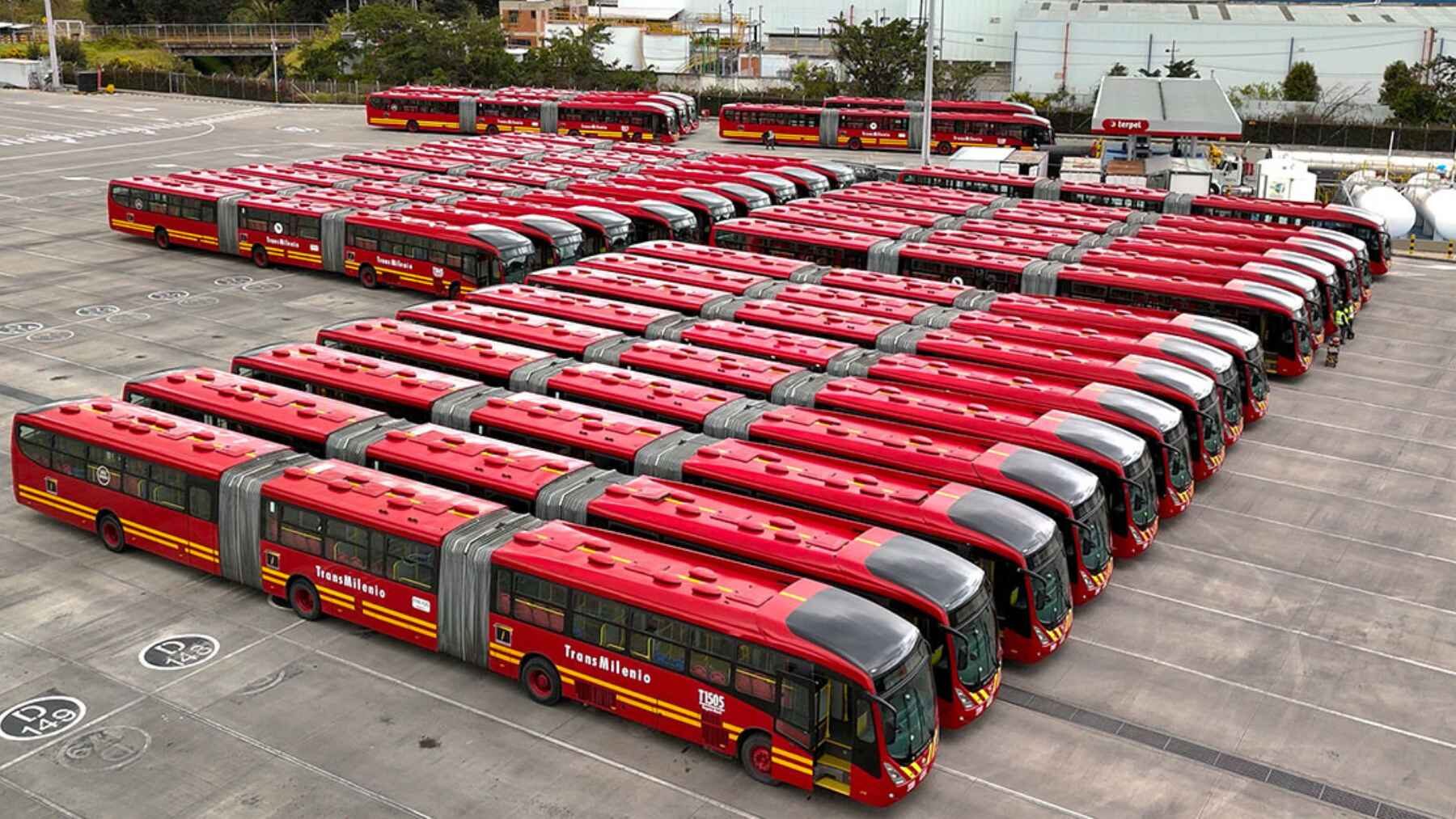
Aerial view of dozens of red articulated TransMilenio buses parked in rows at a Bogotá depot.

China will send 269 electric buses to a Latin American city and turn it into one of the first with a fully electric public transit fleet, the kind of urban leap that does not happen every day

—
July 21, 2026 at 6:39 PM
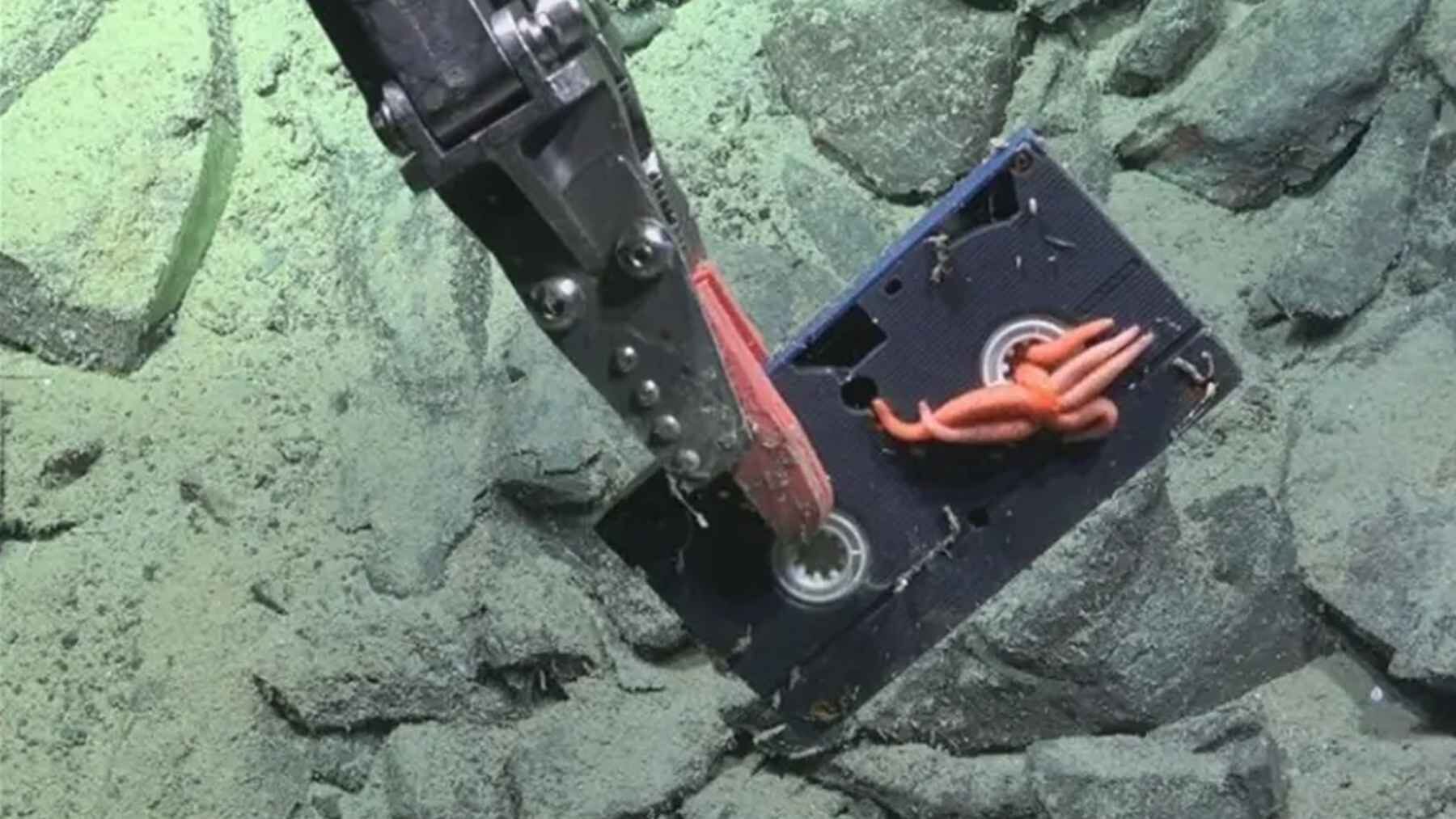
ROV manipulator grasps a degraded VHS cassette 8,700 ft deep on the Argentine seafloor.

An underwater robot dove nearly 13,000 ft. in the Argentine Sea and found fishing nets, bags, and even a VHS tape, as if the ocean floor were keeping a trash pile from another era

—
July 21, 2026 at 5:00 PM
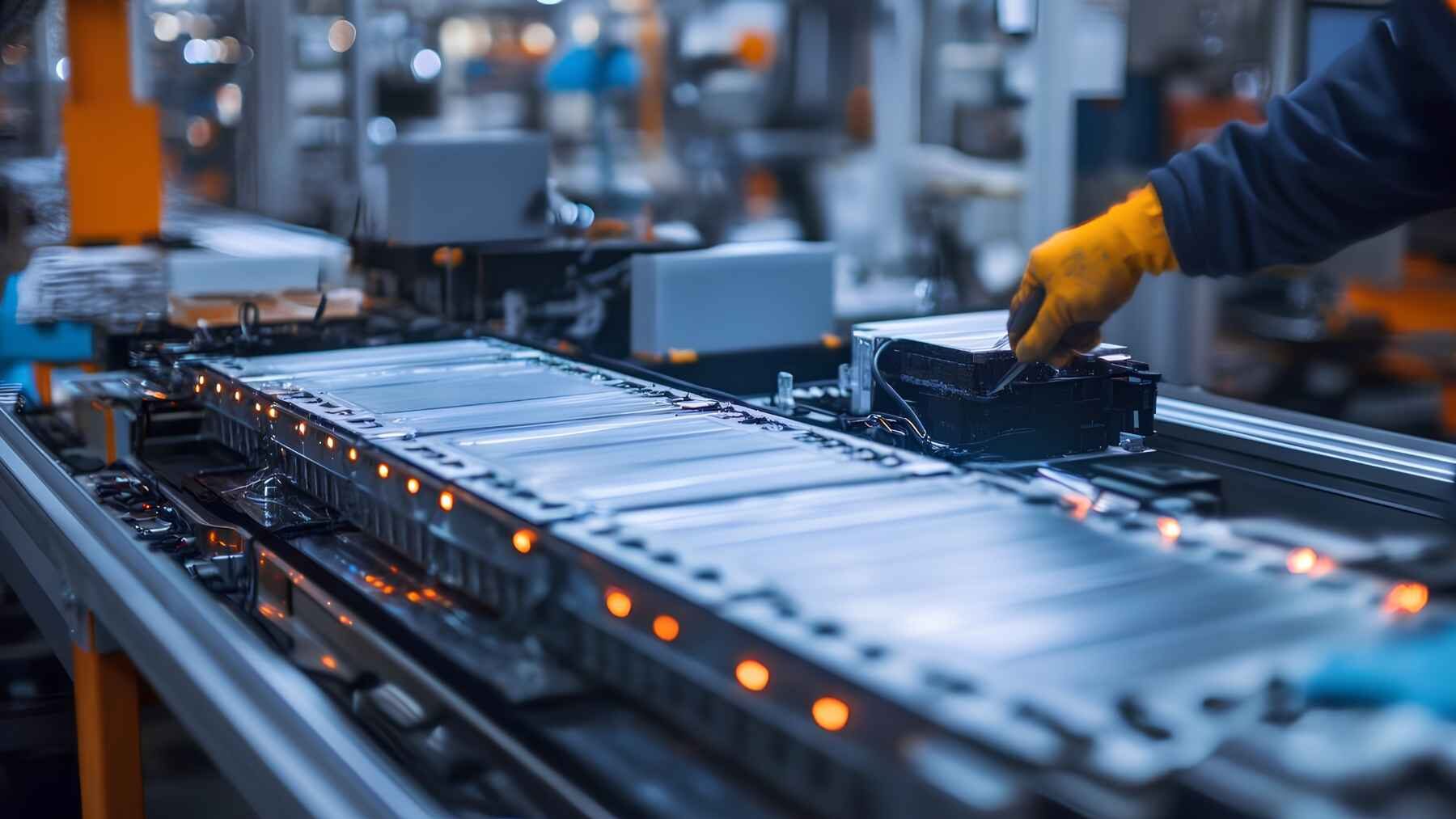
Automated assembly line places cell packs into an electric-vehicle battery while a technician checks connections.

Electric vehicle batteries are beating expectations after hundreds of thousands of miles, and that could knock down one of the most common fears about EVs

—
July 21, 2026 at 3:00 PM
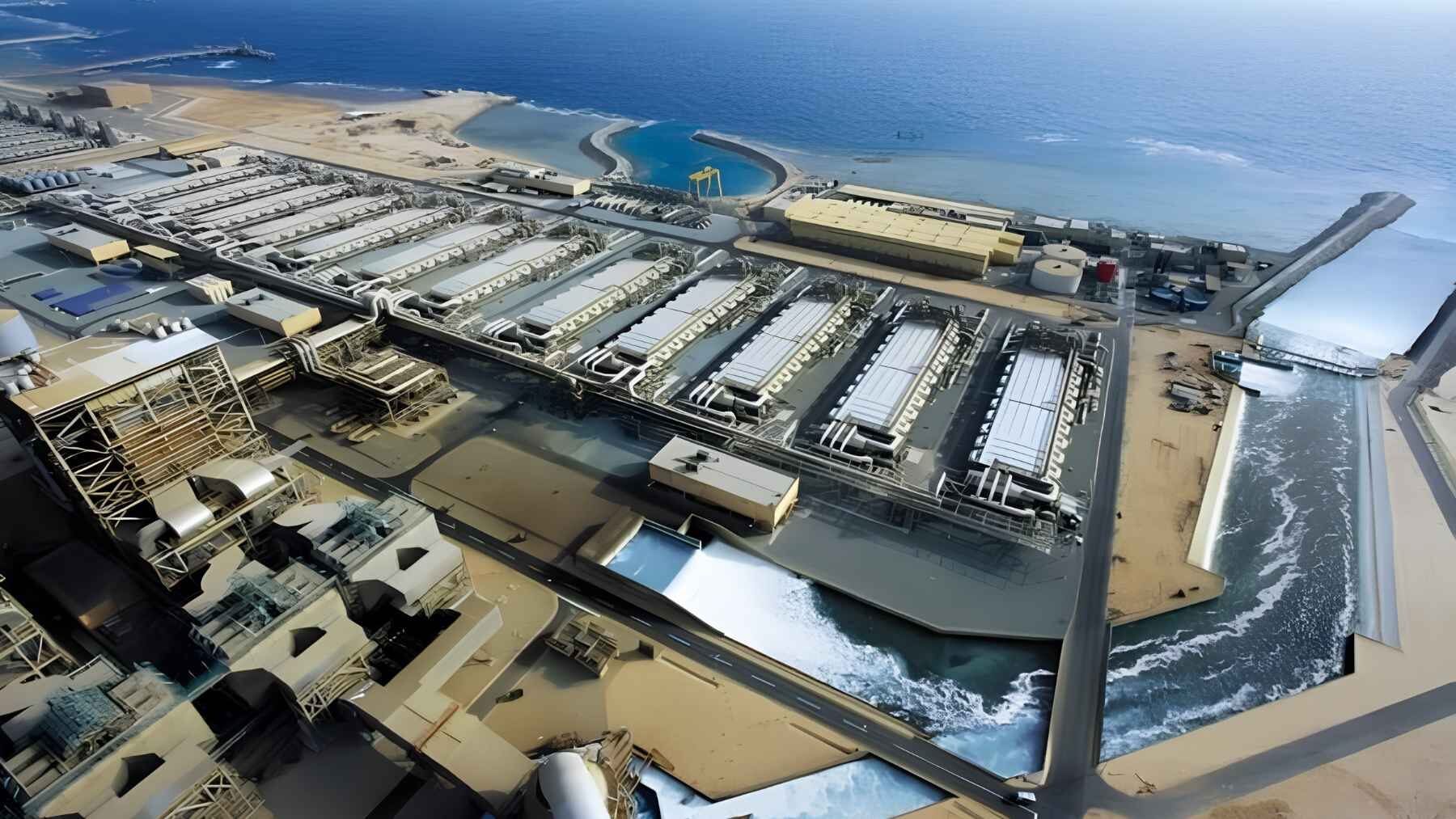
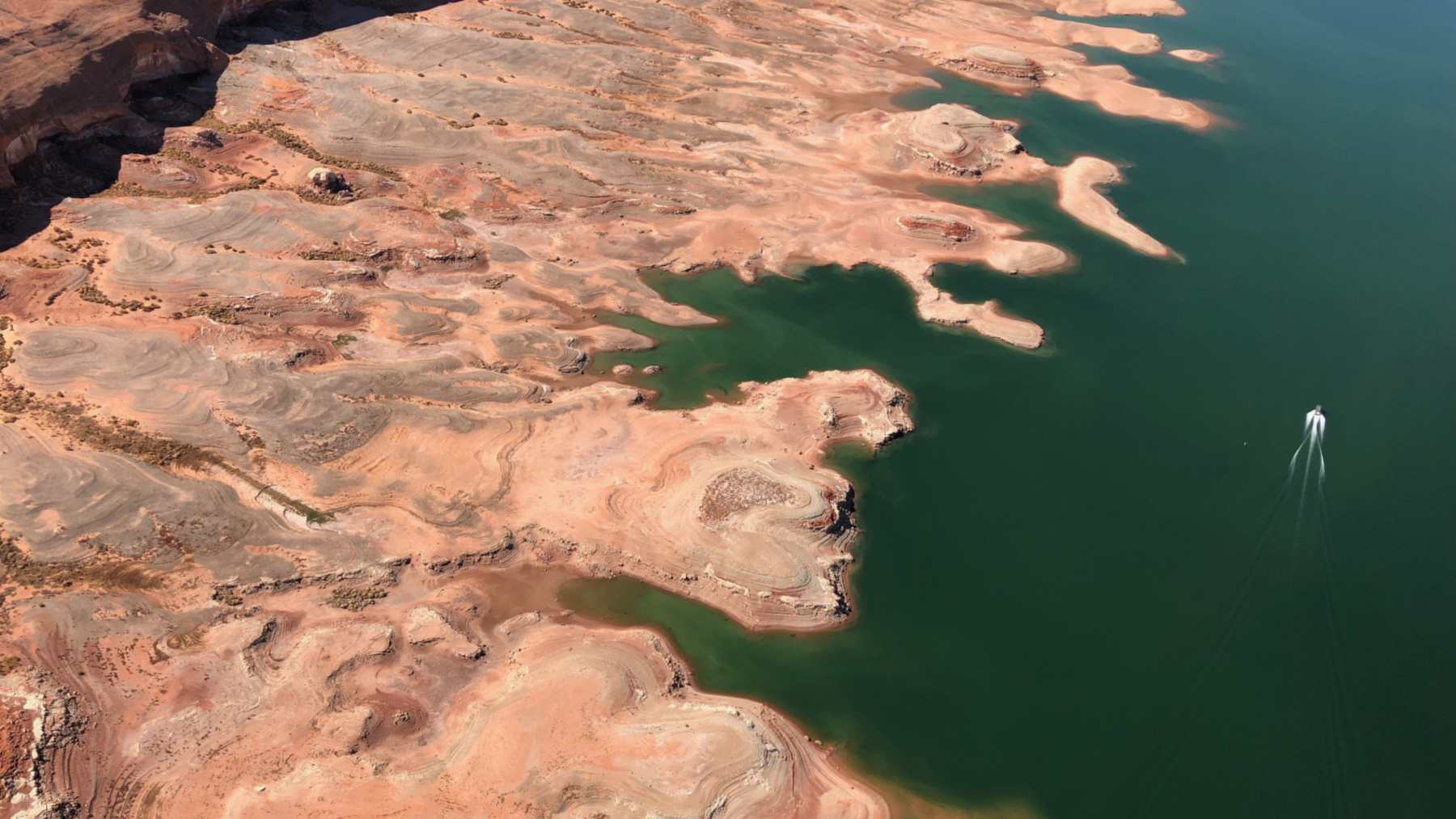
Aerial view of a large reverse-osmosis desalination complex on the Atlantic coast, with seawater intake and brine outfall channels.

Morocco is getting serious about water security with mega-desalination plants and new rules for cities of millions, a massive bet that shows how far the water crisis can go

—
July 21, 2026 at 12:30 PM
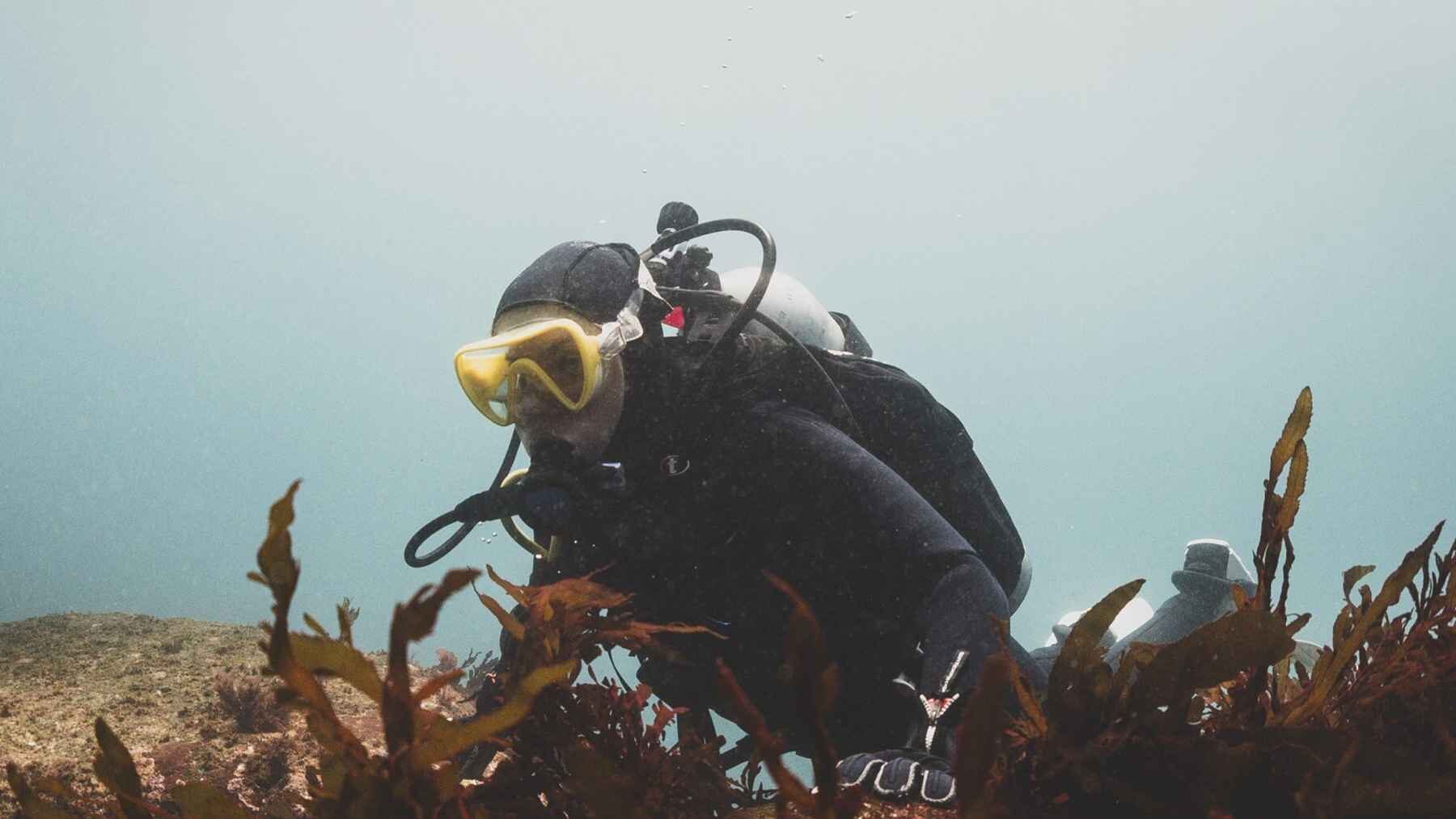
Diver hovers above young kelp fronds and restored algae in the Zapallar marine refuge on Chile’s central coast.

Artisanal fishers in Chile are using marine refuges to protect black sea urchins and help revive underwater forests, an unexpected move where saving one species helps lift an entire ecosystem

—
July 21, 2026 at 10:15 AM
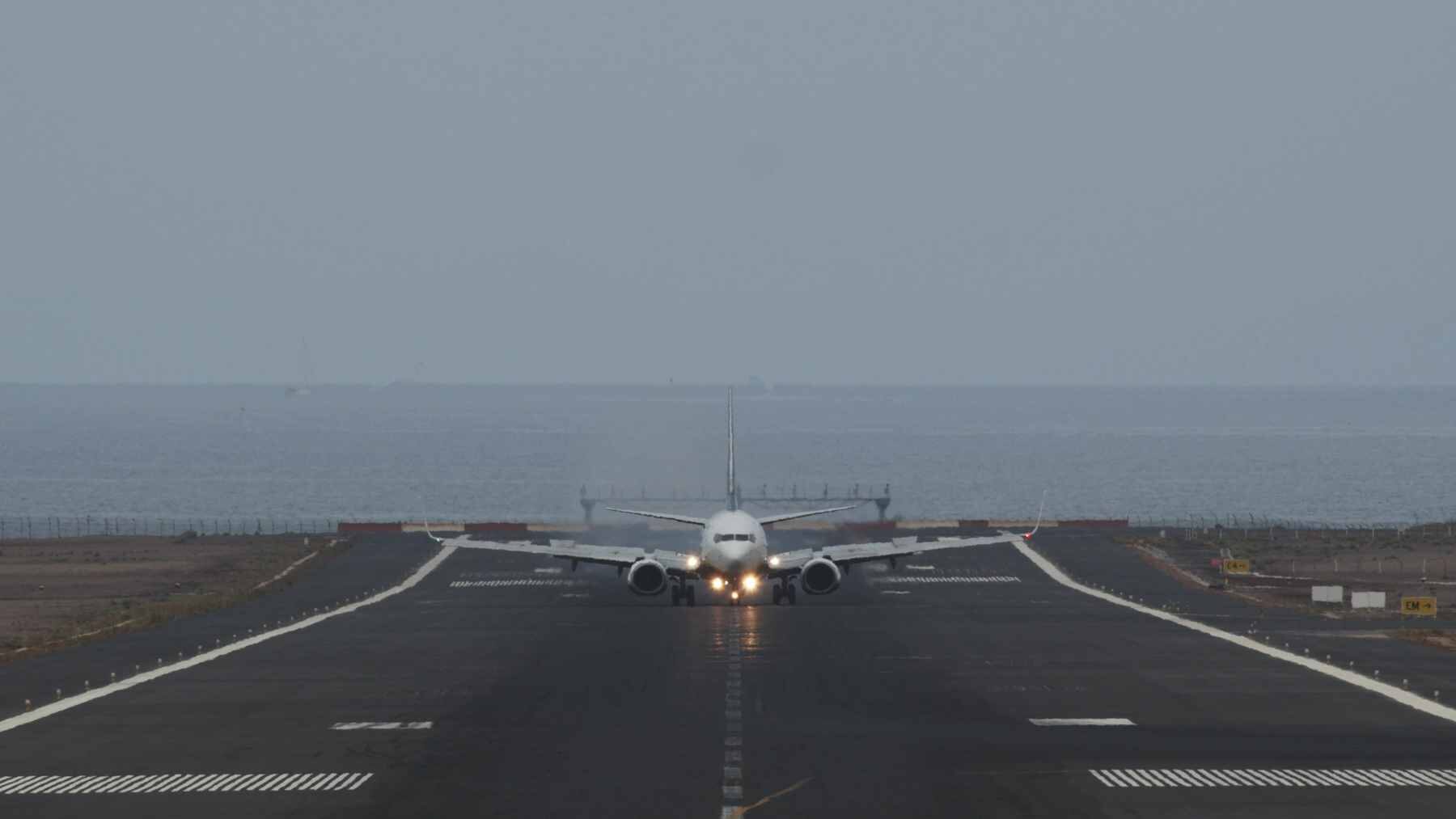
An engineering rendering of a carbon-fiber structural battery component designed for aircraft landing gear integration.

Spain created aircraft landing gear capable of storing energy like a battery, a strange idea that could turn the force of every landing into usable electricity

—
July 21, 2026 at 8:45 AM
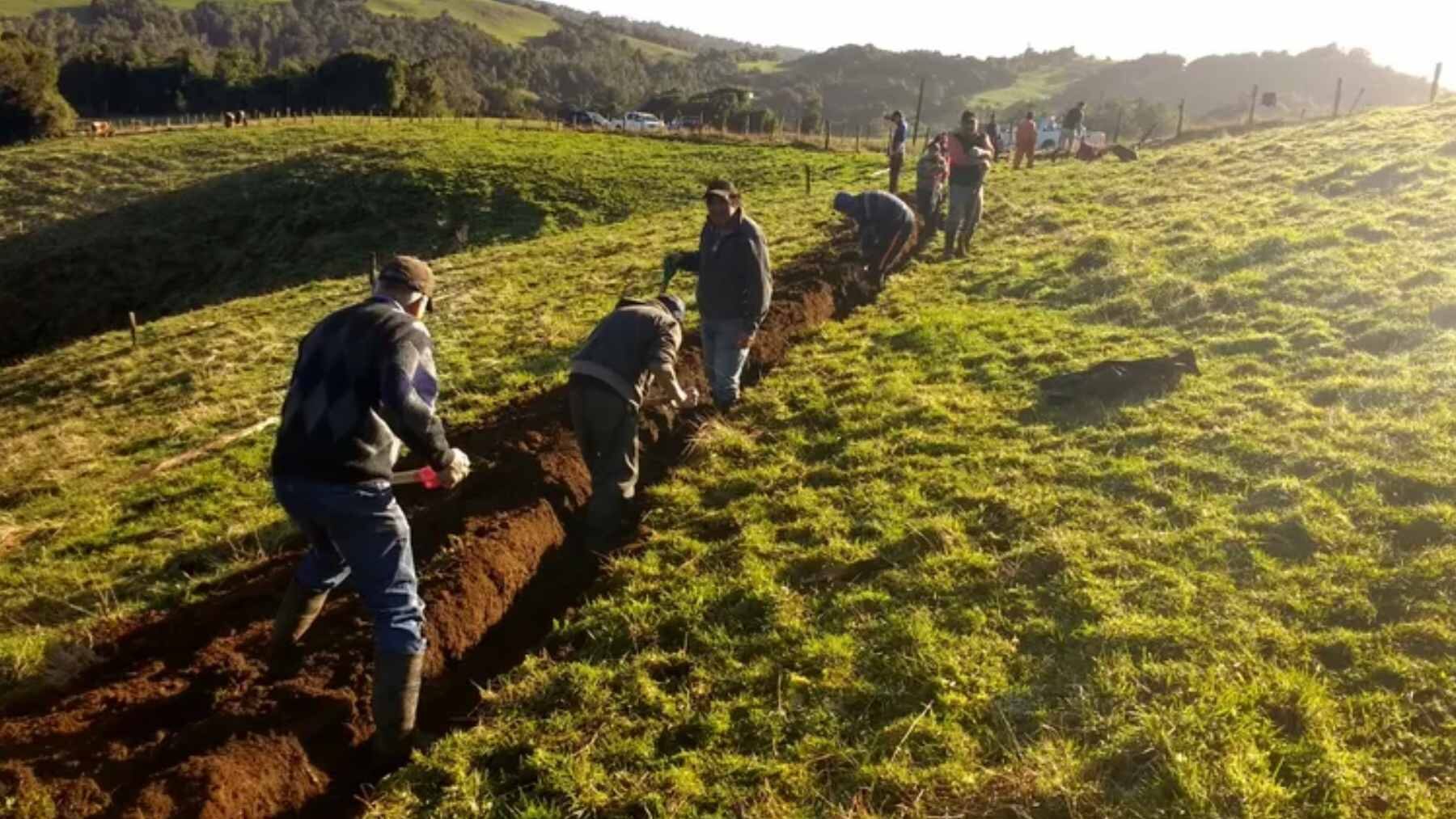
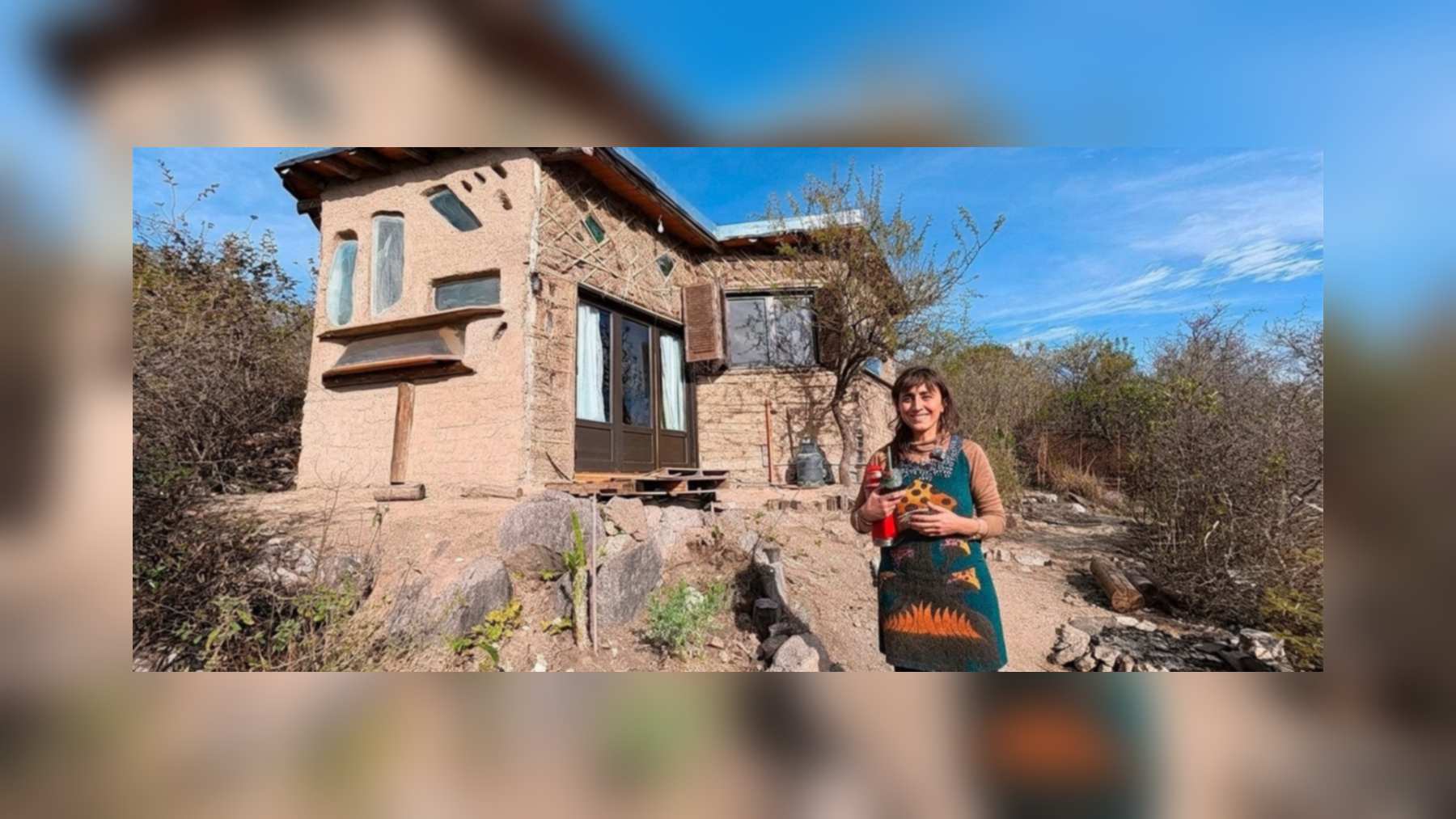
A restored watershed in Chiloé, Chile, featuring native forest vegetation and infiltration trenches that supply a gravity-fed water network.

A rural community in Chiloé spent years struggling with drought and managed to bring its water back using nature-based methods, a small story on the map but a huge one for the people turning the tap on again

—
July 21, 2026 at 6:30 AM
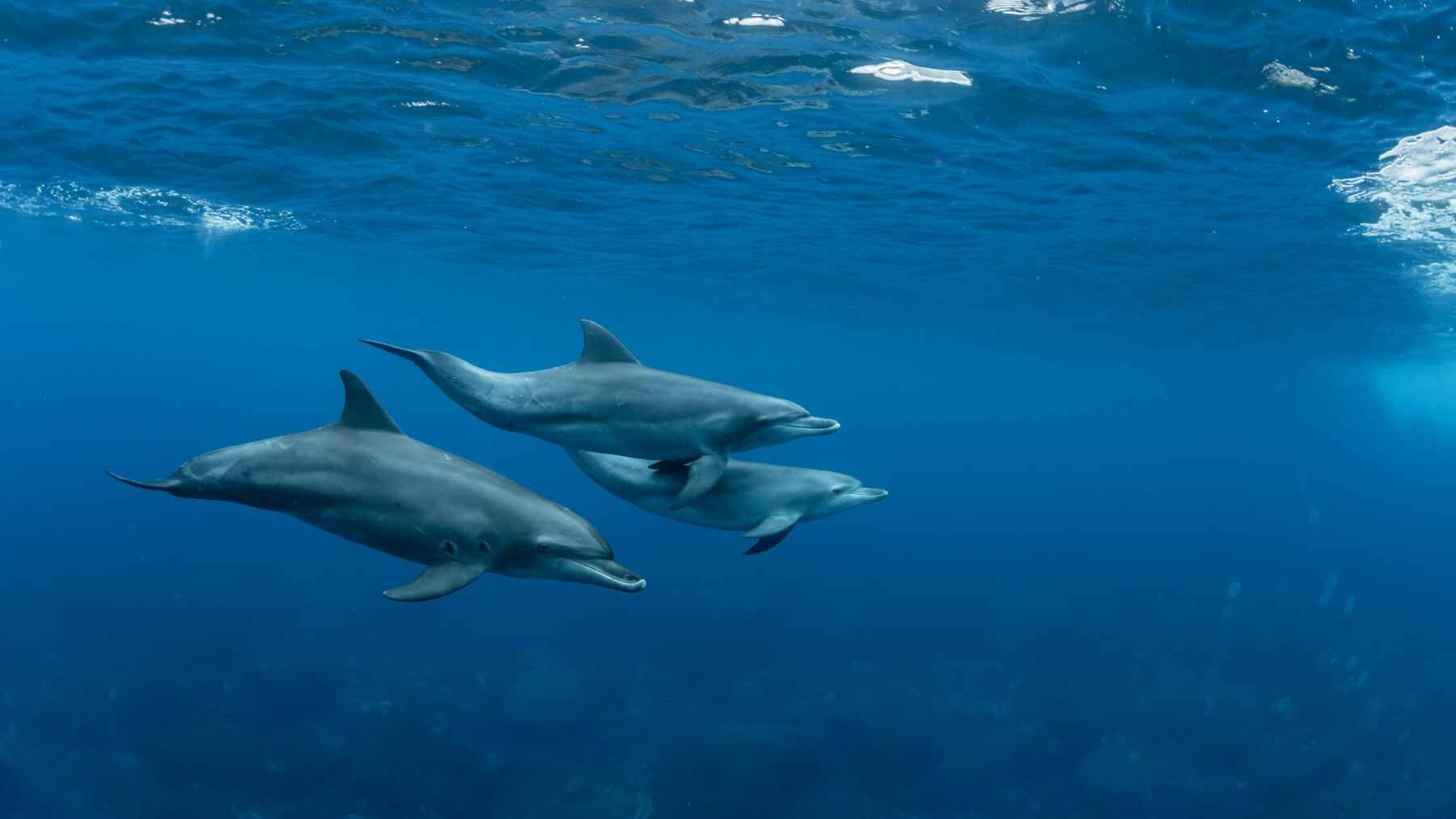
A bottom-set fishing net equipped with sealed, recycled plastic bottles acting as acoustic reflectors to warn dolphins.

Recycled plastic bottles could reduce accidental dolphin bycatch in fishing nets by up to 88%, a pretty wild twist for a waste material usually linked to pollution

—
July 20, 2026 at 6:30 PM
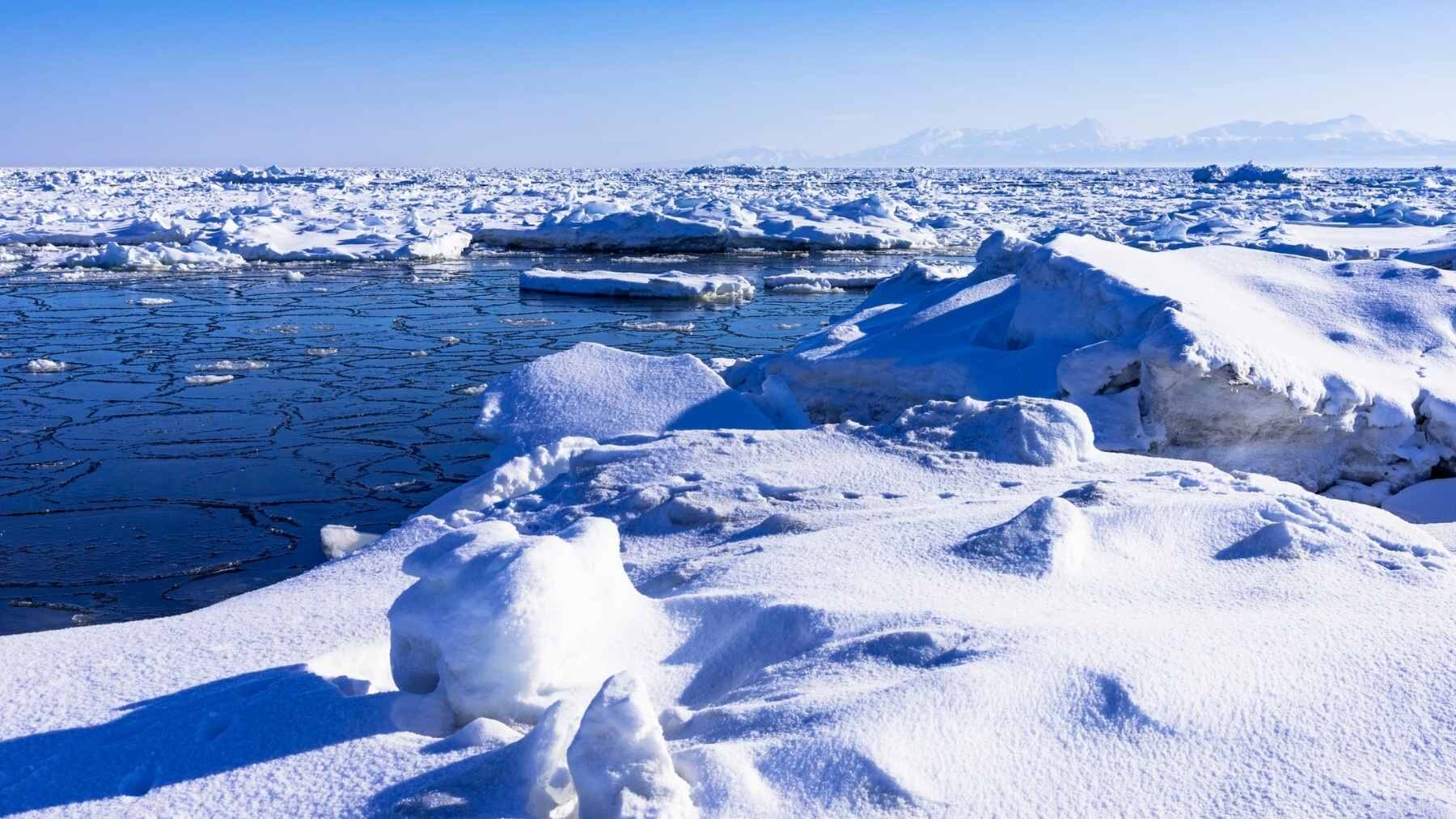
Researchers conducting a field test in Cambridge Bay, Nunavut, where seawater is pumped onto sea ice to increase its thickness and reflectivity.

The first experiment to thicken Arctic ice with seawater showed promise, but it comes with a huge catch that could turn a climate solution into a serious dilemma

—
July 20, 2026 at 5:00 PM
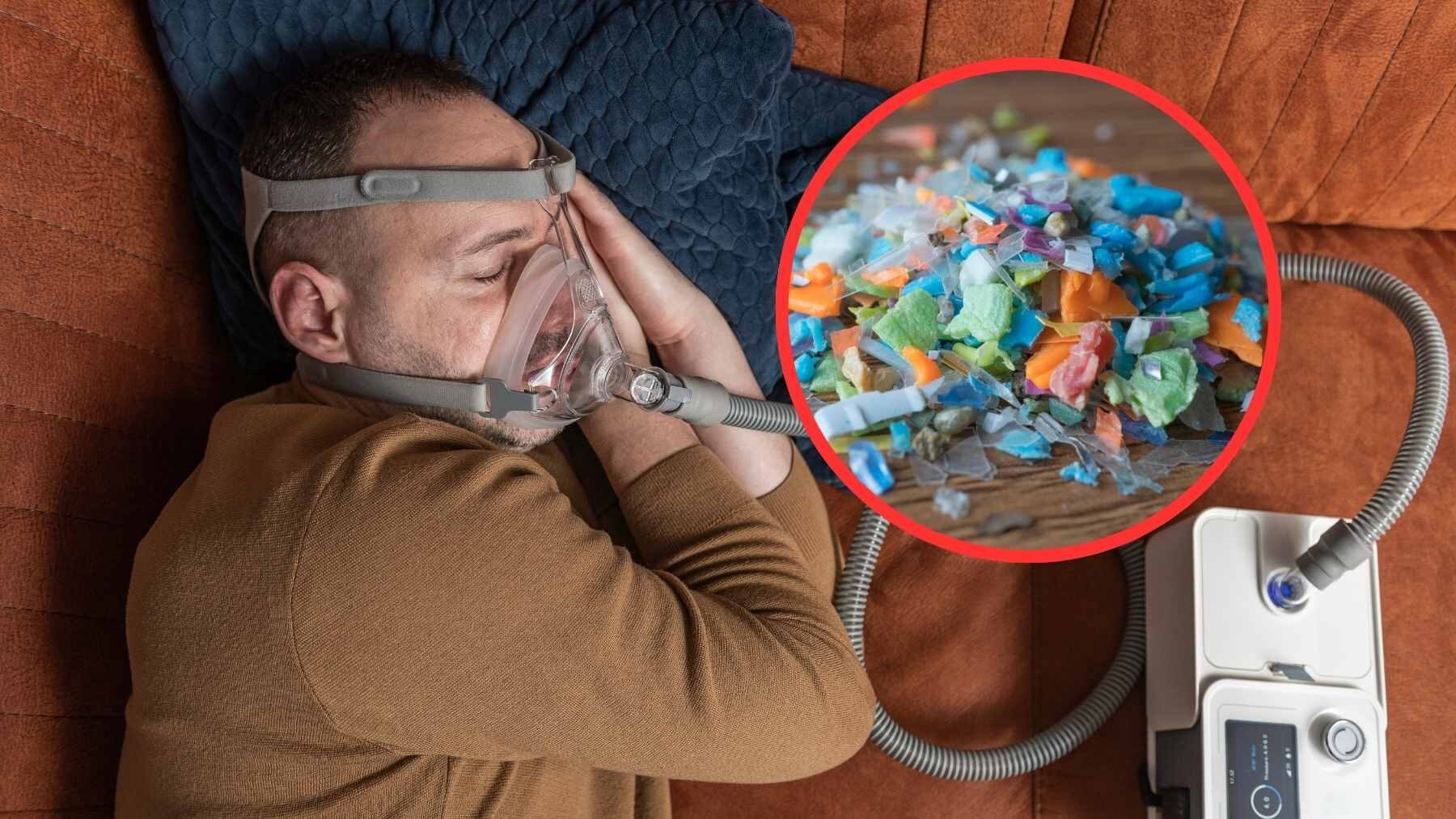
A medical professional performing a nasal lavage procedure on a patient to collect samples for microplastic analysis.

Researchers at a Brazilian University are looking for microplastics in the airways of sleep apnea patients, raising an uncomfortable question about how much plastic we may be breathing in while we sleep

—
July 20, 2026 at 3:00 PM
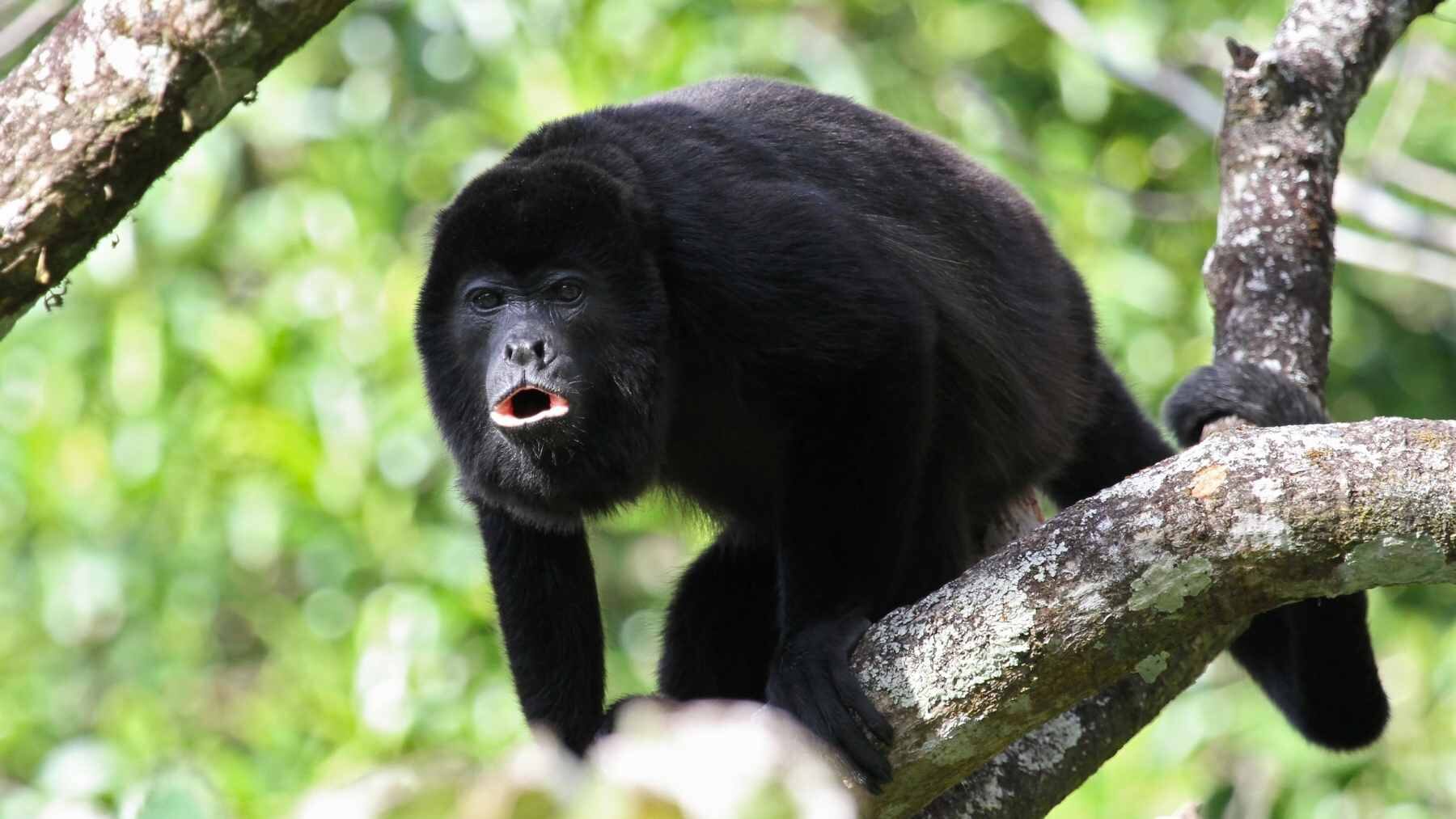
A Mexican mantled howler monkey in the forest canopy of Los Tuxtlas, Veracruz, where researchers detected microplastics in fecal samples.

Plastic is no longer just on beaches and in rivers, scientists found microplastics in howler monkeys in Los Tuxtlas, Veracruz, a strange warning that pollution has reached the treetops

—
July 20, 2026 at 12:30 PM
Previous Next

ECOnews alerts

Get the most relevant environment stories as soon as we publish them

ECOnews is the English-language edition of ECOticias.com, focused on environmental and sustainability news for a global audience: mobility, energy, economy, technology, science, environment and trending stories.
© 2026 ECOnews · ECOticias.com, the green newspaper since 2004 ↑ Top