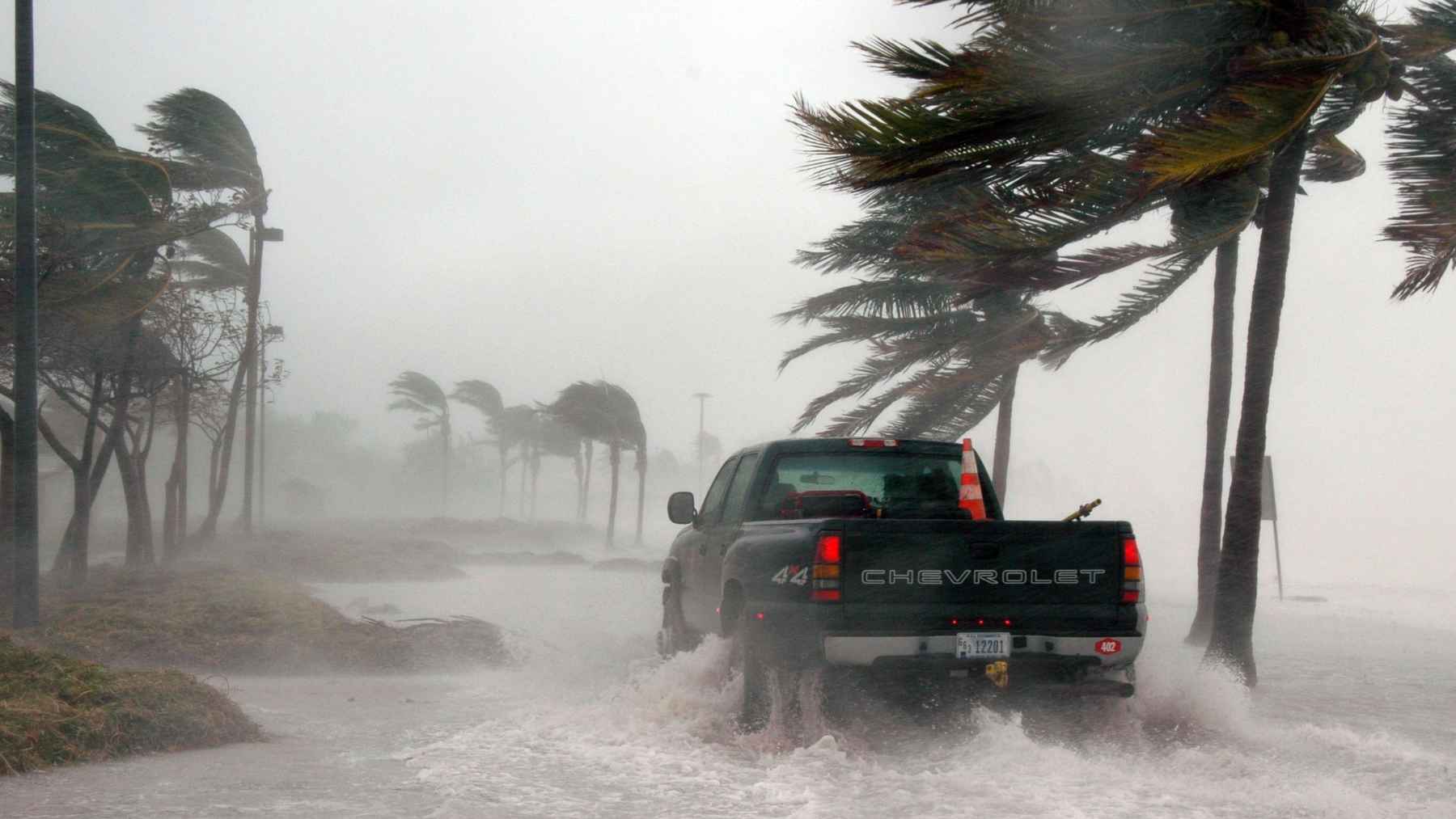
What if the most valuable thing AI gives hurricane forecasters is not a perfect answer, but a few more hours? During the 2025 hurricane season, the National Hurricane Center began folding new AI weather prediction tools into real-time operations, using them as guidance alongside traditional forecast models rather than as a replacement for them.
That shift matters because hurricane decisions are made on the clock. When coastal communities are weighing evacuations and emergency managers are trying to stay ahead of storm hazards, faster scenario planning can make a real difference.
Google DeepMind and NOAA say newer AI systems can produce large sets of storm outcomes much faster than older physics-based approaches, but both also stress that these tools are still experimental and do not replace official warnings.
Why AI is moving into the forecast room
For decades, hurricane forecasting has leaned on numerical weather prediction, which starts with current atmospheric conditions and then solves the equations of the atmosphere on powerful supercomputers. AI models work differently.
They are trained on decades of reanalysis data, in other words historical datasets that blend observations into a consistent picture of past weather, and learn relationships among variables such as pressure, temperature, and wind so they can estimate future conditions much faster.
DeepMind’s tropical cyclone system is part of that new wave. The company says its experimental model, shown through Weather Lab, can generate 50 possible cyclone scenarios up to 15 days ahead and was trained using global reanalysis plus a database of nearly 5,000 observed cyclones from the last 45 years.
NOAA’s July 2025 agreement with Google was designed to get near real-time AI tropical cyclone forecasts into the hands of forecasters faster, so they could be tested and used where they truly help.
The biggest payoff may be speed
Speed is not the flashiest part of a forecast, but it may be the part that changes outcomes. In its February 2026 Q&A, NOAA said AI guidance gives forecasters an independent view of possible tracks and intensities, and because these systems run so quickly, they could soon provide thousands of forecast outcomes that help experts communicate risk with more confidence.
One storm that stood out was Hurricane Melissa, where the center said AI guidance was especially useful early on, even though officials warned against judging any tool by a single case.
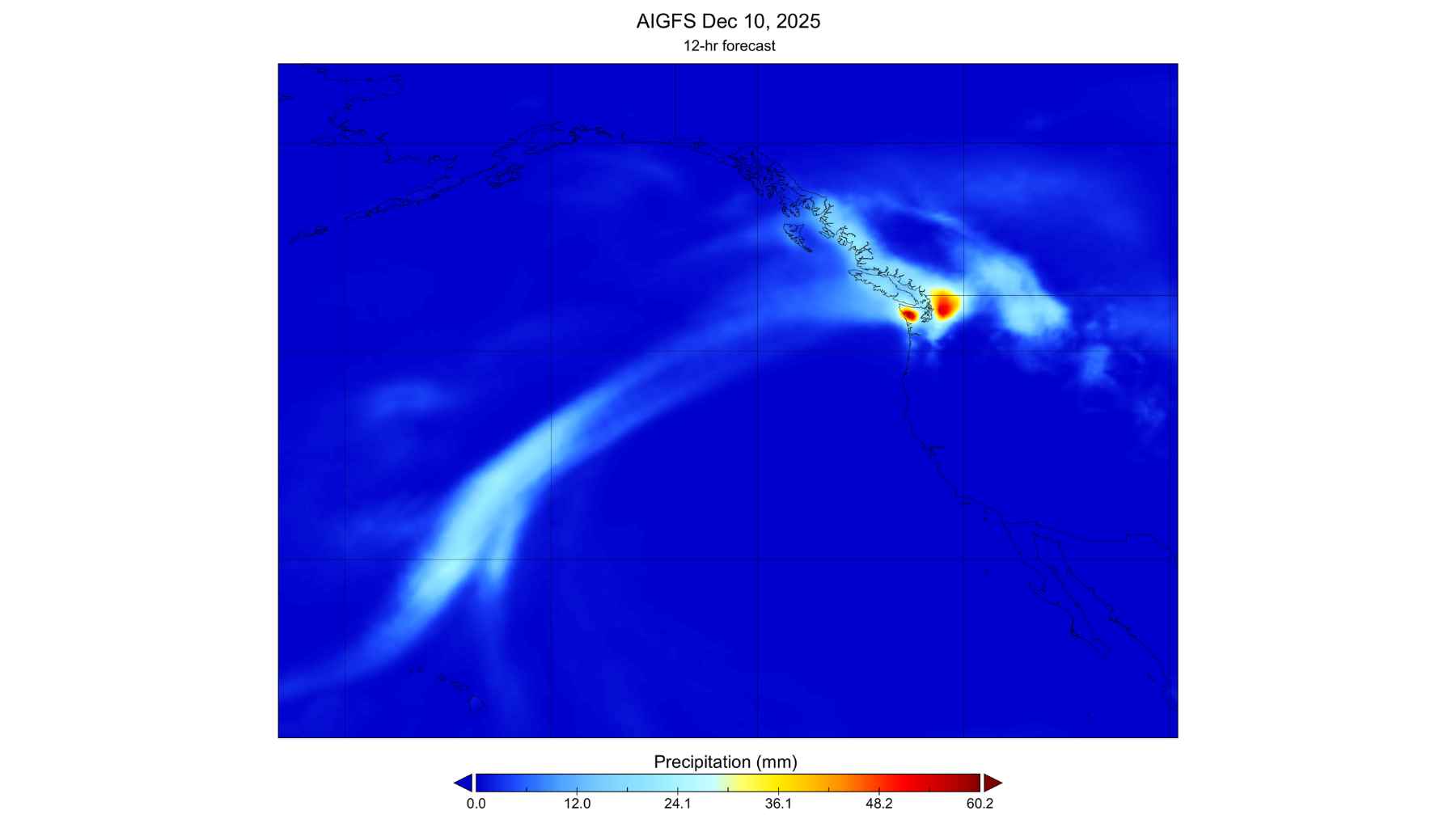
NOAA’s newer operational AI systems show why that speed matters. By the agency’s own figures, its AIGFS model uses up to 99.7% less computing than the traditional GFS and can finish a 16-day forecast in about 40 minutes, while its AI ensemble system is already adding roughly 18 to 24 hours of forecast skill over the older GEFS.
In practical terms, that can mean more time for evacuations and other protective actions before the storm is right on top of a community.
Why experts are still pumping the brakes
Still, nobody serious in meteorology is saying the machine should take over. NOAA says the official forecast remains the most skillful and consistent because it blends many tools, and Weather Lab itself says its live outputs are research products, not official warnings.
When asked whether AI will replace hurricane forecasters, the National Hurricane Center’s answer was a “resounding ‘no.'”
There is also a deeper scientific caution. A 2025 study in the Proceedings of the National Academy of Sciences found that an AI weather model trained without strong hurricanes could not accurately forecast unseen Category 5 storms, which suggests current systems may still struggle with the rarest “gray swan” extremes.
NOAA has reported a similar kind of caveat in operations, saying one of its new AI models improves tropical cyclone tracks but still shows weaker intensity forecasts in its first version.
This shift is spreading beyond the United States
The push is not limited to U.S. agencies. Mexico’s National Polytechnic Institute (IPN) said in July 2025 that it is strengthening prediction models for hurricanes, tornadoes, torrential rain, drought, and heat and cold waves with AI, partly to cut processing time and partly to improve early warnings based on radar and satellite technologies.
That is a clue to where this story is headed. AI is becoming part of disaster preparedness, not just a lab experiment.
At the end of the day, the promise here is fairly simple. AI may not stop a hurricane, and it will not make hard calls disappear, but it can give forecasters a faster second set of eyes when every hour counts. That could mean earlier warnings, fewer blind spots, and better odds that people are out of harm’s way before the wind and water arrive.
The official statement was published on Weather.gov.