Imagine swimming in shallow turquoise water and realizing the shadow under you is not a sandbank but a snake as long as a city bus. That chilling scene is not movie fiction. It is roughly what scientists think lurked in prehistoric seas where the Sahara desert sits today.
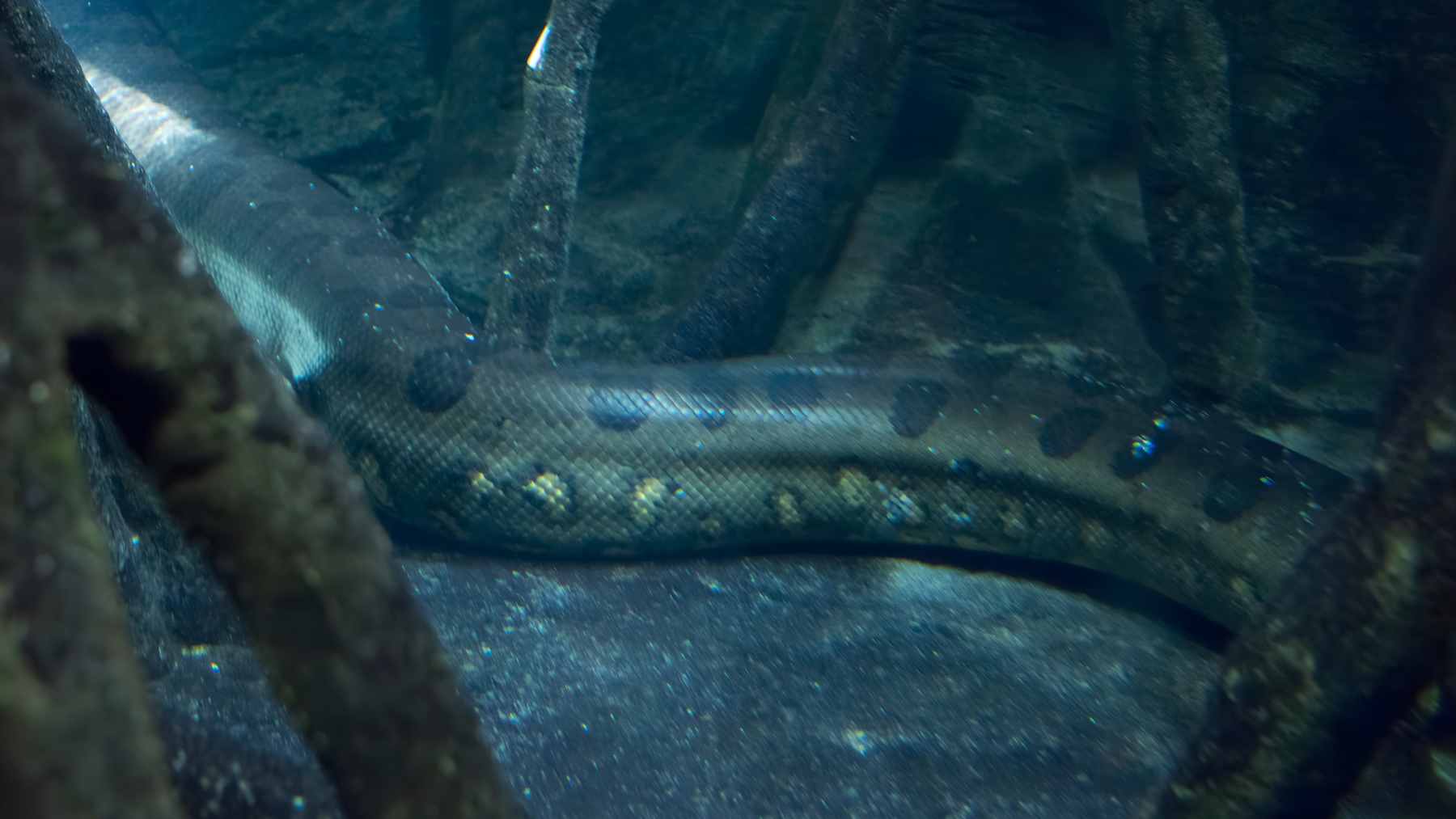
New analysis of fossil vertebrae has confirmed that the extinct marine snake Palaeophis colossaeus was the largest sea snake known to science, with adults likely stretching somewhere between about 8 and 12 meters in length.
That size puts it in the same league as the famous giant land snake Titanoboa and far beyond anything slithering in today’s oceans.
A fossil trail to a colossal sea predator
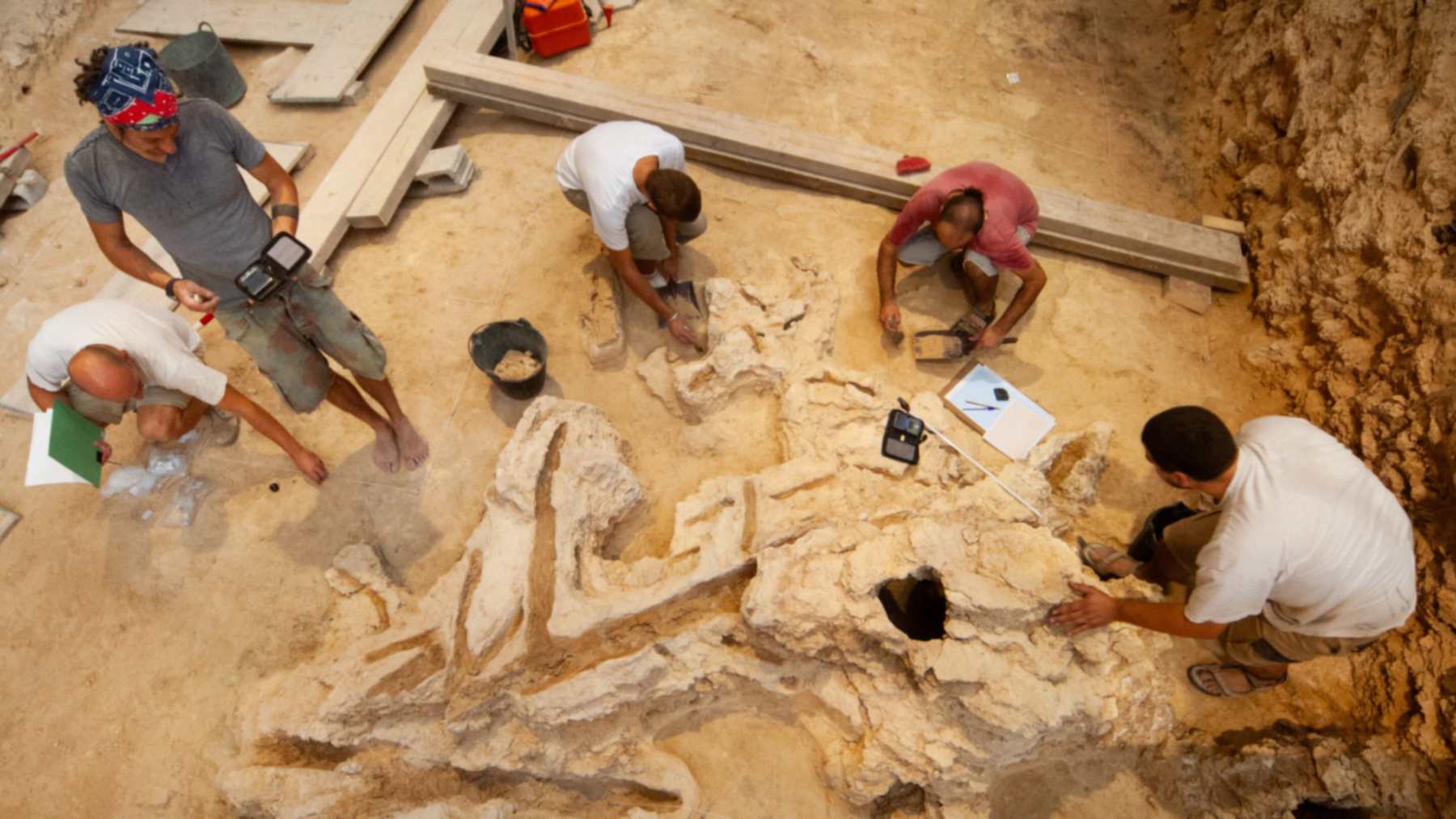
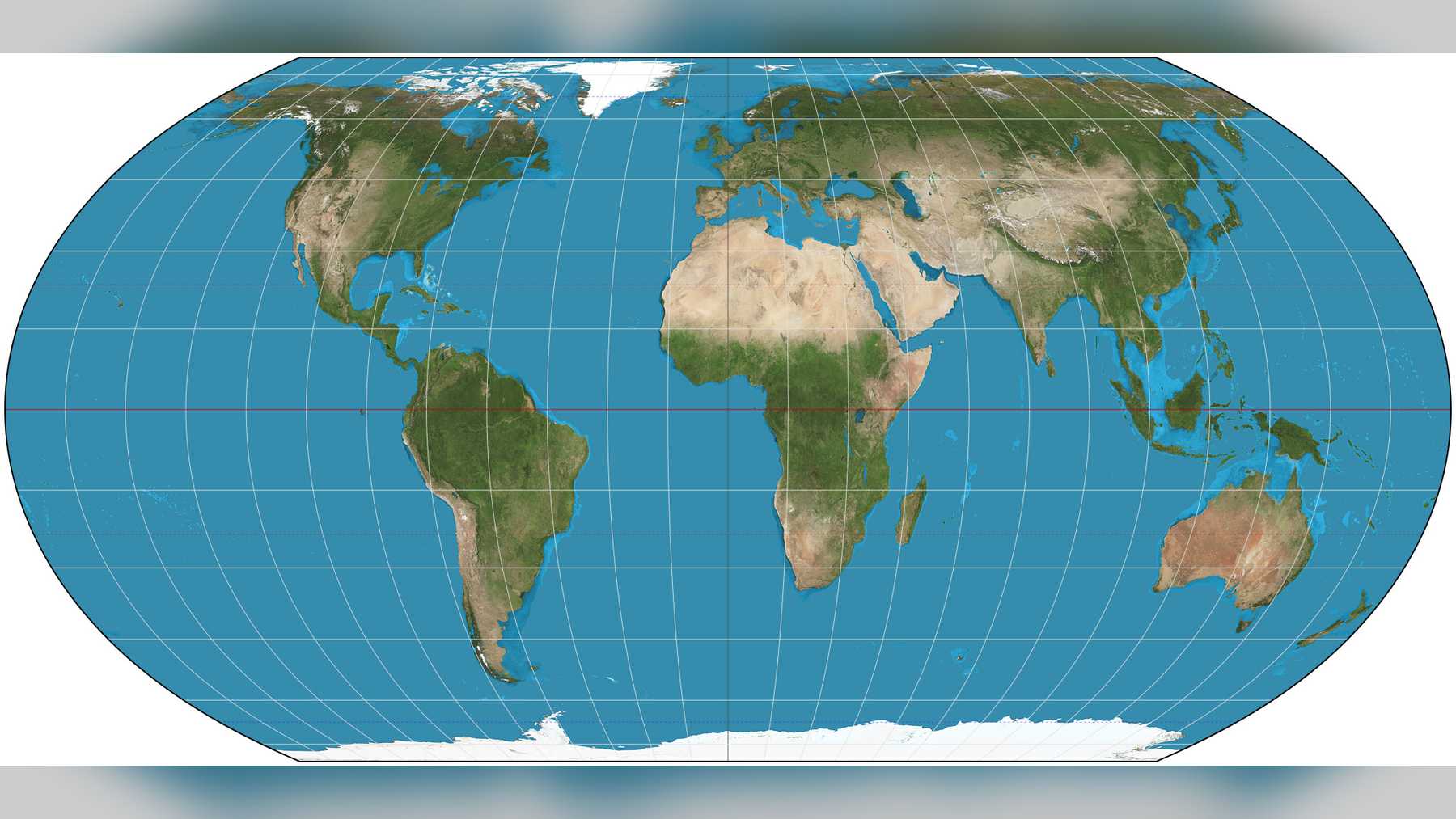
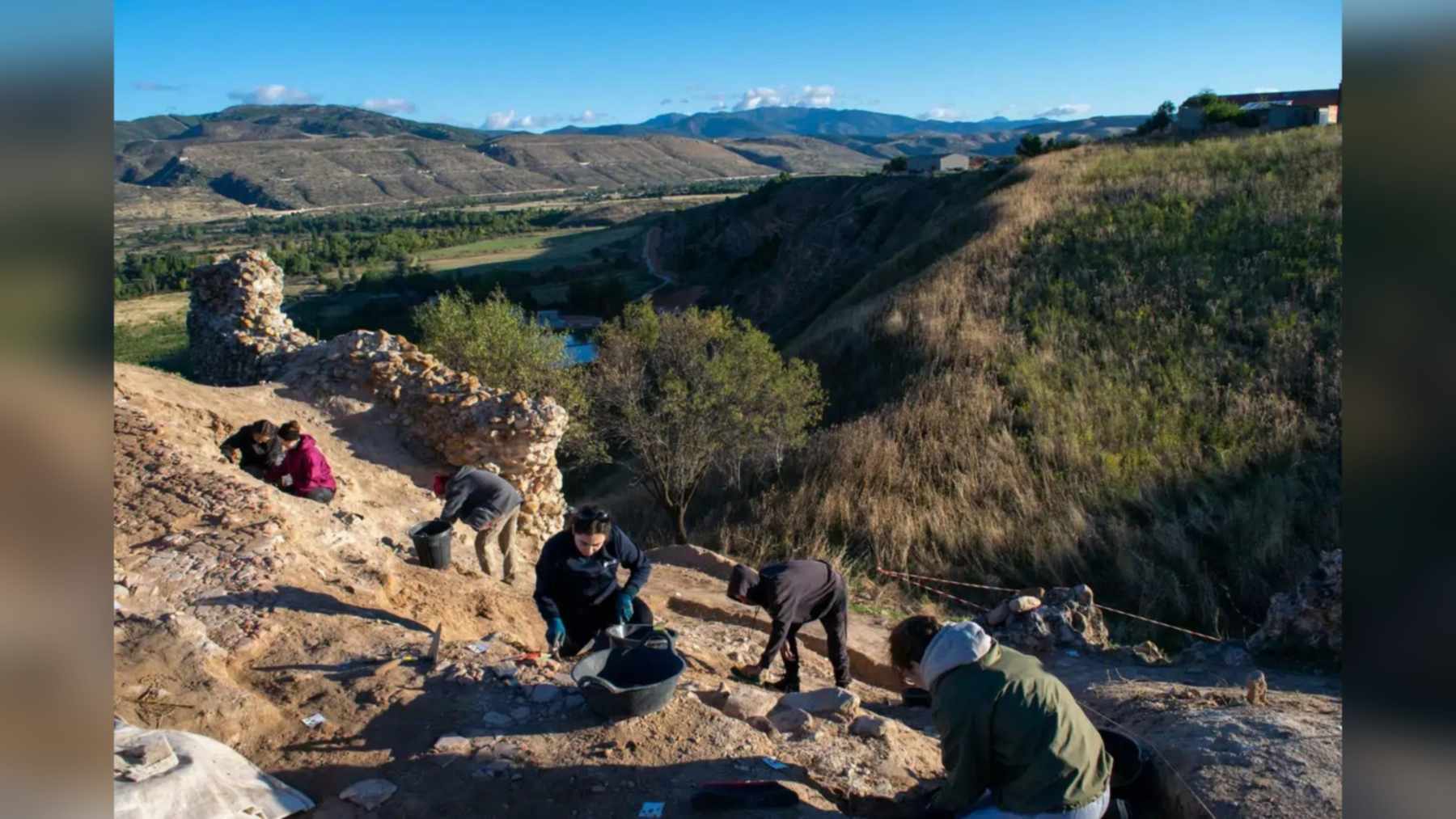
The story begins with a set of oversized vertebrae recovered from Paleogene rocks in what is now Mali. The bones come from sediments laid down in the ancient Trans Saharan Seaway, a warm, shallow arm of the Tethys Ocean that flooded large parts of North Africa during the Eocene, around 56 million years ago.
In a 2018 study, researchers carefully measured those vertebrae and compared them with skeletons of living snakes. Using statistical models that relate vertebra size to overall body length, they calculated that Palaeophis colossaeus individuals probably ranged from about 8.1 meters to roughly 12.3 meters long.
Even at the lower estimate, this was an animal that would have dwarfed modern sea snakes.
The fossils also show that Palaeophis colossaeus had broad, robust vertebrae rather than the very flattened bones seen in some other ancient sea snakes. That anatomy hints at a powerful swimmer with a thick body rather than a delicate ribbon in the water.
Warm ancient seas and room for giants
Why could such a huge reptile thrive there in the first place? Like all snakes, Palaeophis colossaeus depended on external heat to drive its metabolism.
The Trans Saharan Seaway existed during one of the warmest stretches of the Cenozoic, when global temperatures and sea levels were significantly higher than today and tropical sea surface temperatures may have been several degrees warmer than modern values.
Studies of other giant snakes, such as Titanoboa cerrejonensis from Paleocene Colombia, show that sustaining such large ectotherms likely required average annual temperatures around 30 to 34 degrees Celsius. The new measurements of Palaeophis colossaeus fit the same pattern.
To a large extent, its sheer size is another data point that early Paleogene tropics really were greenhouse worlds.
For climate scientists, that matters. Fossils like these help test and refine models of how hot Earth can get under high carbon dioxide levels and how warm oceans reshape marine ecosystems.
What could a 12 meter snake eat?
No skull of Palaeophis colossaeus has been found yet, so there is no direct fossil snapshot of its last meal. Scientists instead lean on comparisons with modern snakes that have highly flexible skulls and can swallow prey much wider than their own heads.

If Palaeophis had similar cranial flexibility, its diet could have included large bony fish, early sharks and marine reptiles known as dyrosaurids that looked a bit like crocodiles in salt water. There is still no smoking gun, only bones and biomechanics, so researchers describe these menu ideas as informed possibilities rather than proven fact.
Even without the exact menu, its place in the food web is clear. A snake more than ten meters long in a productive, shallow sea would have been an apex predator, large enough that few other animals could threaten it once fully grown.
From prehistoric giants to today’s changing seas
Modern sea snakes top out at around three meters, and no marine reptile today comes close to Palaeophis colossaeus in size.
The difference is not just about evolution. It also reflects how Earth’s climate and oceans have shifted over tens of millions of years, from greenhouse conditions with flooded continental interiors to a cooler world with stronger temperature contrasts and different food chains.
When we grumble about a sticky summer heatwave or watch sea surface temperature records in the news, it can feel abstract.
Fossils of giants like Palaeophis colossaeus put numbers and flesh on those climate stories. They show that when oceans get warmer and stay that way for a very long time, they can support very different kinds of life, including predators that turn sharks into potential prey.
The study was published in Acta Palaeontologica Polonica.