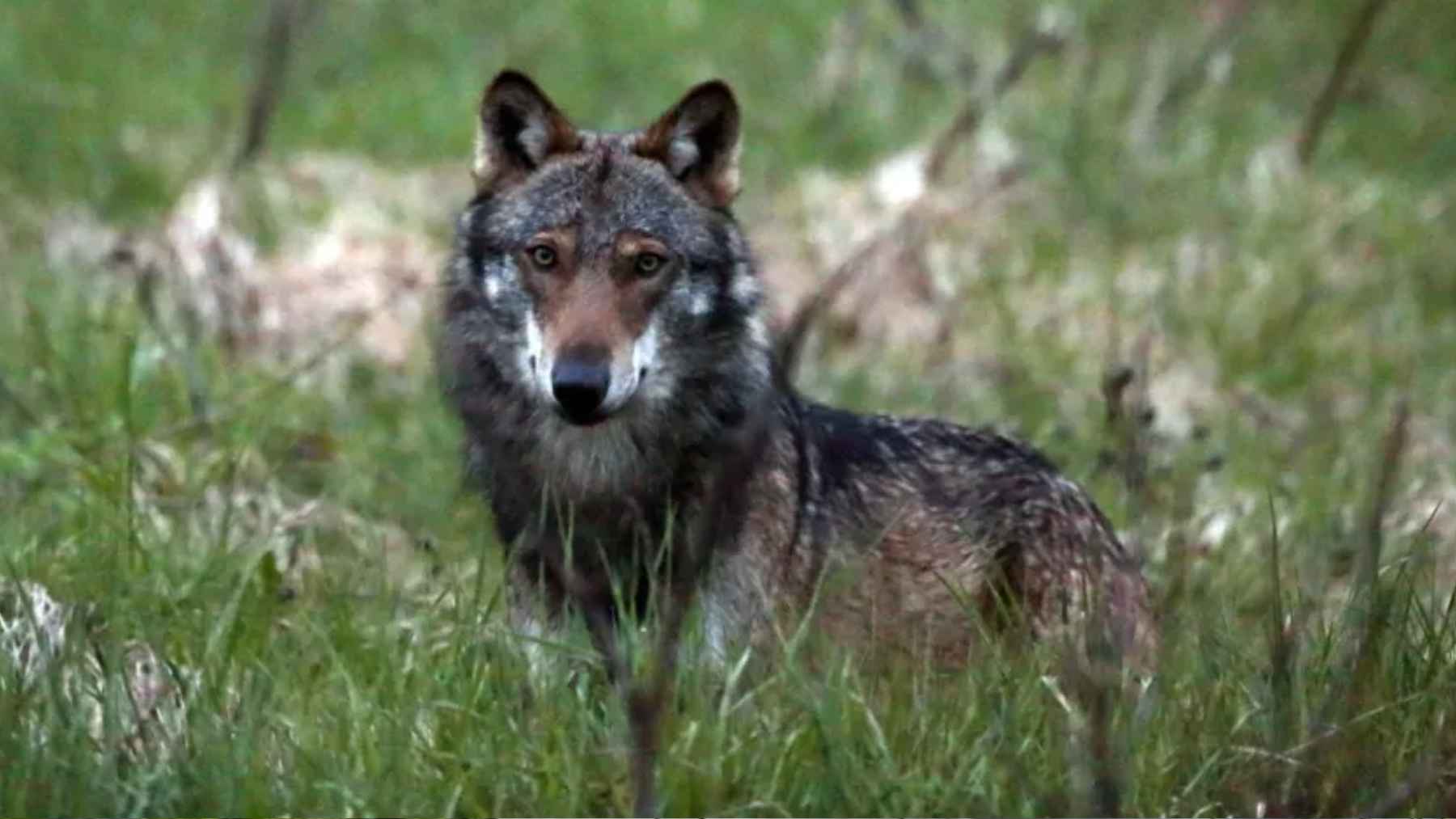
A lone wolf just did something that sounds like it belongs in a wildlife documentary, not a densely populated European country.
GPS points analyzed by the KORA Foundation indicate a male wolf known as M637 crossed Lake Lucerne by swimming about 0.93 miles (1.5 kilometers) on Feb. 13, 2026, through 41°F (5°C) water, with a location ping appearing right in the middle of the lake.
Researchers call it the first confirmed case of a wolf swimming across this Swiss lake, and it matters for more than bragging rights. The event offers a rare, data-backed snapshot of how dispersing wolves move through human-shaped landscapes, sometimes choosing the most direct route even when it means icy water and real risk.
A cold-water shortcut caught on GPS
According to Lucerne canton officials, the movement data suggest M637 entered the lake near Küssnacht and emerged roughly 0.93 miles (1.5 kilometers) later on the opposite shore rather than circling the bays by land. The water temperature was reported at about 41°F (5°C), cold enough that an unprepared person would struggle to keep swimming for long.
KORA fitted M637 with a GPS collar in late October 2025, and the track shows him roaming from the Jura in Vaud across the Swiss Plateau to the Emmental, then into the canton of Zug, and back again. On Feb. 13, the collar logged a straight-line crossing over open water, implying a swim of roughly 90 minutes depending on currents and pace.
It is still unclear whether M637 is the same animal seen in Oberägeri in Zug on Feb. 11. But the swim itself is hard to dismiss as a fluke. It is exactly the kind of “hidden behavior” tracking data can reveal when a large carnivore slips through a landscape full of roads, towns, and shoreline developments.
Why dispersing wolves take risks
M637 is a male estimated to be about 3 to 4 years old – the age when many wolves leave their birth pack and travel long distances to find a mate and establish territory. This wandering phase, known as dispersal, is when wolves are most likely to show up far from known packs and to cross unusual barriers.
In practical terms, a dispersing wolf is doing what many young adults do in human life, but with higher stakes. It is looking for space, food, and companionship, while trying to avoid conflict with resident wolves and humans.
That is why a 0.93-mile swim can make sense from the wolf’s perspective. A shoreline detour might mean passing through villages, encountering dogs, or crossing busy roads. Cutting across the lake may actually reduce time spent near people, even if it means pushing through freezing water.
What the collar can and cannot tell us
GPS collars do not work like a live map app on your phone. Positions can arrive irregularly, sometimes days apart, and gaps happen when satellite coverage is poor or the animal is in steep terrain or dense forest.
The collar also has a timed “drop-off” function designed to release after a preset period so it can be recovered, rather than staying on the animal for life. That matters for welfare, and it also means tracking data are always a partial window into a moving animal’s life.
Even so, the data around Feb. 13 are striking because the track includes a point located in the lake itself, not just on the shore. For researchers, that single point is the difference between “we think it swam” and “the evidence strongly suggests it had to swim.”
A crowded country that wolves are learning to navigate
Switzerland is small on a map, but it is packed with people and infrastructure. Lakes, highways, and rail corridors slice up habitat, and yet wolves have been recolonizing the country for decades.
KORA biologist Flurin Kunz noted to Swiss public broadcaster SRF that while this was the first time such a lake crossing had been documented in Switzerland, it may not be as rare as it sounds. “In theory, dogs could also swim this distance,” he said, suggesting the surprise comes from how rarely we get hard proof.
The bigger story is that M637 did not just cross water. He also crossed cantonal borders, agricultural land, and transport corridors, showing how a wide-ranging carnivore can move through a modern landscape without being seen by most people. Most animal feats go unrecorded unless a sensor happens to be on the right neck at the right time.
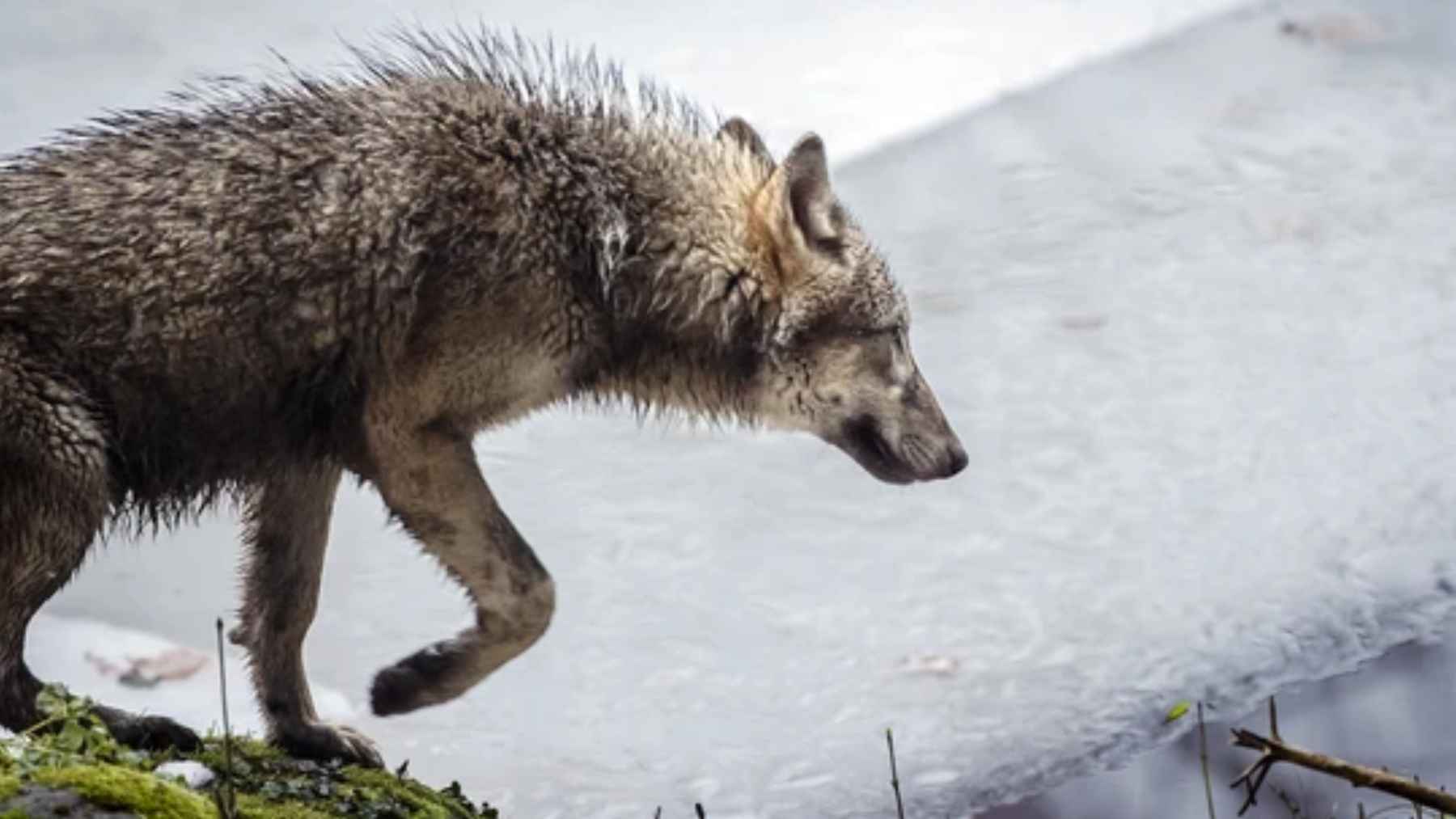
A wolf emerges soaked near the water’s edge after a rare lake crossing in Switzerland, captured as part of GPS tracking research.
Wolves can swim, but they rarely need to
Wolves are not aquatic animals, but they can swim well enough to cross rivers and short stretches of water when necessary. A National Geographic report on “sea wolves” along Canada’s coast described them swimming miles between islands, with one recorded trip reaching about 7.5 miles (12 kilometers).
What makes Lake Lucerne notable is the combination of distance, cold water, and setting. This is not a remote wilderness crossing. It happened in the middle of Switzerland, a country where shorelines are busy and where lakes are often ringed by roads and settlements.
In other words, M637 swam through the kind of place where many humans spend weekends boating or commuting along the waterfront. And yet, for this wolf, the lake became the most efficient route.
The bigger backdrop of wolves returning to Switzerland
The swim comes at a moment when wolves are firmly re-established in parts of the Swiss Alps and are expanding into new areas. KORA says 43 packs were confirmed in Switzerland during the 2025-2026 monitoring year, with 152 pups observed across those packs.
Wolves have migrated naturally into Switzerland since 1996, after being wiped out in the country for roughly a century. The first pack was confirmed in 2012 in the Calanda region, and since then the population has grown, fueling debates about livestock protection, hunting policy, and coexistence.
For the most part, those debates focus on what wolves do on land. But events like this swim are a reminder that these animals are problem-solvers. They test edges, take shortcuts, and sometimes pick the option that looks impossible until the data prove it happened.
What happens next for M637
KORA’s latest updates show M637 is still moving. As of Mar. 25, 2026, the foundation reported he had left the Lamoura area in France and traveled back into Switzerland, reaching the Entlebuch region.
Will he settle down once he finds a mate, or keep roaming as seasons shift and food and human activity change around him? For now, one conclusion is hard to escape.
The official update was published on KORA.