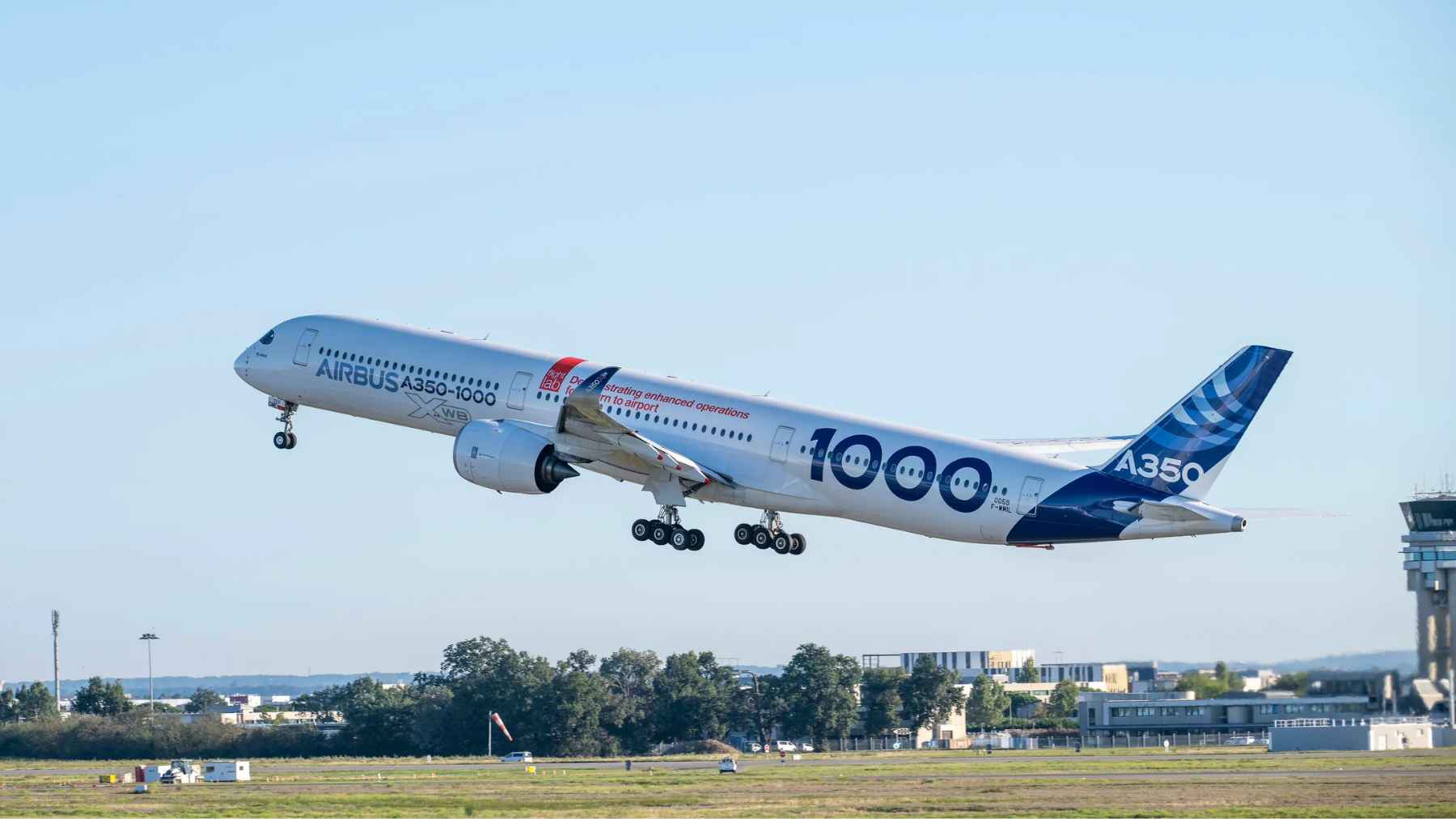
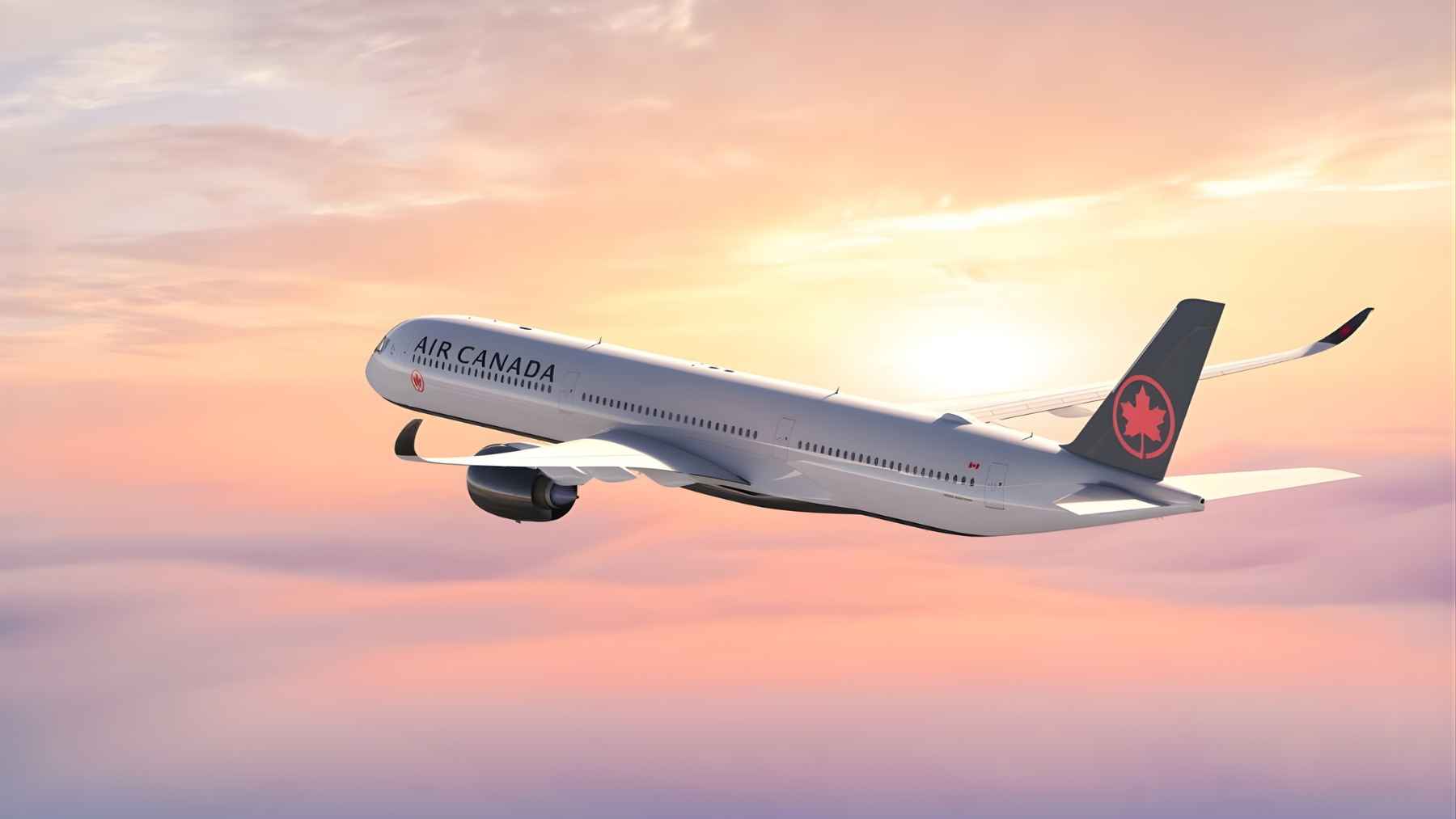
An order that once sat in the books of Airbus under the name of an unnamed customer now has a face. The manufacturer has confirmed that the buyer behind eight Airbus A350-1000 jets is Air Canada, turning a quiet line in the order book into a major move in the widebody market.
Announced from Toulouse, France in mid-February 2026, the deal strengthens Air Canada’s shift toward newer, more efficient twin-aisle aircraft. With a range of about 9,000 nautical miles, around 16,000 kilometers, the A350-1000 can link Canada directly with high-growth markets in the Indian subcontinent, Southeast Asia, and Australia.
A secret widebody order finally revealed
In its latest press release, Airbus confirmed that the firm order for eight A350-1000 aircraft had already been logged in November 2025 under an undisclosed customer. The company has now attached Air Canada’s name to that entry, making public a commitment that had been in place for months. The announcement came on February 12, 2026 in Toulouse.
Air Canada, in its own statement, described the A350-1000 as “the next phase of its fleet modernization program.” The airline confirmed eight firm aircraft and rights to purchase eight more, with first deliveries expected in the second half of 2030.
New range opens more nonstop routes for Canada
The A350-1000 is designed to fly about 9,000 nautical miles, far enough to connect Canada nonstop with destinations across the Indian subcontinent, Southeast Asia, and Australia. In practical terms, that range allows flights that skip time consuming layovers on journeys of twelve hours or more.
Air Canada has signaled that it sees those ultra-long-haul capabilities as a way to reinforce its role as a global connector. For travelers booking big trips from Canada to Asia or Australia, who would not prefer fewer stops and a newer aircraft on such a long journey?
Efficiency, comfort, and lower emissions
Under the skin, the A350-1000 combines a carbon fiber fuselage with the latest Rolls-Royce engines that consume much less fuel than older designs. Airbus and Air Canada estimate that the type can cut fuel use by about 25% compared with the aircraft it replaces, trimming both costs and emissions.
Inside, the jet will feature the Airspace cabin, a design that aims to reduce noise and keep cabin pressure closer to what the human body feels at sea level. The lower cabin altitude, around 6,000 feet, should soften jet lag and make those long flights feel a little less punishing.
Airbus strengthens its hand in the long haul market
Mark Galardo, Executive Vice President and Chief Commercial Officer at Air Canada, called the A350-1000 “a natural next step in the evolution of our fleet.” Benoit de Saint-Exupéry, who leads commercial aircraft sales at Airbus, described the airline’s choice as a strong endorsement of the A350-1000 and its technology. He said the decision is about more than renewing the fleet and that the airline wants to set new standards in range, performance, and customer satisfaction.
The deal lands soon after another Airbus update highlighted that the A350 family had secured more than 1,500 orders from 67 customers worldwide by the end of January 2026. That momentum has been reinforced by fresh widebody orders from other carriers, including a recent commitment from Delta Air Lines for more A350s and A330neos.
Industry analysts say this pattern points to a market that favors fuel-efficient widebody aircraft for long haul growth, even as supply chains remain tight and engine issues linger. At the end of the day, airlines that lock in delivery slots early can shape their global networks for the next decade while keeping a close eye on the fuel bill.
The official press release has been published by Airbus.