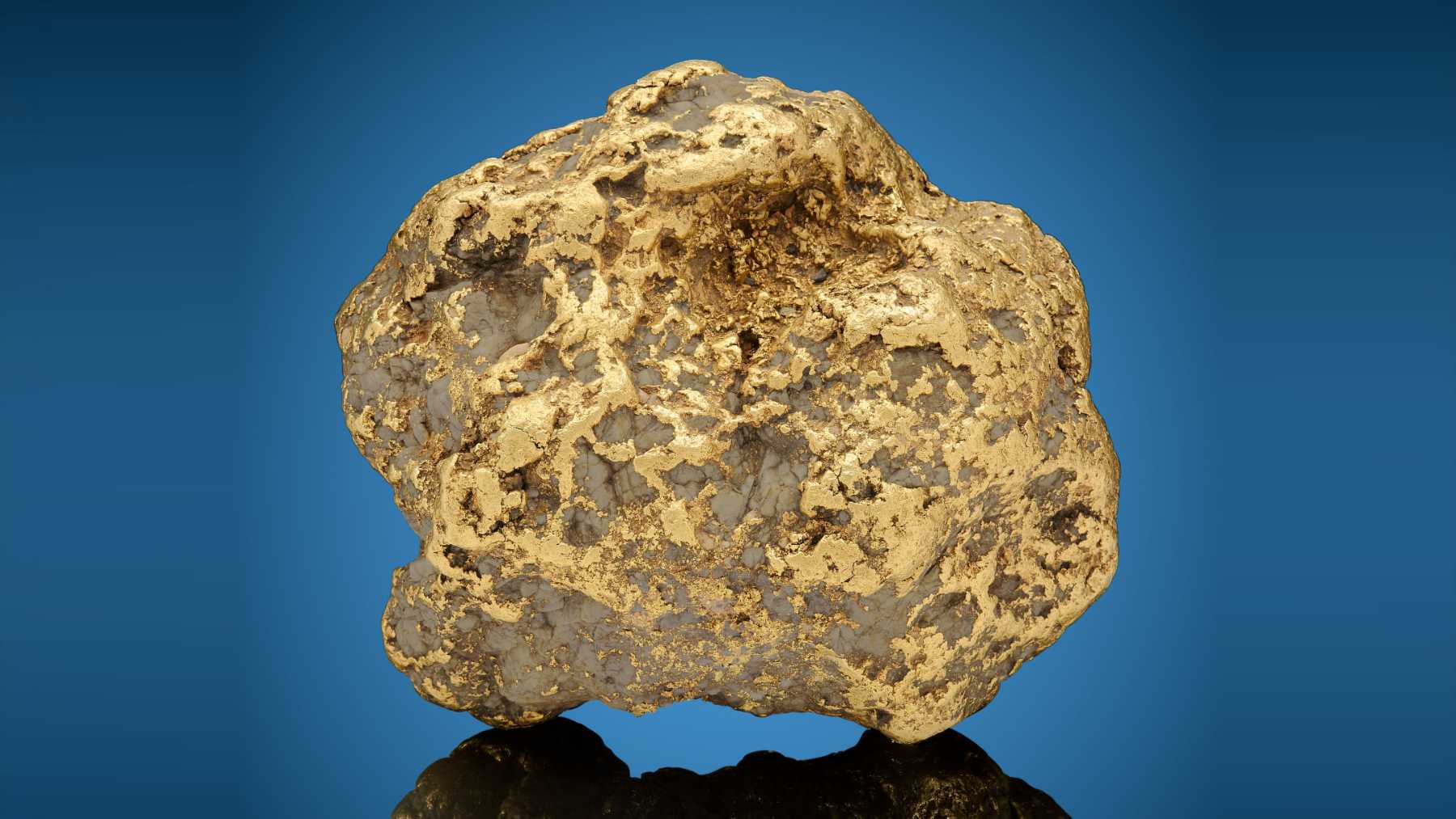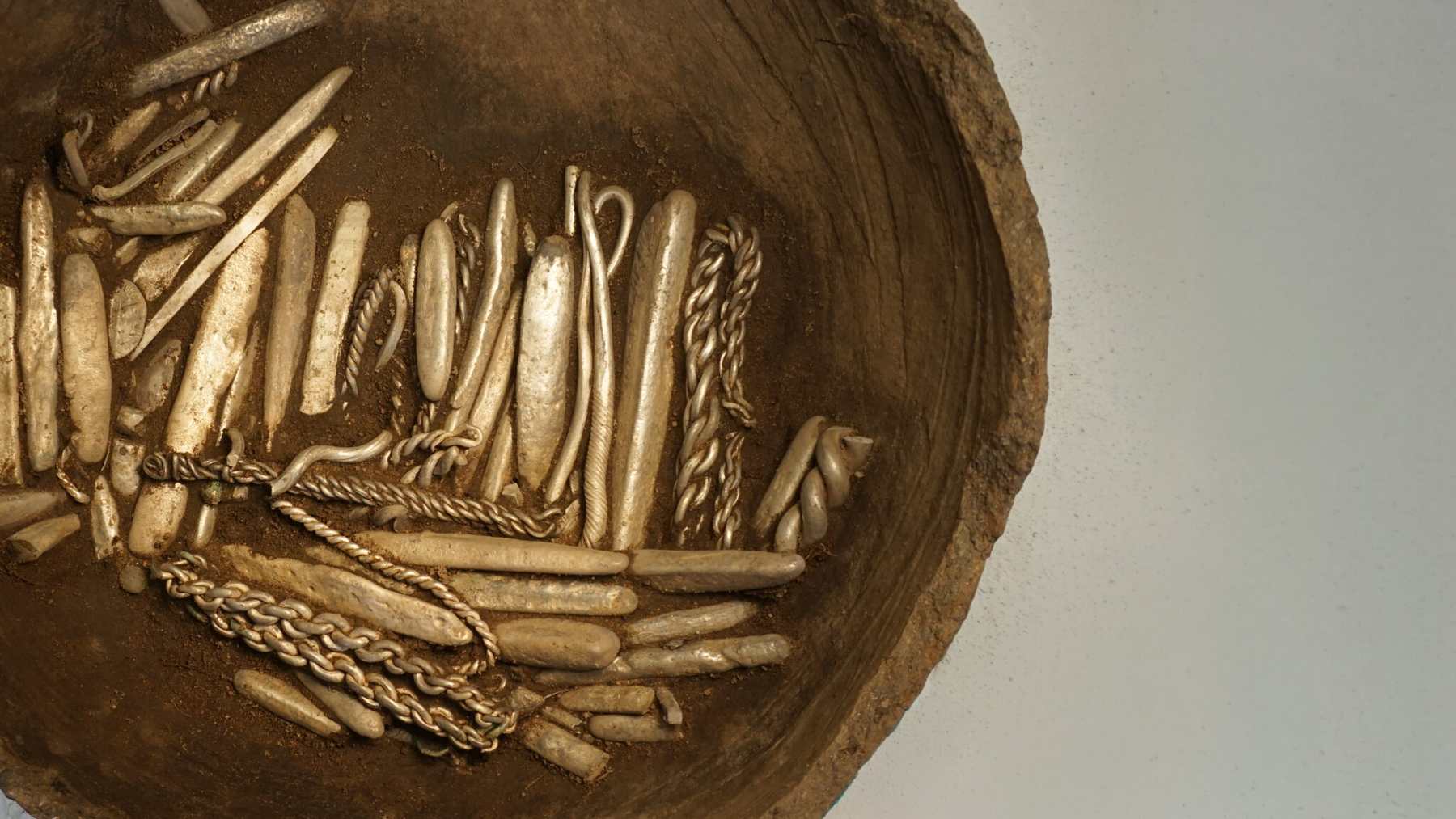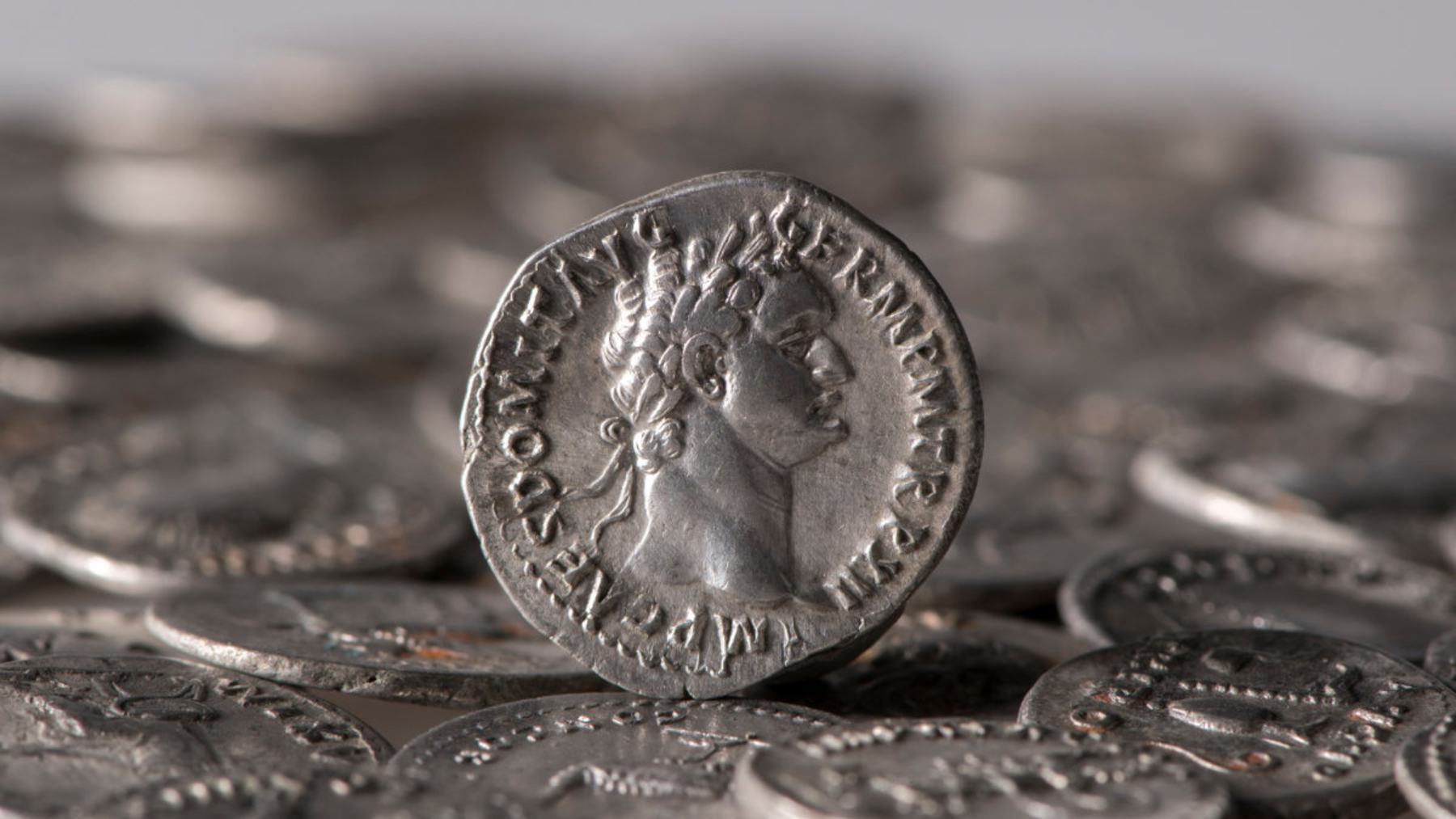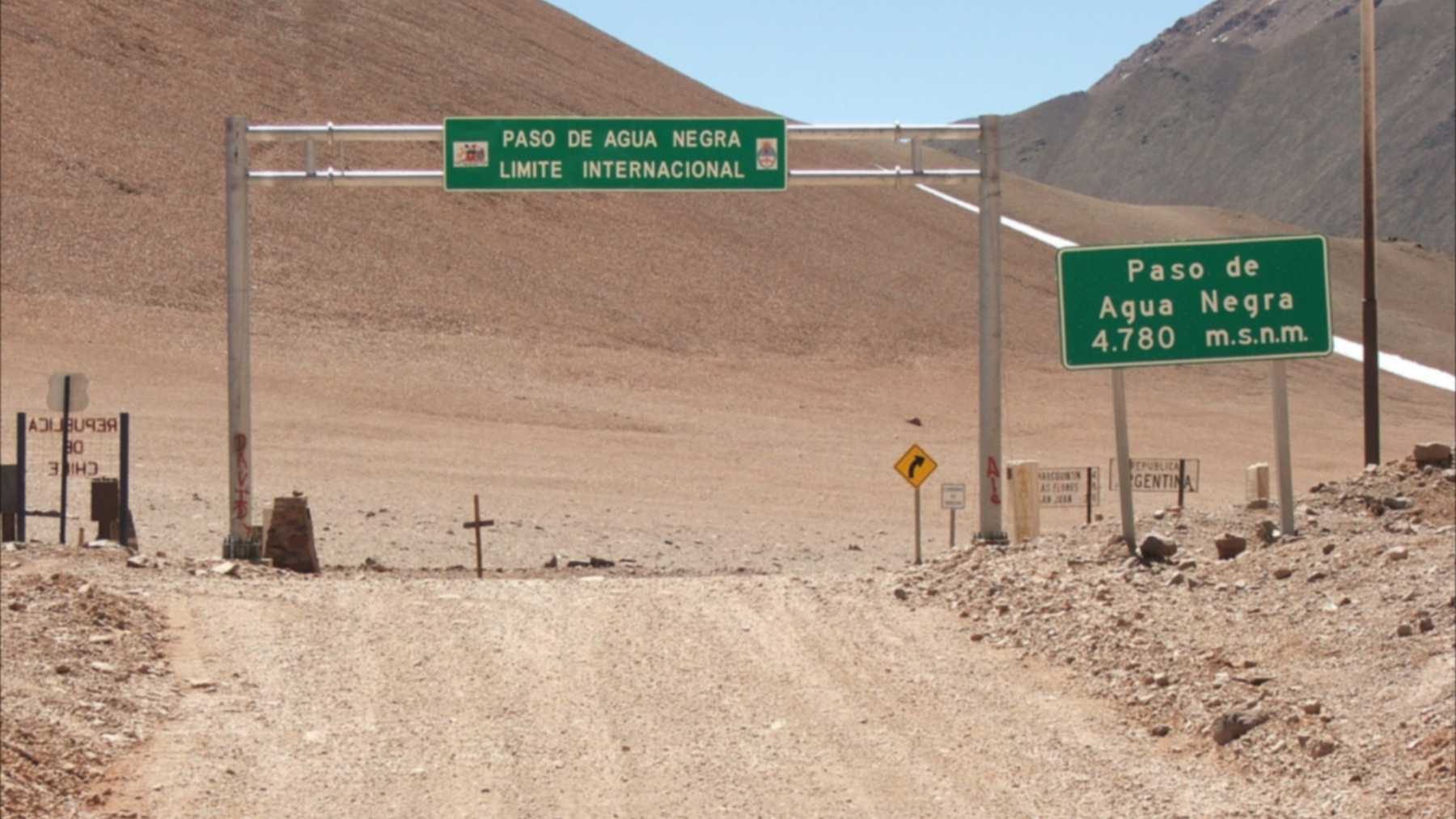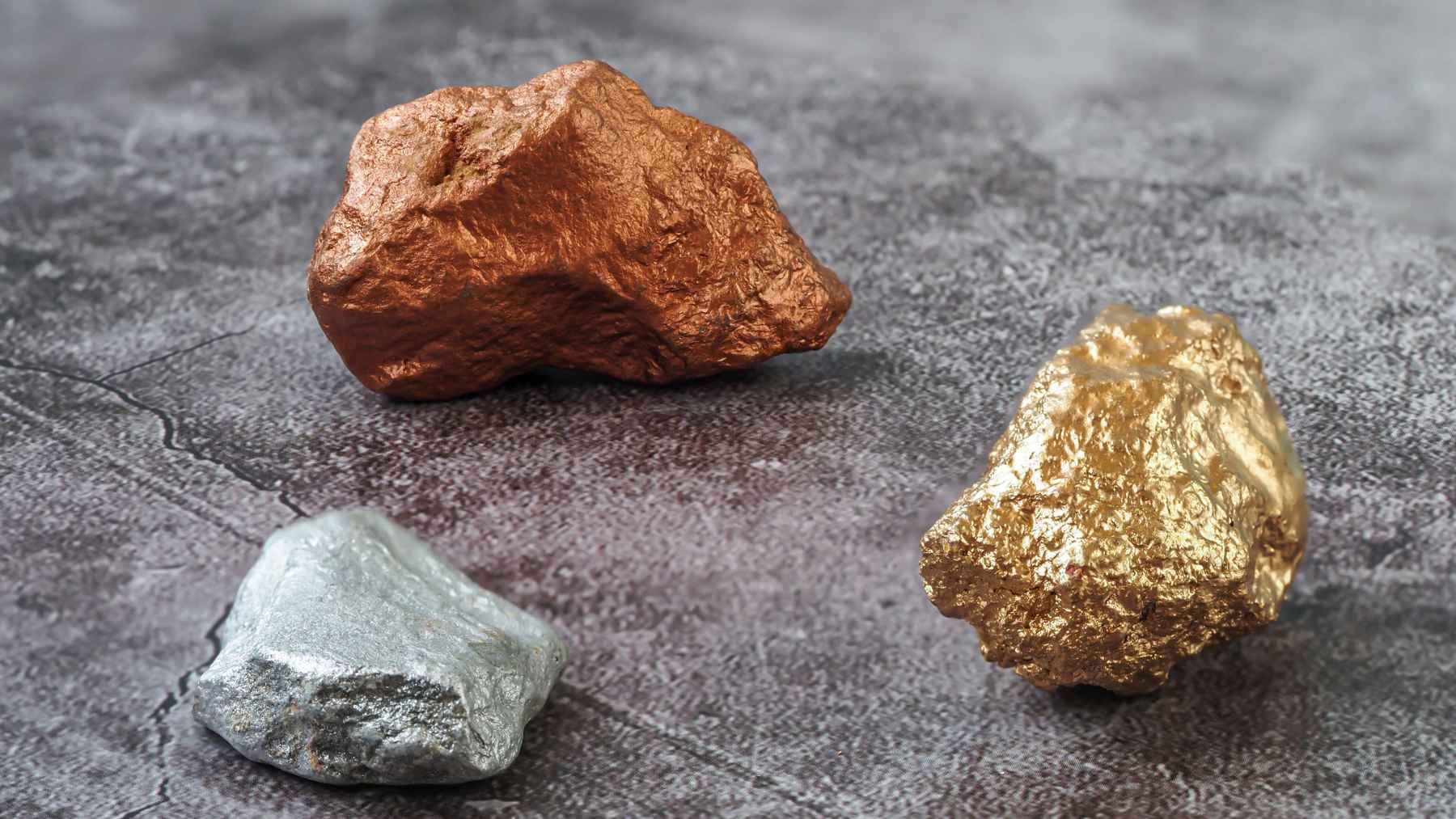
A copper, gold, and silver find in the Andes on the Argentina-Chile border is drawing attention to Argentina’s mining potential. A new resource estimate describes what the companies call the largest greenfield copper discovery in 30 years, and it is being watched as a supply source as the world uses more copper each year.
Could it move global markets? Maybe, but only if the project survives years of engineering, permitting, and public debate. For now, it is a simple headline with a complicated backstory.
A deposit that stands out even in the Andes
The latest resource estimate from Lundin Mining combines two nearby deposits, Filo del Sol and Josemaria, in what the companies call the Vicuña district along the international border. The idea is straightforward, since sites that sit close together can share infrastructure instead of building everything twice.
In its higher-confidence category, the estimate lists about 29 billion pounds of contained copper, plus about 32 million ounces of contained gold and about 659 million ounces of contained silver. A lower-confidence category adds another roughly 55 billion pounds of copper, along with about 49 million ounces of gold and about 808 million ounces of silver.
President and CEO Jack Lundin said, “Filo del Sol has been one of the most significant greenfield discoveries in the last 30 years.” Greenfield is mining shorthand for a place that did not already host a major mine, which is why a discovery like this can reset expectations.
What those headline numbers do and do not say
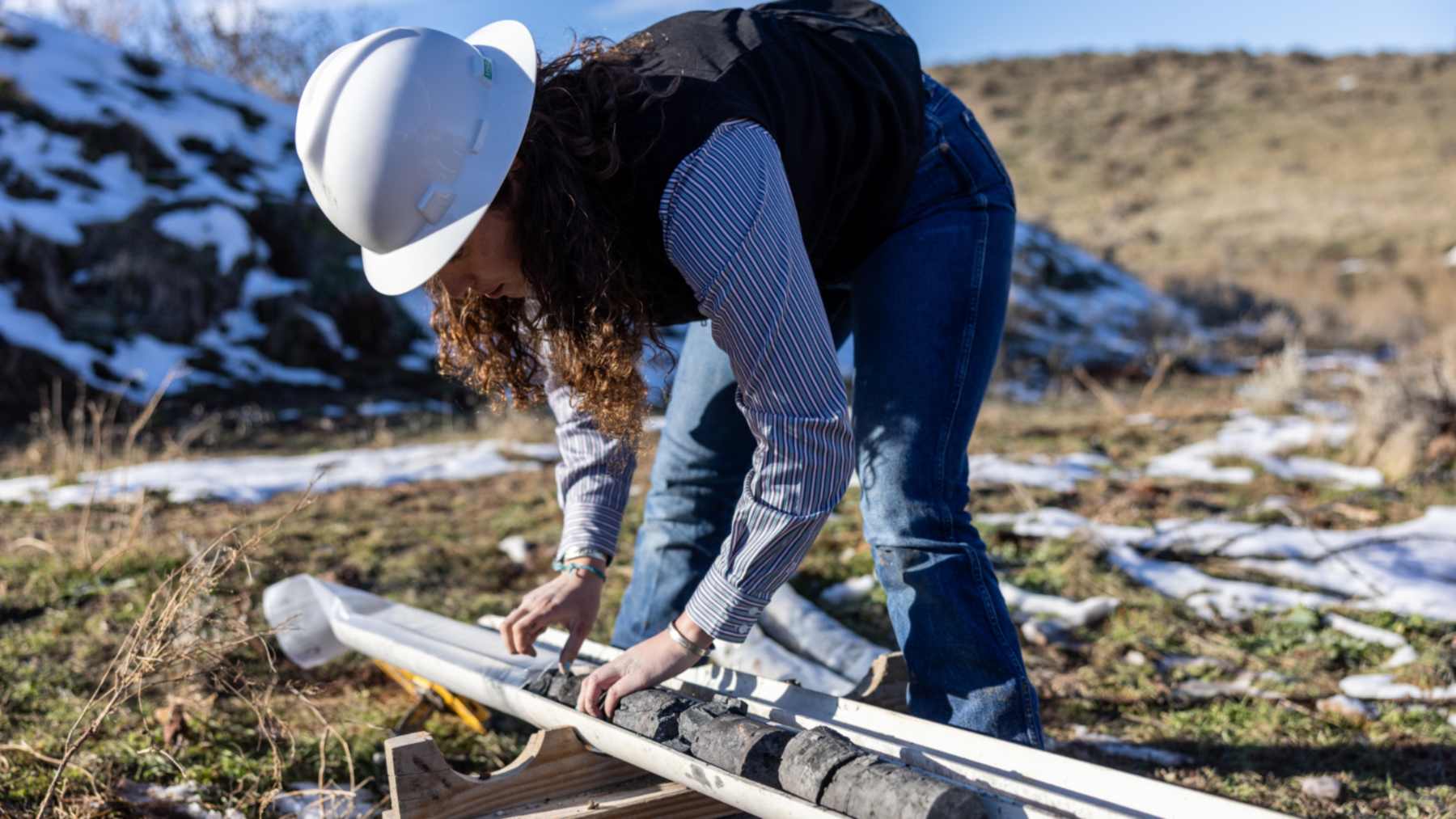
A resource estimate is a bit like taking inventory in a warehouse you cannot fully enter yet. It relies on drilling, lab tests, and computer models, then sorts the results by confidence.
That is not the same thing as metal that will definitely be sold. Companies still have to prove they can extract it safely, treat the rock, and manage waste, all while staying within the law and within their budgets.
The reporting follows a Canadian rule called NI 43-101, which is meant to keep mining claims comparable and transparent. Even so, early estimates can change quickly as new drill results arrive, and that uncertainty is part of the story.
A joint venture with a long runway
The size of the district also helped attract backing from a global miner. In 2024, BHP’s announcement outlined a plan for an even split joint venture, with BHP saying it expected to pay about $2.1 billion in cash as part of the wider transaction.
Why does that matter to people who never read mining news? Large projects can stall without deep pockets and technical capacity, and a shared structure can spread risk across partners and across borders.
Copper demand is rising, and supply is not keeping up
Copper is the workhorse metal of electrification, showing up in power lines, transformers, and the wiring behind your outlets. As grids expand and electric vehicles grow, copper use tends to rise, even if most households only feel it indirectly.
The International Energy Agency says copper demand could climb by about thirty percent by 2040 under today’s policy settings, and it also flags a shortfall risk in the mid-2030s based on announced projects. That warning, laid out in the agency’s Global Critical Minerals analysis, is one reason a giant new resource in the Andes is being watched so closely.
Gold and silver may draw a different crowd, but they still matter. Both are used in electronics because they conduct electricity well, and they are traded heavily by investors, which can amplify price swings.
From resource to mine, the timeline is measured in years
Turning a deposit into a working mine takes time, and it can cost billions. A February 2026 integrated technical study outlined an early-stage development plan that could average about 882 million pounds of copper a year for its first 25 full years, along with about 700,000 ounces of gold and about 22 million ounces of silver annually.
The same study points to a mine life of more than 70 years, which is long enough to span multiple economic cycles. It also describes major access needs, including an upgraded road of about 137 miles from the town of Angualasto and a cross-border build-out that would rely on ports and pipelines.
The economic pitch is not just exports. The study estimates about $965 million a year and about $69 billion over the life of the mine in taxes and royalties for Argentina, and it projects an average of 5,500 direct construction jobs plus about 19,000 indirect jobs tied to contractors and suppliers. Dave Dicaire said, “Nos encontramos en una excelente posición para seguir impulsando el desarrollo de un distrito minero con gran potencial.”
Water, glaciers, and the toughest questions
Mines need water, and mountain ecosystems do not have much room for error. The technical study says early phases would use groundwater sources, with longer-term plans expected to add desalinated seawater brought in from Chile to reduce pressure on local freshwater.
Environmental scrutiny is also shaped by Argentina’s glacier protections, which aim to safeguard glaciers and nearby frozen-ground areas that store water. The government’s overview of the National Glacier Law notes that activities that could harm these areas face restrictions, which can influence where a mine can place roads, waste rock, and tailings, the leftover slurry from processing ore.
Communities along the Andes also raise concerns that are not captured in a resource table. Traffic, dust, water quality, and land rights can become the make-or-break issues in permitting, and they tend to surface early.
What to watch next
Over the next few years, the key signals will be more drilling, updated studies, and clear permitting decisions that turn a big estimate into a buildable plan. Investors will watch for cost discipline, while residents will watch for commitments that show up in everyday life, not just in presentations.
The main technical report has been published on Lundin Mining.