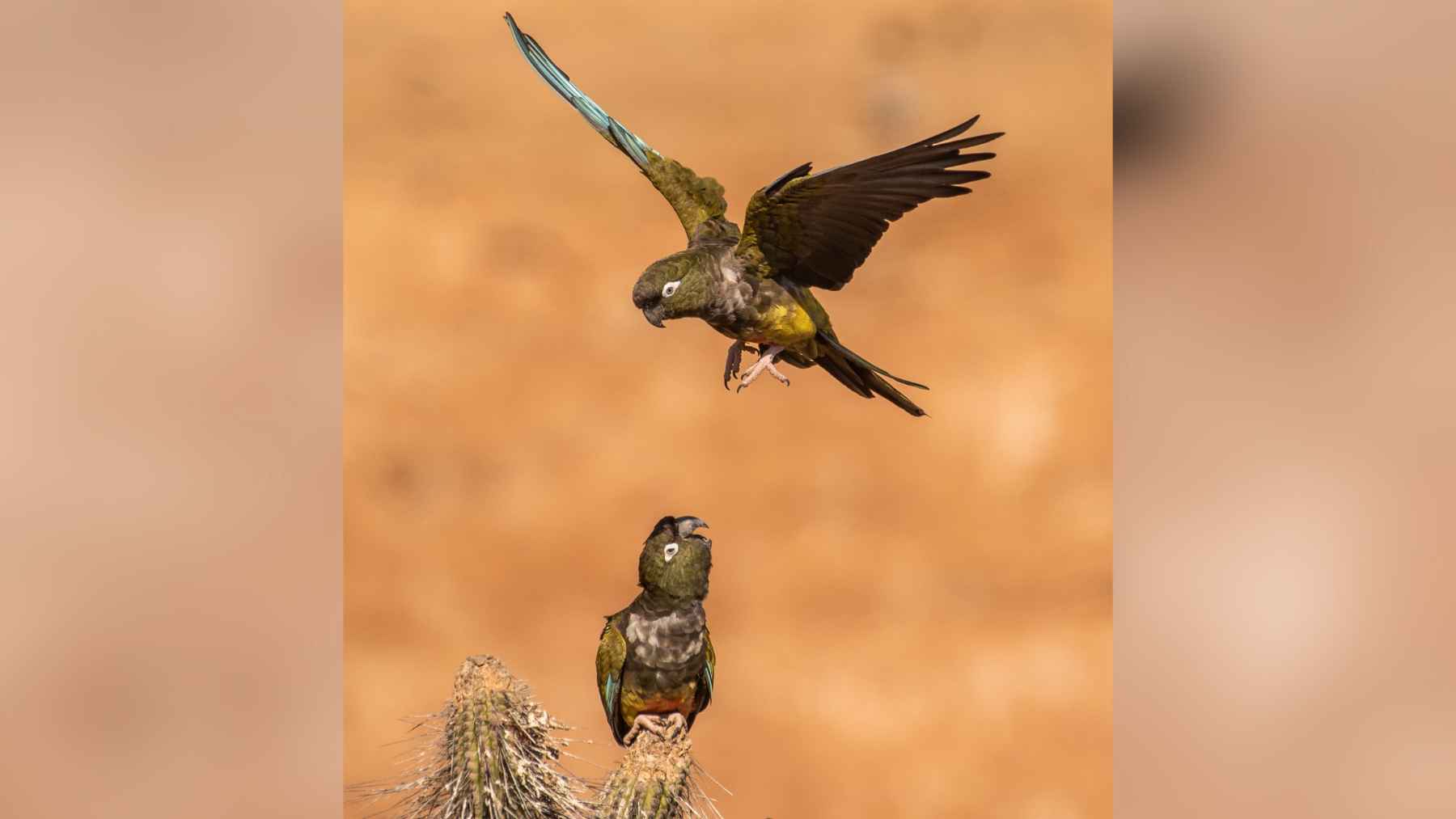
Park rangers in Río Clarillo National Park, just outside Santiago in the community of Pirque, have confirmed an active nesting area for the tricahue parrot, a native bird that had not been documented as a year-round resident in Chile’s Metropolitan Region for more than 15 years.
The discovery traces back to a neighbor’s report in 2024, followed by monitoring that found nesting activity on a pumice cliff near the El Principal sector, close to the park’s access point. Park ranger Catalina Parra Loyola also urged visitors to tell the birds apart from similar-looking species, saying, “It is essential to identify them and not confuse them with the Argentine parakeet.”
For conservationists, the key word here is “nesting.” It signals more than a flyover or a lucky sighting on a weekend hike. It suggests the birds are settling in, raising young, and turning a protected landscape near a major city into home again.
A rare return
The tricahue’s comeback is being treated as a milestone because the park had gone years without proof of local breeding. Birds had been spotted passing through, but that is different from a resident group that feeds, stays, and reproduces in the same area. That difference can sound small on paper, but in wildlife terms it is huge.
There is also a human story behind the find. It began with a local resident speaking up, and it moved forward because rangers had the time and training to follow the lead carefully. In a world where so much biodiversity loss goes unnoticed, that kind of tip can matter.
The nesting area itself also fits what scientists expect from this bird. Tricahues are known for using steep walls where they can tuck nests out of reach, so a cliff face can function like a natural apartment building. Safe shelter is one of the hardest things for many threatened species to find.
What nesting really means
A nesting site is not just “where a bird sleeps.” It is where adults invest energy in eggs and chicks, often returning again and again to the same spot. If that site fails, a whole breeding season can disappear.
That is why confirmed nesting can act like a health check for an ecosystem. It hints that food sources are nearby, disturbance is low enough, and the landscape still works for the species’ daily routine. In practical terms, it means the habitat is doing its job.
It also raises a simple question that many people in the Santiago area may start asking. Could you be hearing these parrots while driving past farms or walking near the park, without realizing what they are? Sometimes nature comes back quietly, one nest at a time.
Why the tricahue is threatened
The tricahue is an endemic subspecies, which means it is native to Chile and naturally found there and nowhere else. Official conservation documents describe a dramatic range contraction over time, linked to hunting, taking chicks for the pet trade, and ongoing habitat changes.
Those same records note that today the largest share of the population is concentrated farther south, with smaller pockets elsewhere, and they warn that active nesting colonies may be limited in number.
Those documents also help explain why a nesting record near Santiago turns heads. They describe the bird as tied to semi-arid valleys near rivers, where it can dig nest holes into natural walls. When those places are disturbed or when chicks are removed, colonies can empty out and stay empty for years.
Conservation labels can be confusing, especially when they vary by region. “Endangered” generally means a higher risk of disappearing from an area, while “vulnerable” signals serious risk but not as immediate. Either way, a confirmed breeding site is a reminder that the species is still under pressure, even when it shows signs of recovery.
How to recognize it
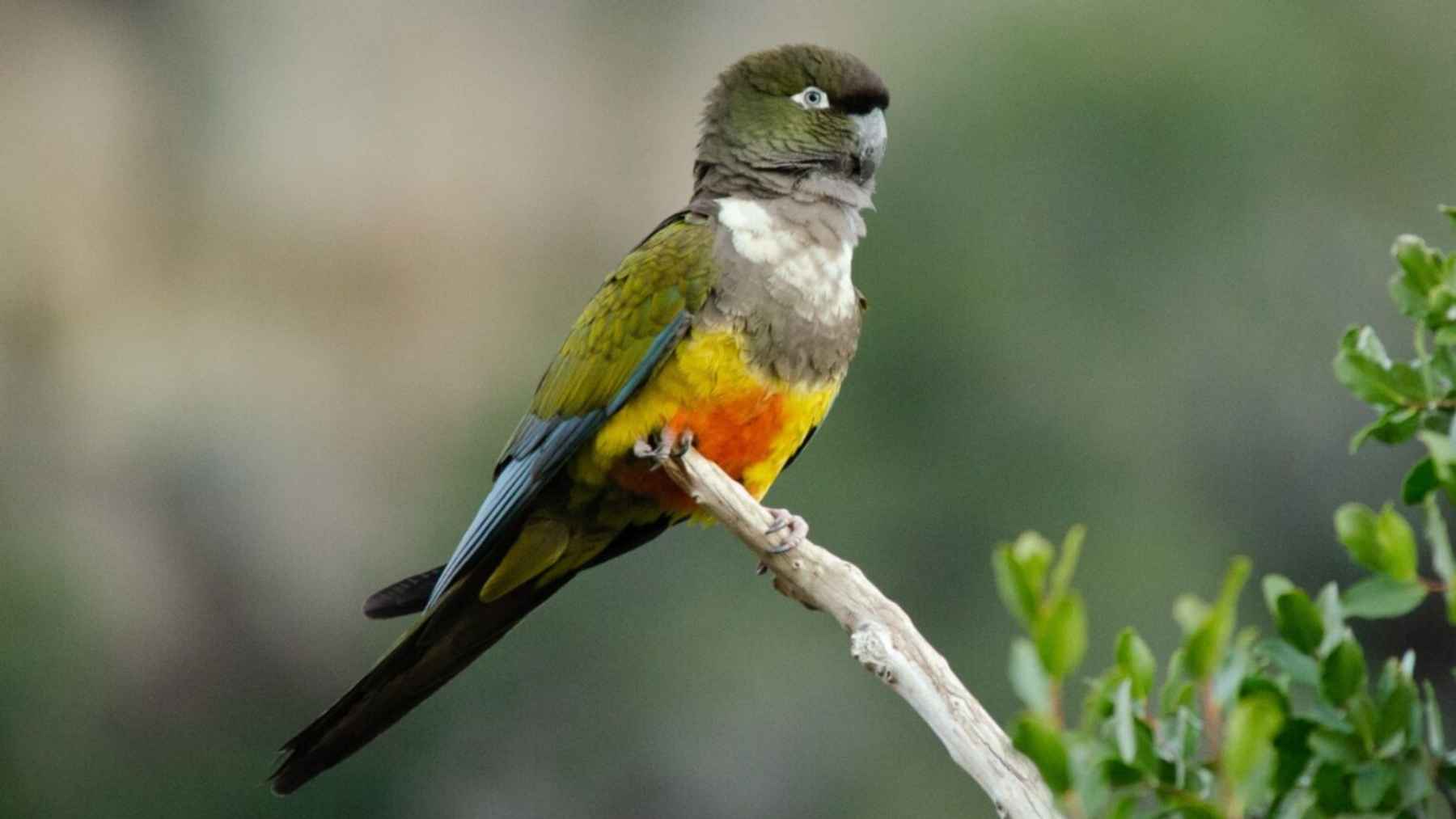
Chile’s agricultural and livestock service describes the tricahue as the country’s largest parrot, measuring about 18 inches long, with a noticeable pale ring around the eye and blue on the wing tips. The same guidance notes that these parrots are loud and social, often forming flocks, and feeding on grains, fruits, and flowers found on the ground or among tree leaves.
It also recommends watching wildlife from a distance without interfering, and contacting authorities if an animal is injured or unable to move normally.
For anyone visiting Río Clarillo, that “distance” advice is especially important around nesting areas. Even well-meaning people can push birds away from eggs or chicks by getting too close, lingering too long, or trying to get the perfect phone photo. A quiet moment can be the best kind of wildlife viewing.
And if you are spotting parrots beyond the park boundary, context matters. Tricahues may move through nearby orchards and fields as they search for food. That can create friction, but it can also create an opportunity for coexistence if people know what they are seeing.
Do not confuse it
One reason rangers emphasize identification is that the Metropolitan Region is also home to the invasive Argentine parakeet, a species that research teams say is widely distributed in the area, especially in the eastern zone of Santiago.
A University of Chile project focused on this parakeet describes it as highly adaptable to human environments, which helps explain why it can spread so successfully in cities.
The tricahue’s story, by contrast, is closely tied to long-running conservation work. A government report on threatened species notes that a tricahue conservation project began in the early 1980s, and that later plans aimed to protect colonies and support eventual recovery in central Chile.
For now, the Río Clarillo nesting record is a sign that recovery is still possible, even near a densely populated capital region. The next steps will likely depend on steady monitoring and the everyday choices people make when they share space with wildlife. Small actions add up.
The main official press release has been published on CONAF’s website.