China has proven to be able to extend the length of days (Three Gorges Dam) or even to produce an alcohol derivative to kill hydrogen. However, its most unexpected move has been the new in-wheel engine, an alternative to the conventional ones that are placed under the hood, and which is called to destroy the EVs. Yes, it is paradoxical, as they themselves want to dominate this sector with BYD and Xiaomi, but they seem to have changed their minds.
China has been hiding a secret for years: This engine is not from BYD, not from Xiaomi
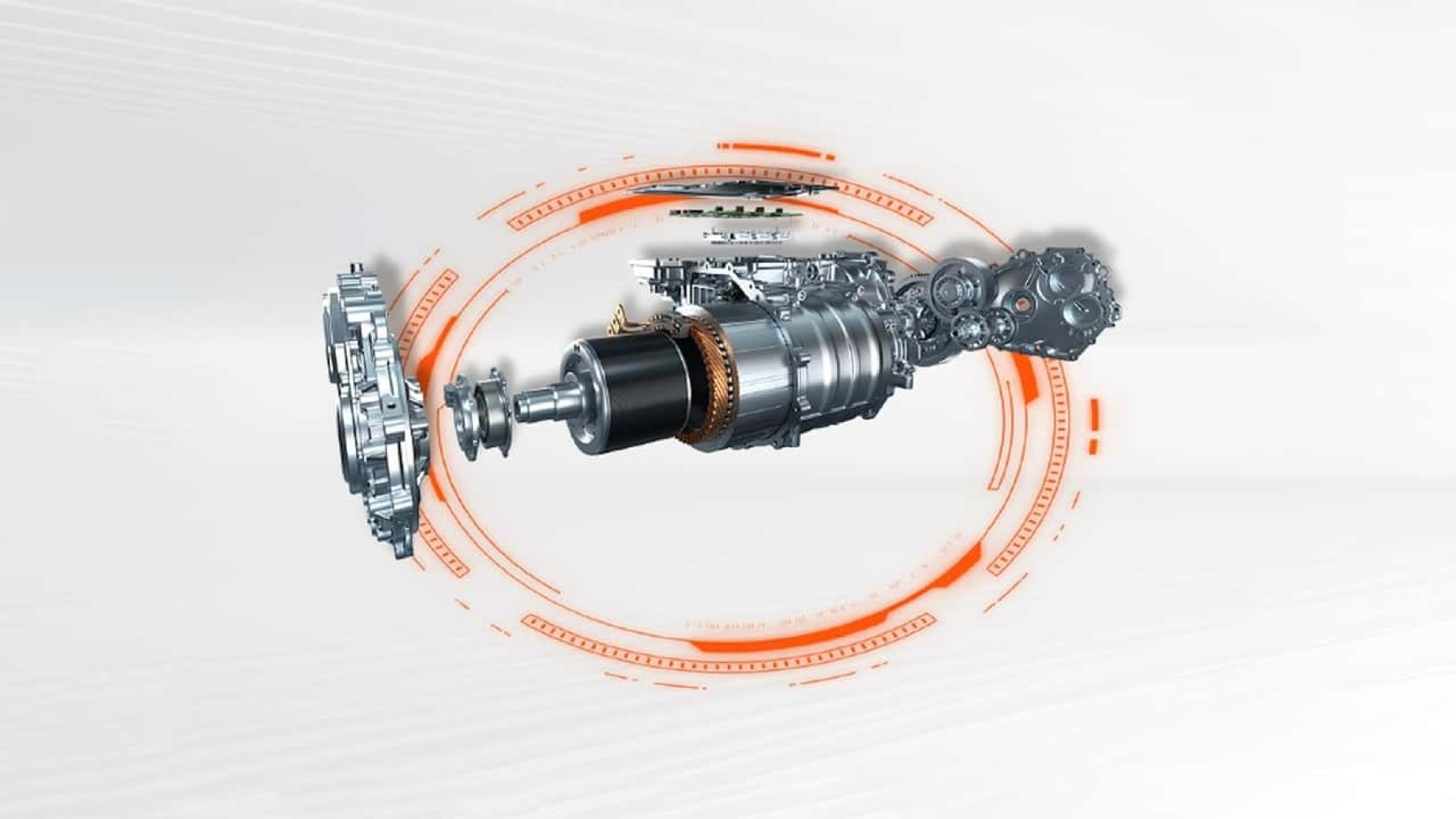
This is an inline electric motor by GAC Group that is one of the largest manufacturers of automobiles from China to unveil what is likely to transform the EV market. This new technology created by GAC Research and Development Department differentiate the automaker’s electric vehicle powertrain design from traditional approaches.
The in-wheel motor also referred to as the wheel hub motor is an electric motor designed to be located right in the wheel of the car. This design also does away with usual components of the drivetrain including gear boxes, driveshafts and differential, hence making this powertrain system compact.
GAC’s new in-wheel motor showcases several cutting-edge features that set it apart from conventional electric motors:
- High-Speed Operation: At its optimum speed, the motor can revolve at an astounding 30,000 rpm, which bests most of the existing electric motors used in present-day electric cars.
- Compact Design: The motor itself is rather small and measures only 330 mm in diameter, which makes it fitting to as many wheels’ sizes as possible.
- Lightweight Construction: Coming in a lightweight of 16. 8 kg, the motor further lightens the vehicle; thus improving efficiency and performance.
- Power Output: However, due to its size, it is able to produce a maximum of 150 kW of power, or approximately 201 bhp.
Beyond conventional electric engines: The GAC’s prototype could revolutionize the new mobility
GAC’s in-wheel motor demonstrates remarkable performance characteristics that could significantly impact the EV landscape:
- Extended Range: Higher efficiency of the motor could add up to 50km (31 miles) of an additional range to an electric vehicle, thus tackling one of the biggest challenges of electrification’s range limitations.
- Improved Efficiency: The motor features high peak efficiency of 95% which is higher than most traditional electric motors employed in the contemporary EVs.
- Torque Output: The maximum torque of 350 Nm allows using the car engine power for different modes of city and highway driving.
GAC has ambitious plans for the commercialization of its in-wheel motor technology that could define the future:
- Production Timeline: As for the in-wheel motors, the firm plans to start the mass production goal by 2025, which can be construed as rather fast progress from the prototype to the product.
- Vehicle Integration: Currently, GAC is constantly developing the scheme of the integration of in-wheel motors into the subsequent models of electric vehicles that will radically change the EV segment of the manufacturer.
- Partnerships and Licensing: Although, there is lack of information regarding its future, GAC may seek cooperation with other manufacturers of electric vehicles or to grant the license for the use of this technology to increase its presence during further development of the EV marketplace.
The new GAC in-wheel engine is a further step that will leave conventional EVs behind, and could provide a short- to medium-term alternative to hydrogen, which has yet to find a clear path. The goal is to decarbonize transportation with better options, which do not involve developing a complete network of refueling stations and which take the current efficiency further, with a clear increase in autonomy that rivals even some BYD models.